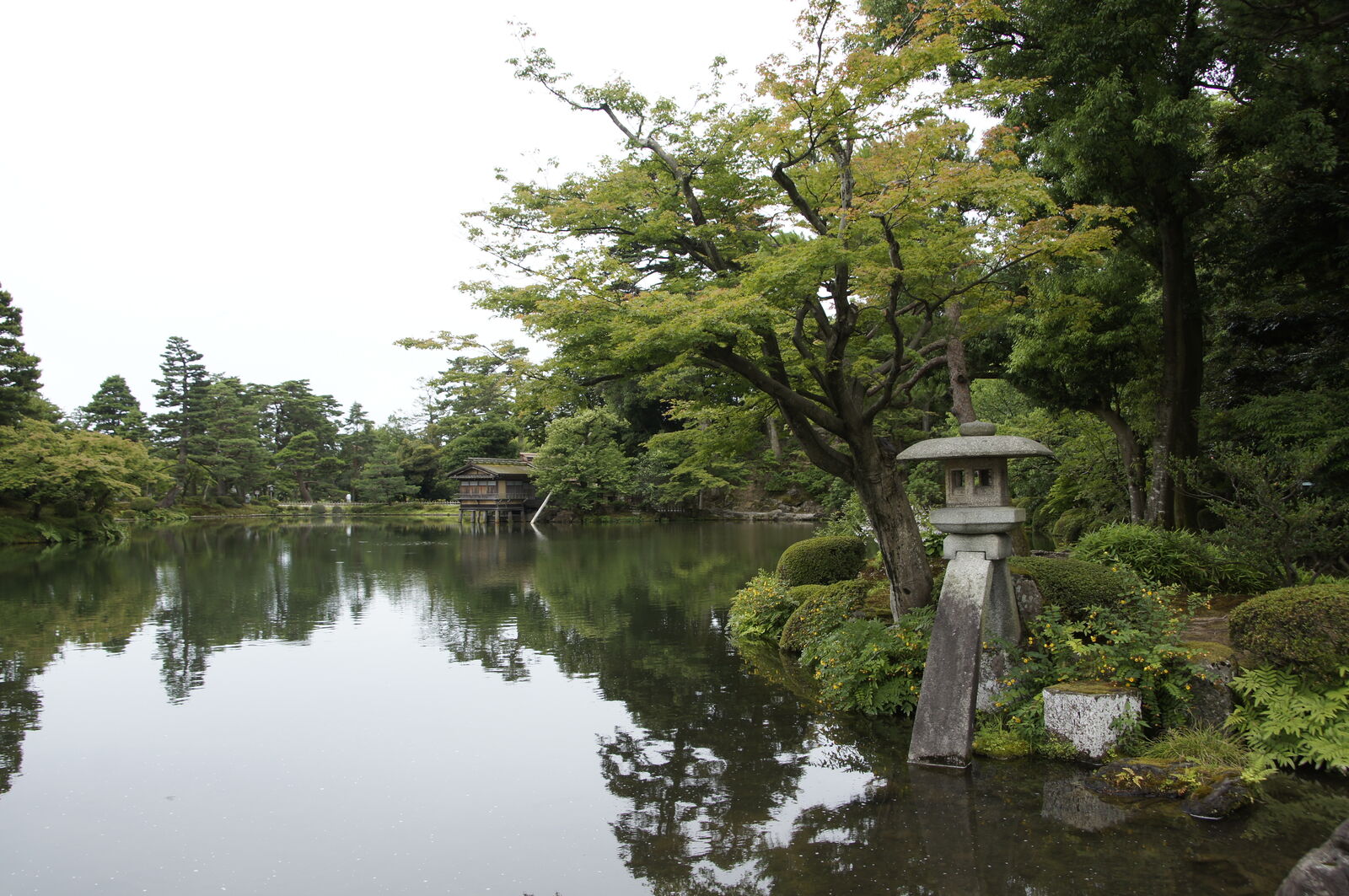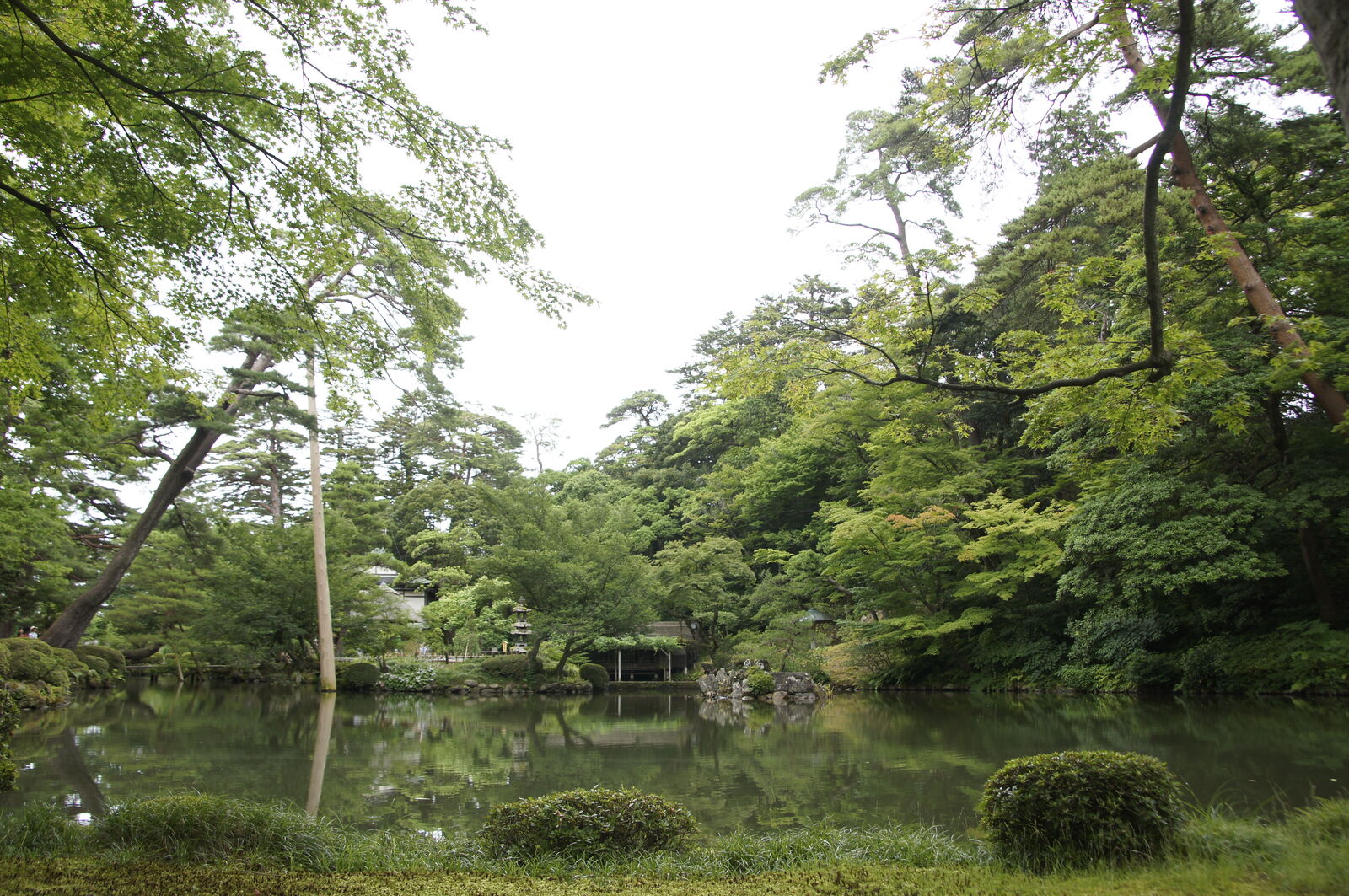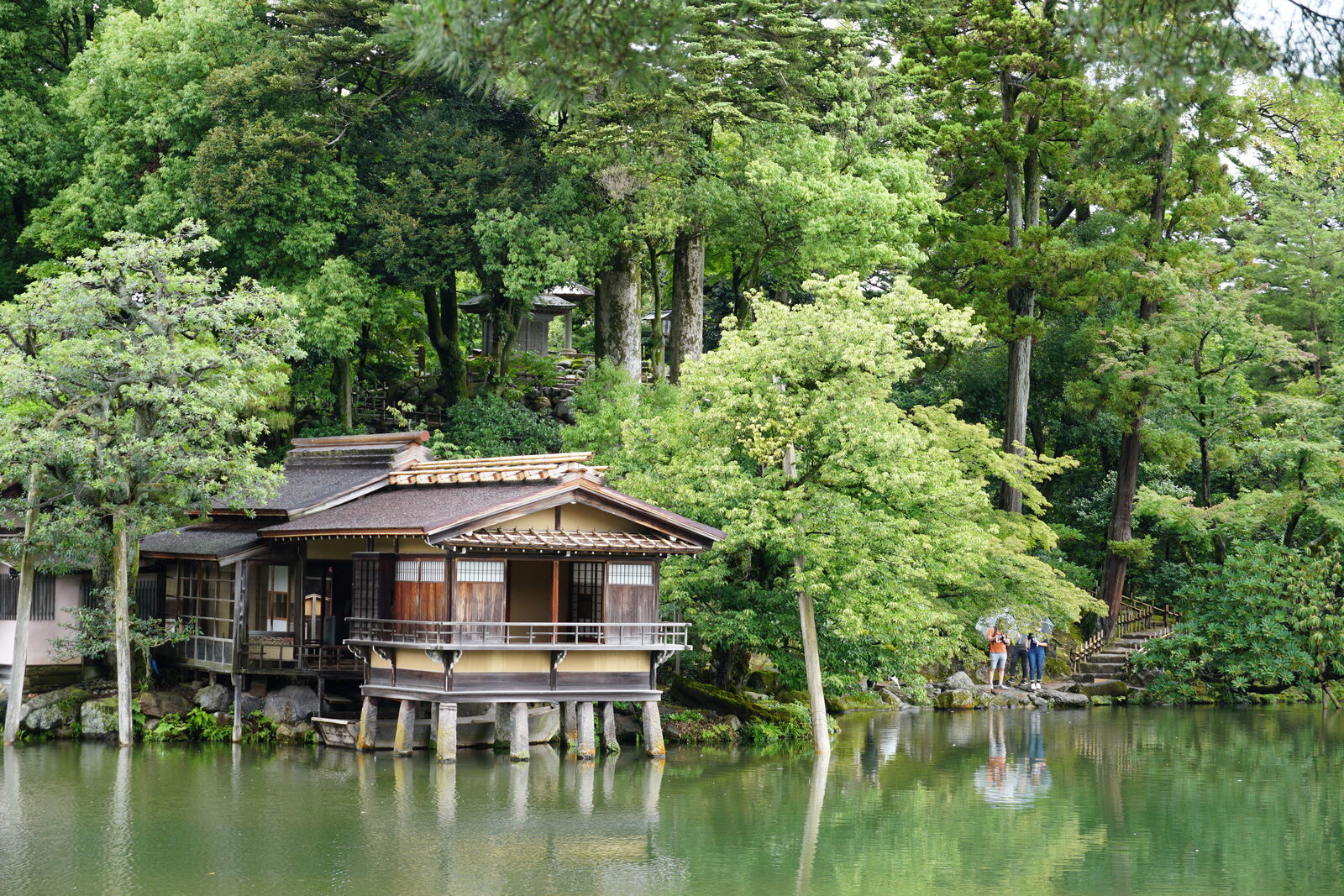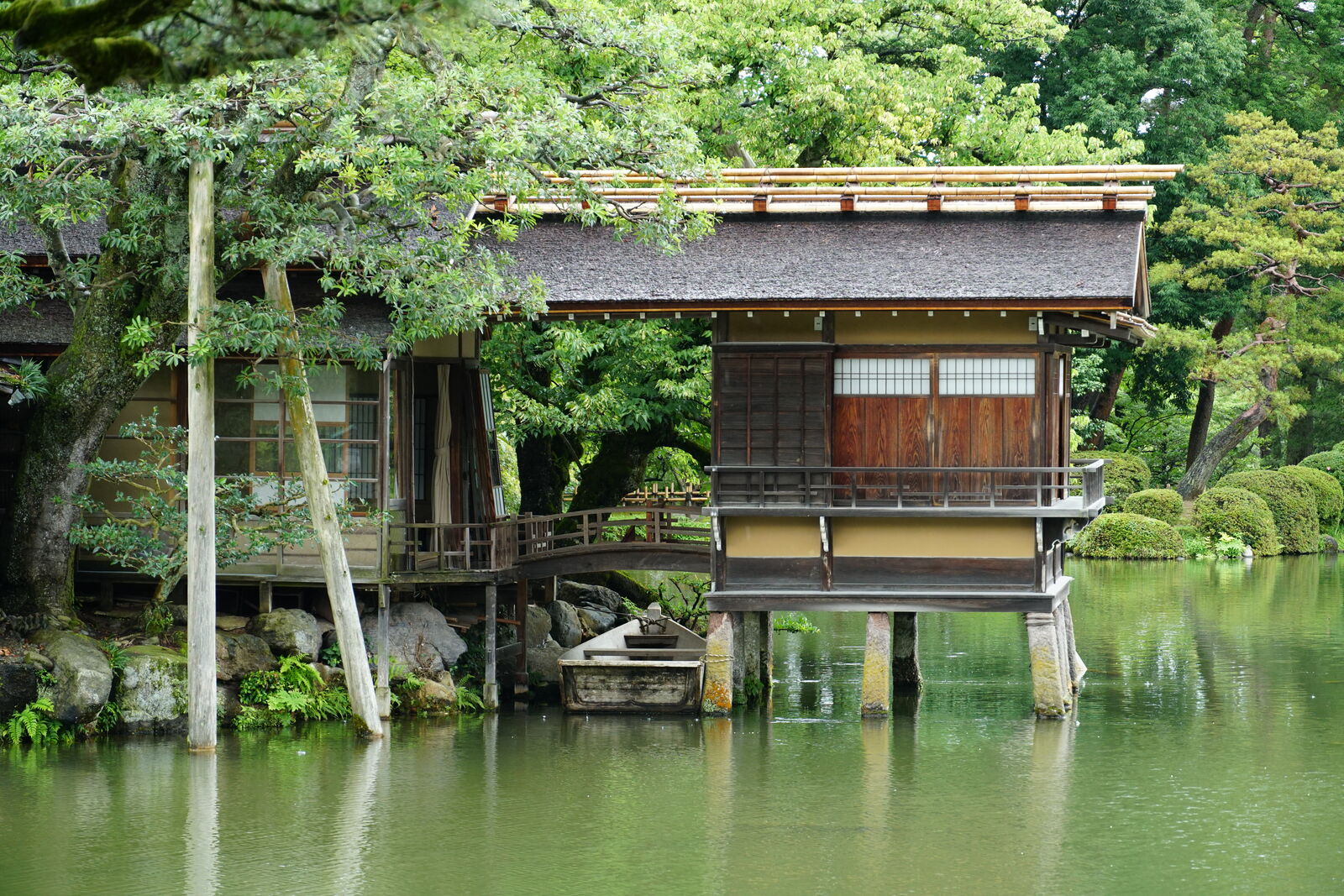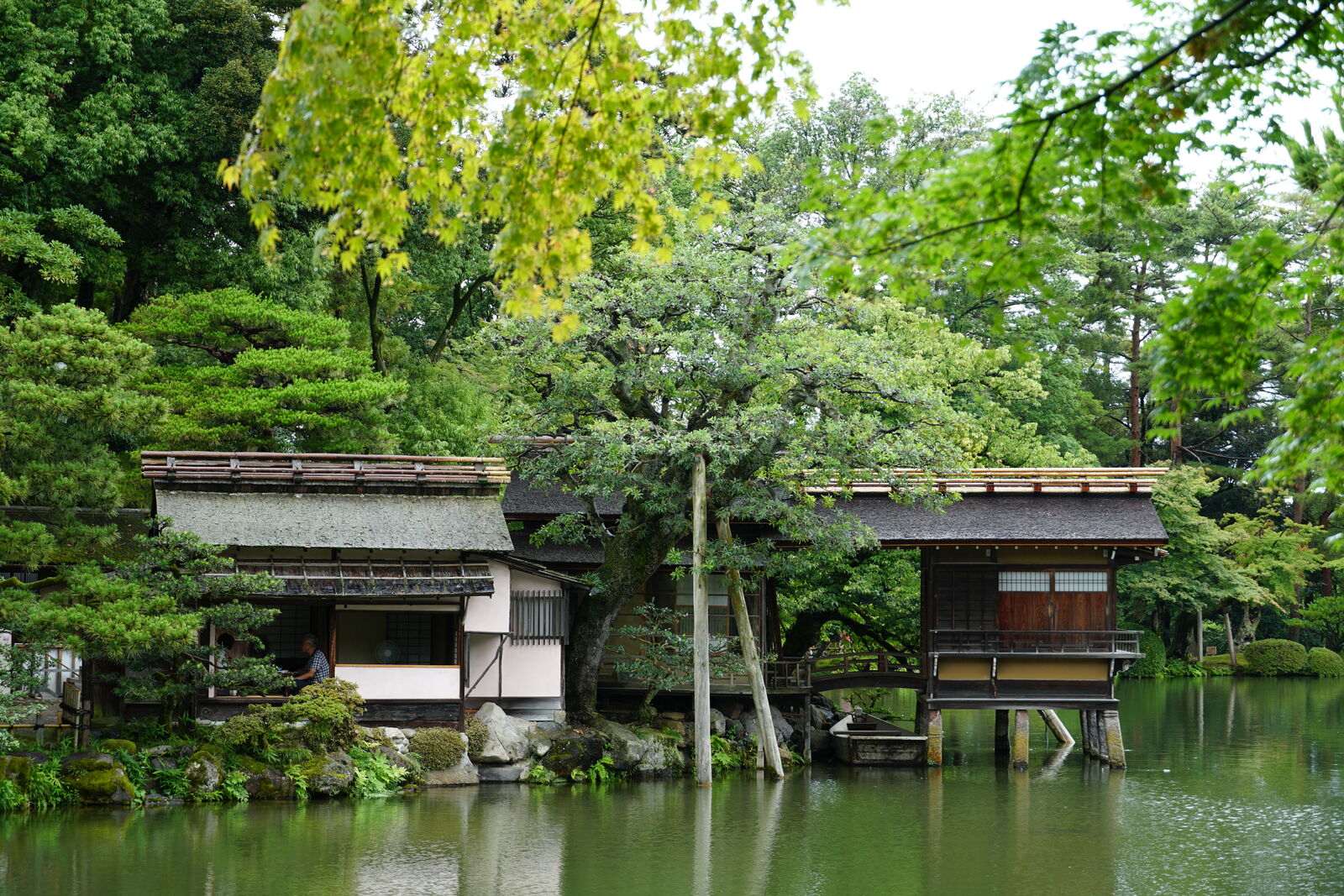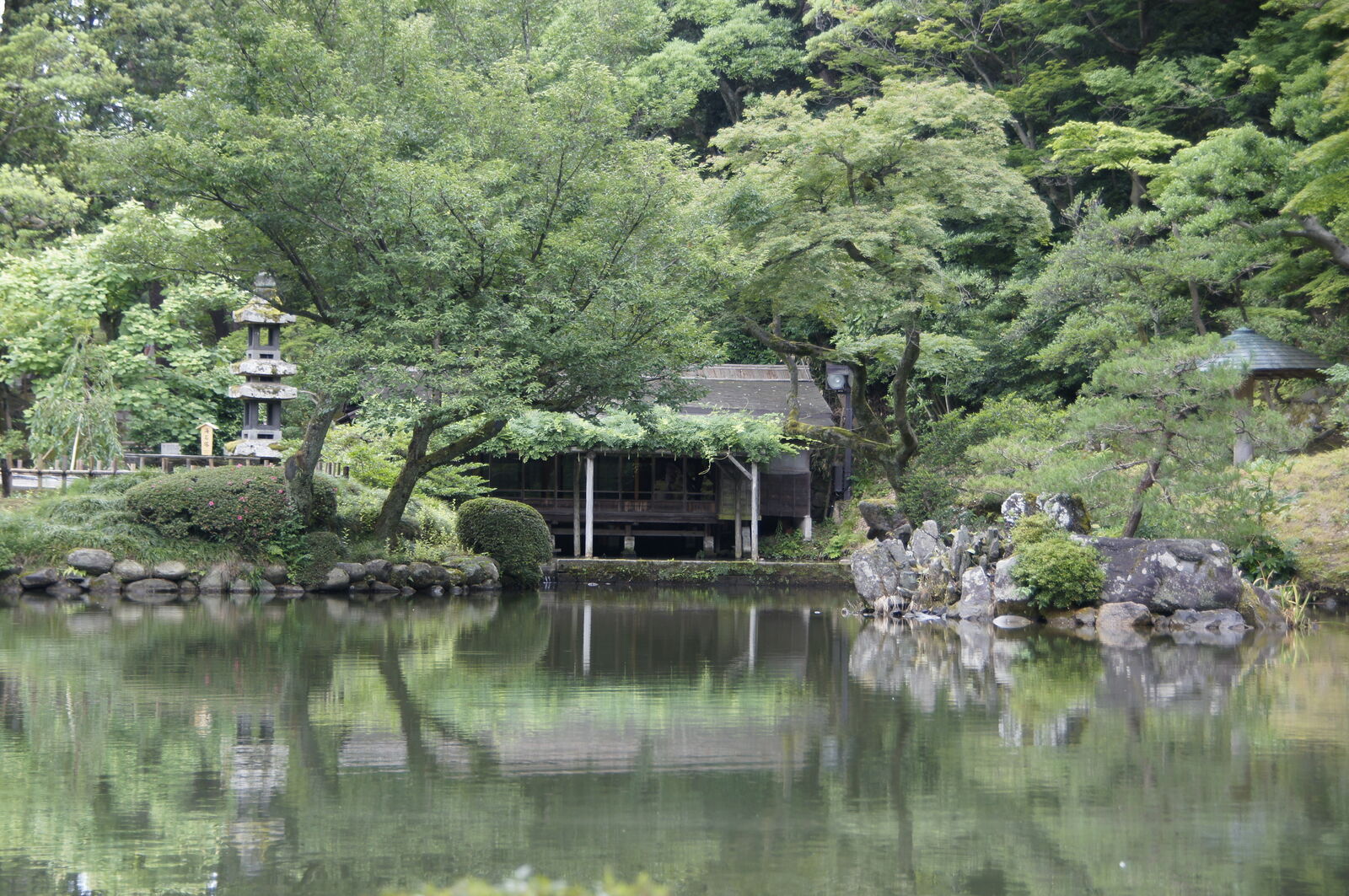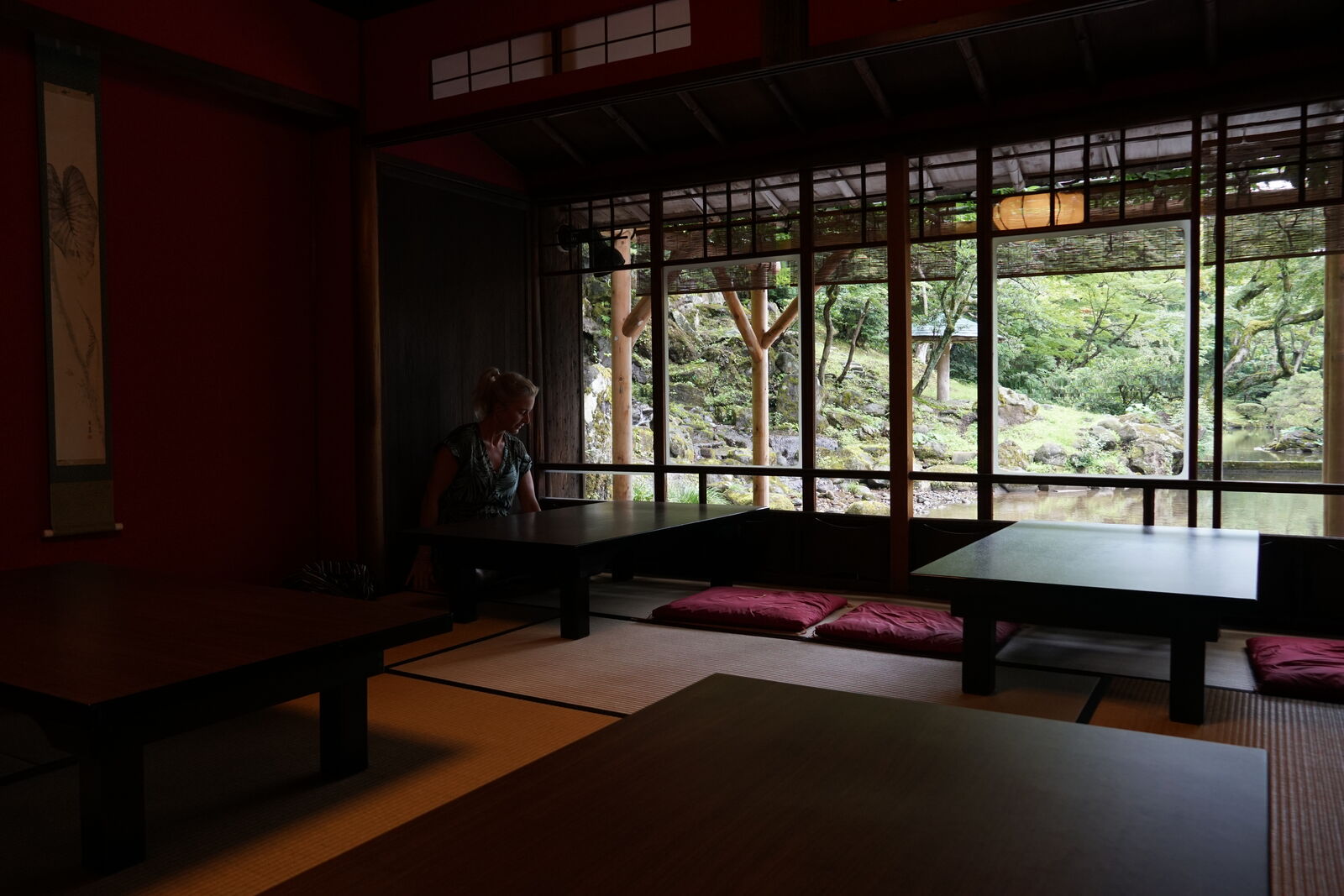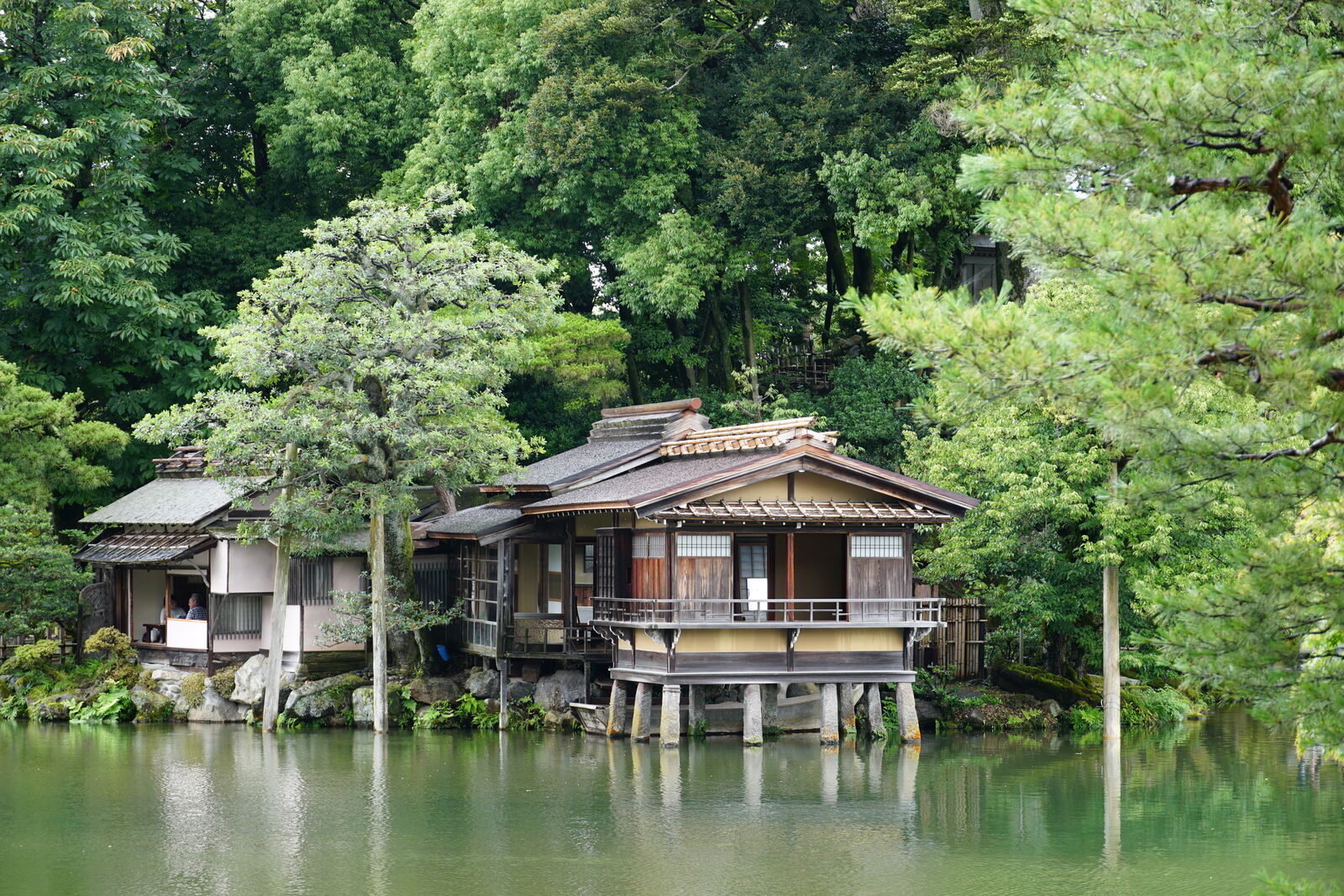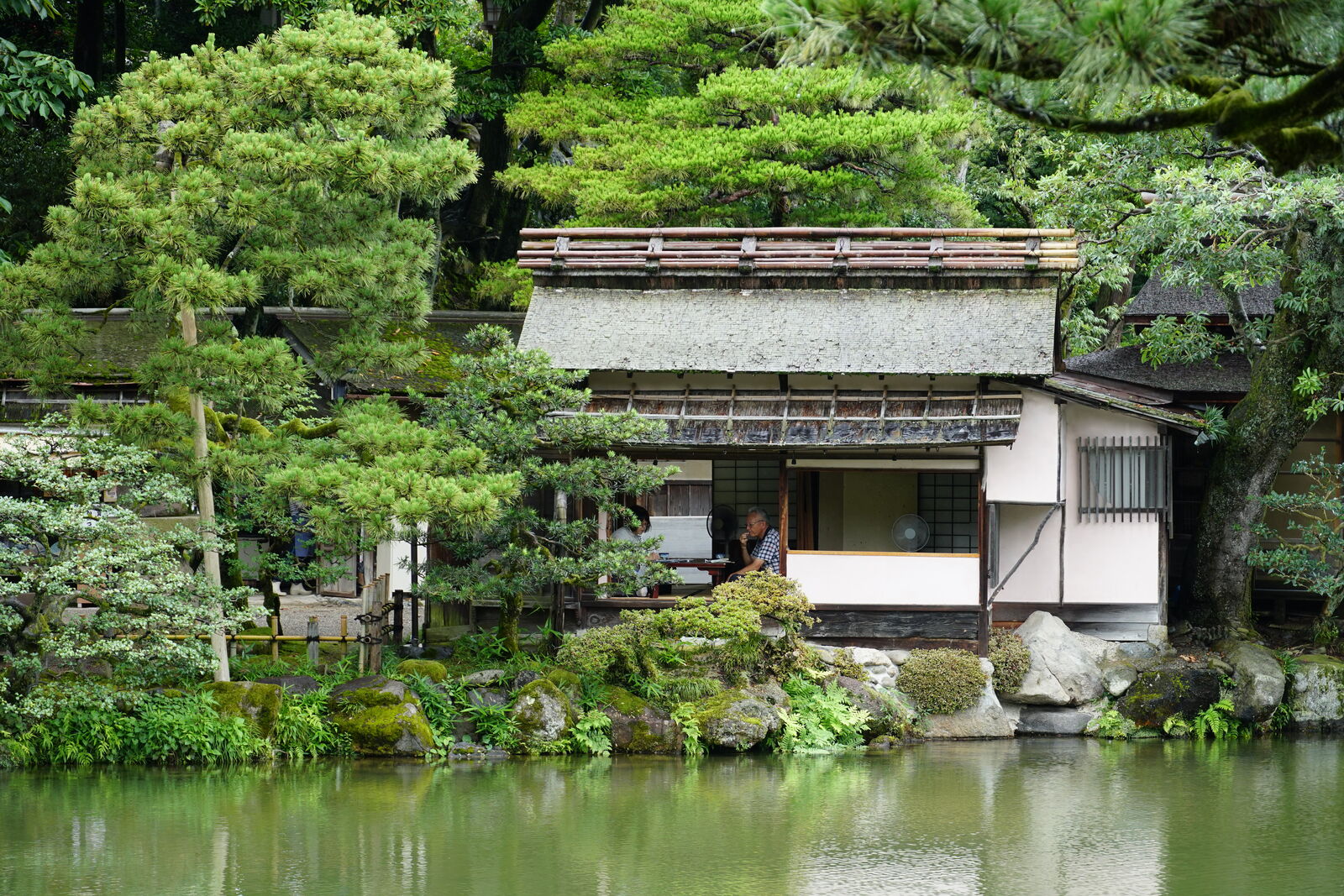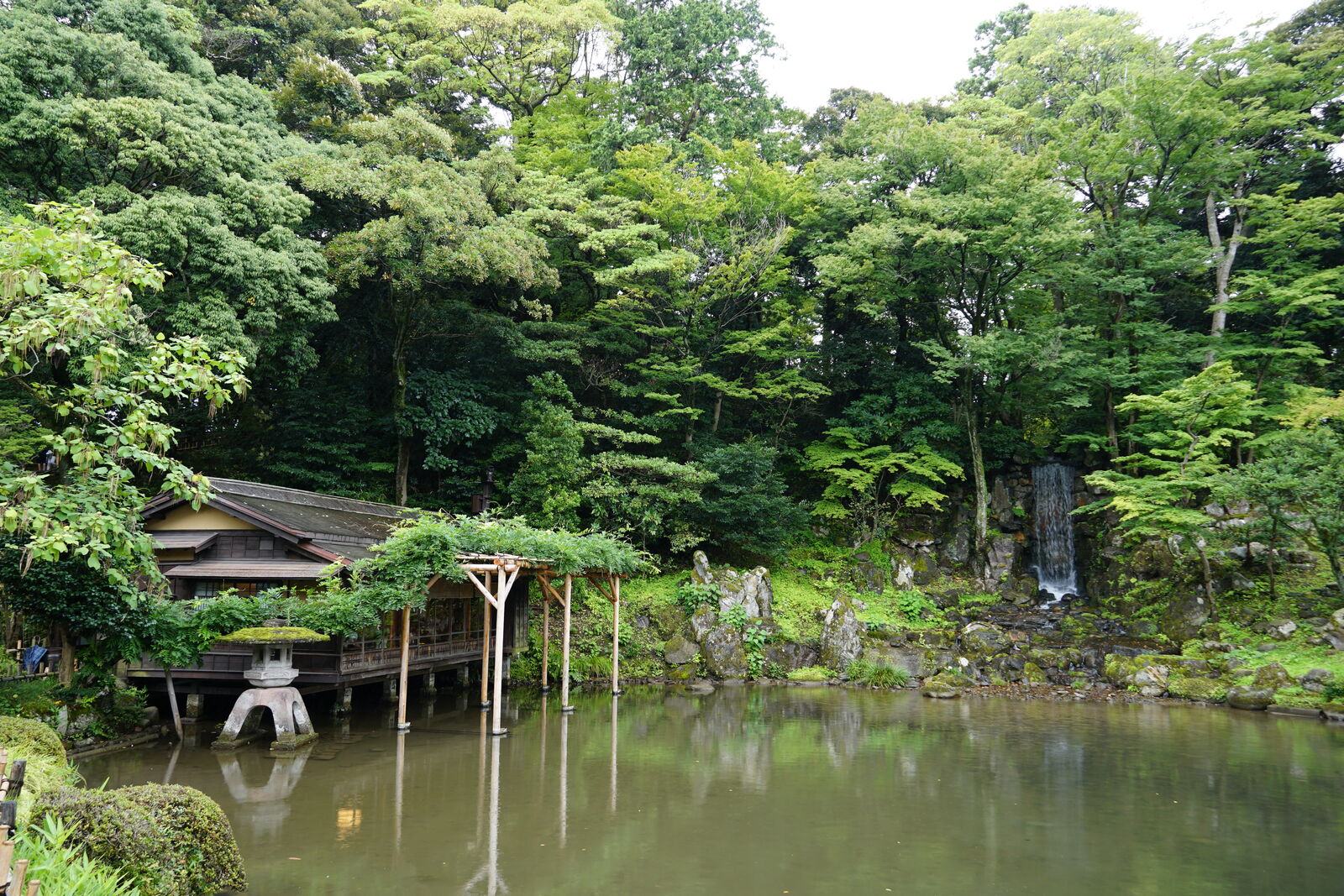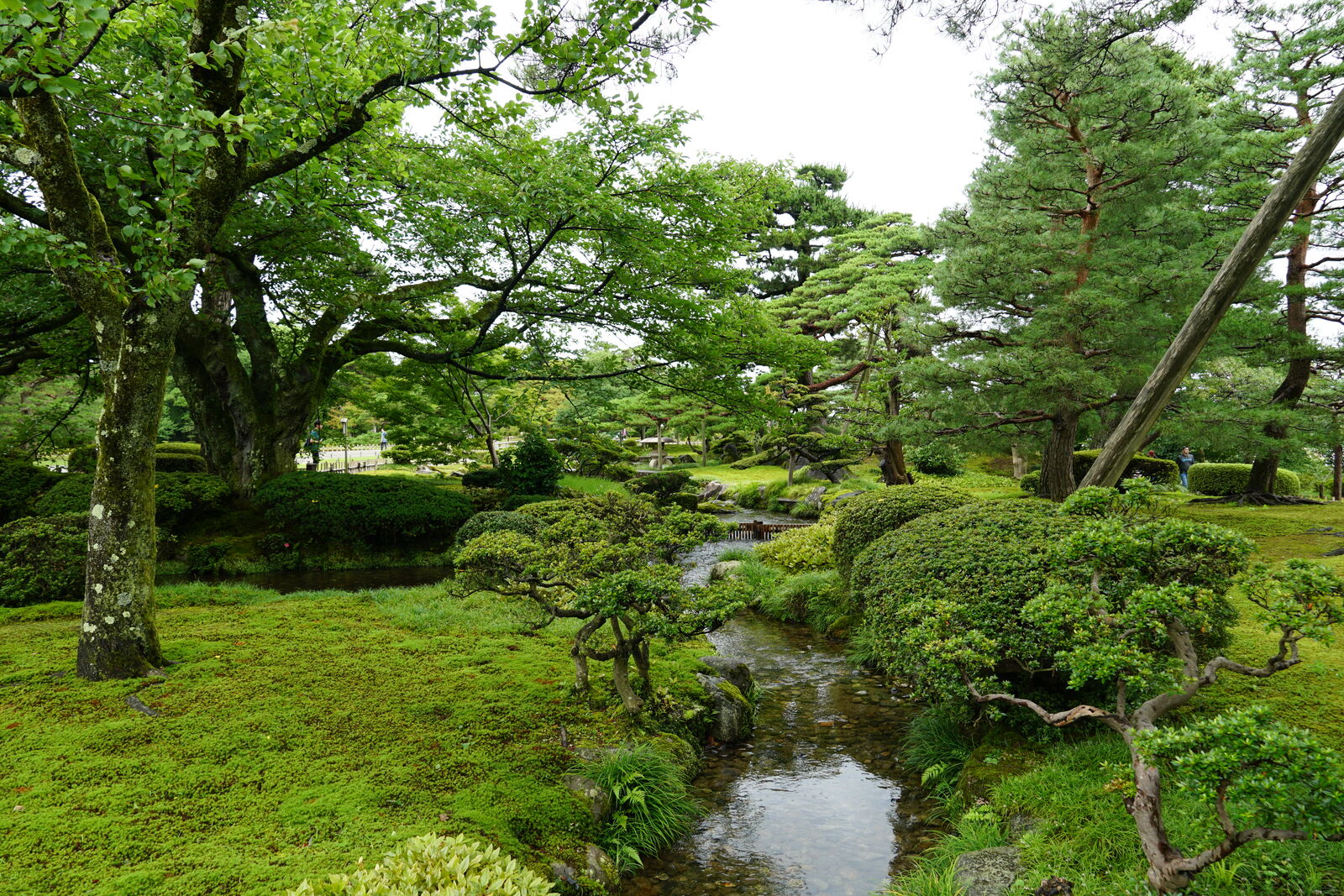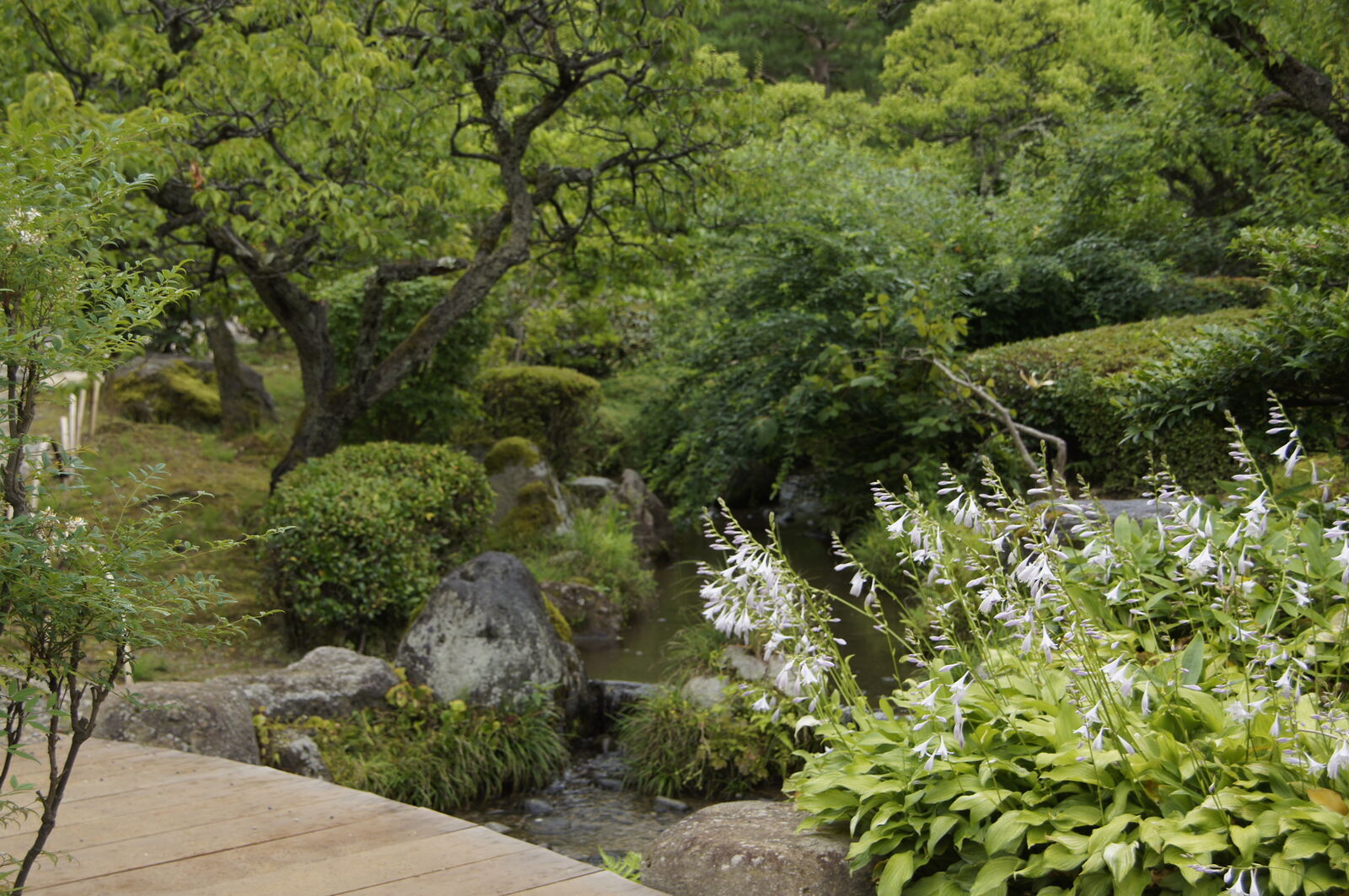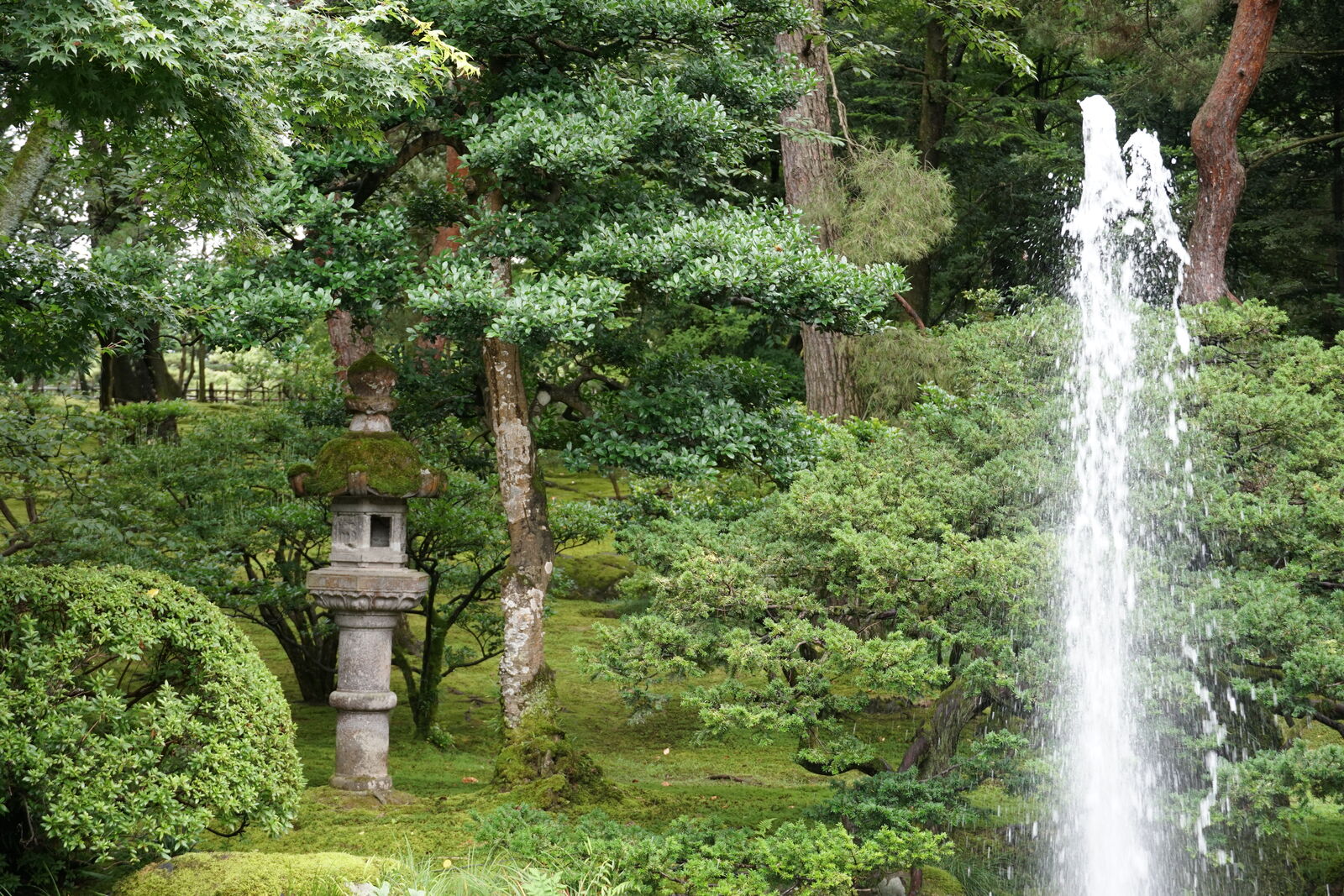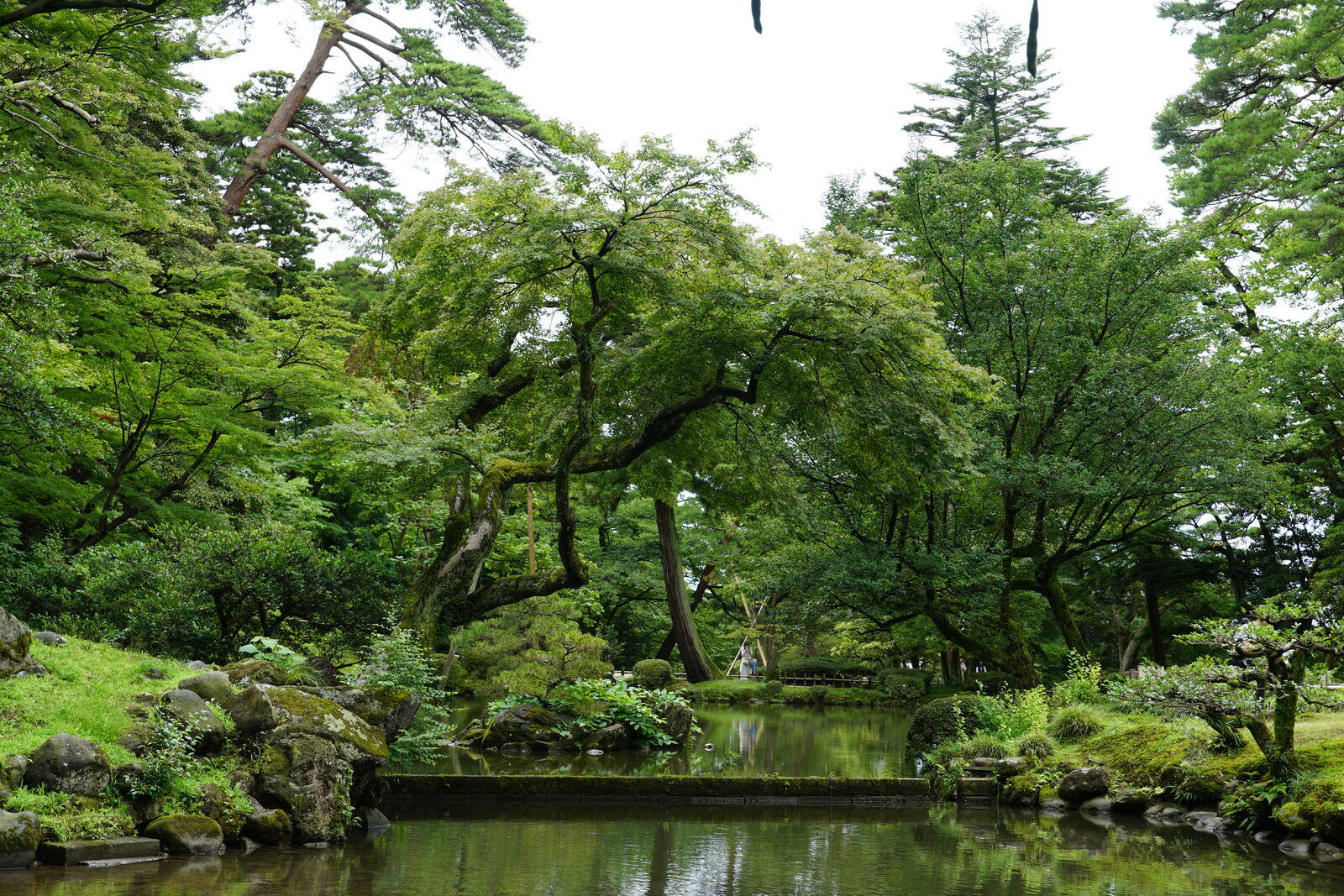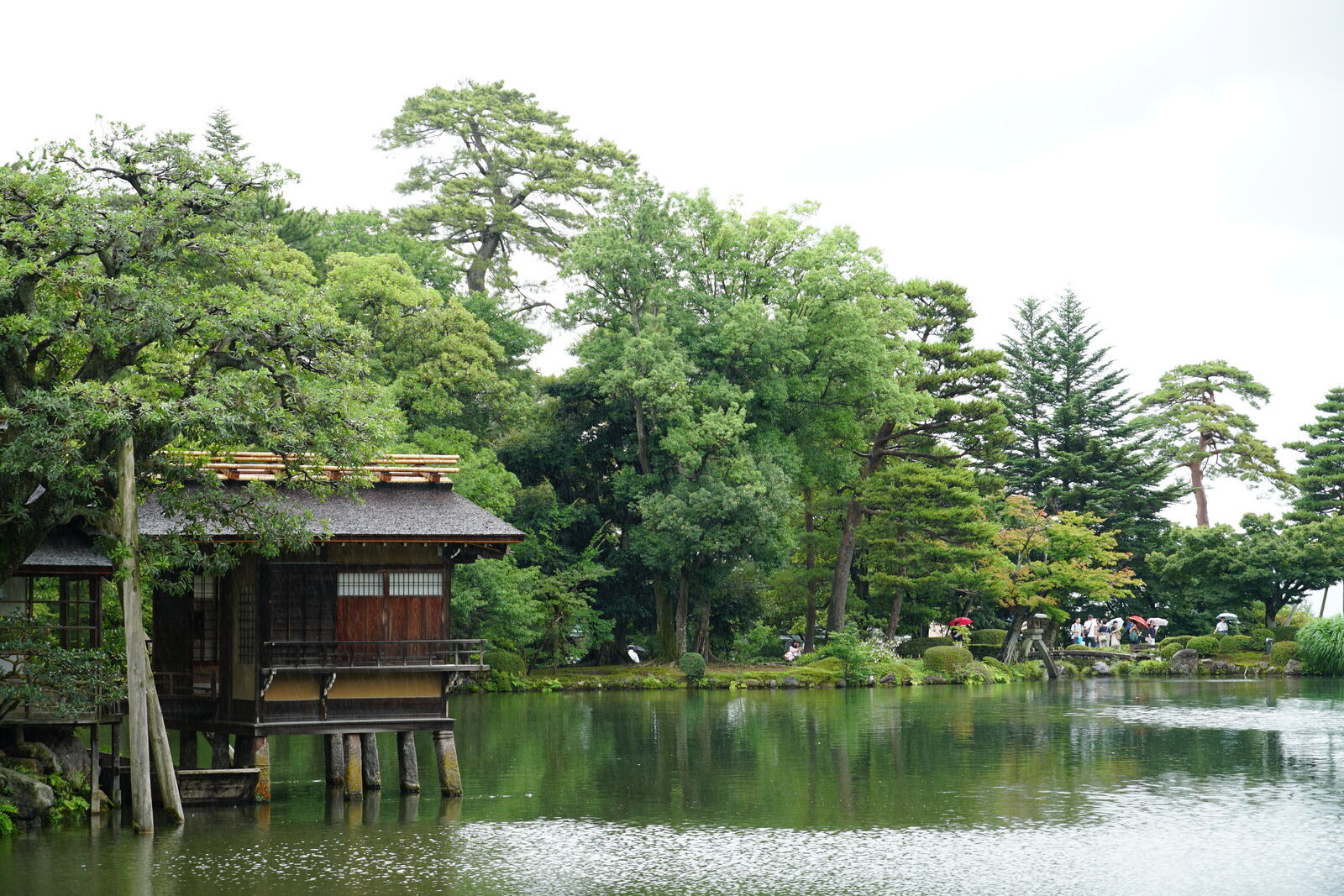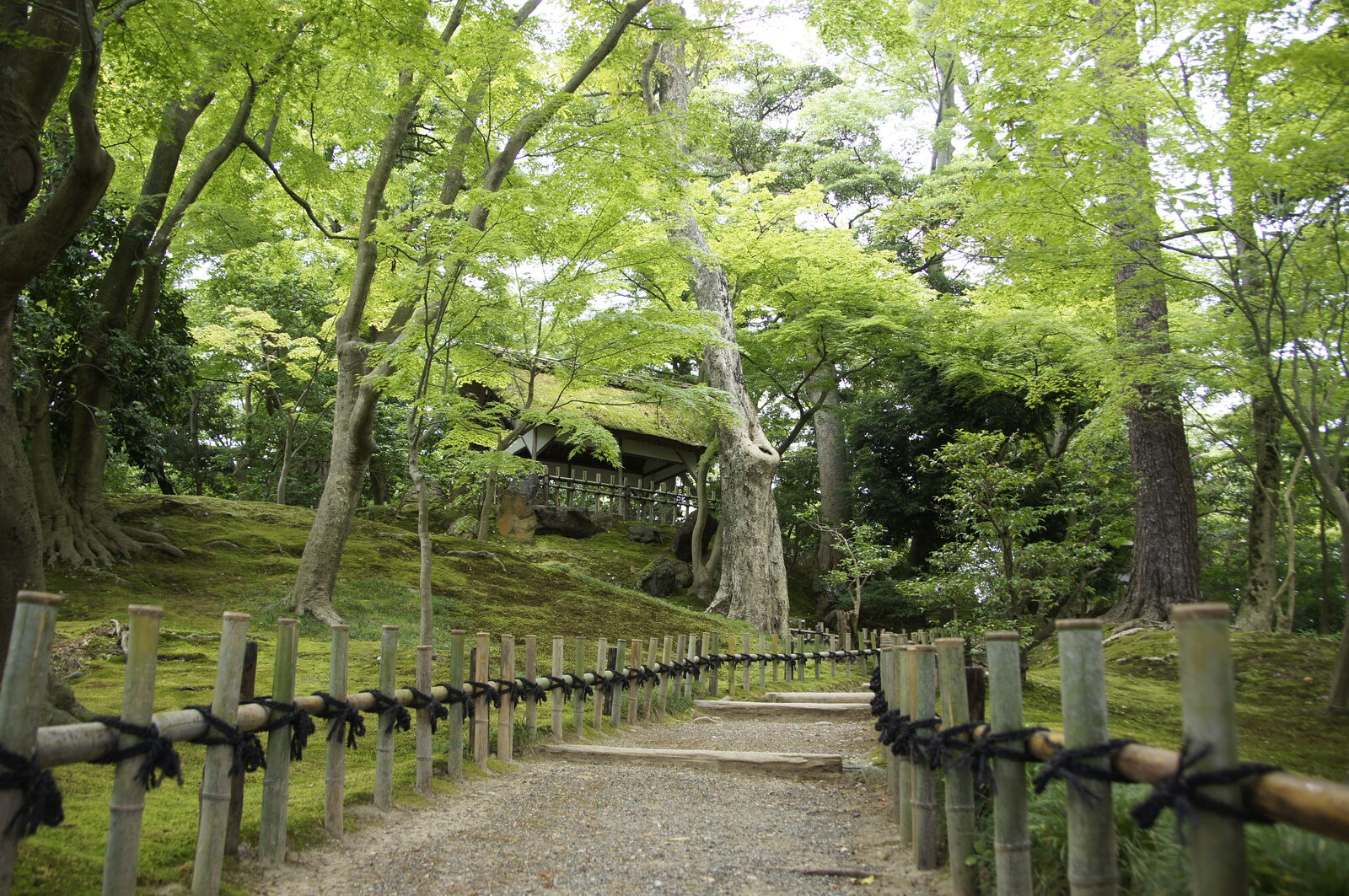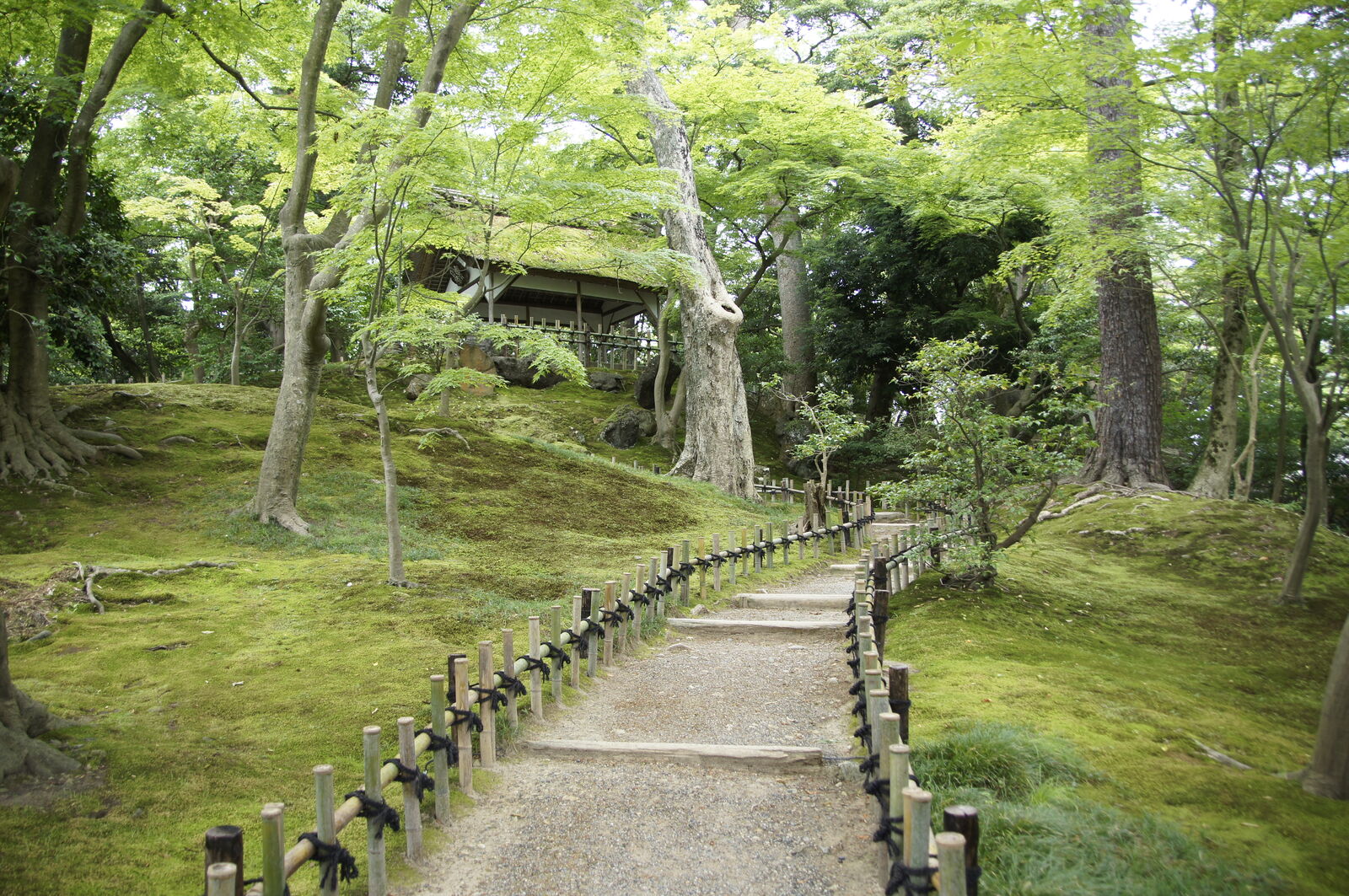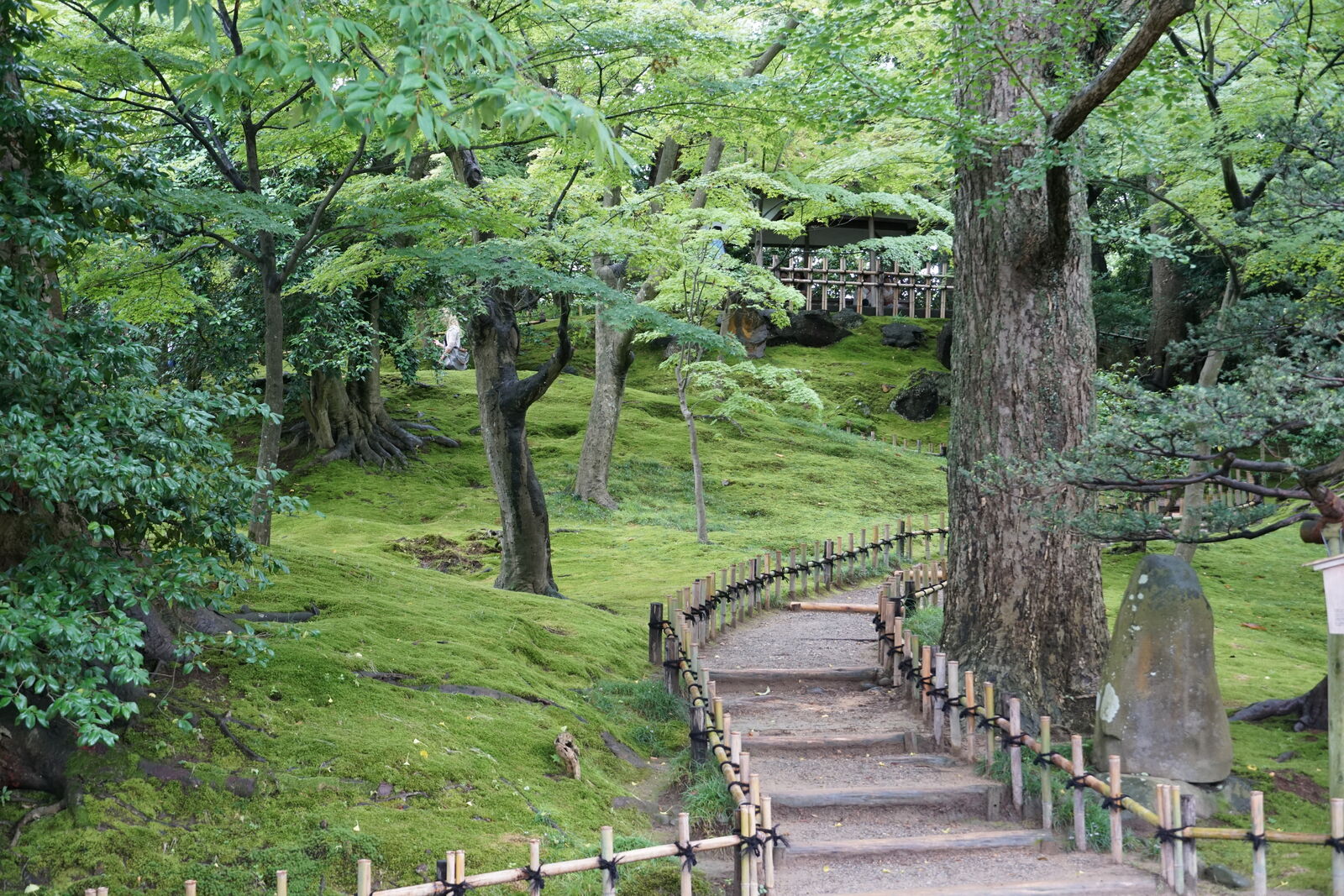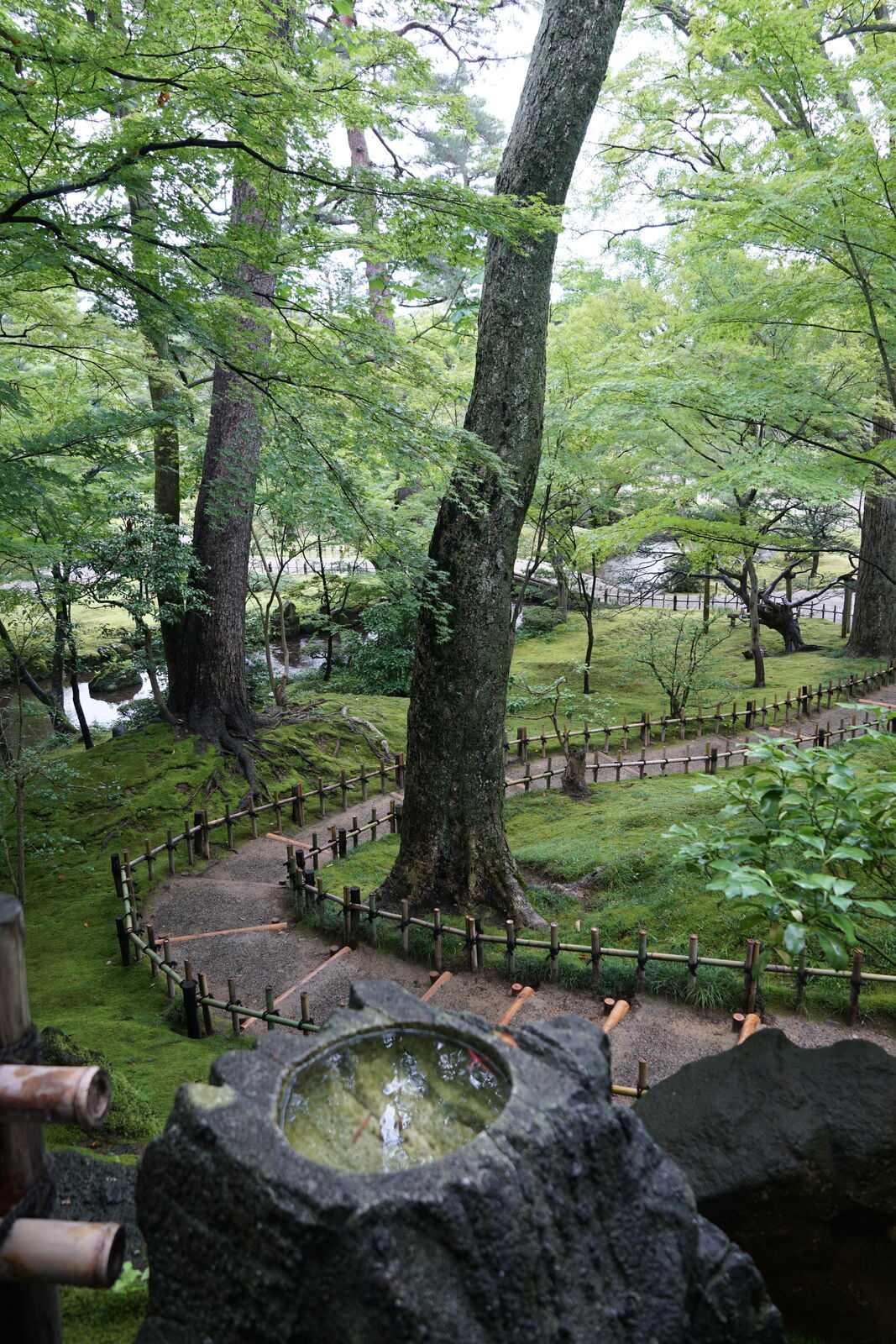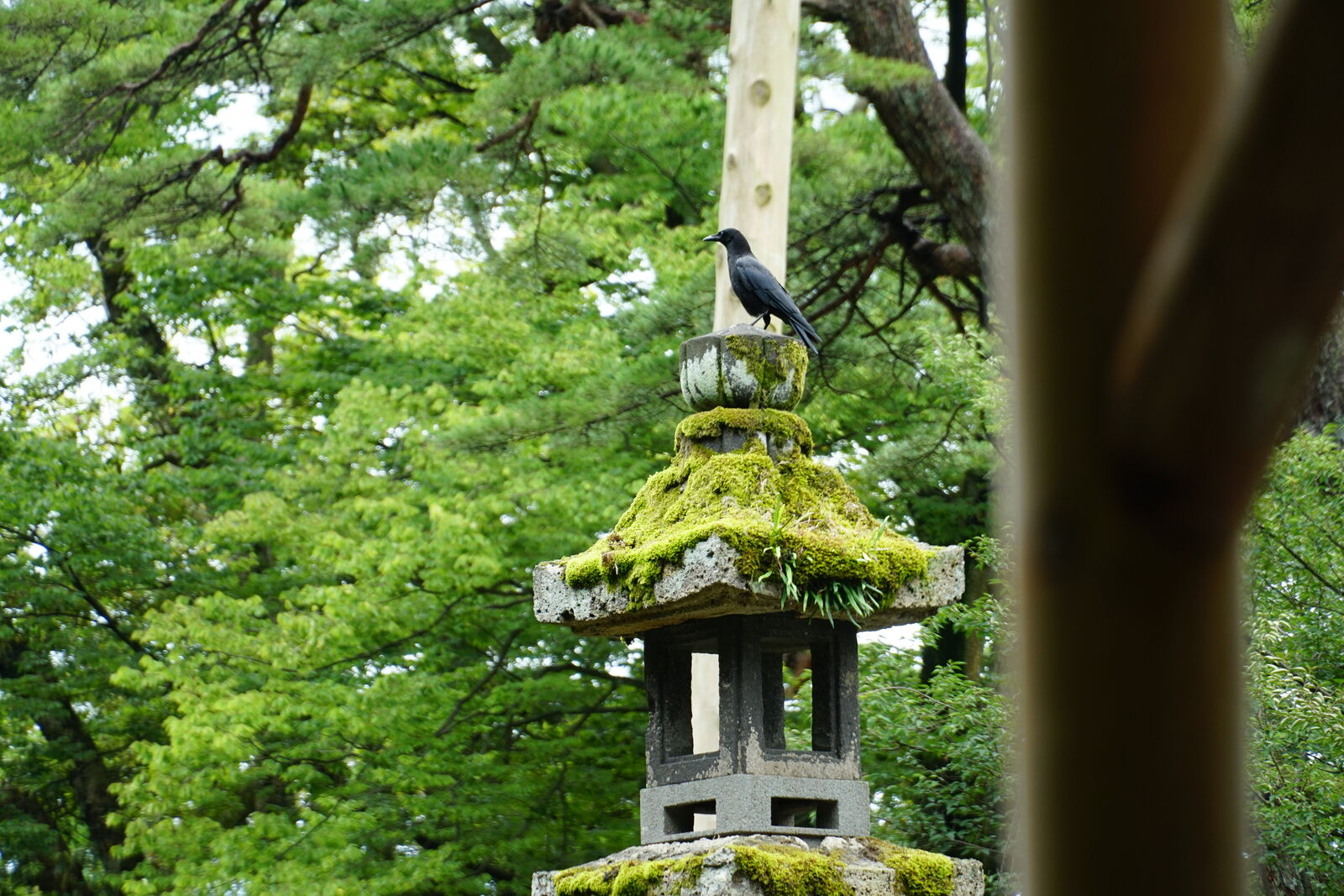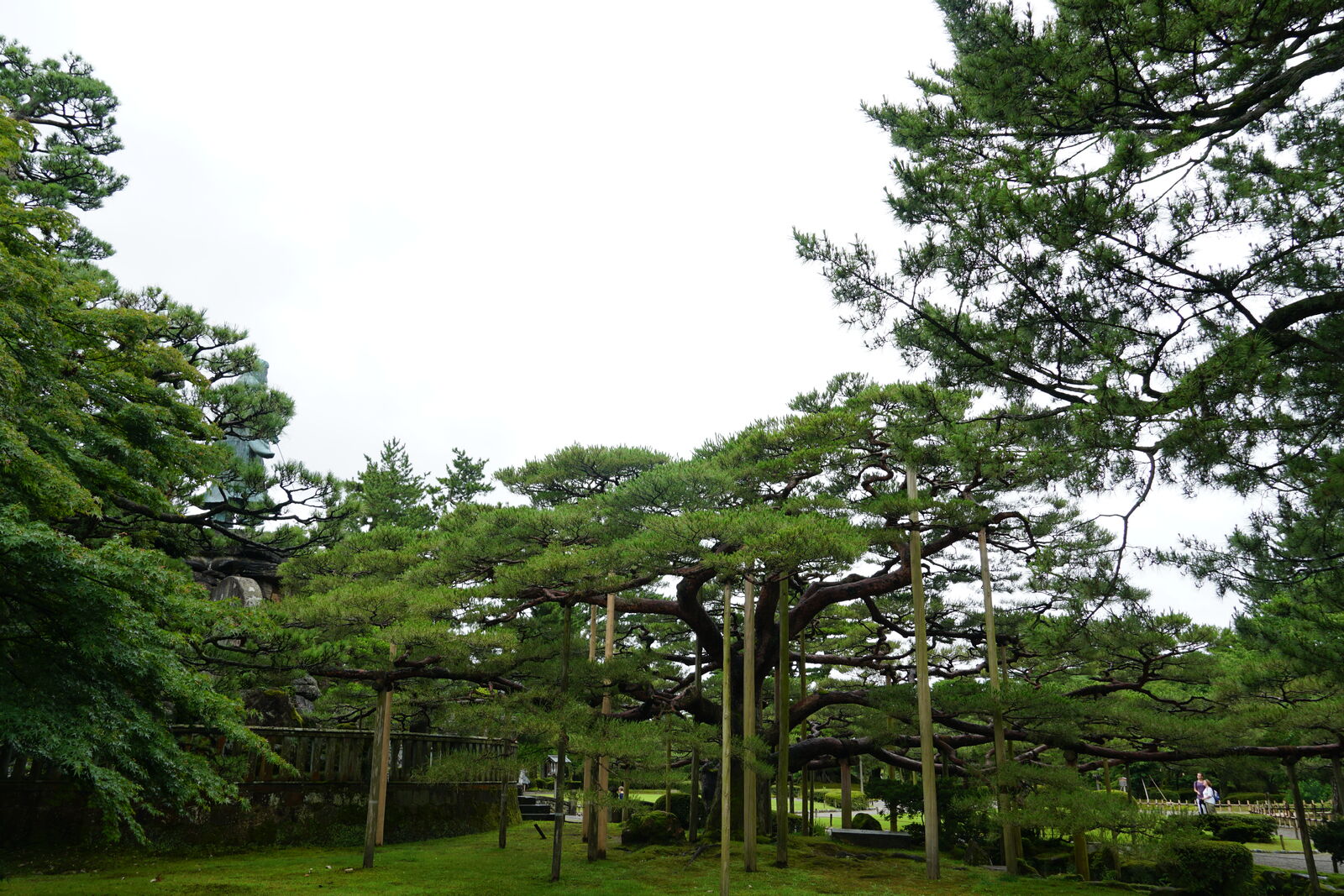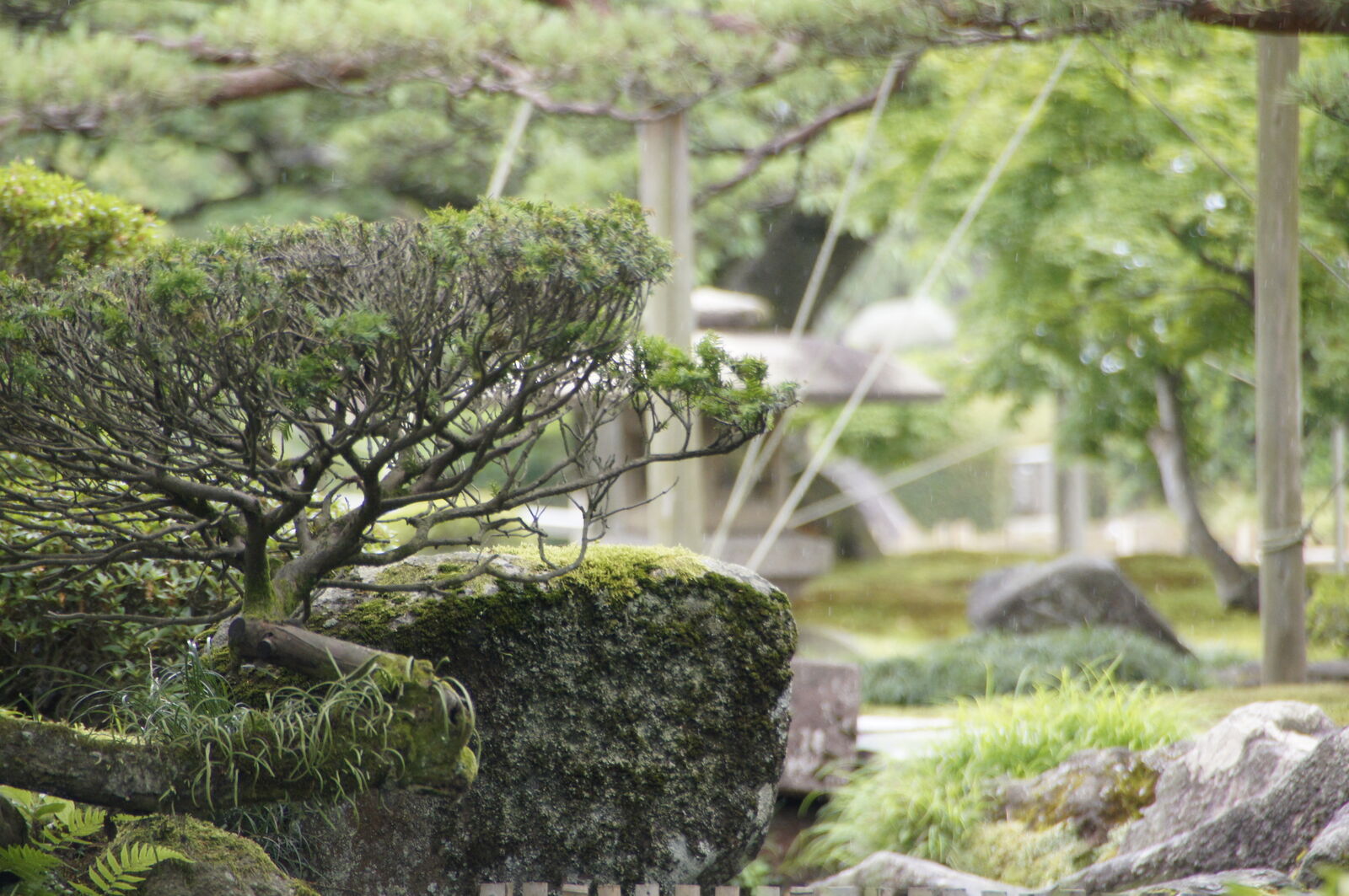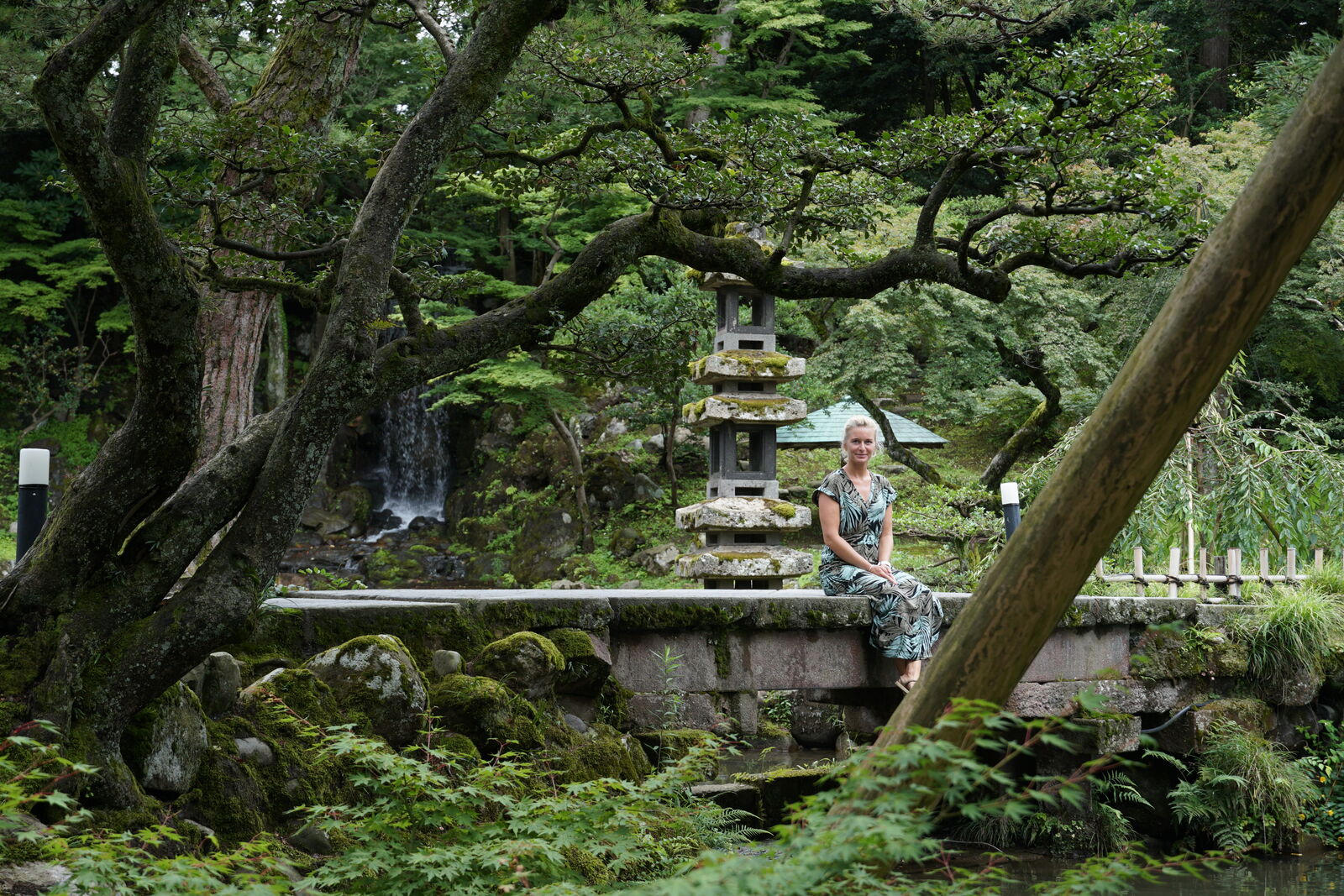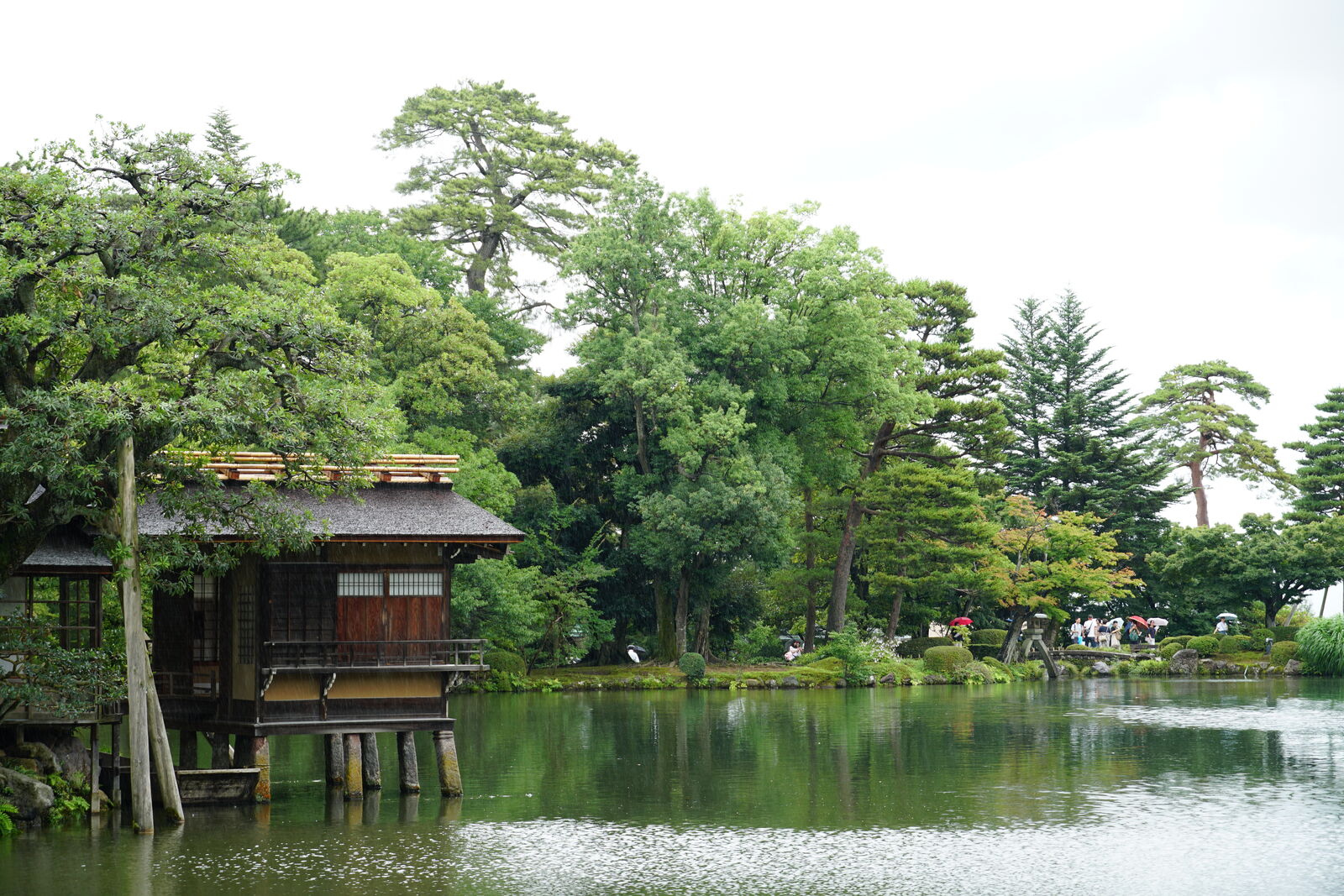
Some places in Japan carry a weight of expectation that would crush anything less than extraordinary. Kenrokuen is one of them. One of the Three Great Gardens of Japan, alongside Kairaku-en in Mito and Koraku-en in Okayama. Four centuries of cultivation by the Maeda lords of Kaga, one of the wealthiest domains in feudal Japan. Nearly 25 acres of ponds, streams, waterfalls, bridges, tea houses, and trees shaped by generations of gardeners into something that is simultaneously natural and completely designed. You walk in expecting perfection, which is usually the fastest way to be disappointed. Kenrokuen delivers anyway.
Six Things a Garden Needs
The name Kenrokuen means "Garden of Six Attributes." The six come from a Chinese theory of landscape design: spaciousness, seclusion, artificiality, antiquity, abundant water, and broad views. The theory says that a garden can have at most three or four of these, because they contradict each other. Spaciousness works against seclusion. Artificiality works against antiquity. The claim behind the name is that this garden has all six at once. It was named by Matsudaira Sadanobu in 1822, and the claim has held up for two hundred years. It's not a small statement.
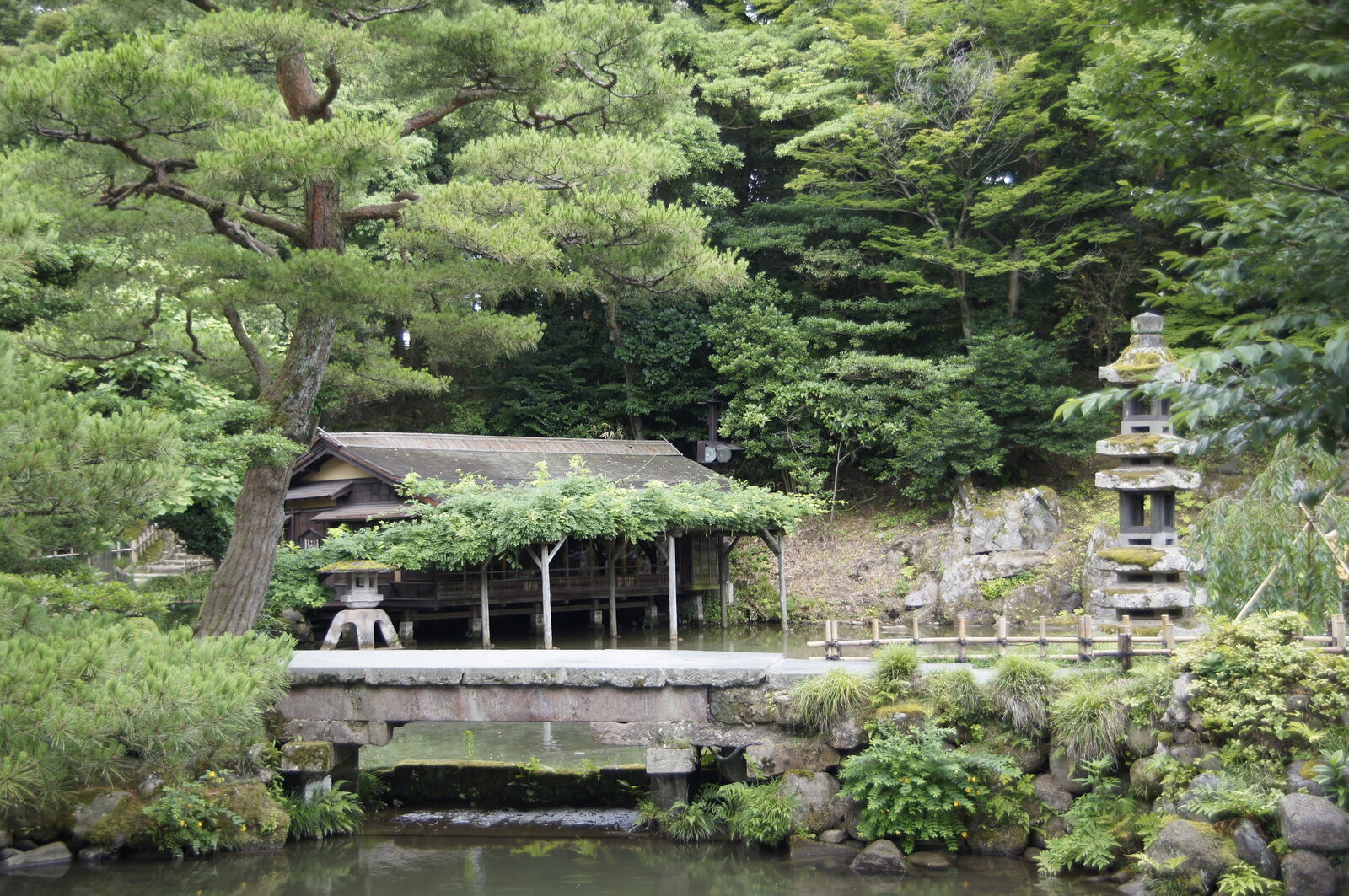
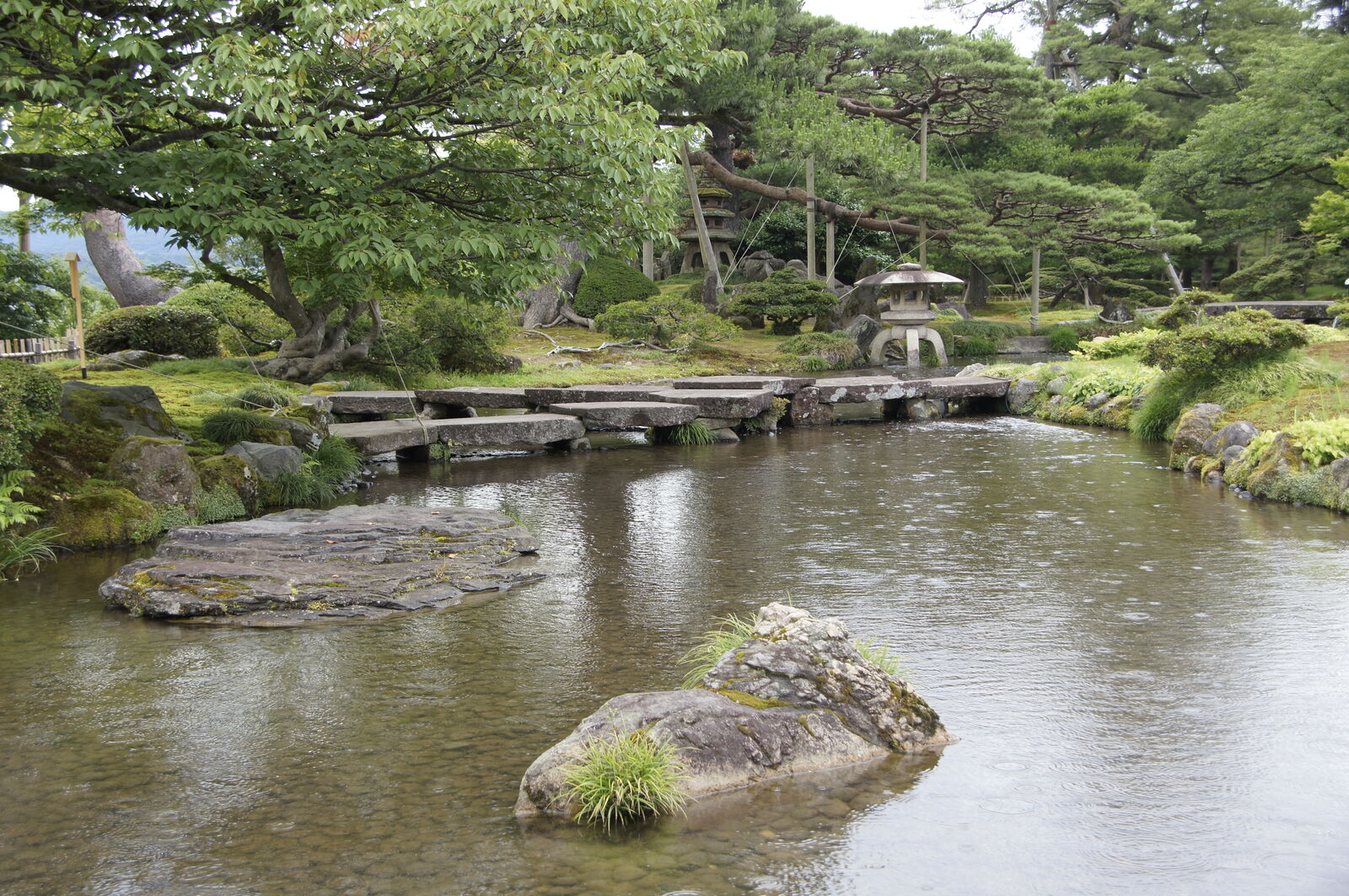
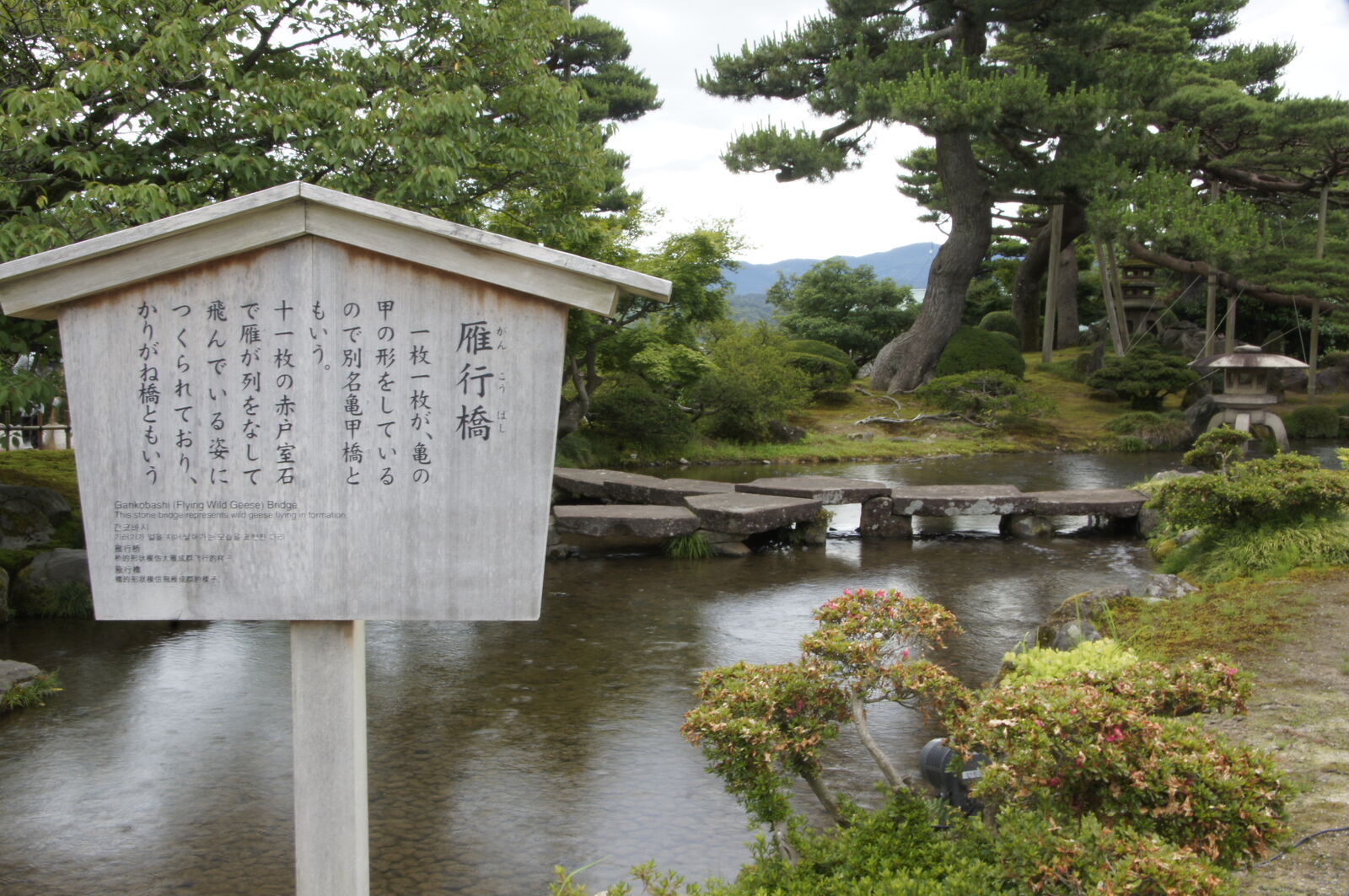
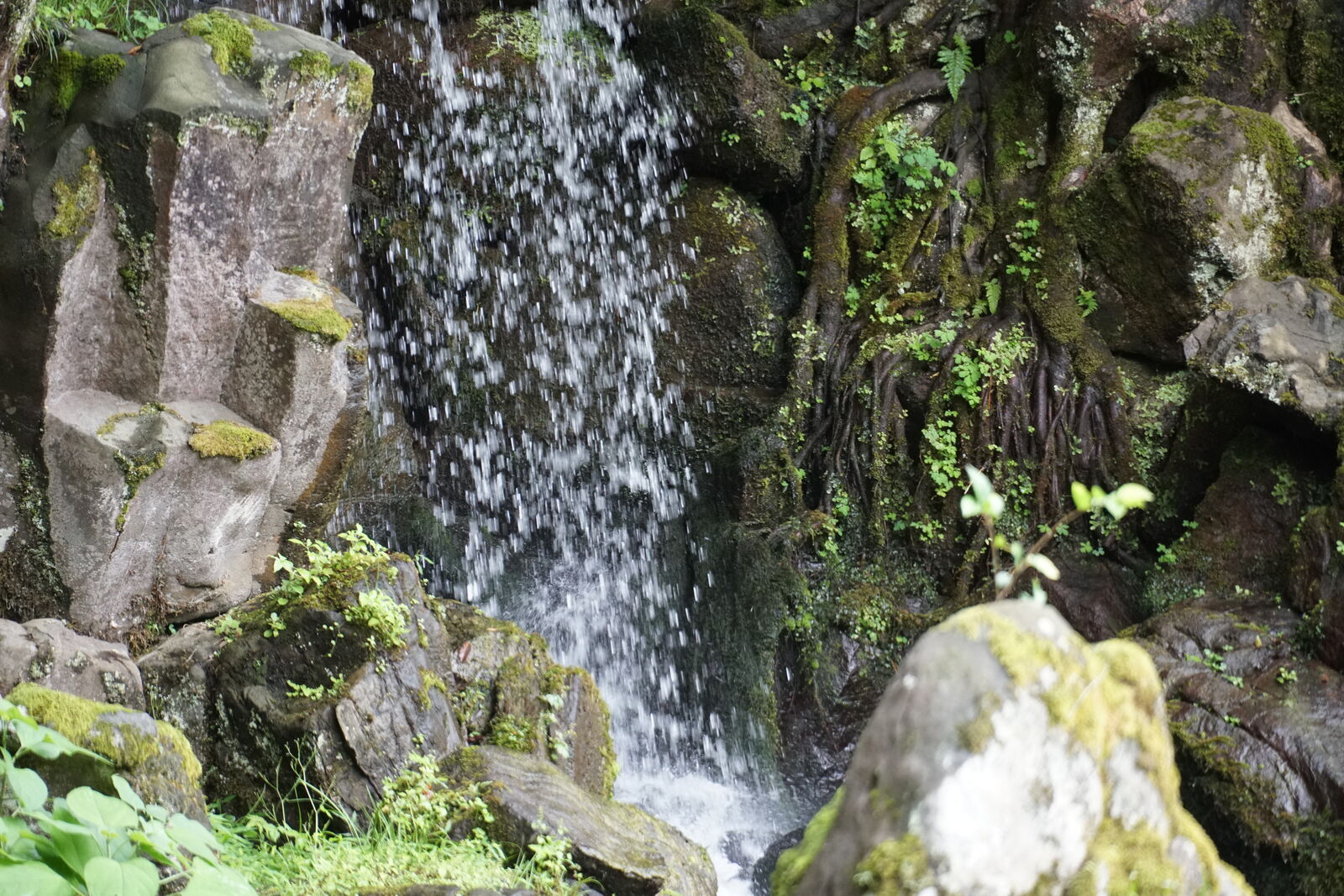
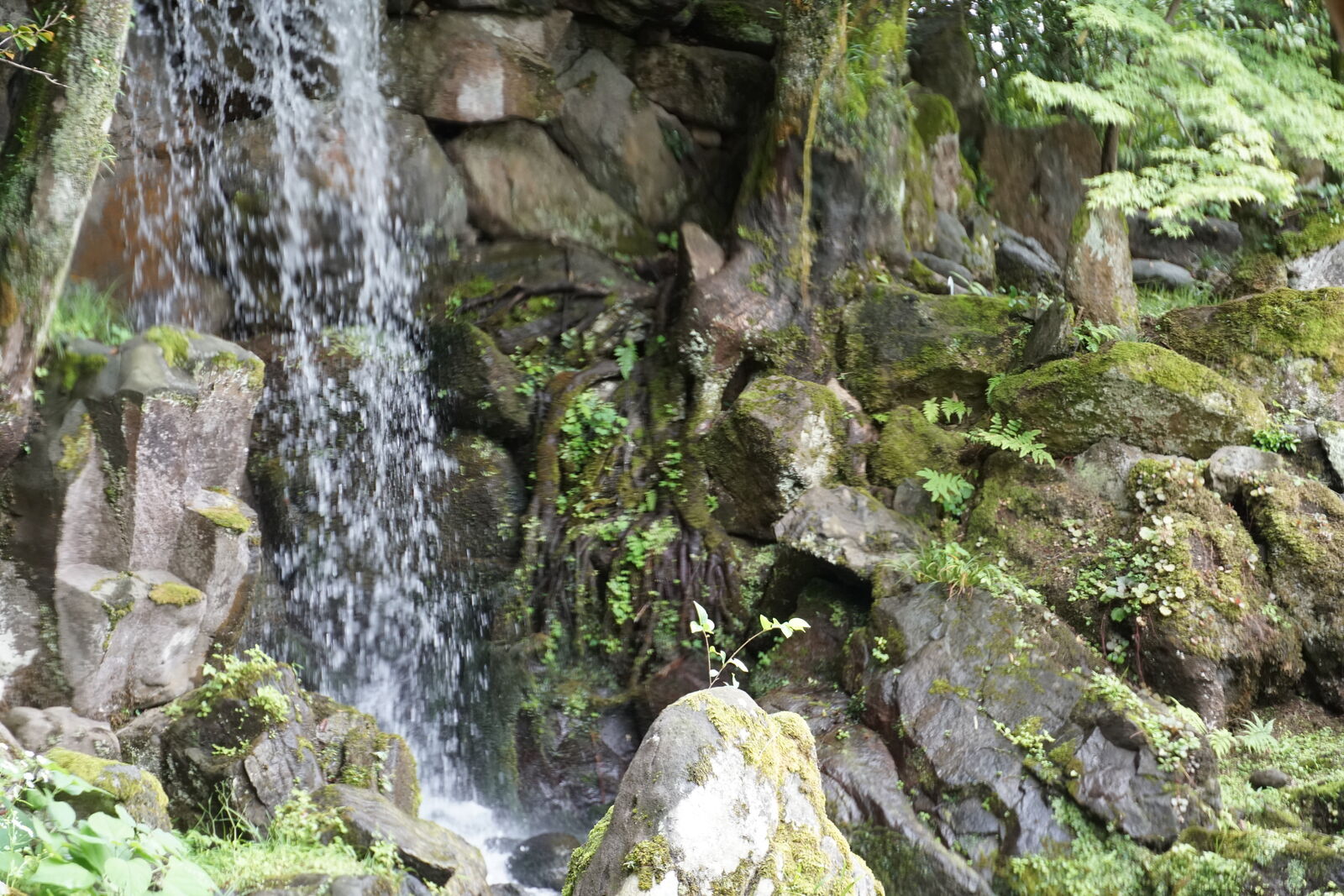
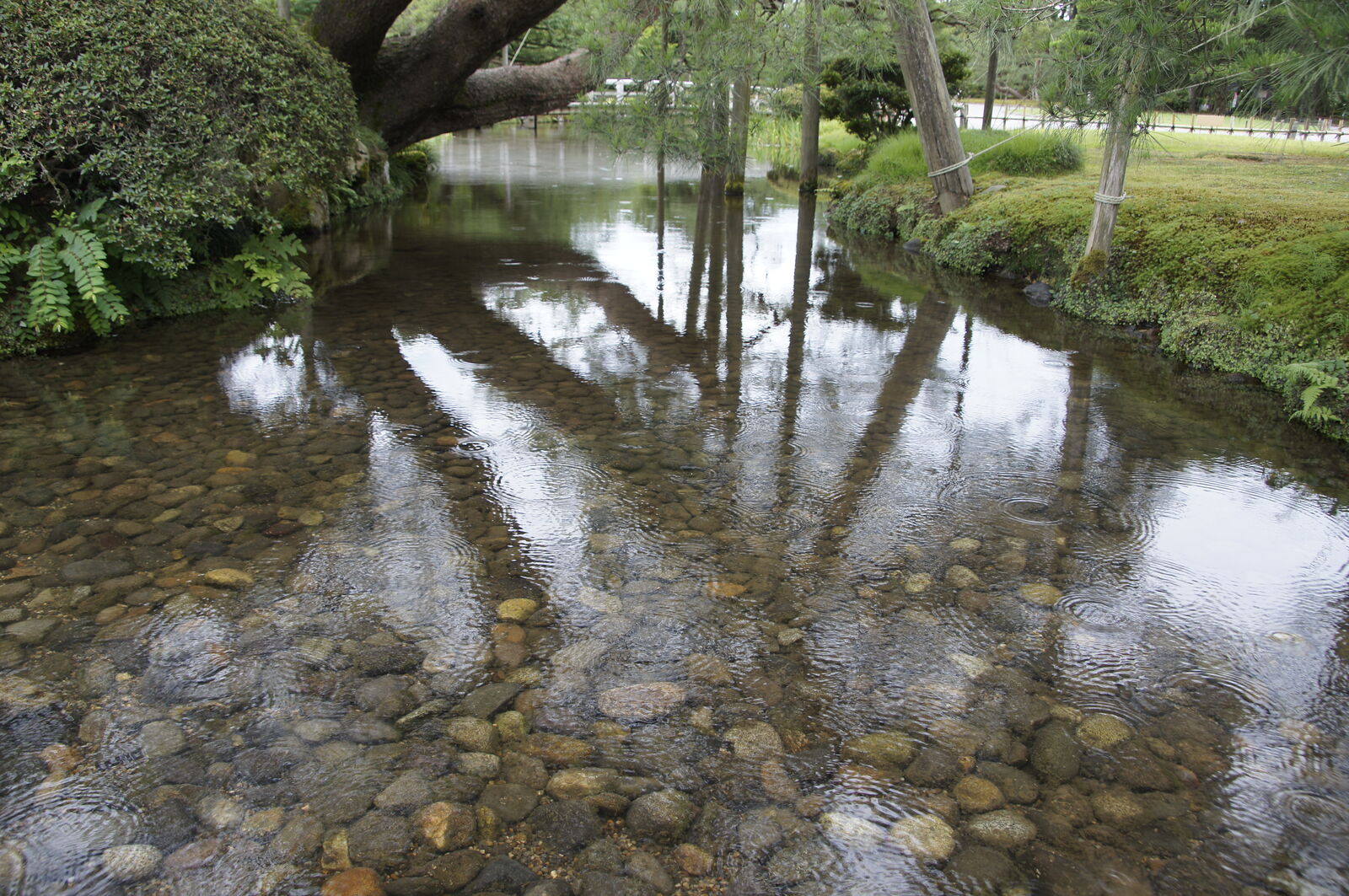
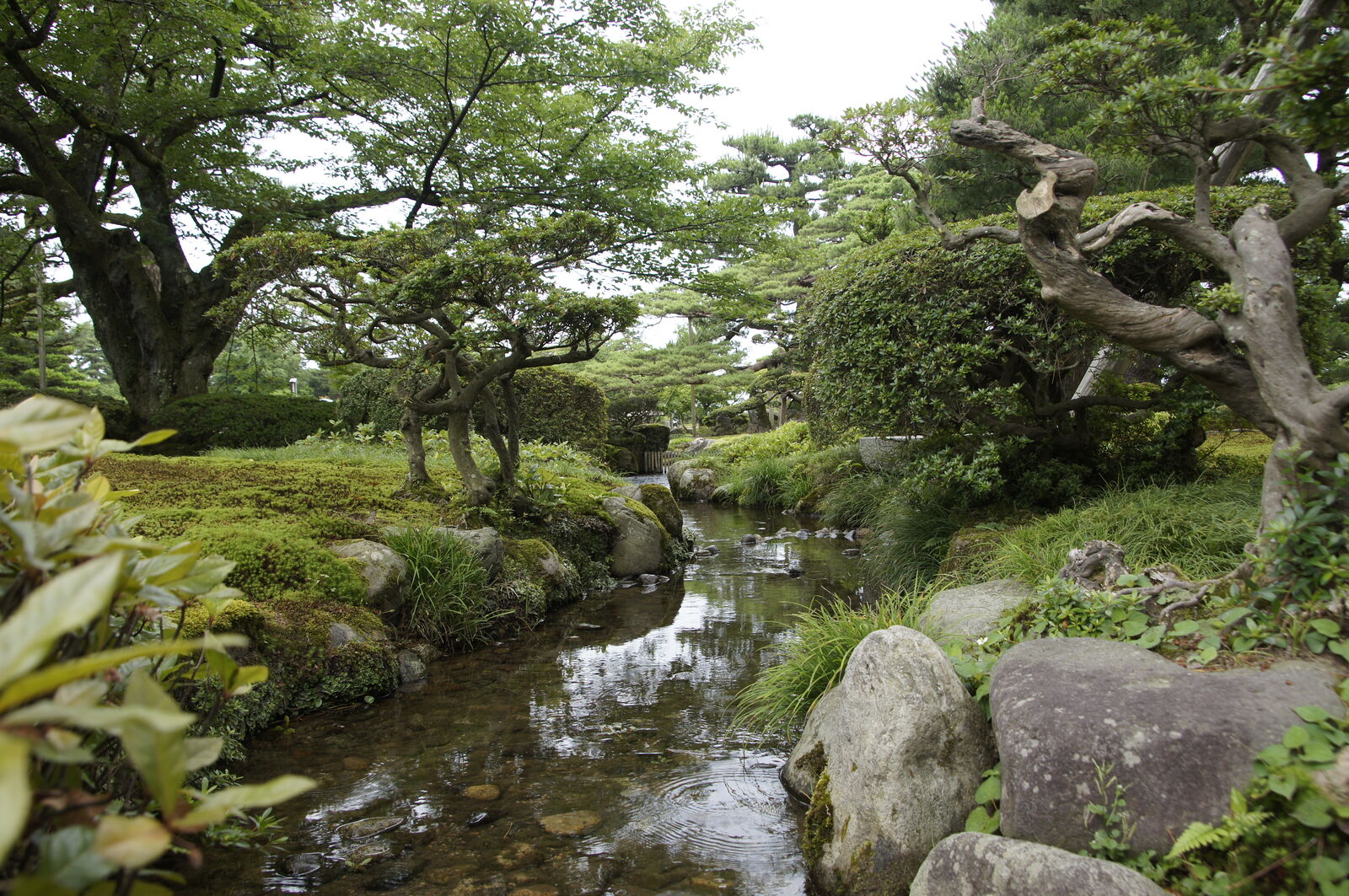
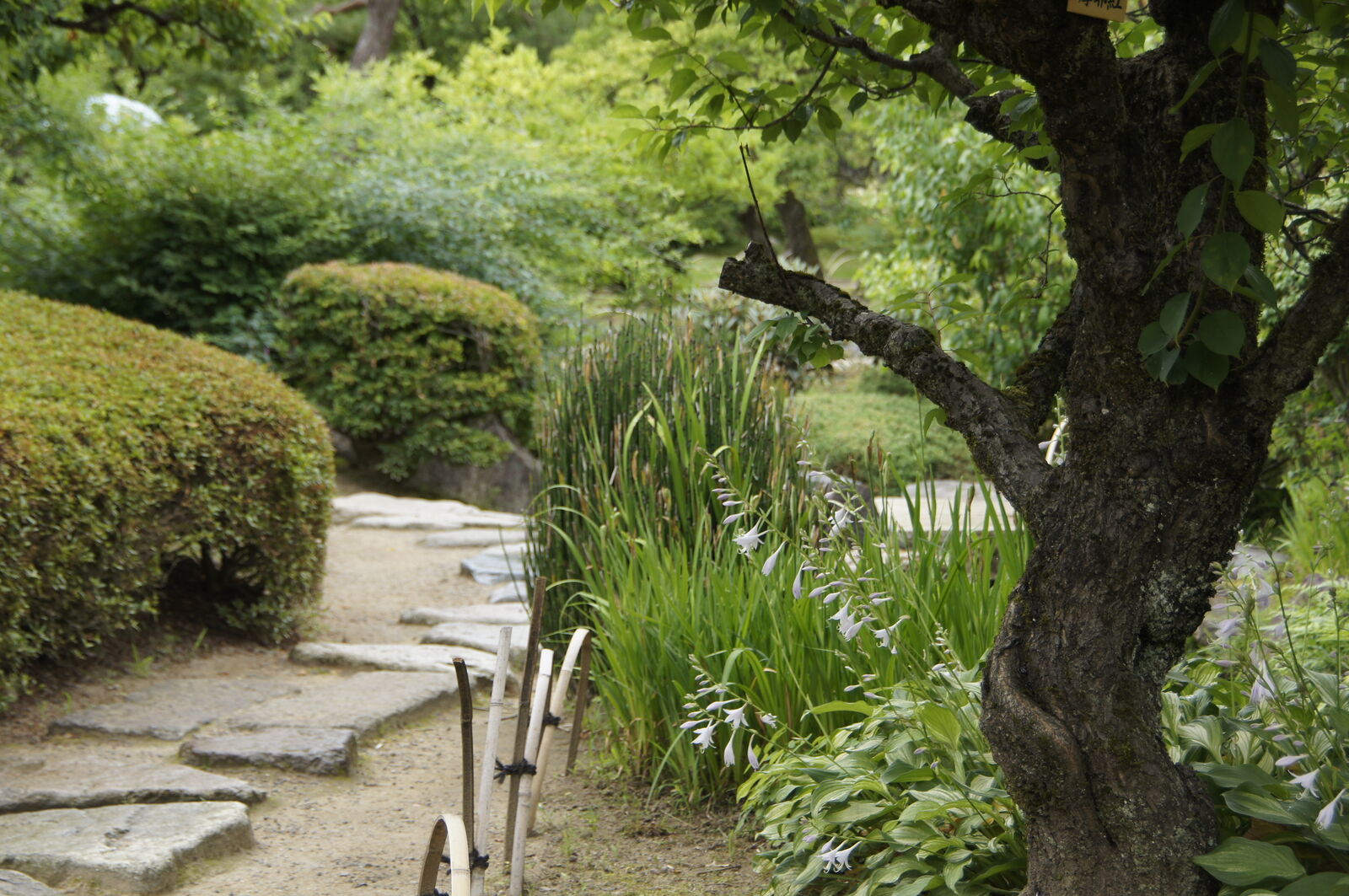
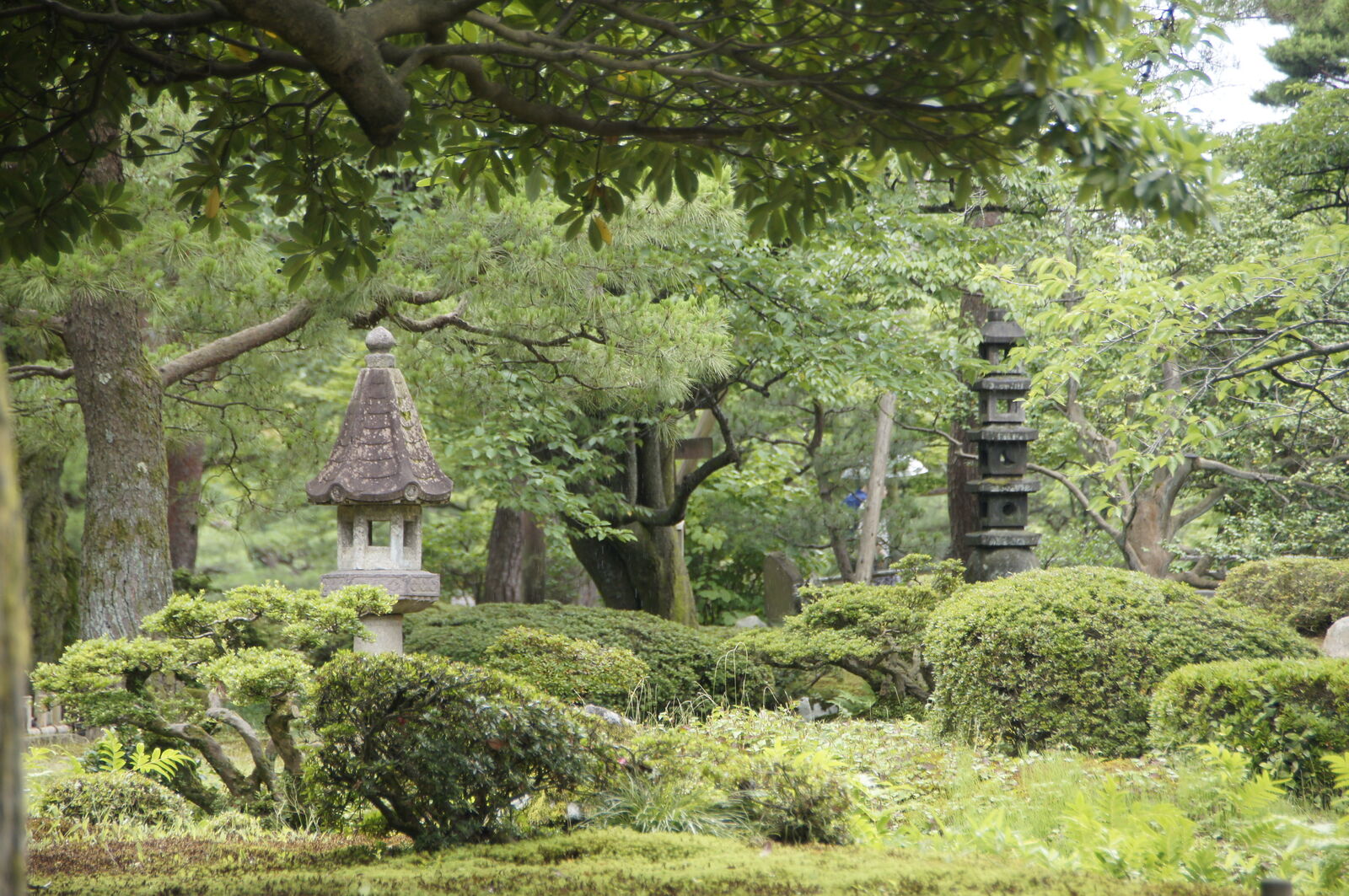
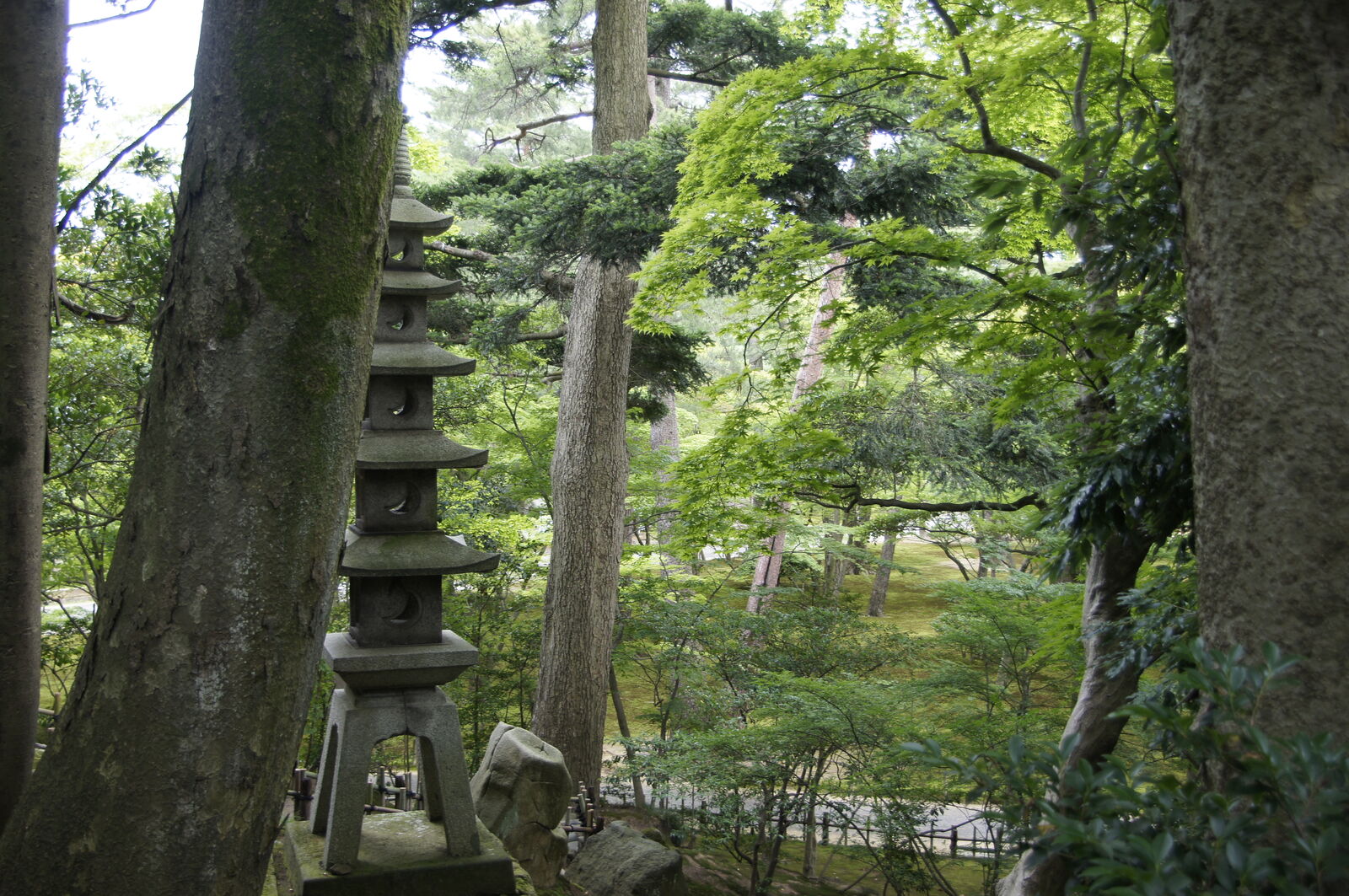
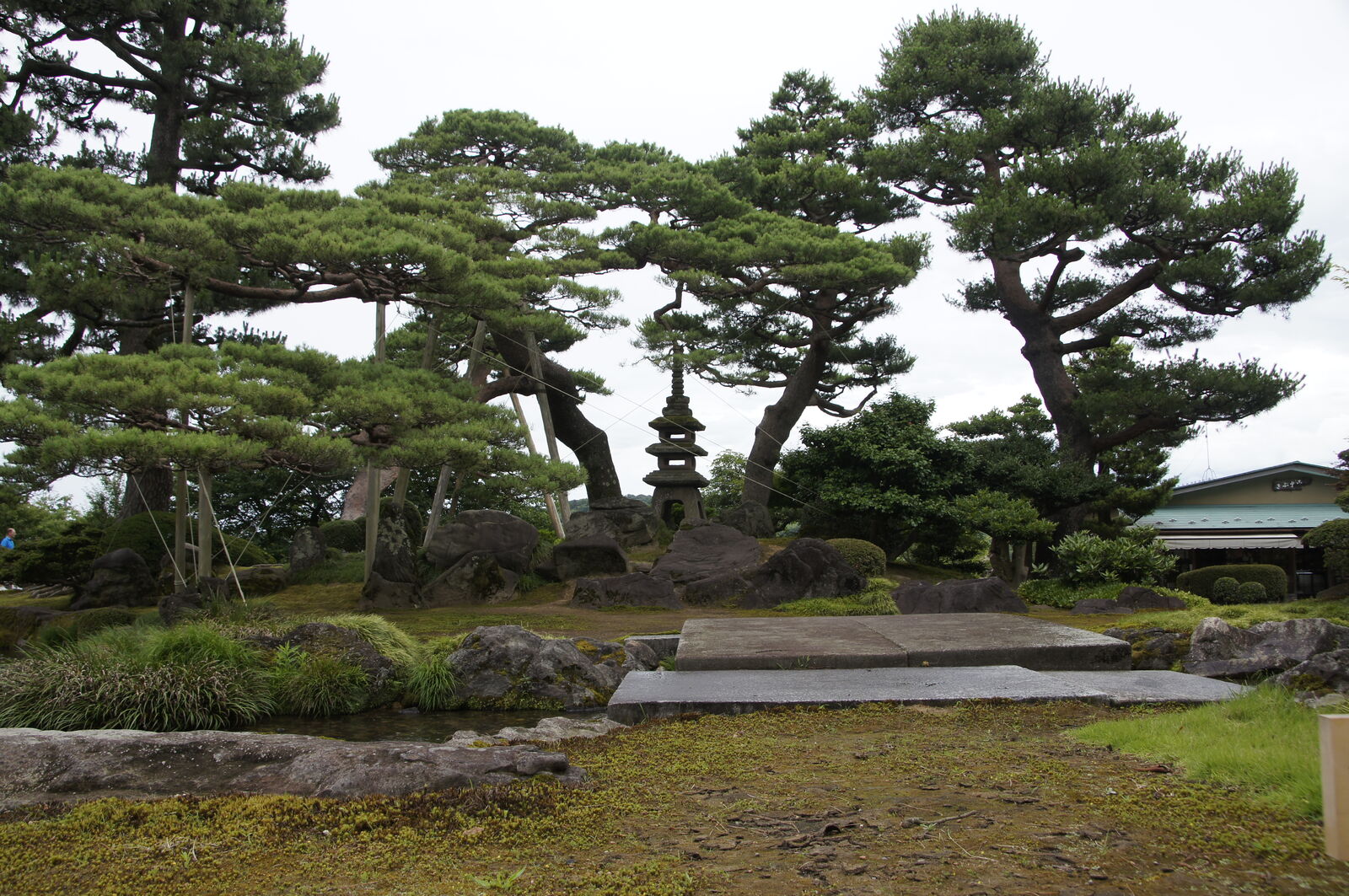
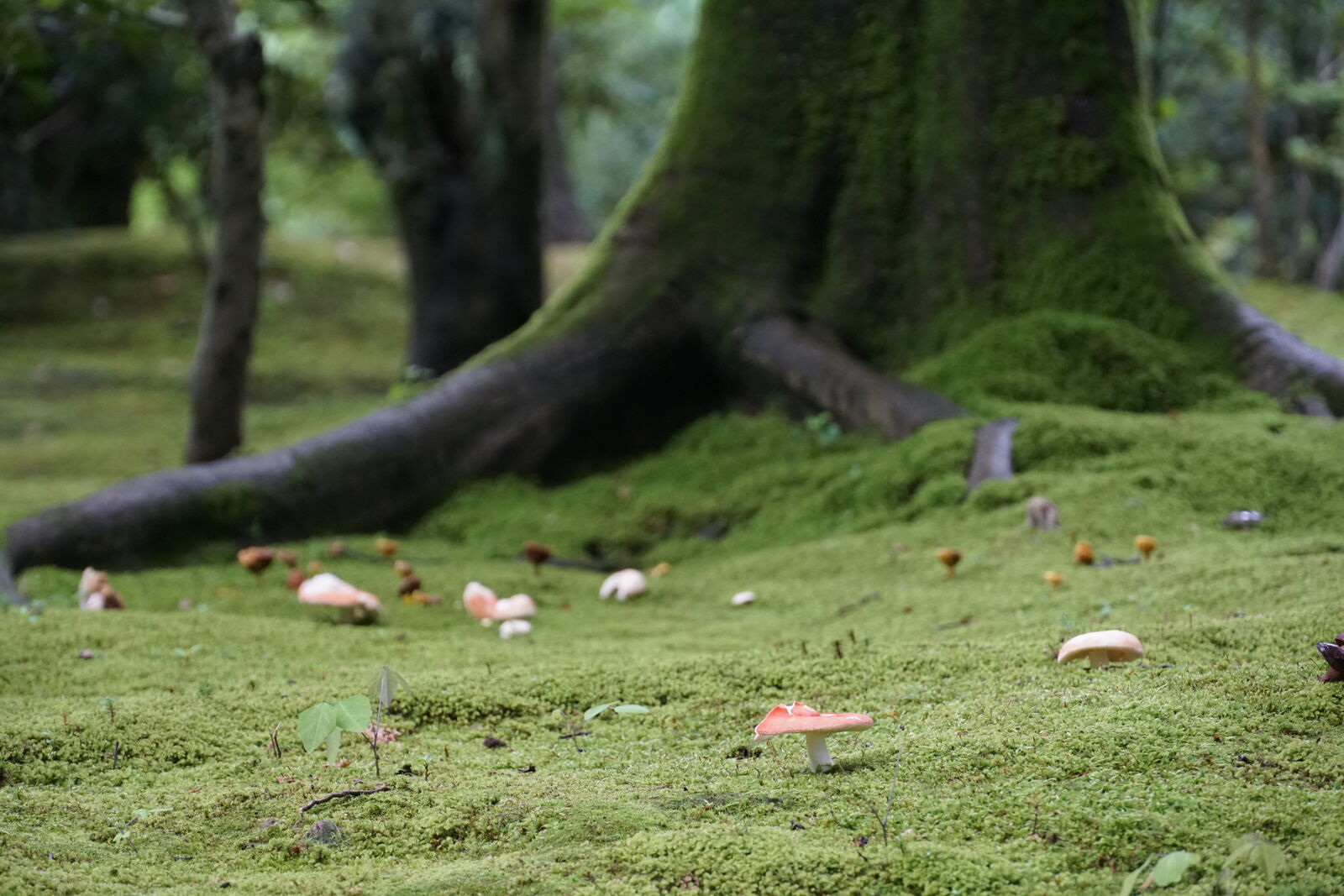
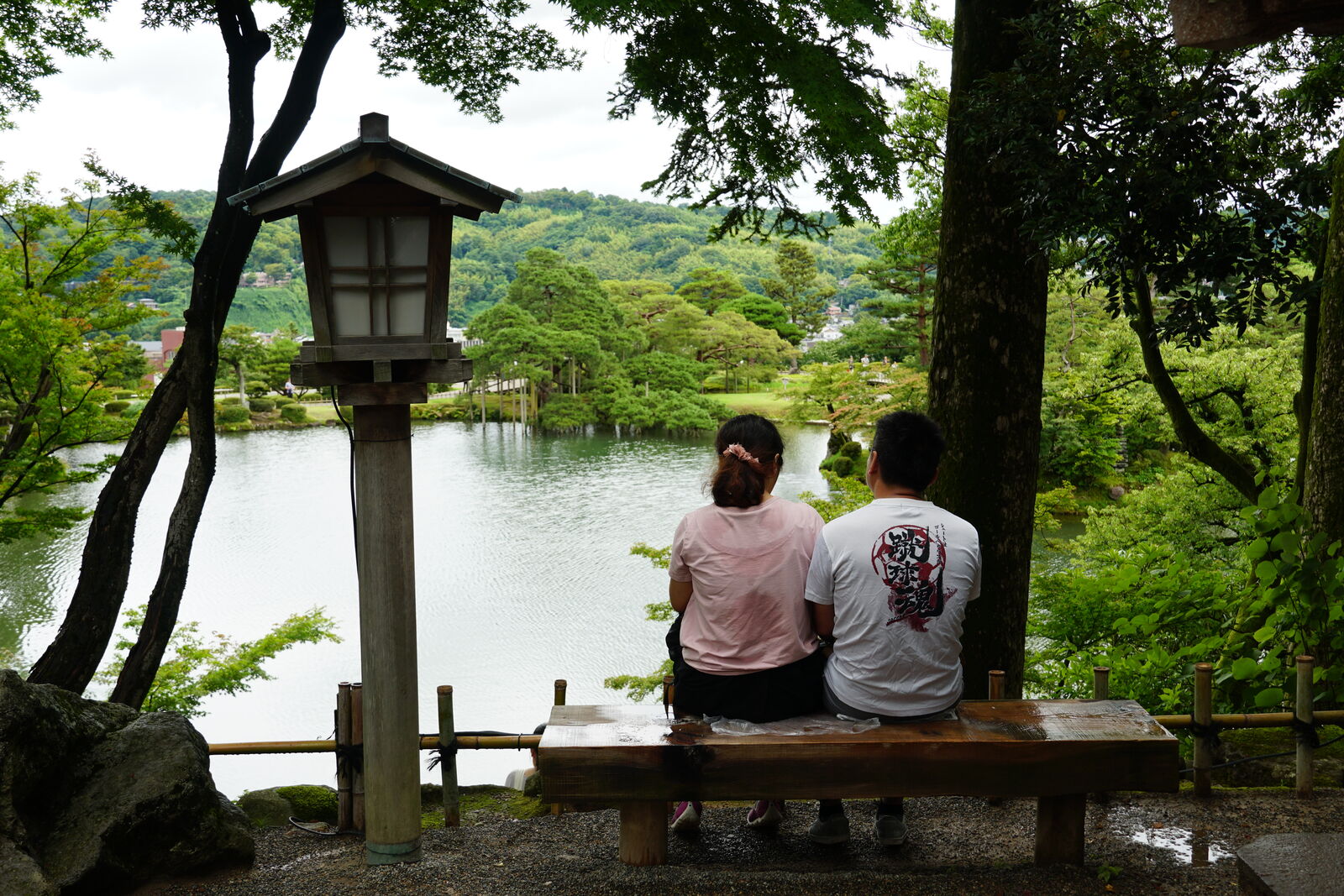
Walking through the garden, you feel it. Not as a checklist, but as a sensation. You turn a corner and the view opens up across a wide pond with an island in the middle. You turn again and you're in a narrow passage between ancient pines, enclosed, quiet. The water moves everywhere: streams you hear before you see, a waterfall tucked behind moss-covered rocks, one of Japan's oldest fountains powered by nothing but natural water pressure from a higher elevation pond. The trees are old. Some of them are centuries old. And behind all of it, the careful hand of someone who shaped every sightline, every reflection, every transition between open and closed space.
The People Who Keep It
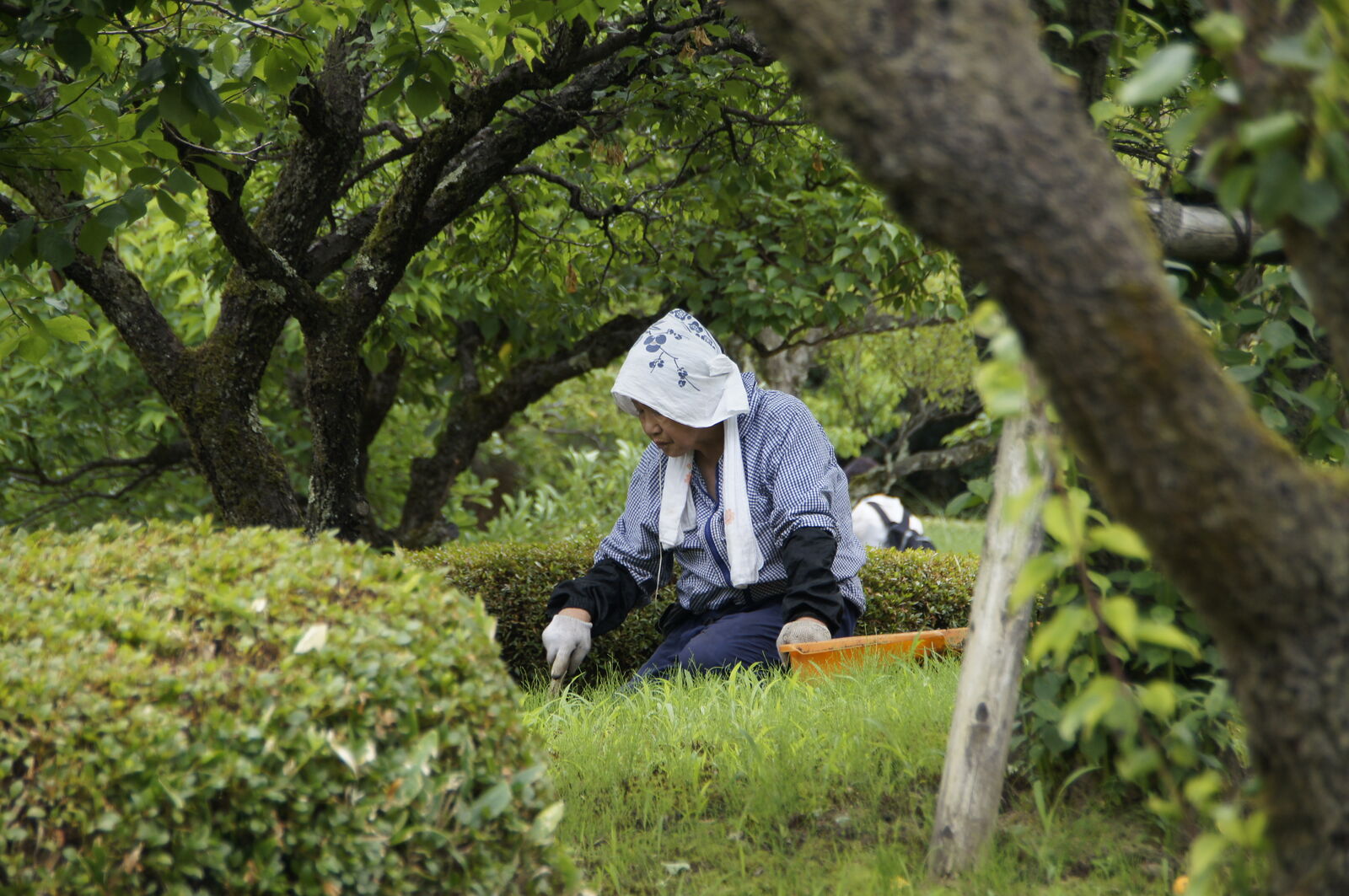
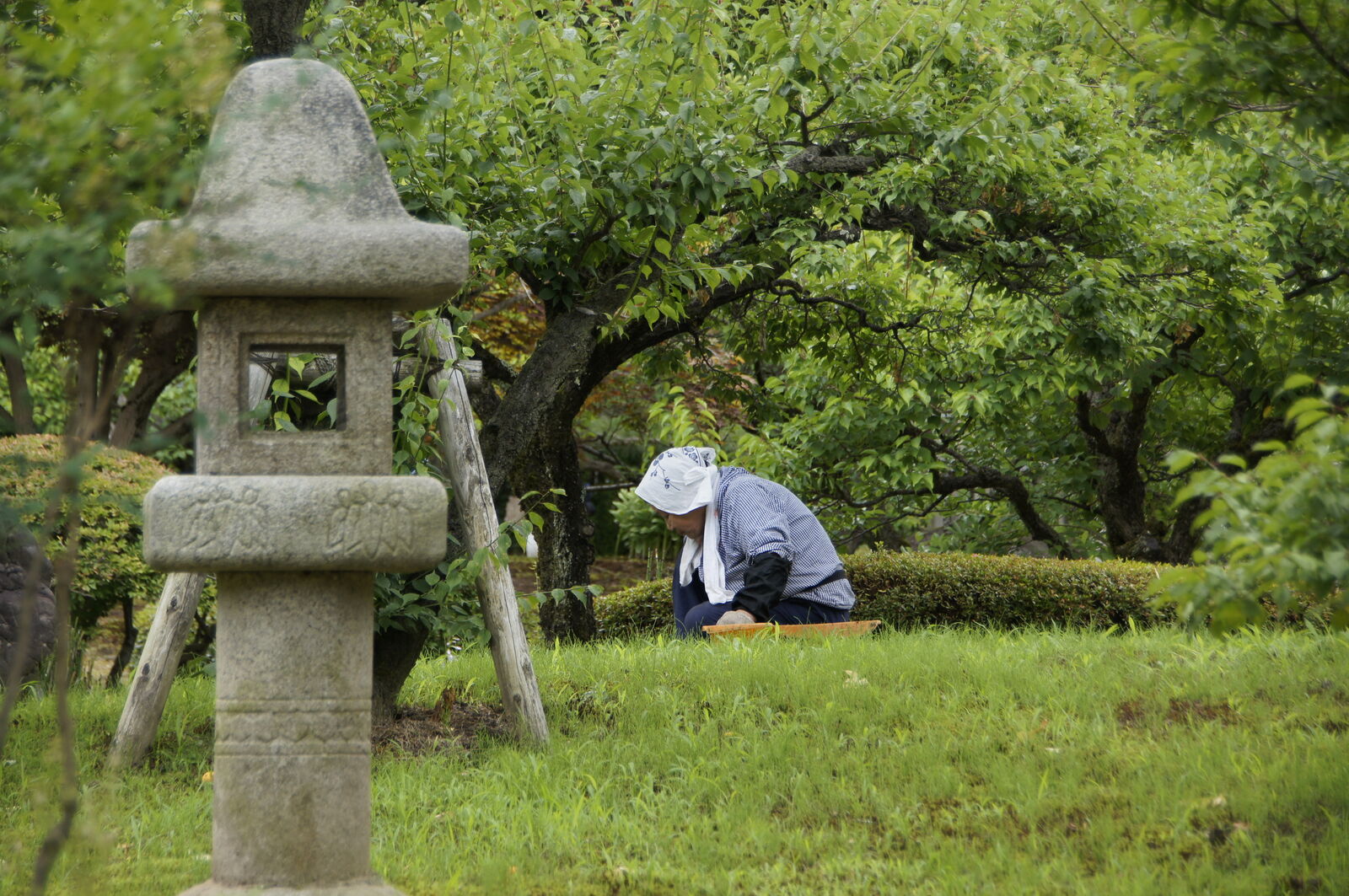
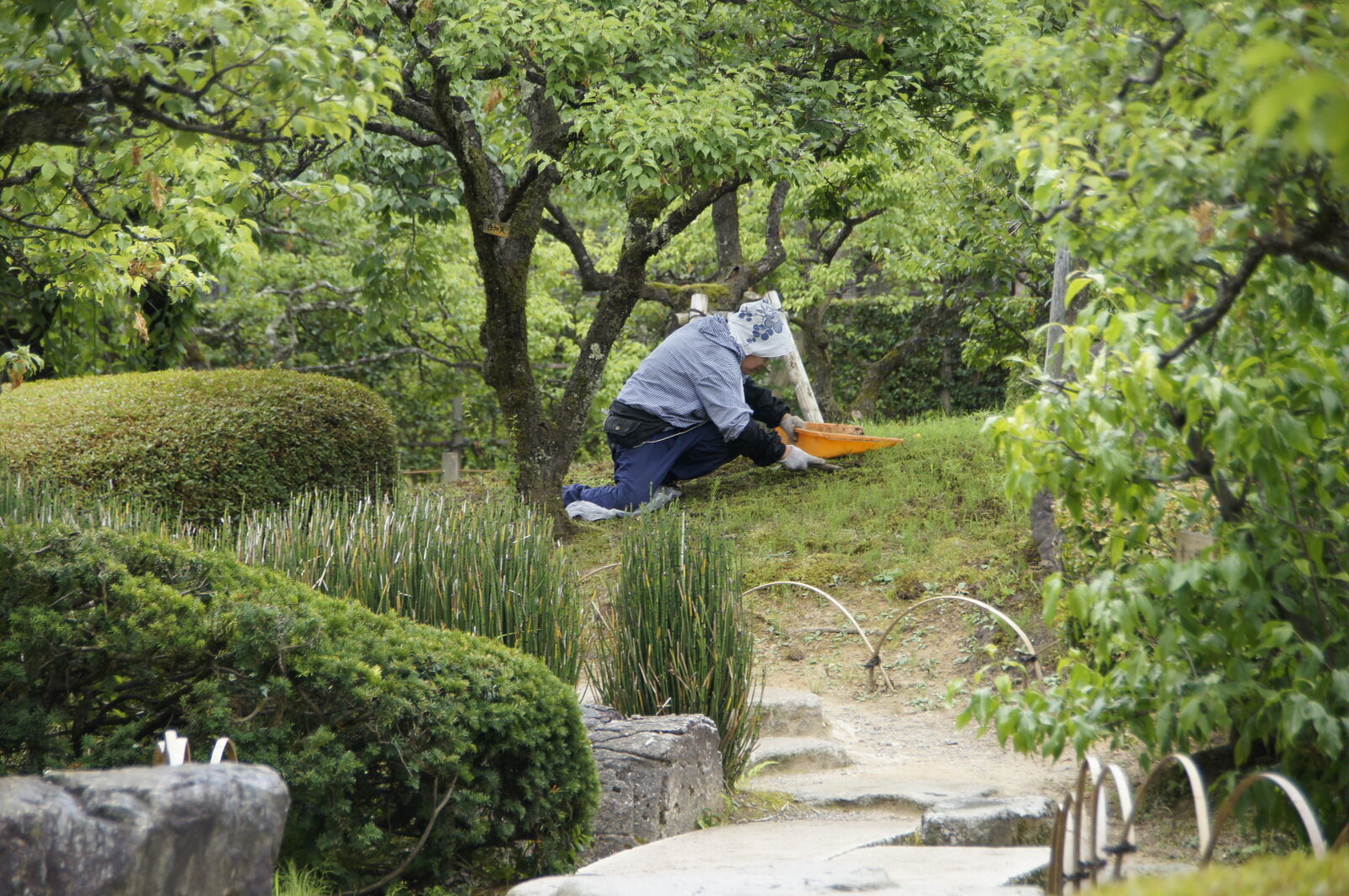
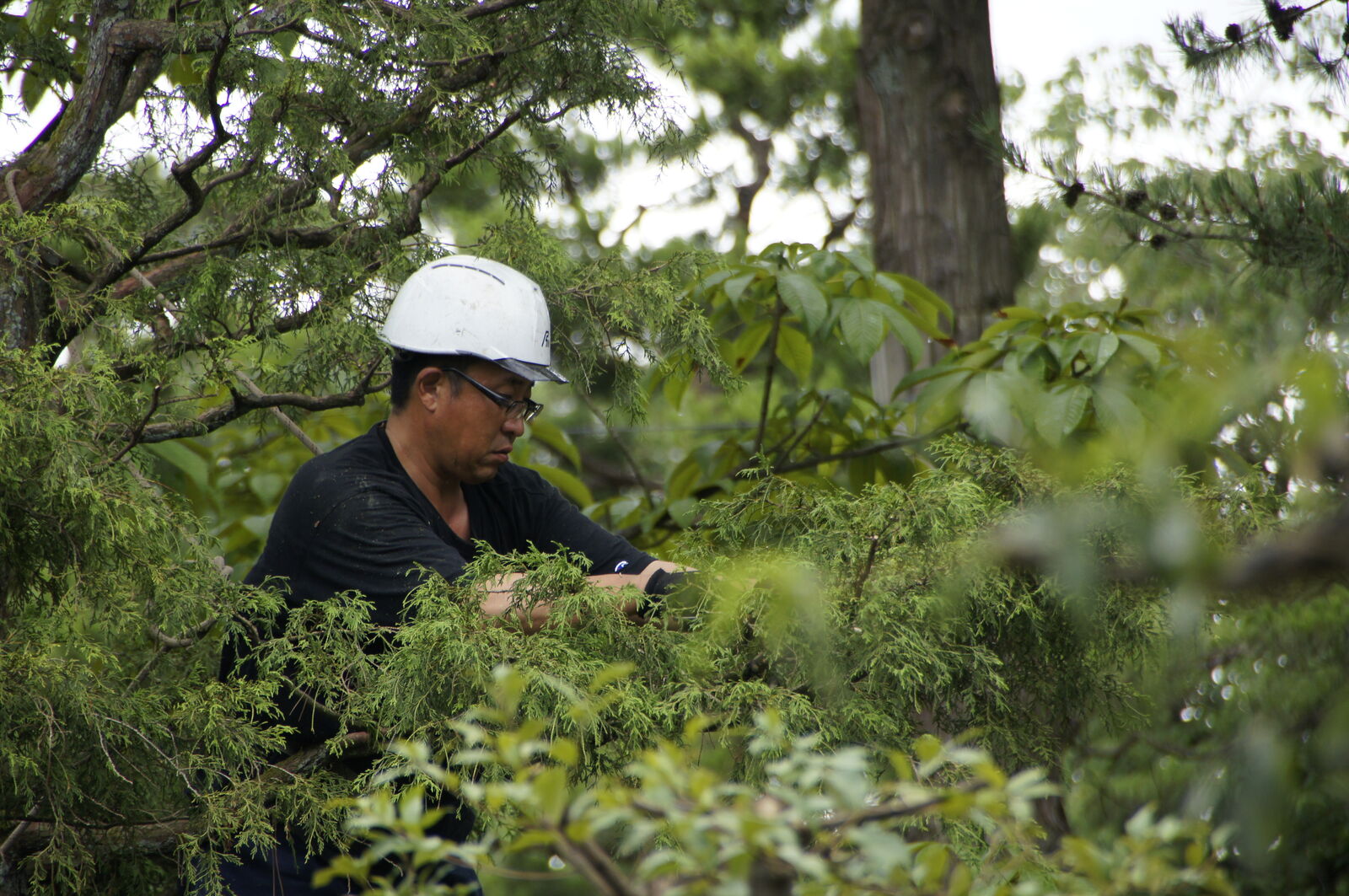
What struck me most, on both visits, was the maintenance. Not the result of the maintenance, but the act of it. On a summer morning, before the tourist crowds arrive, you see the gardeners at work. Two men in blue uniforms standing in the shallow stream, sweeping the bottom with bamboo brooms. Sweeping a stream. Cleaning the bed of a watercourse so that the water runs clear, so that the mossy rocks show their true color, so that a visitor walking past sees exactly what the garden intends them to see. This is Japanese craftsmanship applied to nature. The same principle that makes a sushi chef train for ten years before being allowed to serve customers. The principle that says: if something looks effortless, someone has worked very hard.
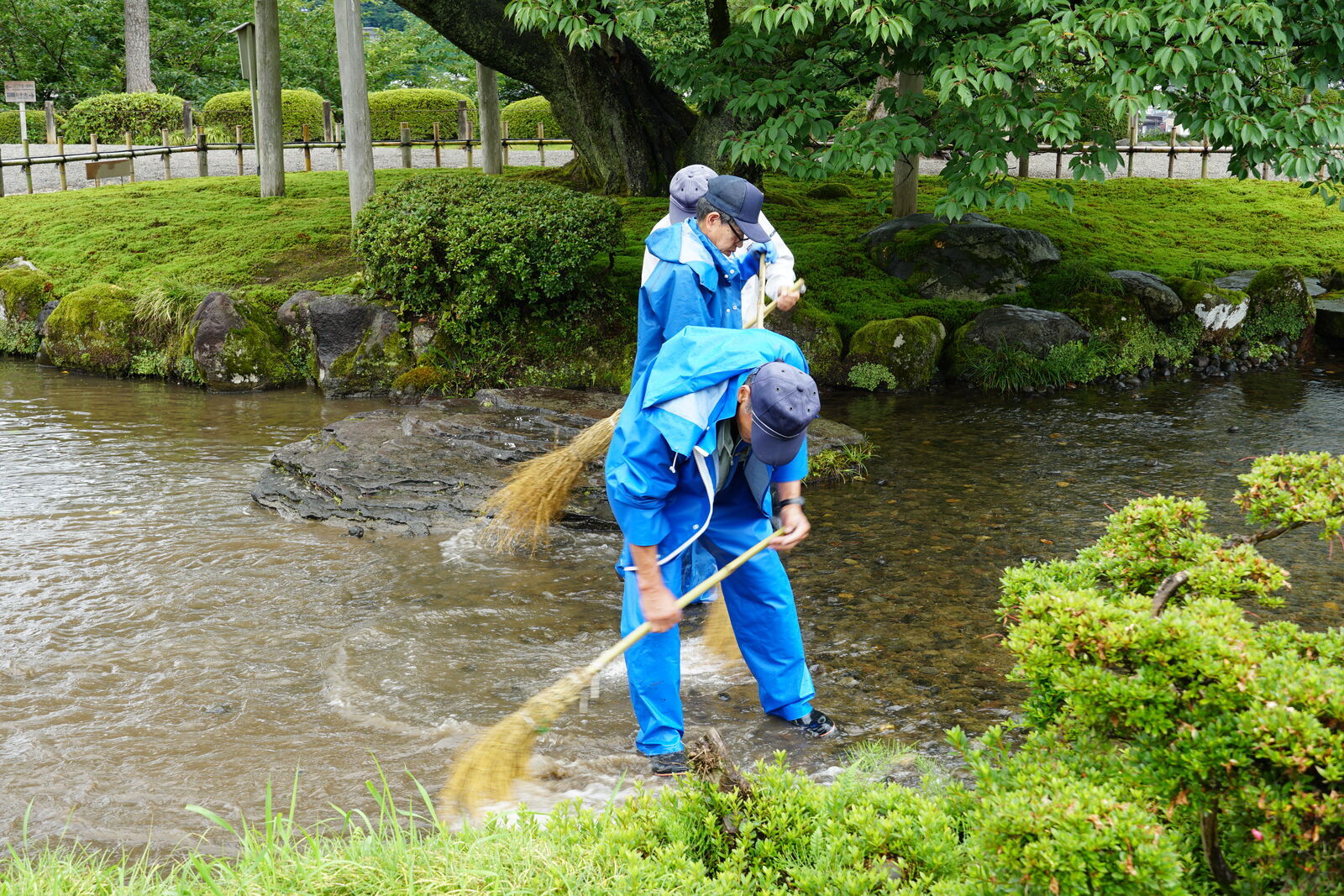
Kenrokuen has been open to the public since 1874. For over 150 years, every day, people have come here and walked the paths and looked at the ponds and left again. And every day, before they arrive and after they leave, someone sweeps the streams, trims the pine needles, adjusts the shape of a branch. The garden looks the way it does not because it was designed four hundred years ago, but because it is being designed every single day.
Basho Was Here
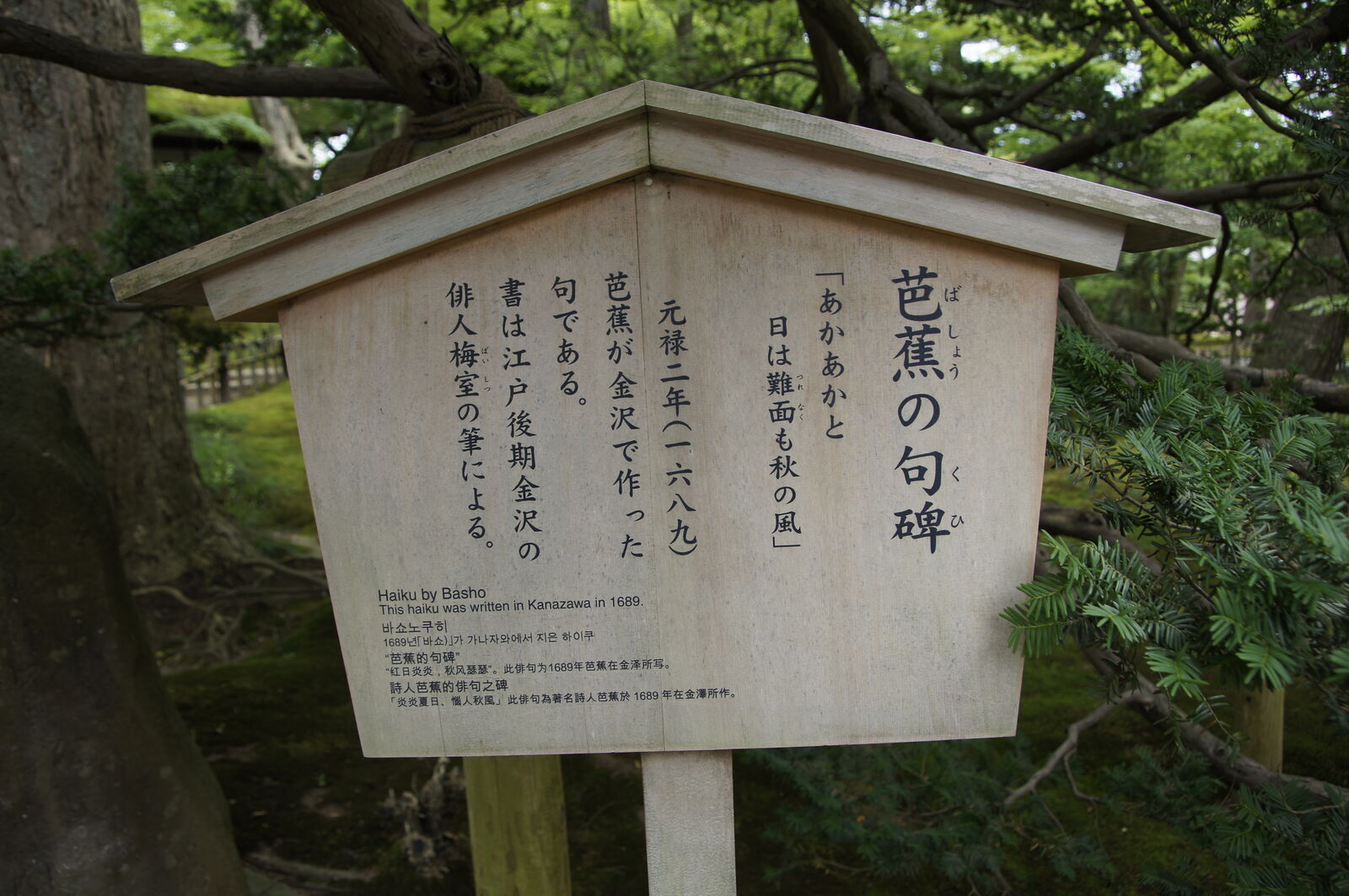
Near one of the older trees, a wooden sign marks a haiku monument. Matsuo Basho passed through Kanazawa in 1689 during his journey to the northern provinces, the trip that became Oku no Hosomichi, The Narrow Road to the Deep North. He wrote a haiku here:
あかあかと 日は難面も 秋の風
akaka to / hi wa tsurenaku mo / aki no kaze
Red, bright red -- the sun, indifferent, and yet... the autumn wind.
The sign reproduces it in his brushwork. Standing in front of it, you realize that the trees he would have seen are either still here or the direct descendants of the ones that were. The garden is that old. The water flowing through the stream behind you has been flowing since before Basho stood in this spot. Time in a Japanese garden is not the time of cities. Things don't become obsolete. They become deeper.
Summer, Twice
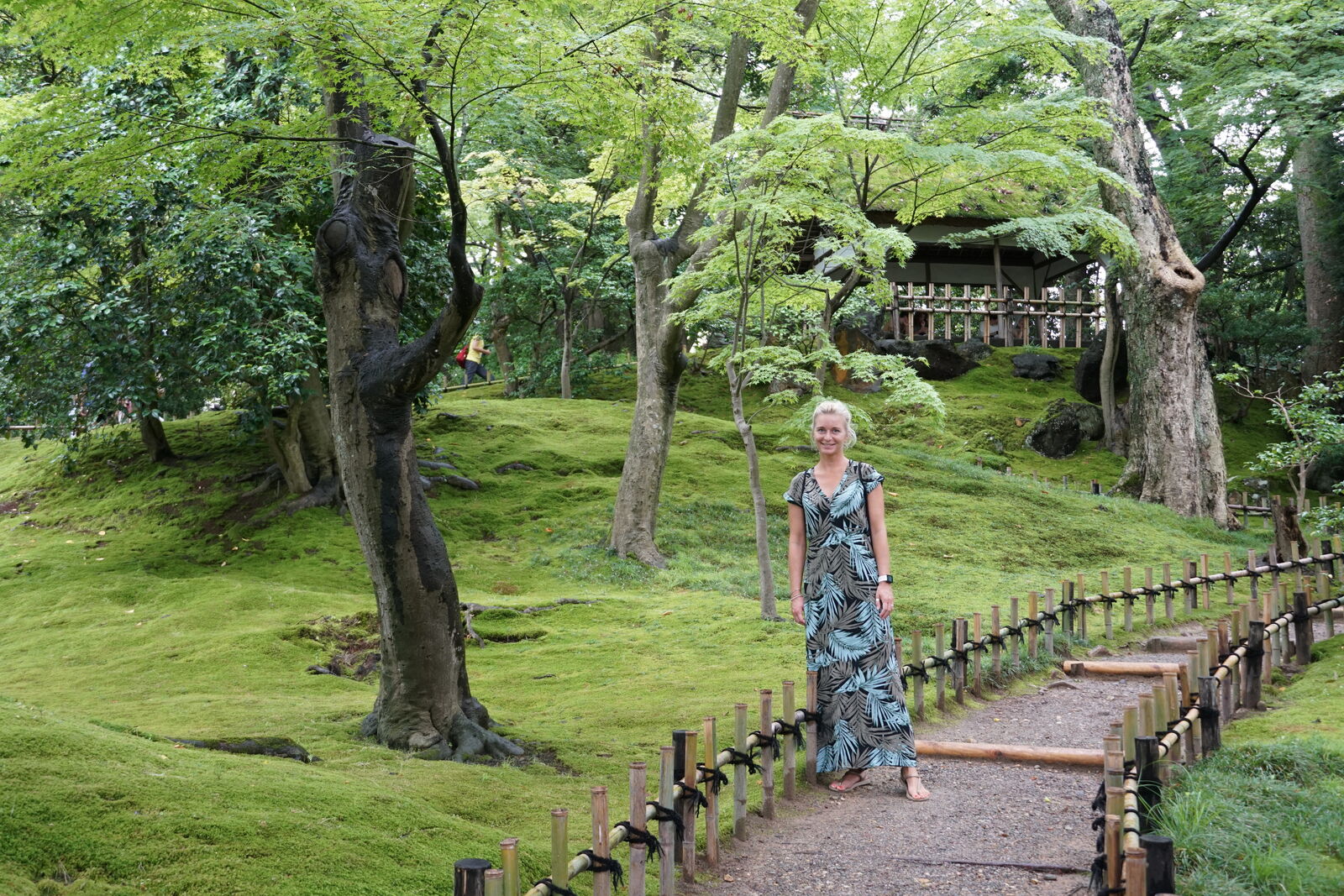
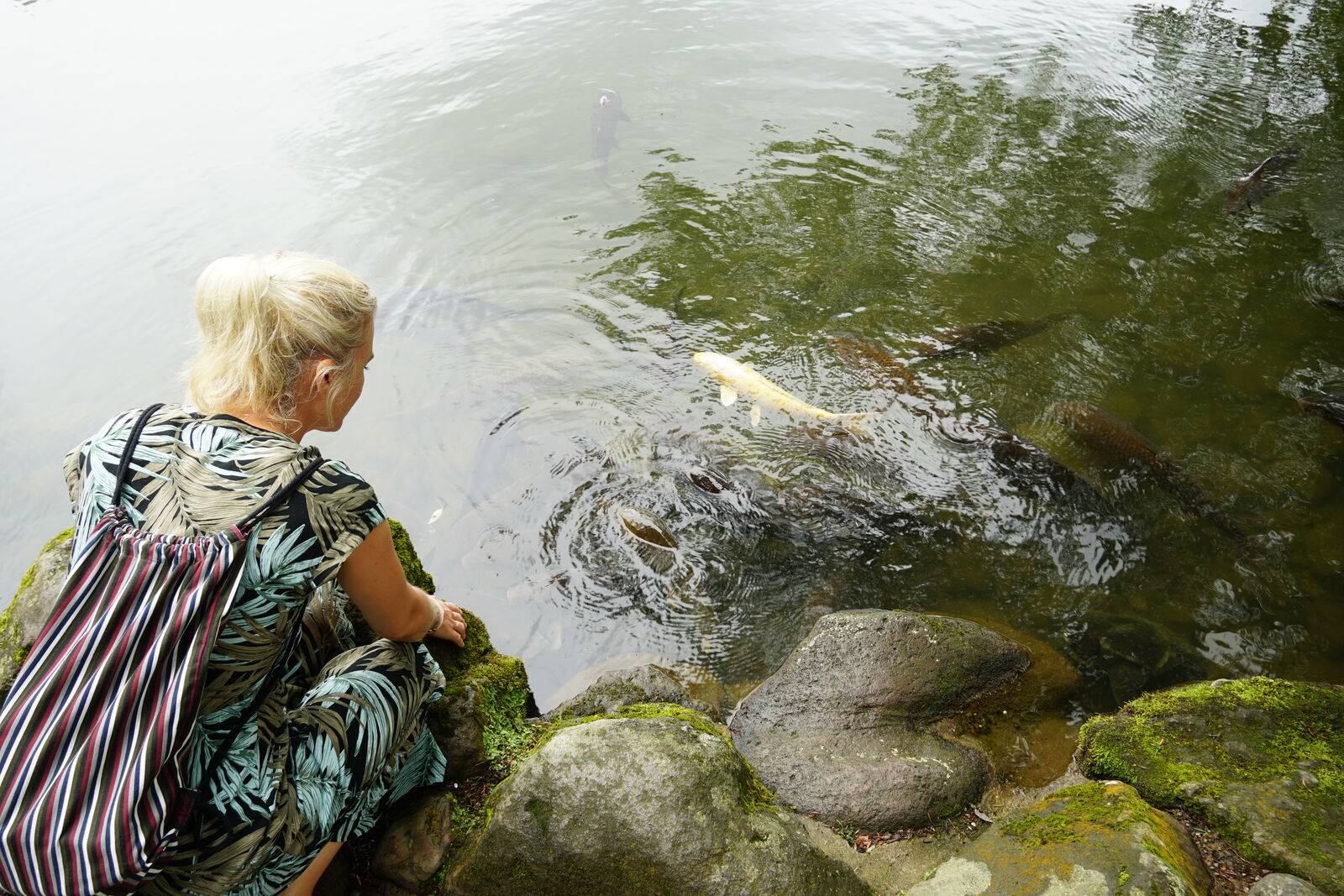
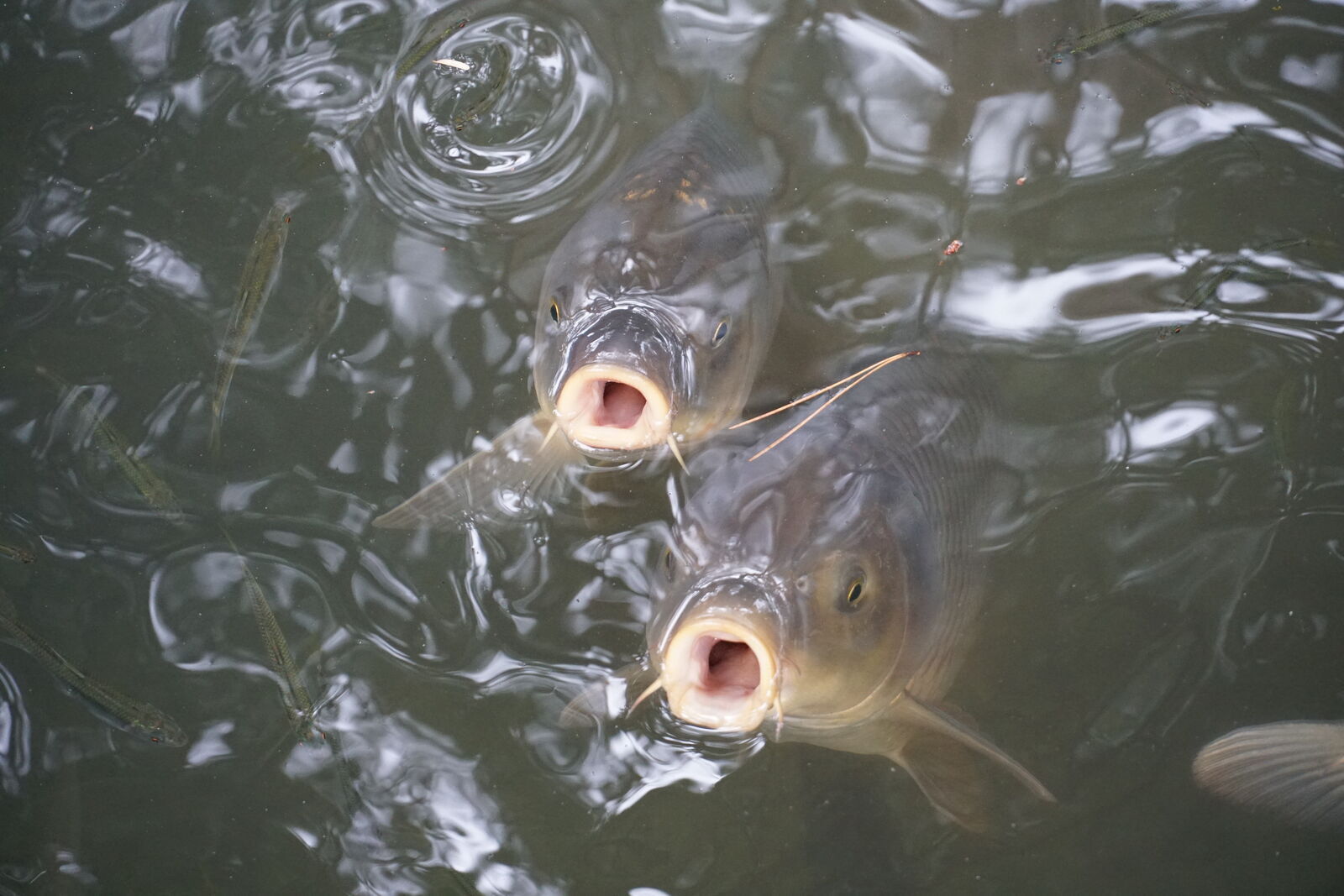
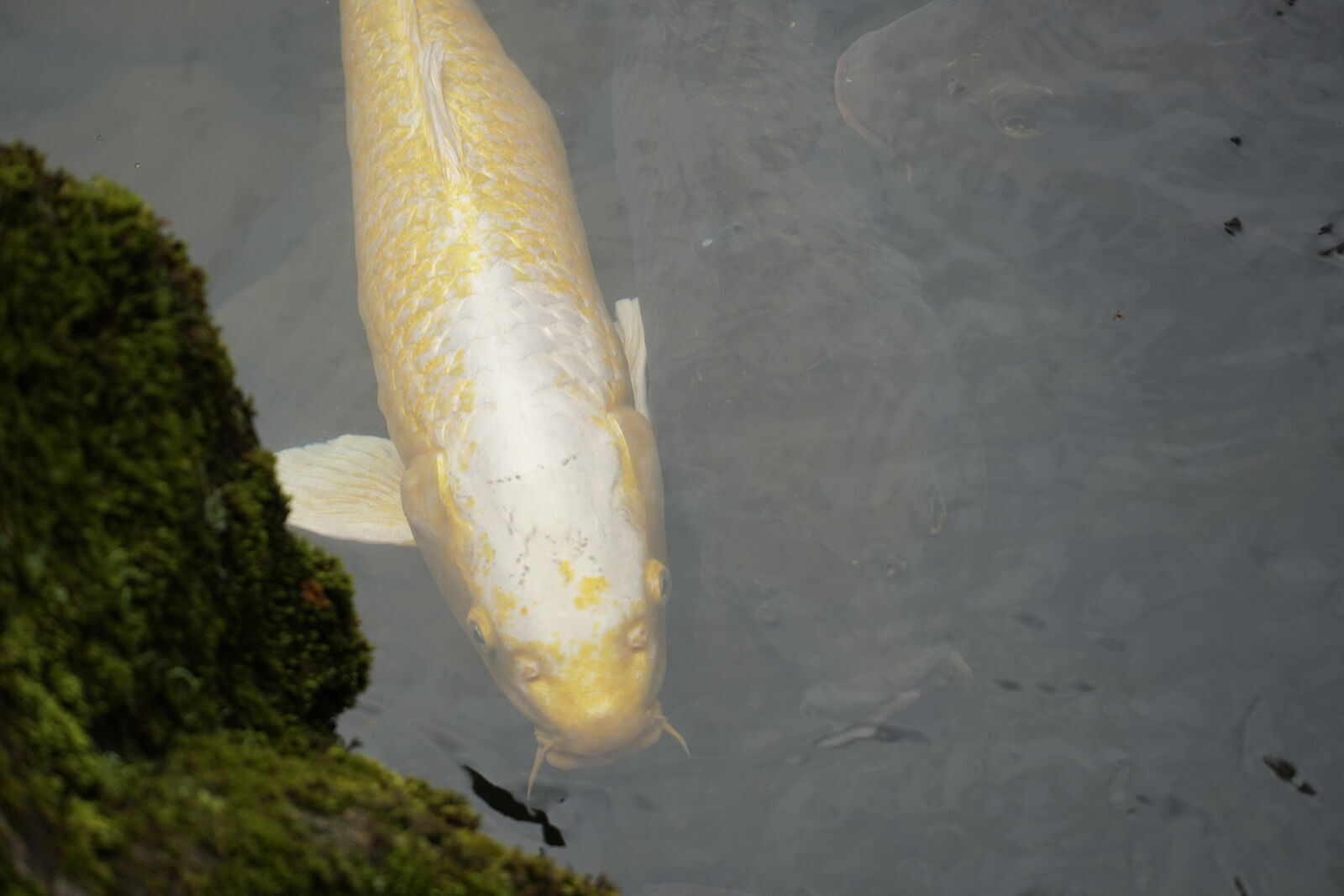
I visited Kenrokuen twice. Once in the summer of 2018, alone, on a road trip from Tokyo through the Japan Alps to the Sea of Japan coast. Once in 2019, in summer again, this time together. The garden didn't feel different between the two visits. Both times it was green, overwhelmingly green, the kind of summer green that Japan does better than anywhere else. Both times the koi gathered at the edge of the pond, mouths open, expecting food from anyone who stopped to look. Both times I ended up spending longer than planned, because the garden keeps revealing corners you haven't seen, paths you haven't taken, views that change depending on where you stand.
I think Kenrokuen would feel very different in winter, when the yukitsuri rope structures protect the pine branches from snow, and the garden turns white and geometric. Or in autumn, when the maples along the stream fire red. I've only seen it in summer, and summer is lush and overwhelming and full of life. The golden koi gliding through green water. The sound of the waterfall. The gardeners in the stream.
Worth the Reputation
Not every famous place in Japan lives up to its name. Some are better in photos than in person. Some have been loved to death by tourism. Kenrokuen is not one of those places. It is one of the most beautiful gardens you can visit in Japan, or anywhere, and it earns that status not through spectacle but through accumulated care. Every moss-covered stone, every shaped pine branch, every deliberately placed stepping stone is the result of someone deciding, today, that this garden will be as good as it was yesterday. That kind of commitment over centuries is rare. It's worth crossing the country for.
Kanazawa is a natural stop on a Chubu road trip between the Hakusan White Road and Chirihama Beach. Combine it with Gujo Hachiman further south for a full Chubu heritage loop.
Practical Info
Location: Kanazawa, Ishikawa Prefecture. Adjacent to Kanazawa Castle Park. View on Google Maps
Hours: March 1 - October 15: 7:00-18:00. October 16 - February: 8:00-17:00. Open every day.
Admission: 310 yen (adults), 100 yen (children 6-18). Early morning admission before regular hours is available for free in certain seasons.
Access: By car: plenty of paid parking around Kanazawa Castle area. By bus: Kenrokuen-shita or Hirosaka bus stops from Kanazawa Station (about 15 minutes). The Hokuriku Shinkansen connects Kanazawa to Tokyo in about 2.5 hours.
Time needed: At least 1-2 hours to walk the full garden. More if you photograph.
Best time: Early morning for fewer people and to see the gardeners at work. Each season has a different character: cherry blossoms in spring, lush green in summer, maple color in autumn, snow-protected pines (yukitsuri) in winter.
Combine with: Kanazawa Castle Park (free, next door), the 21st Century Museum of Contemporary Art (5 min walk), Omicho Market for seafood lunch, Higashi Chaya District for tea houses.