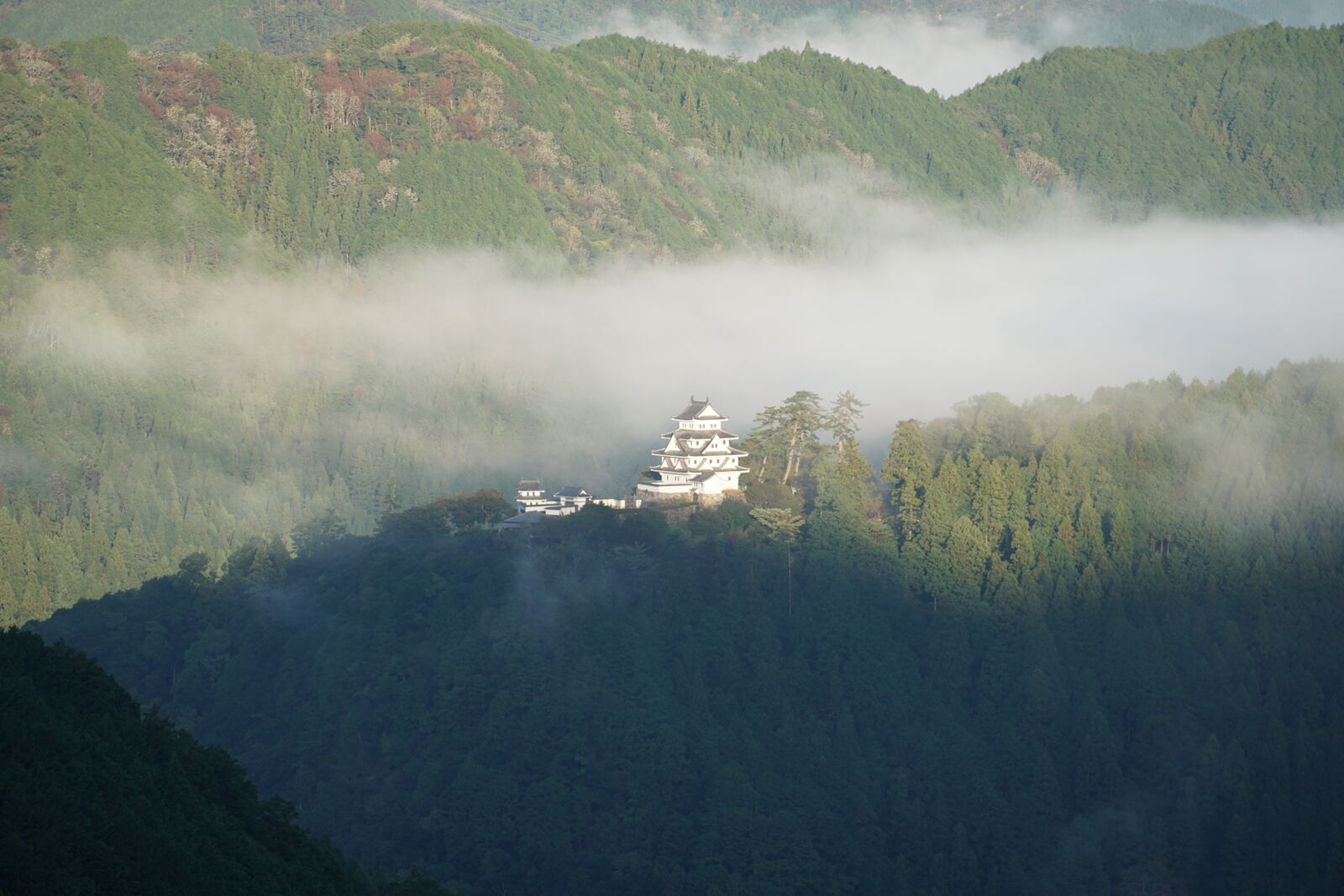
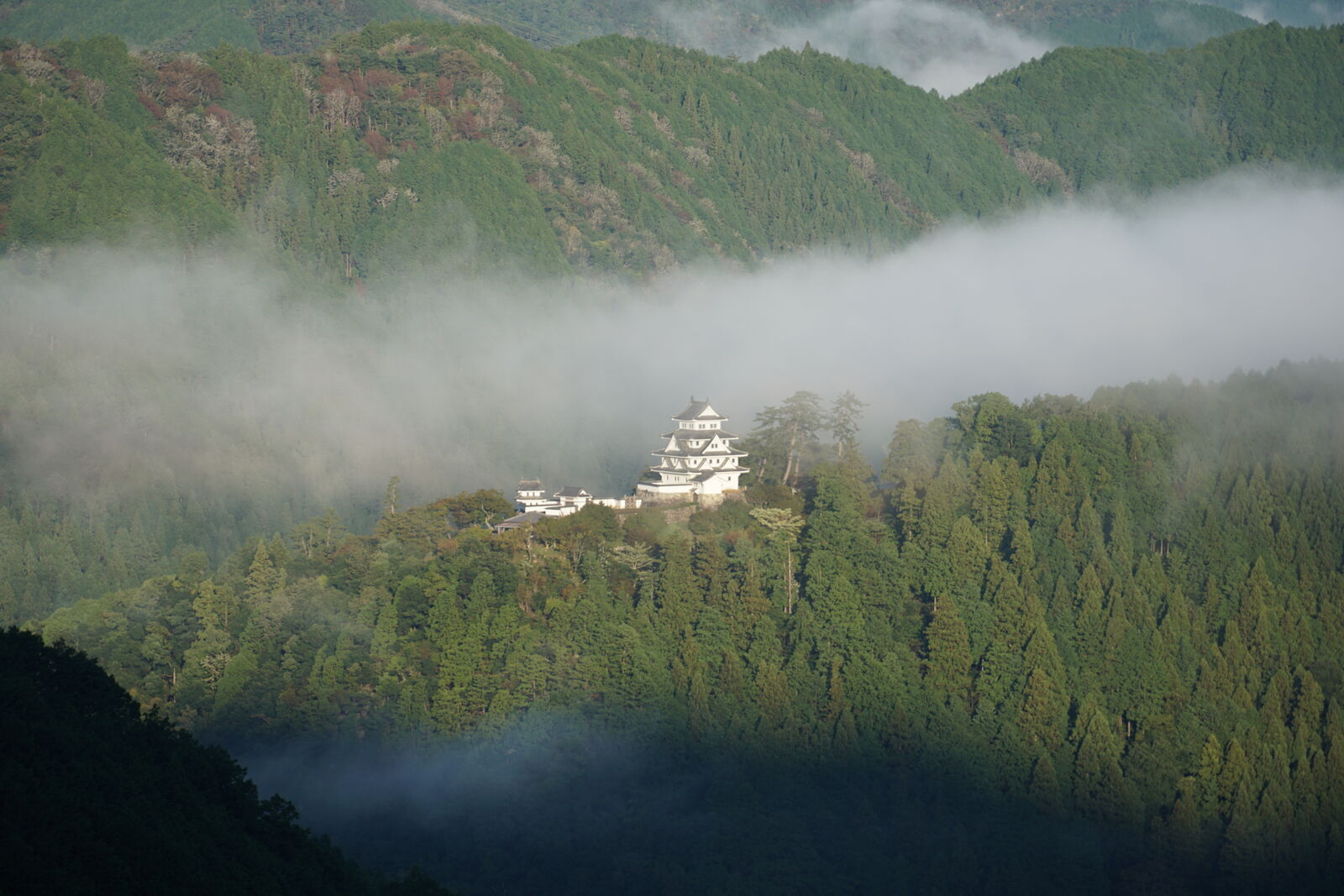
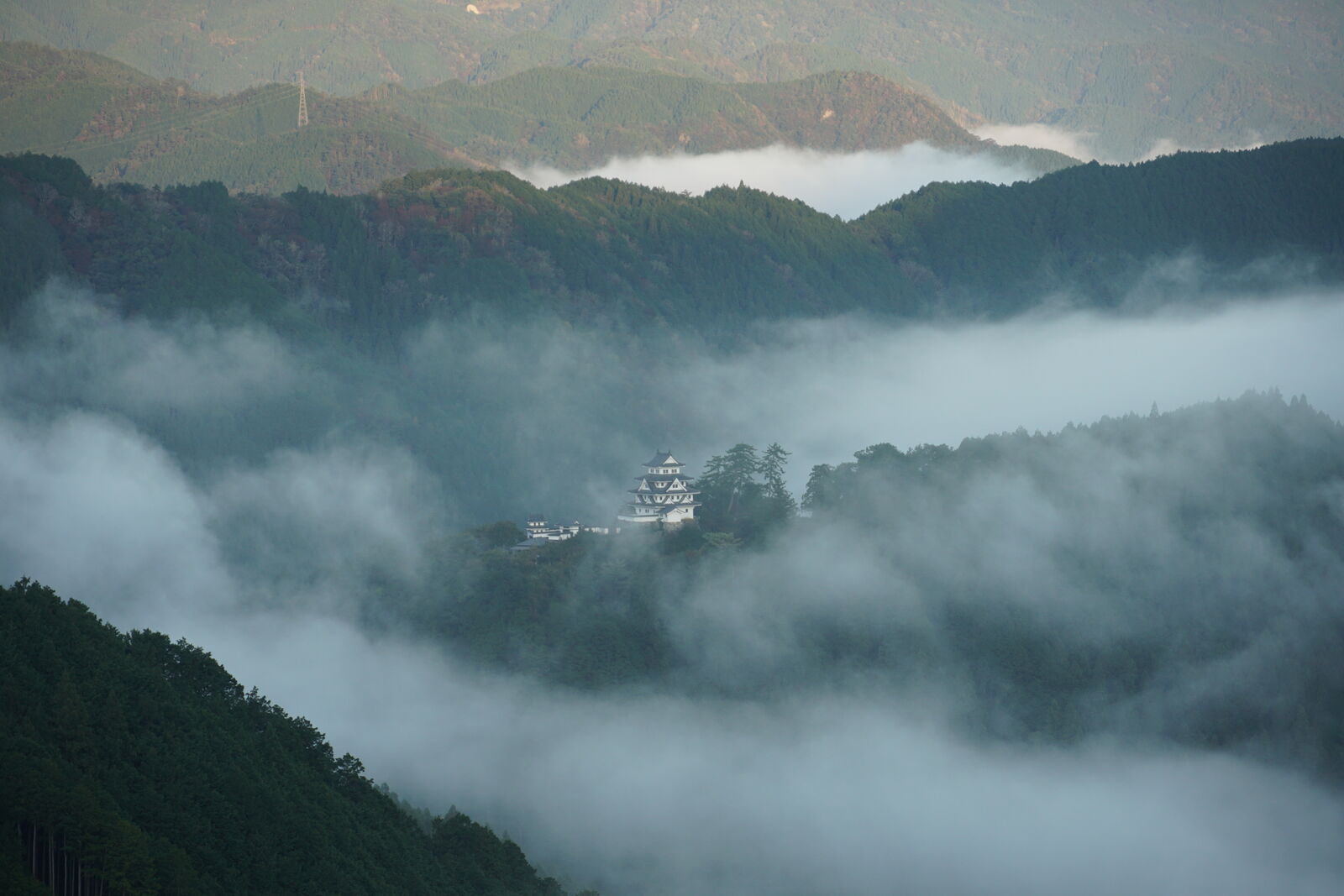
I drove into Gujo Hachiman at dusk, not to see the town but to find a parking spot. Somewhere on the mountain road across from the castle, there was supposed to be a place where you could stand at dawn and watch the whole valley fill with clouds. A viewpoint on Horikoshi Pass, Route 256, barely room for ten cars. I had seen the photos online and knew that this was one of those places you either prepare for or miss entirely. So I came the evening before to scout.
The Night Before
The road up to the pass is narrow, winding through dense forest with almost nowhere to pull over. I drove it slowly, trying to figure out where exactly the viewpoint was, where I could park, and whether any of it would work at four in the morning in the dark. In the end there was only one real option: a small gravel area by the road, maybe space for eight or nine cars. Not more. I parked, got out, and looked across the valley.
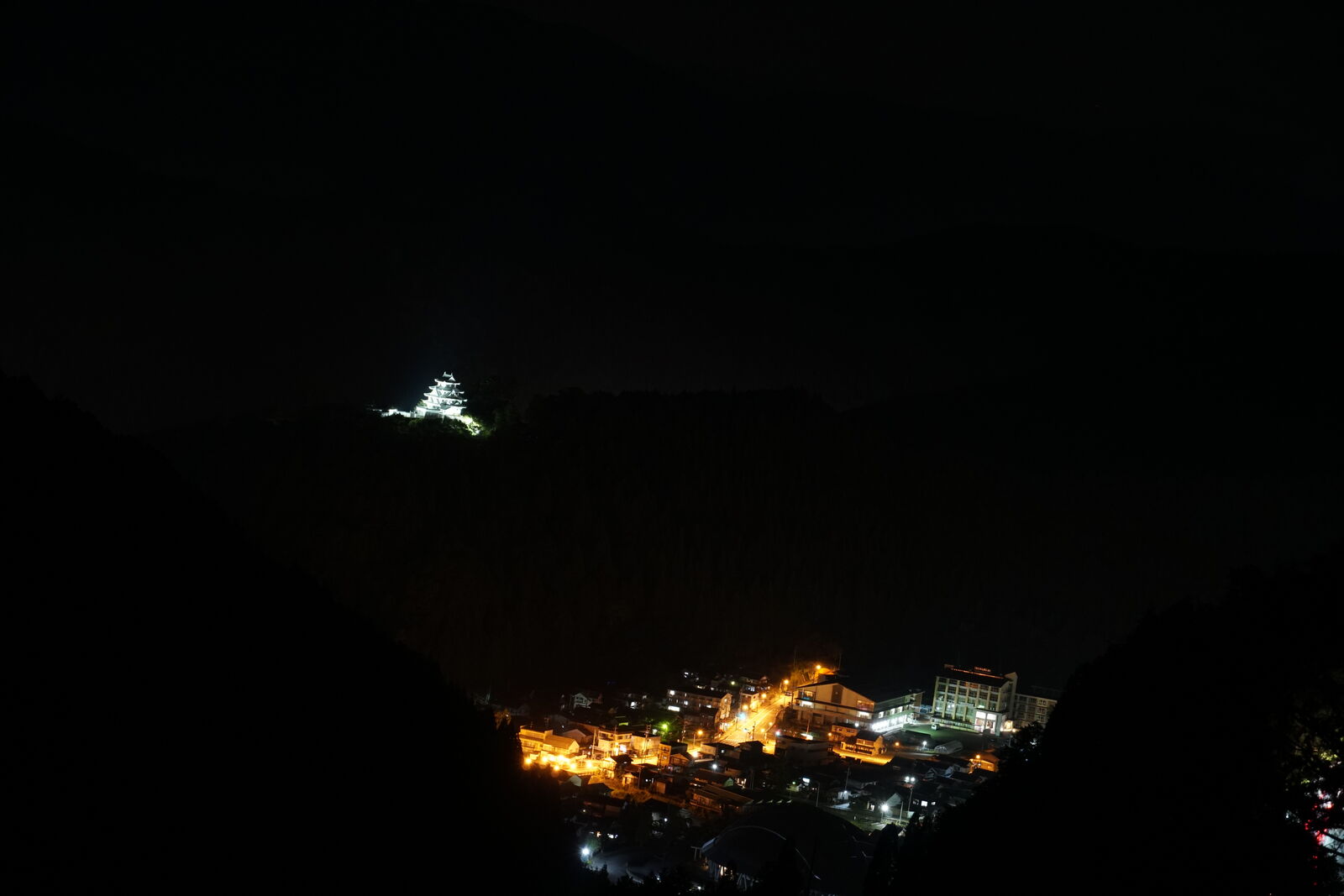
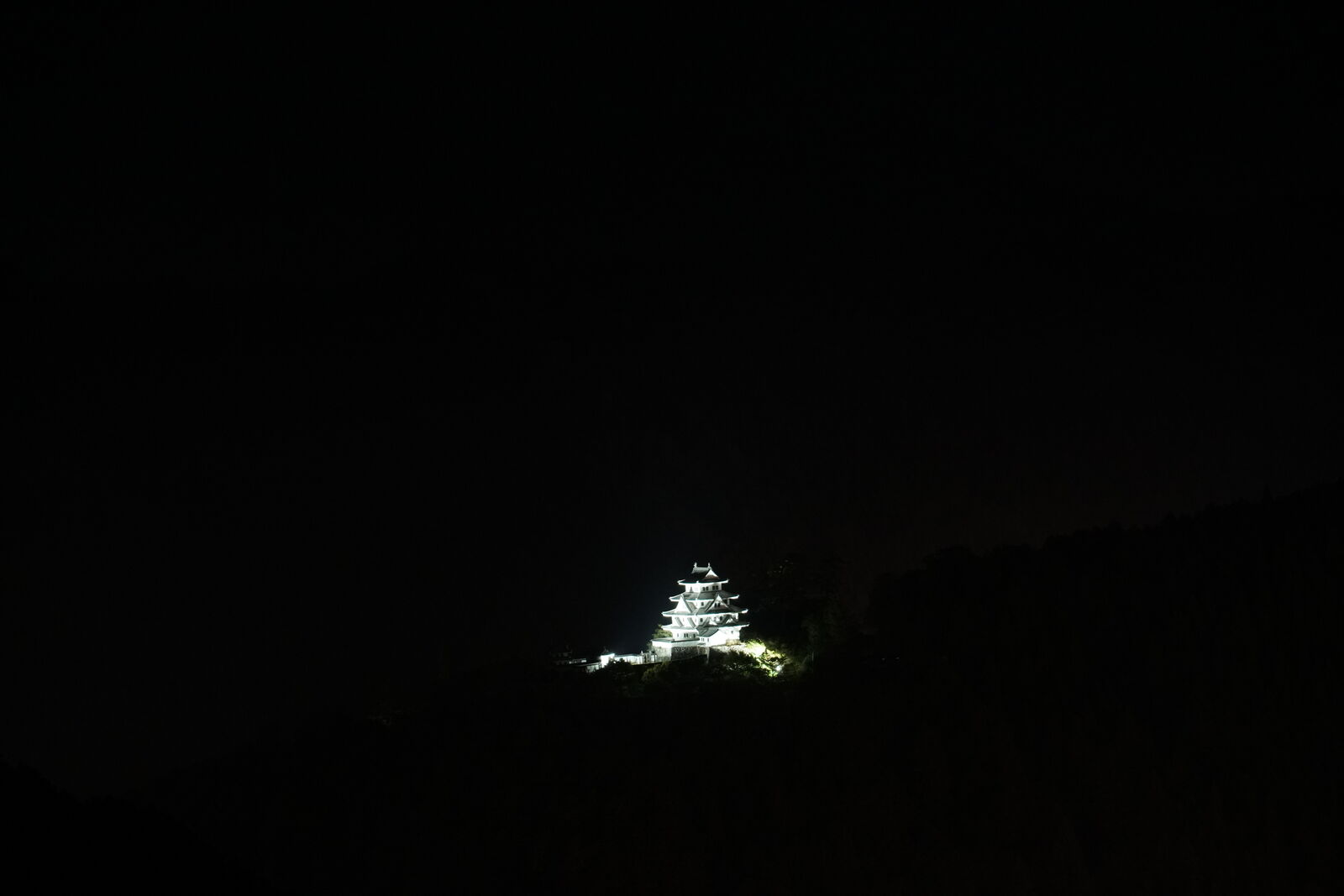
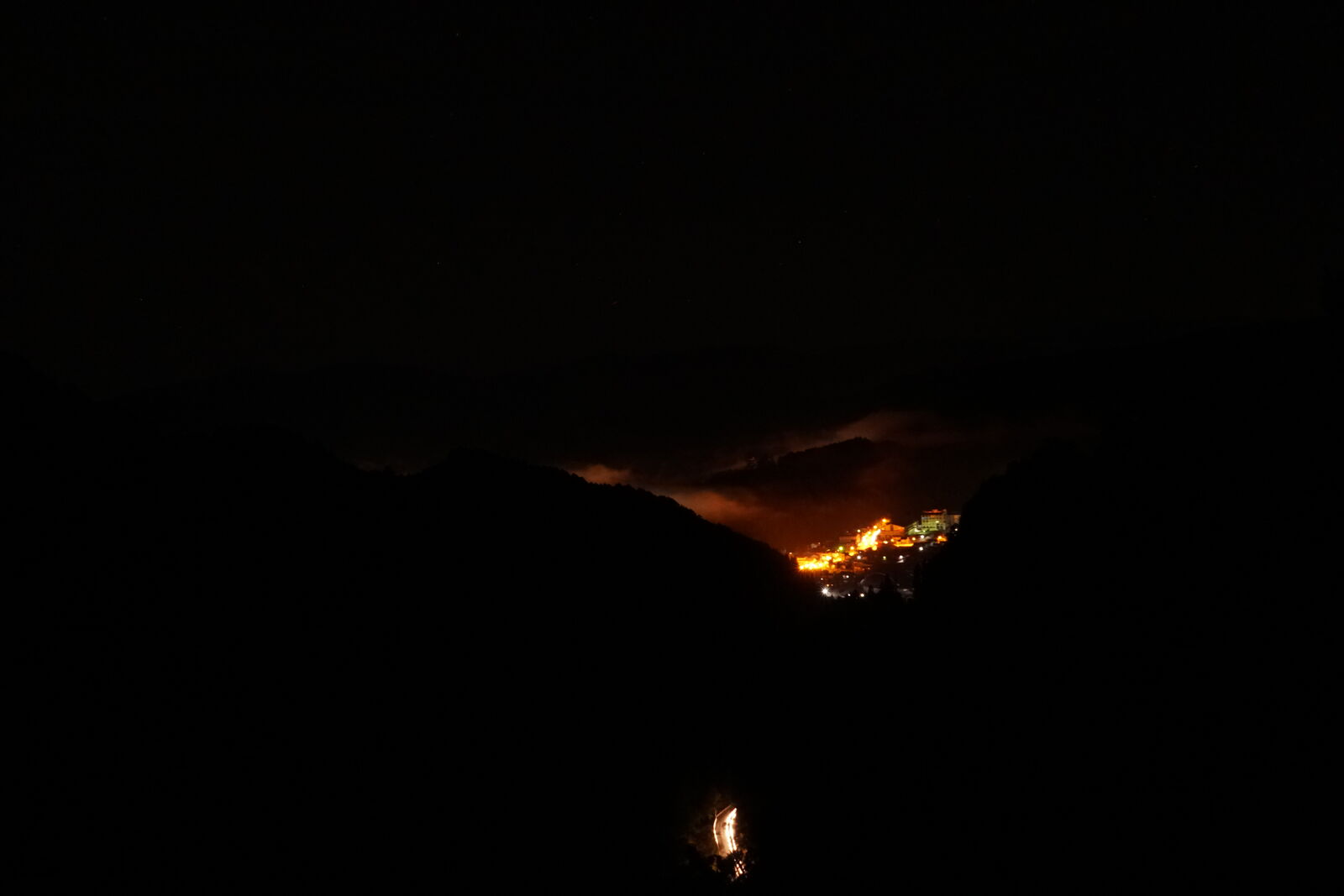
Gujo Hachiman Castle sat on its hill across the valley, illuminated white against the black mountains. Below it, the town glowed warm orange, streetlights tracing the river and the old streets. It was beautiful in a way I hadn't expected. I had come for the dawn, not the night, but standing there in the dark with that view in front of me, I already felt like the trip had been worth it. I took a few photos from the roadside, walked around to get a feel for the angles, and then drove back down to a Michi no Eki nearby to sleep in the car.
Four in the Morning
The alarm went off in the dark. I drove back up the mountain road, headlights cutting through fog that was already starting to settle into the valleys. When I reached the parking spot, two cars were already there. People who had skipped the Michi no Eki and just slept right at the viewpoint. That's also an option, if you don't mind spending the night on a mountain pass in rural Gifu.
I walked to the spot I had scouted the evening before and set up. It was still dark, but you could feel the air thickening, the moisture collecting, the temperature dropping the way it does in mountain valleys just before dawn. This is what creates the unkai, the sea of clouds: humid air cooling rapidly in the narrow valleys overnight, condensing into fog that fills the space between the ridges like water filling a bowl. It only happens under specific conditions. Clear sky, no wind, a big temperature difference between night and morning. You can't plan it. You can only show up and hope.
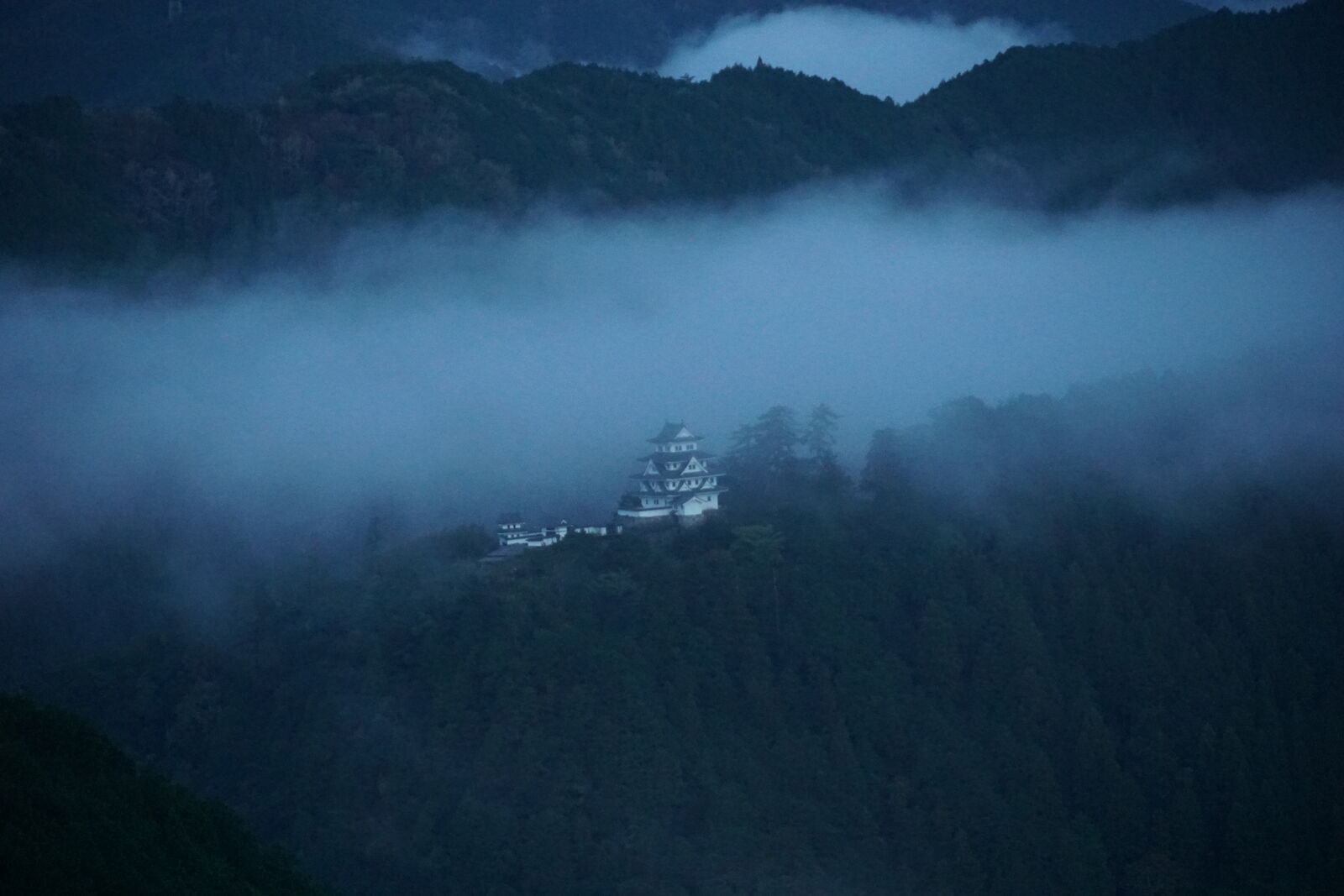
The Window
What happens next takes maybe thirty minutes, and then it's over.
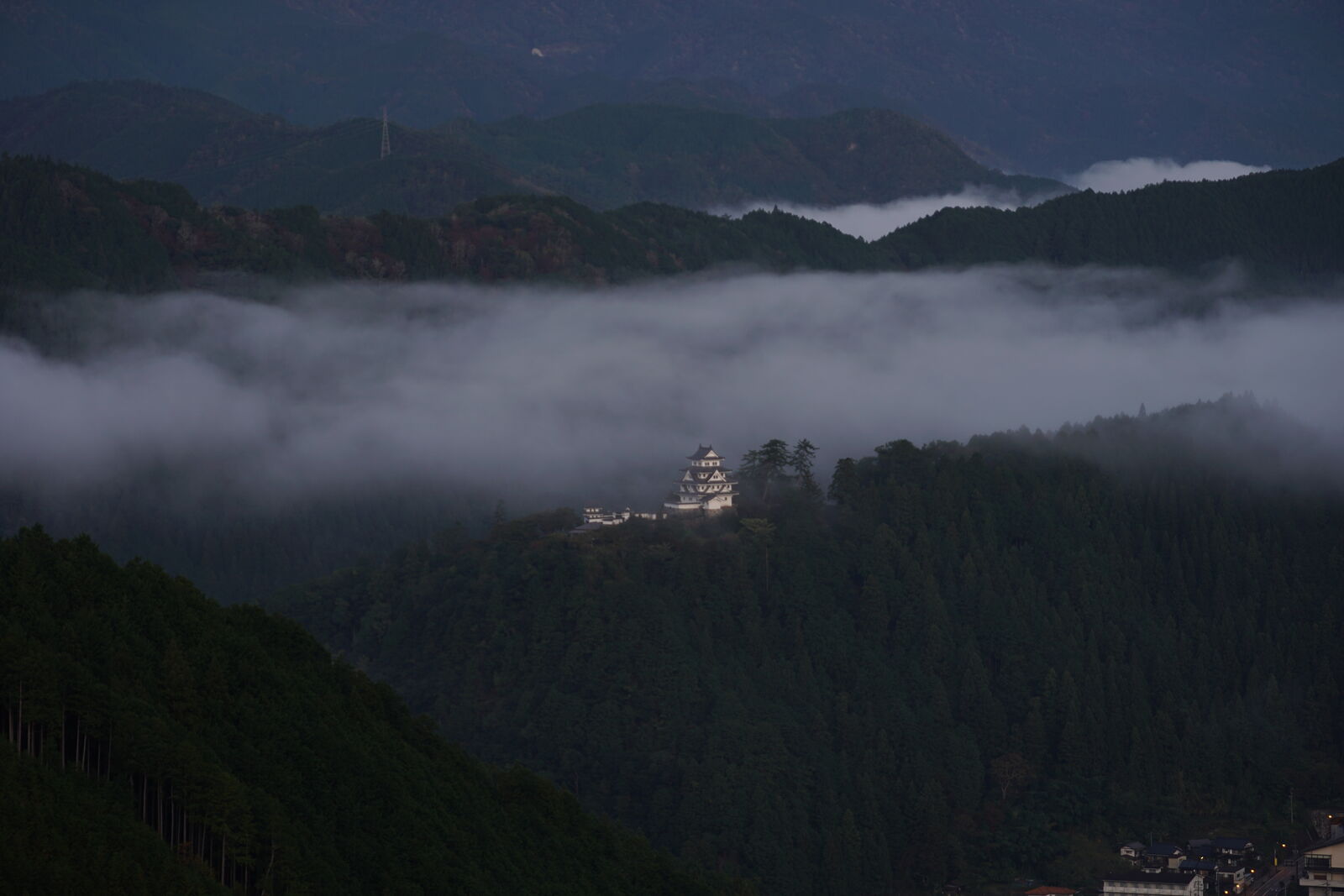
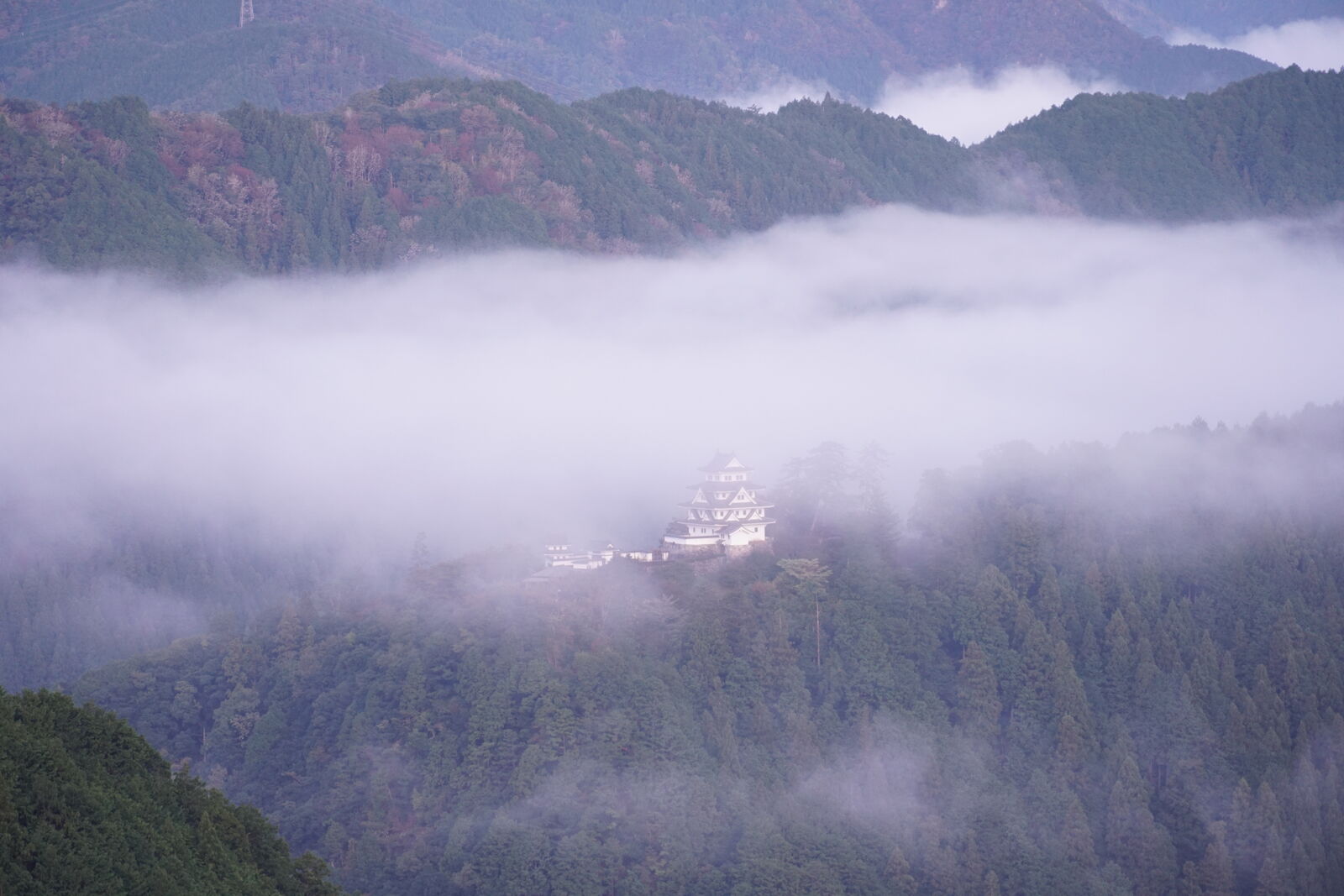
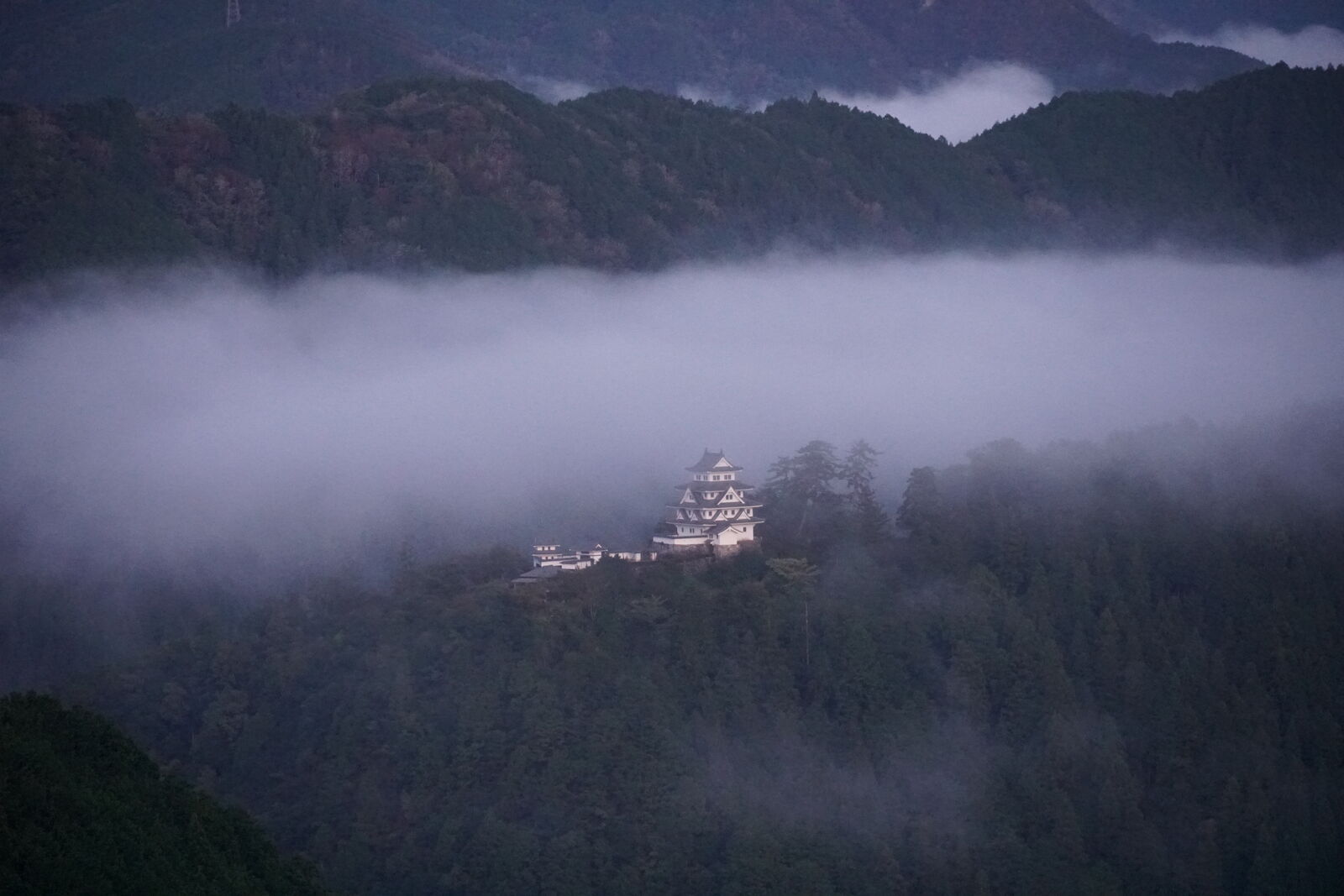
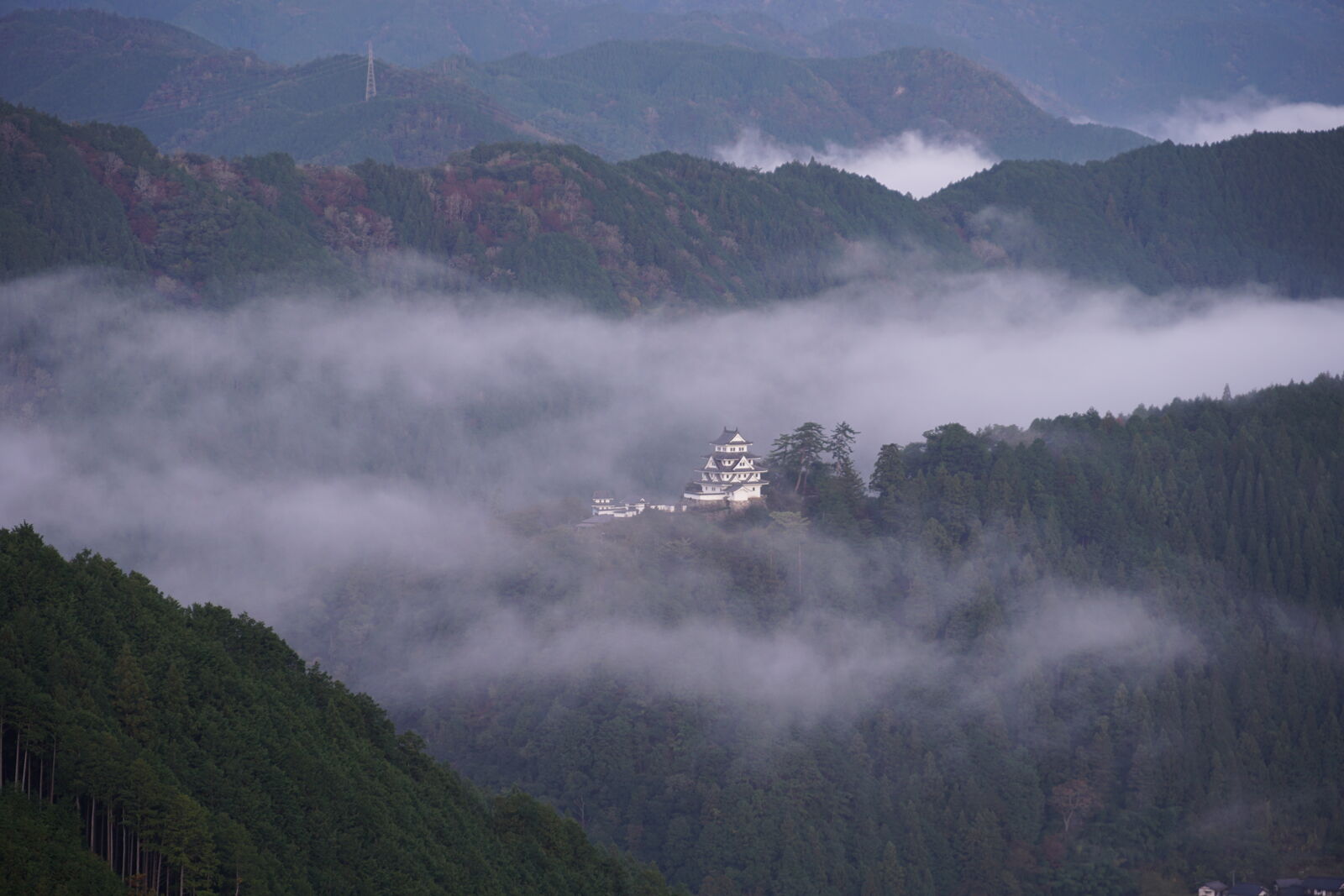
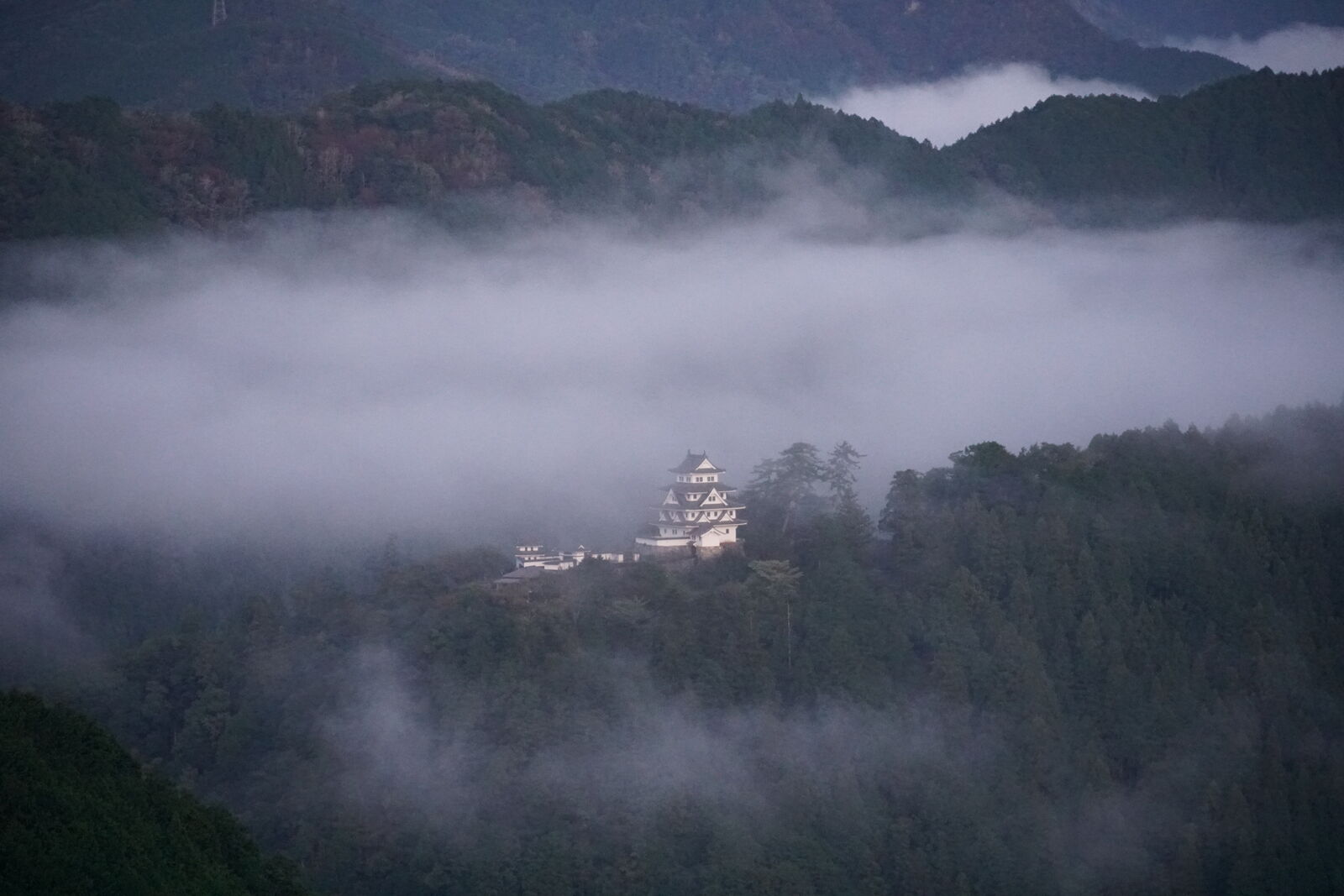
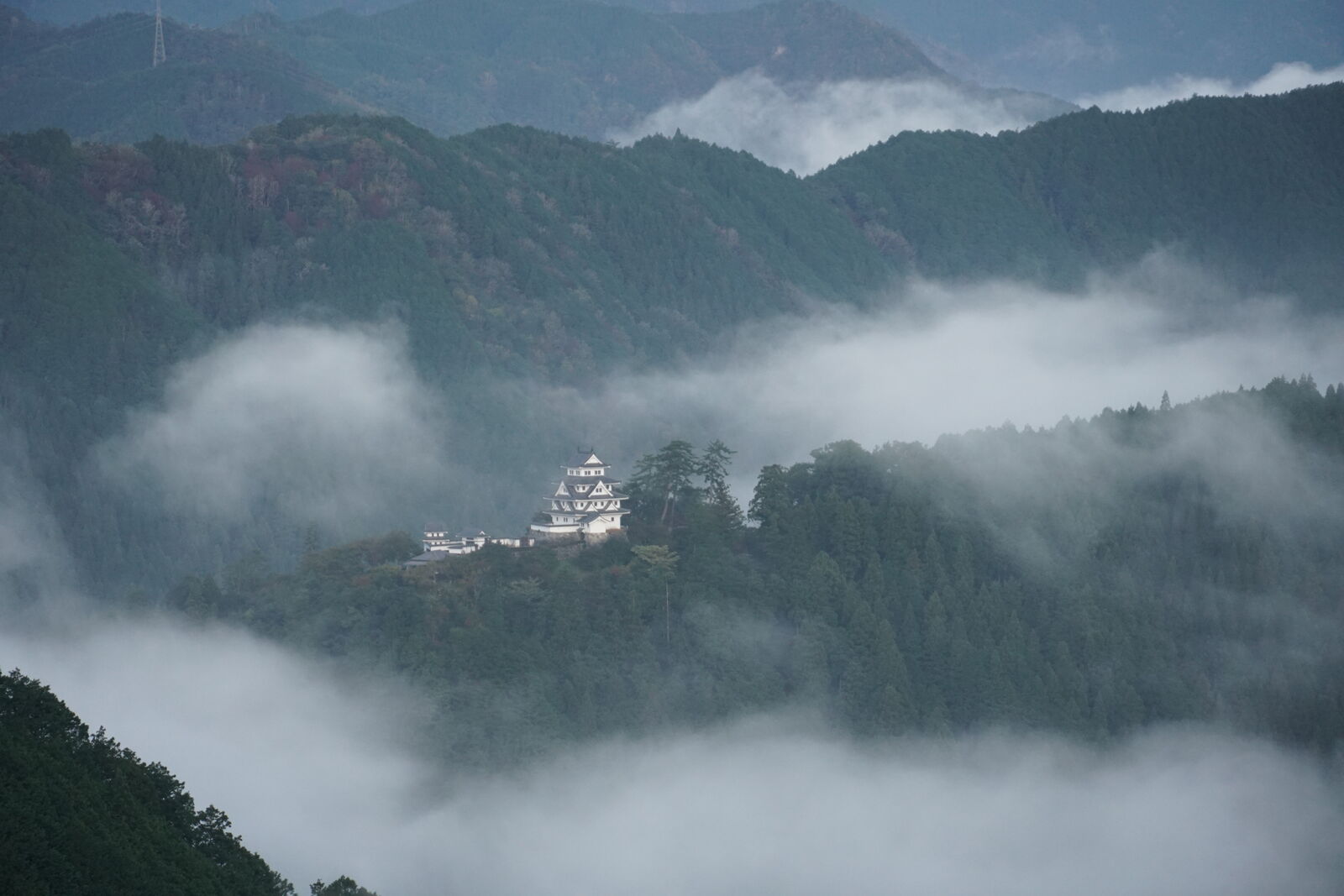
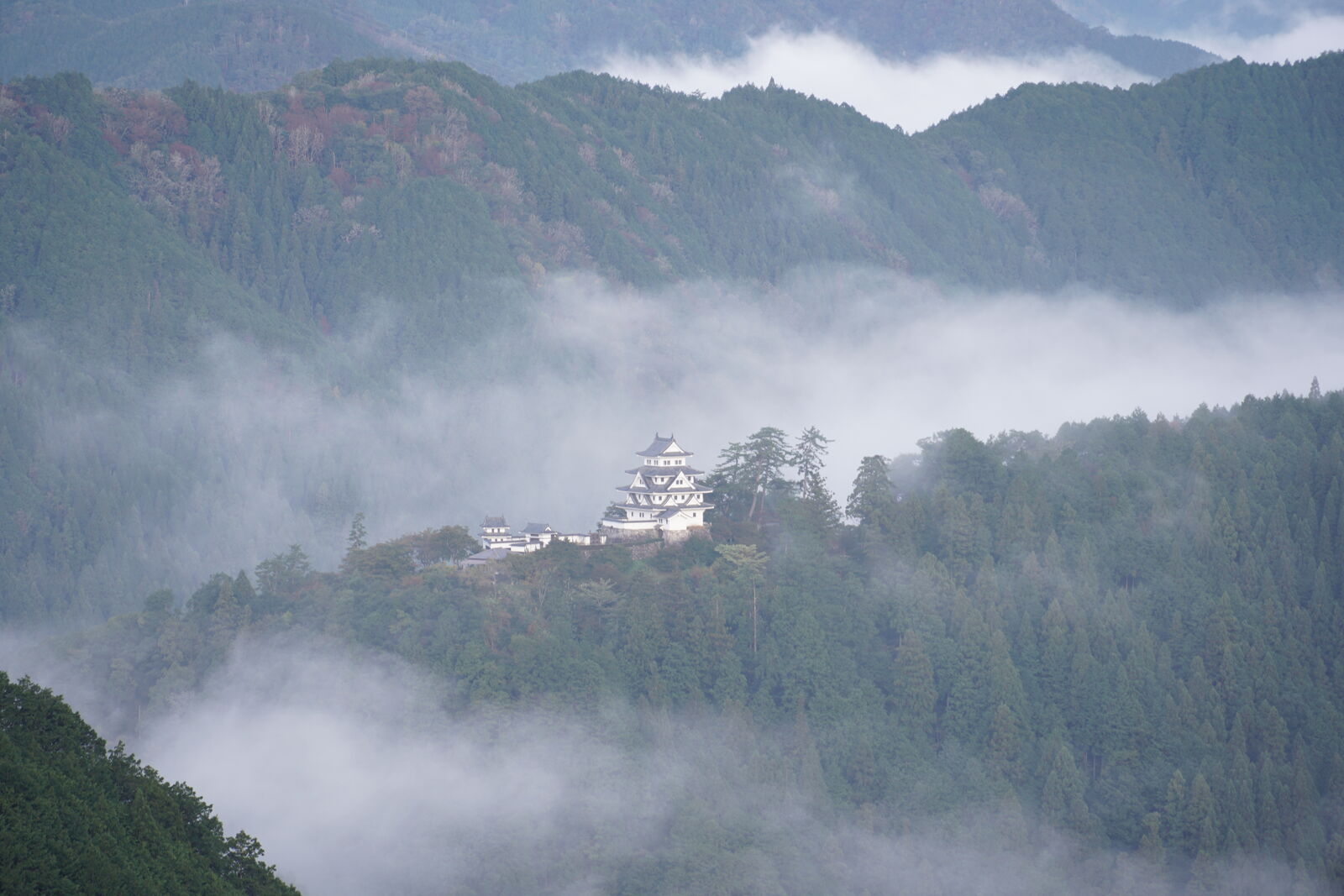
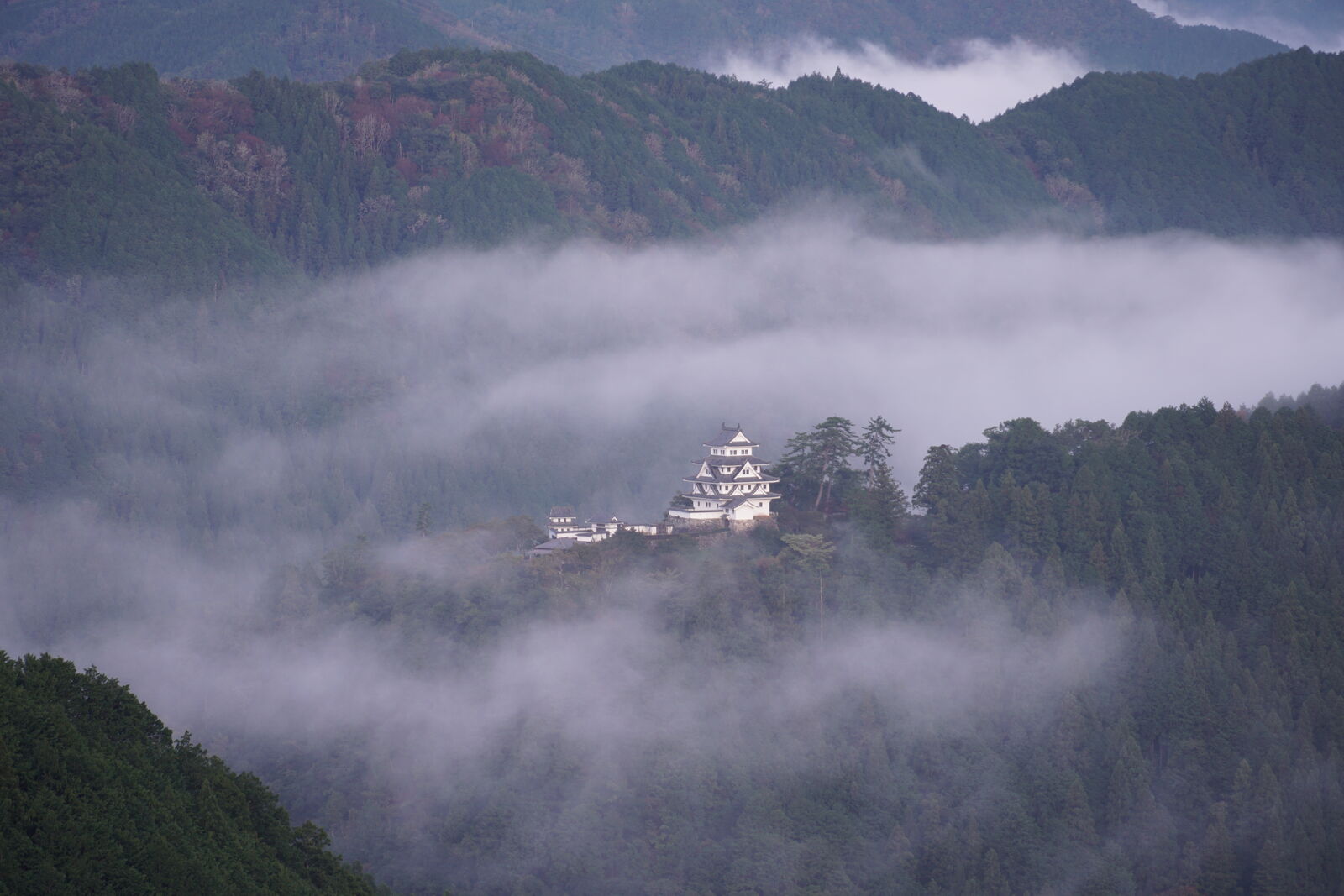
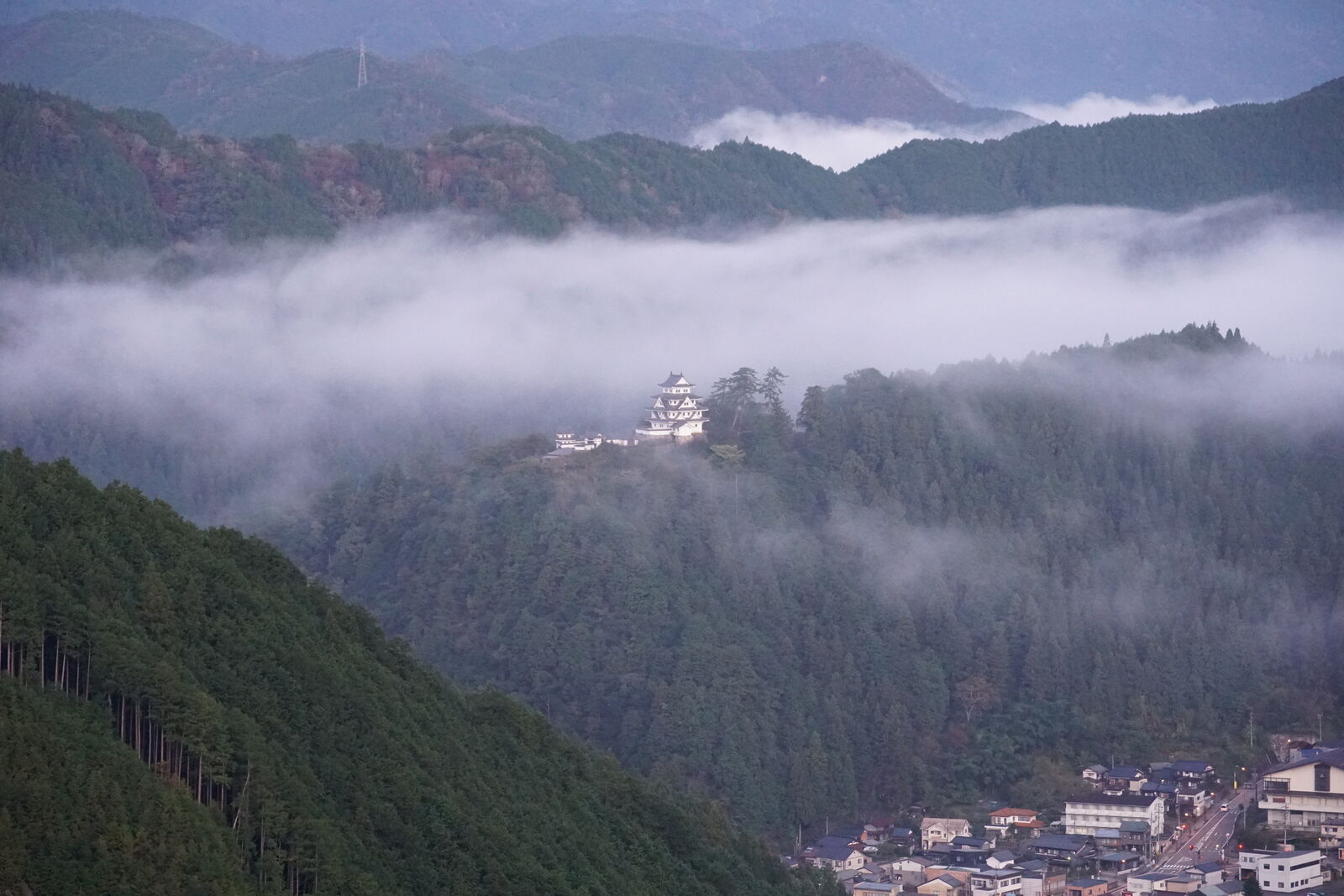
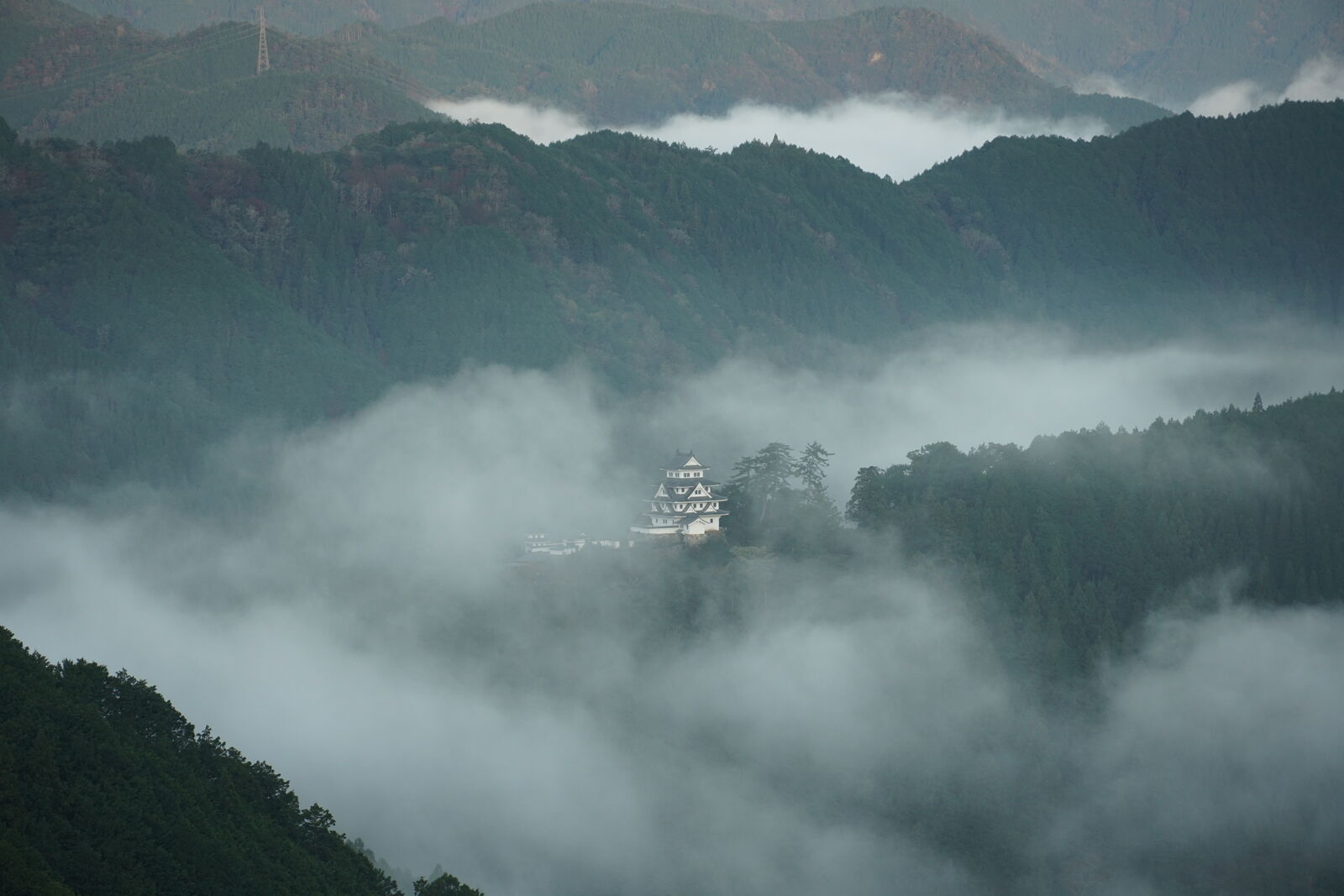
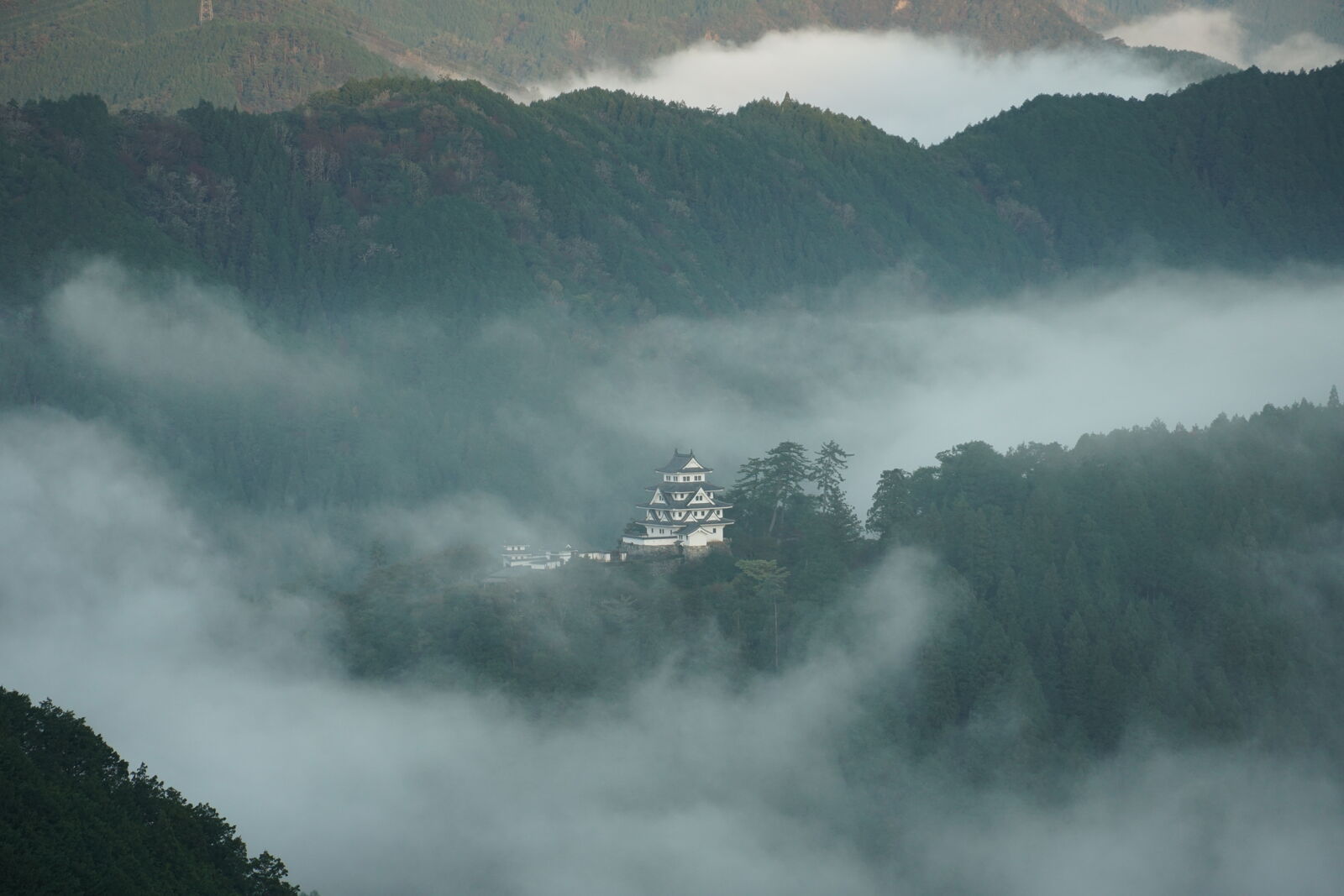
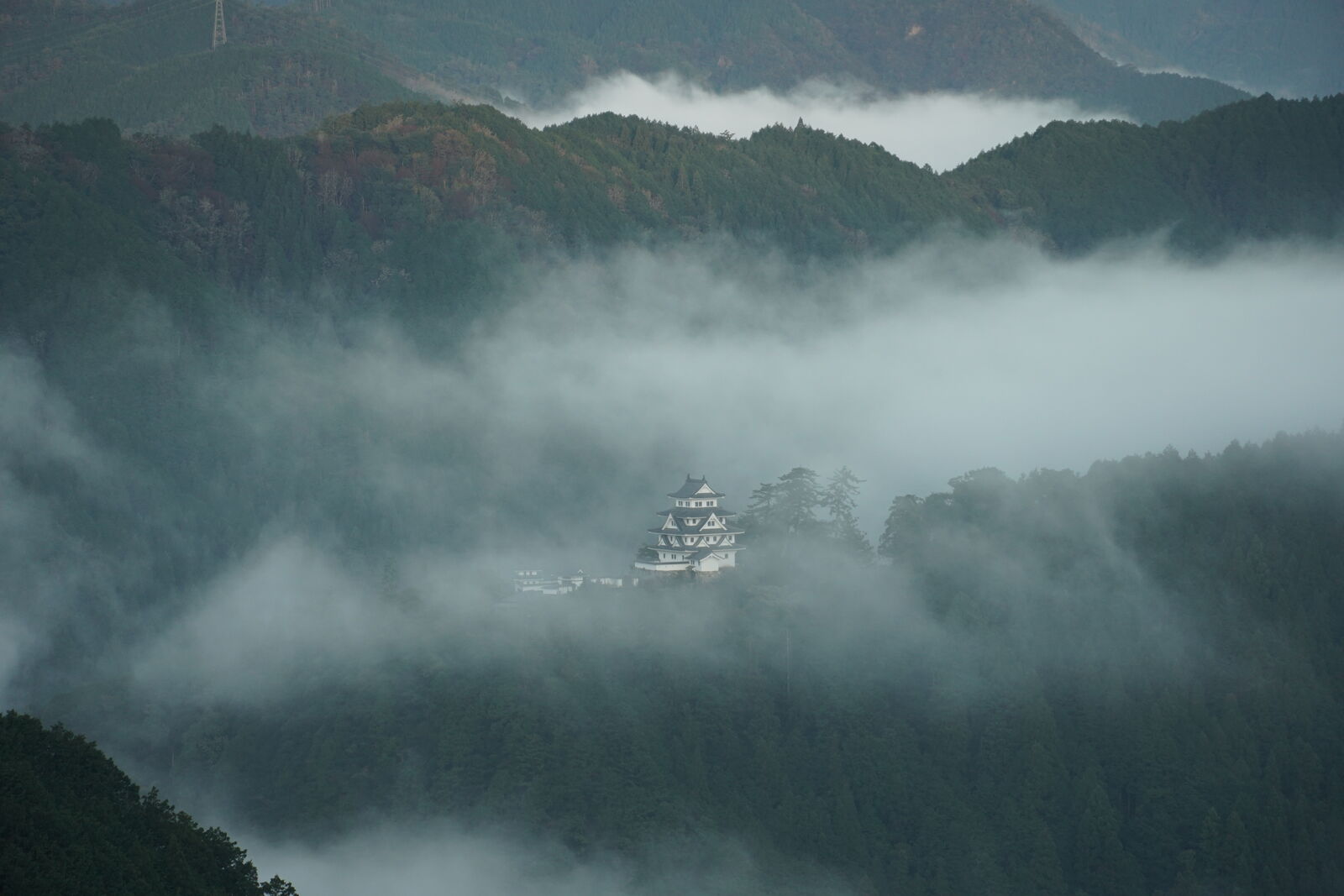
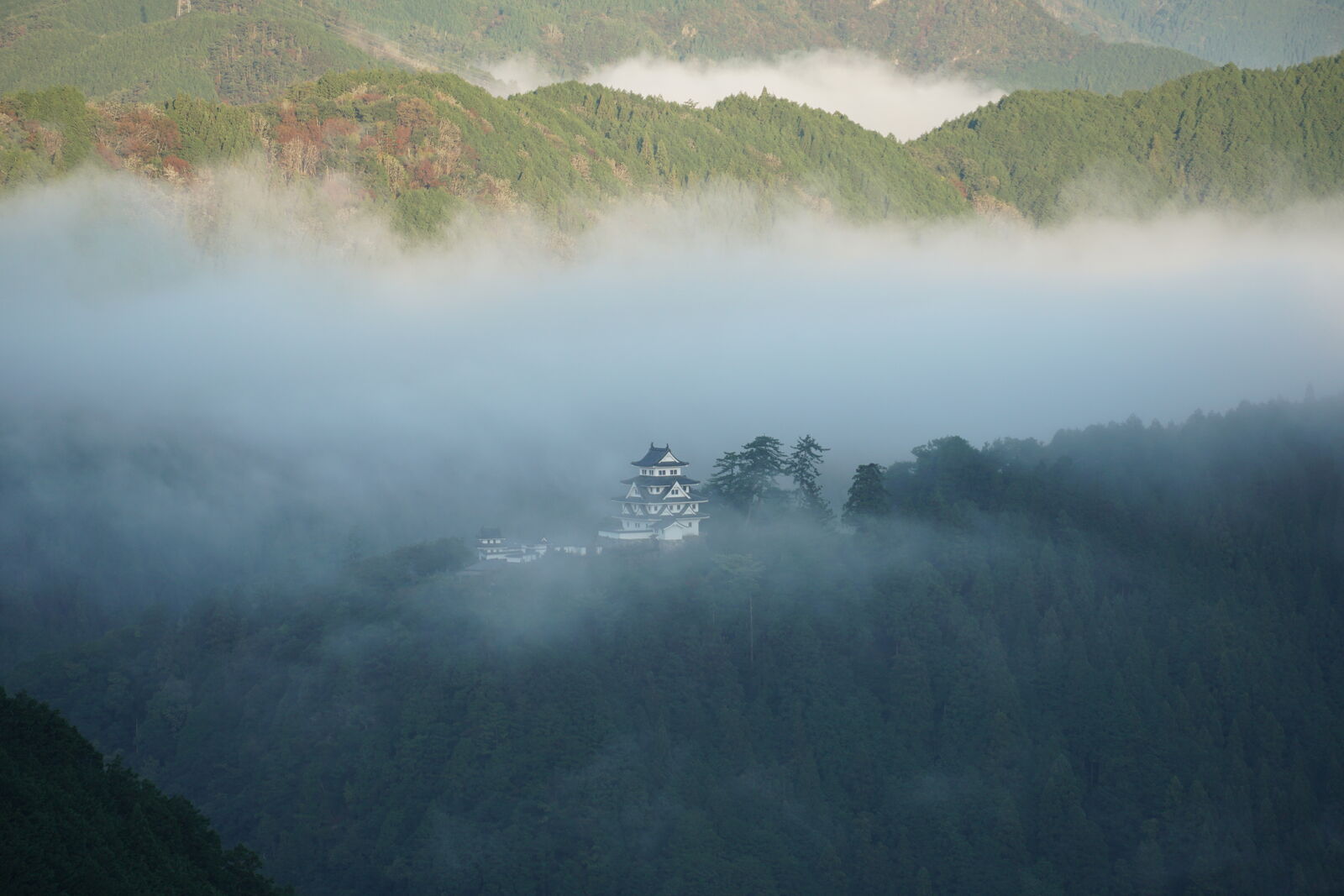
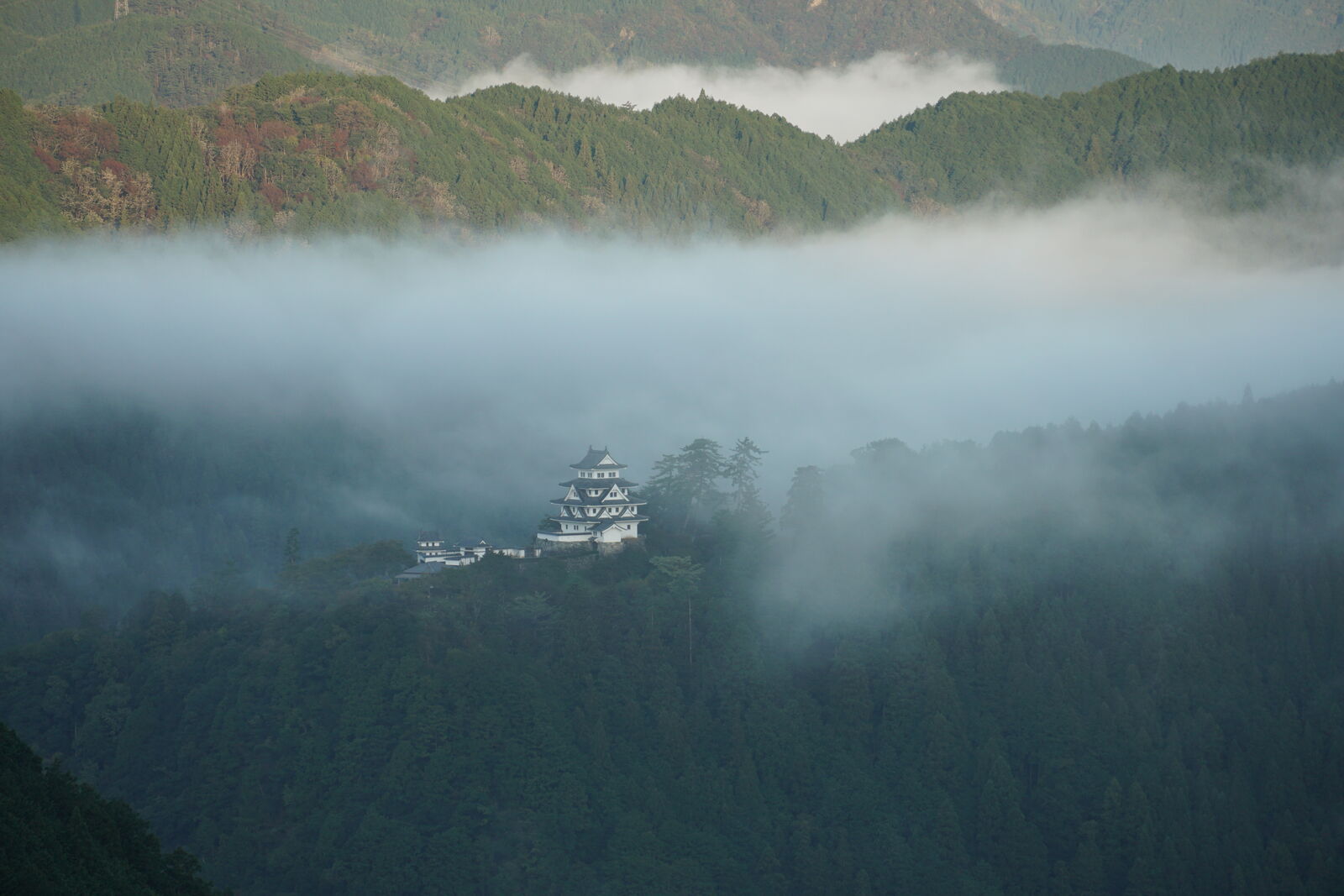
As the sky starts to lighten, the fog in the valleys thickens and rises. At some point, if you're lucky, it reaches a level where it covers the town, covers the river, covers everything below the castle's hilltop. And the castle appears to float. A white keep on a forested ridge, surrounded on all sides by a sea of white cloud, layered mountains receding into the distance behind it. It looks exactly like the photos you've seen, and at the same time it looks nothing like them, because no photo captures the scale, the silence, the fact that you are standing on a cold mountain road at four thirty in the morning and watching something that feels like it shouldn't be real.
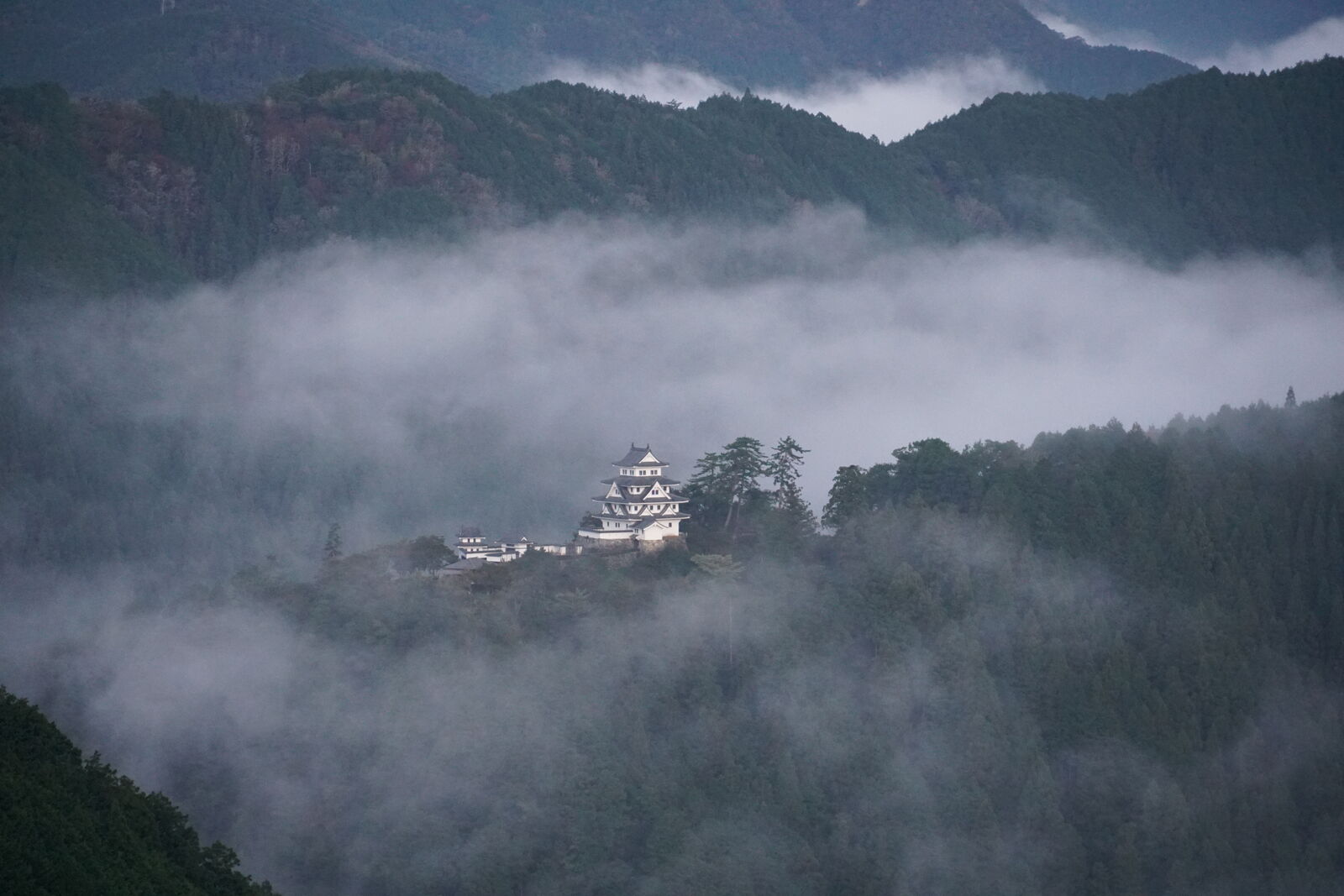
As it got lighter, more people arrived. Japanese photographers, most of them. One asked where I was from and how I knew about this spot. I said: the internet. He laughed. They all had their tripods set up, all shooting the same thing, all waiting for that one moment when the light and the clouds and the castle align in a way that makes you hold your breath.
Gujo Hachiman Castle was built in 1559 and sits 354 meters above the valley. It's one of the oldest wooden castle reconstructions in Japan, rebuilt in 1933 using wood from nearby Hachiman-cho. But none of that matters at dawn. What matters is the shape on the ridge, the white walls against green cedar forest, and the clouds moving around it like slow water.
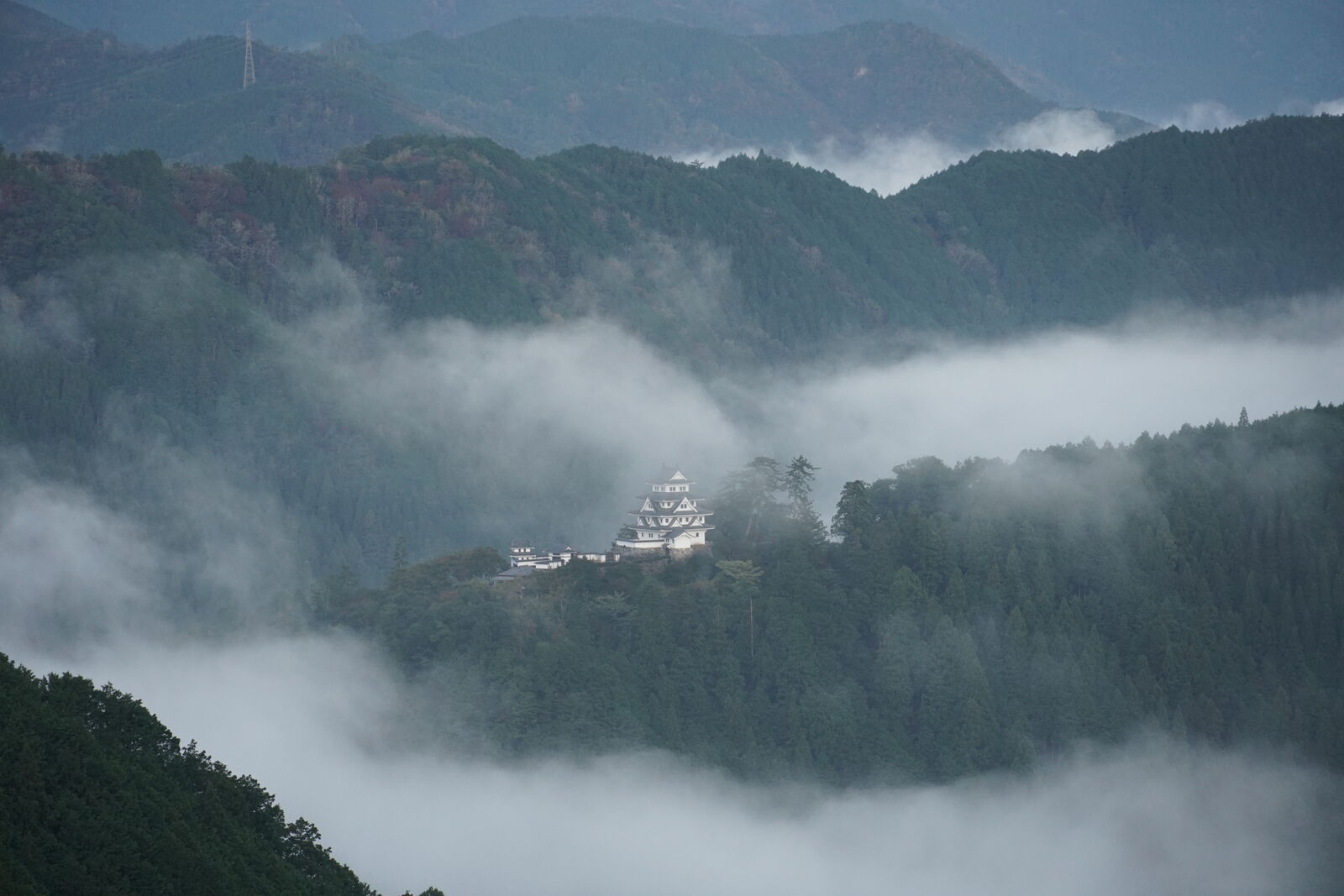
Gone
And then, as quickly as it came, it's gone. The sun clears the mountain ridge, the air warms, and the clouds start to dissolve. First in patches, then in whole sections, until the valley below is visible again: the river, the town, the roads, the everyday. The castle is still there, still beautiful, but the magic has broken. What you just saw existed for half an hour. Tomorrow it might not happen at all.
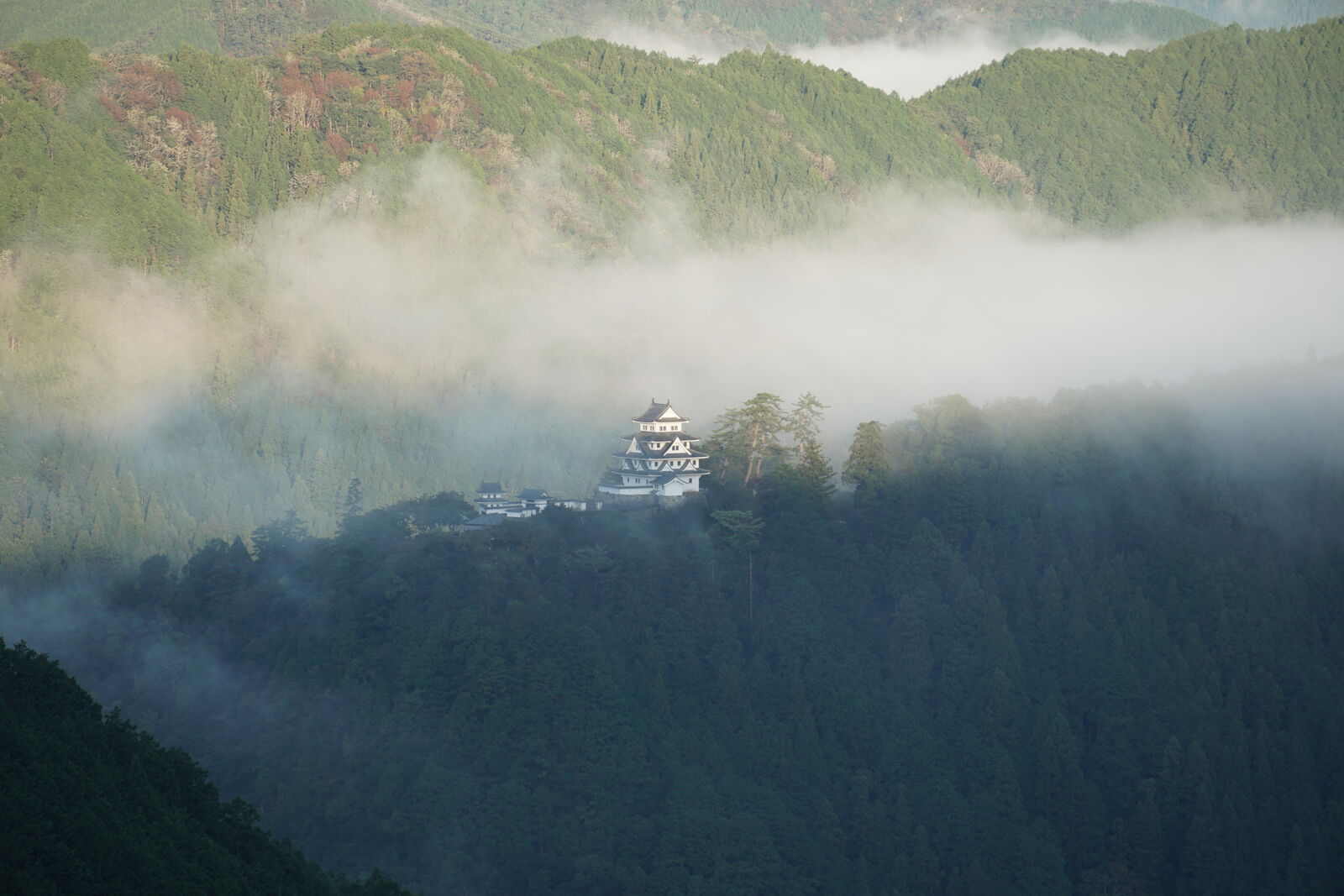
I stood there for a while after the clouds had cleared, watching the other photographers pack up their tripods and walk back to their cars. The parking lot was full now. Ten, maybe twelve cars. Some had driven up from Nagoya, two hours south. One couple had come from Osaka. All for this thirty-minute window.
In the car on the way back down, I realized that this was one of those Japan moments that stays. Not because of the castle, not because of the clouds, but because of the effort and the uncertainty and the reward. You drive somewhere you've never been, sleep in your car at a roadside station, wake up in the dark, climb a mountain road on faith, and then the world gives you something you couldn't have earned any other way. That's vanlife in Japan at its best. That's why I keep coming back.
Gujo Hachiman is on the way between Shirakawa-go and the White Road. It's an easy stop on a Chubu road trip, and the town itself is worth walking through for its water channels and old-town atmosphere.
Practical Info
Location: Gujo City, Gifu Prefecture. About 1 hour south of Shirakawa-go by car, 1.5 hours north of Nagoya. View on Google Maps
Unkai Viewpoint: Horikoshi Pass (堀越峠) on National Route 256. Small gravel parking area, room for about 10 cars. No facilities. Approximate viewpoint location
Best time for clouds: September to November, between about 4:30 and 6:00 in the morning. Requires clear sky, no wind, high humidity, and a big temperature drop overnight. Check weather forecasts for fog probability. No guarantee.
Access: By car only for the viewpoint. The road is narrow but paved. Drive it once in daylight to scout, then return in the dark.
Sleeping nearby: Michi no Eki stations in the Gujo area. Or park directly at the viewpoint overnight (other photographers do this). No campsite, no toilet at the pass.
The castle itself: Hours vary by season: 8:00-18:00 in summer, 9:00-17:00 in spring/autumn, 9:00-16:30 in winter. Closed late December to early January. Around 400 yen admission. Worth visiting during the day for the view from the top, but the sea of clouds is seen from the opposite side of the valley, not from the castle grounds.
The town: Gujo Hachiman is known as a "water town" for its clean rivers and channels running through the old streets. Famous for Gujo Odori, a traditional dance festival in August.