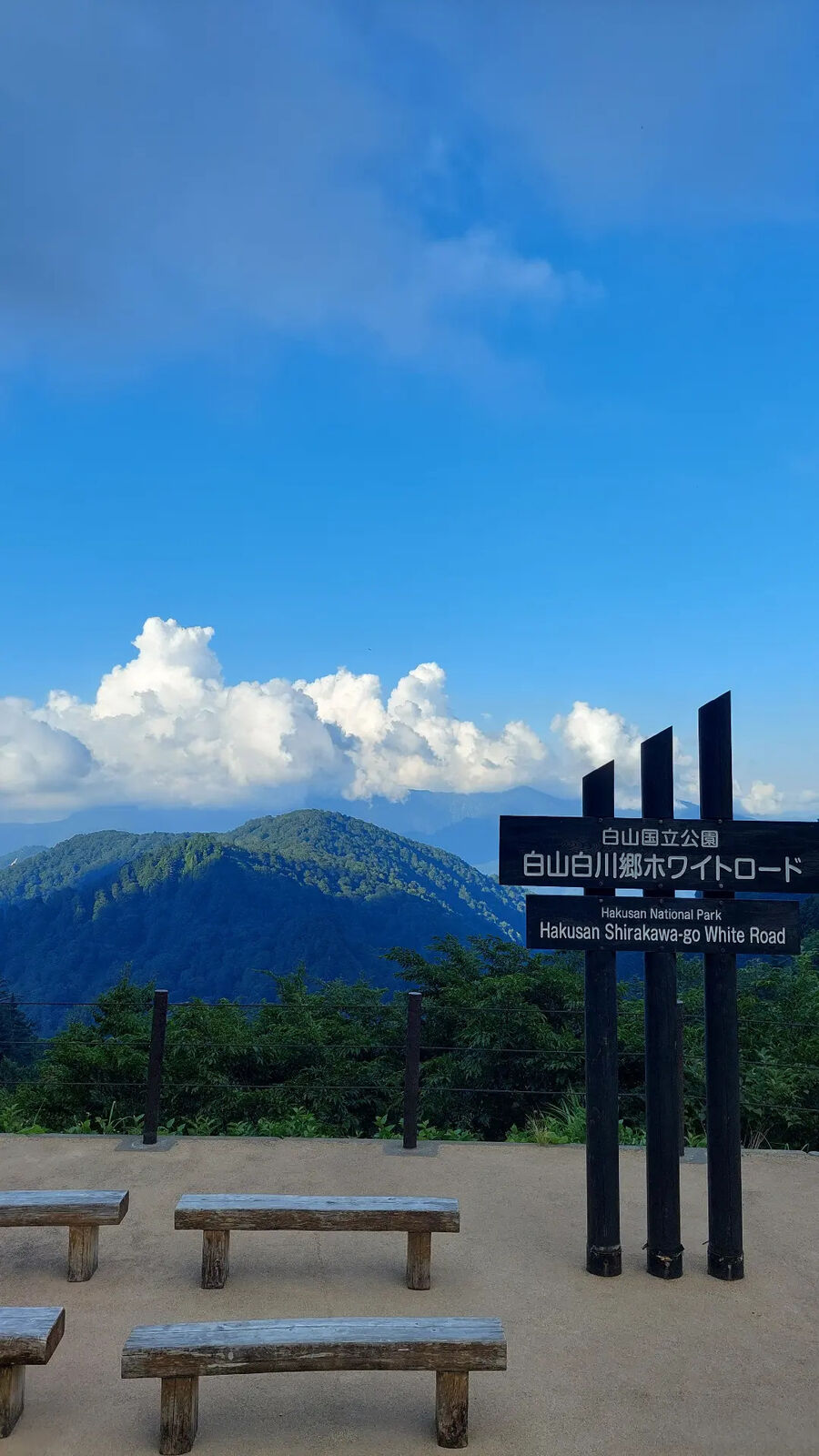
I didn't plan this. The sat-nav on my phone calculated the route from Hakusan Heisenji to Ainokura village and offered a mountain road as the shortest way across. I figured it would be a regular pass. A narrow prefectural road, maybe some switchbacks, the usual rural mountain drive. What I got instead was one of the most spectacular roads I've driven in Japan.
The Sat-Nav Knows
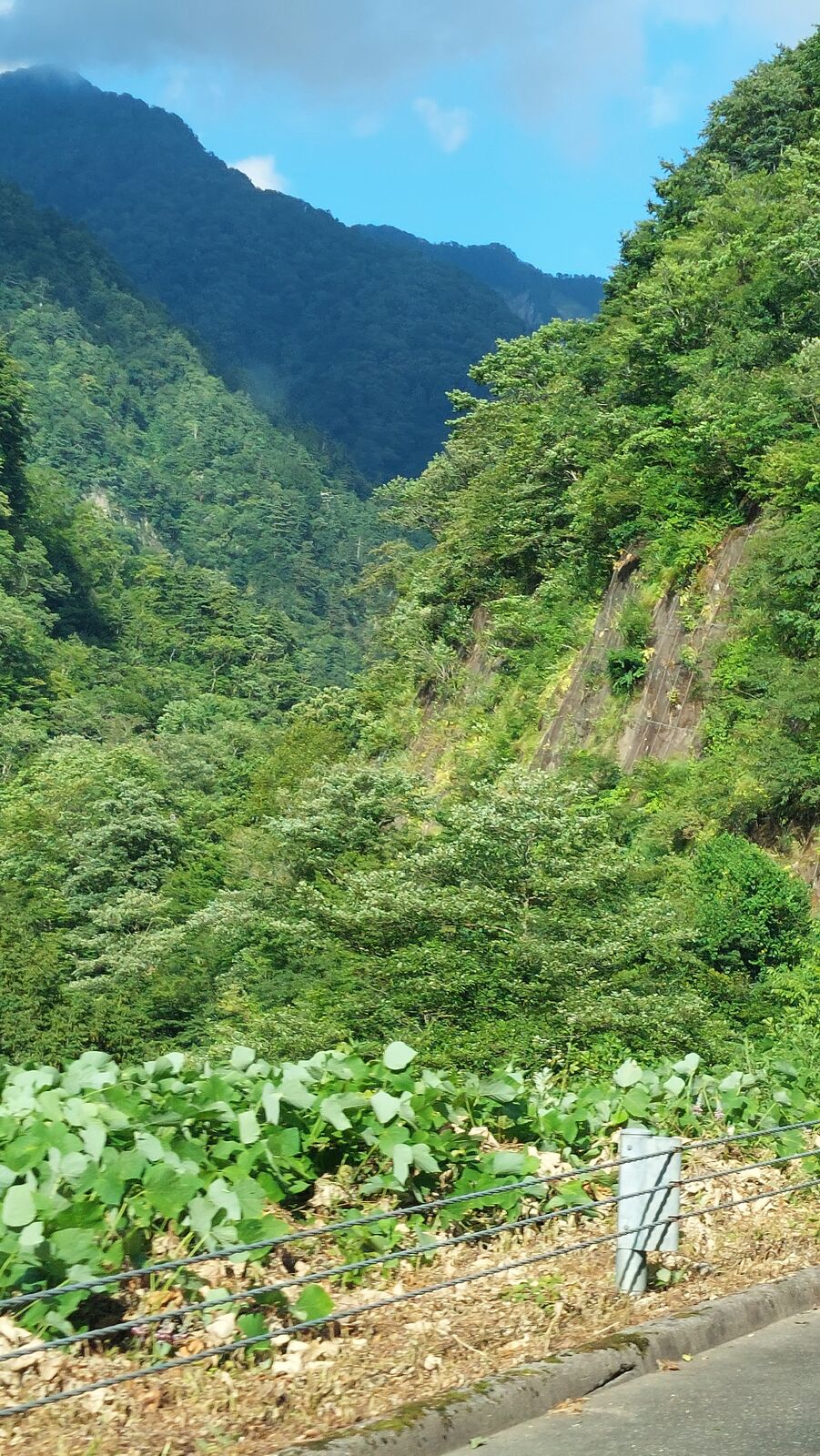
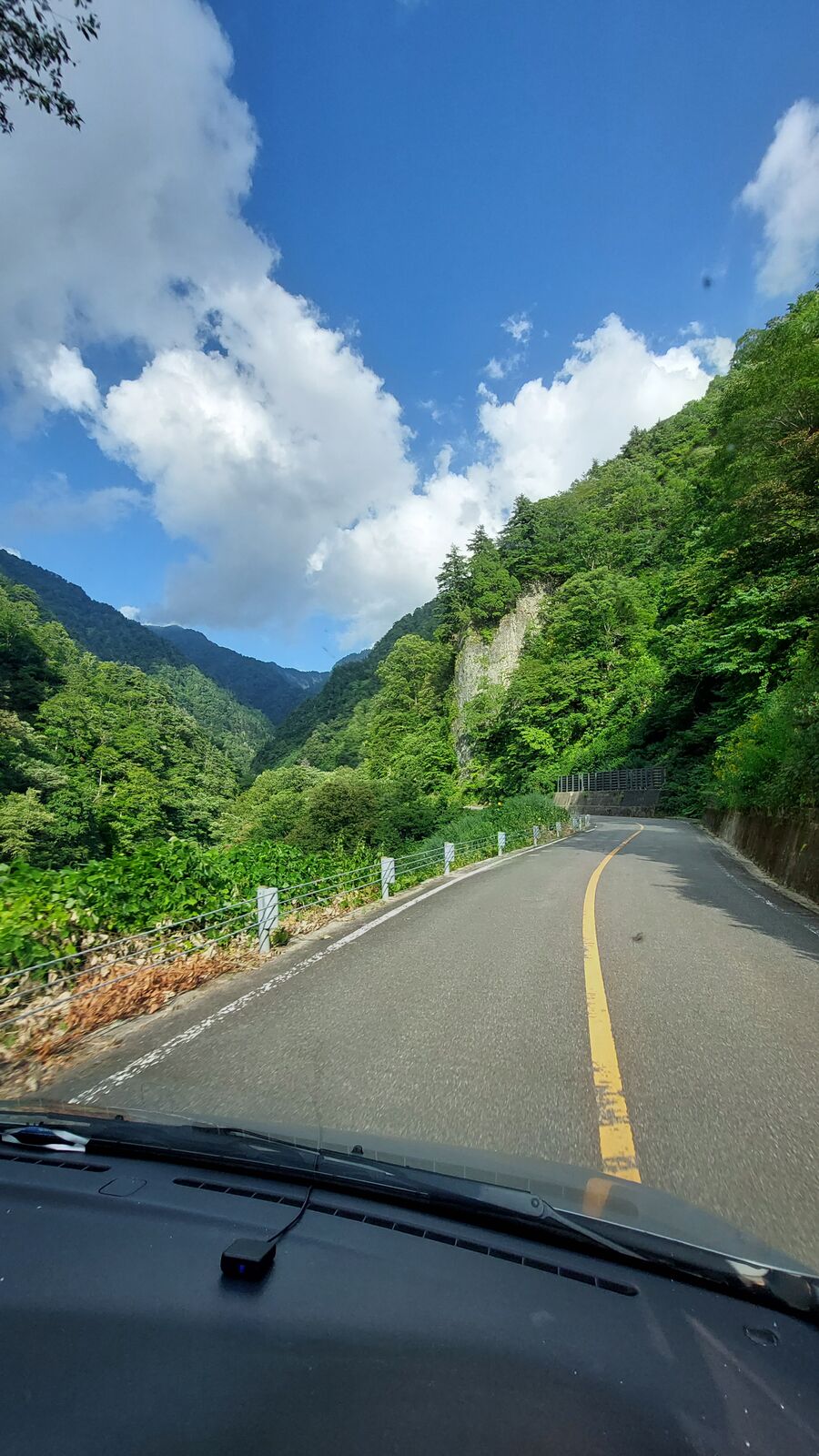
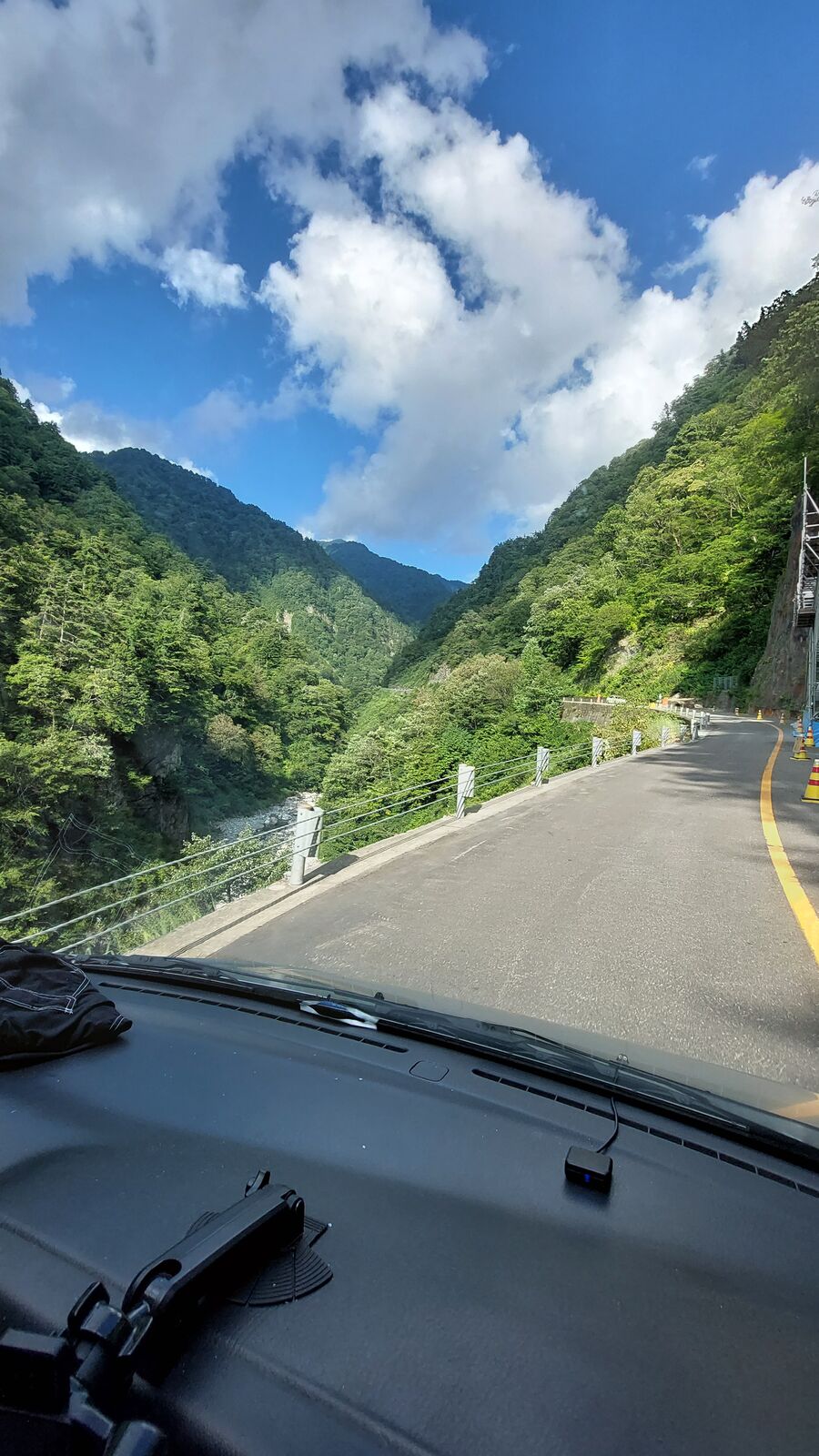
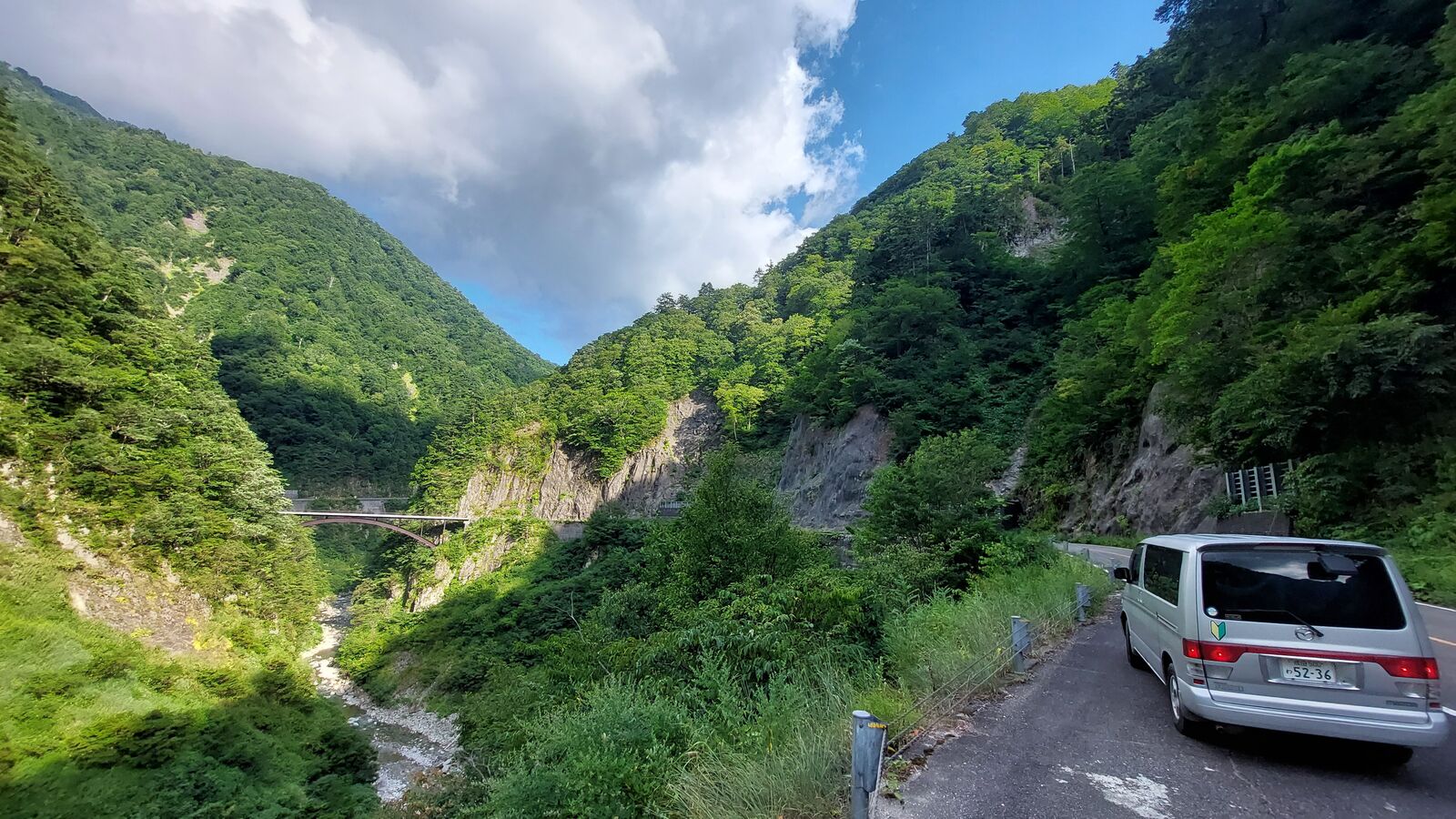
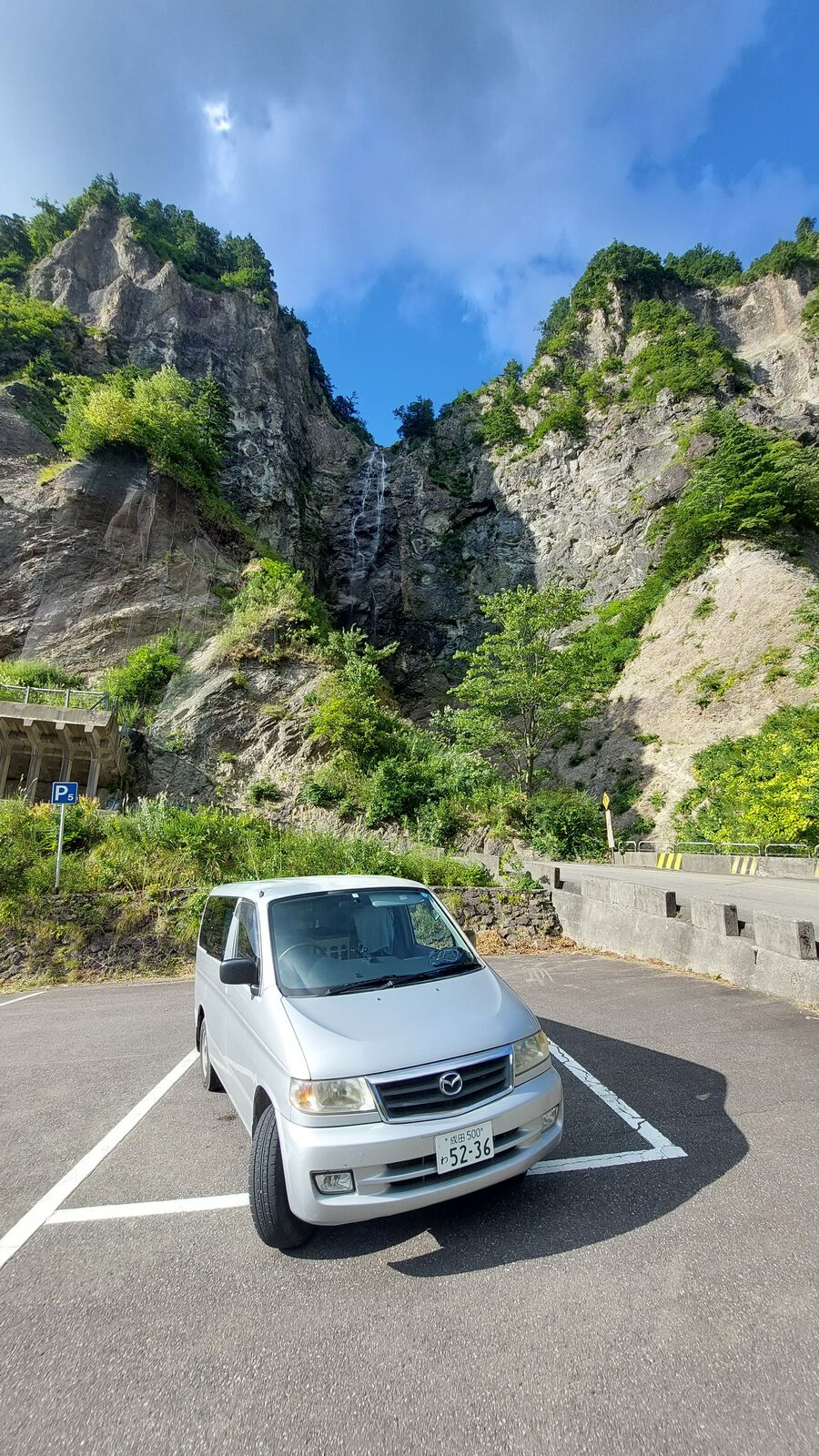
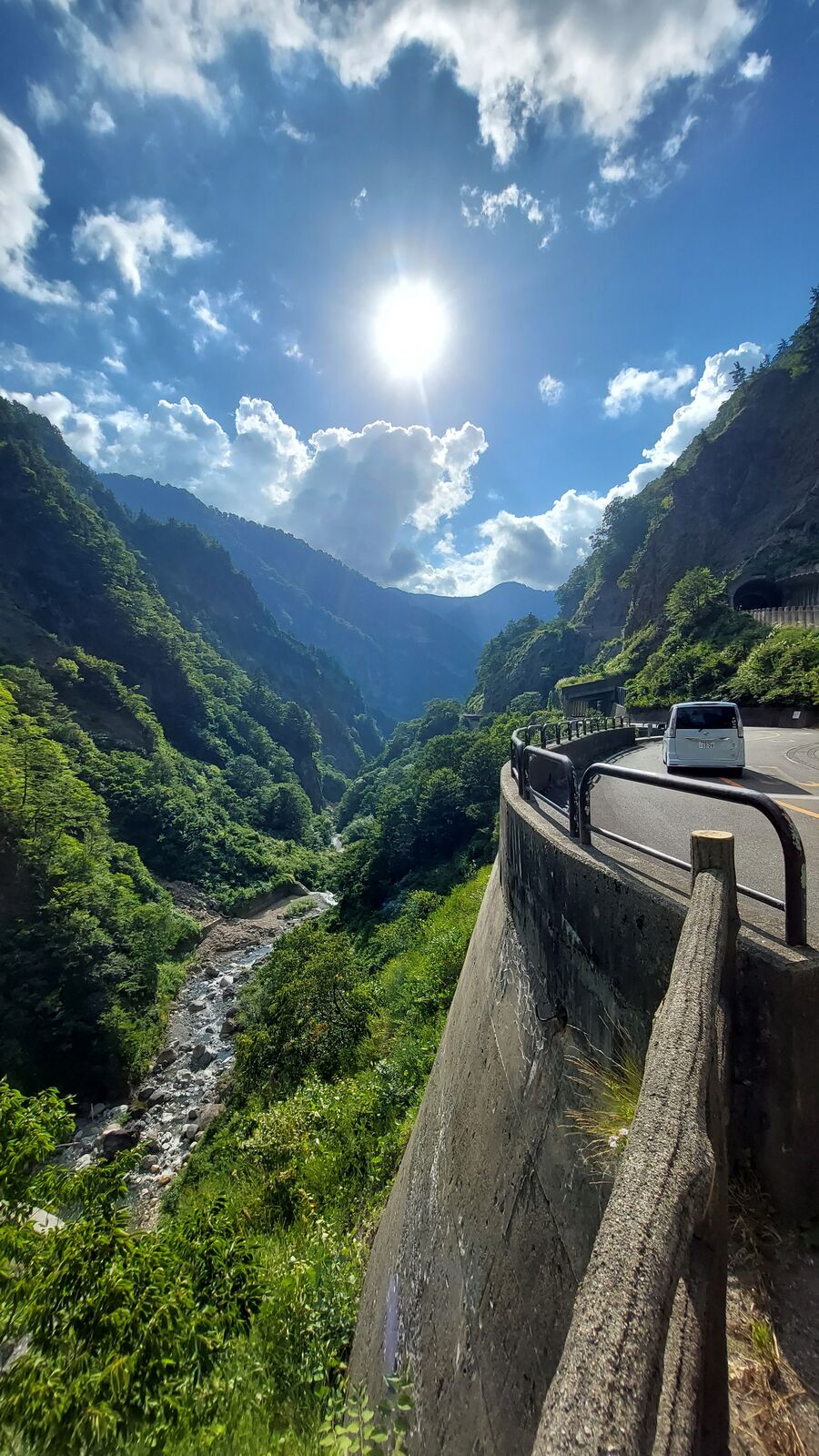
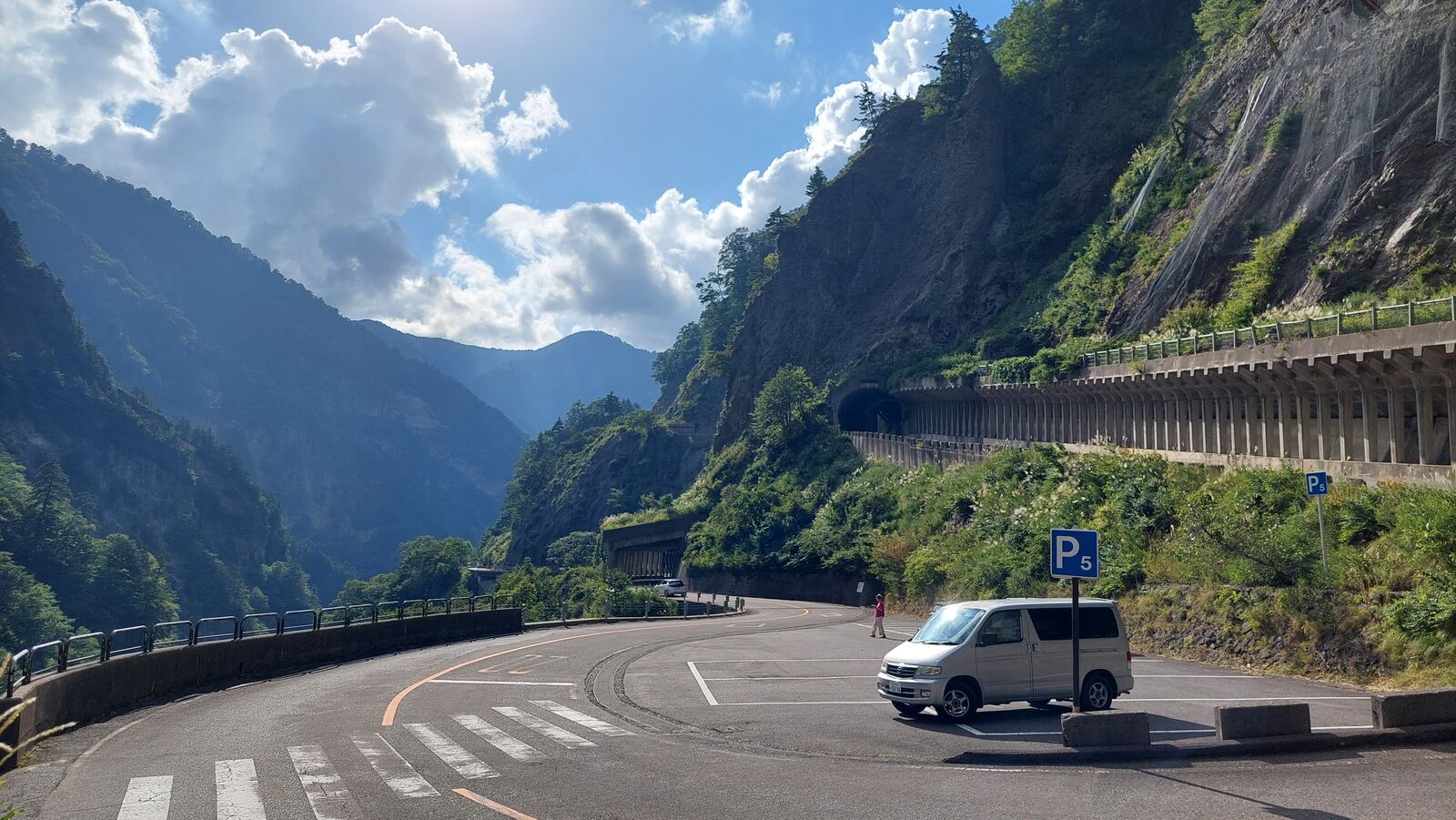
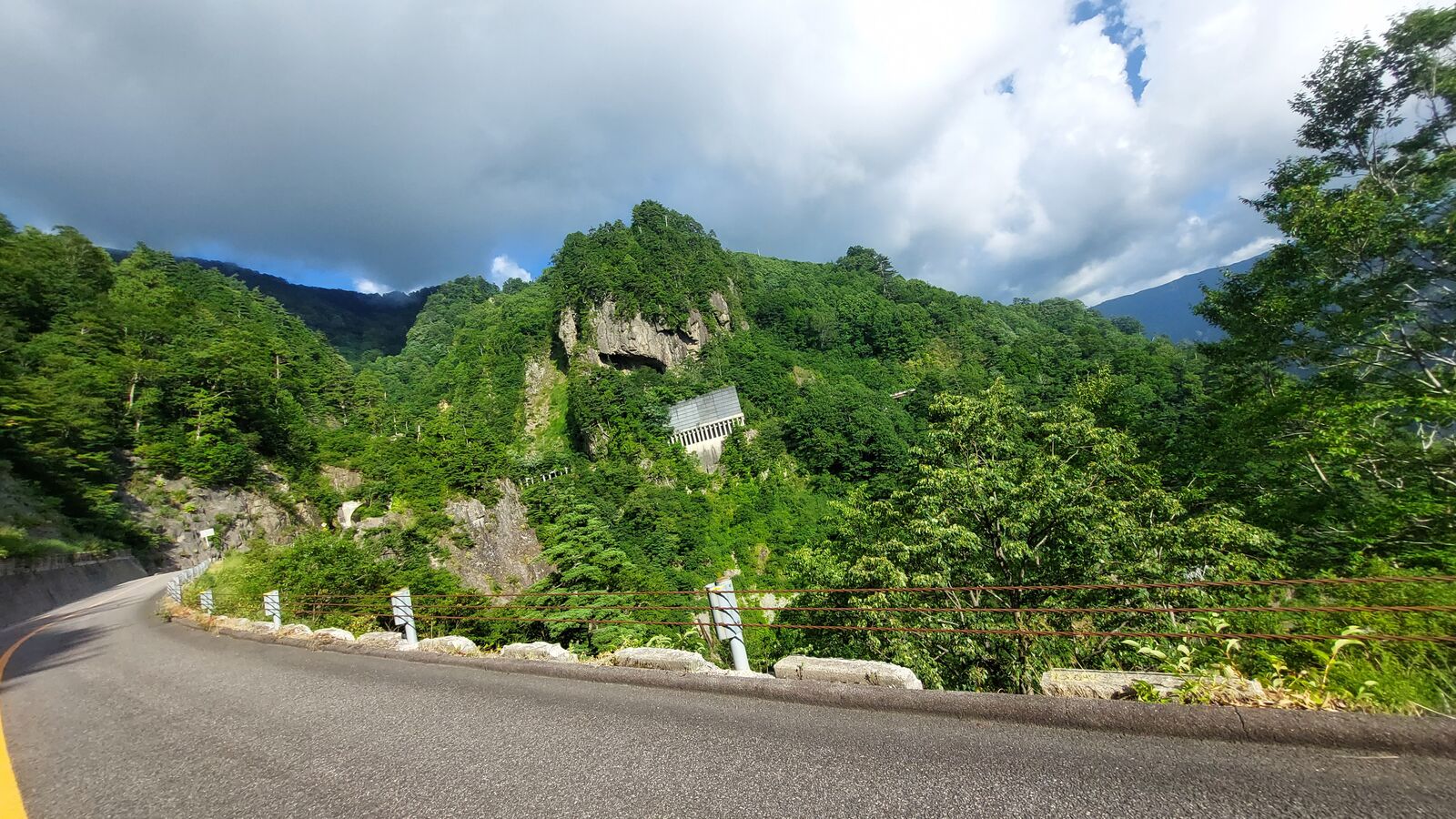
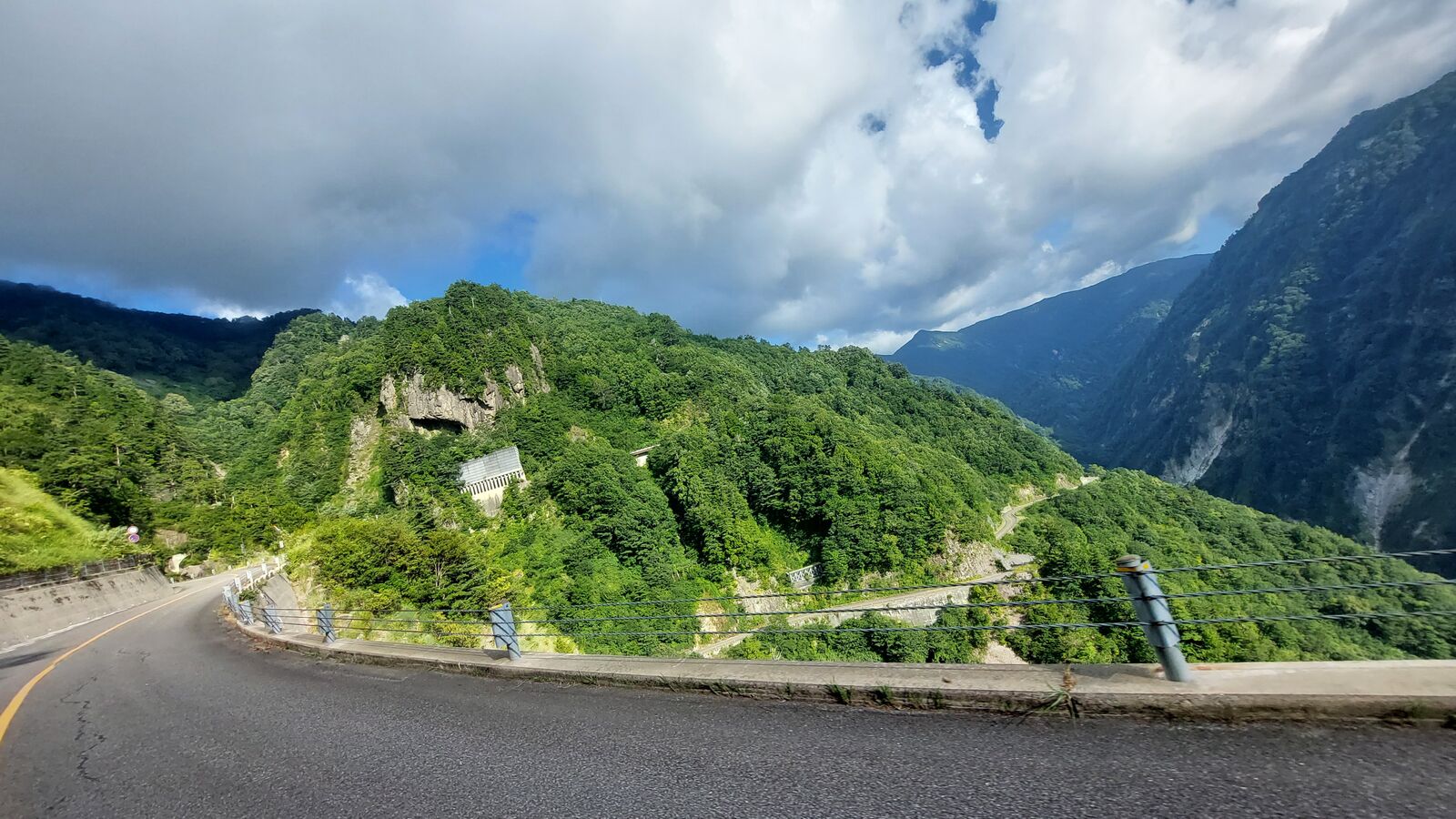
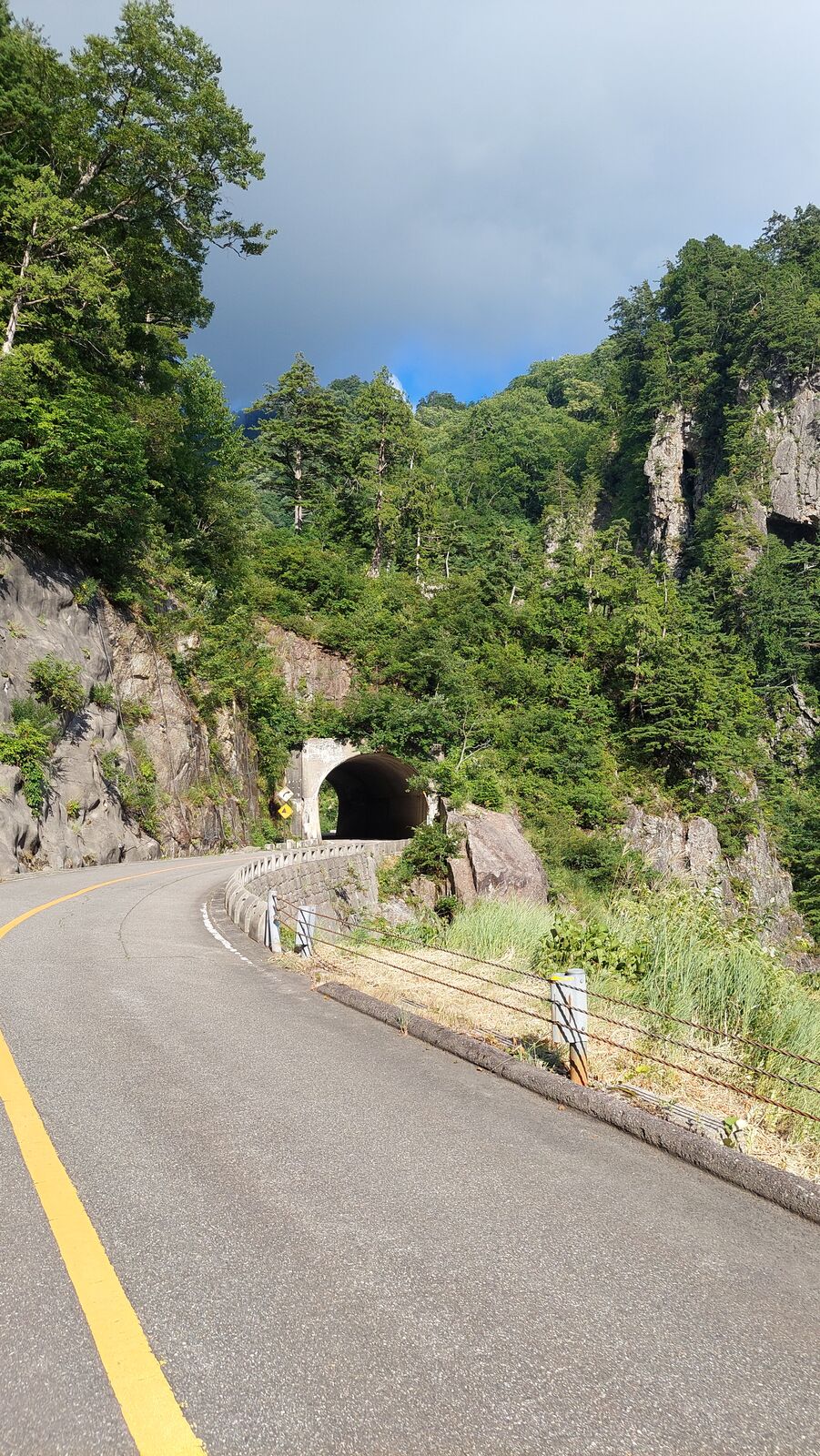
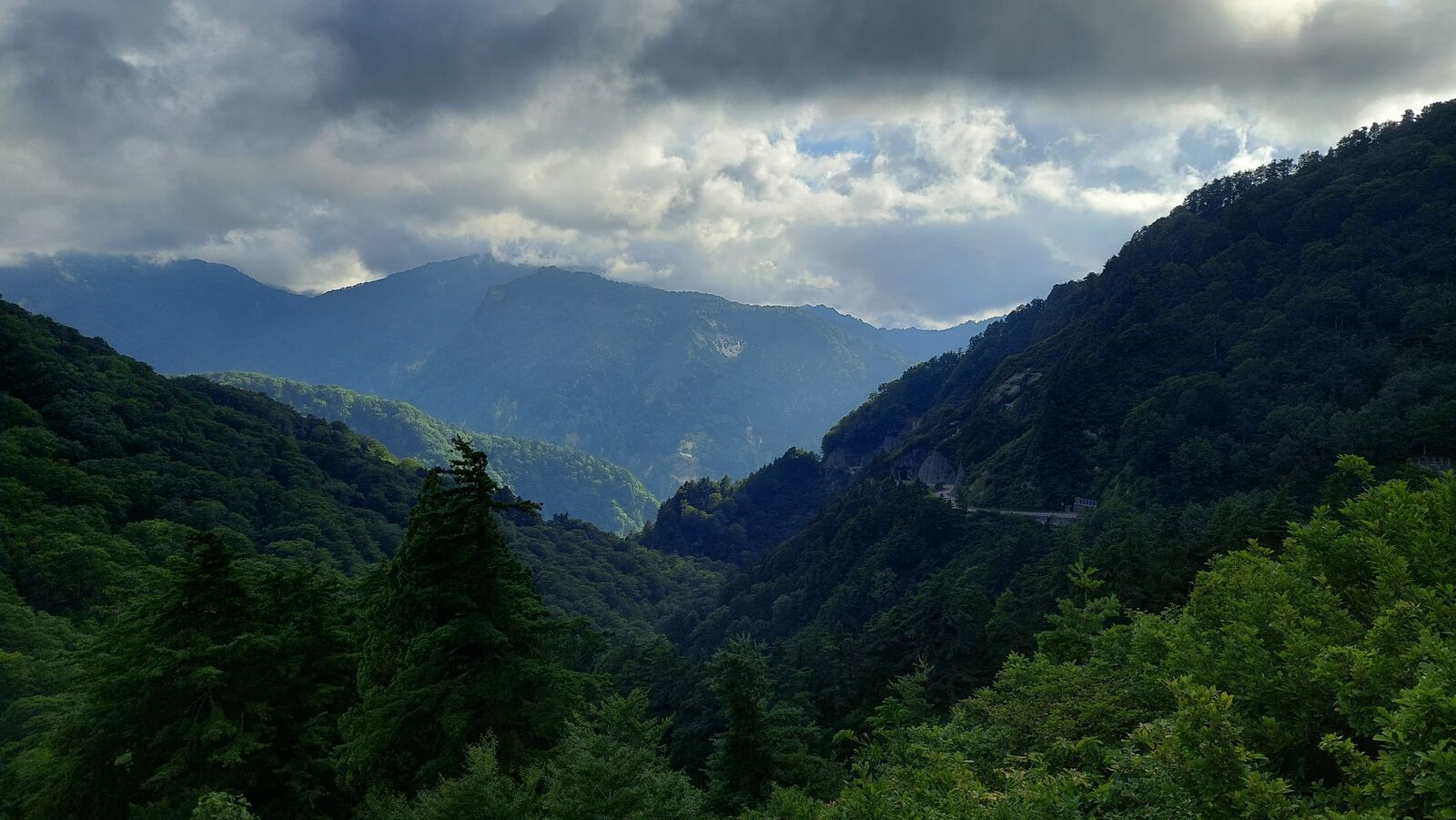
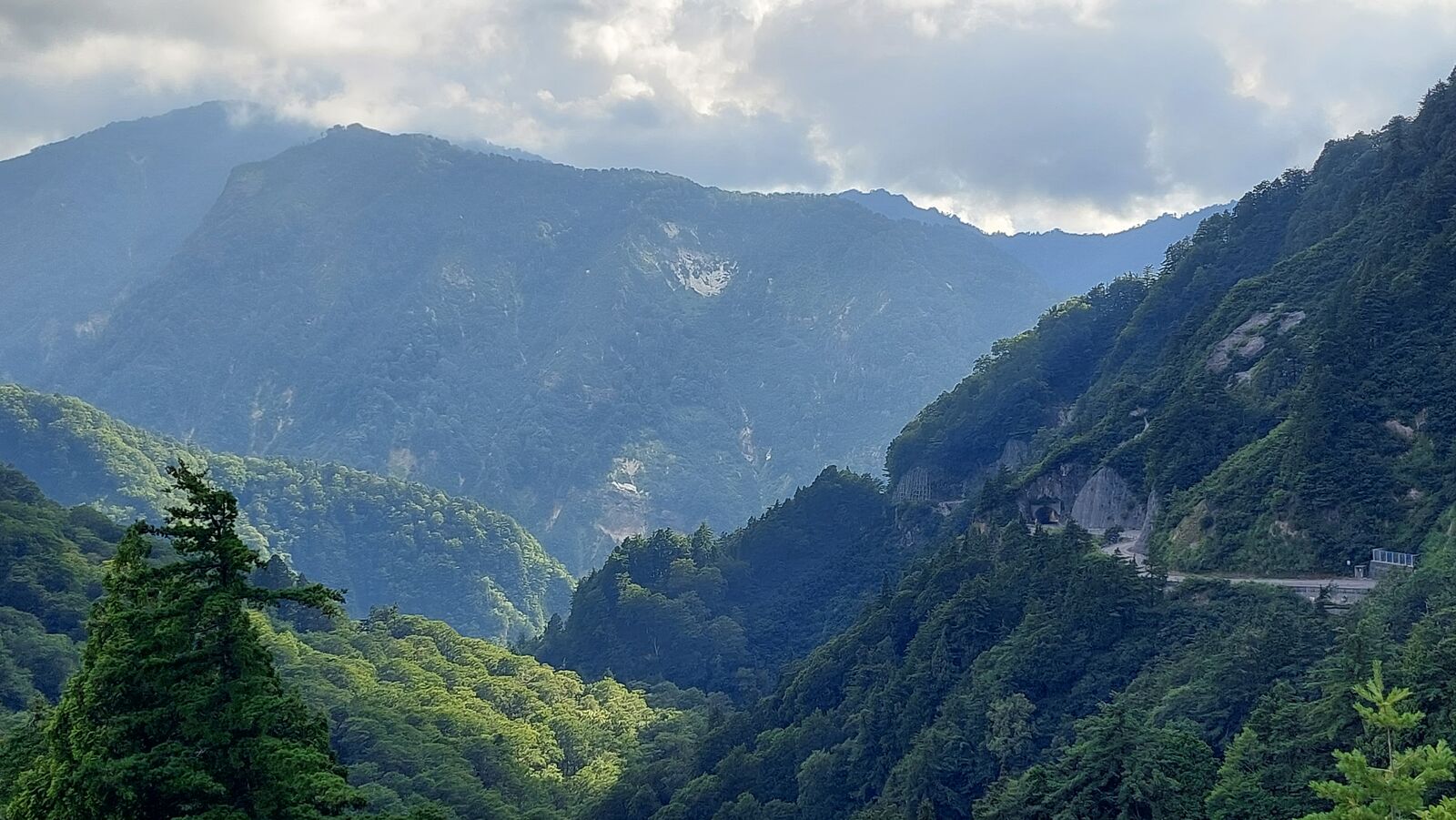
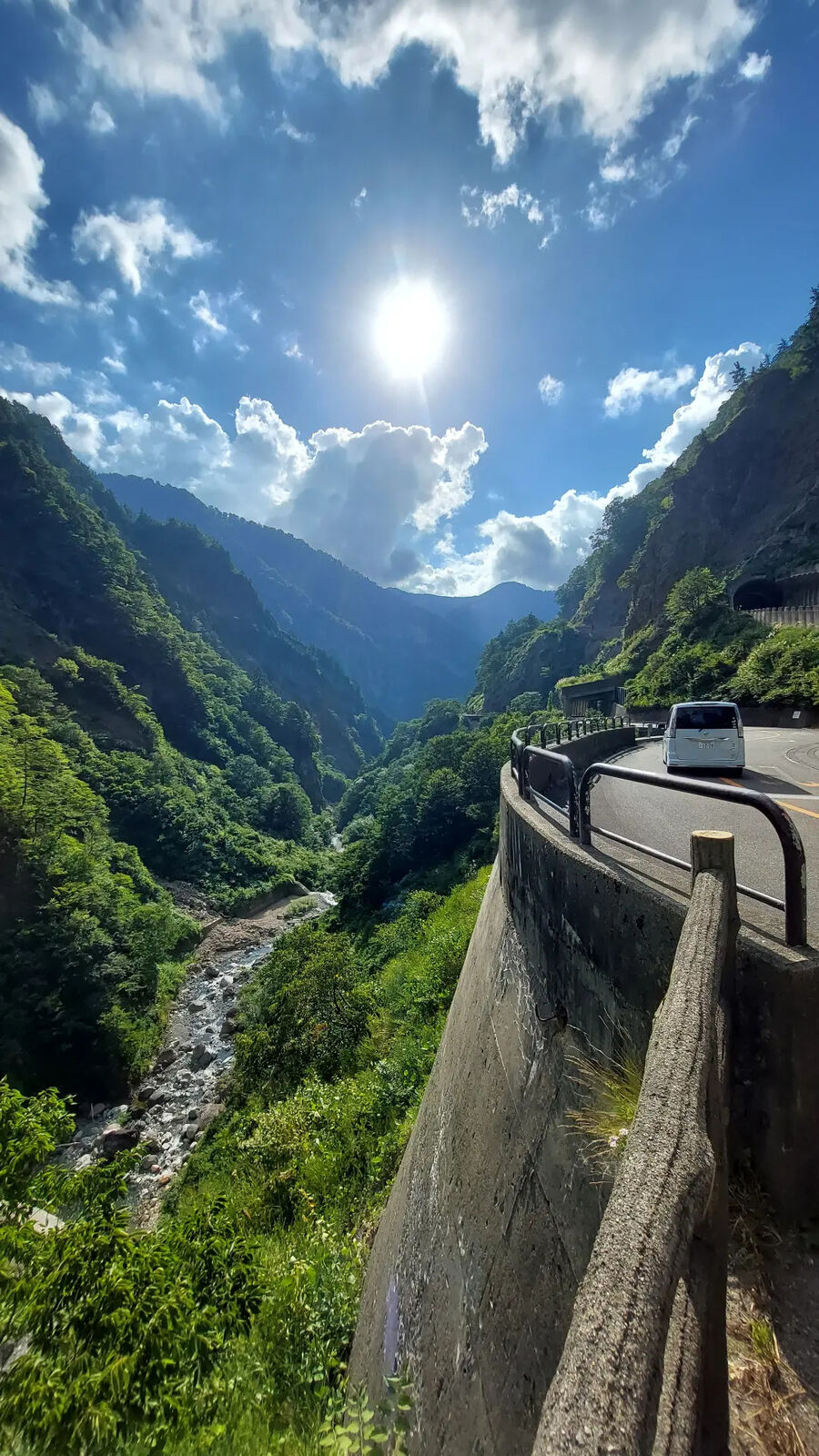
You pay a toll at the Ishikawa gate and within minutes the road starts climbing into the Hakusan National Park. The valley narrows. The walls of green close in from both sides. And then the road does something unexpected: it stops being a road and becomes a piece of engineering carved into a vertical mountainside. Tunnels punched through raw rock. Switchbacks hanging over a gorge with a river far below. Concrete shelters built into the cliff face, designed to protect cars from volcanic debris. Because Hakusan is a volcano. Not a dormant one, either. The shelters are there for a reason.
The Road is the Destination
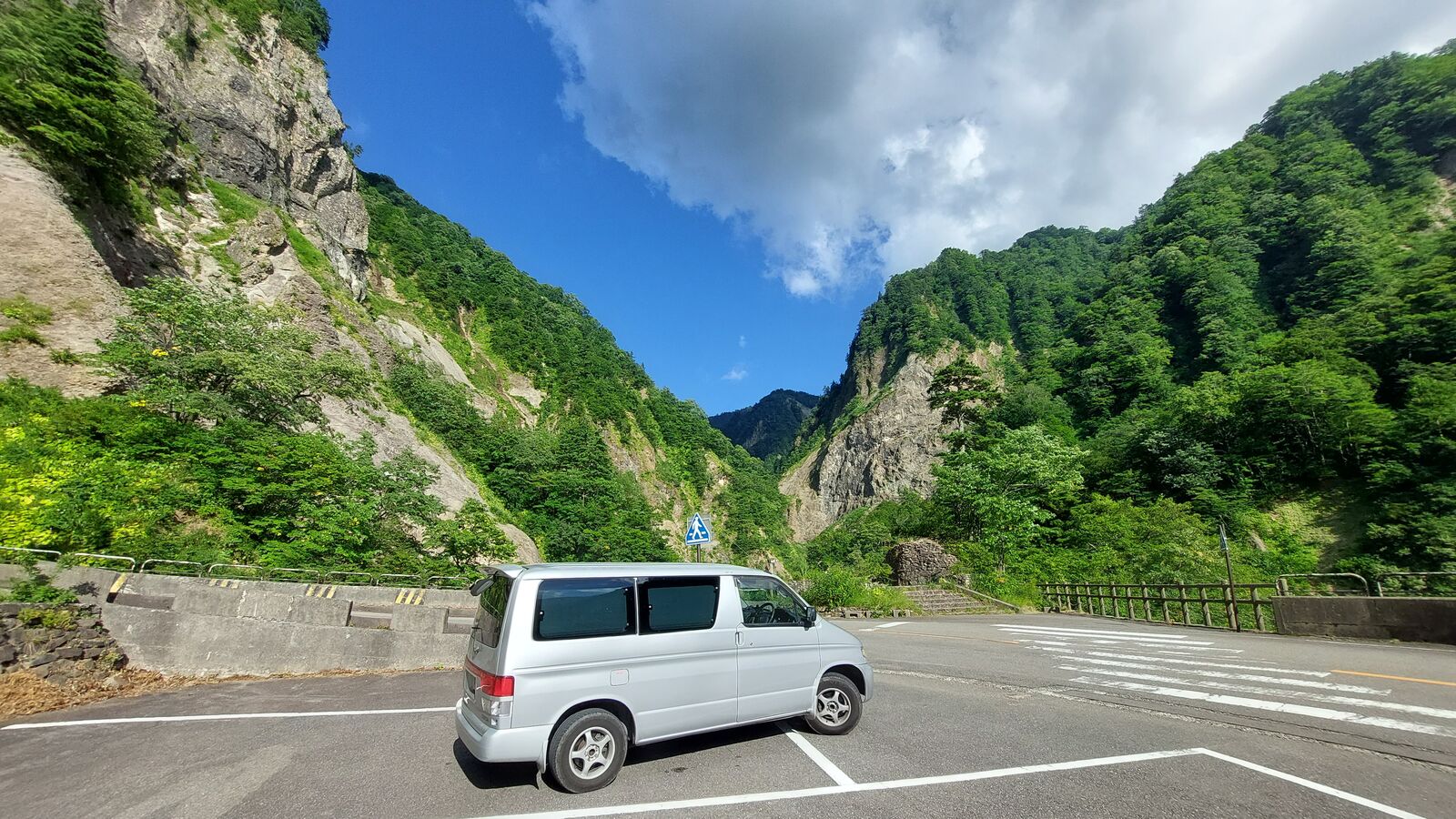
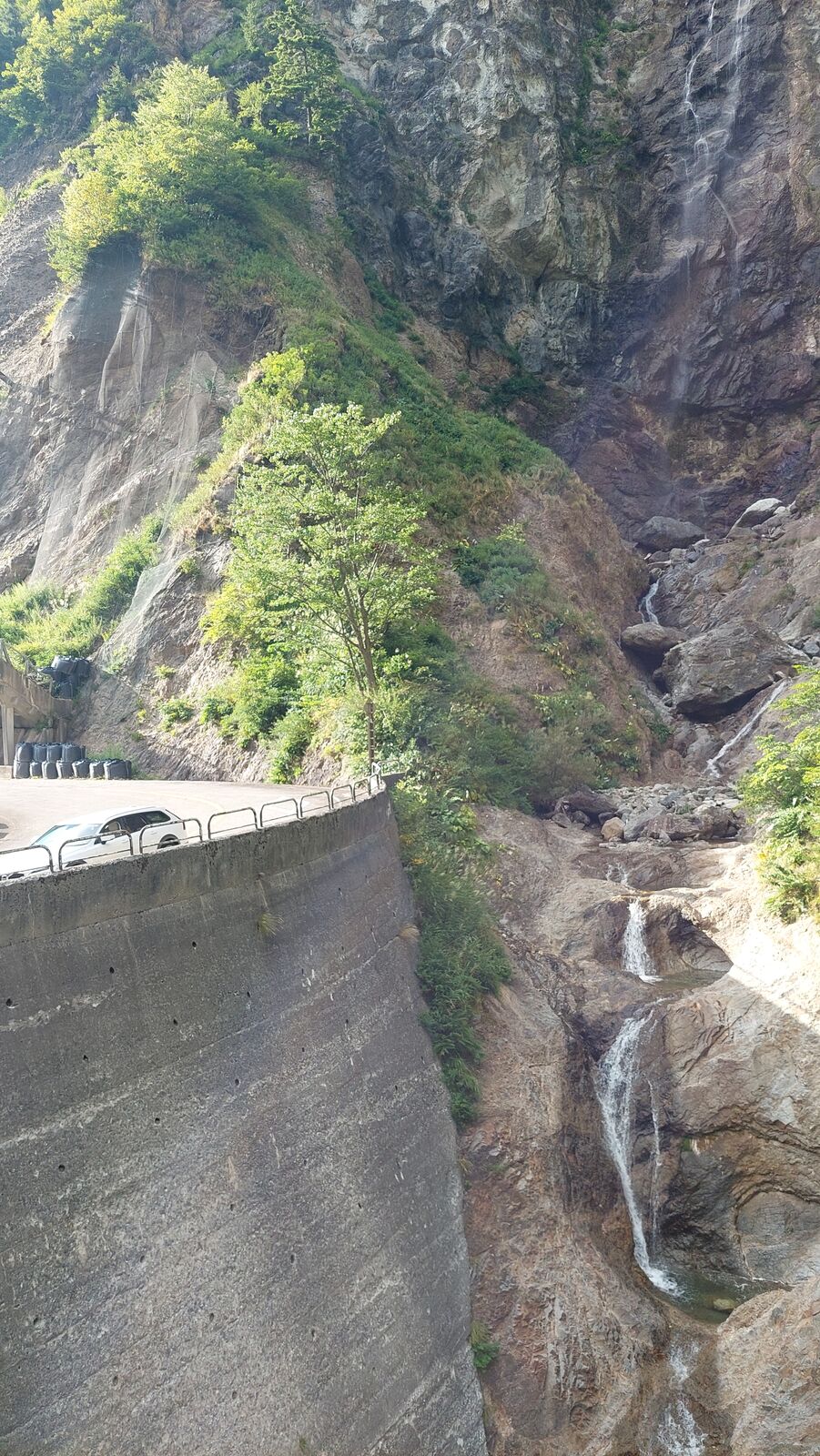
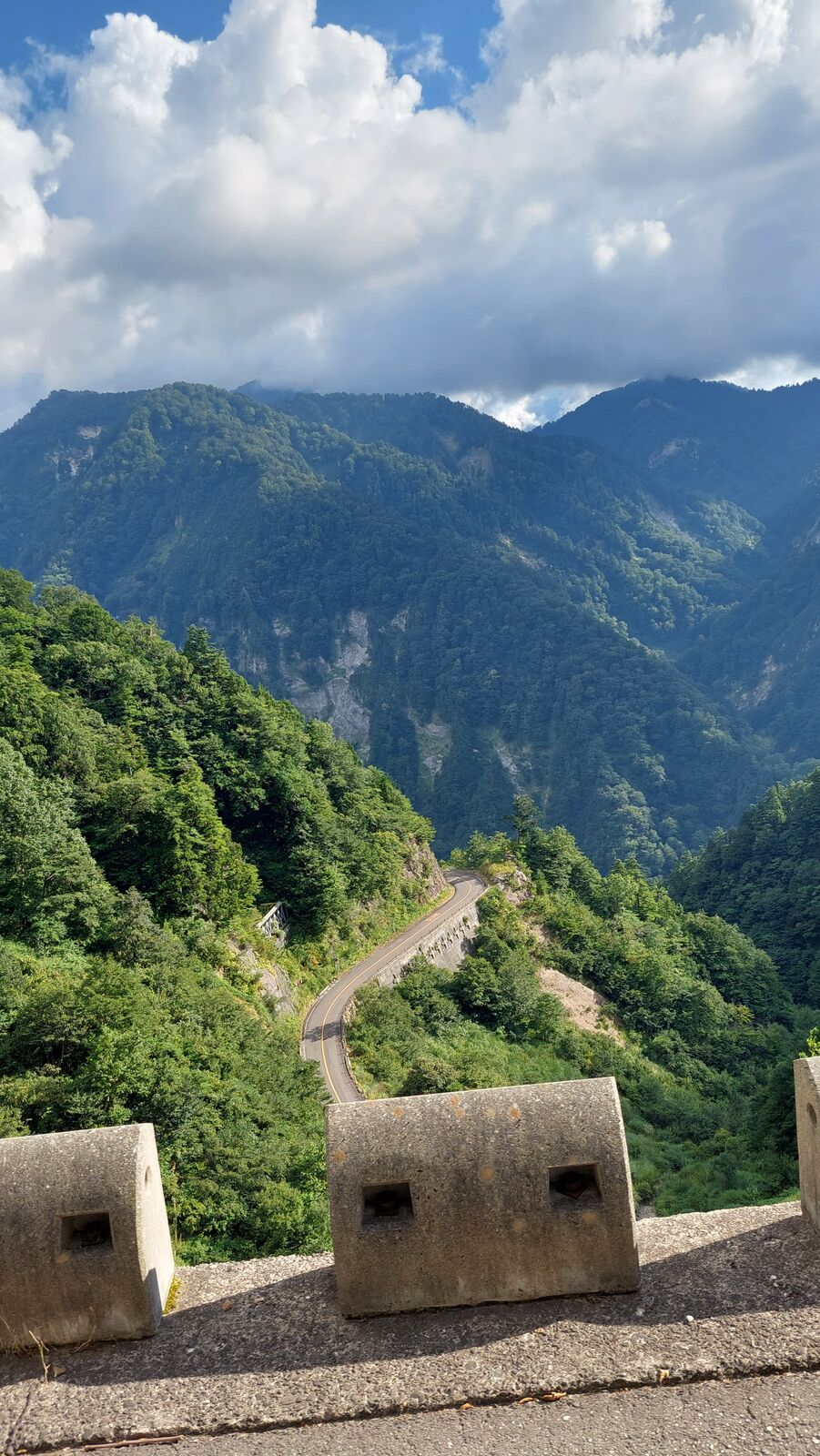
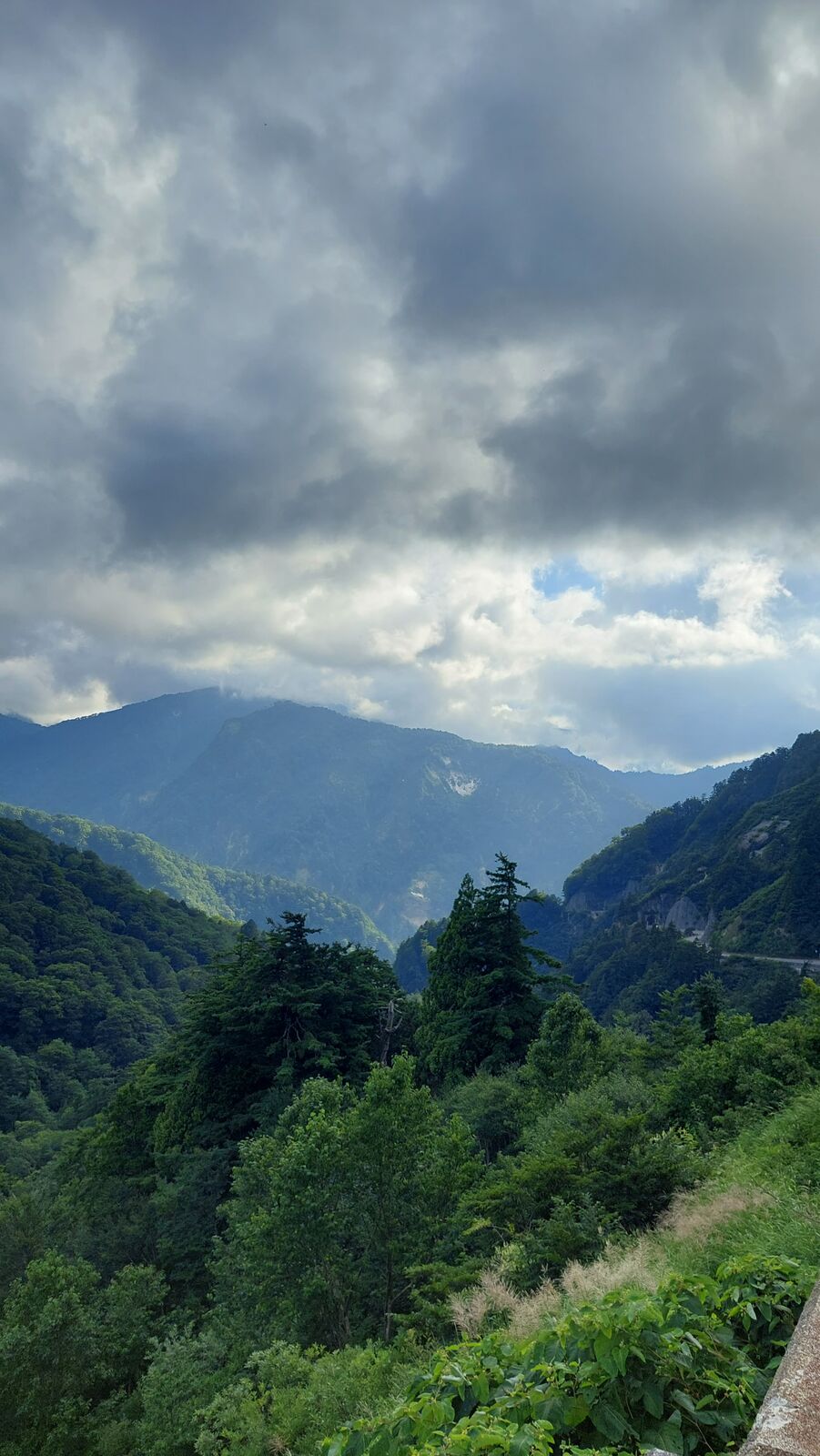
When you travel Japan by campervan, you learn quickly that the interesting parts aren't always where you're going. They're how you get there. The White Road is the purest example of this I've found. The drive takes maybe 90 minutes if you don't stop. I stopped constantly. Every viewpoint, every parking spot carved into the mountainside, every moment where the valley opened up and you could see the road you'd just driven snaking along the cliff below you. I got out, stood on the dam wall and looked straight down into the gorge. I watched clouds roll between the peaks. I took the same photo from three different angles because the light kept changing.
The deeper you go, the higher the mountains get. At one point you pass a dam with a reservoir, the concrete wall dropping away vertically beneath you. Above the dam the landscape changes. The trees get thinner, the rock more exposed, and you can see the road switchbacking ahead of you, carved into slopes that look like they shouldn't hold anything. Japan builds roads like this all over the country, but most of them are free prefectural routes that nobody writes about. The White Road charges a toll, which means it's maintained to a higher standard, the surface is perfect, and they close it at night and in winter.
Mountain Monkeys and JDM Culture
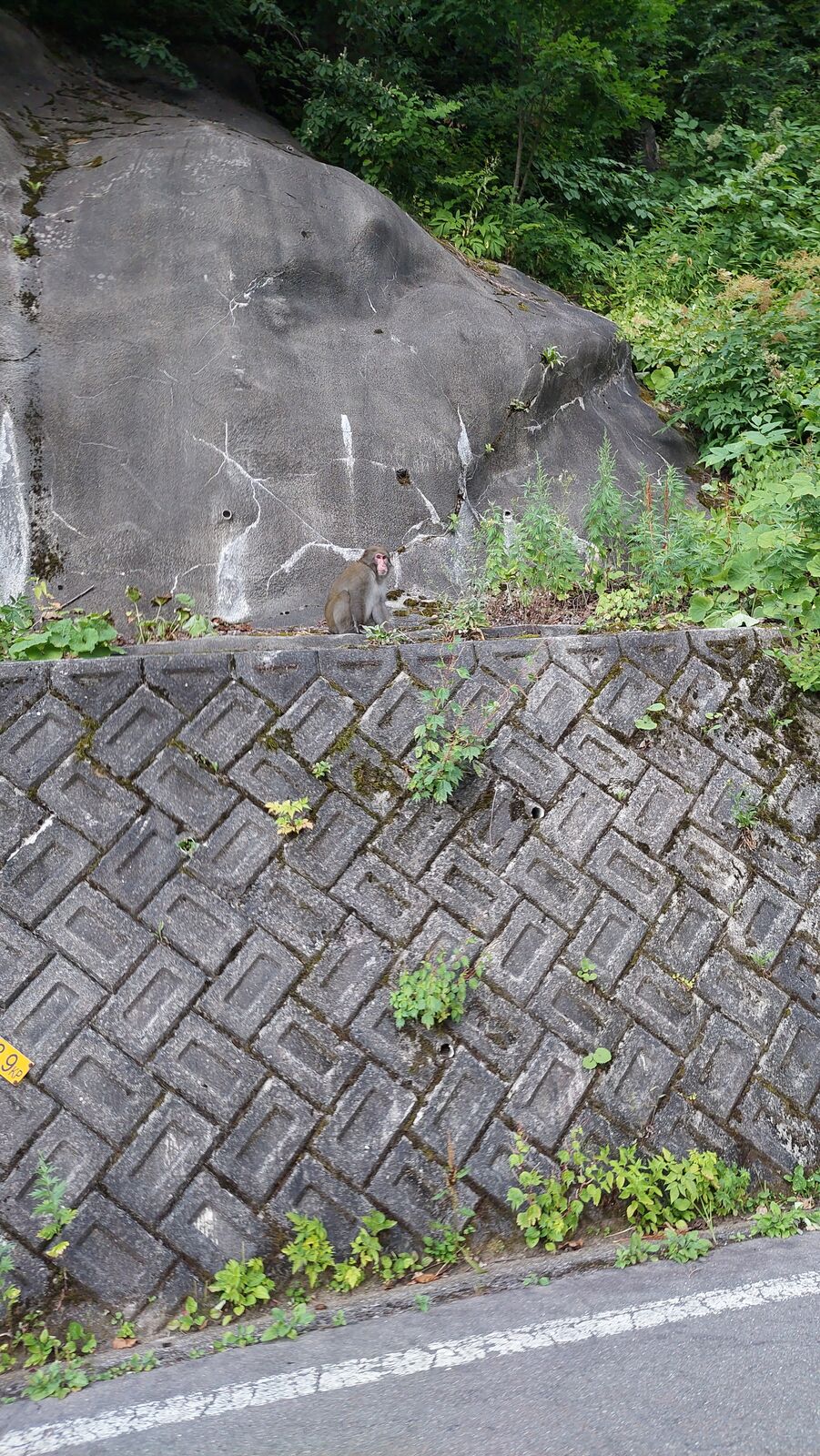
Halfway up the pass, a group of Japanese macaques sat on the guardrail watching the van drive past. They didn't move. They've seen it all before. The monkeys own this stretch of road more than any car does.
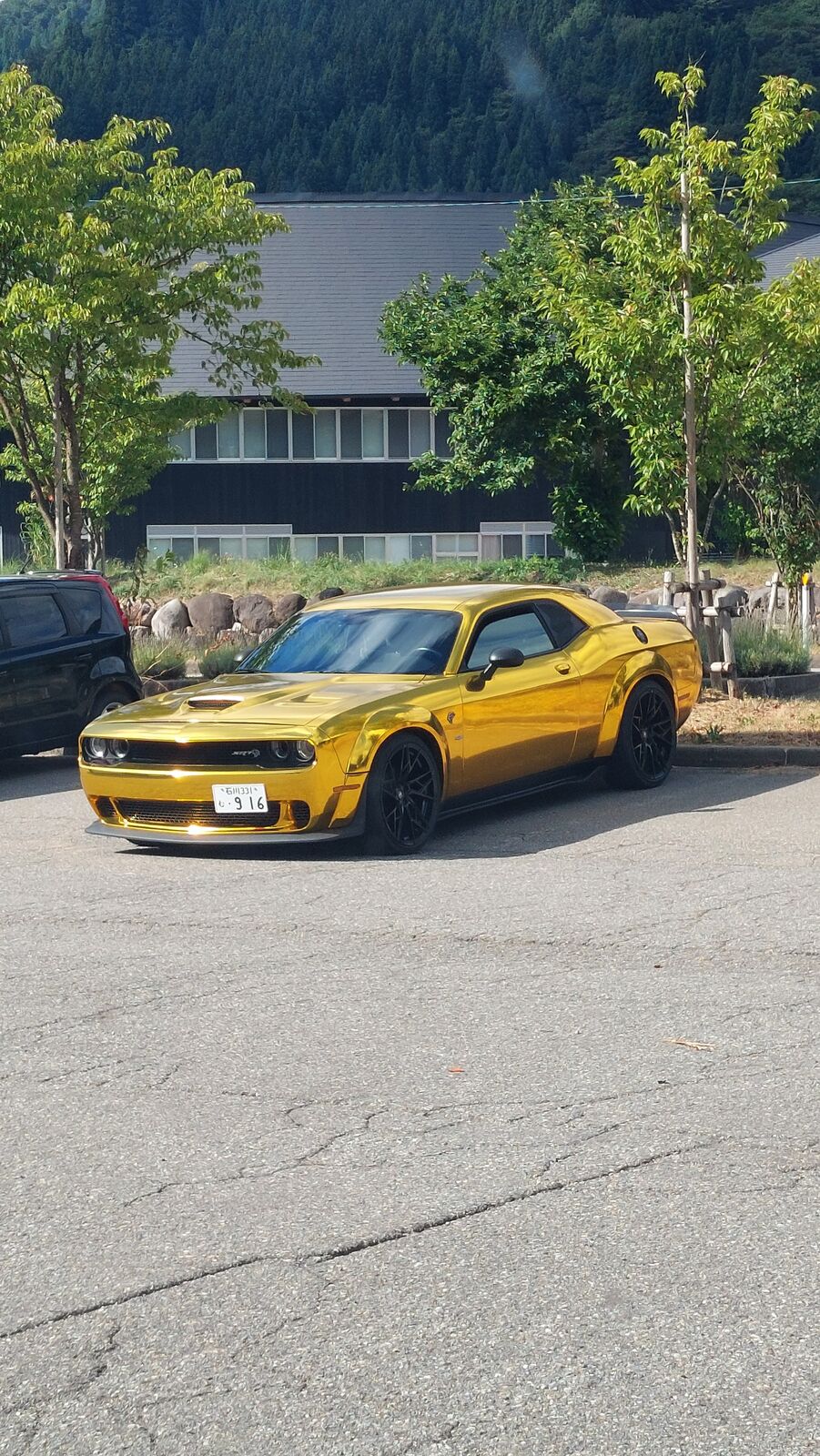
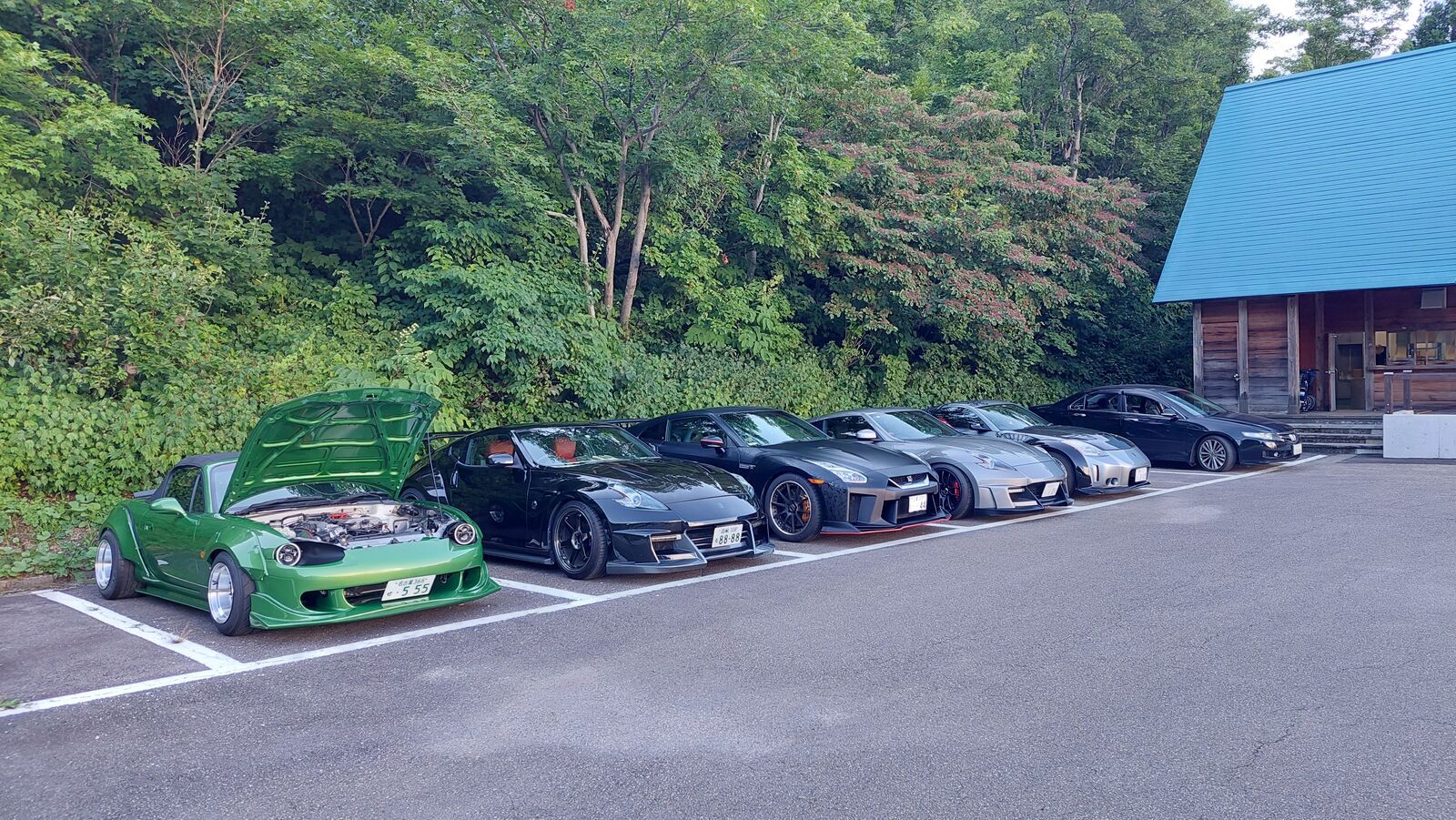
At the top, the parking lot told a different story. A row of modified sports cars lined up neatly: a bright green Mazda MX-5 with its hood up, several Nissan 350Zs and 370Zs with aftermarket body kits. All with lowered suspensions and wide wheels. Mountain passes in Japan aren't just scenic routes. They're driving destinations. The touge culture runs deep here, and the White Road, with its perfect surface and sweeping curves, attracts exactly the kind of car enthusiast who treats a mountain pass like a temple.
My van sat there among them like a tired uncle at a dance party. Silver, boxy, sensible. But it got me here, and it would get me to Ainokura before sunset, which is more than a lowered 350Z could manage on the gravel parking lots I sleep in.
Over the Top
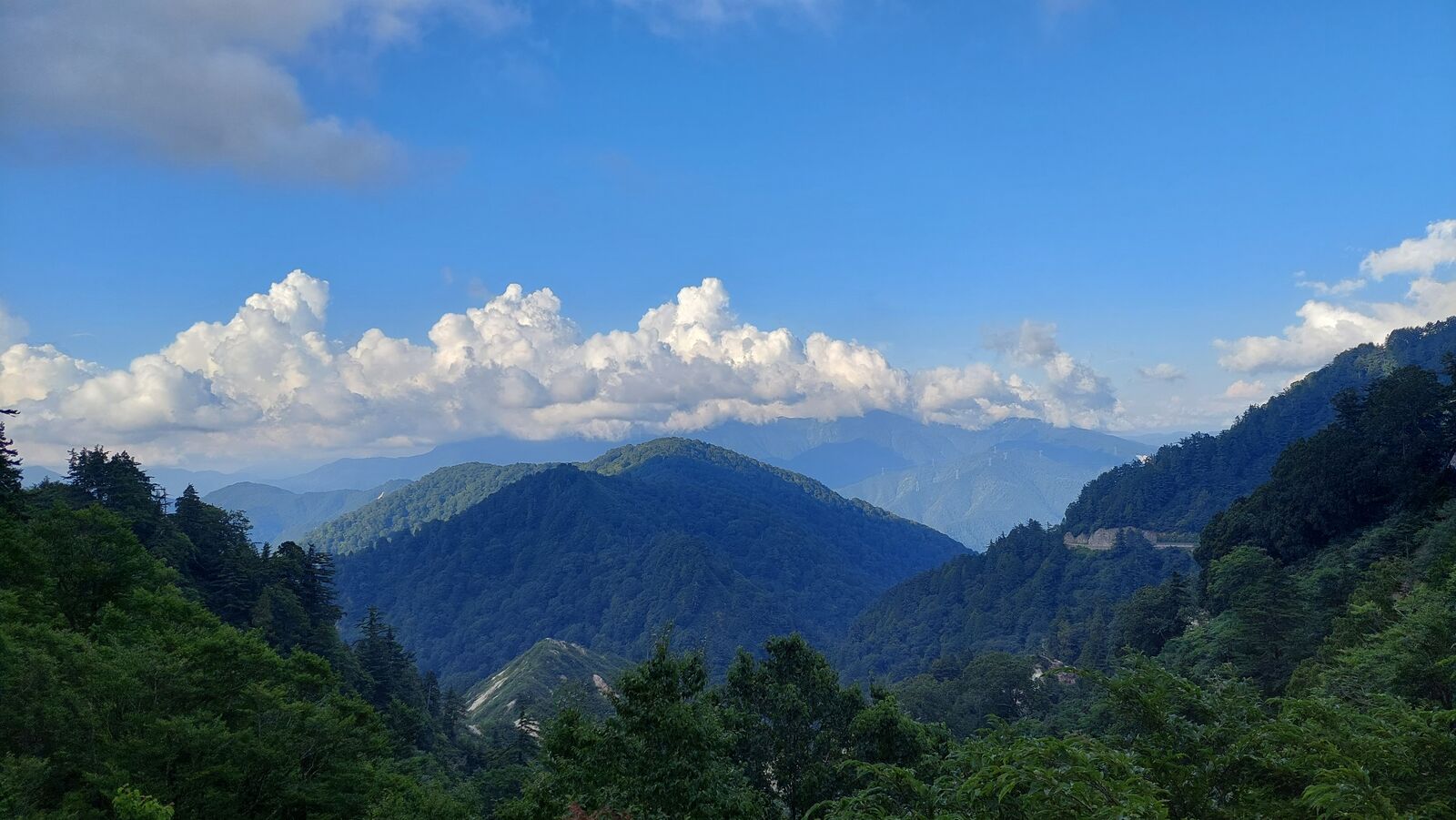
Past the summit sign, the road drops into Toyama Prefecture and the views change. Where the Ishikawa side was all narrow gorge and close rock walls, the Toyama descent opens up. Layer upon layer of mountain ridges fading into haze, the kind of depth you see in Japanese ink paintings. Clouds building over the peaks, shafts of light hitting different slopes. Every turn revealed a new composition.
The road spat me out on the Toyama side, somewhere above Shirakawa-go. From there it was a short drive south to Ainokura. But the White Road had already been the highlight of the day, and all I'd done was drive from A to B. That's the thing about vanlife in Japan. Sometimes the best stories are the ones the sat-nav writes for you.
Practical Info
Toll: Around 1,700 yen per car (one-way). You pay at the gate on whichever side you enter.
Season: Open from mid-June (Ishikawa side only) to early November. Full through-road from mid-July. Closed in winter and at night.
Hours: 7:00 to 19:00 in summer (June to August), 8:00 to 18:00 in autumn. Last entry one hour before closing. From late September, they open an hour earlier for sea-of-clouds viewing.
Route: The road connects Ishikawa Prefecture (near Hakusan/Kaga Onsen) with Toyama Prefecture (near Shirakawa-go). It's a natural connector if you're visiting the gassho villages and Hakusan Heisenji. View on Google Maps
Tip: Drive it as part of the Central Japan Heritage Loop. The White Road sits perfectly between Hakusan Heisenji and the gassho-zukuri villages of Shirakawa-go and Gokayama.