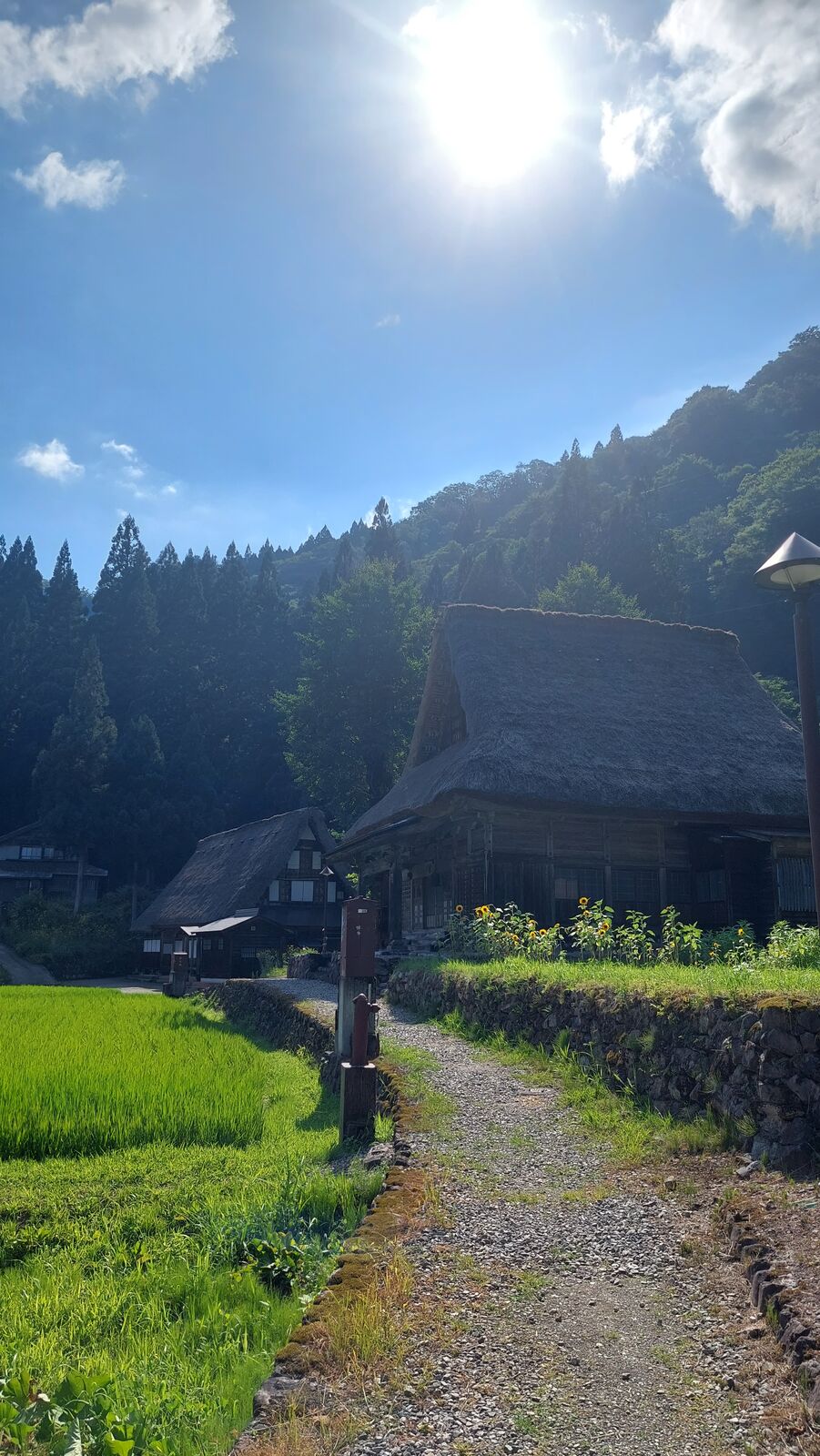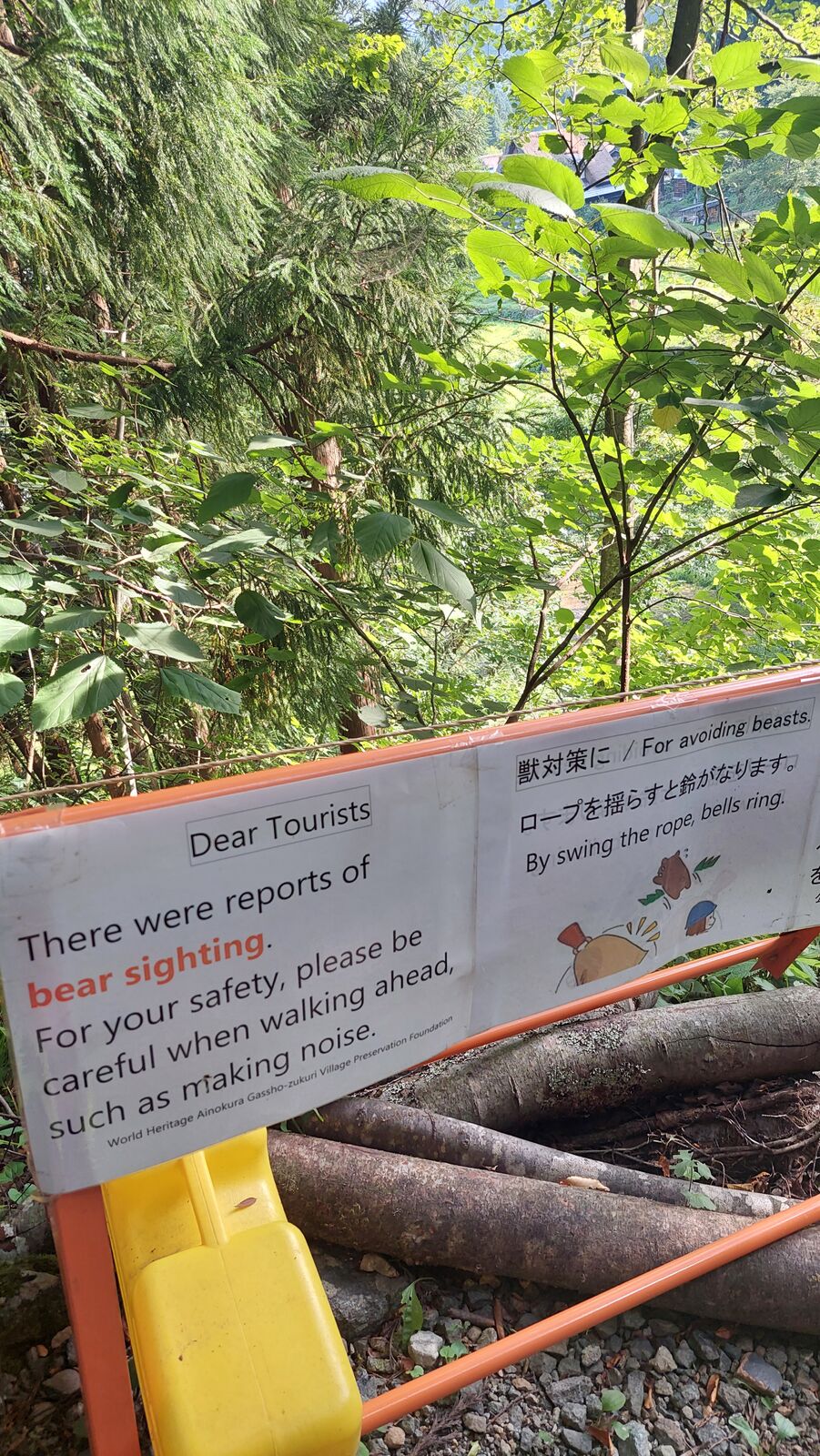
The old man at the parking booth looked up from his chair and said something in Japanese. I caught enough to understand: a bit early, isn't it? It was just before nine. The first tour buses from Kyoto don't arrive until after that, if they come at all. Most days, one bus. Maybe. I paid my 500 yen, walked past the bear warning sign, and within two minutes I was somewhere else entirely. Not a different place. A different state of mind. It happens every time I come here.
Walking in Trance
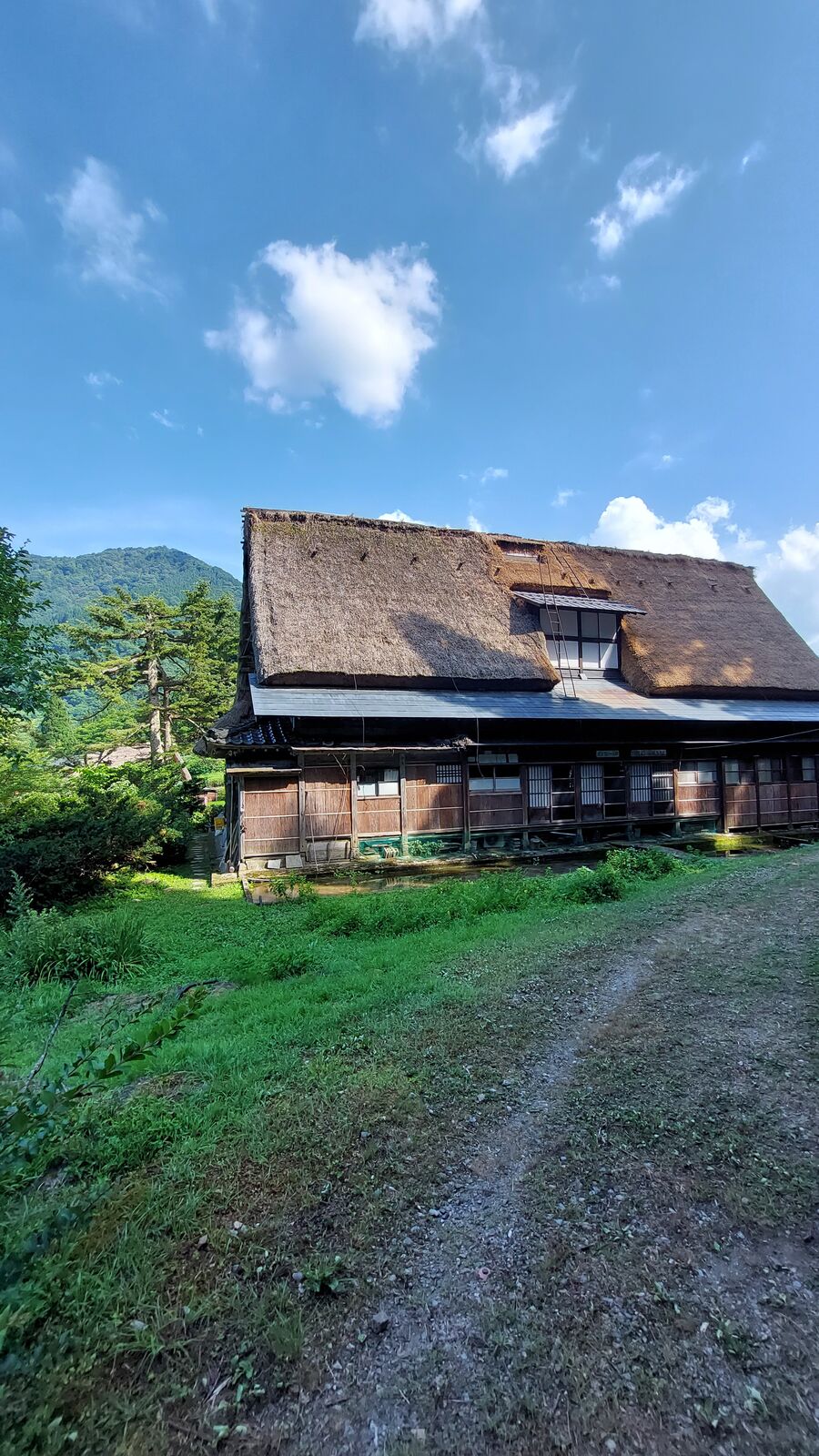
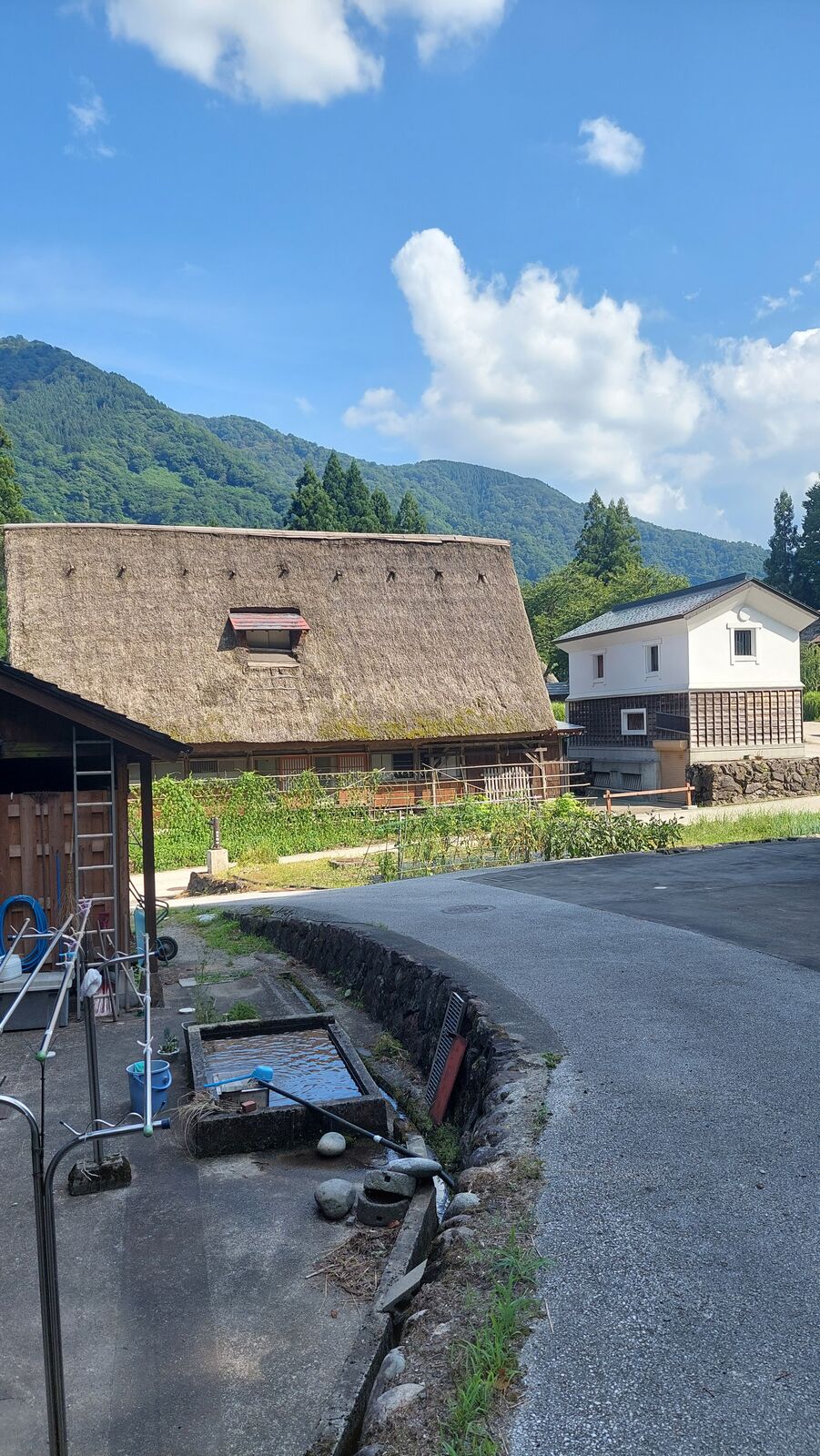
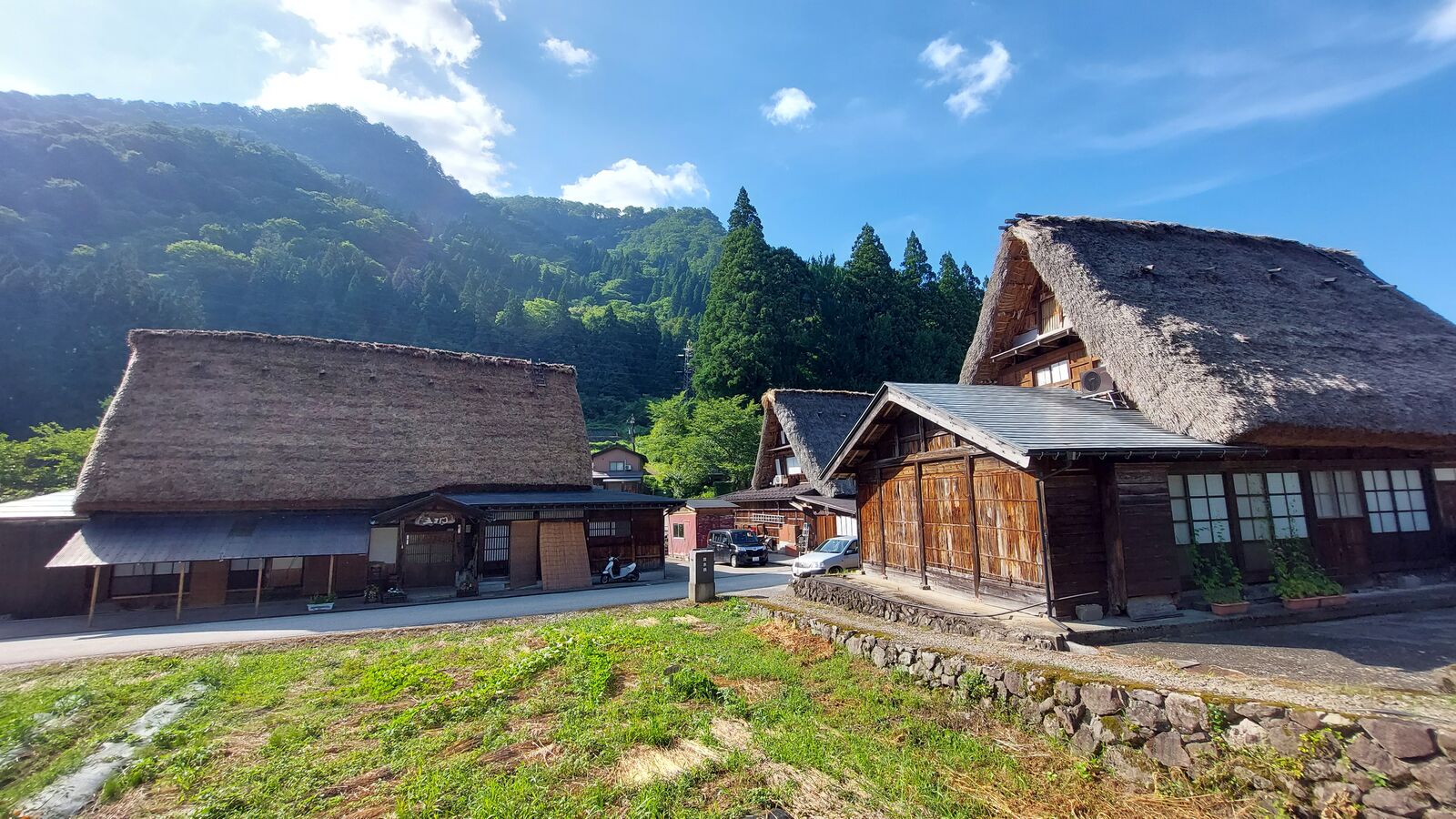
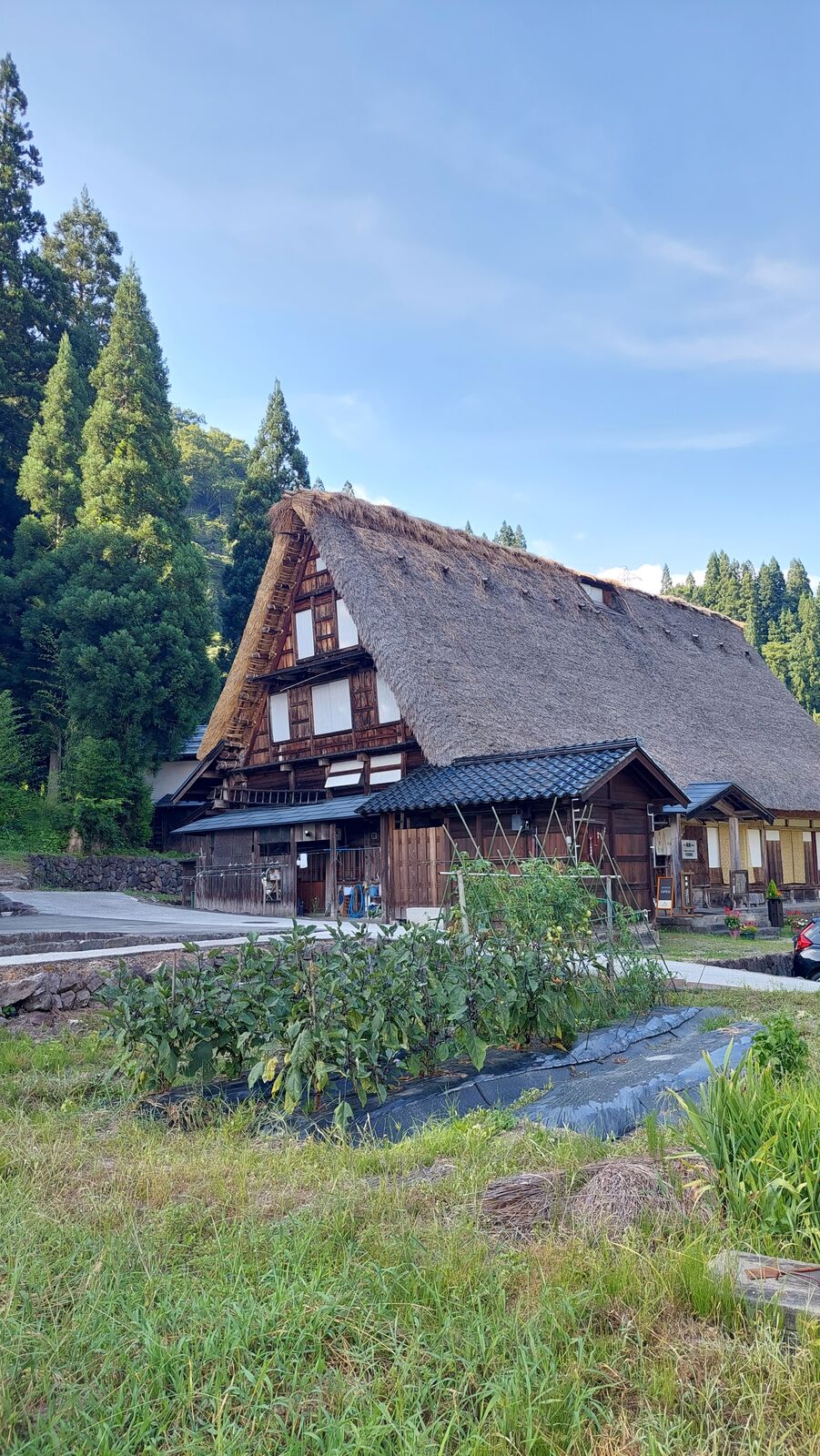
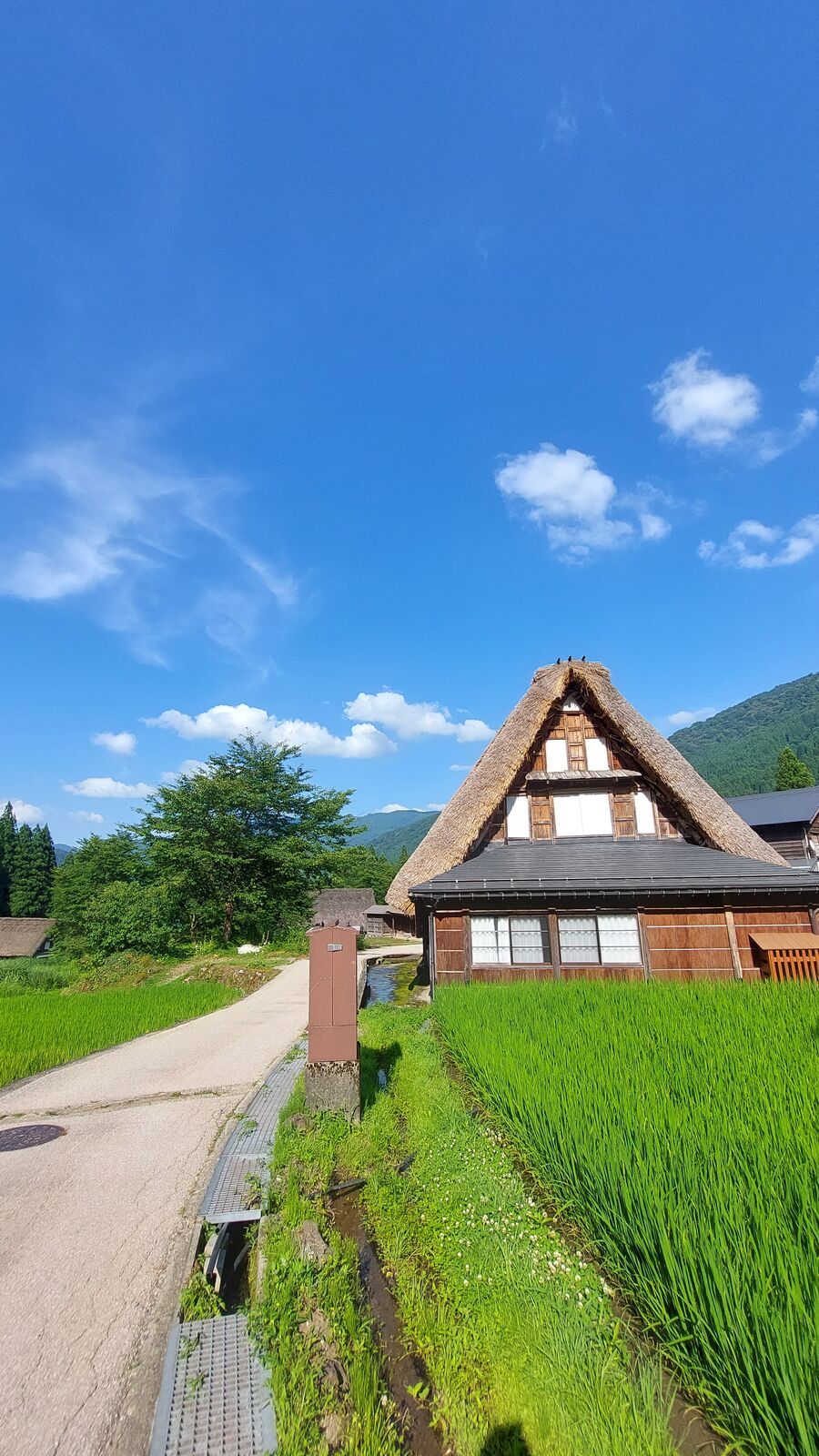
Ainokura is magical. There's no other word for it. Most people who visit the gassho-zukuri villages go to Shirakawa-go, and Shirakawa-go is beautiful, but it's also full of tour buses and souvenir shops. Ainokura shares the same UNESCO World Heritage status, sits just over the prefectural border in Toyama, and gets almost no one. Every time I've been here, I've had the village to myself. No crowds, no noise, no through-traffic. Just twenty thatched wooden houses in a narrow mountain valley, water trickling somewhere, and the kind of silence that makes you walk slower without realizing it.
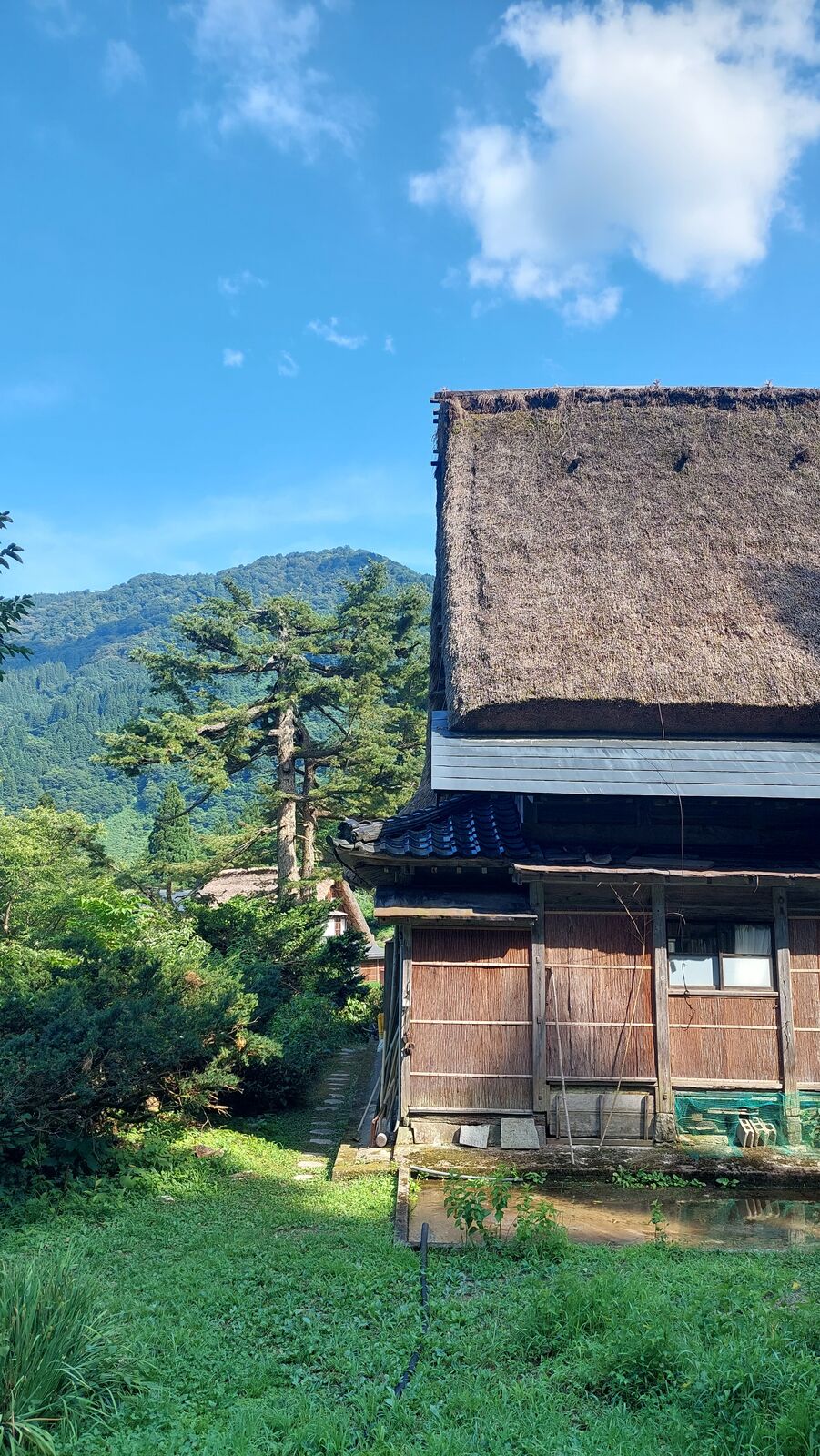
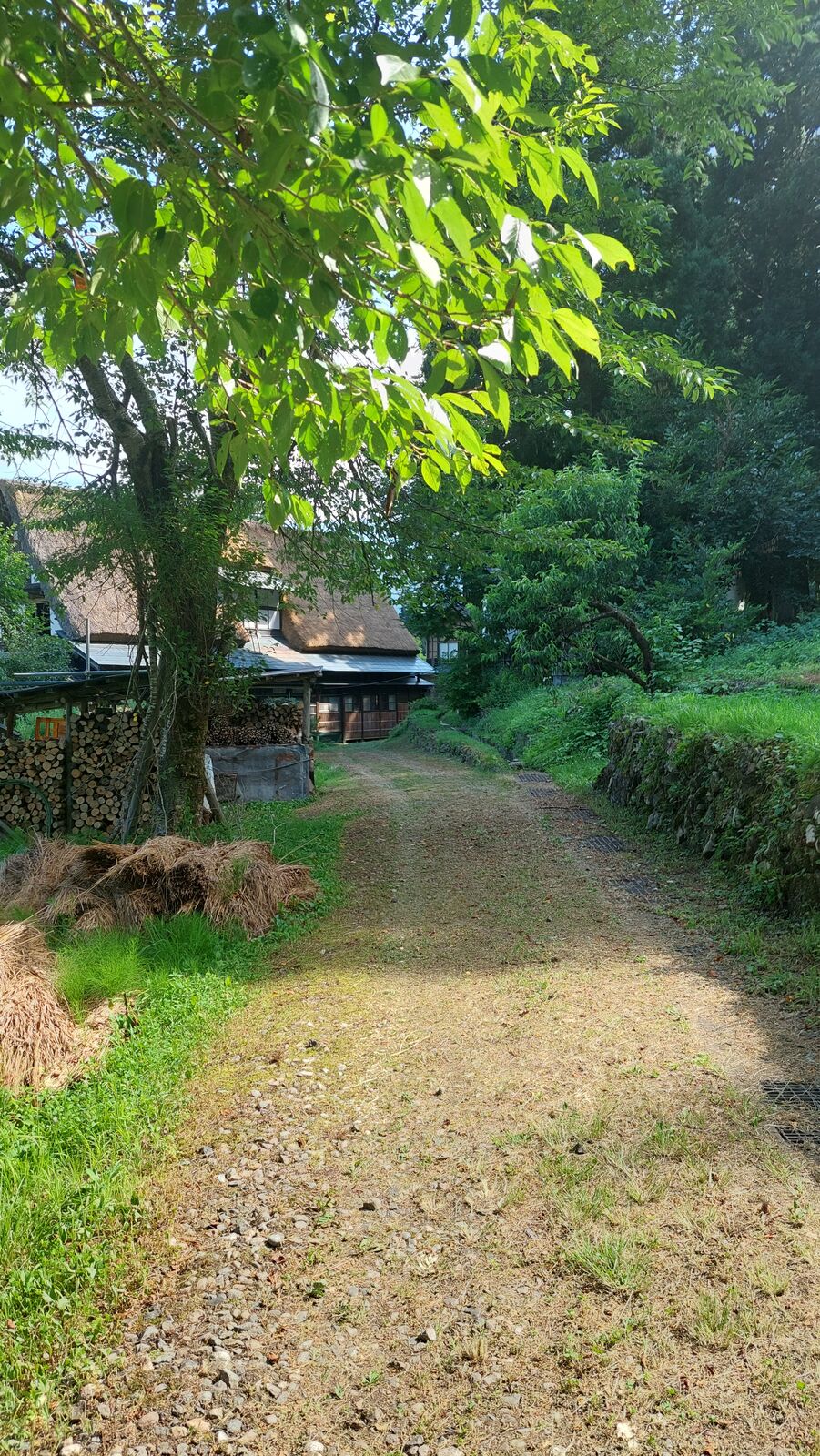
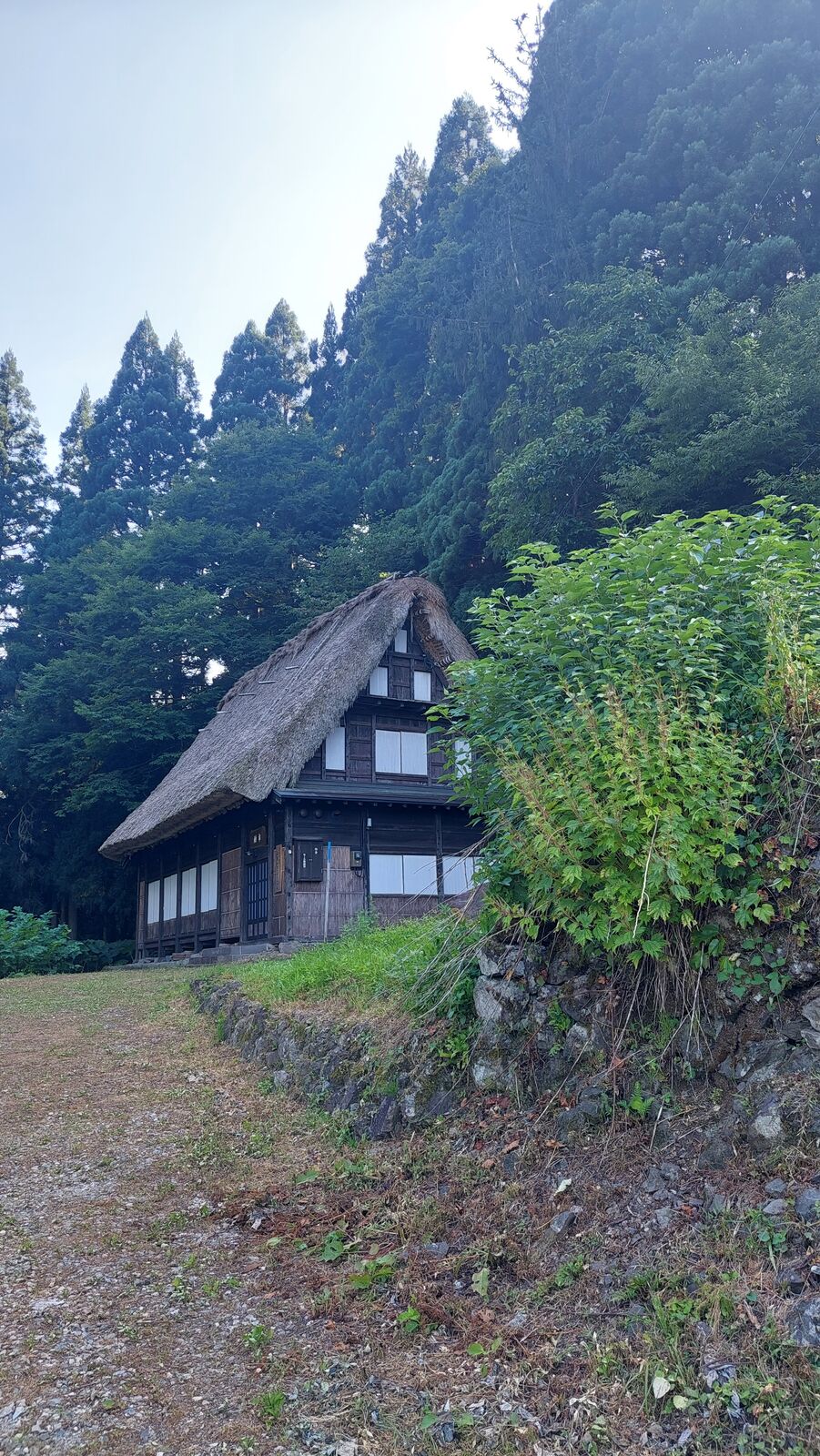
You walk through this place like through a temple. Reverently, almost. It's a Ghibli film that became real. Behind every corner you half-expect to see a kami. The dark wooden gassho houses, the steep thatched roofs, the ancient trees, the overwhelming green of everything around you. It doesn't feel like a heritage site. It feels like something alive, something that has been breathing for centuries and simply lets you be there for a while.
Drowning in Green
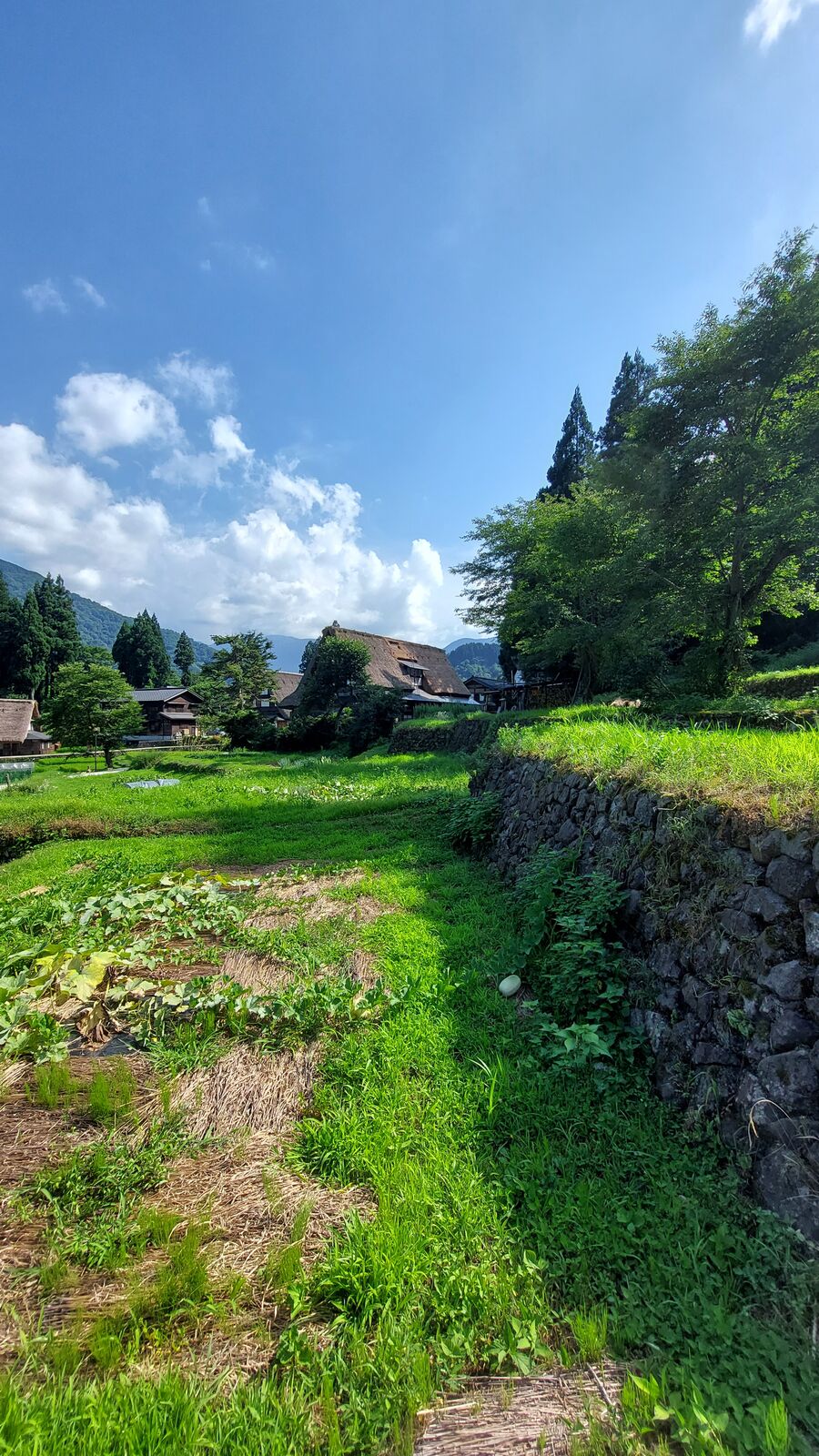
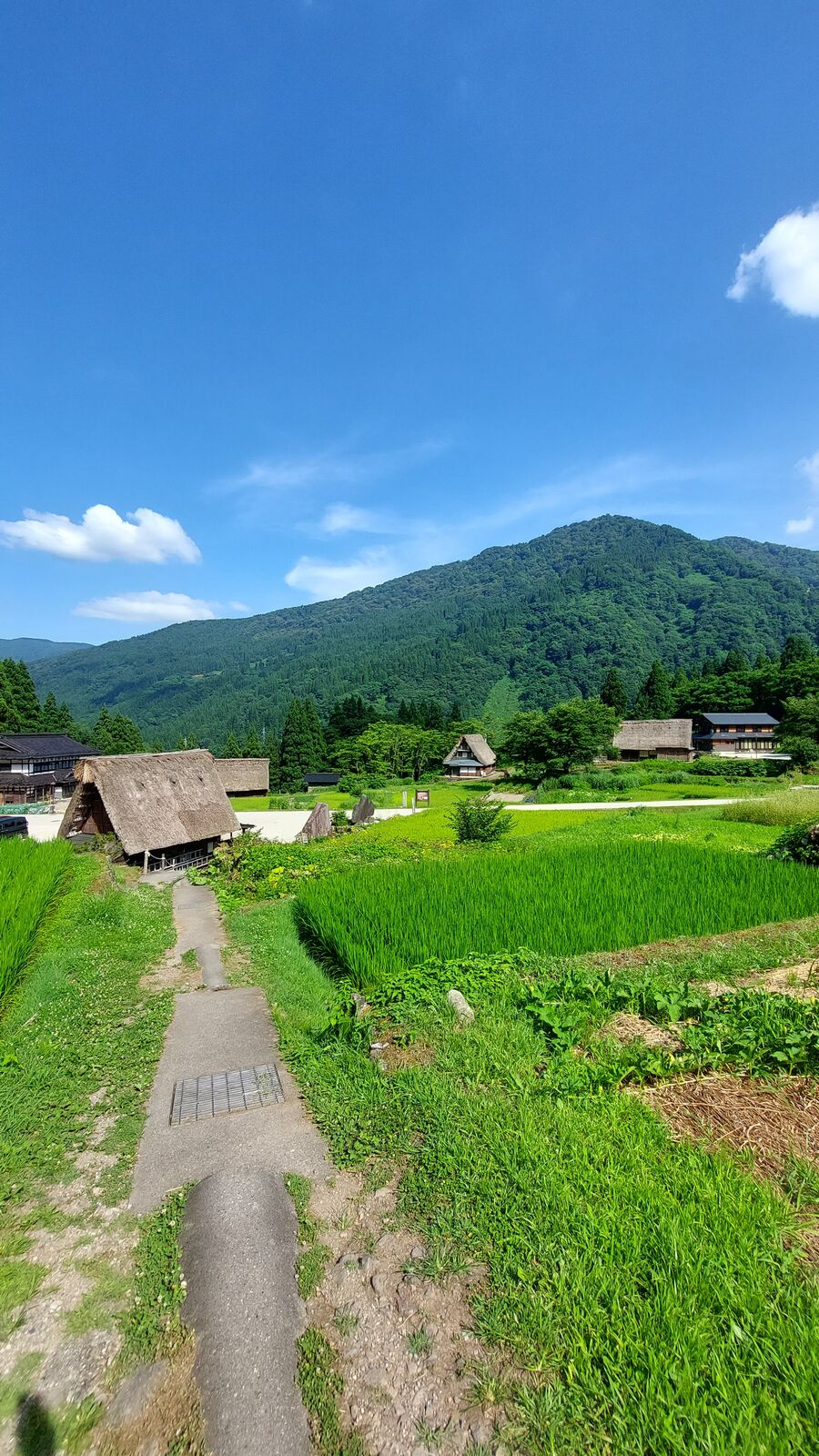
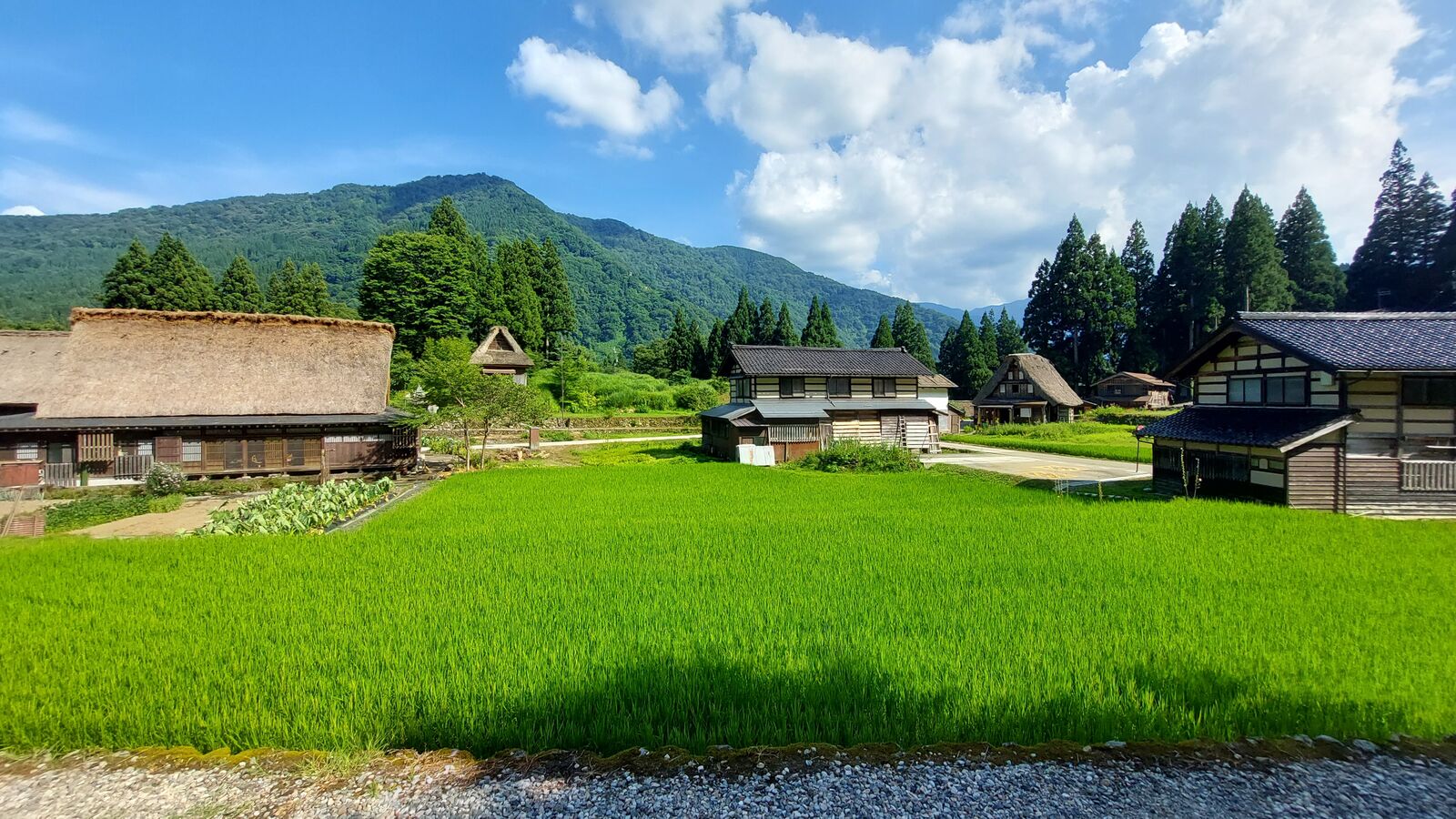
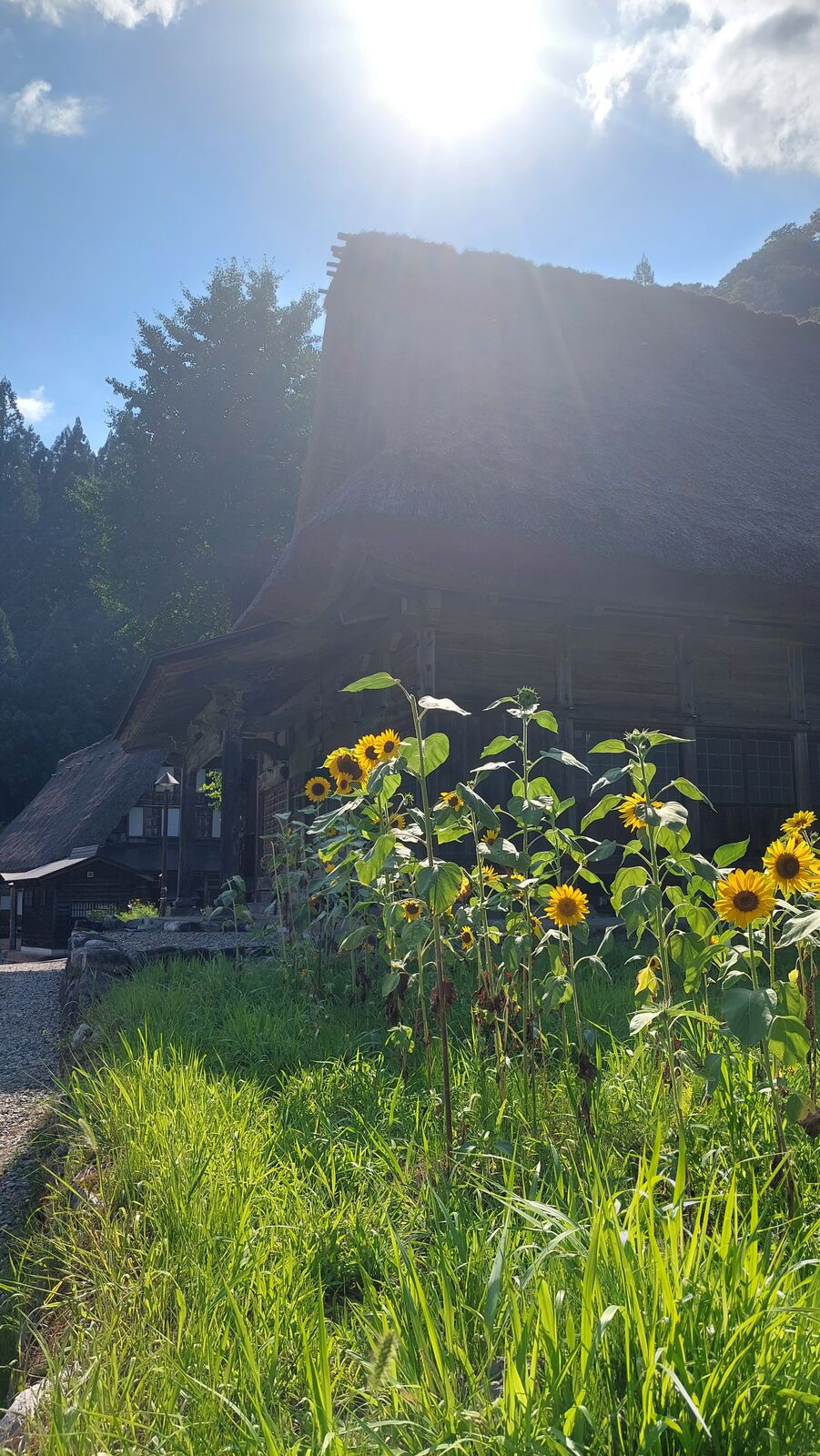
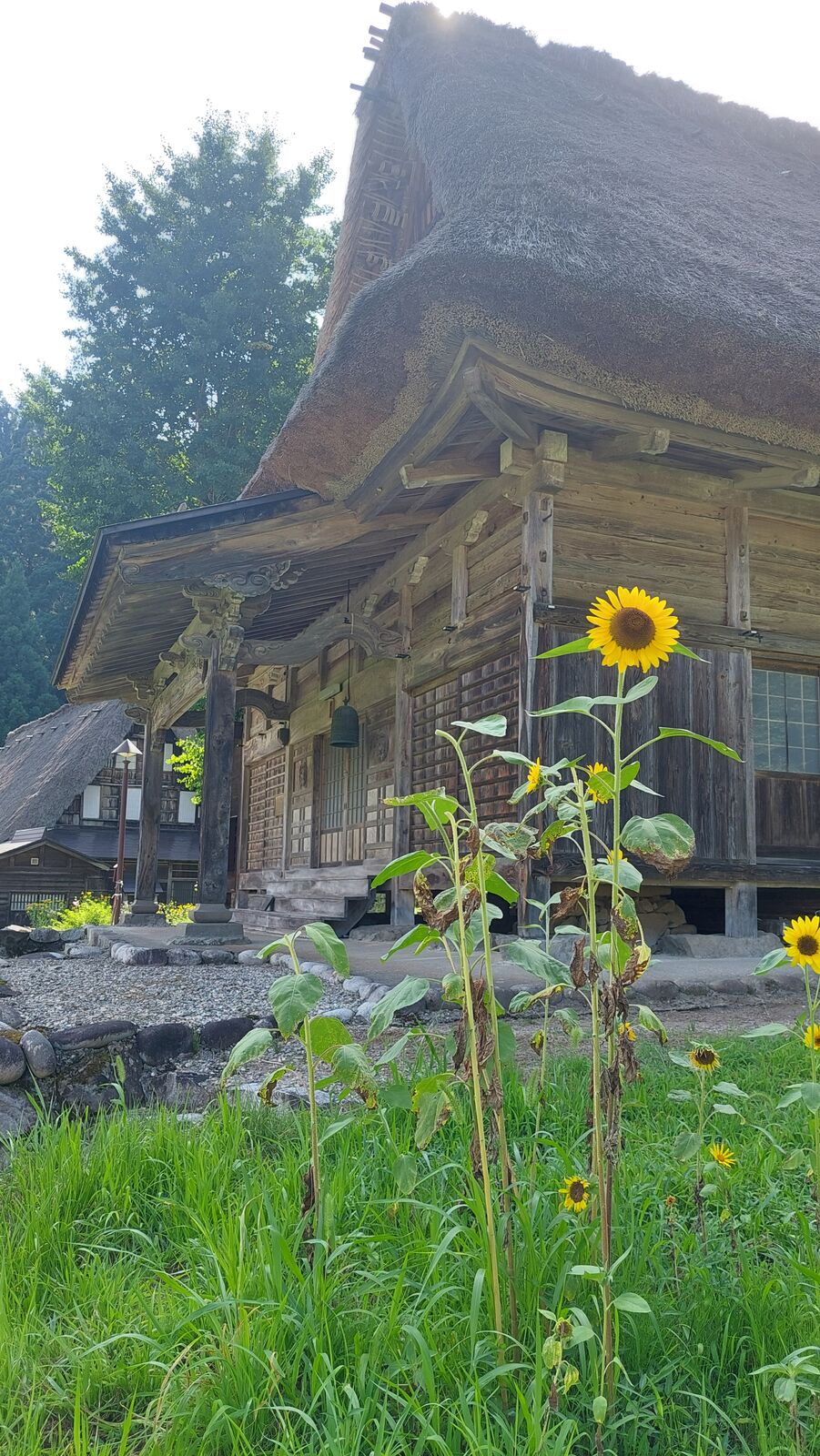
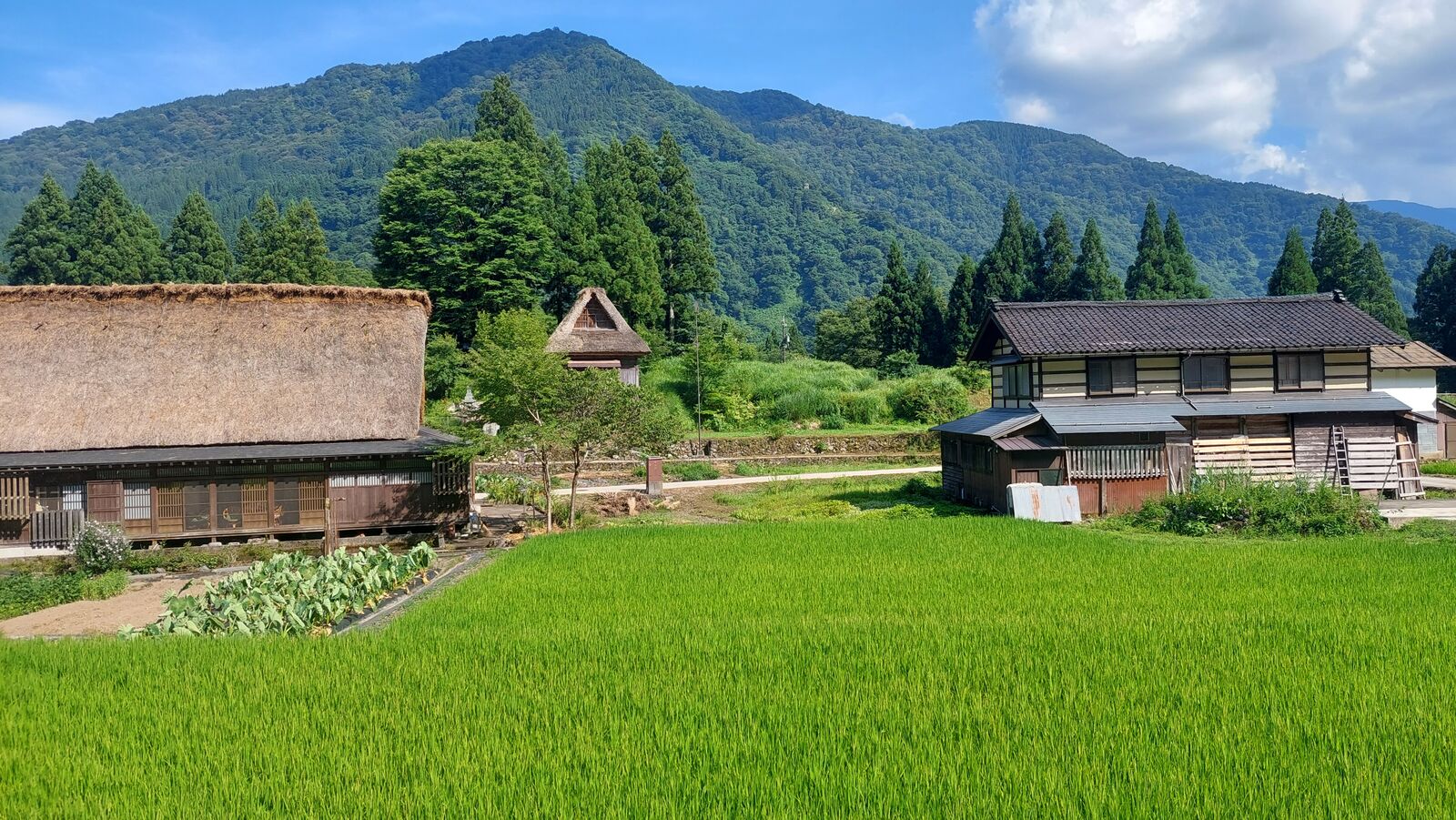
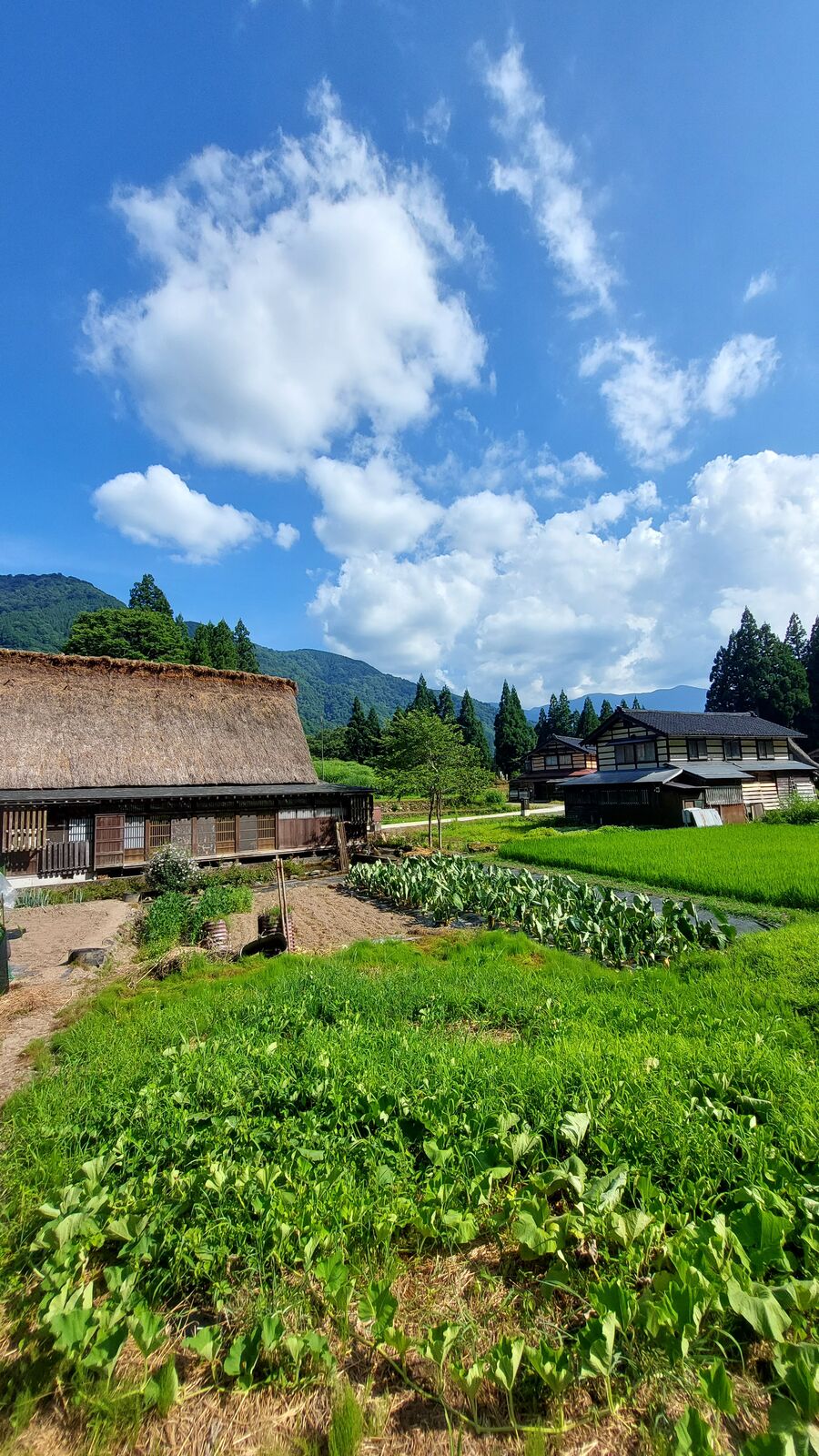
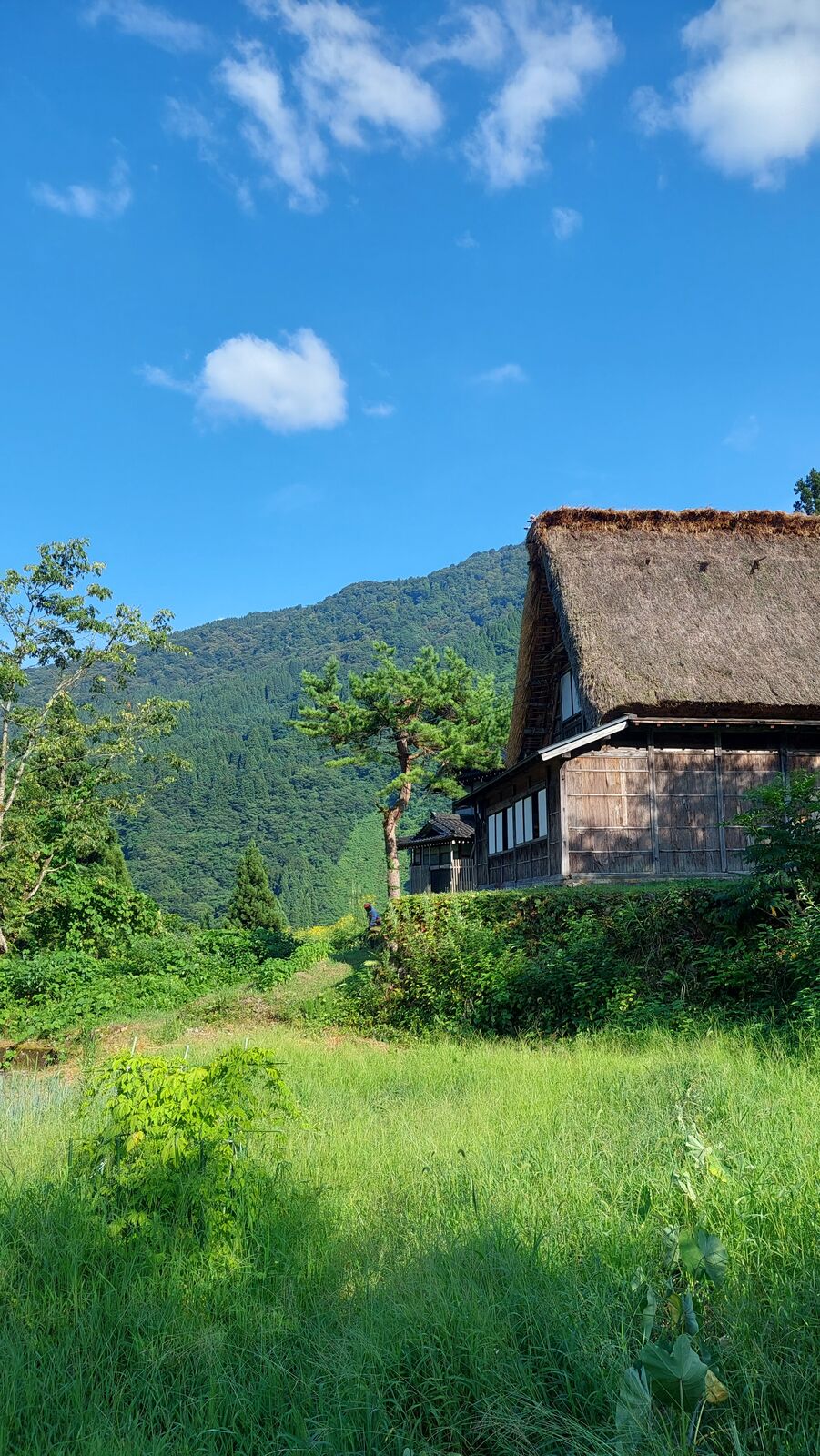
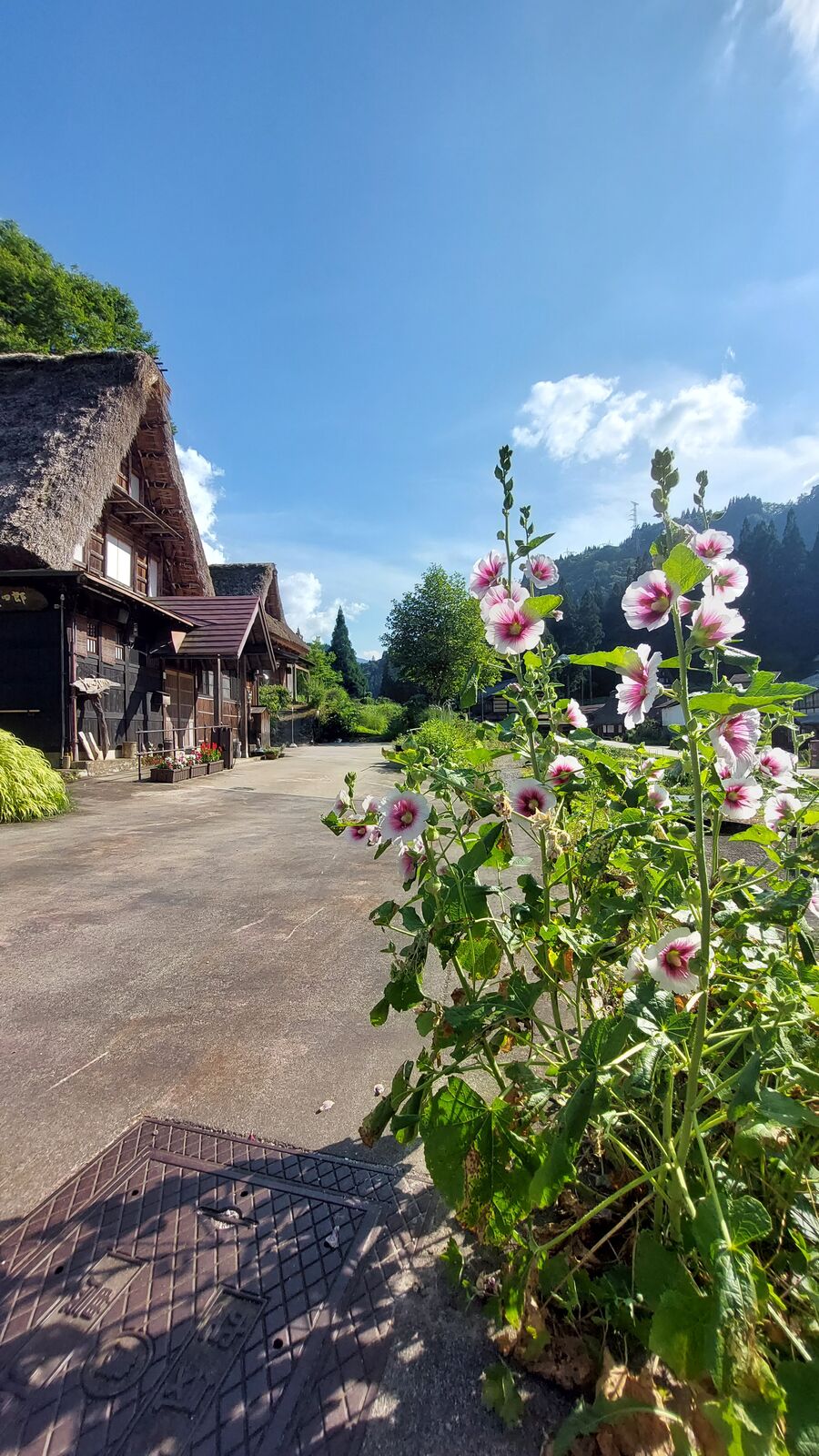
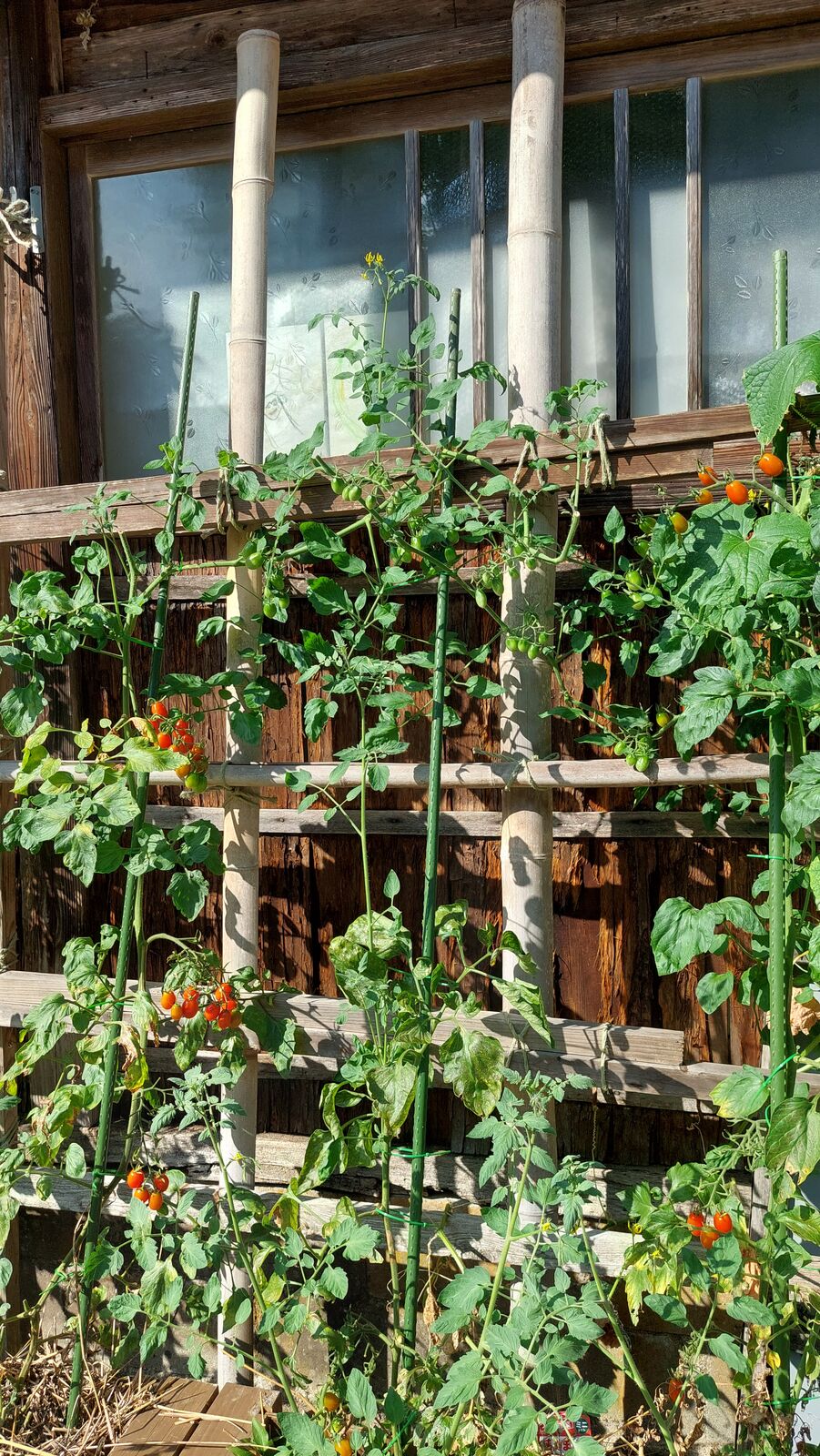
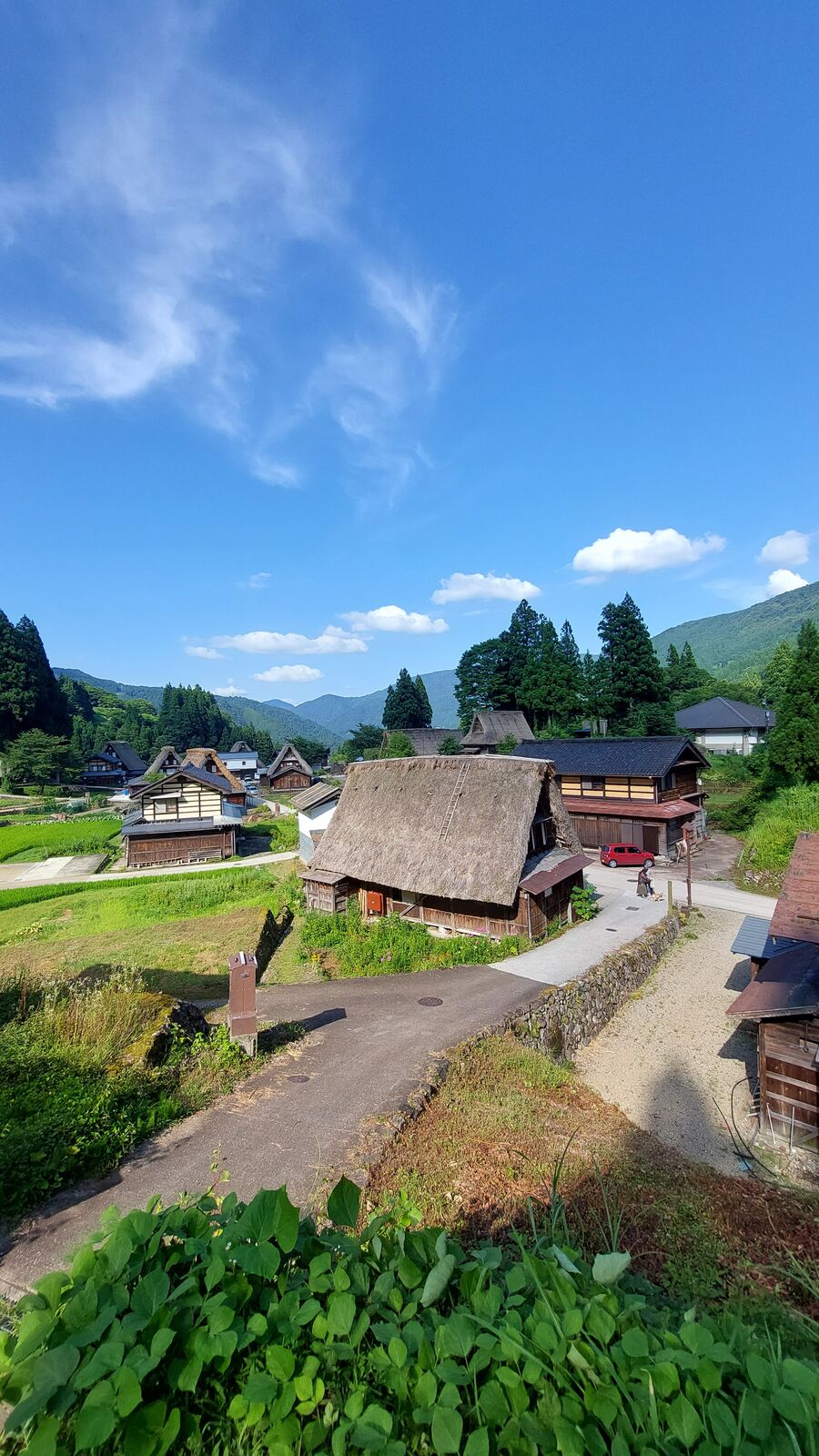
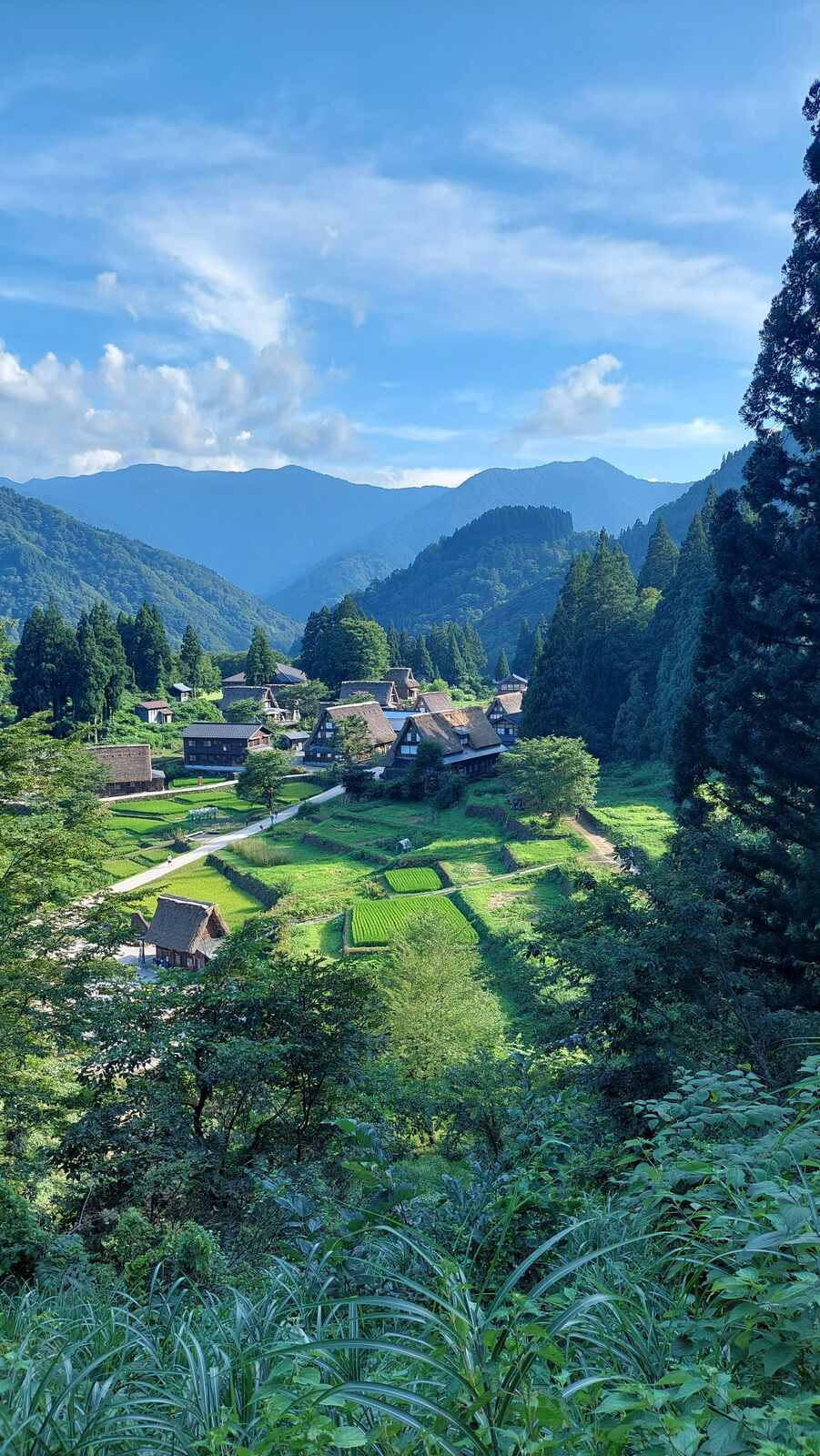
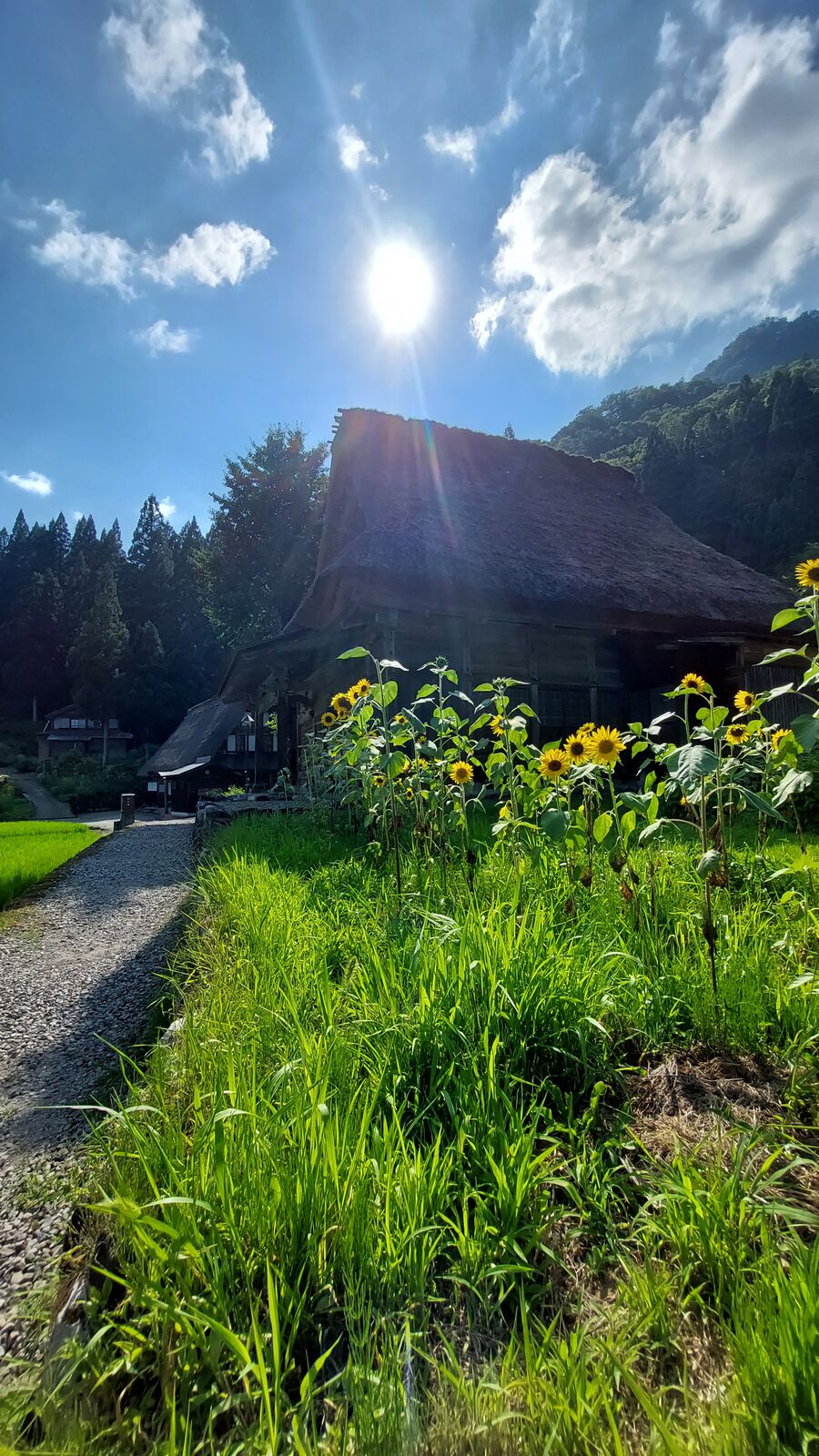
What I remember most intensely are the colors. The light. The way everything is embedded in green. In summer, the small rice paddies between the houses glow electric. Vegetable gardens press right up against 200-year-old walls. Tomatoes grow on bamboo trellises, hollyhocks line the paths, sunflowers turn their faces toward the afternoon sun. Life overflows in every direction. The forest wraps around the village from all sides, cedars and broadleaves climbing the steep slopes, and the gassho houses sit in the middle of all of it like they grew out of the ground together with the trees.
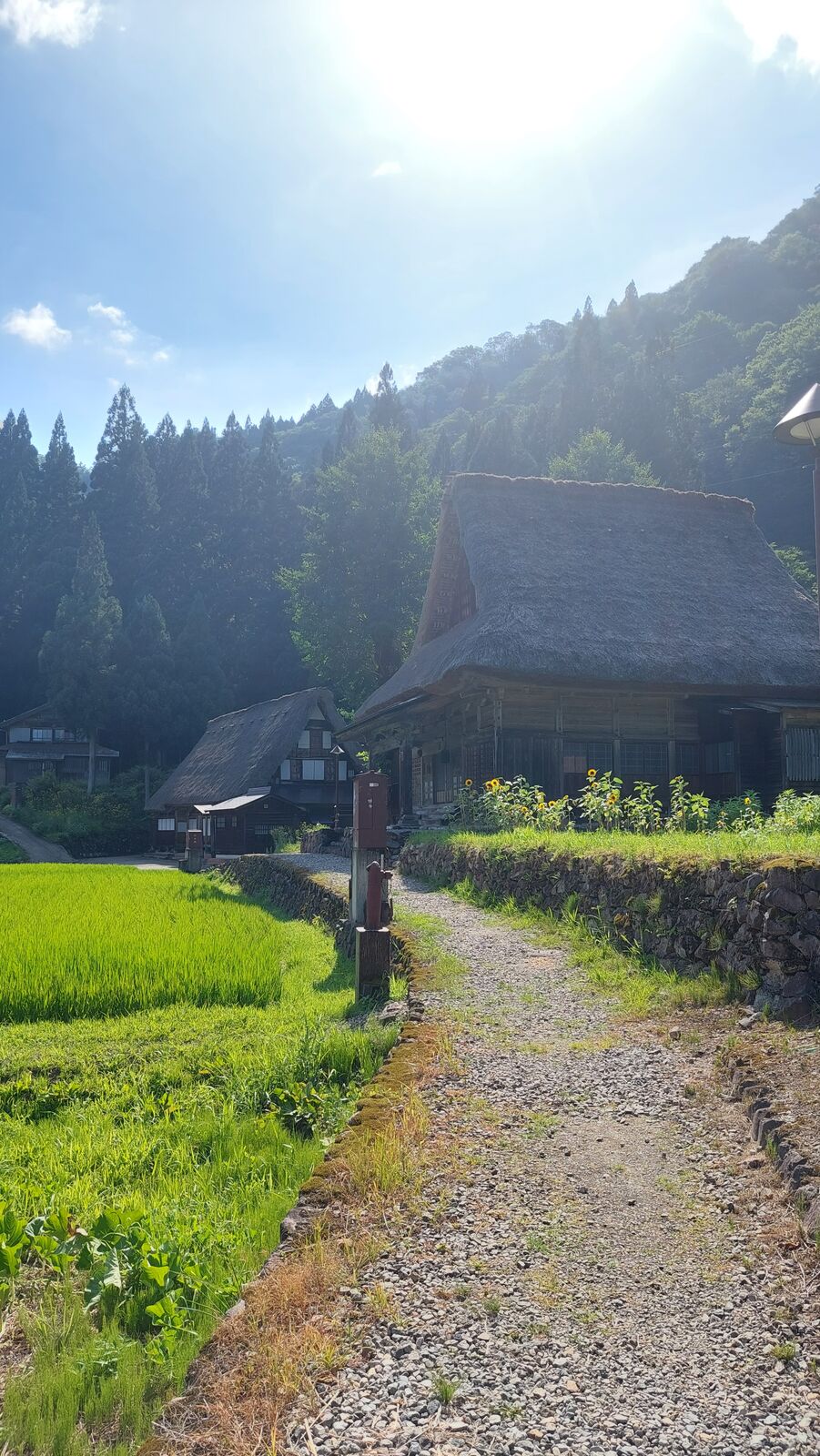
On this visit the light was strong and backlit, the kind that makes the edges of every leaf and every flower glow. Sunflowers against the dark thatch of a gassho roof, backlit by the sun sitting right behind the roofline. That kind of moment you can't plan and don't need to post-process.
A Cathedral of Trees
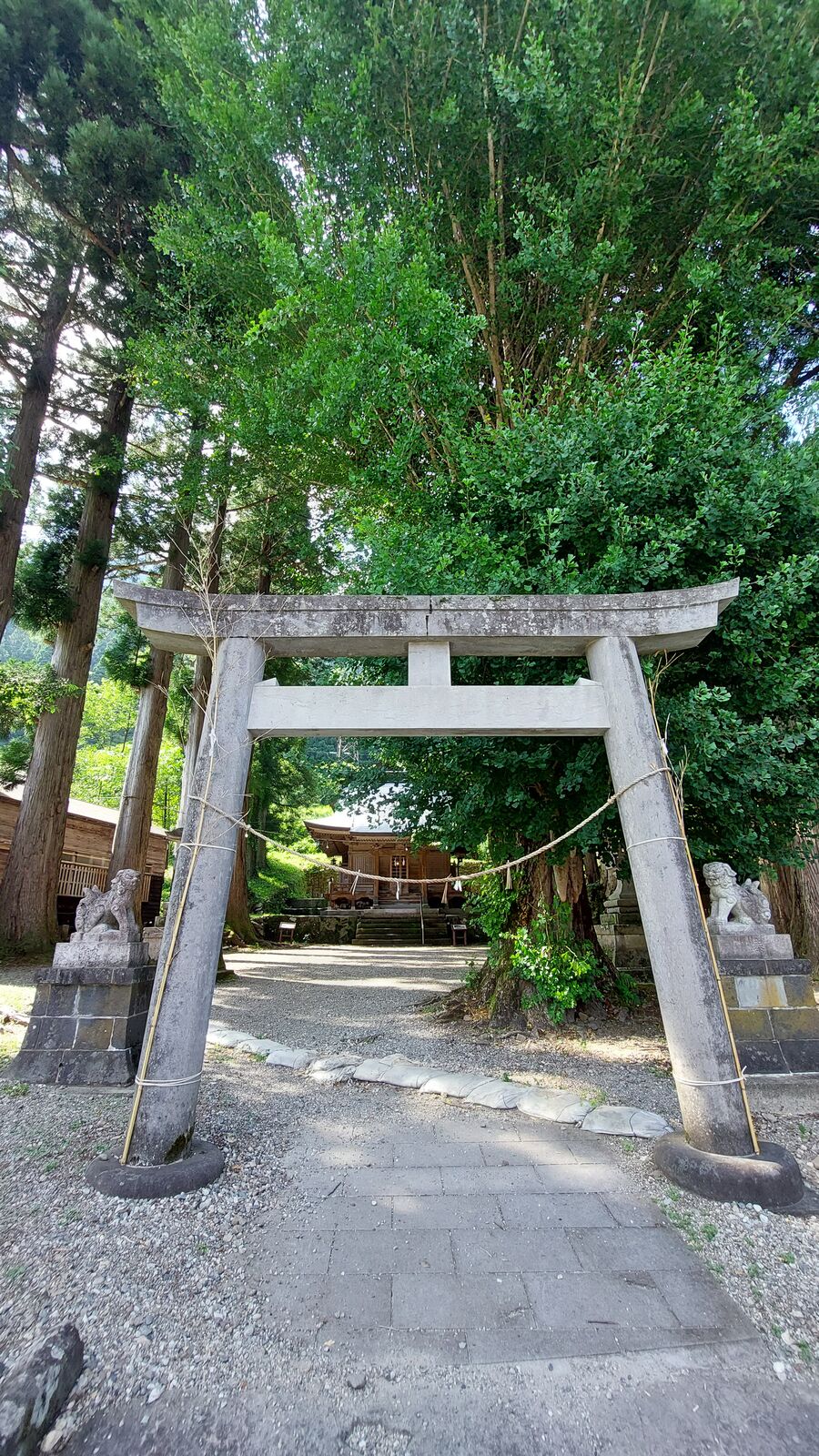
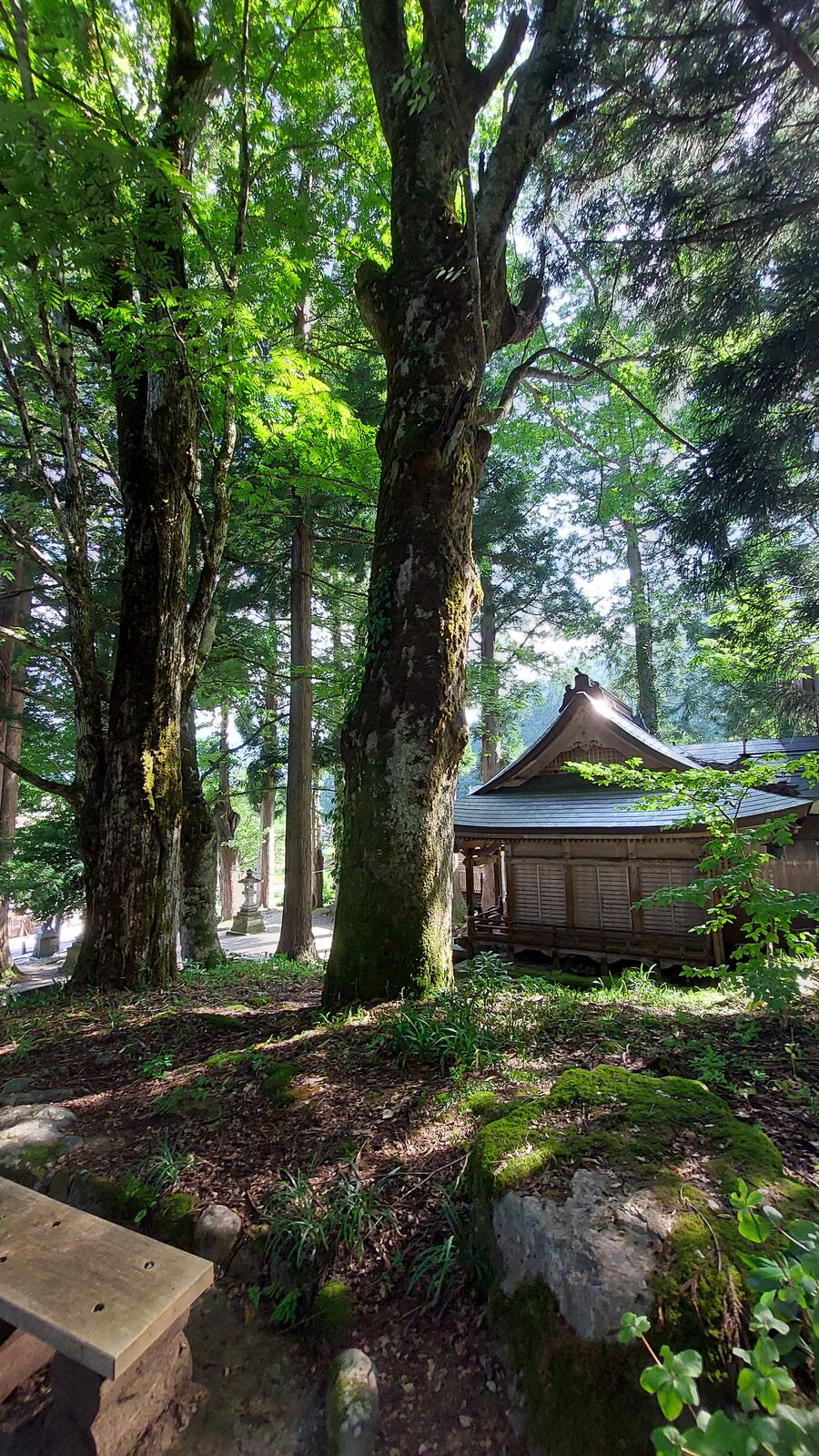
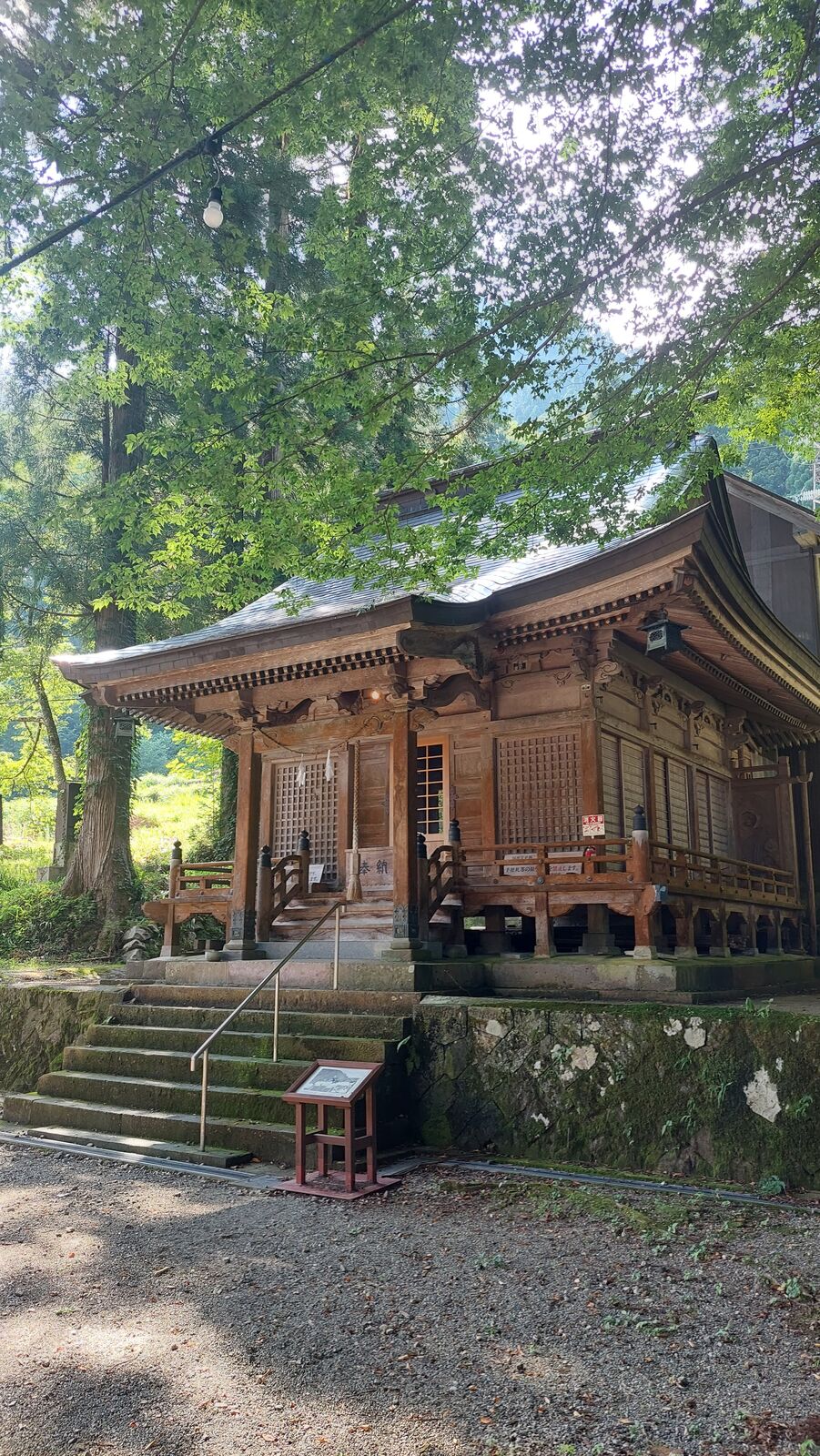
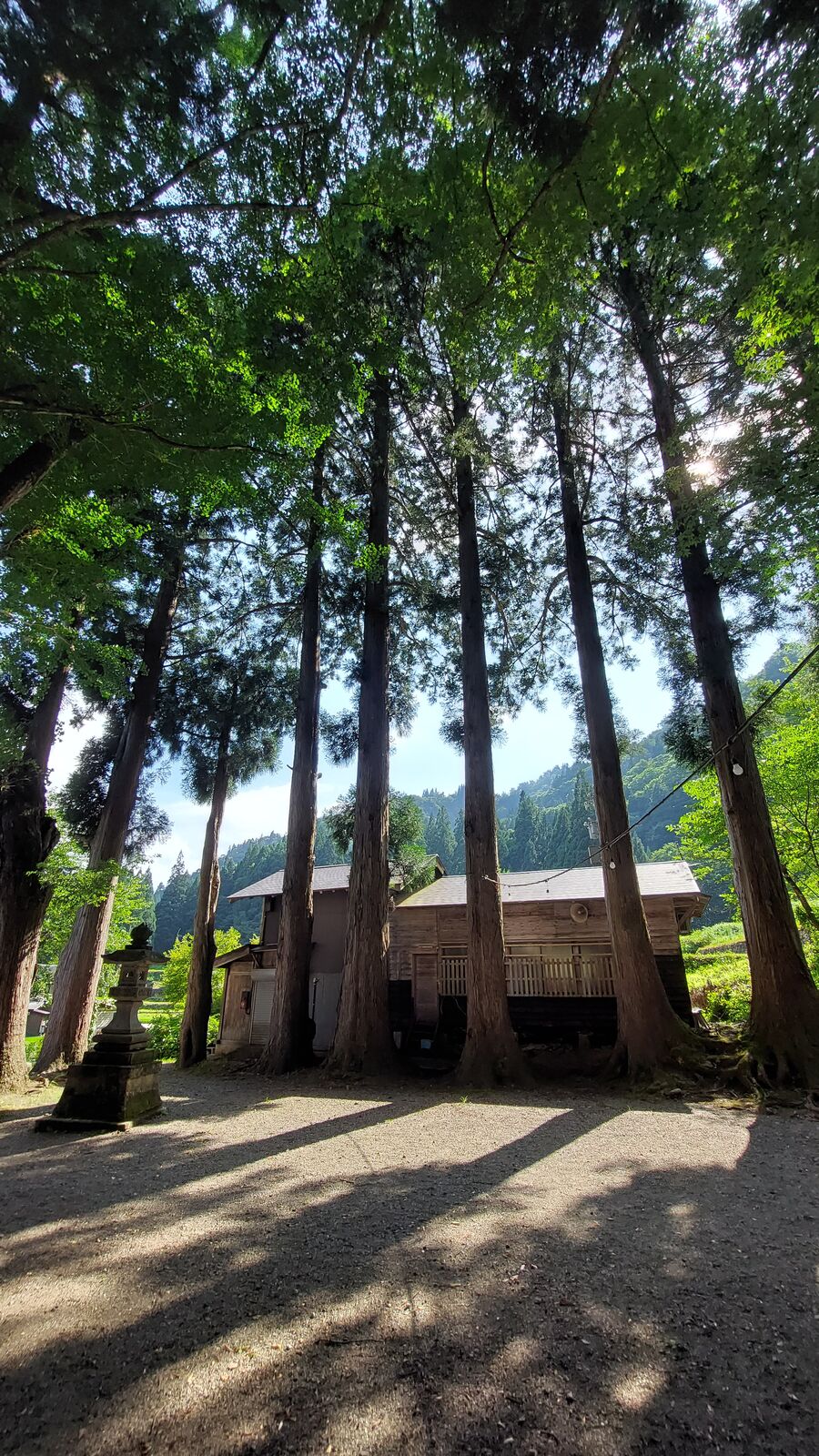
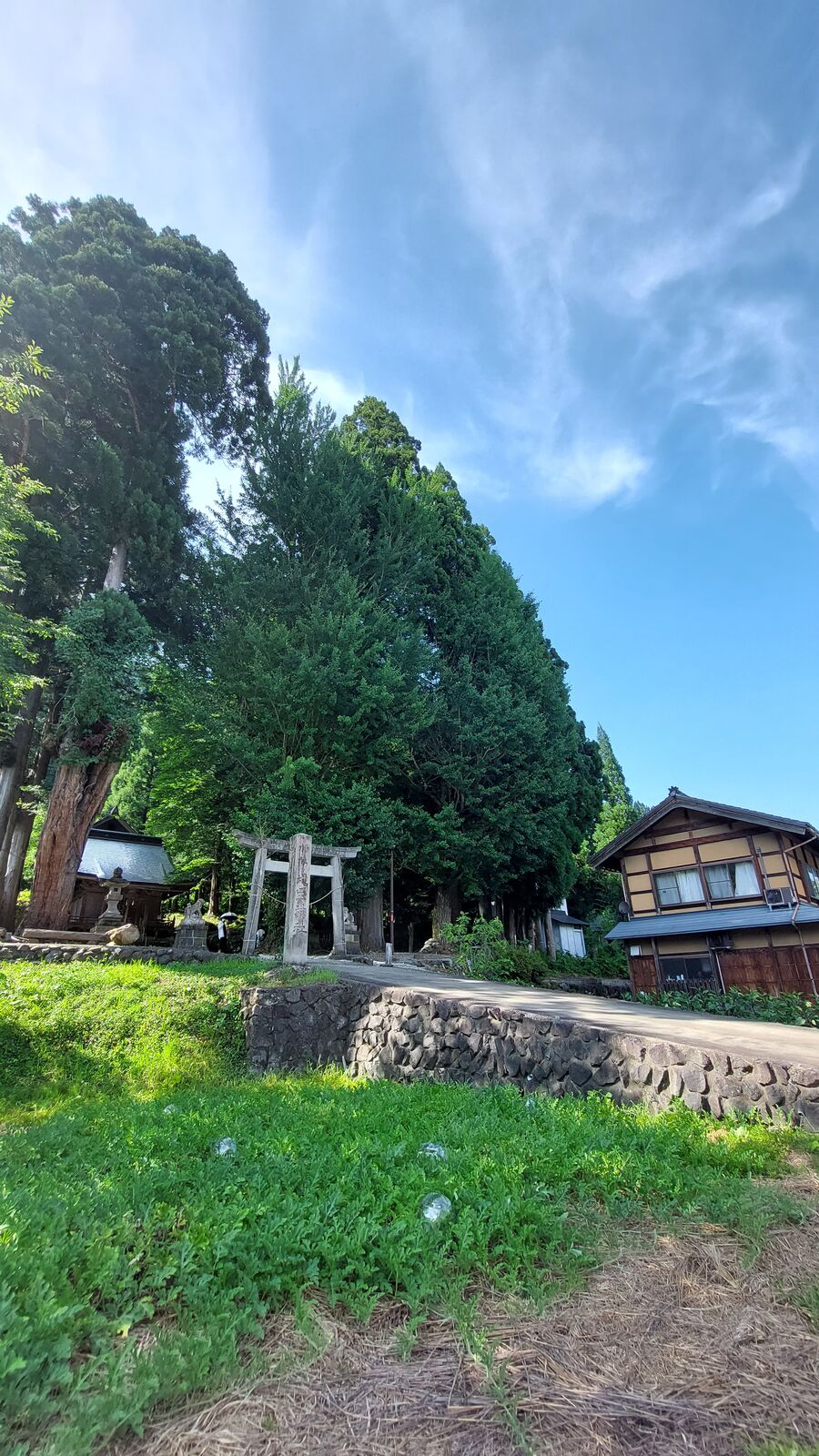
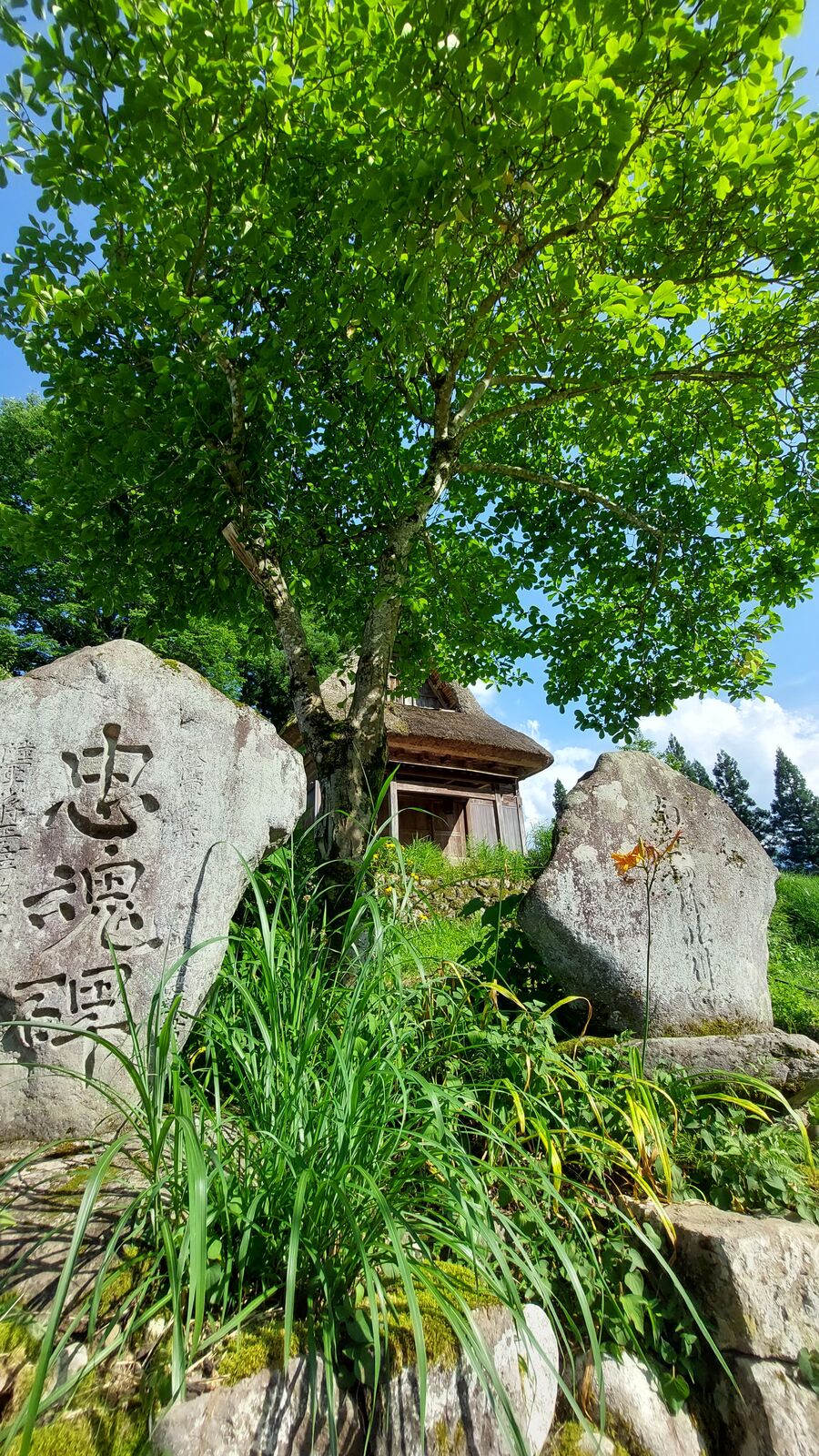
Above the village, a stone torii gate marks the path to a Shinto shrine. Komainu guardian dogs sit at the base, moss-covered, looking like they've been there longer than the trees around them. And the trees are old. Massive cedars, their trunks too thick for two people to reach around, rising straight up into a canopy that filters the light into something cathedral-like. That's the word that kept coming back to me up there: cathedral. Not the shrine building itself, which is modest, wooden, quietly beautiful. But the space the trees create around it. A cathedral of nature, open to the sky, with the sound of water and wind where organ music would be.
The View from Above
A short trail from the parking area climbs above the village to a viewpoint. From up there you see the full picture: the cluster of thatched roofs, the patchwork of tiny rice paddies between them, the valley narrowing toward the mountains on both sides, layers of green fading into blue haze on the distant ridges. It's one of those views where you stand still for a long time and don't take a photo right away, because the camera can't hold what your eyes are seeing. Then you take it anyway, and the photo is somehow still good, because the place does the work.
A Spiritual Focus Point
Some places in Japan become anchors. You visit once, and you know you'll come back. Not because there's more to see, but because the place does something to you that you need to feel again. Ainokura is one of those places for me, like Heda on the Izu peninsula. It's a spiritual focus point. Not in any religious sense, but in the sense that everything Japan means to me is concentrated here: the quiet, the care, the deep entanglement of human life and nature, the feeling that time moves differently. I always come here alone, and I'm never lonely. The village carries everything with it.
Some of the gassho houses offer overnight stays for visitors. I haven't done it yet. But I know that one day I will, and I'll sit on a wooden porch in the evening, listening to the water and the frogs, and I'll wonder why I waited so long.
For the more famous neighbor, see Shirakawa-go in Summer and Shirakawa-go in Winter.
Practical Info
Location: Nanto, Toyama Prefecture. About 25 minutes north of Shirakawa-go by car. View on Google Maps
Access: By car: Route 156 from Shirakawa-go or Takaoka. By bus: services from Takaoka and Shin-Takaoka station (Hokuriku Shinkansen). Limited direct buses from Kanazawa.
Parking: Small lot at the village entrance. 500 yen, collected by an older gentleman at the gate. Easy to manage with a campervan.
Eating: A small cafe/restaurant in the center of the village. Some gassho houses offer accommodation.
Best time: Late July for sunflowers and peak rice paddy green. Winter for snow-covered roofs (access can be difficult). Weekdays are virtually empty year-round.
Bear warning: The entrance has a bear warning sign. This is mountain country. Stay on the paths, make noise on the forest trails.
Tip: Visit after Shirakawa-go, not before. The contrast works better in that direction.