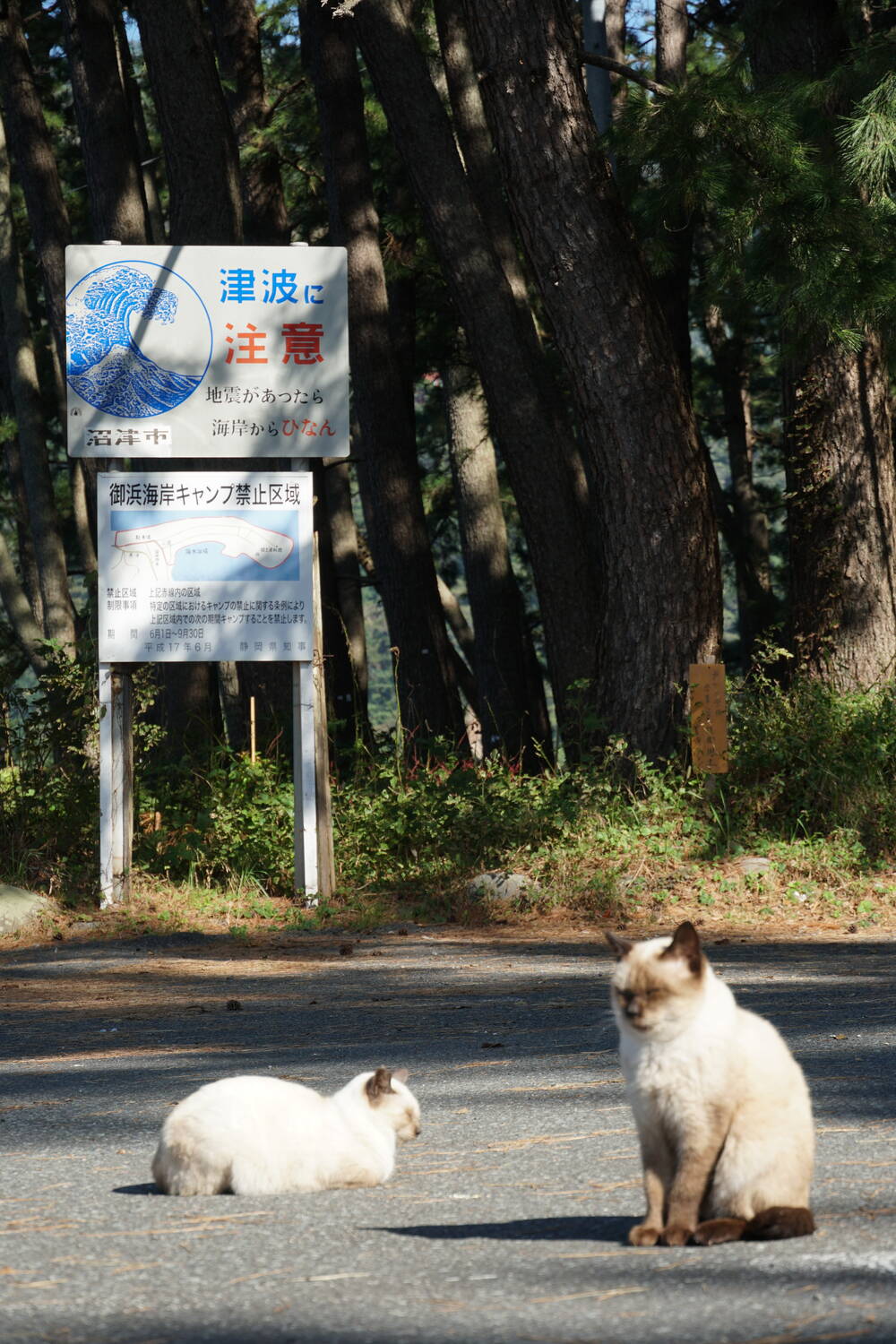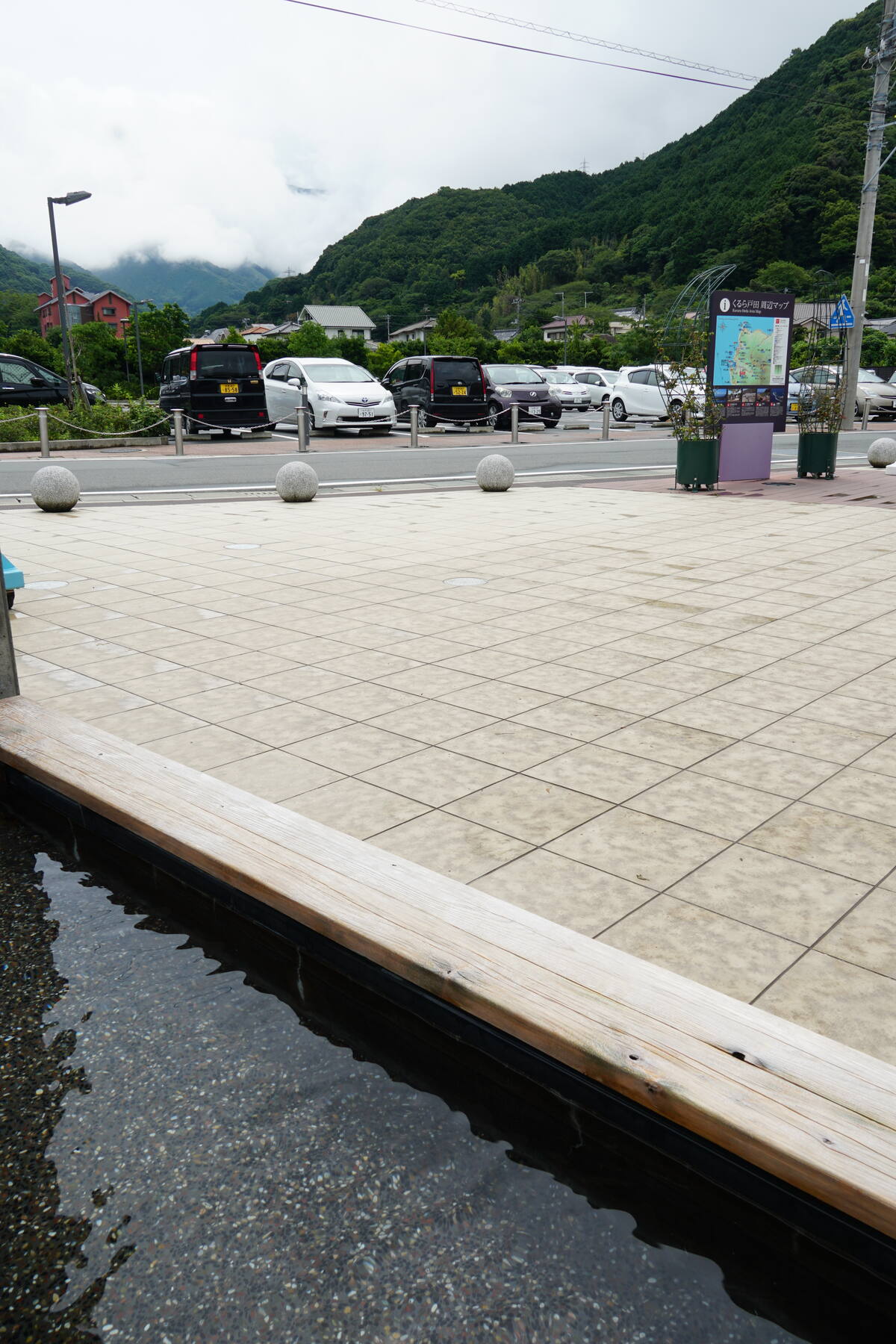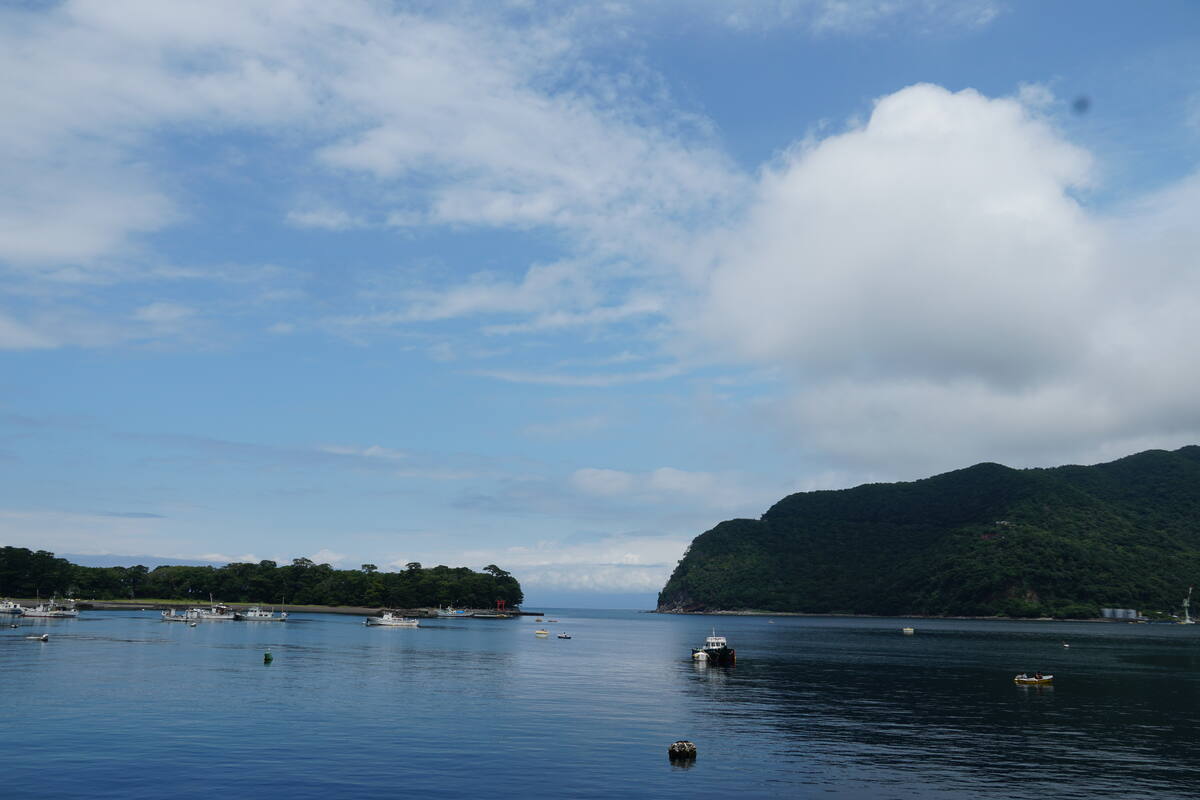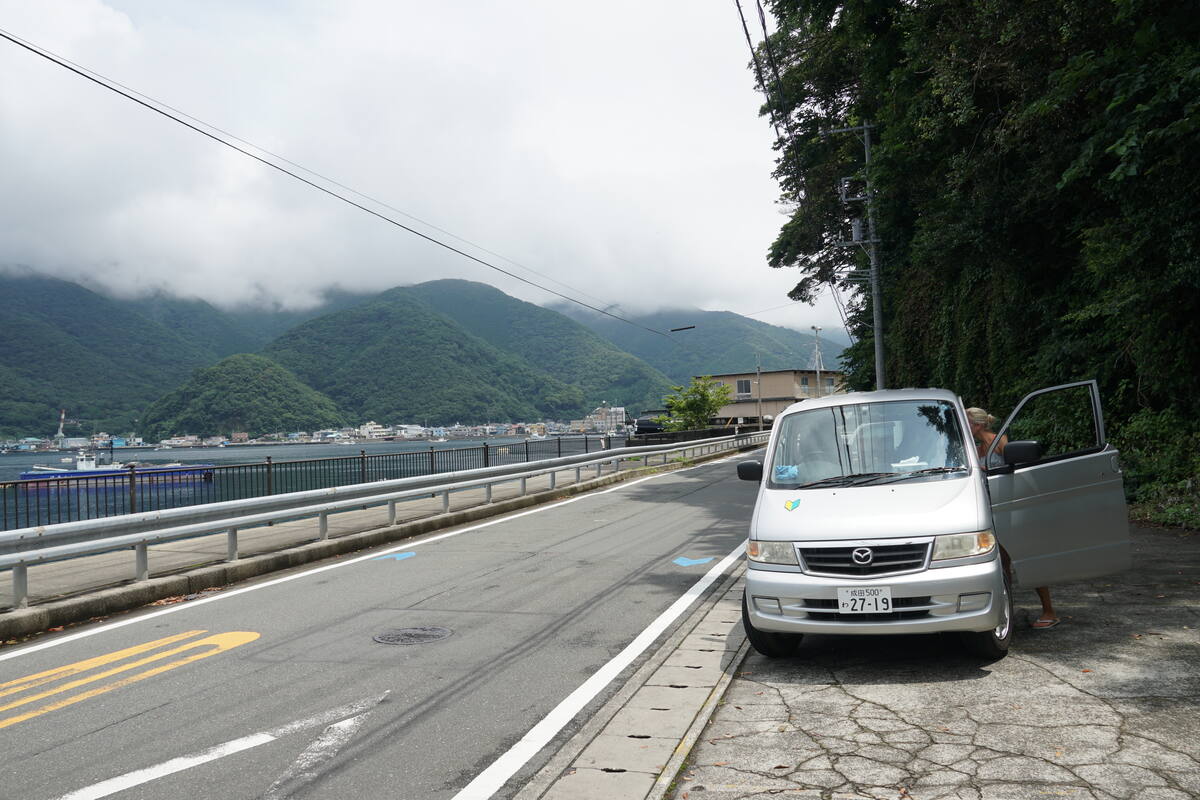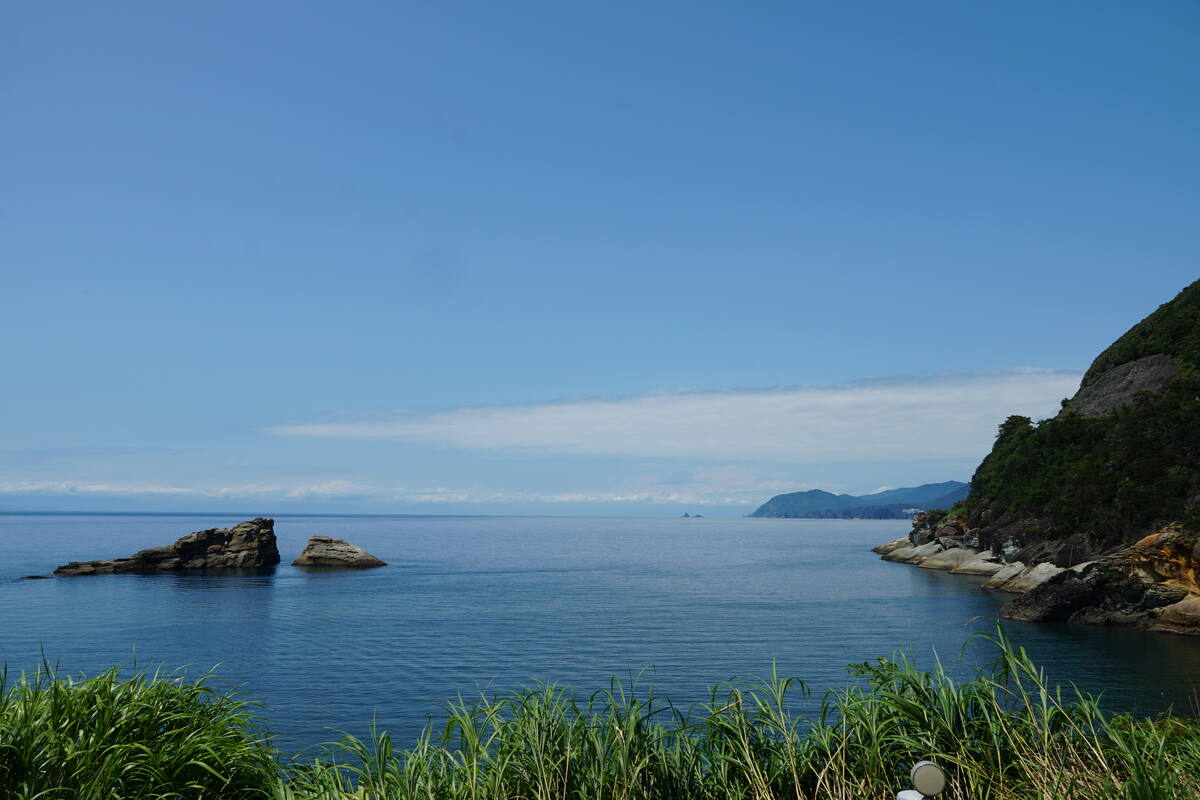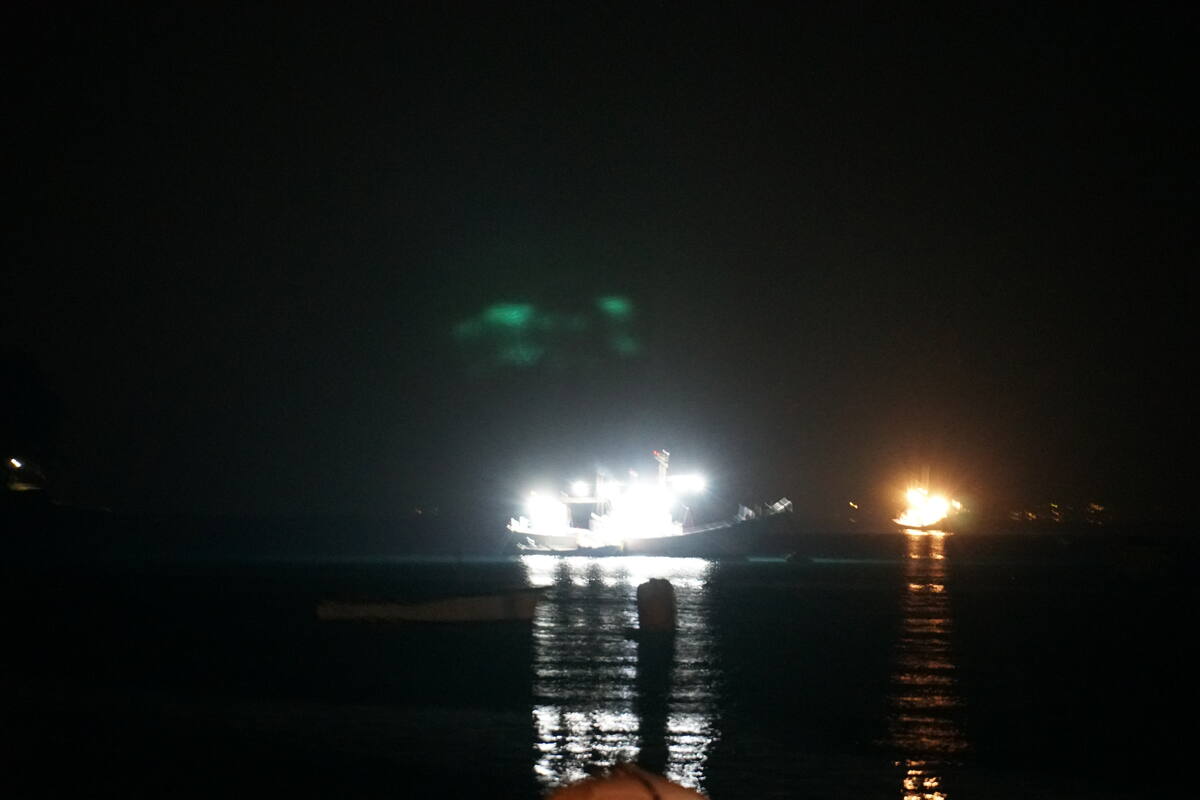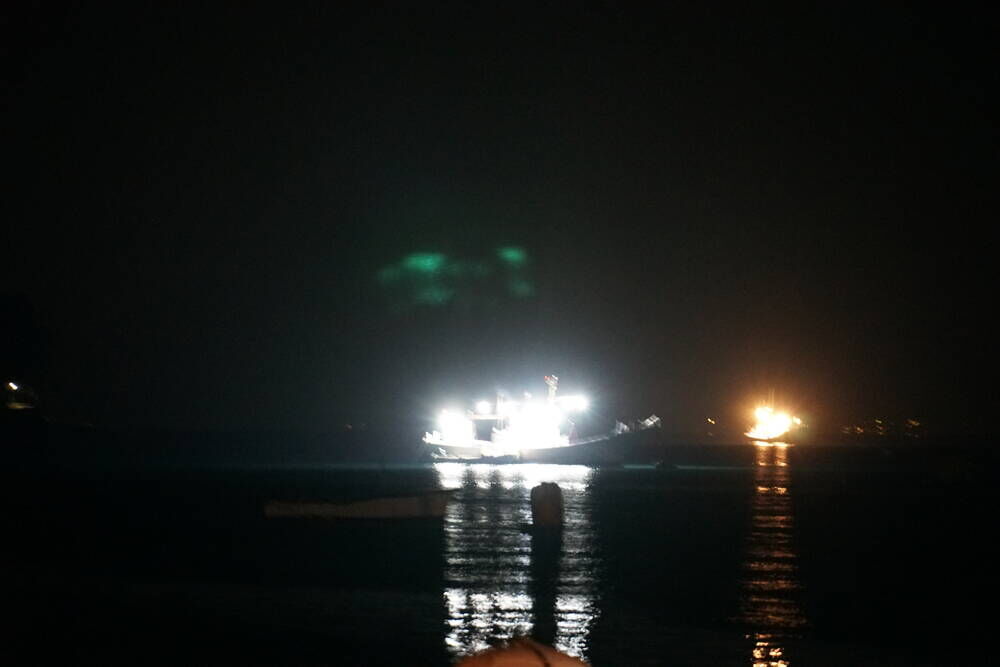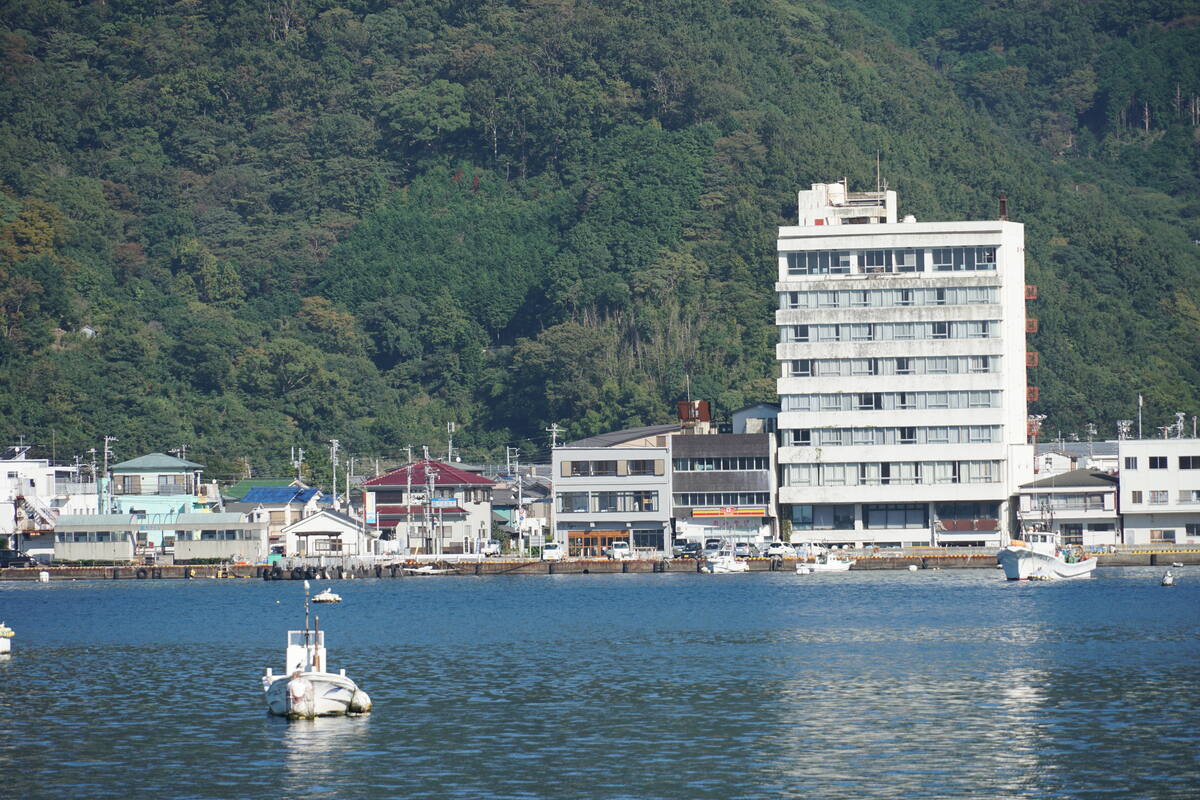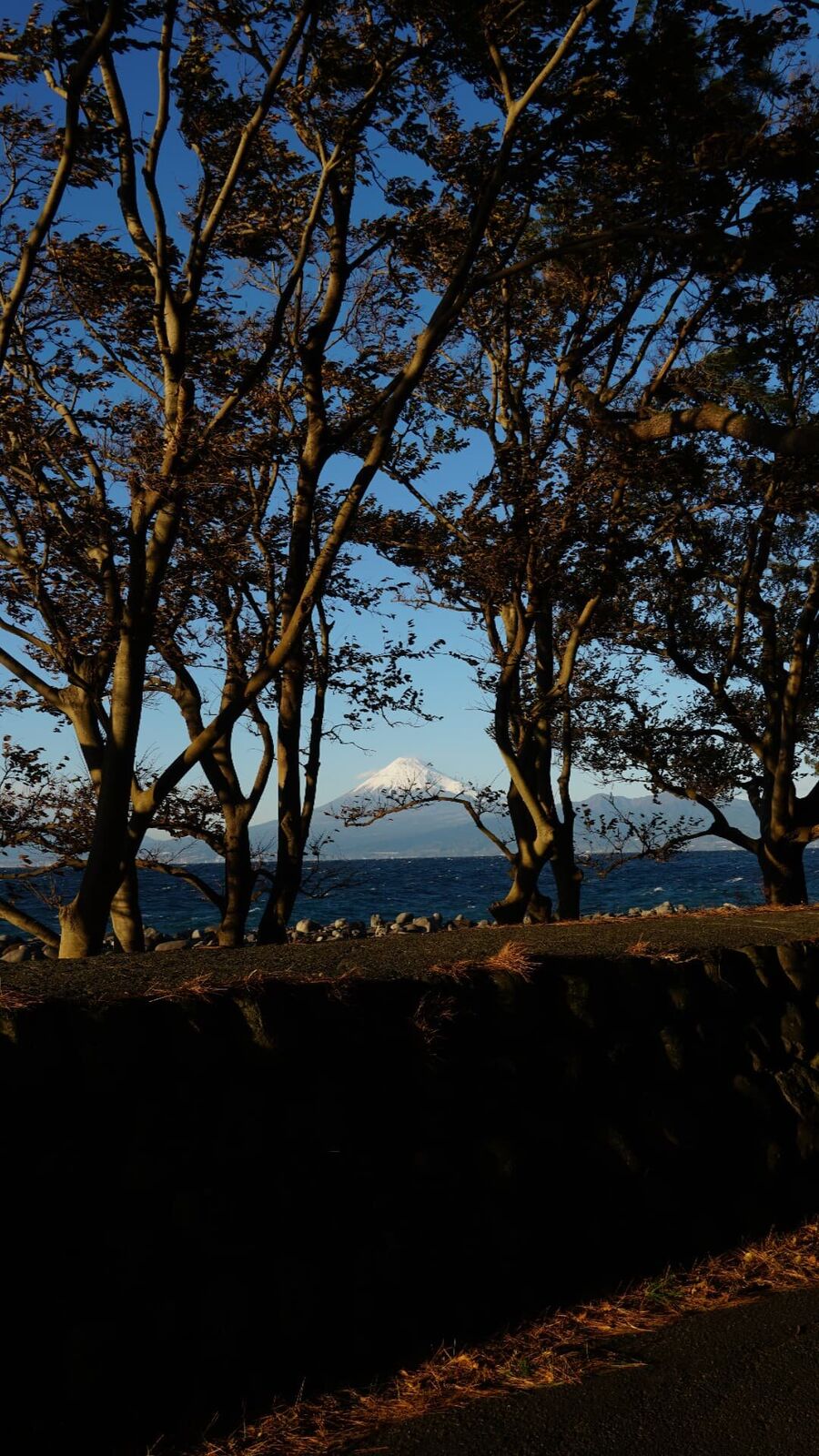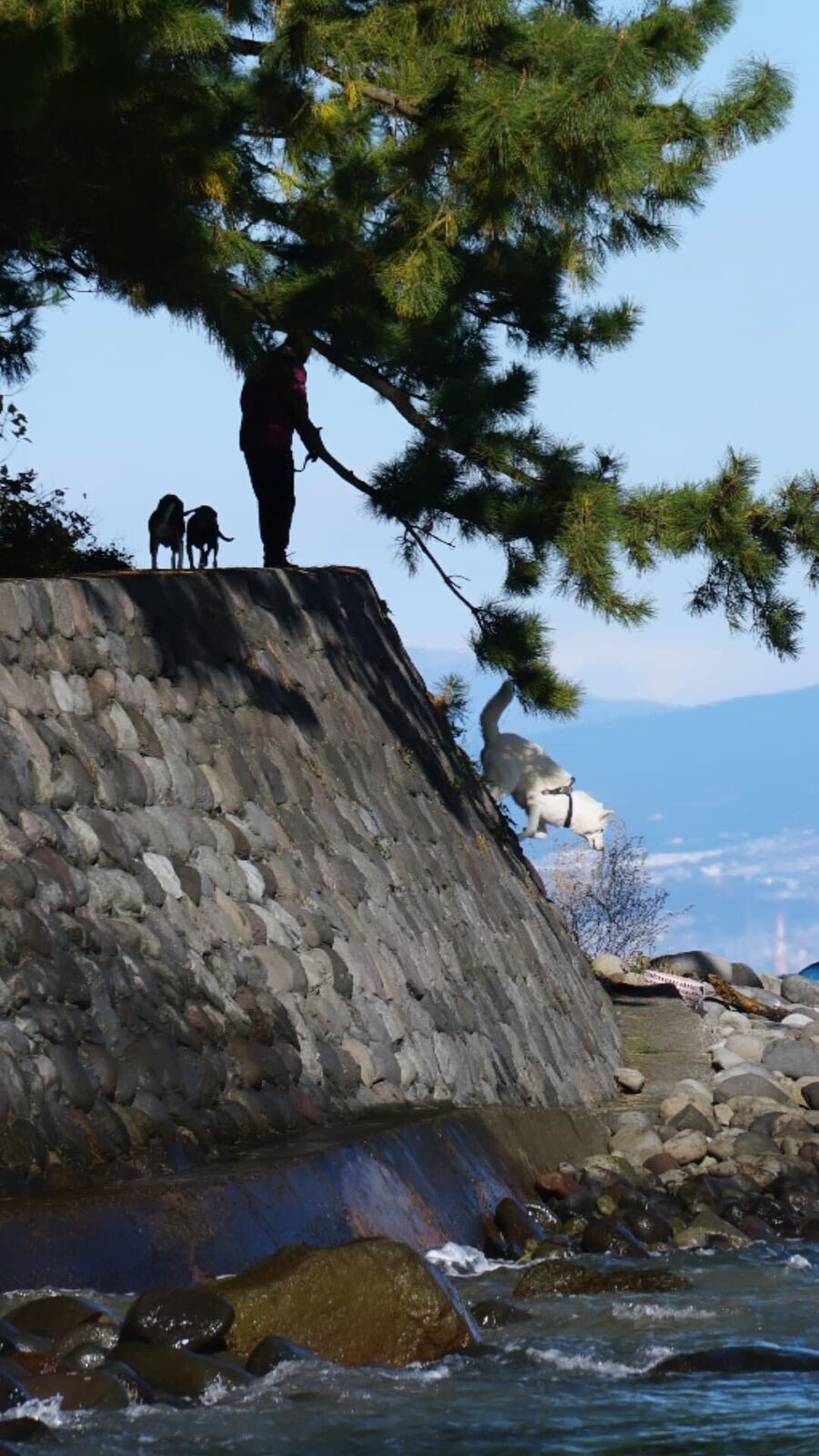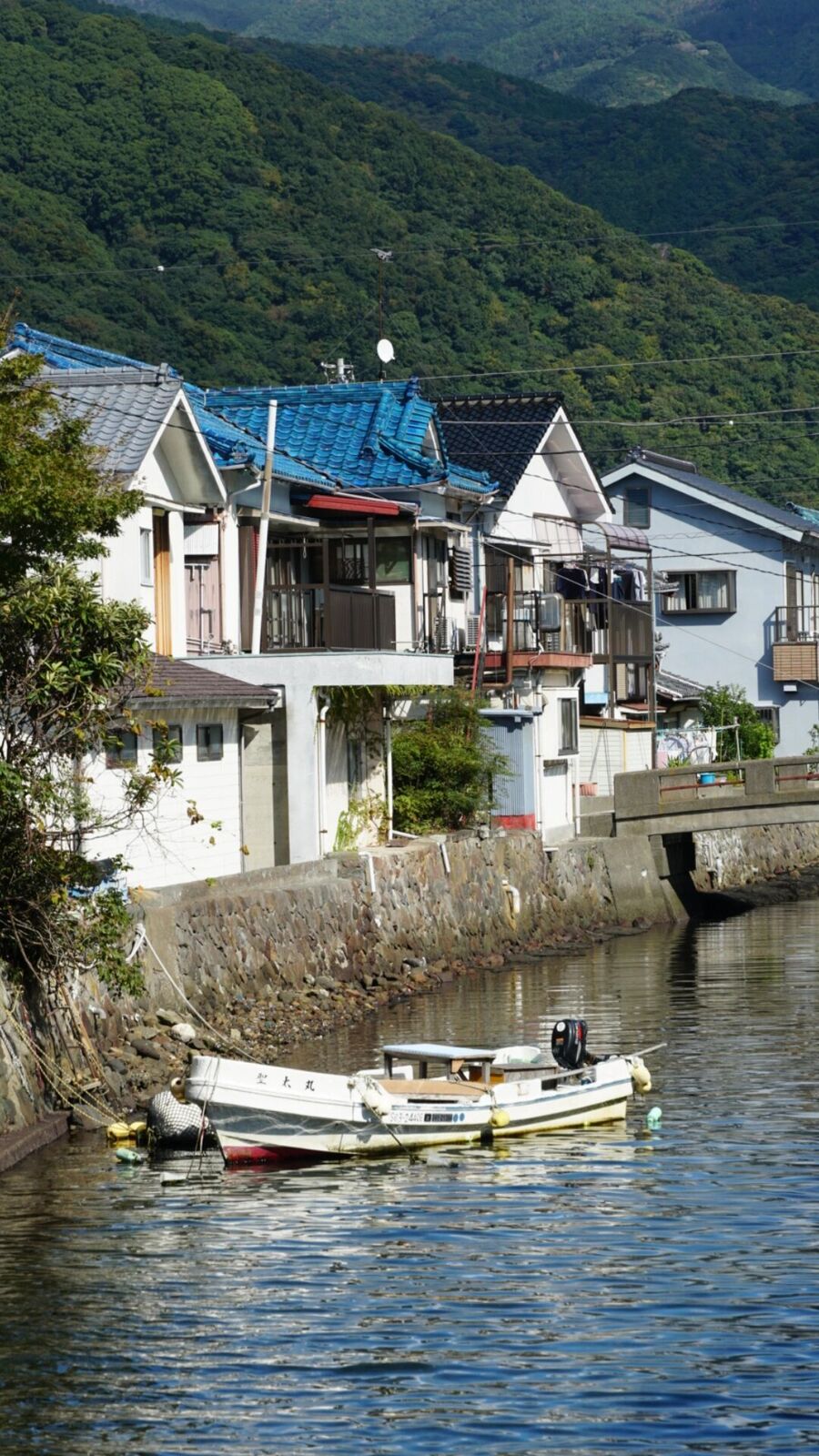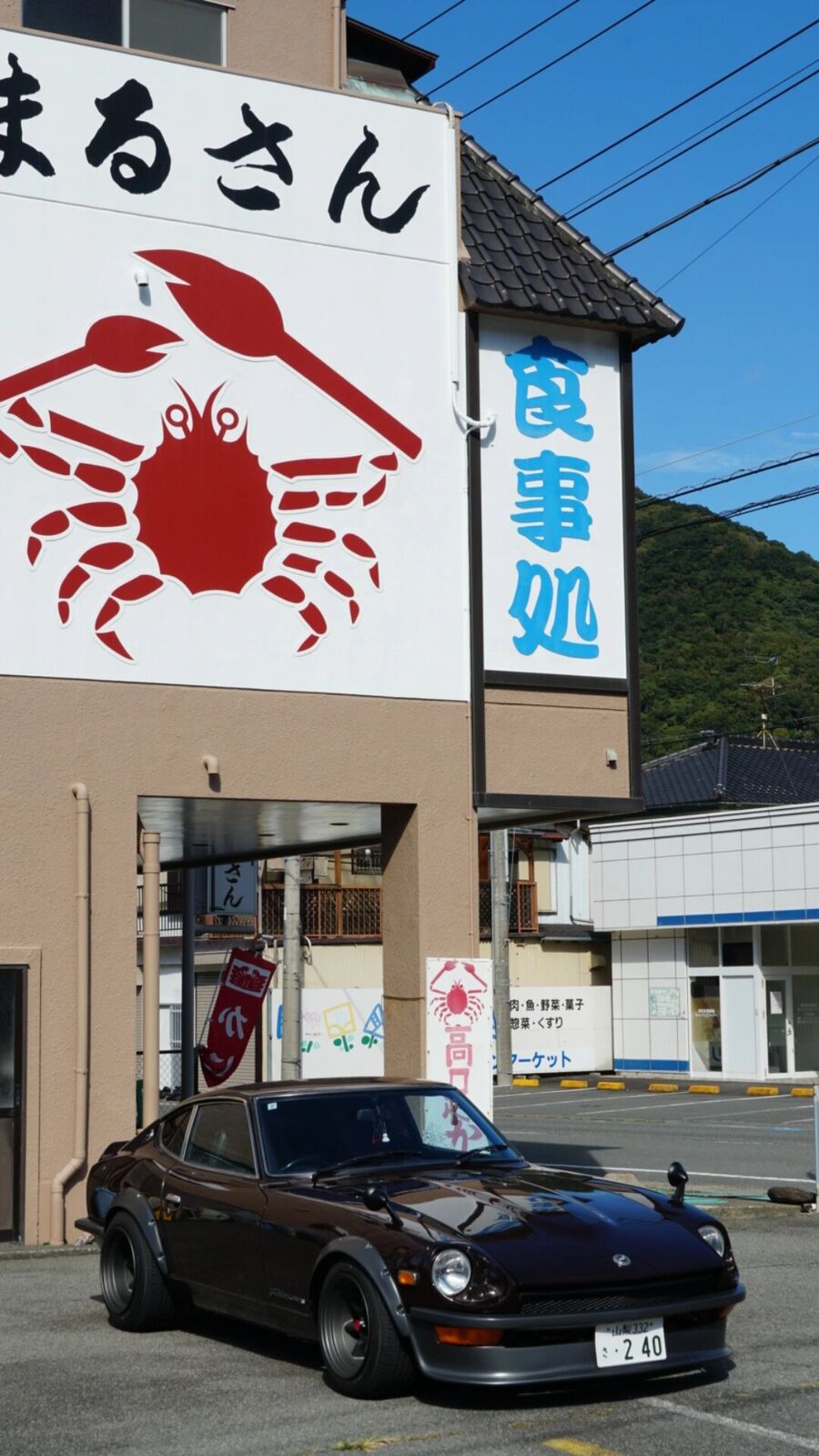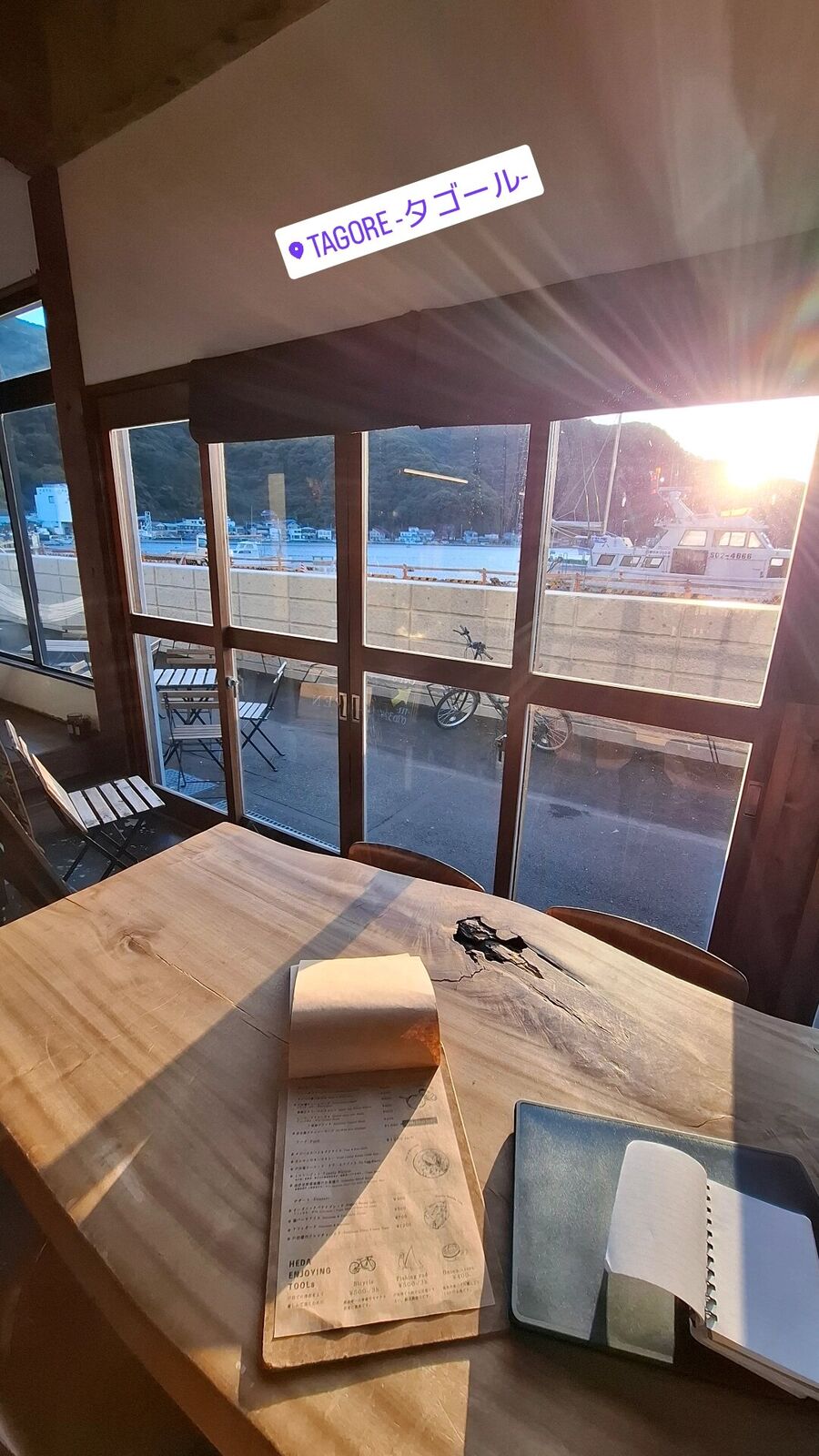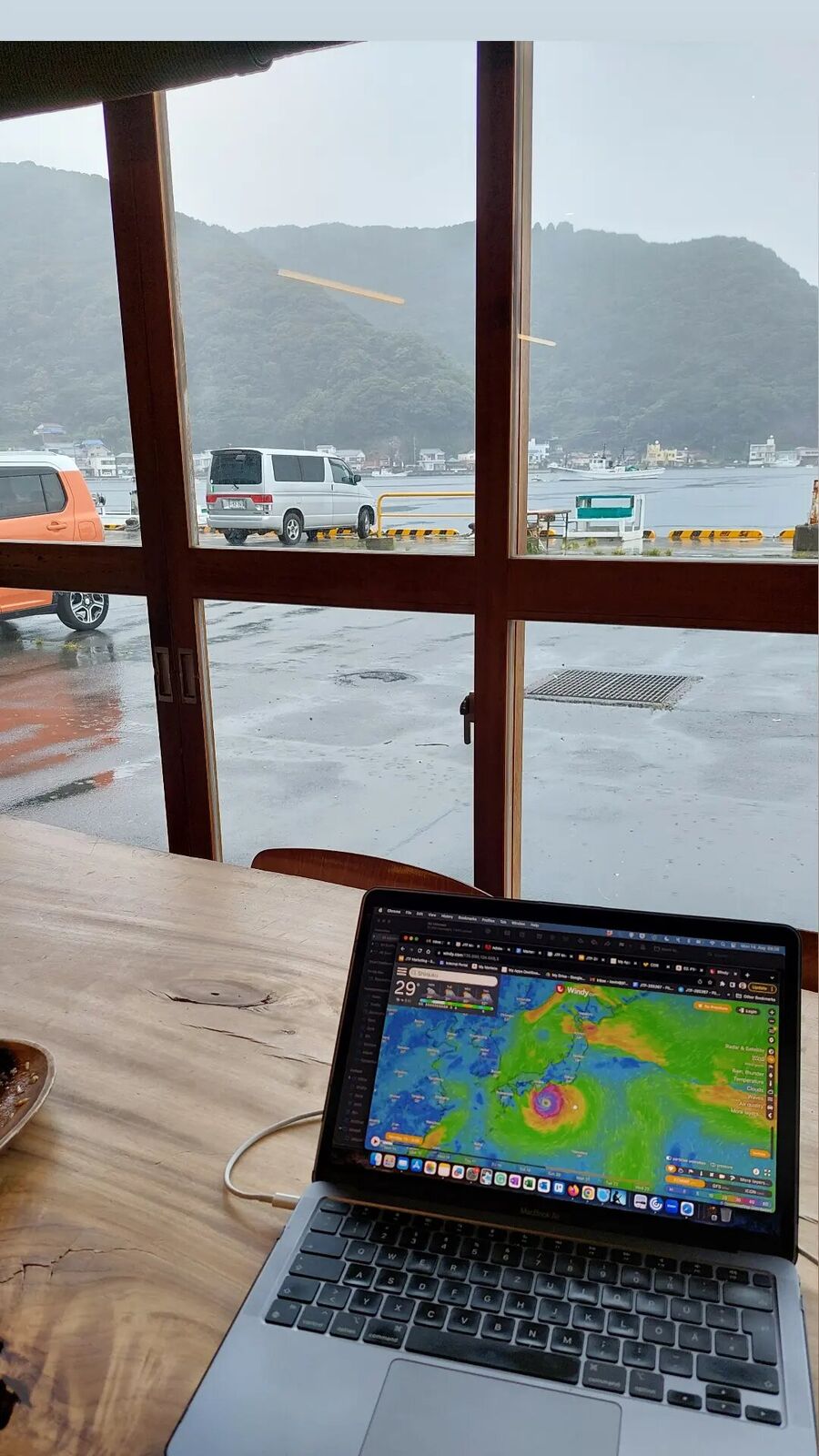
If someone asked me to pick one place in Japan, one place that I would go back to even if I could only visit once more, it would be Heda. No hesitation. I've been coming here every year for as long as I've been traveling Japan, spending at least a week each time, sometimes more. It's a small fishing village on the western coast of the Izu Peninsula, and it does absolutely nothing to attract your attention. Which is exactly why it has all of mine.
The Combination
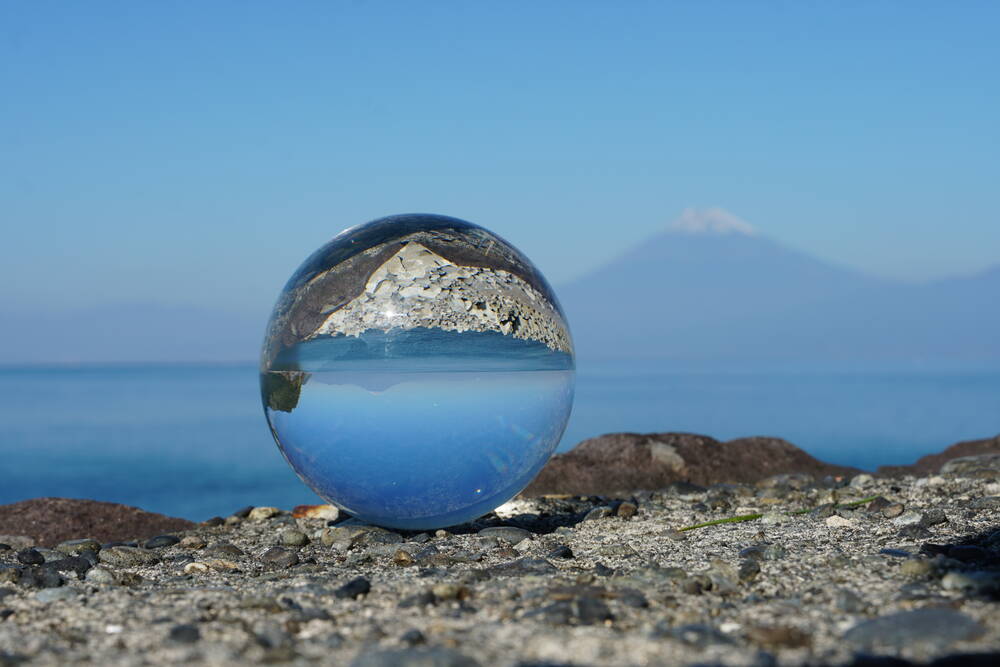
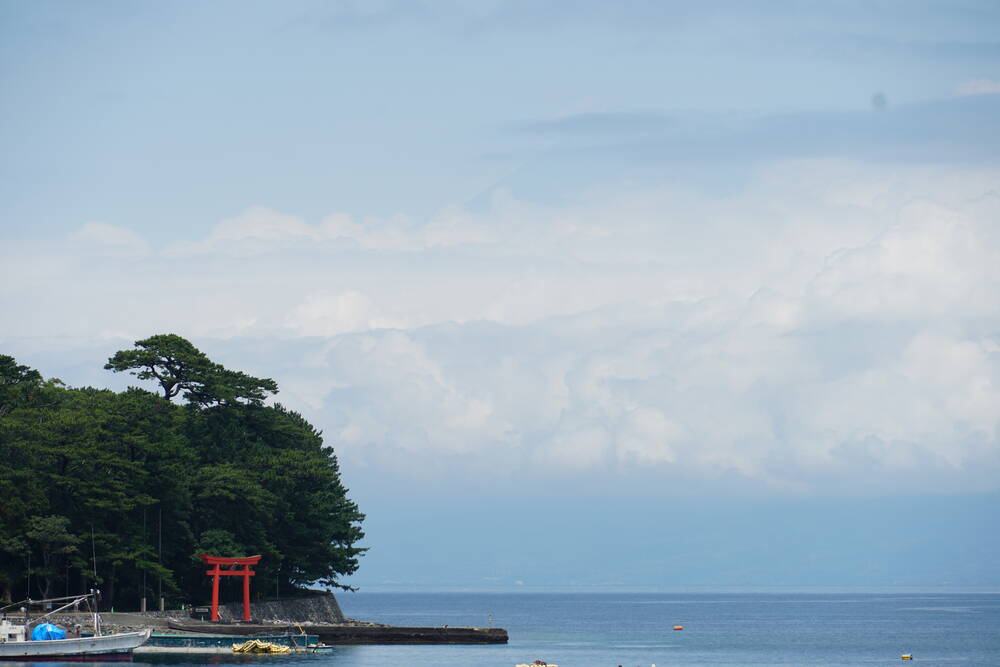
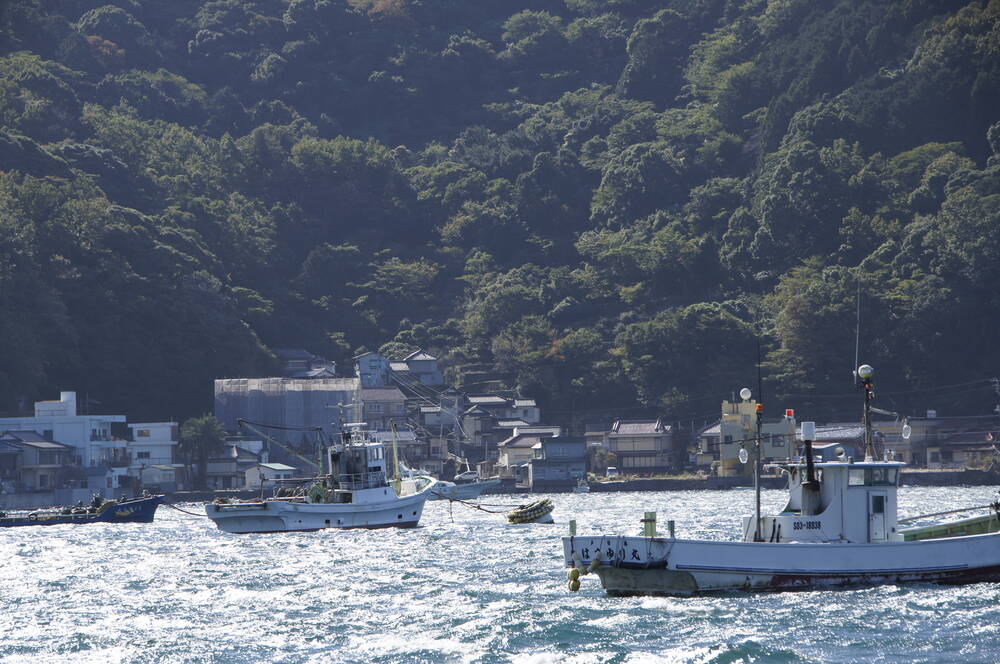
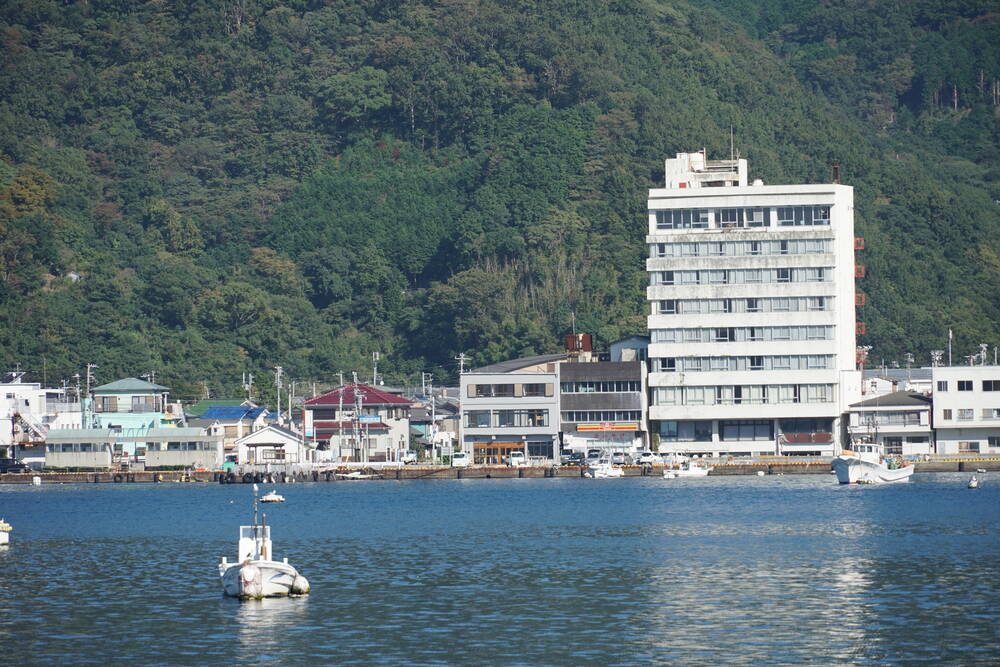
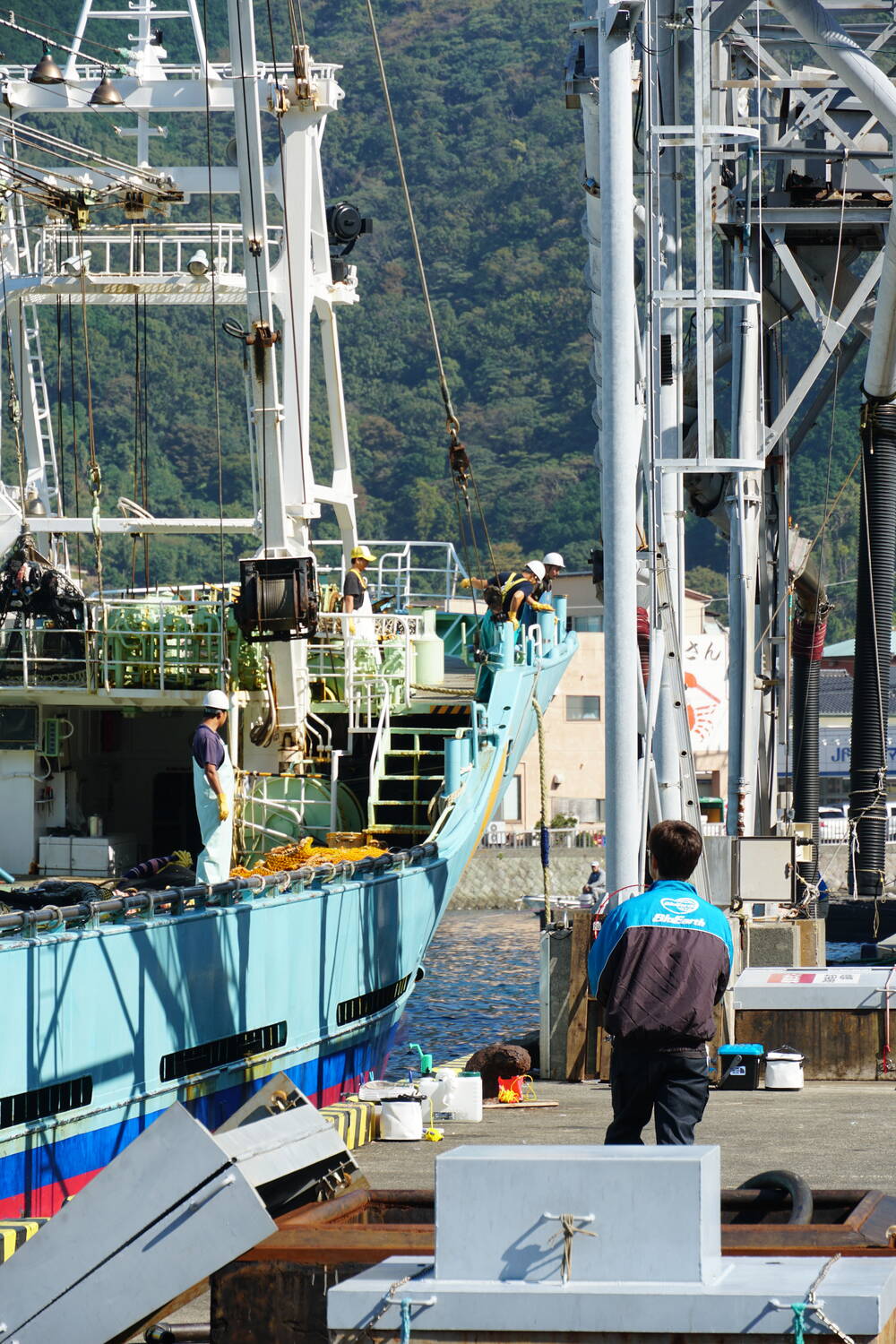
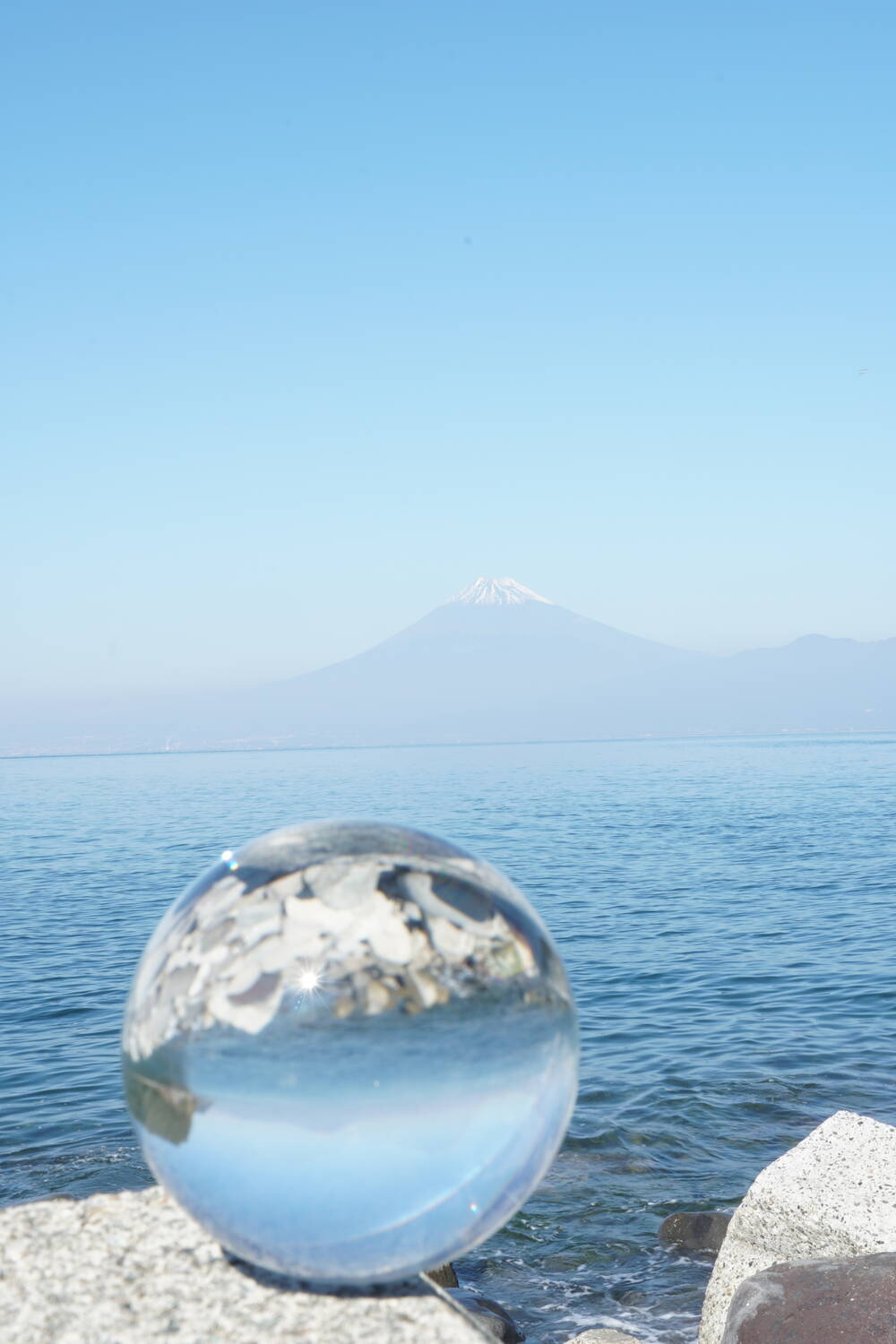
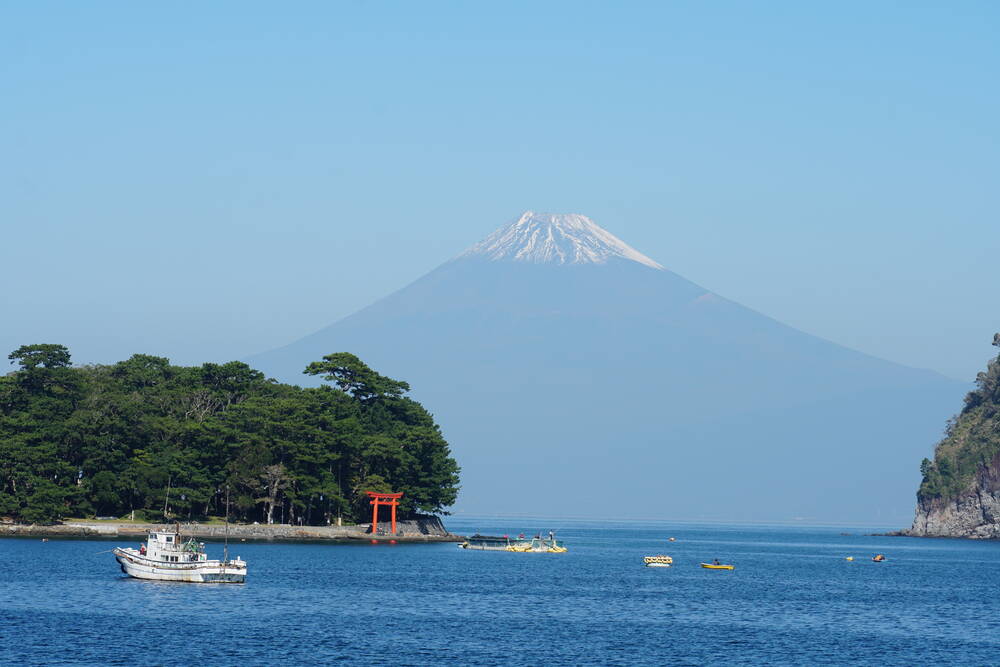
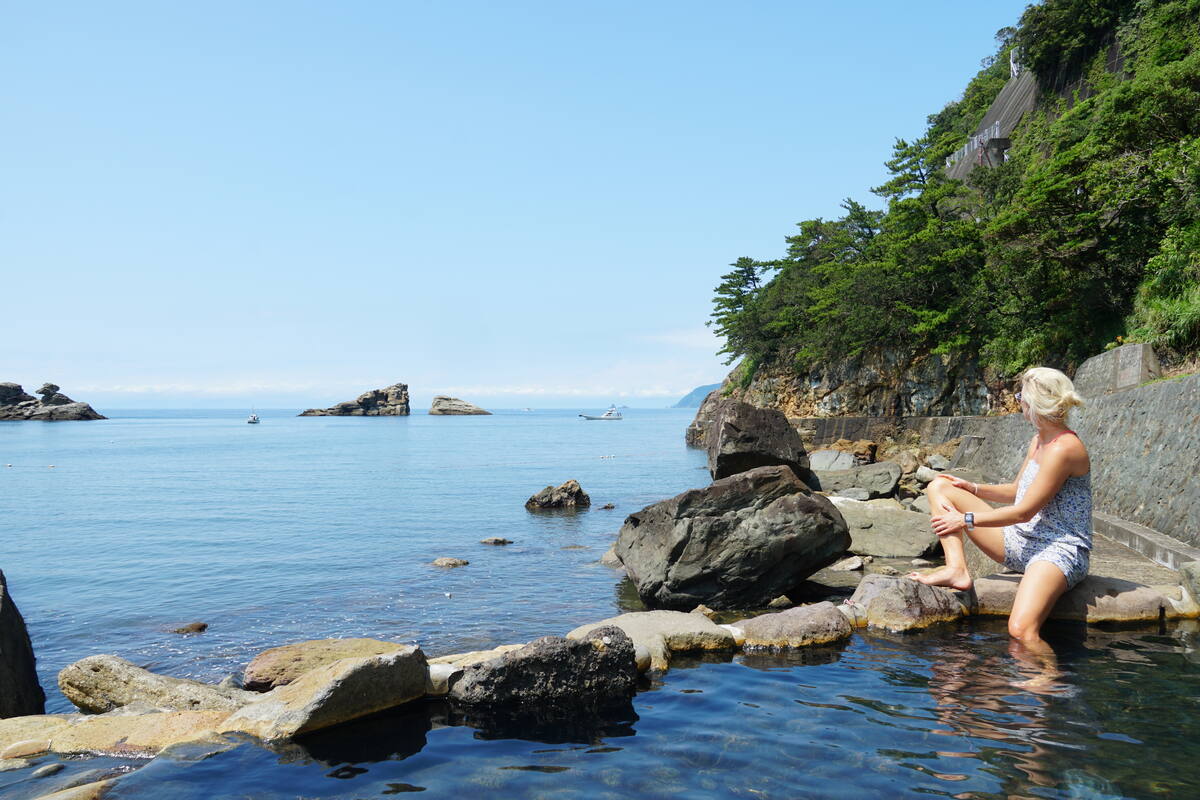
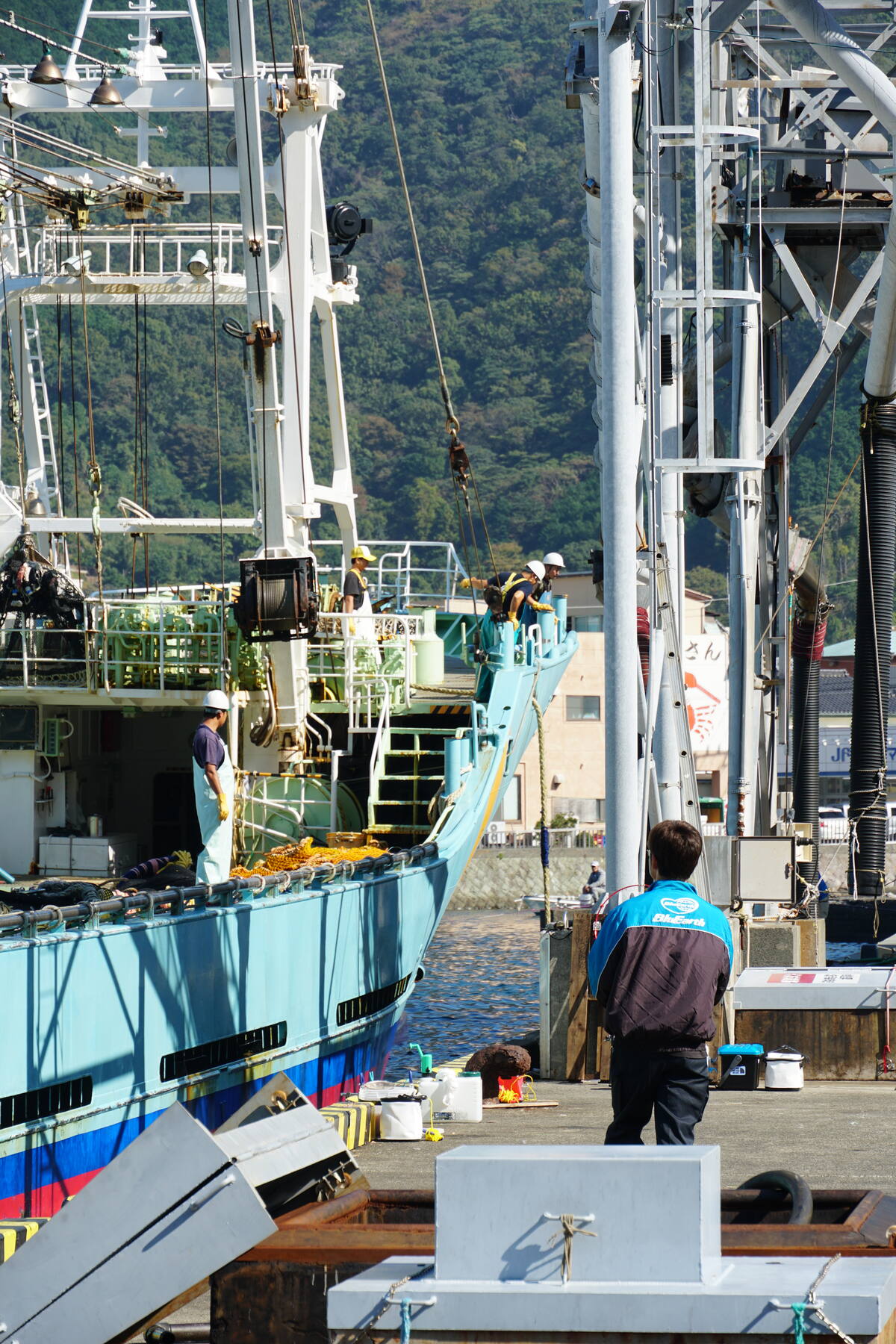
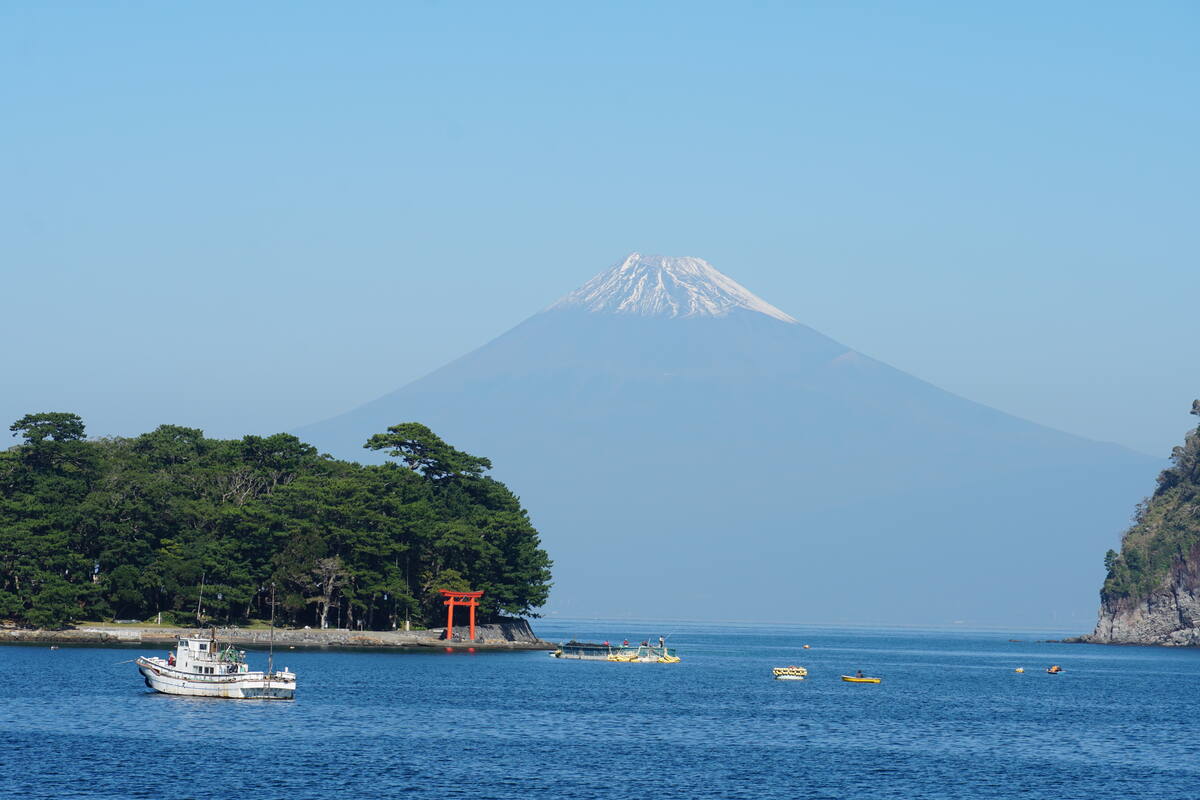
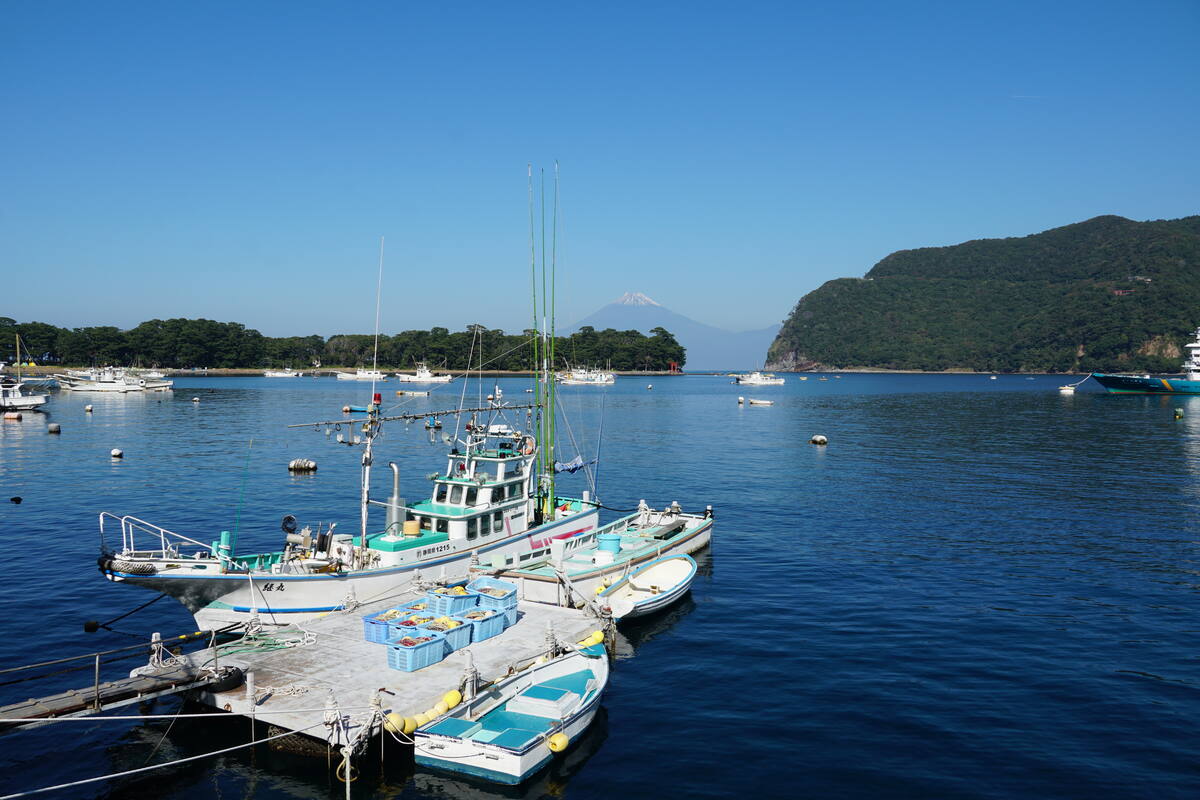
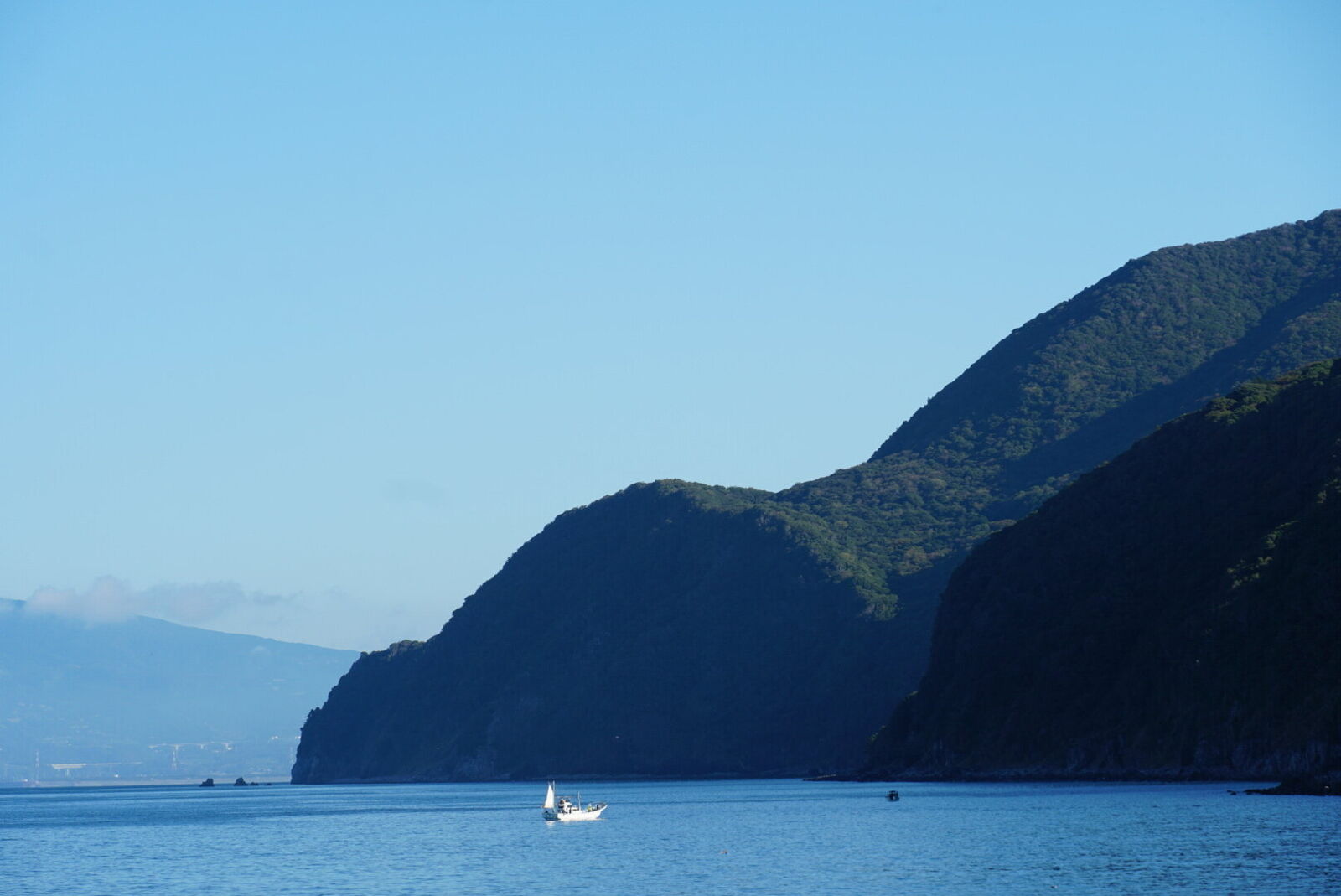
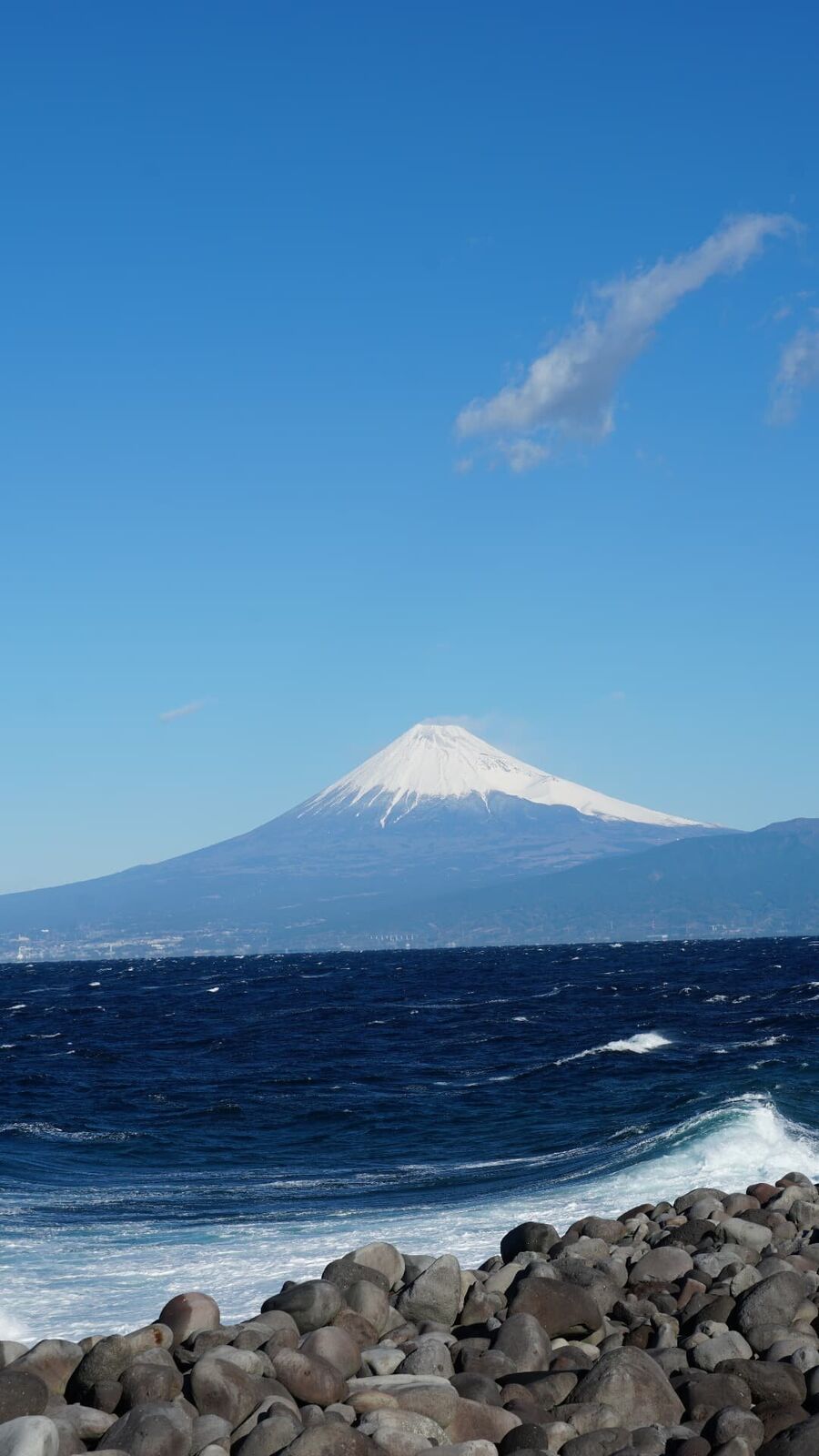
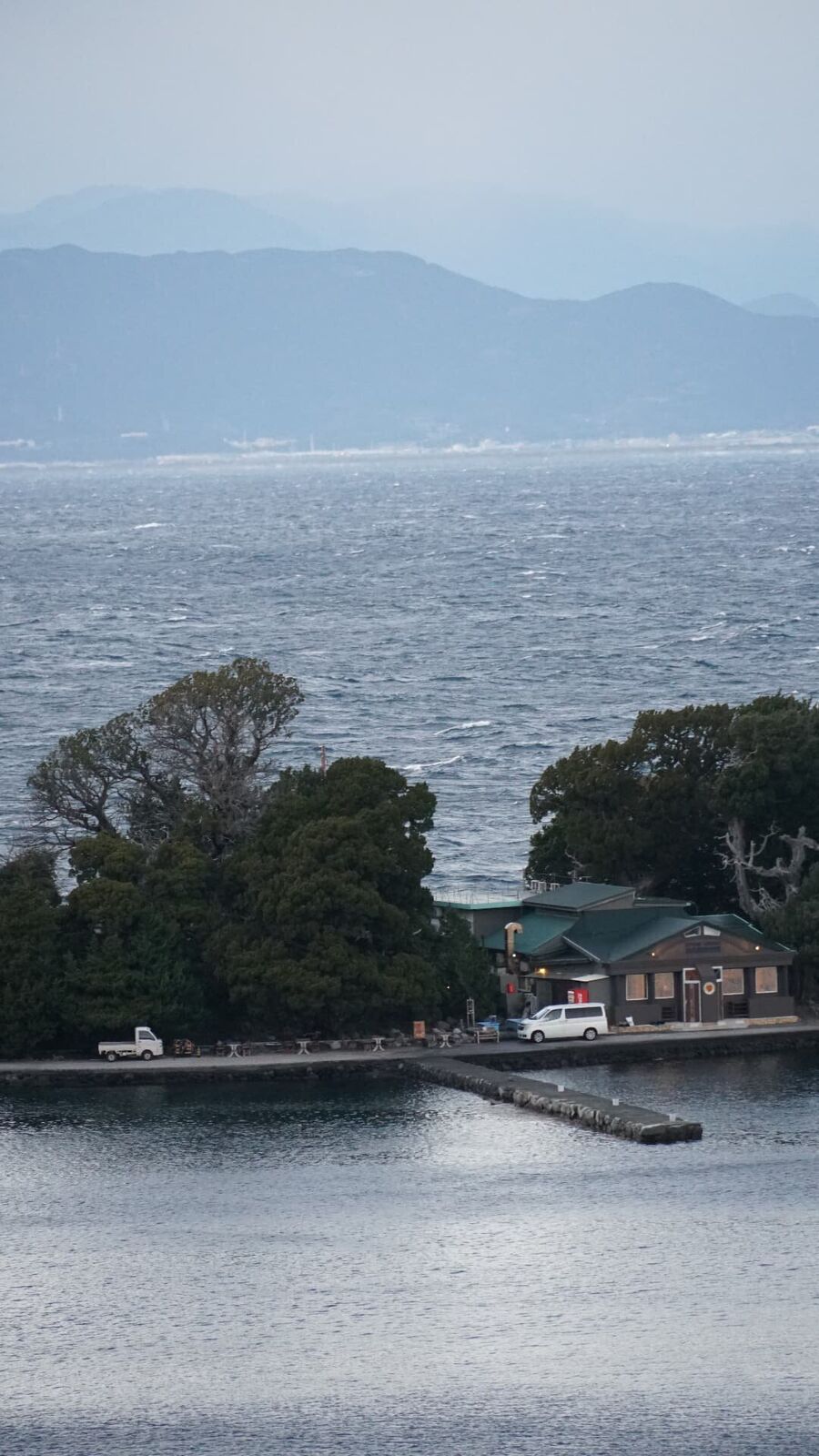
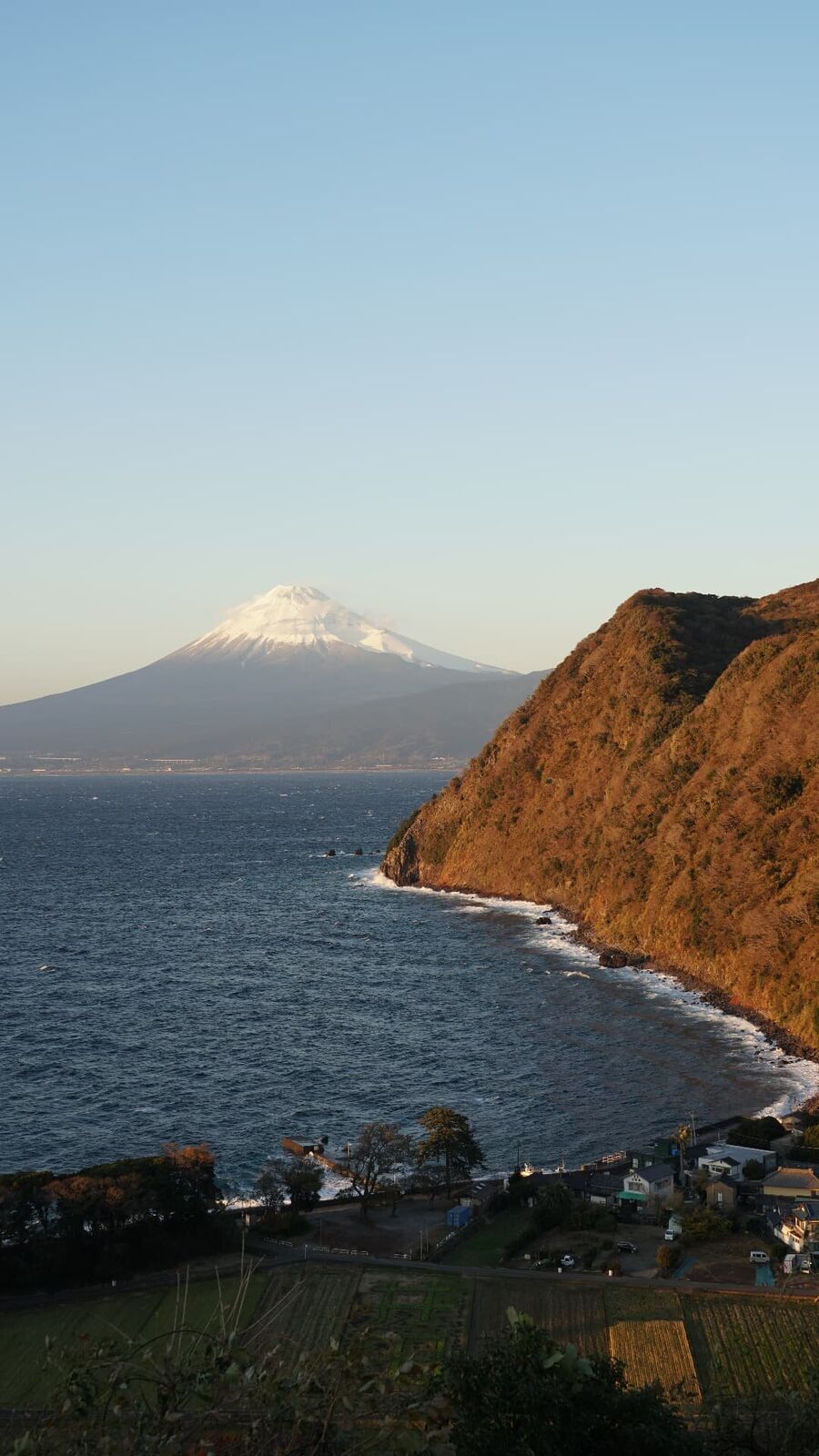
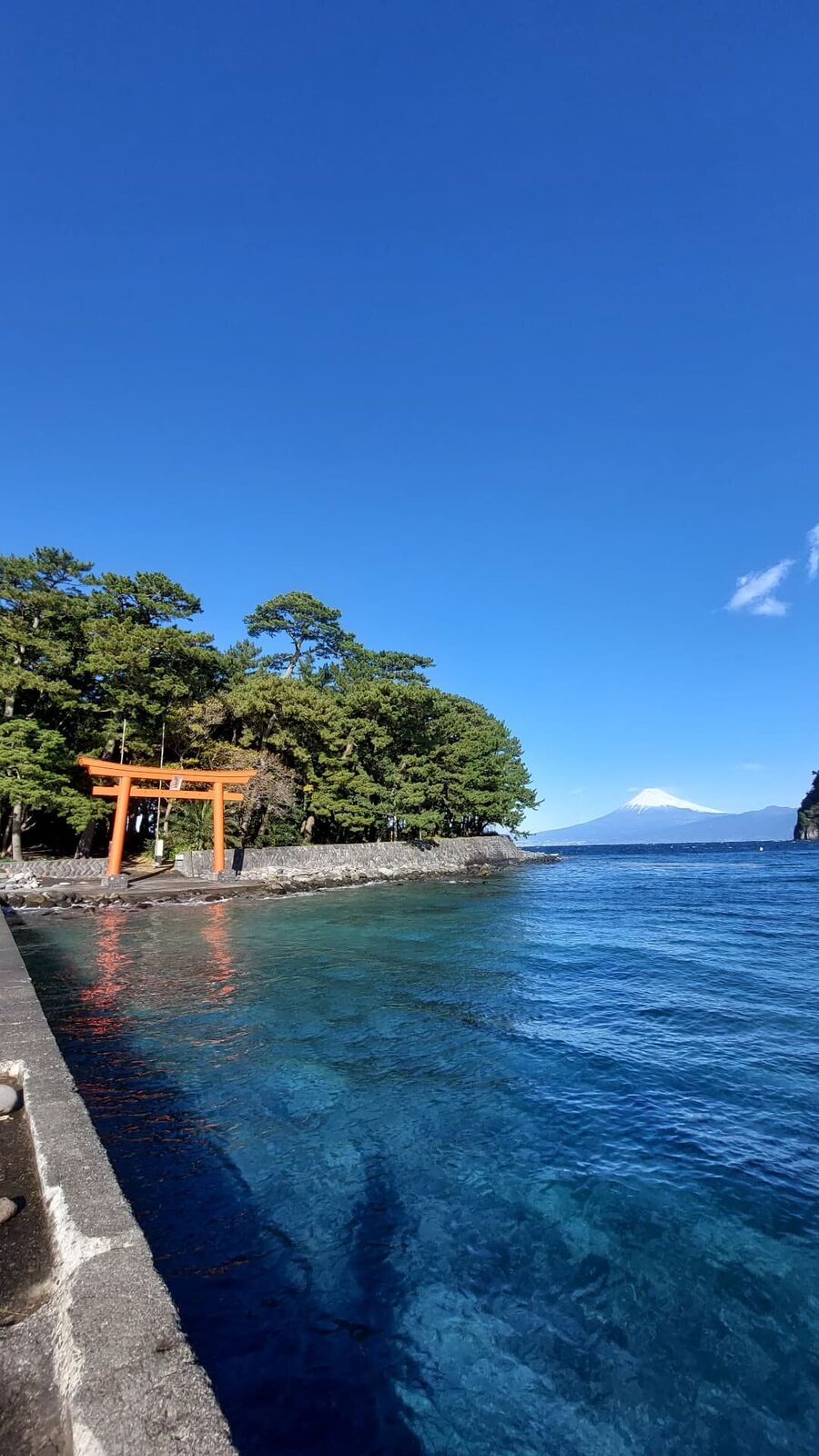
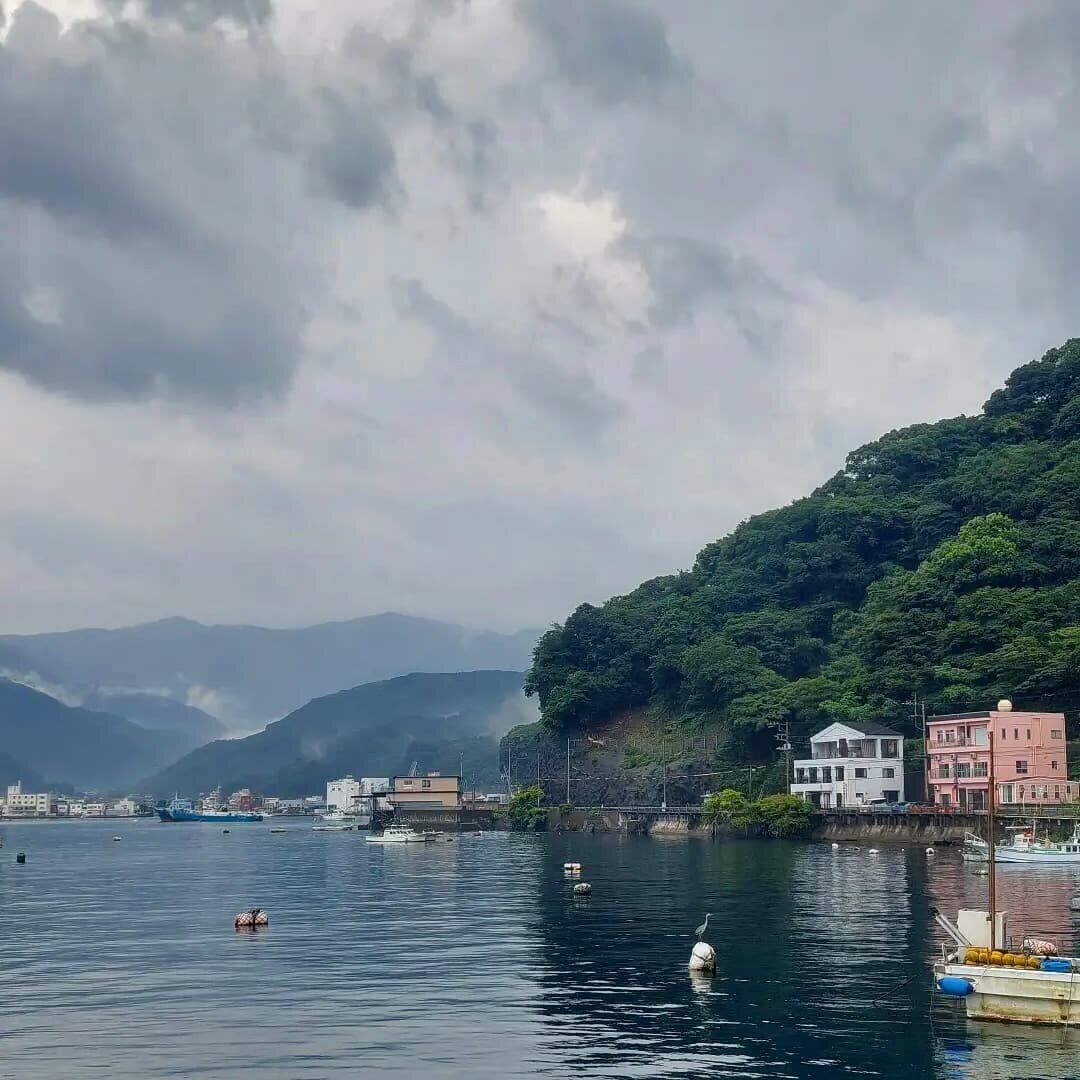
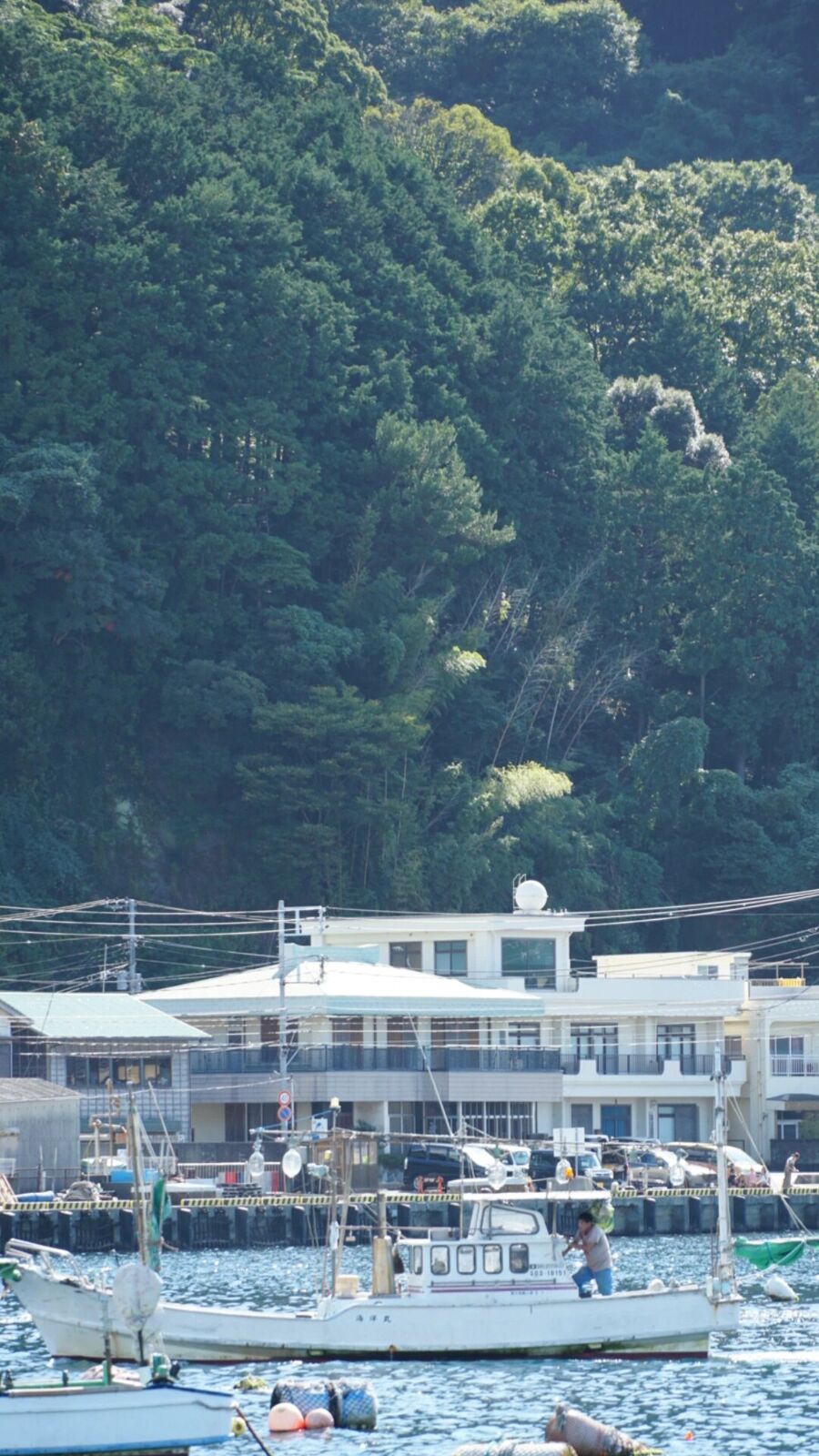
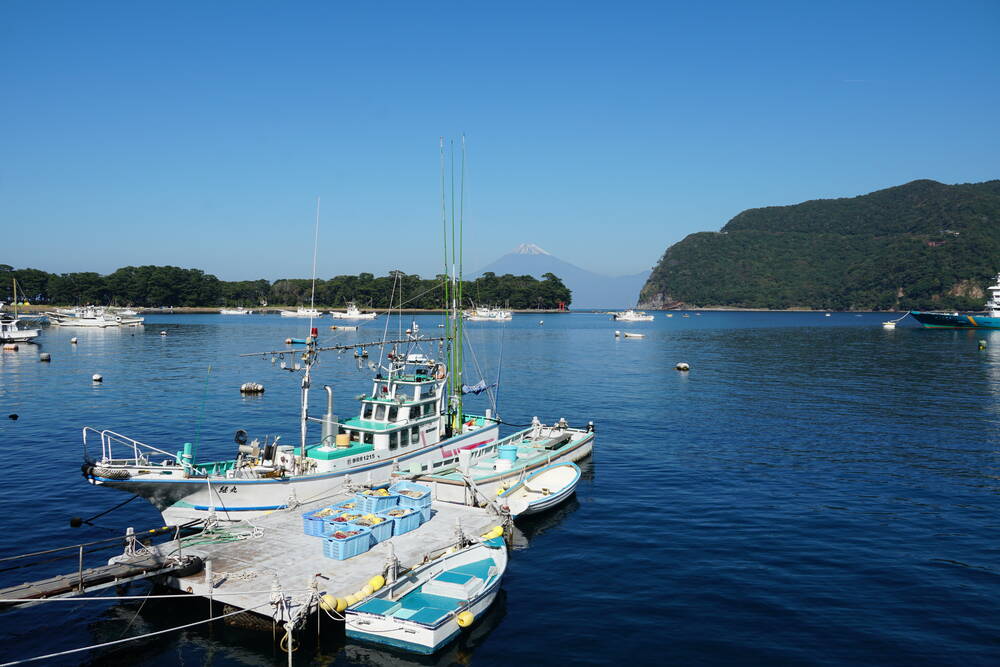
What makes Heda special isn't any single thing. It's the combination. A working fishing harbour with colourful boats bobbing at the docks. Mount Fuji visible across the Suruga Bay on clear mornings, snow-capped and impossibly perfect. A deep-sea trench just offshore that drops two kilometres straight down, bringing giant spider crabs up from the depths as the village's signature delicacy. An onsen at the Michi-no-Eki with an outdoor foot bath where you can sit with your udon bowl and watch the harbour. A shrine on a pine-covered peninsula with a red torii gate. Walking trails that wind up into the mountains behind the village with panoramic views all the way to Fuji. A strand where you can swim in summer. A small roastery serving proper coffee. And everywhere, the sound of water and wind and not much else.
Heda is the kind of place where you arrive planning to stay two days and end up staying five. I know because that's exactly what happened the first time, and every time since, I've just built the full week in from the start.
A Typical Day
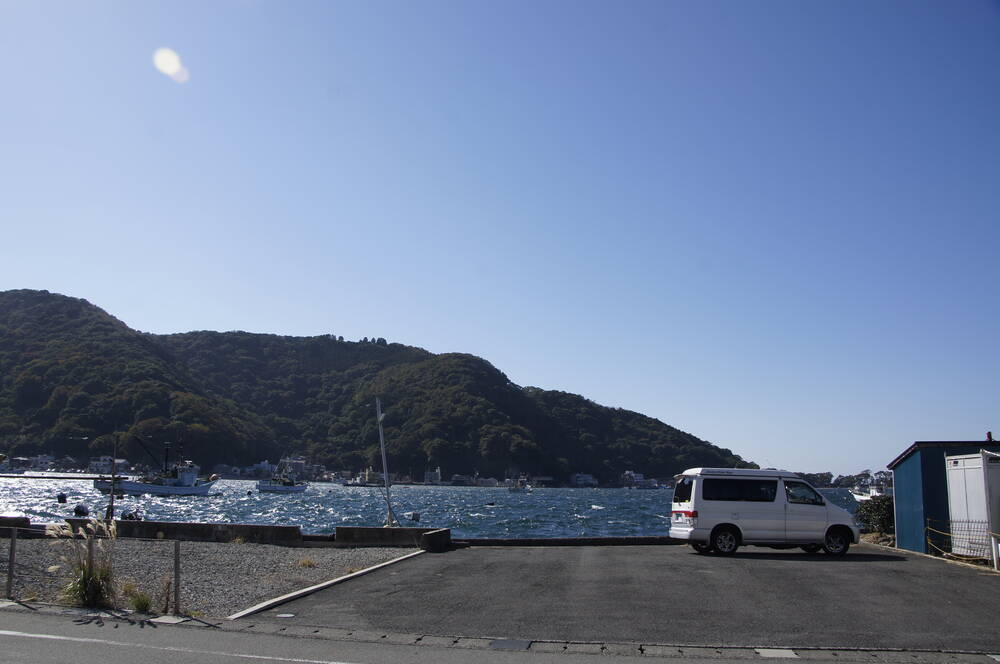
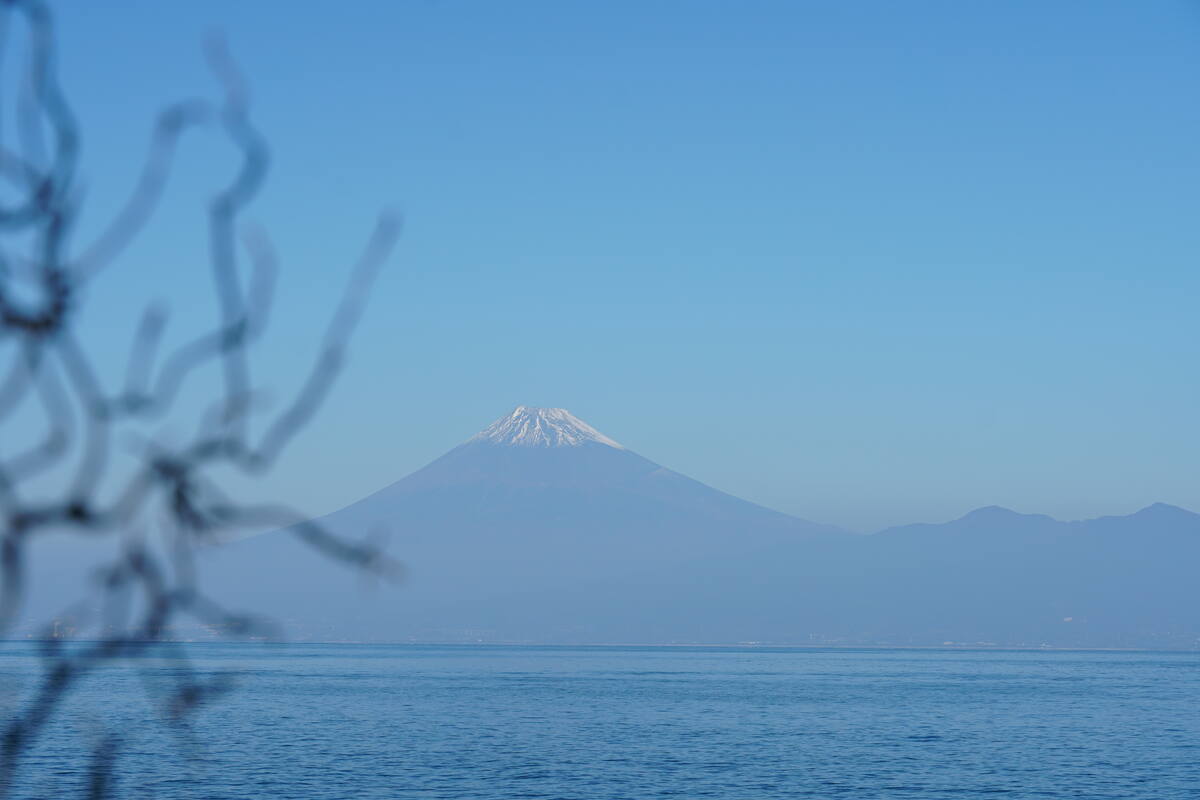
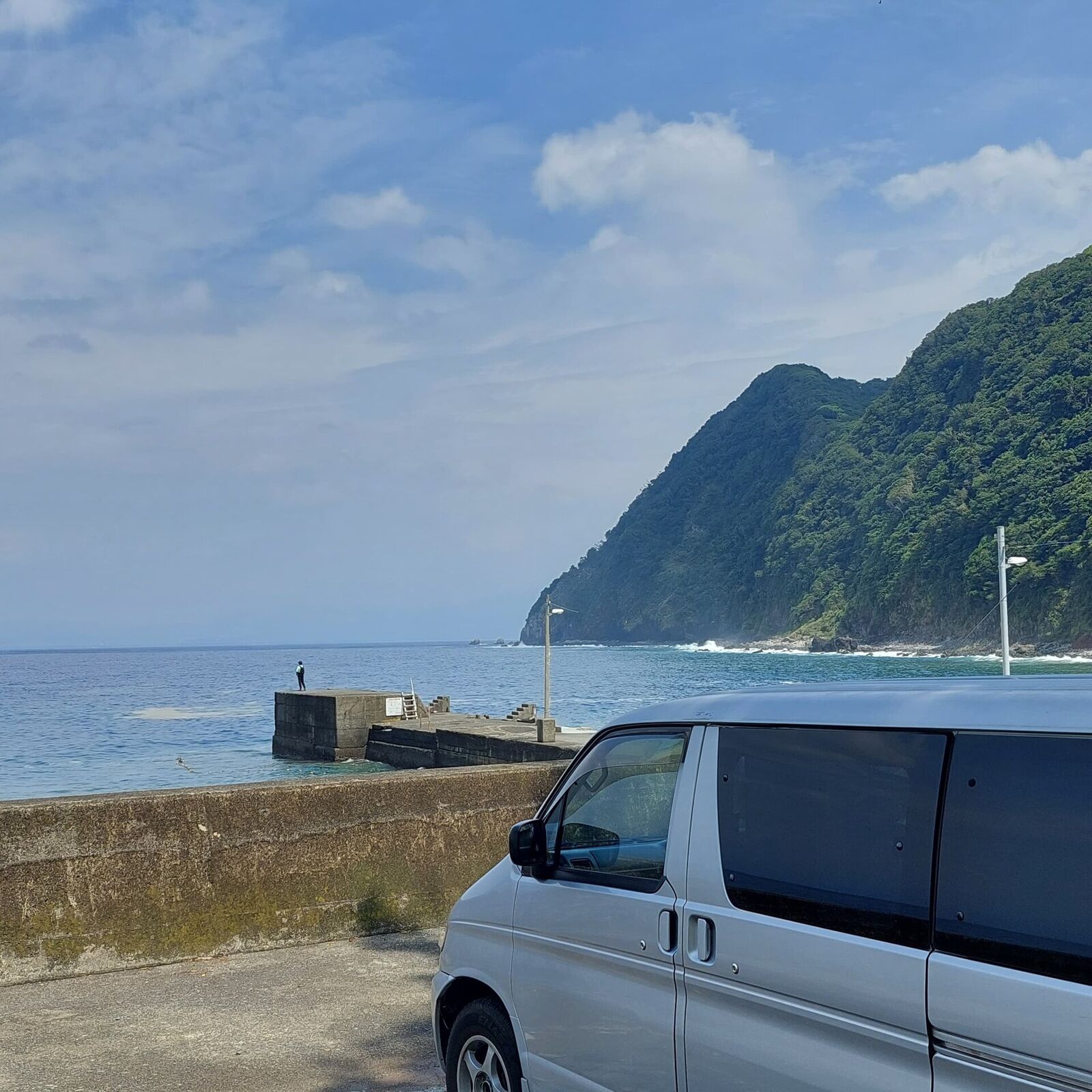
I park the campervan at the Michi-no-Eki or, in the off-season, down by the lighthouse where the local anglers set up for the night. Wake up early, because if you want to see Fuji, morning is your window. The mountain is clearest at sunrise before the heat and haze build up. In autumn and winter, the chances are good. In summer, you might go days without seeing it, but then a typhoon passes and the sky clears and there it is, suddenly, like a hologram materializing across the bay.
Morning routine: walk or jog along the harbour. Pick up a coffee at the convenience store by the bus stop. Maybe walk out to the shrine on the peninsula, where the old pines lean into the wind and the torii gate frames the open sea. Then breakfast at the Michi-no-Eki restaurant - an udon bowl that costs almost nothing and tastes like it's been perfected across generations. After that, the outdoor foot bath at the onsen, feet in hot water, eyes on the harbour. This is not a complicated life. That's the point.
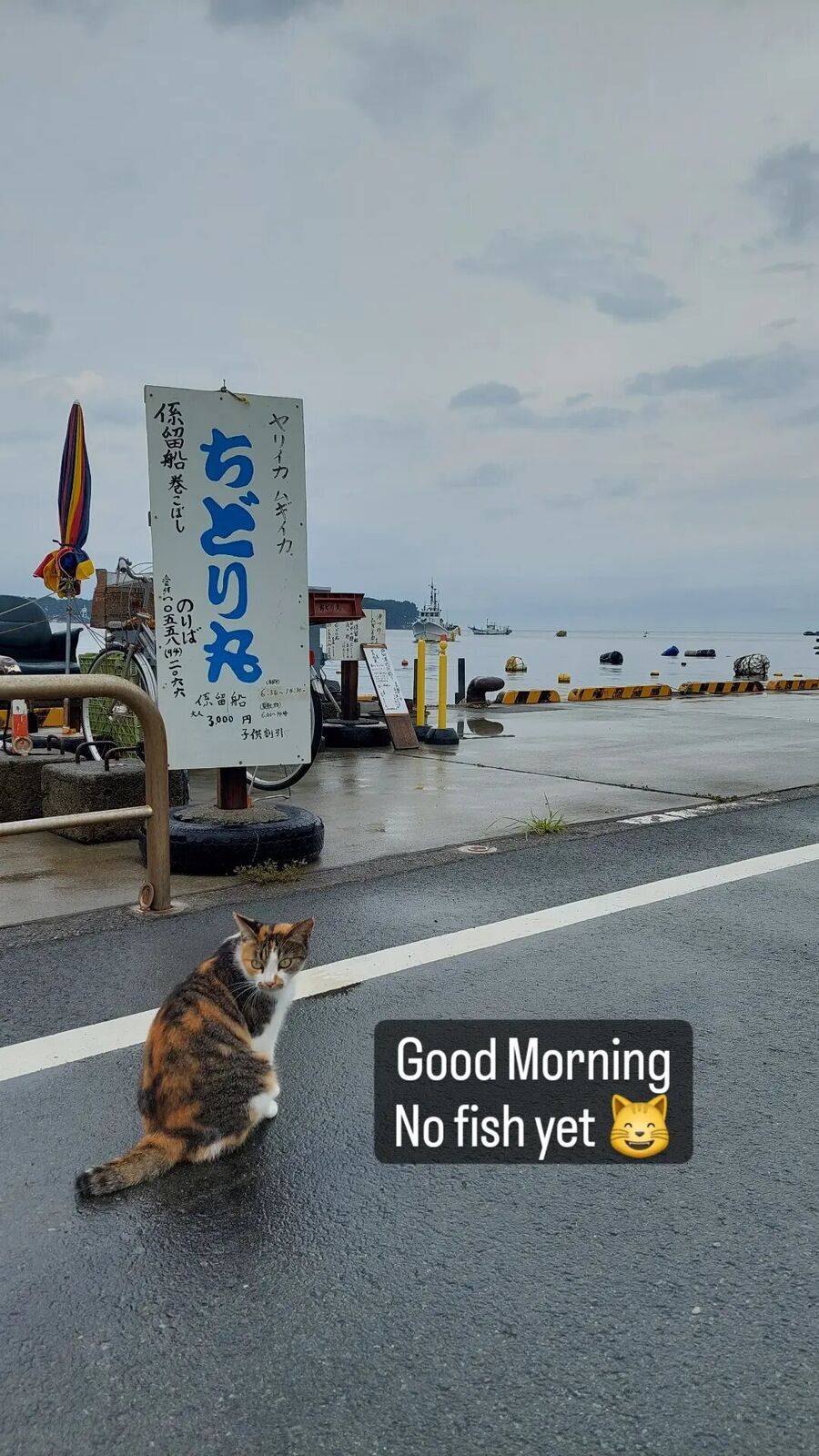
The rest of the day writes itself. Explore the village on foot - it's small enough that you can walk every street in an hour, but you'll want to go slowly. Drive the mountain pass road behind the village to one of the parks with a view across the bay. Sit at the harbour and watch the fishing boats come and go. Read a book. Take photos. Talk to the anglers. Do nothing at all, and do it well.
Beautiful Decay
Heda is one of those Japanese villages that has lost its young people to the cities. The school barely has enough students to stay open. Houses stand empty. The population has been declining for decades, and you can feel it in the quiet streets and the absence of the kind of bustle that even small Japanese towns usually have. It's a bit melancholy, yes. But it's also what keeps Heda authentic. There are no souvenir shops rebranding the village for Instagram. No tour buses. No crowds.
Right next to the Tagore Hostel, there's a large concrete hotel from the bubble era - the 1980s, when money flowed and resorts were built everywhere on speculation. It's been abandoned for decades now. Windows dark, pigeons nesting in the upper floors, concrete slowly weathering. It sounds depressing, but somehow it's not. It's part of Heda's character. Japan is full of these ghost structures from the bubble years, and seeing one up close, right next to a functioning harbour and a thriving hostel, is a reminder that economies come and go but fishing villages endure. Everything in Heda is well-maintained and clean, as is standard in Japan. This isn't neglect - it's simply a place that time moves through slowly, like the tide.
The Tagore
The Tagore Hostel sits right on the waterfront, overlooking the harbour. I've stayed there many times, and it's become part of my Heda ritual. The rooms with a harbour view are something else - fall asleep to the sound of boats, wake up to Mount Fuji if you're lucky. But what makes the Tagore special is the evenings. The common area attracts travelers from everywhere, and because Heda is the kind of place that only committed travelers find, the conversations tend to be good. I've met people from all over - Germans, Australians, Japanese - and stayed in touch with several of them through Instagram long after leaving. It's a hostel that creates connections, which is what the best hostels do.
The Russian Ship
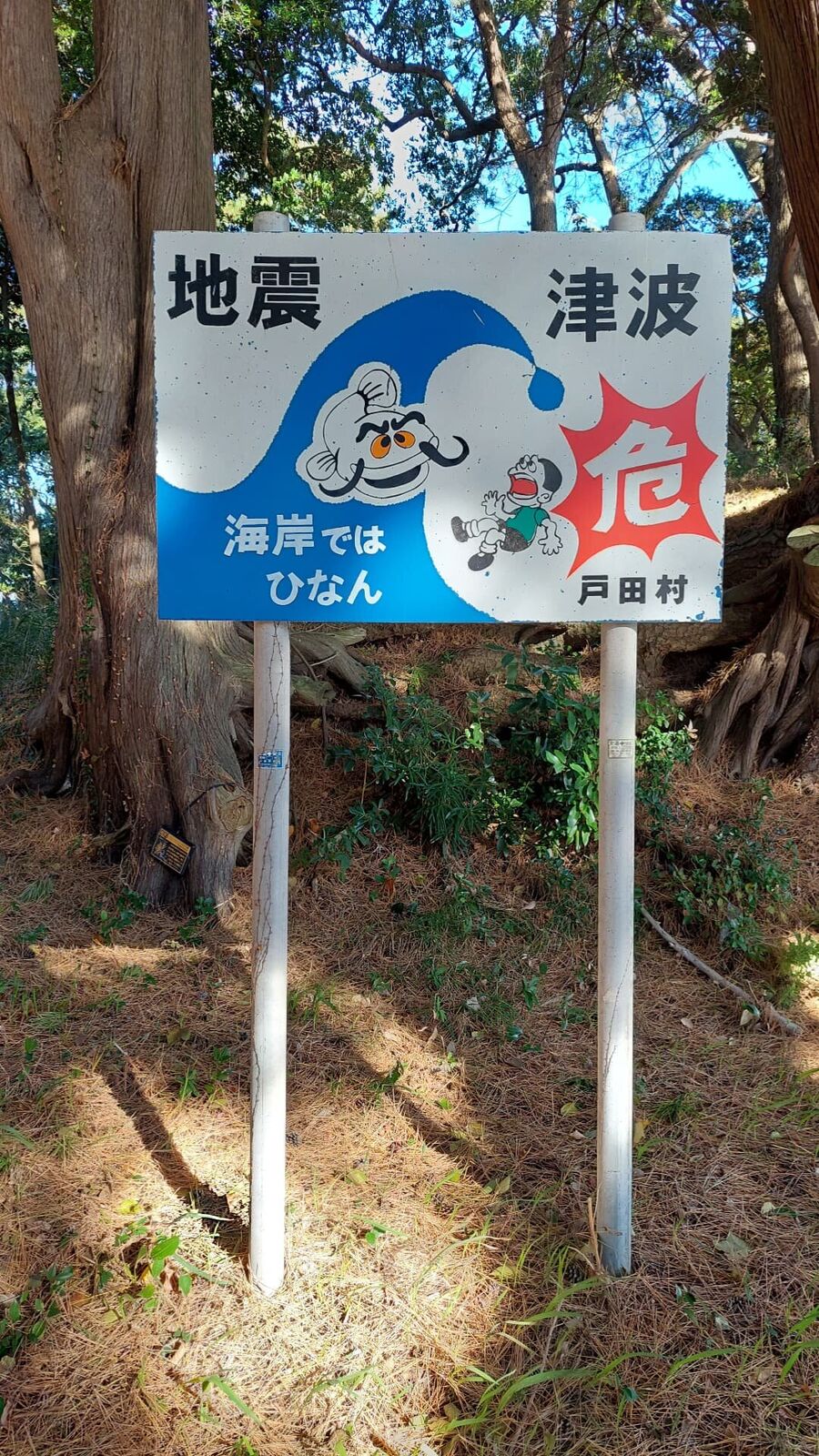
Heda has a historical claim to fame that most visitors don't know about. In 1854, a Russian frigate called the Diana was wrecked in the harbour during a tsunami caused by the great Ansei earthquake. The Japanese villagers helped the Russian sailors survive, and together they built a replacement ship - the Heda-gou - which became the first Western-style vessel ever constructed in Japan. There's a museum on the peninsula near the shrine, and the village celebrates this story with the annual Come to Heda Festival, complete with food trucks, music, and an anime film about the event. The fact that this sleepy village played a role in Japan's modernization, and that the locals still celebrate a moment of international cooperation from 170 years ago, adds a layer of depth that you wouldn't expect from a place this small.
The Deep
Just offshore from Heda, the Suruga Bay drops into one of the deepest underwater trenches near any coastline in Japan. The depth brings up giant spider crabs - takaashi-gani - that are the local specialty. You can see them in tanks at the harbour restaurants, their impossibly long legs folded and shifting in the water. I'll be honest: I'm a pescatarian who loves fish and sushi, but something about those crabs makes me uneasy. The legs hanging over the edge of the tank, the slow alien movement. But for seafood lovers, this is a destination in itself. The crab restaurants in Heda serve them fresh, and people drive from Shizuoka and beyond specifically for this.
Practical Info
Location: Western coast of the Izu Peninsula, Shizuoka Prefecture. About 2.5 hours from Tokyo by car. View on Google Maps
Access: Best reached by car. Bus services exist from Shuzenji but are infrequent.
Stay: Tagore Hostel (waterfront, harbour view rooms, great common area). For campervans: Michi-no-Eki Kurura Toda has parking and an onsen. Off-season, the lighthouse area works too.
Eat: Udon at the Michi-no-Eki restaurant (cheap and excellent). Takaashi-gani (giant spider crab) at the harbour restaurants. Coffee at the local roastery connected to the Tagore.
Do: Walk the harbour, visit the shrine peninsula, soak in the onsen foot bath, drive the mountain pass for views, swim at the beach (summer), attend the Come to Heda Festival (October).
Fuji view: Best in autumn and winter, early morning. Summer is often too hazy. After typhoons, the sky clears dramatically.
Fun fact: There's a dog onsen in town. Yes, an onsen for dogs.
Tip: Stay longer than you think you need to. Heda reveals itself slowly.