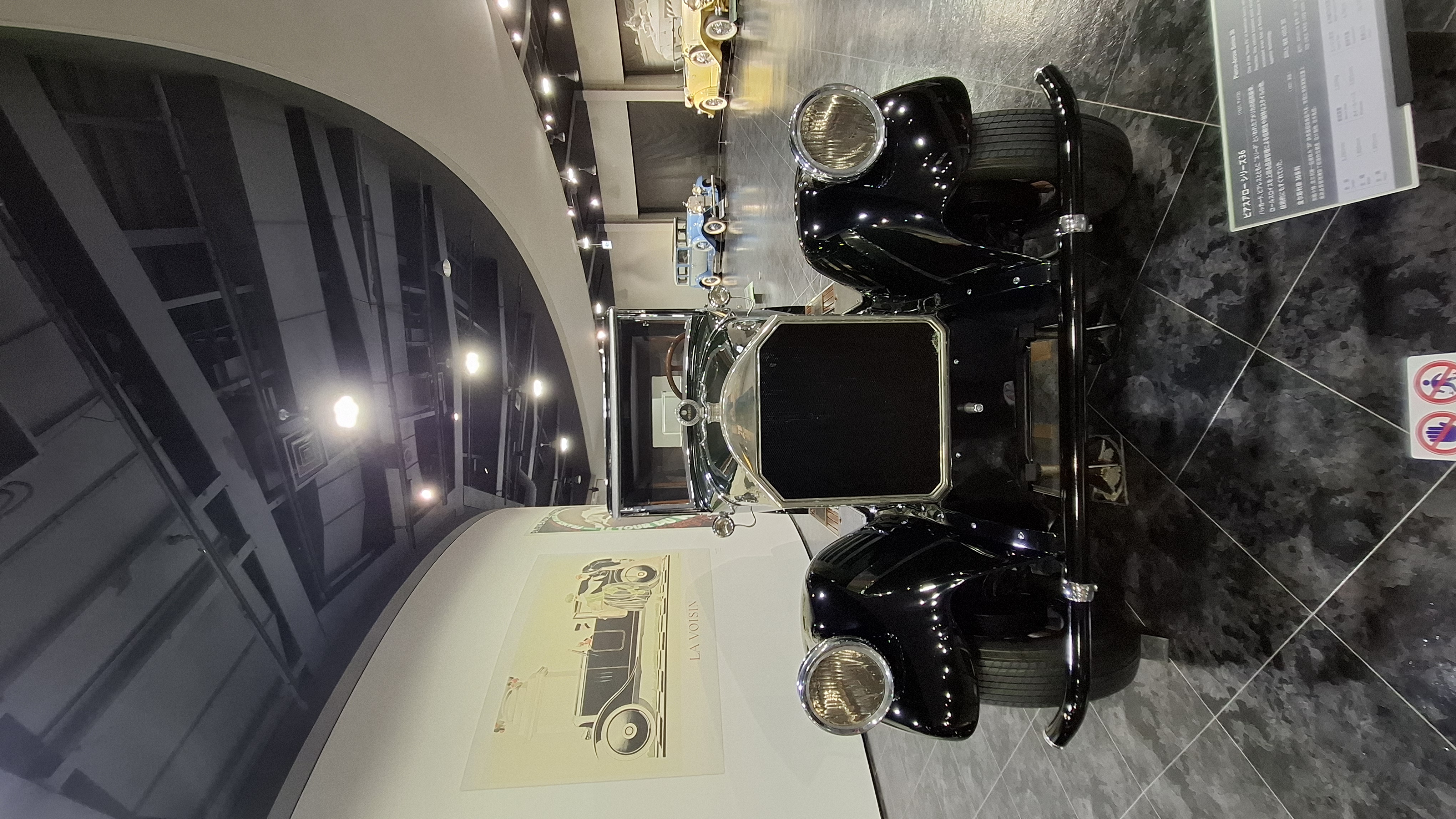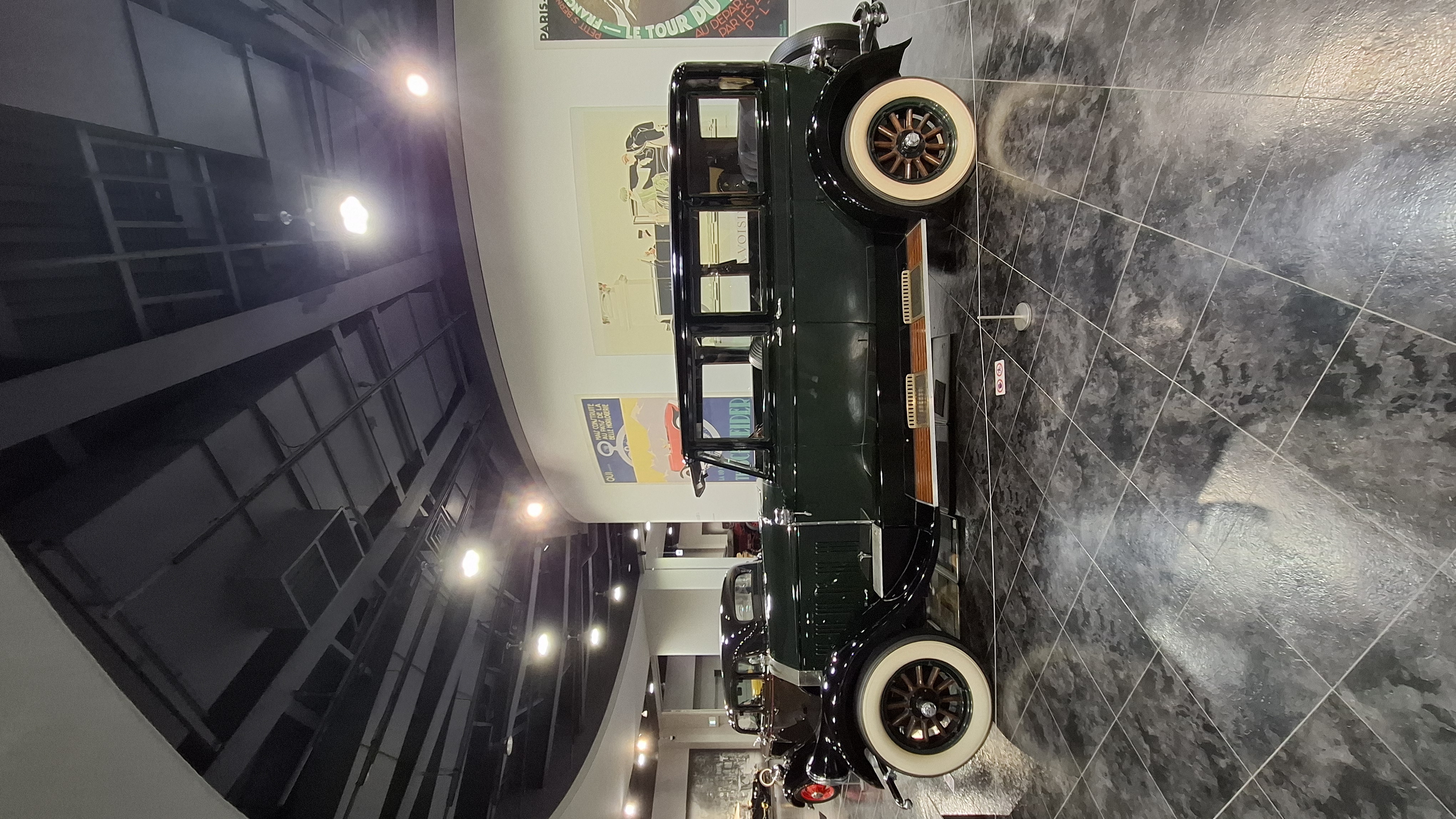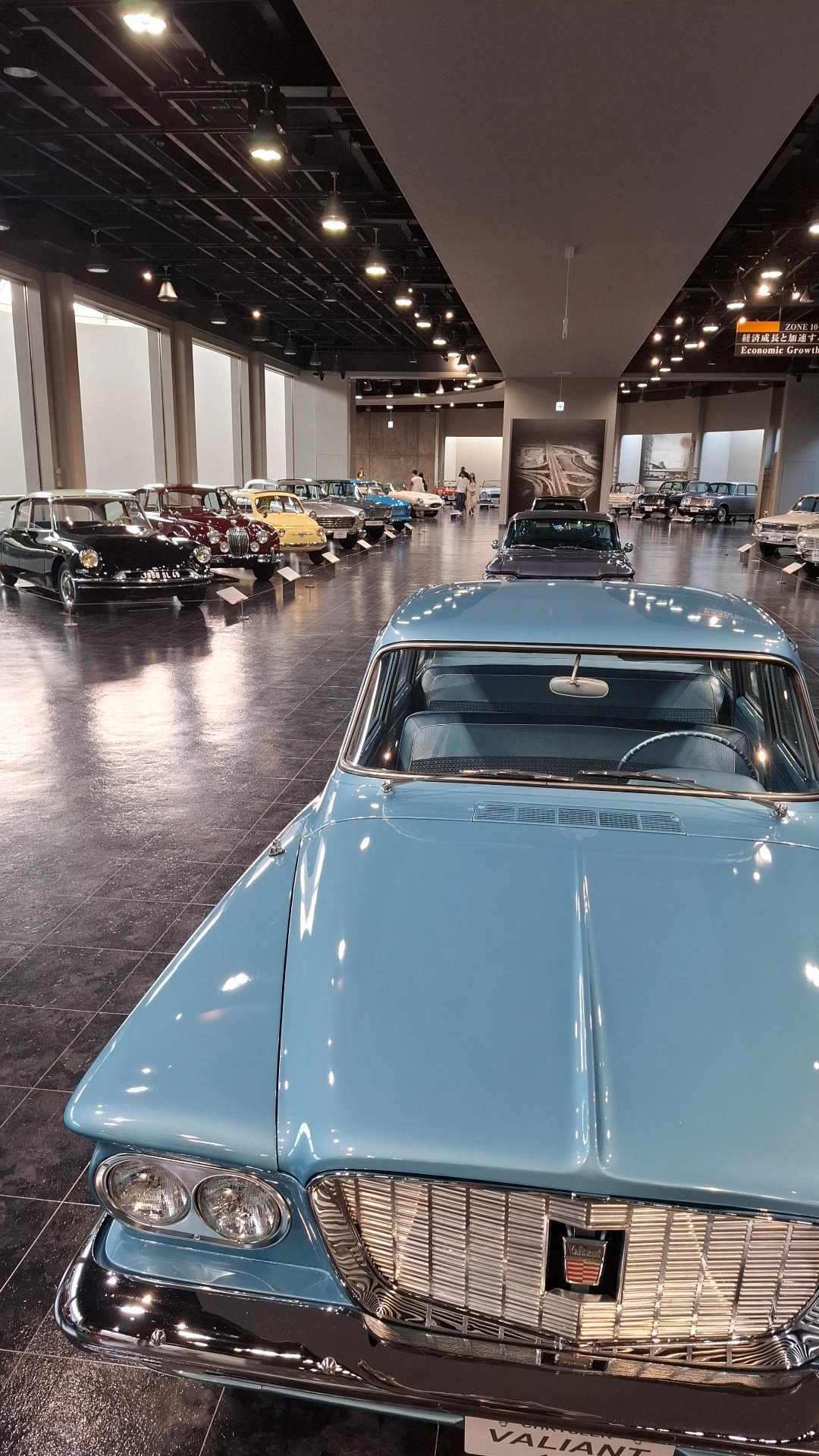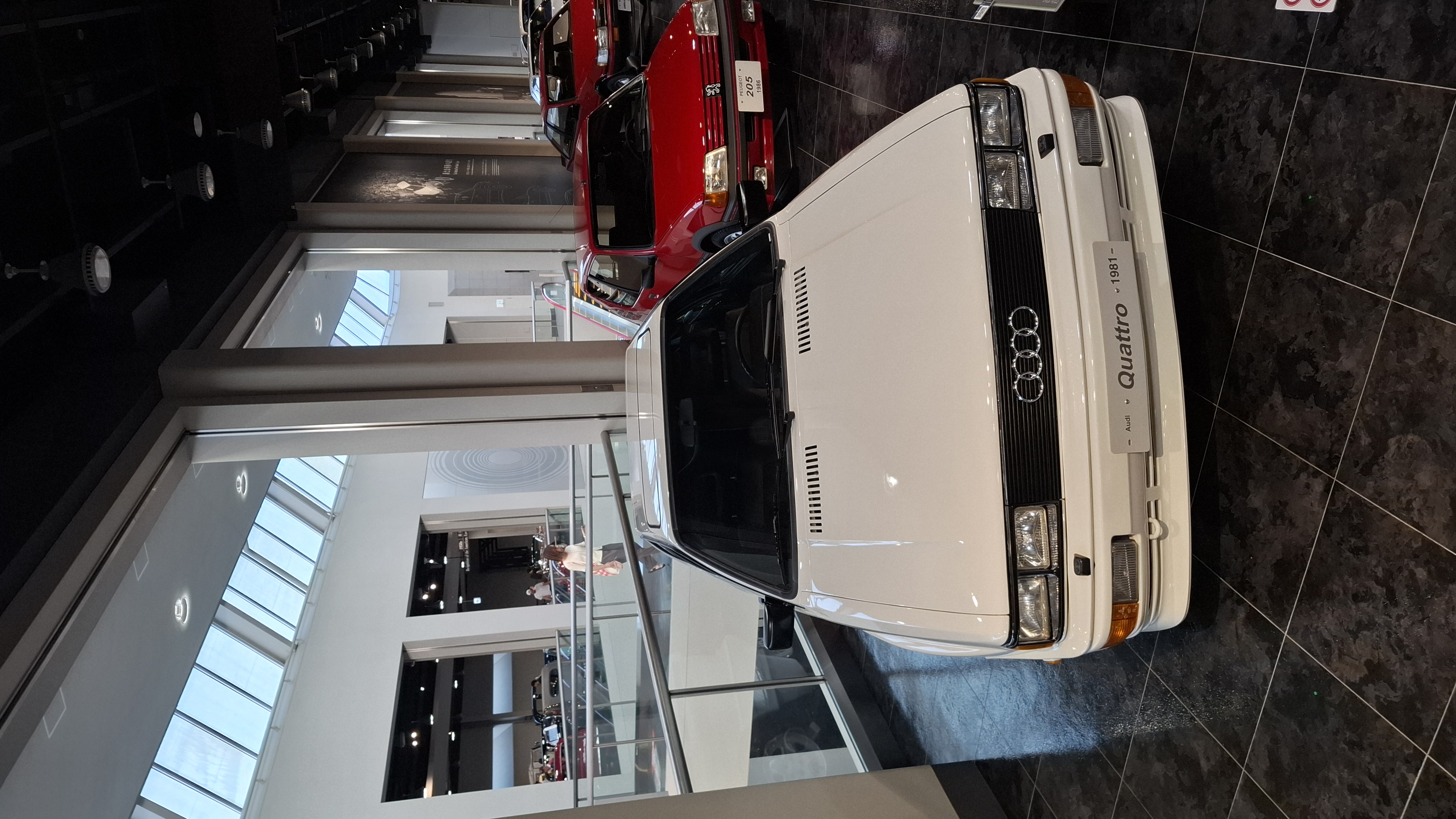
The Toyota Automobile Museum is not what you expect. The name suggests a corporate shrine to Toyota vehicles, a brand museum, a carefully controlled narrative about one company's achievements. What you actually walk into is a comprehensive history of the automobile itself, told through 140 cars from manufacturers across the world. Bugatti. Porsche. Chevrolet. BMW. Nissan. A US Presidential limousine. A Trabant. And yes, Toyota too, but as one voice in a much larger conversation.
The museum sits in Nagakute, a quiet city east of Nagoya in Aichi Prefecture. I visited during my autumn 2025 trip. It's easily reachable by Linimo, the magnetic levitation train that was built for the 2005 World Expo and still runs between Nagoya and Nagakute. Getting there is almost comically easy compared to most of the places I write about on this site.
Hood Ornaments and Art Deco
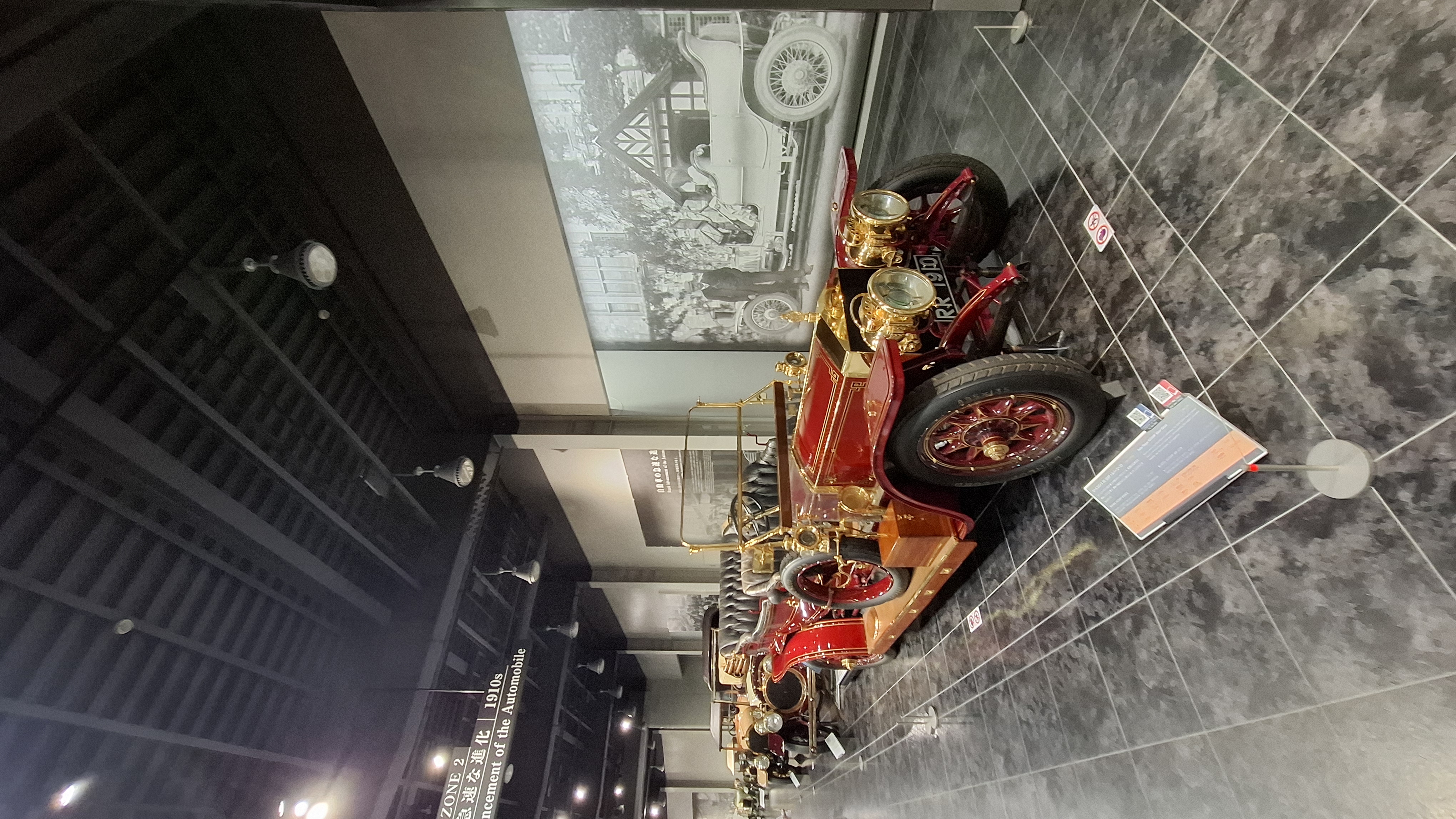
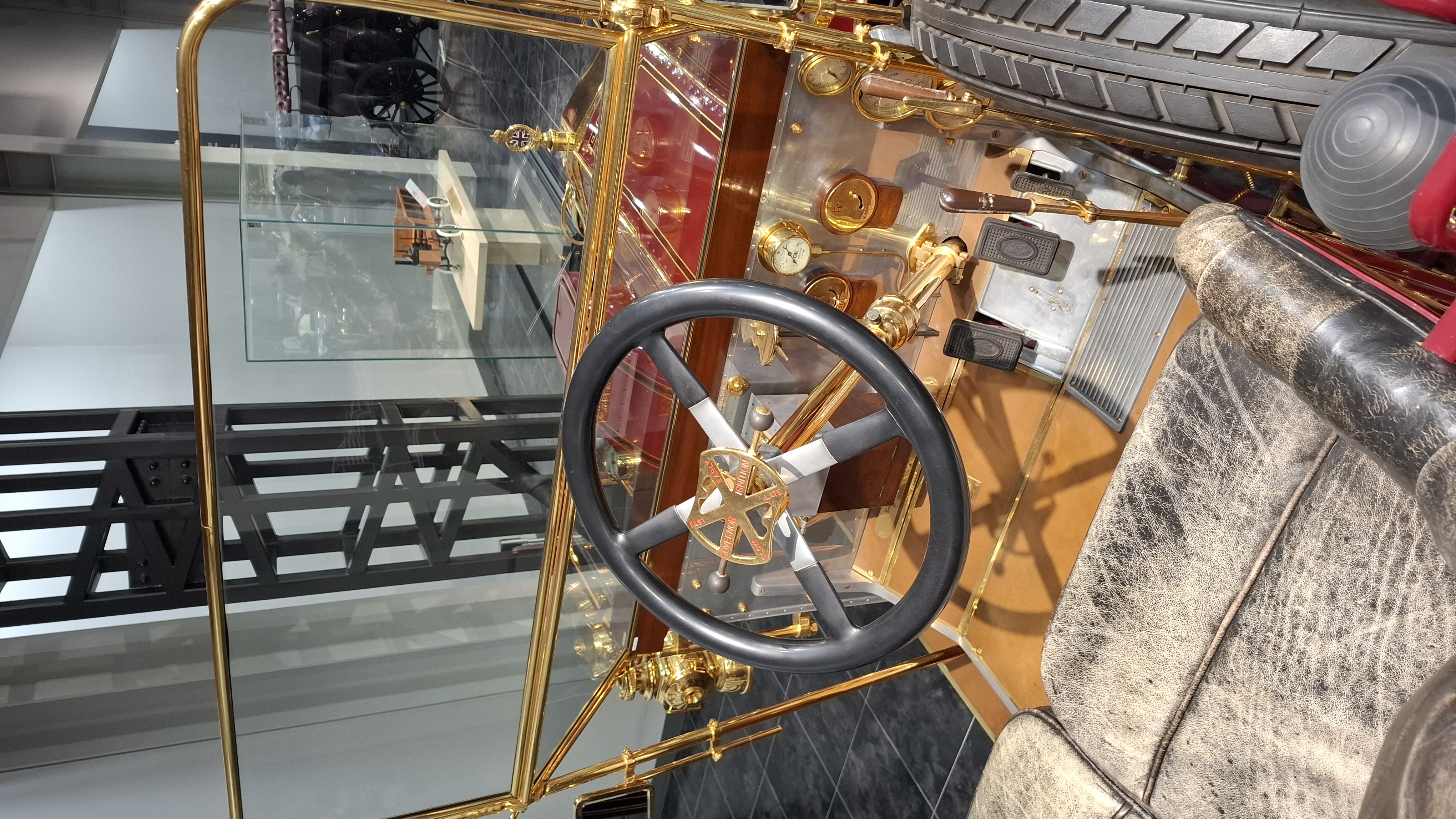
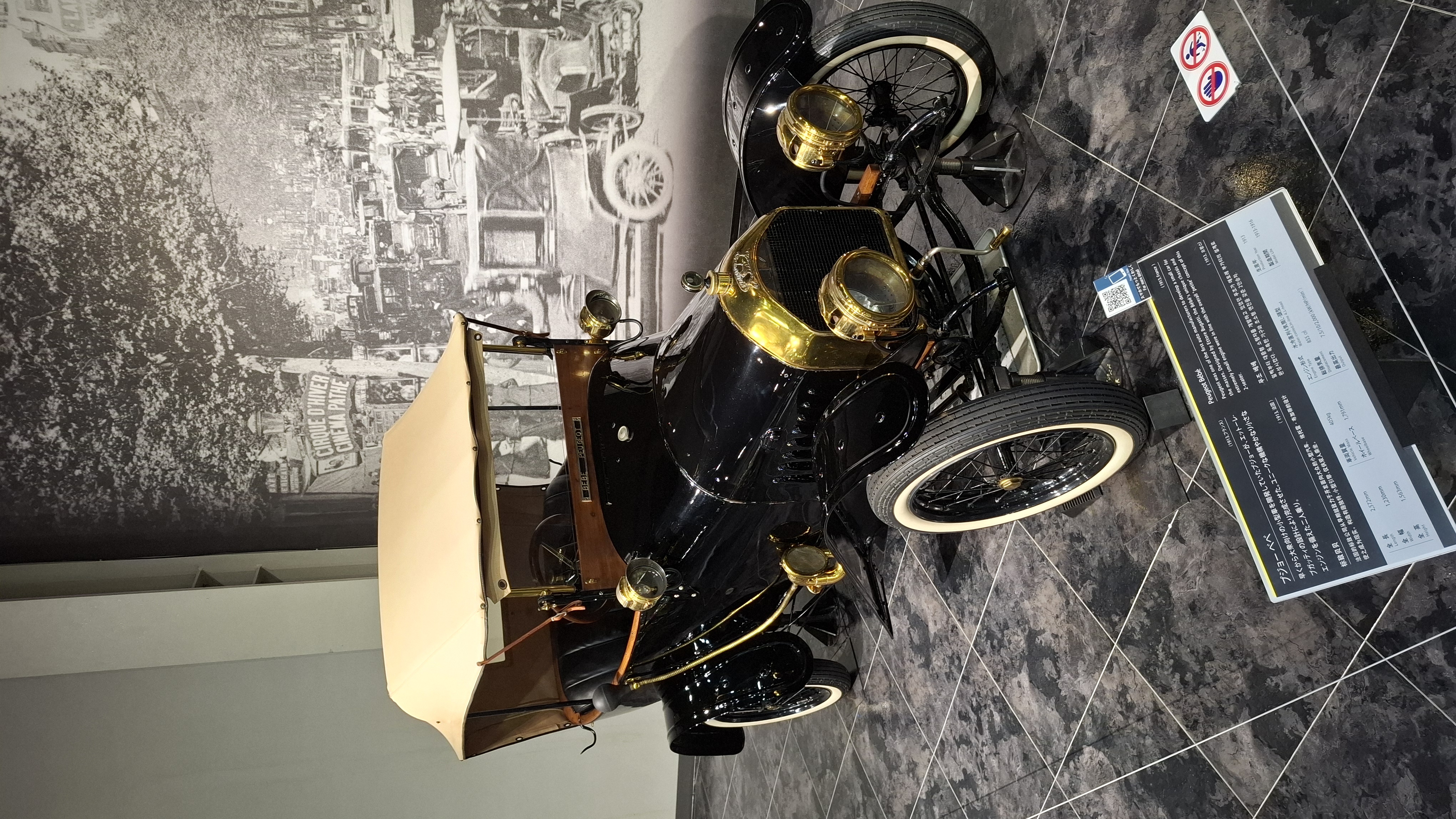
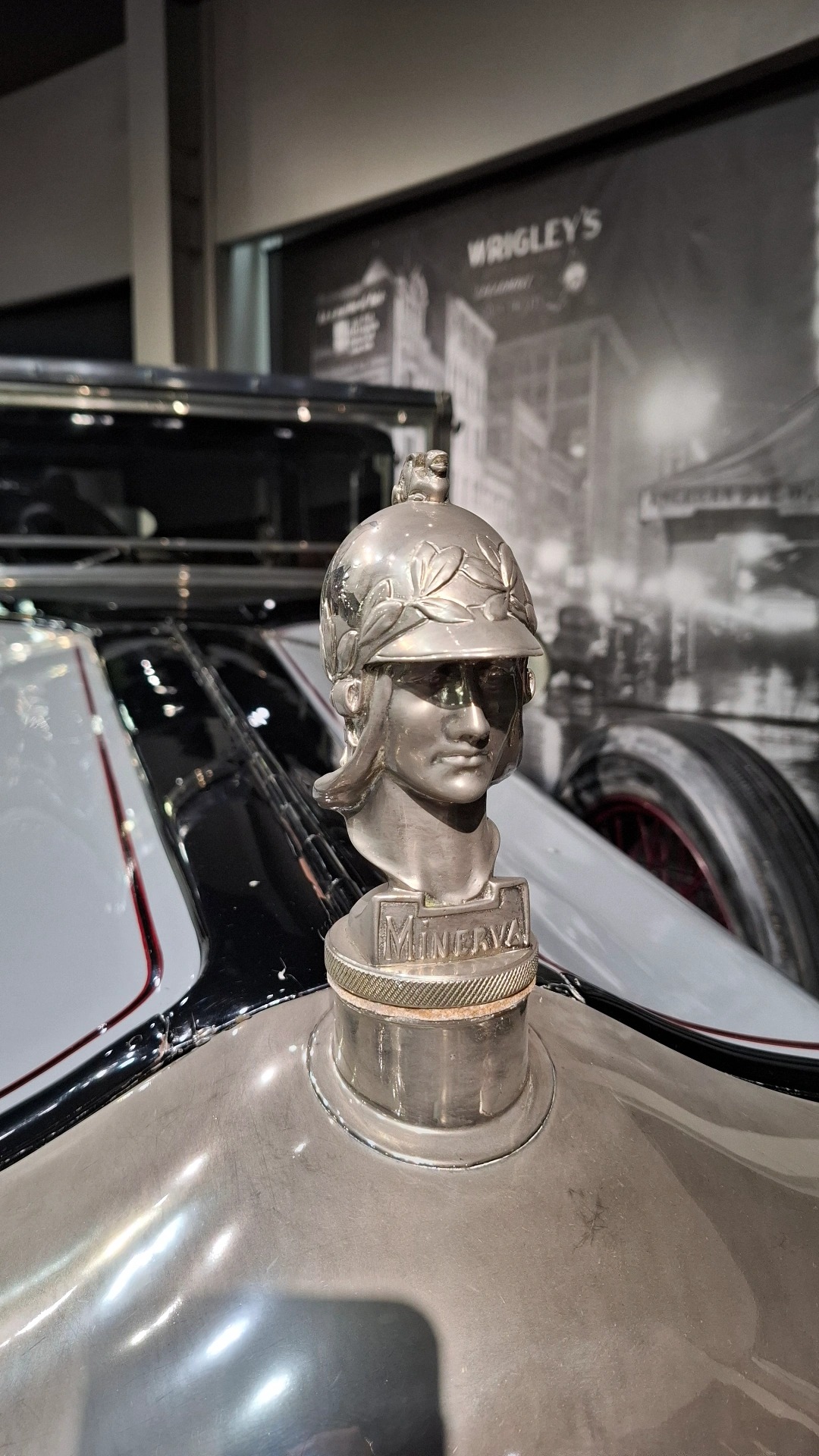
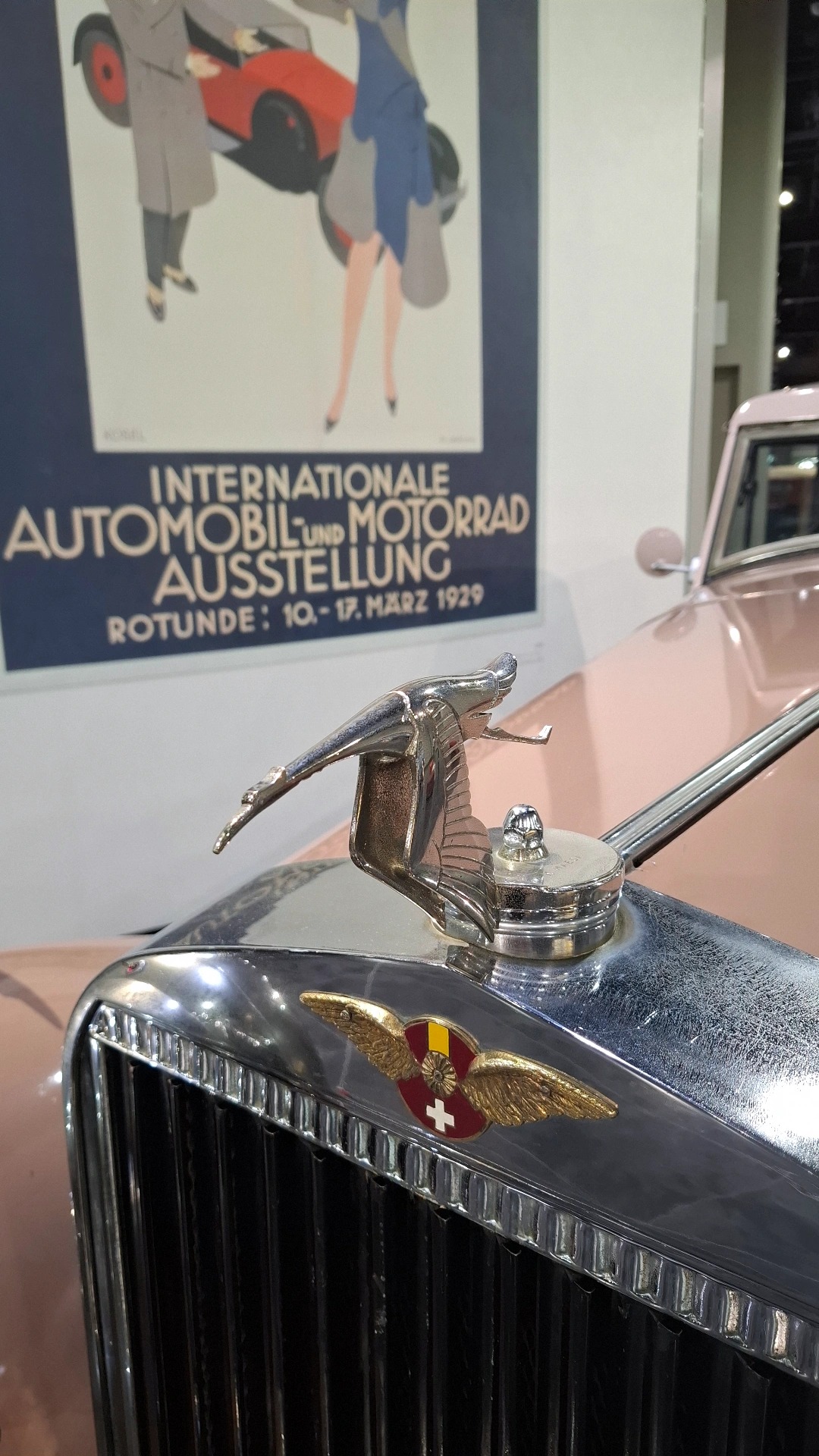
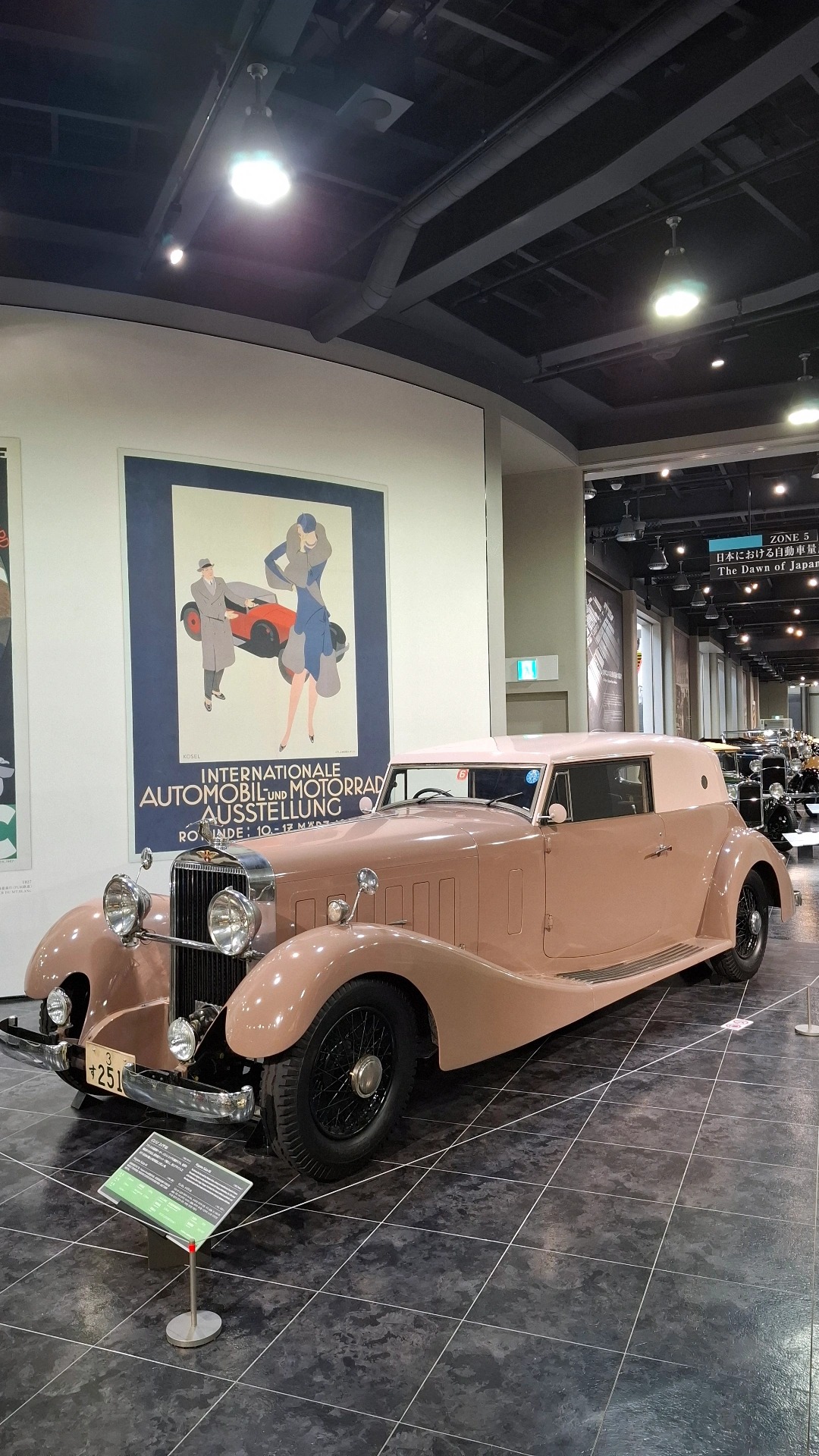
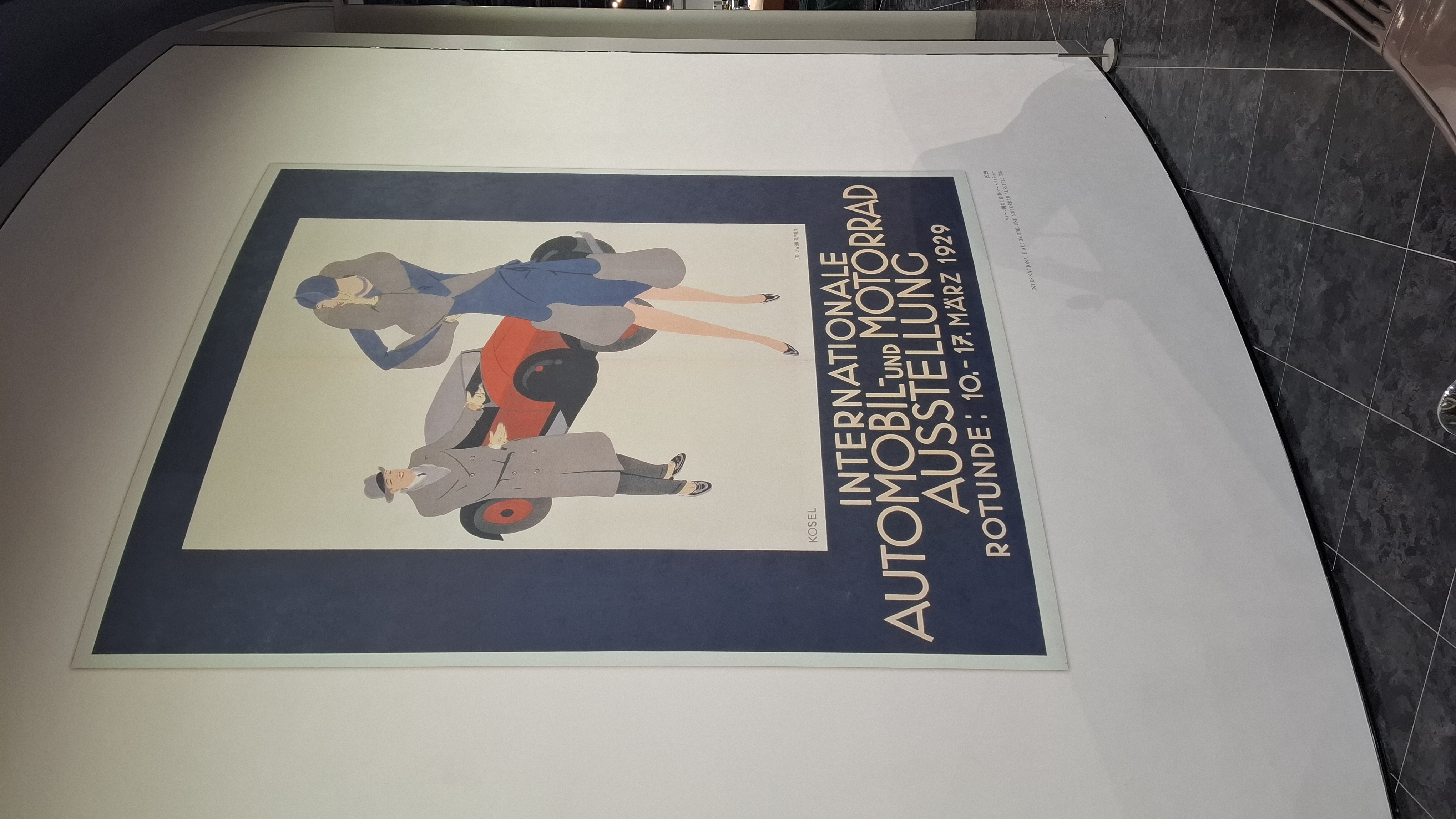
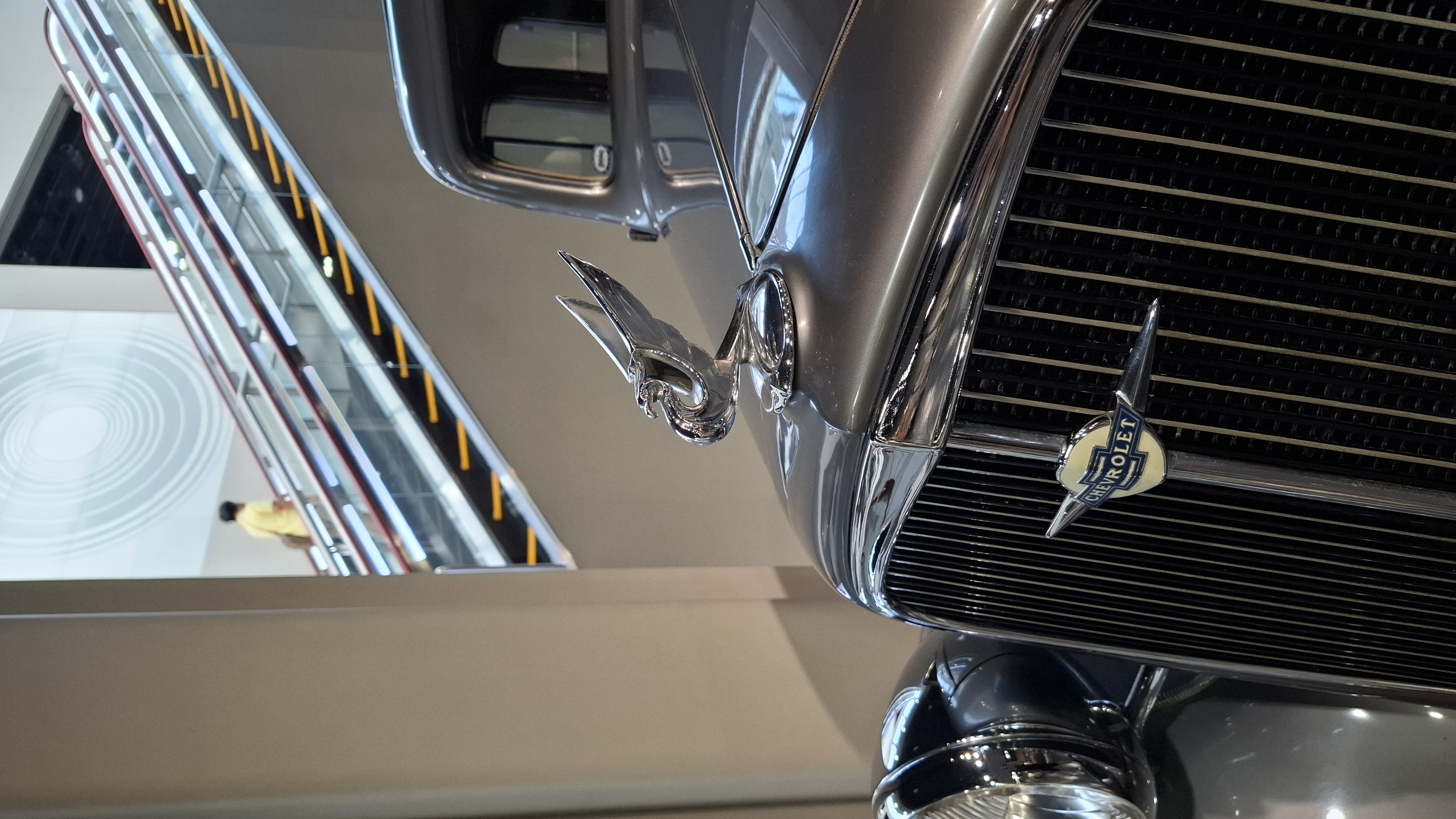
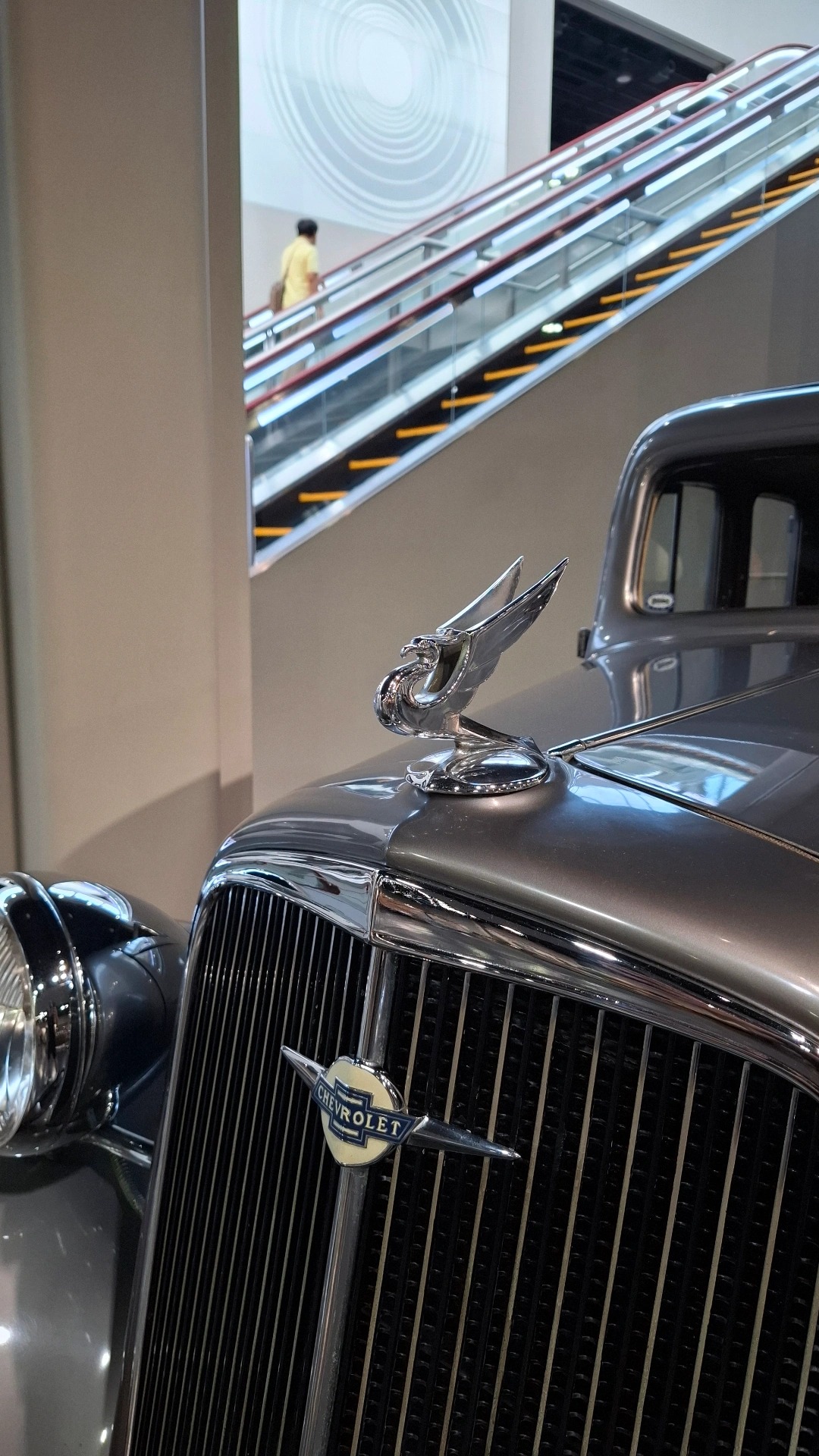
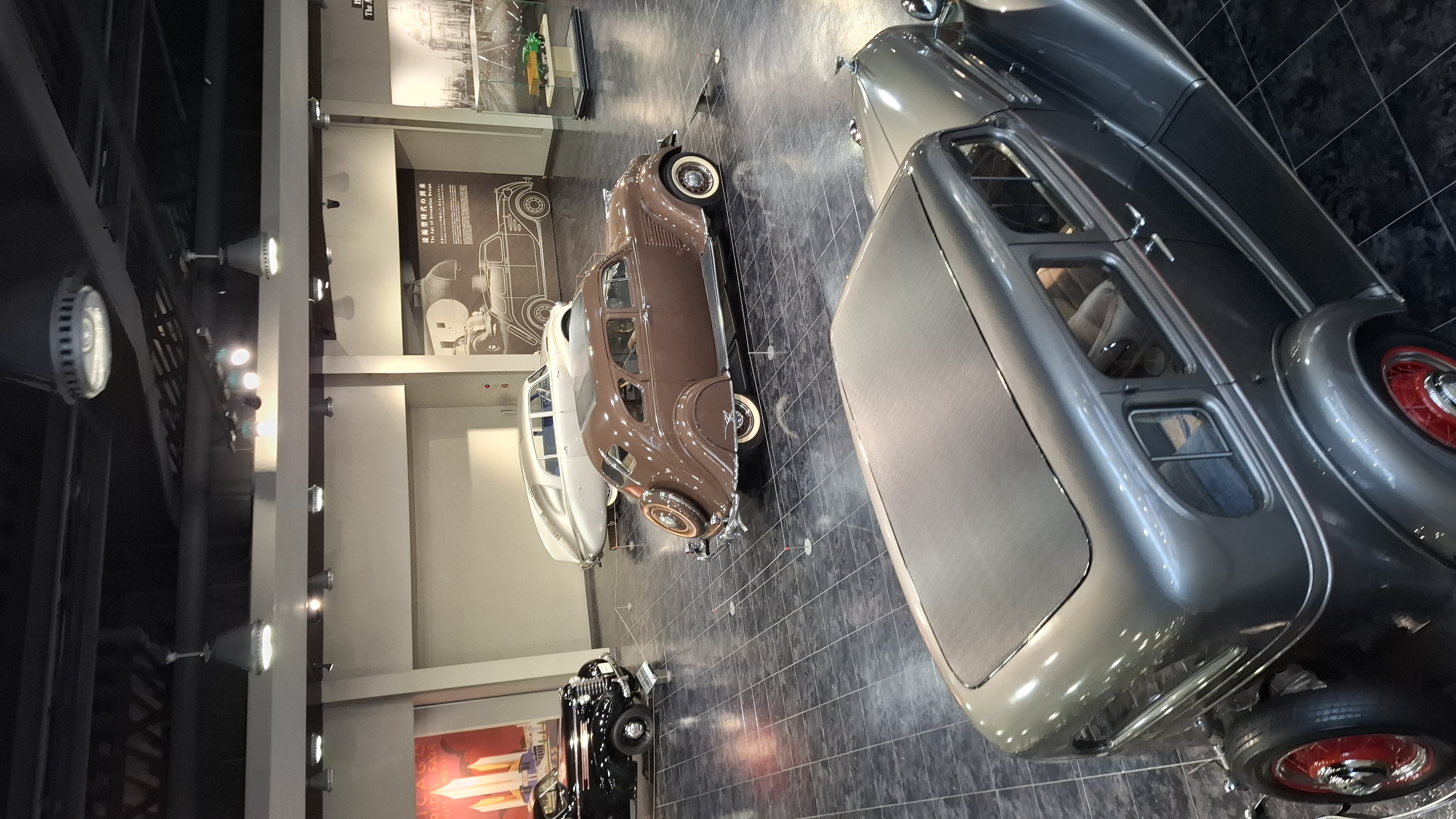
The museum starts at the very beginning of automobile history, and the first thing that strikes you is the craftsmanship. The earliest cars on display aren't vehicles in the modern sense. They're sculptures that happen to have engines. A Minerva with a helmeted warrior bust on the hood. A Hispano-Suiza in salmon pink, parked next to a poster for the 1929 Internationale Automobil und Motorrad Ausstellung. A Chevrolet Master with a flying eagle spreading its wings above the grille.
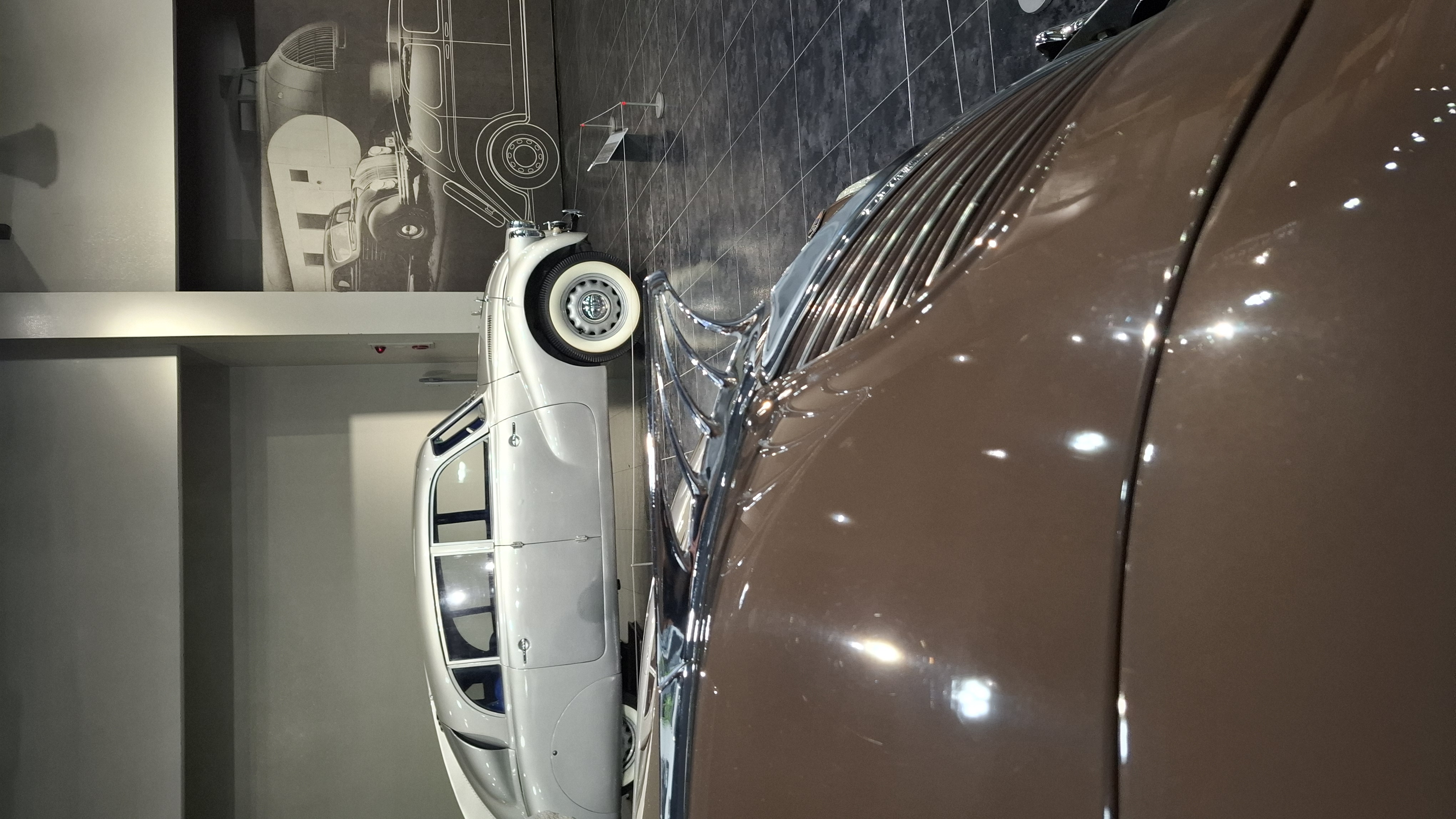
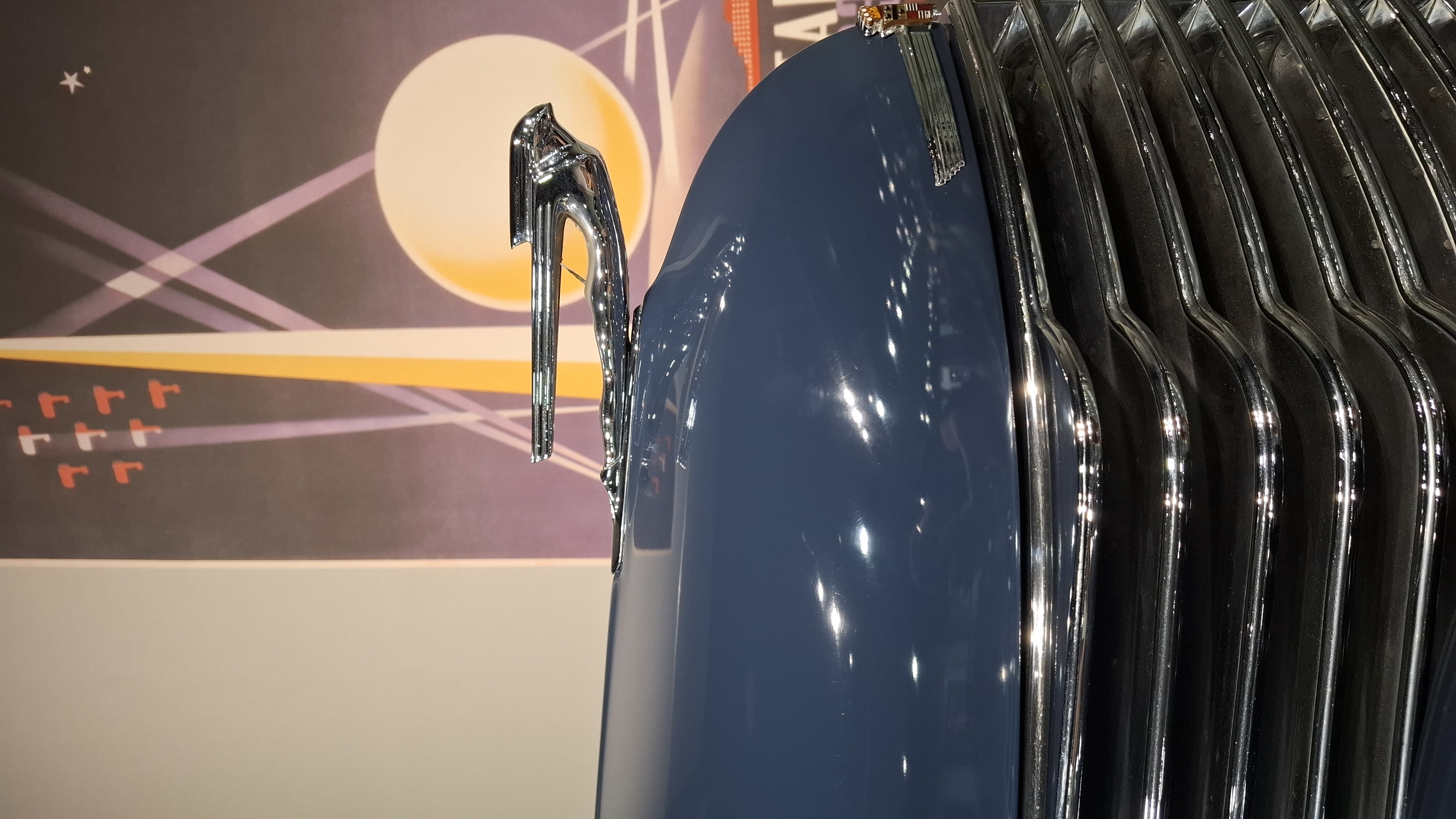
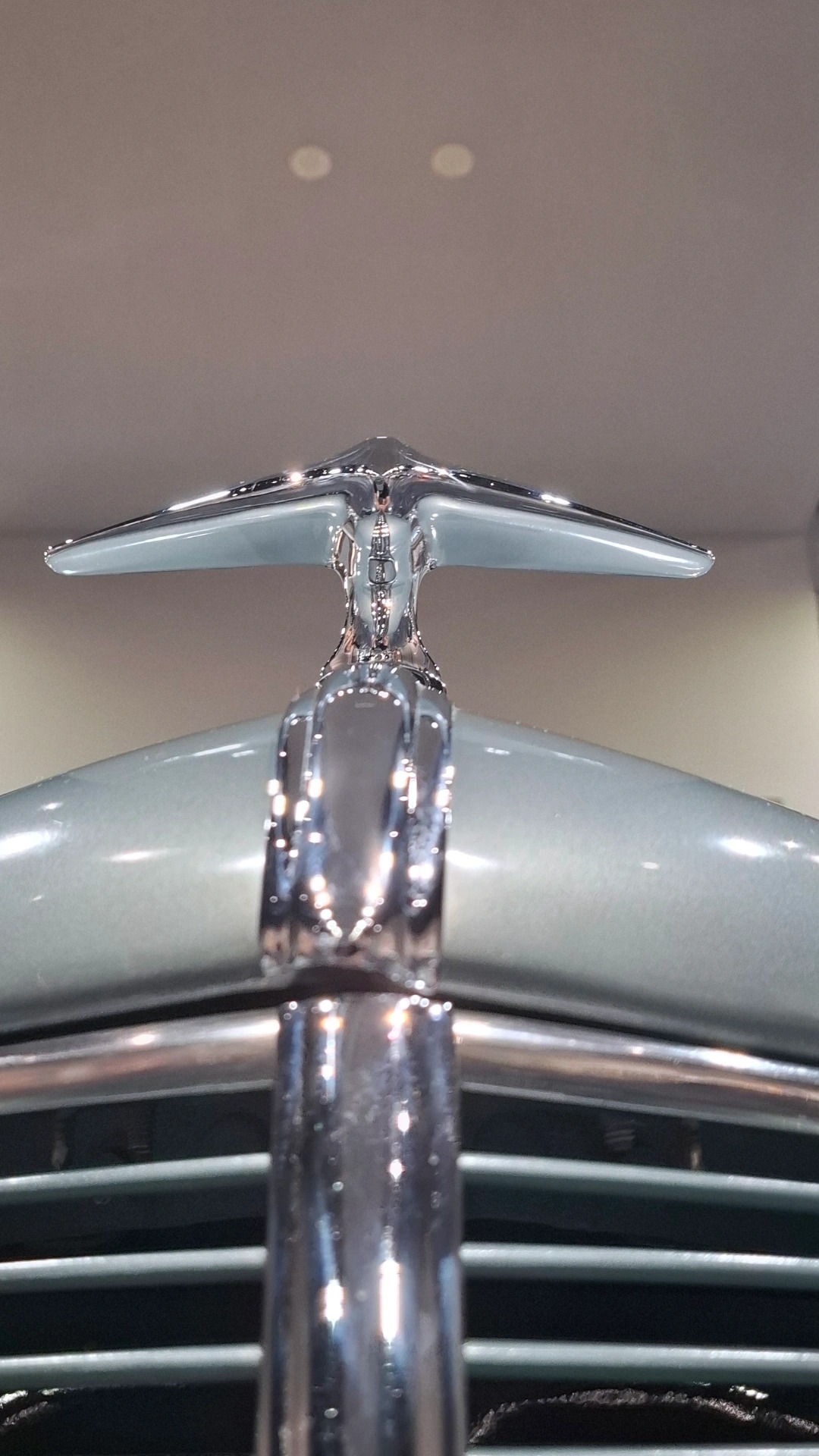
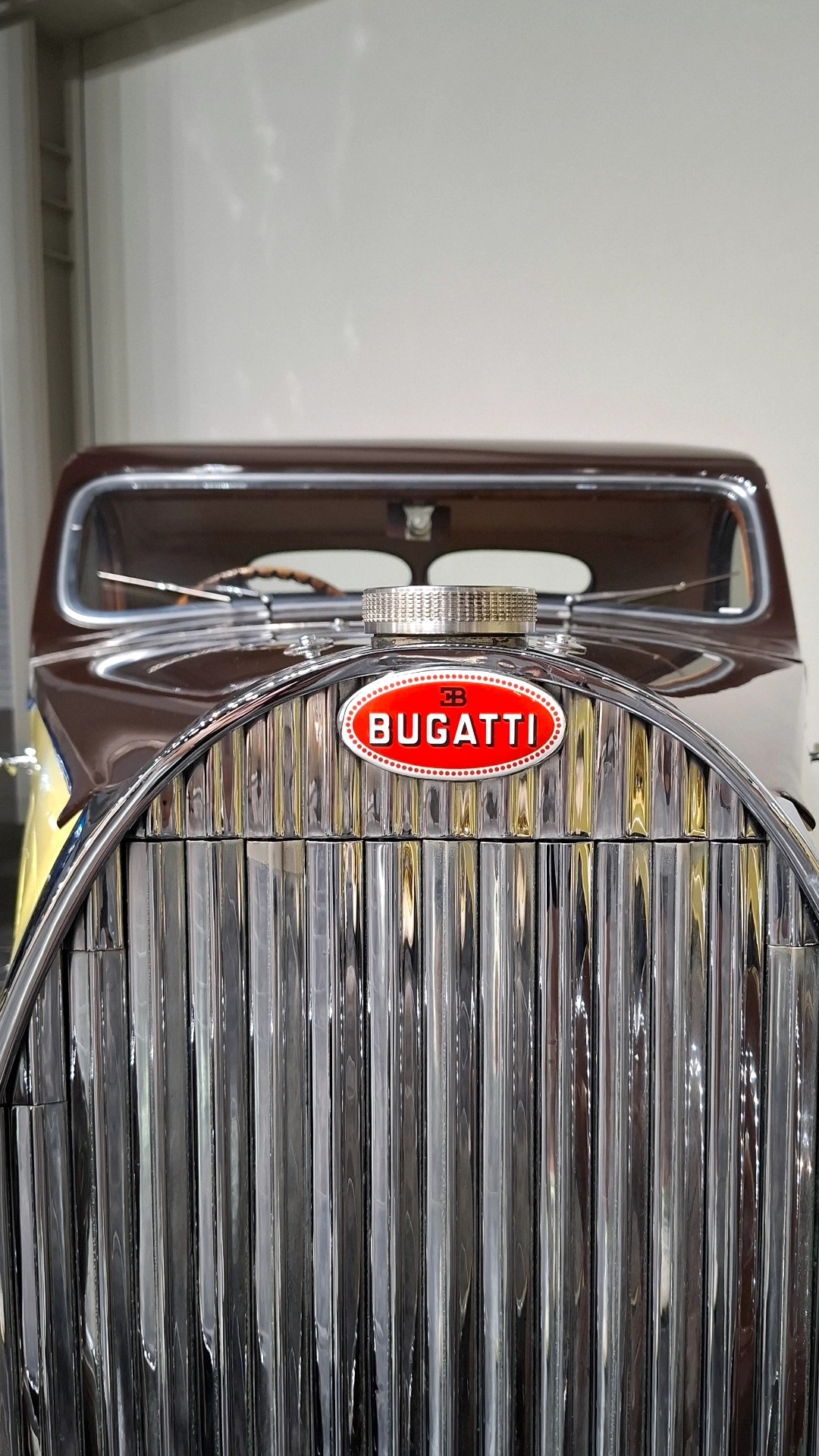
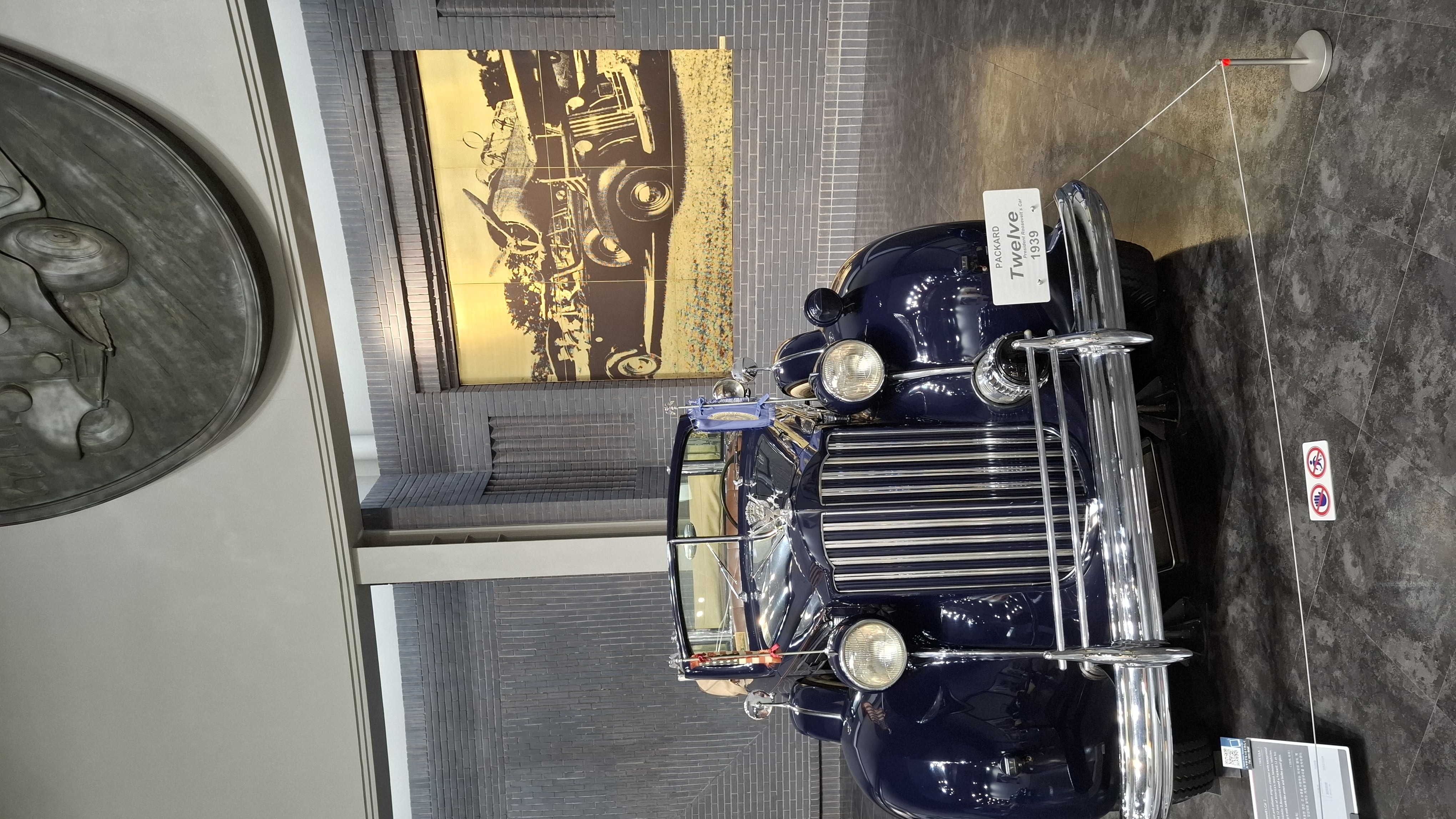
I found myself photographing hood ornaments more than anything else on the first floor. Each one is a miniature work of art, and they tell you everything about the era they came from: the ambition, the showmanship, the idea that a car should be beautiful before it was practical. A Bugatti grille badge, a Packard's chrome figure leaning into the wind. These details would never survive modern crash regulations, and that makes them even more valuable to see in person.
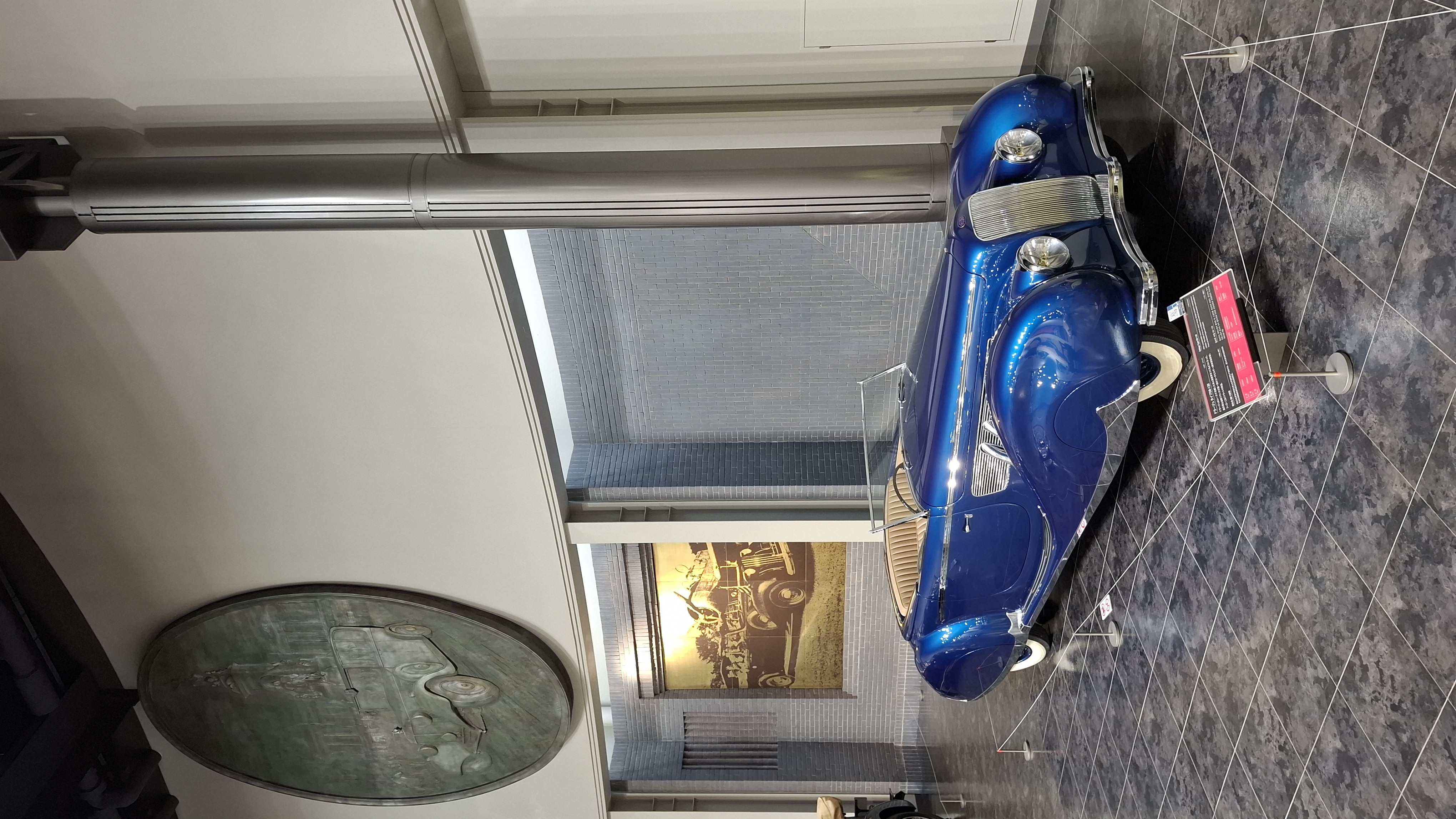
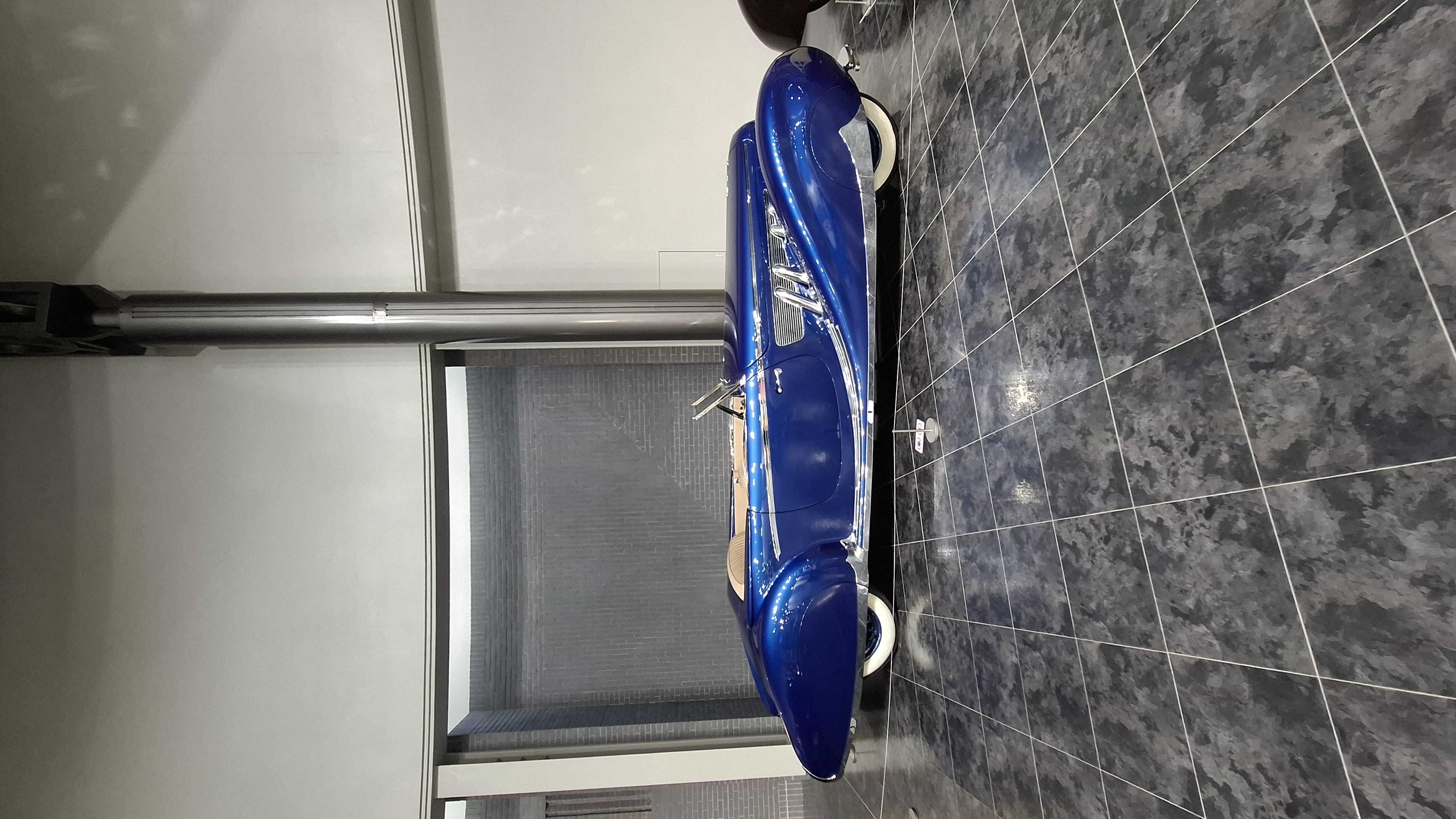
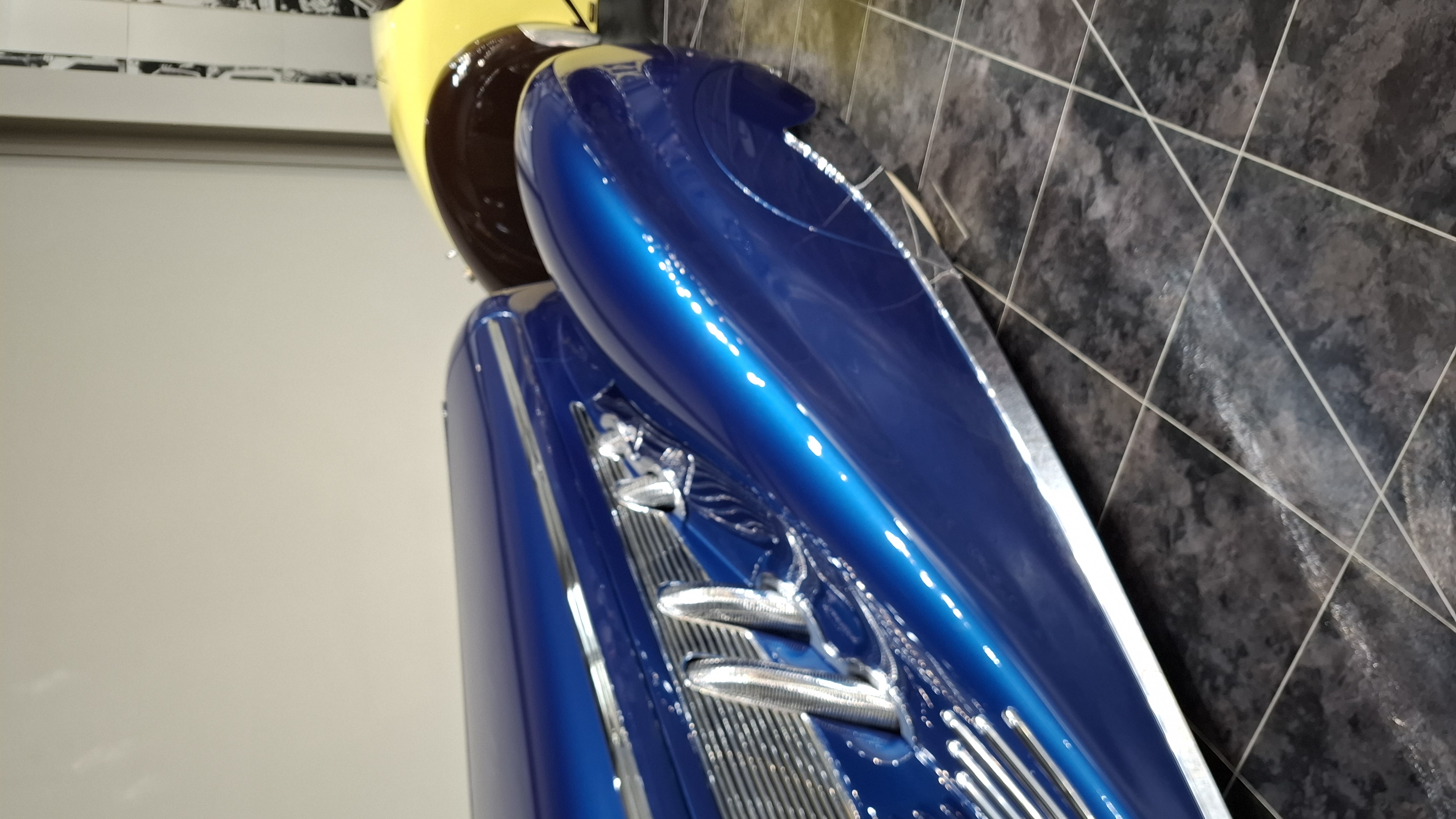
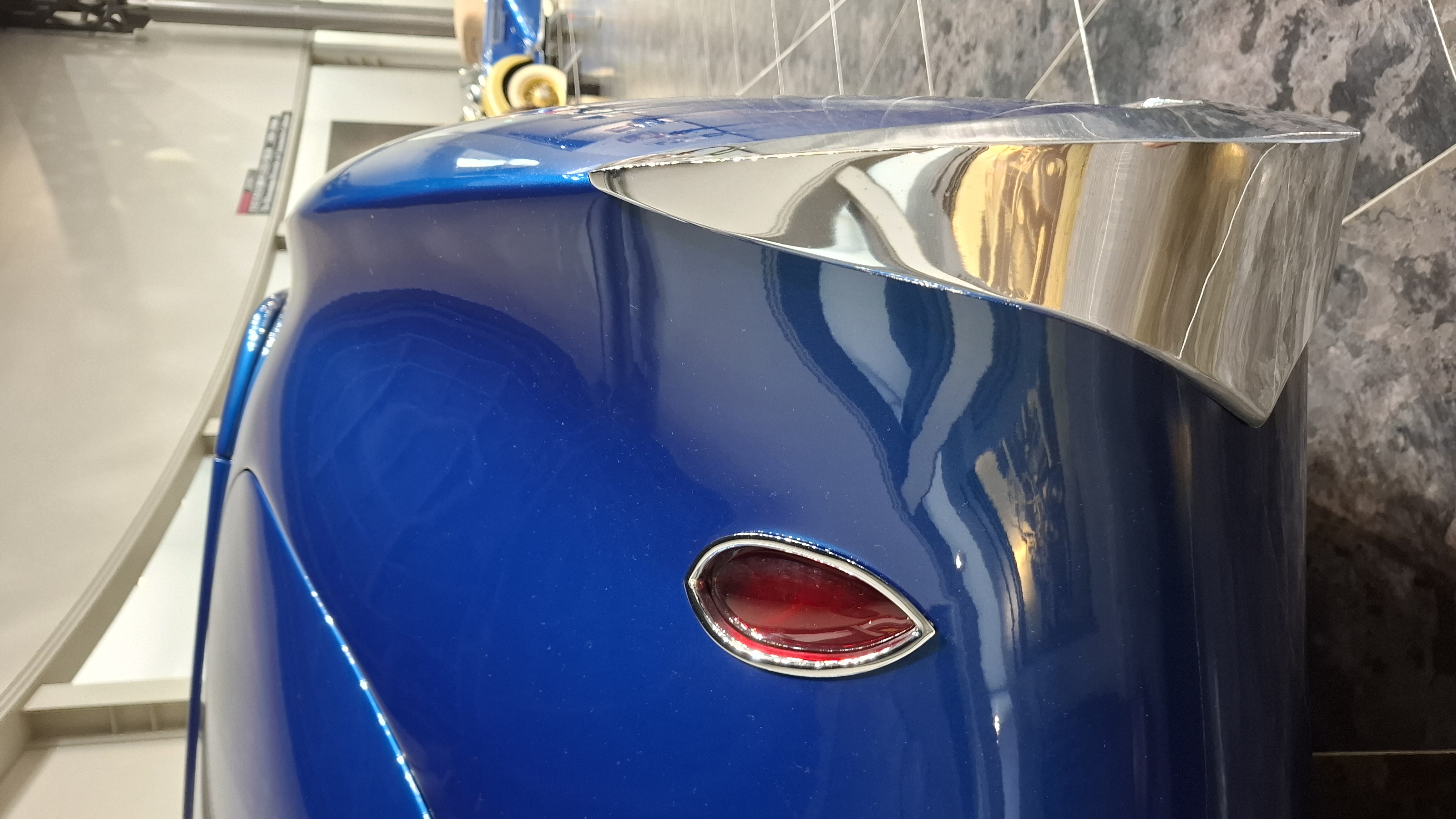
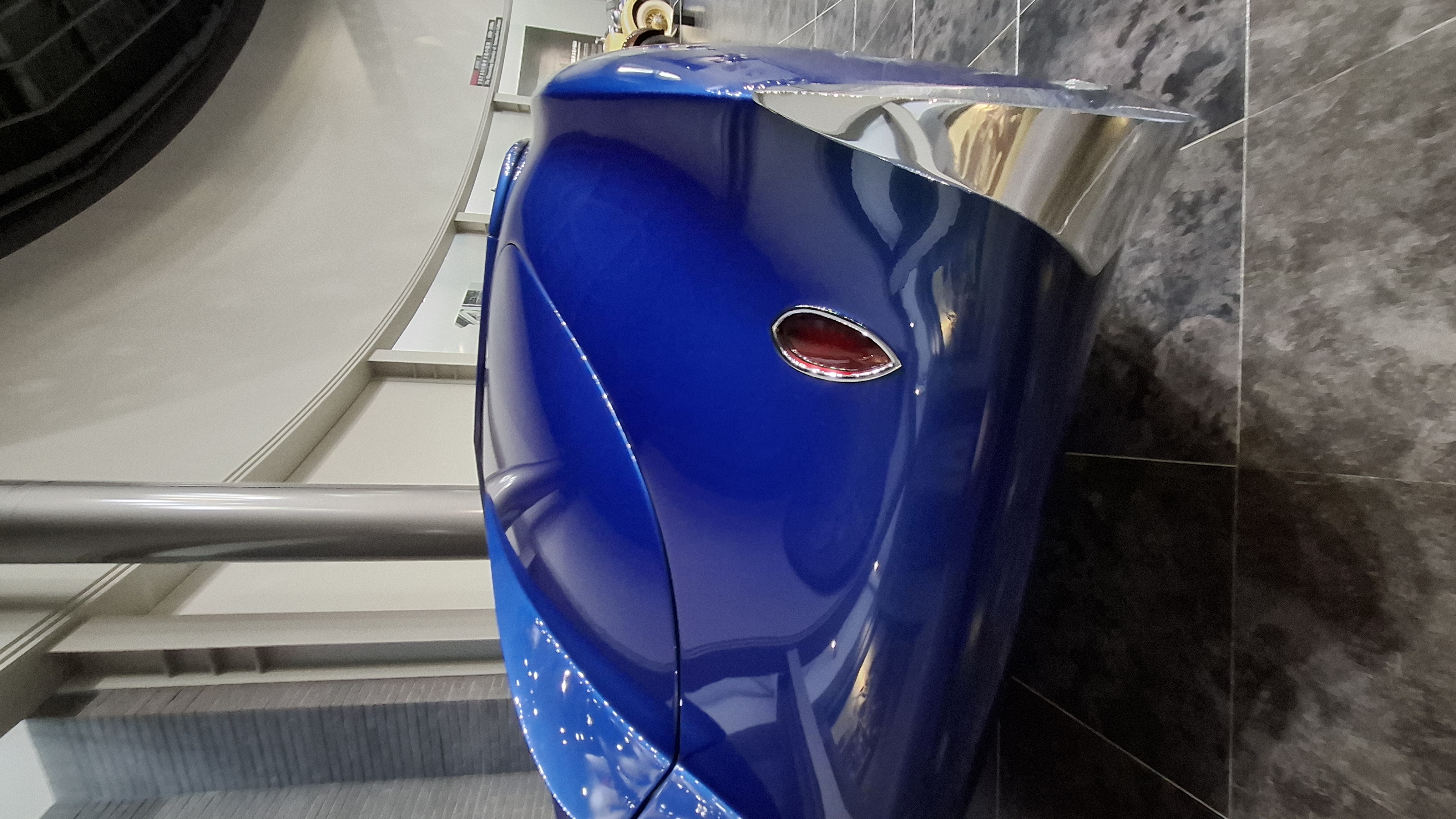
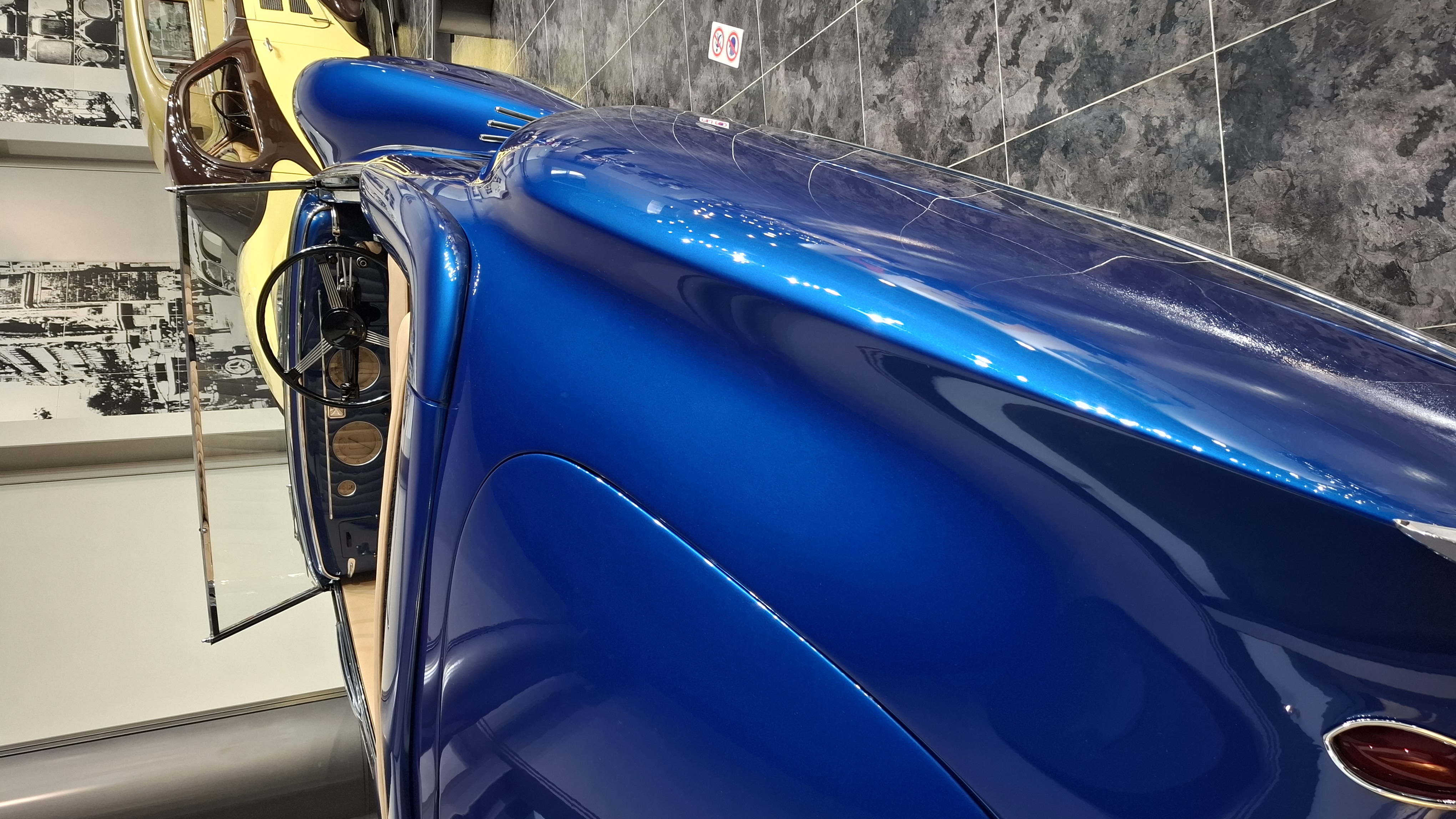
The entrance atrium sets the tone immediately. A blue Delahaye sits alone in the double-height space, its bodywork flowing like water, natural light falling on the curves. It's the kind of car that makes you stop walking and just stand there. The museum knows exactly what it's doing, placing that car right where you can't miss it.
The Presidential Limousine
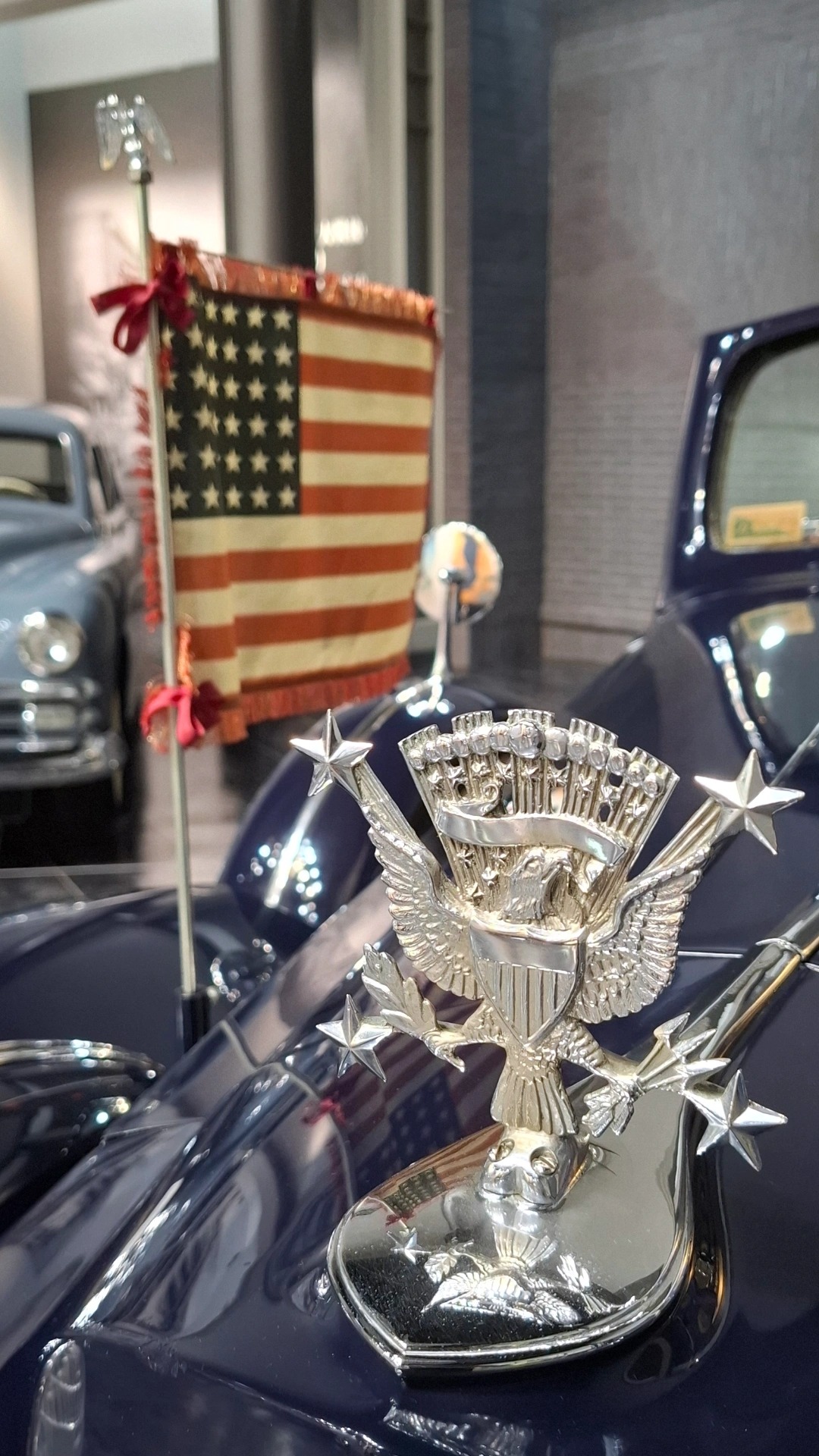
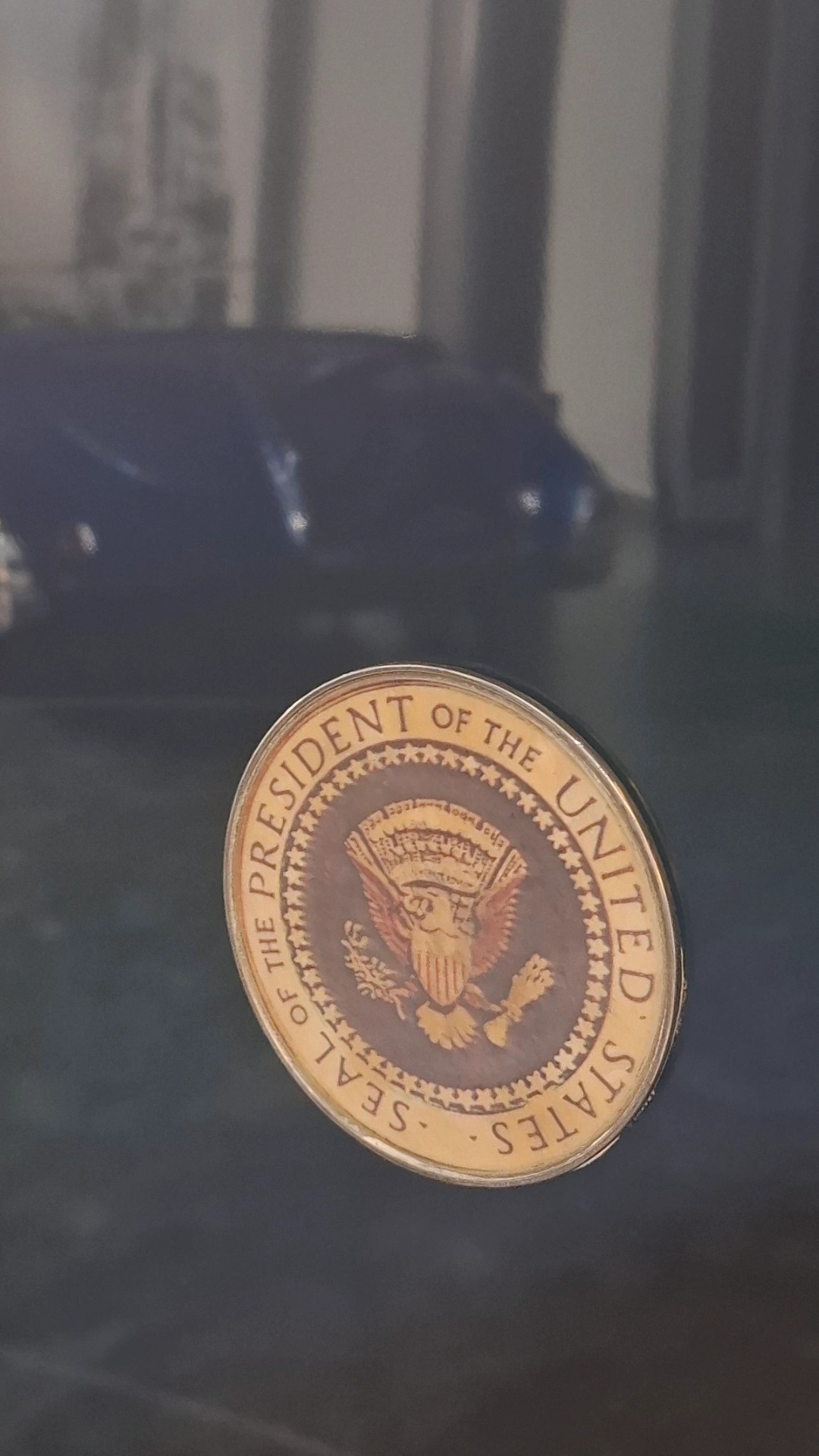
And then there's the car with the Presidential Seal of the United States on the fender. A dark blue limousine with the American flag on a small mast, the eagle emblem polished to a mirror finish. This is one of those exhibits that stops you cold because you don't expect it. You're in a museum near Nagoya, Japan, looking at a car that once carried the President of the United States. The surrealism of that geography is part of what makes this museum special: it collects globally, without borders, without bias toward any one nation's automotive history.
The Surprises
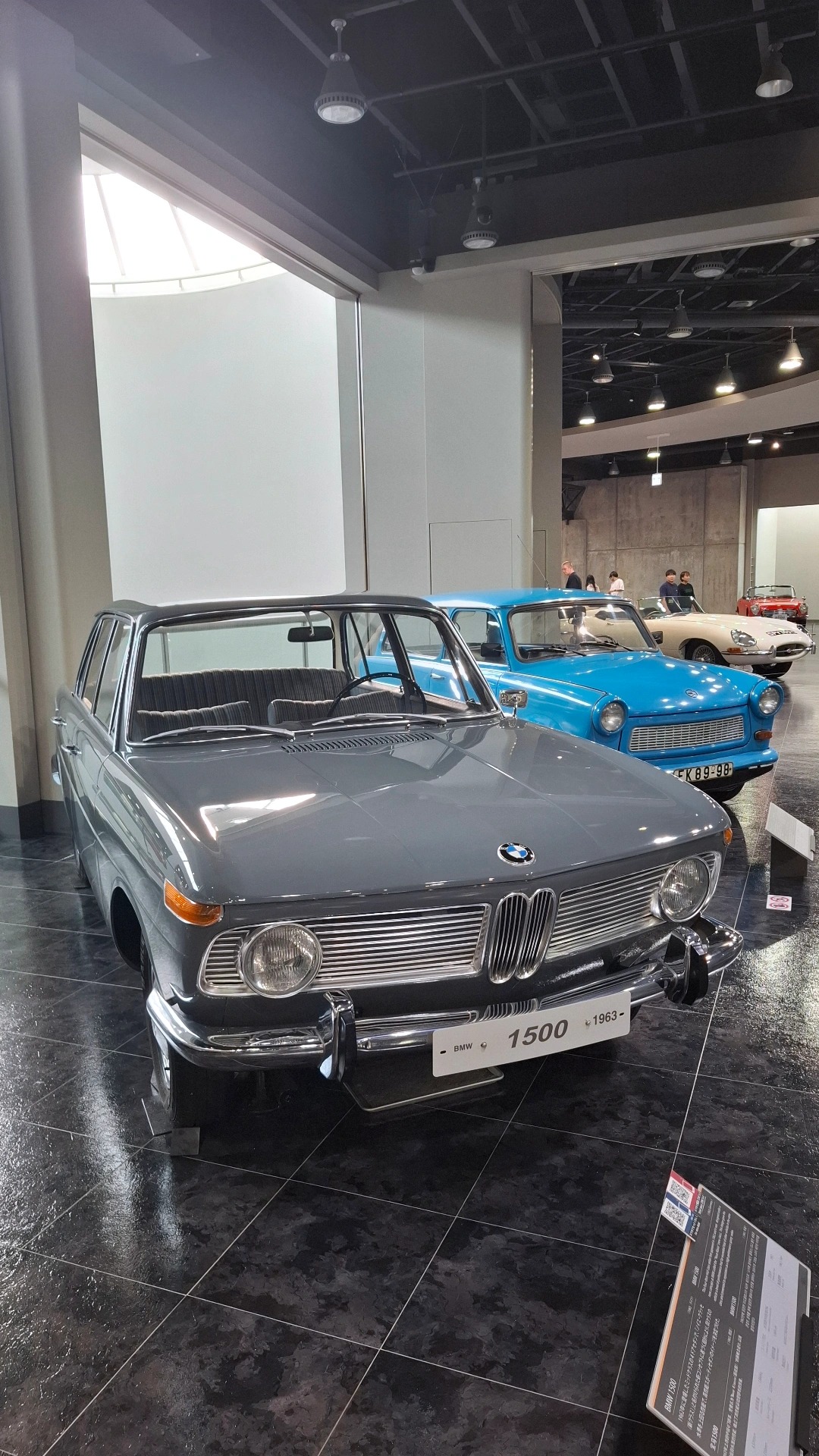
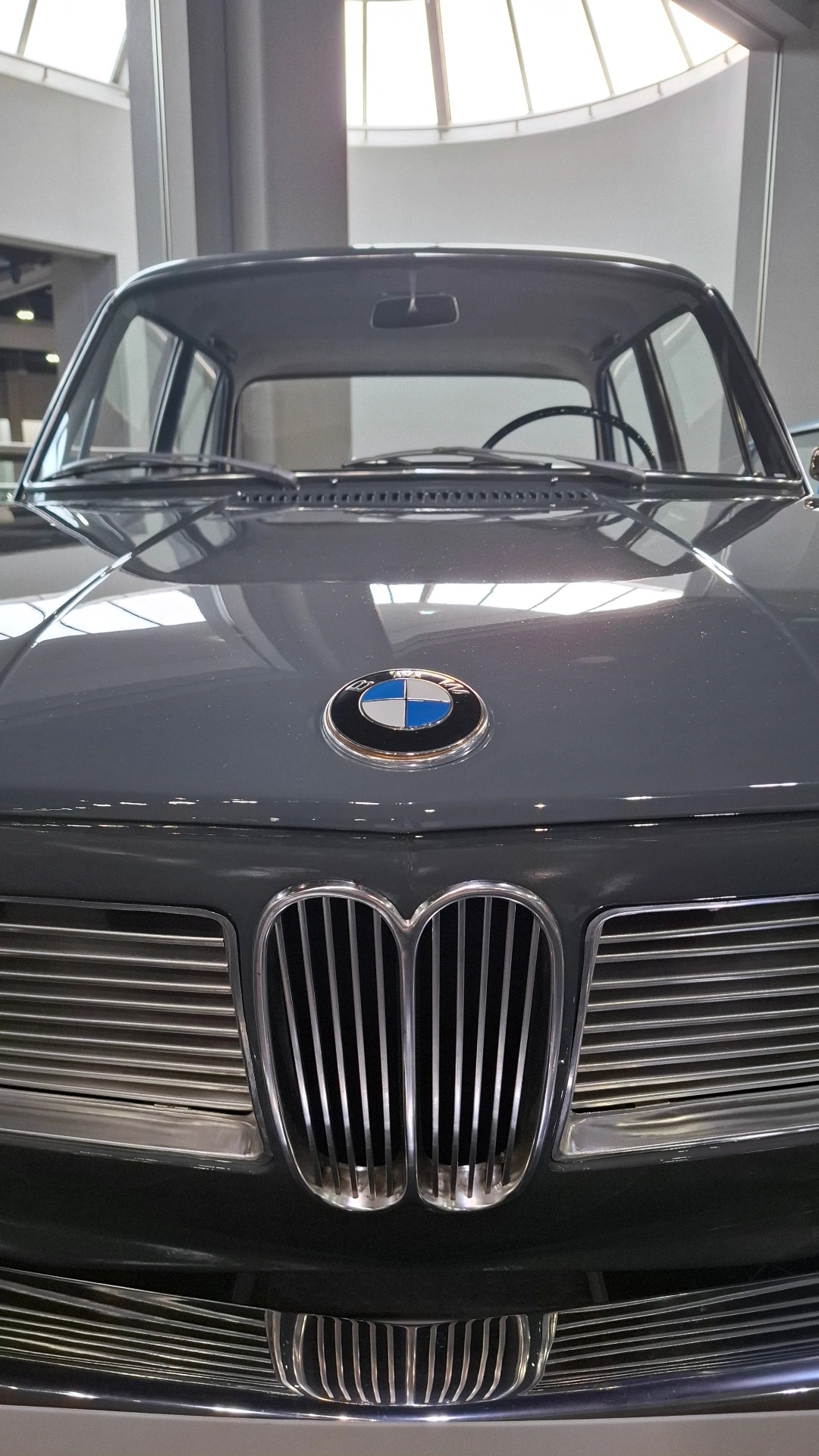
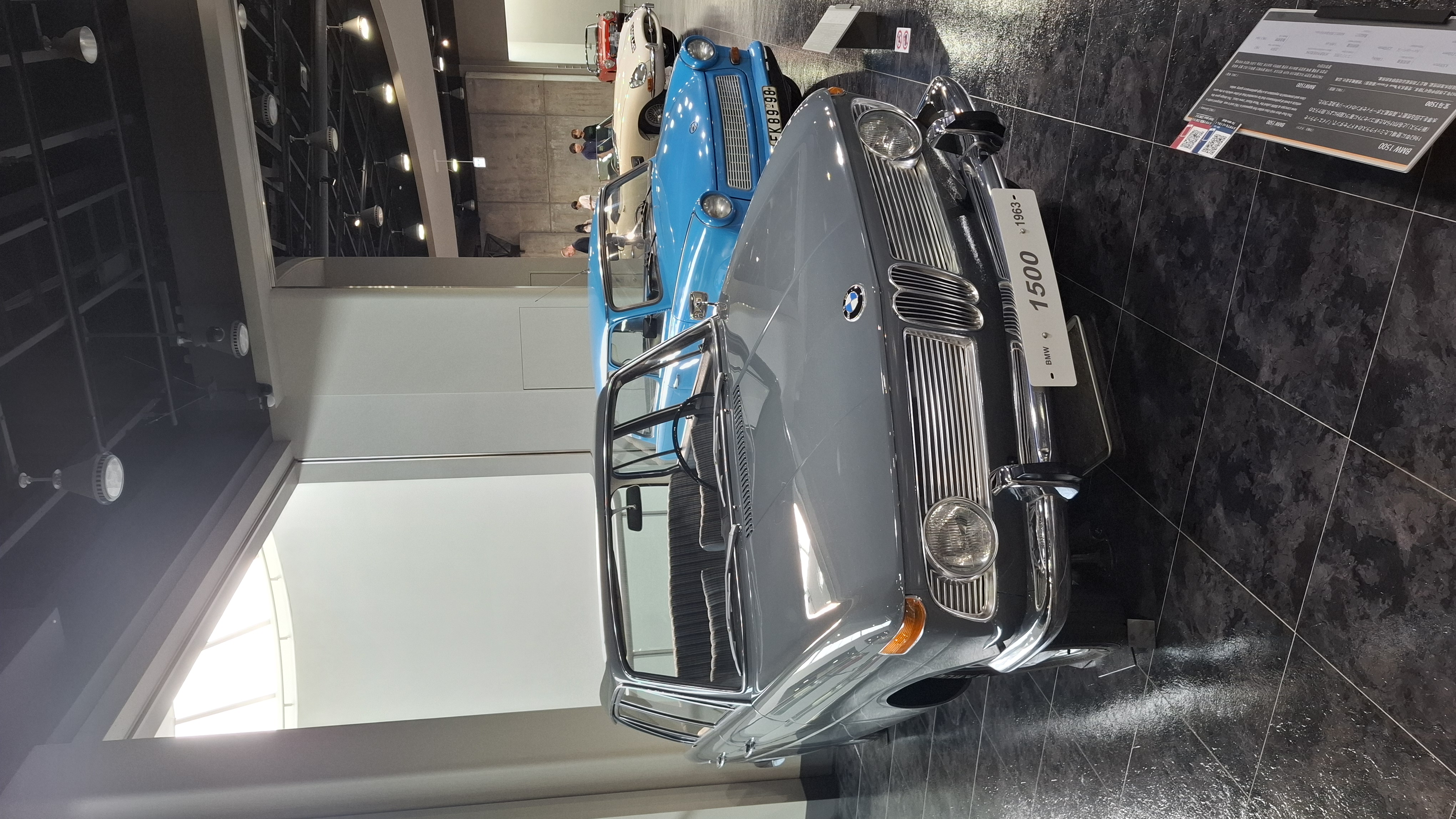
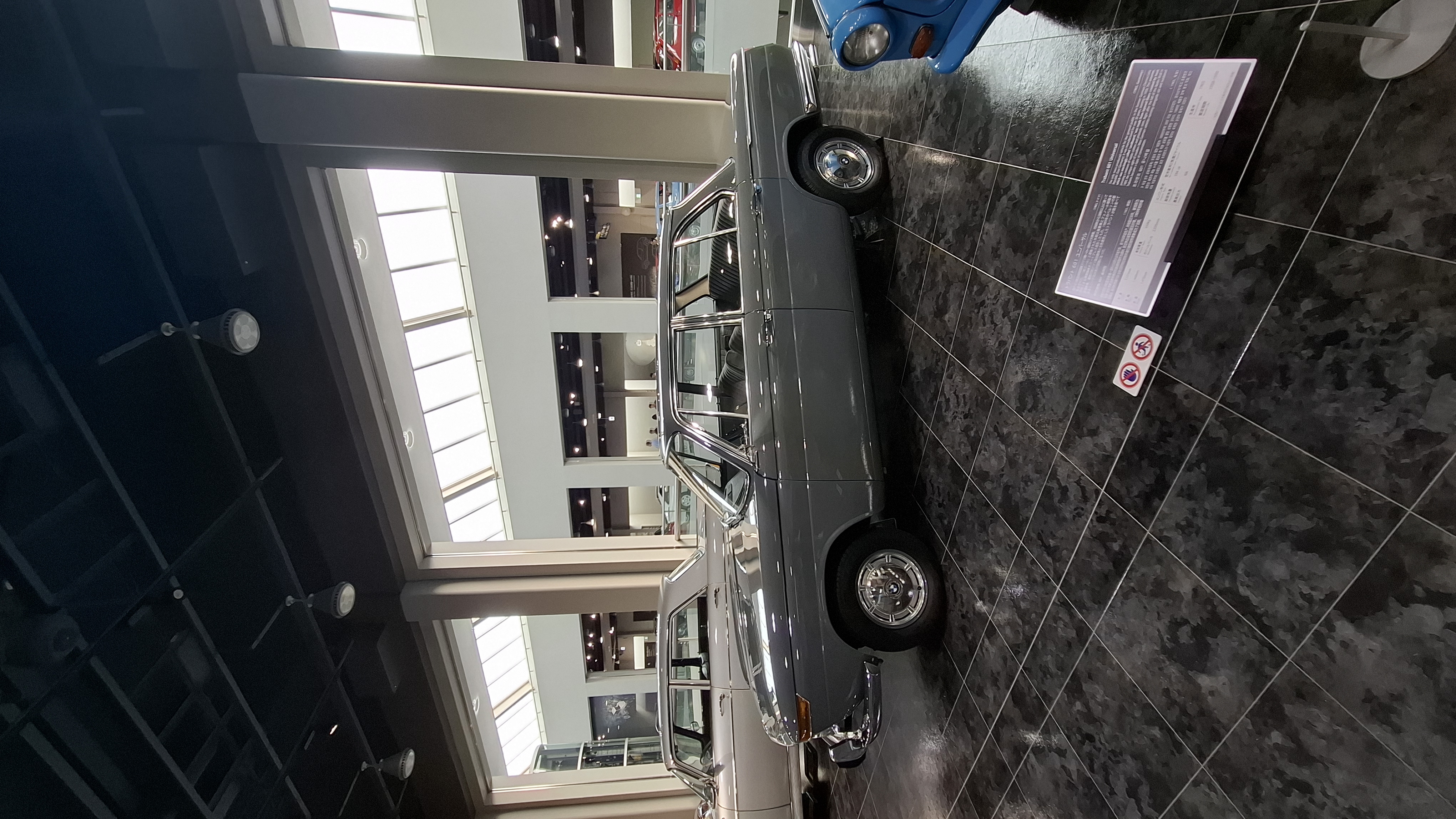
The thing about the Toyota Automobile Museum is the surprises. You turn a corner and there's a BMW 1500 from 1962, the car that saved BMW from bankruptcy and created the "Neue Klasse" that every modern BMW descends from. In gray, understated, looking exactly like the kind of car your grandfather might have driven. And right behind it, barely visible in the background, a light blue Trabant. An East German Trabant in a Japanese car museum. I had to look twice.
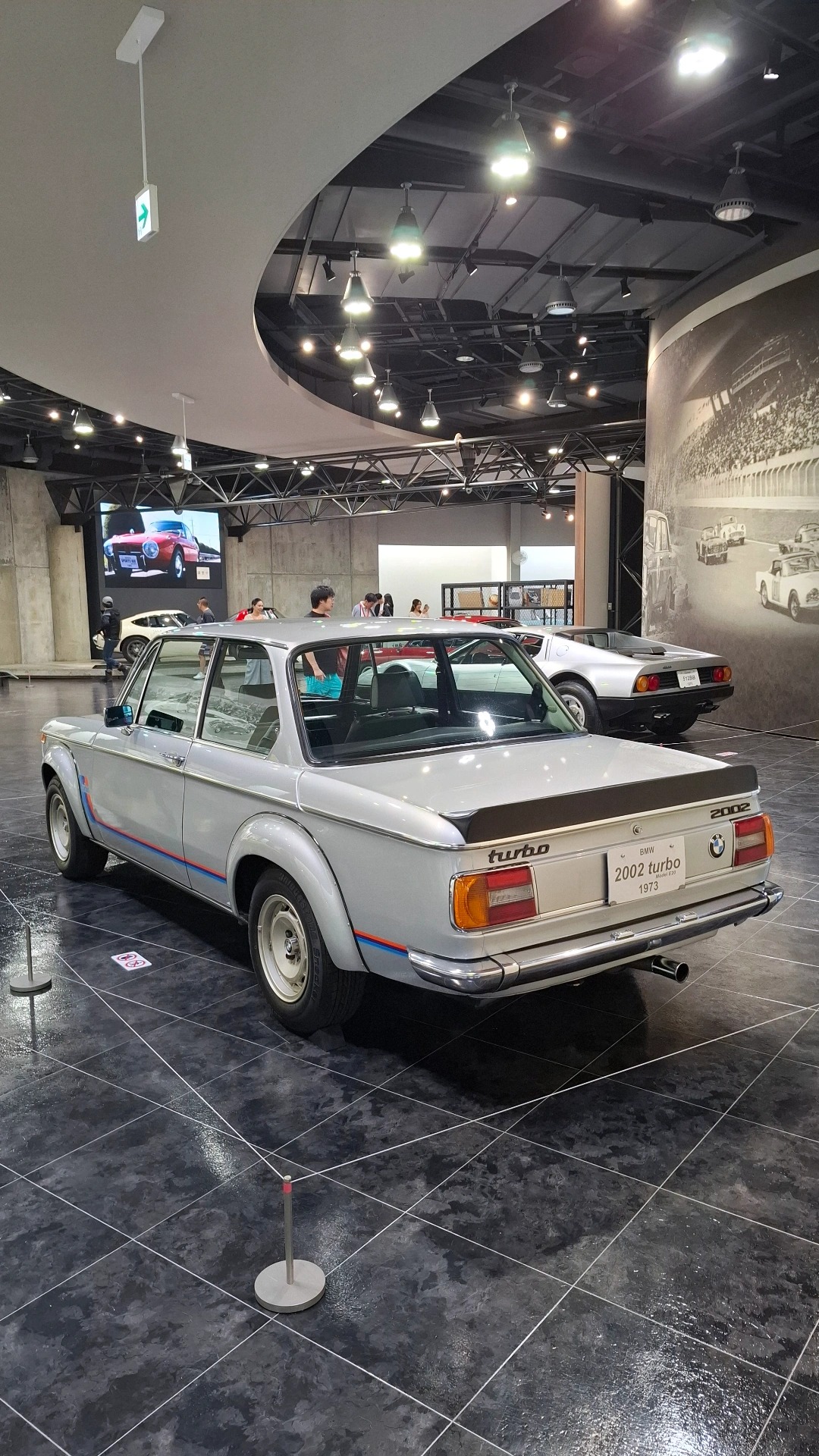
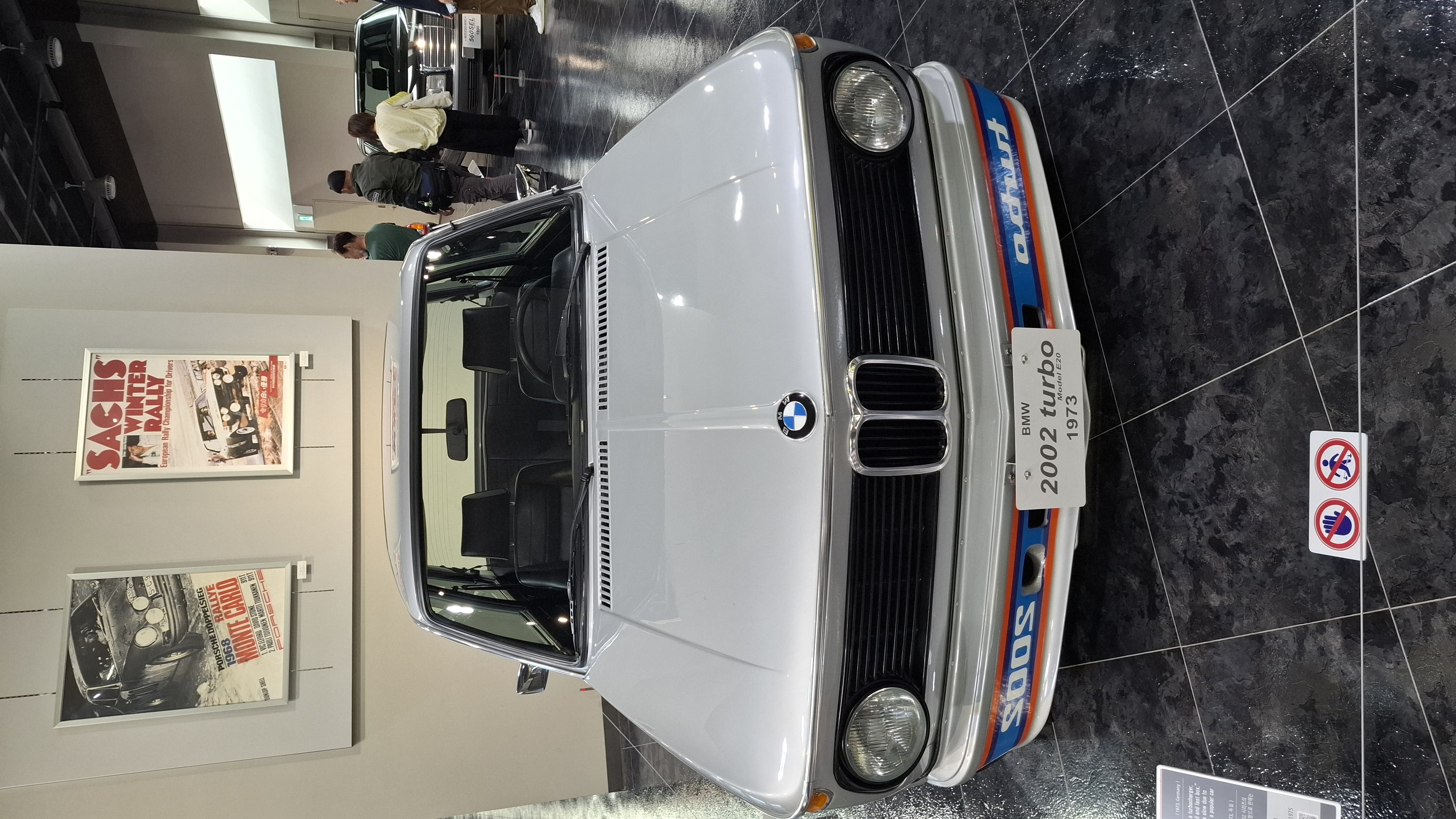
There's a BMW 2002 Turbo from 1974, white with the M-stripe down the side. This is the car that invented the modern performance sedan. Europe's first turbocharged production car. Seeing it here, 9,000 kilometers from Munich, in perfect condition, felt like meeting someone from home in a place you never expected. I drive a BMW back in Germany. The lineage is direct: from that 2002 Turbo to my 340i, there's an unbroken line of engineering philosophy. Spotting that car here was one of the highlights of the visit.
American Muscle, European Elegance
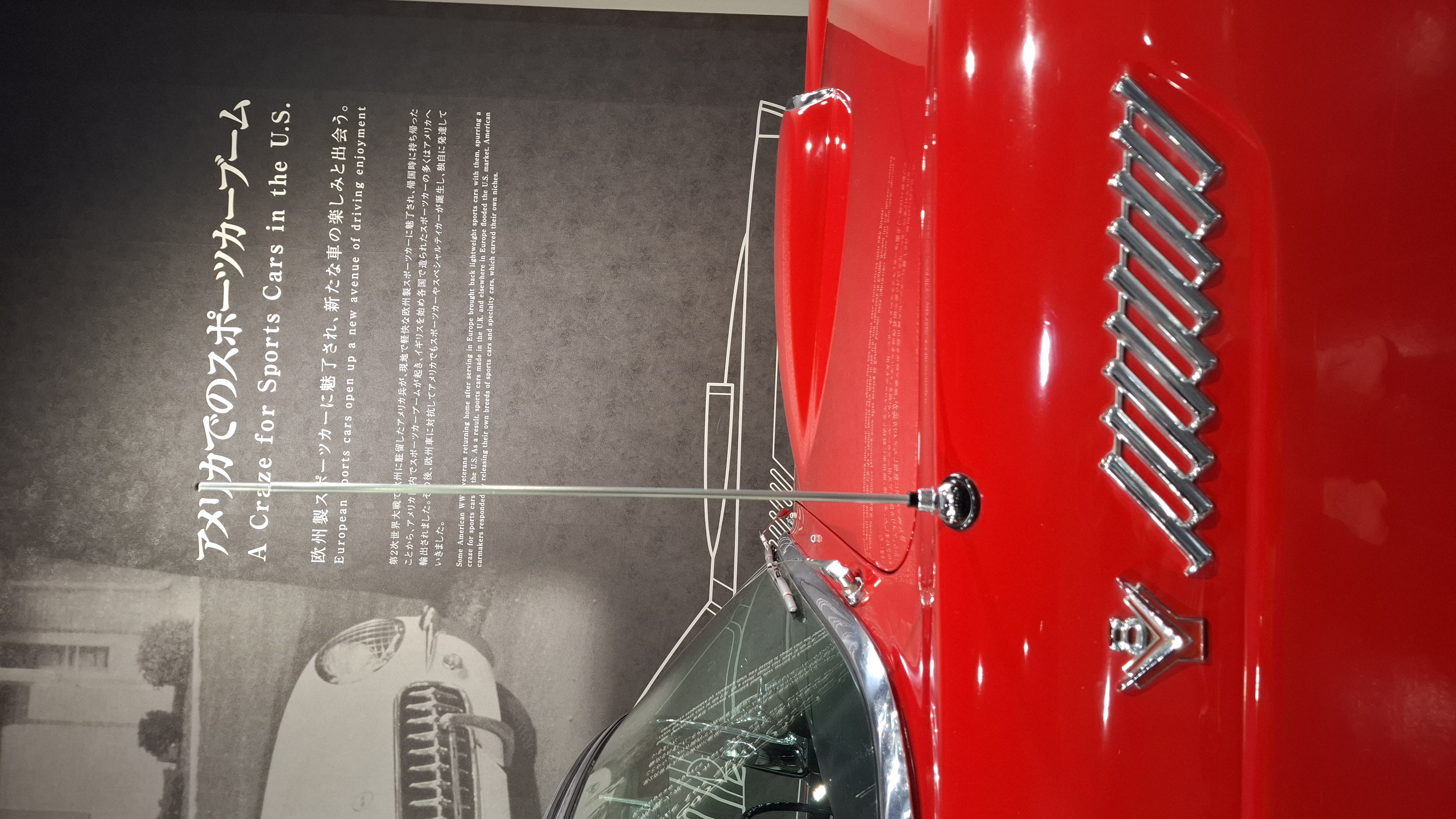
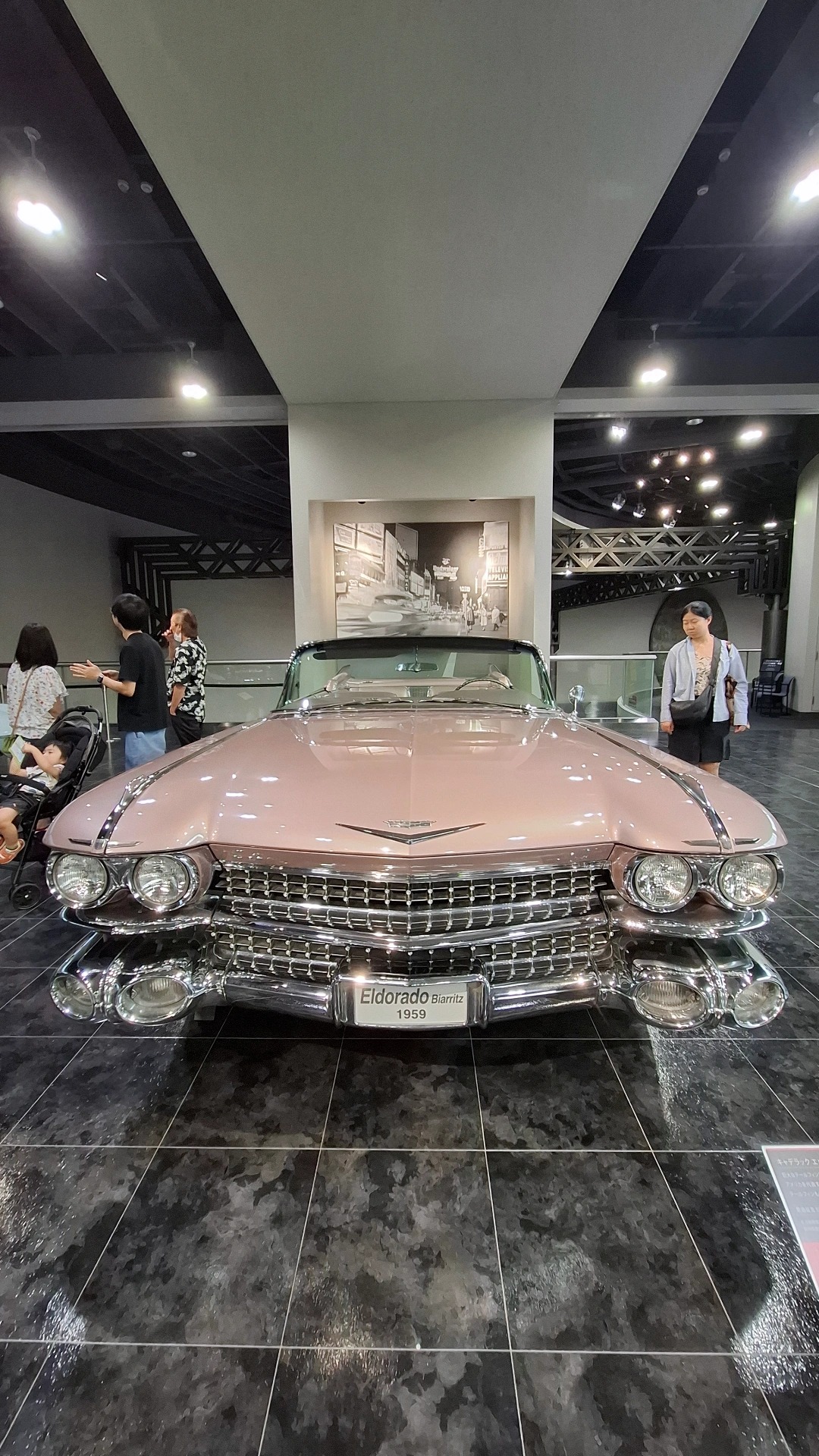
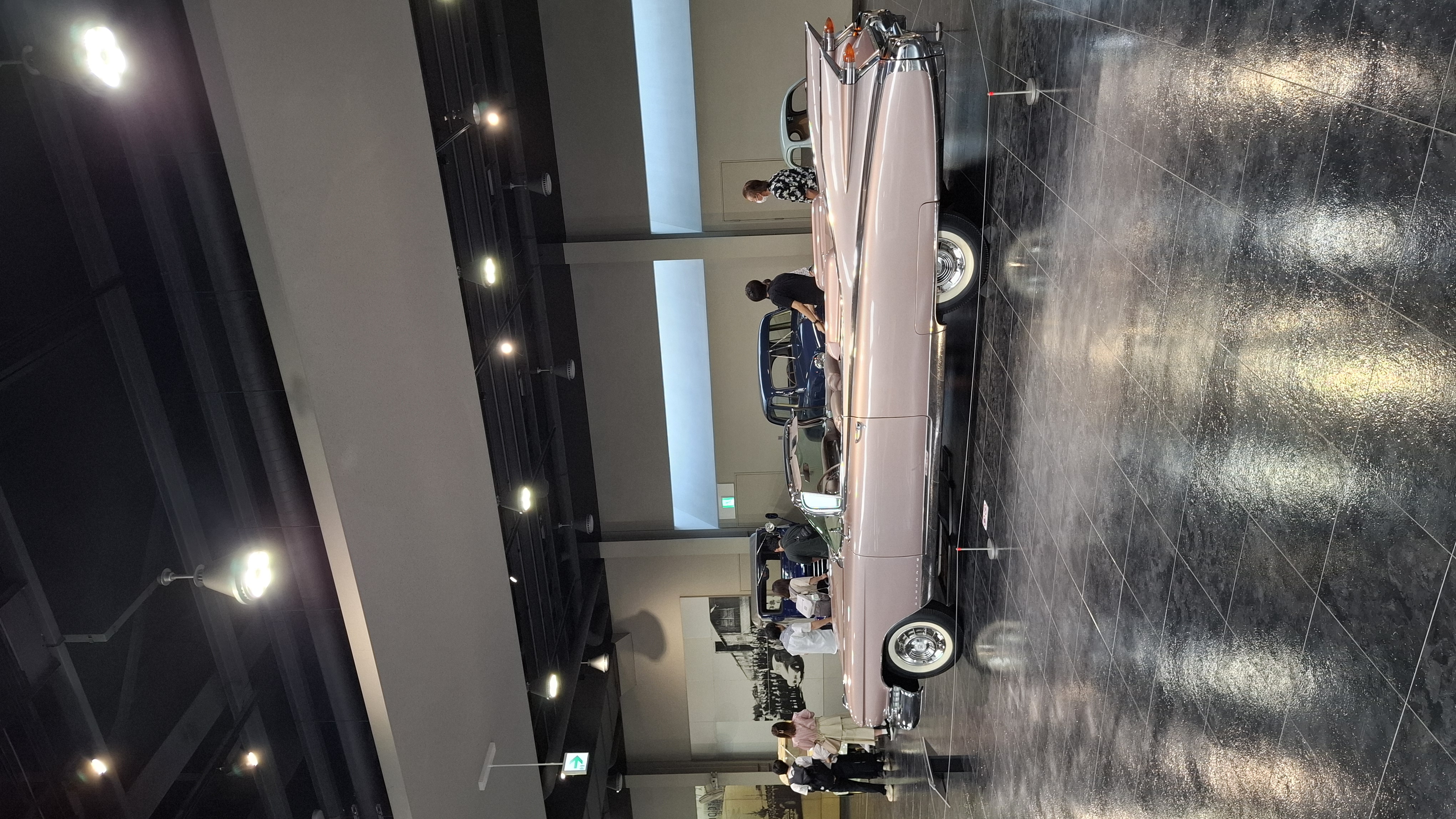
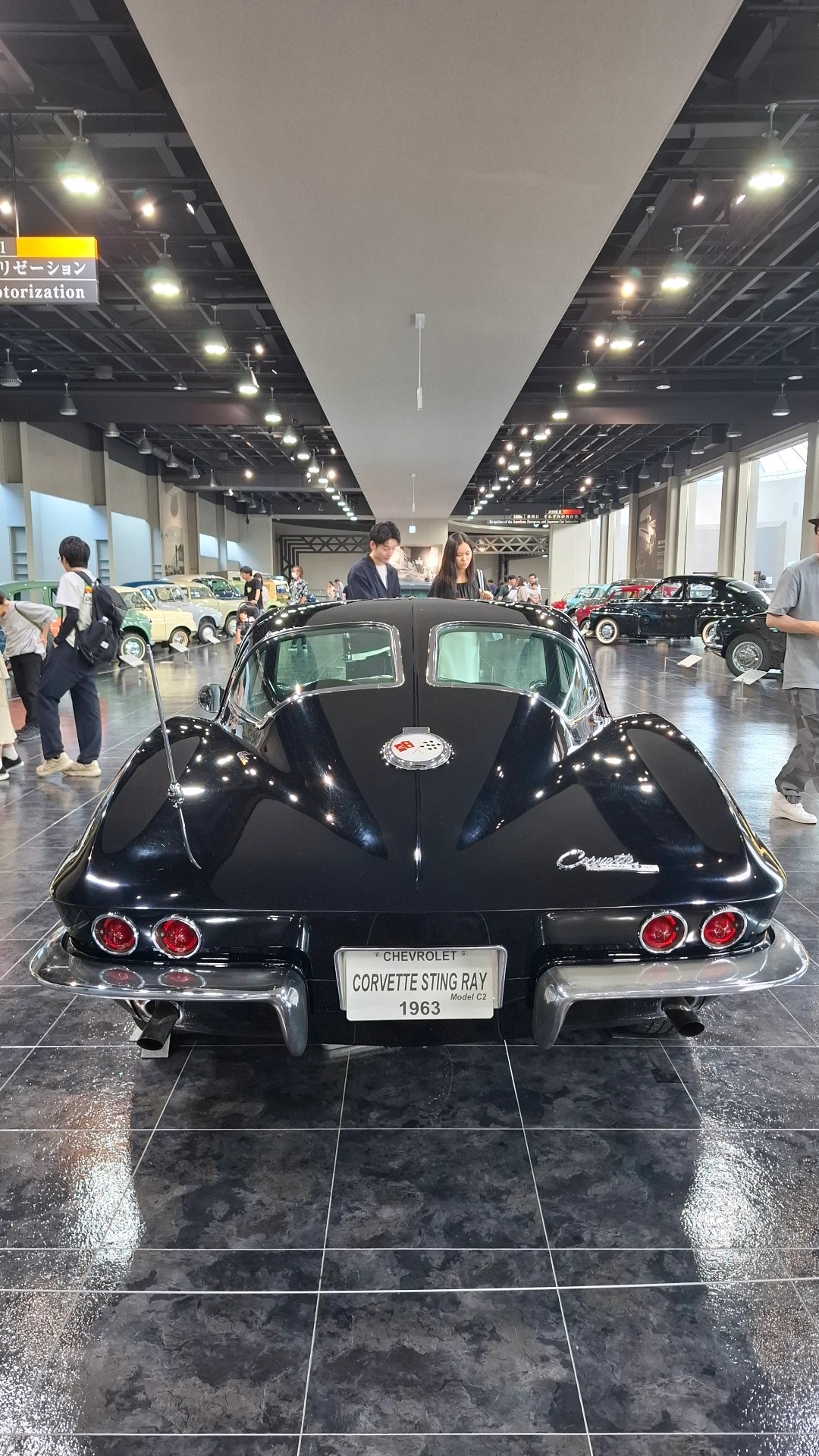
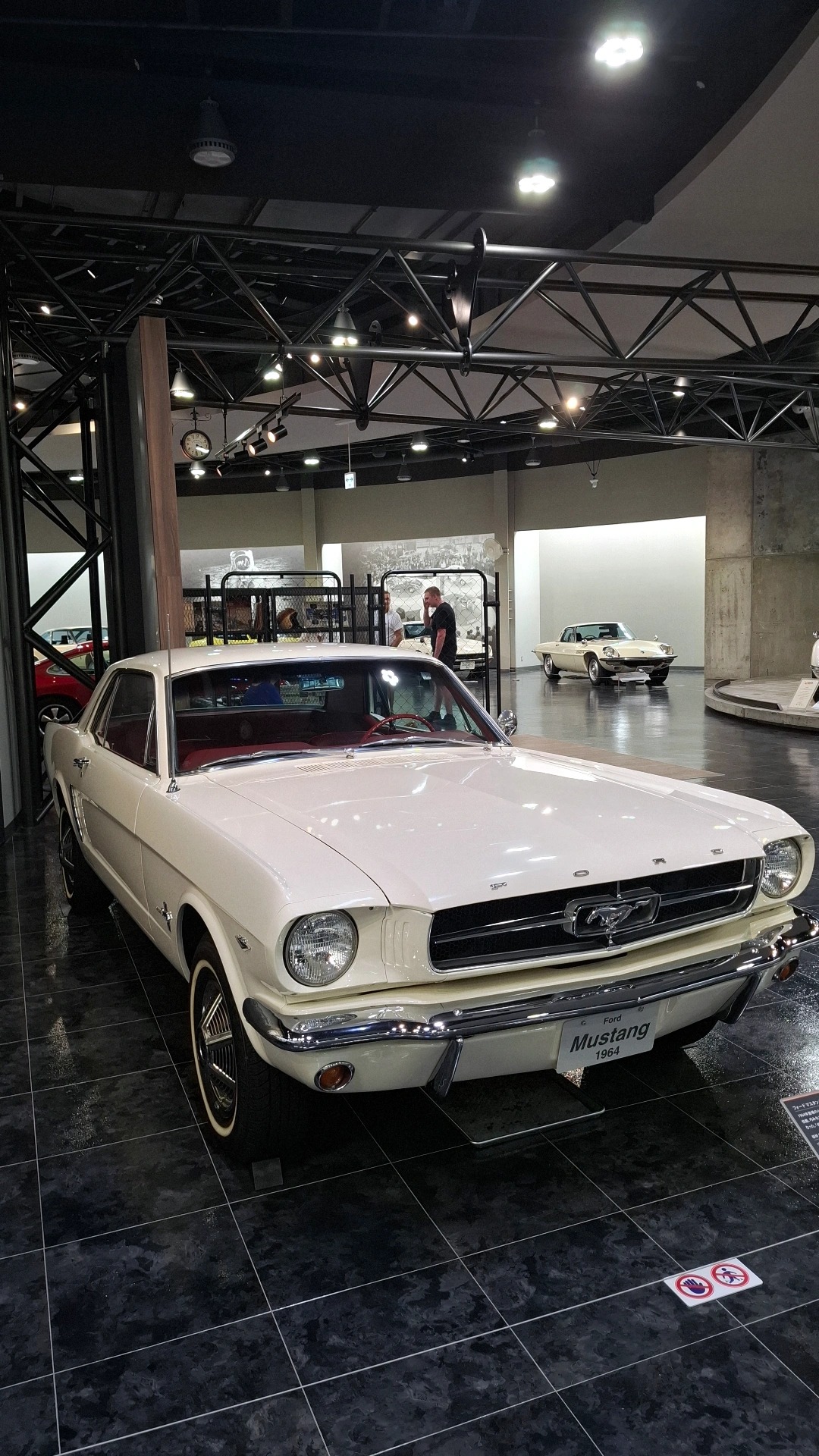
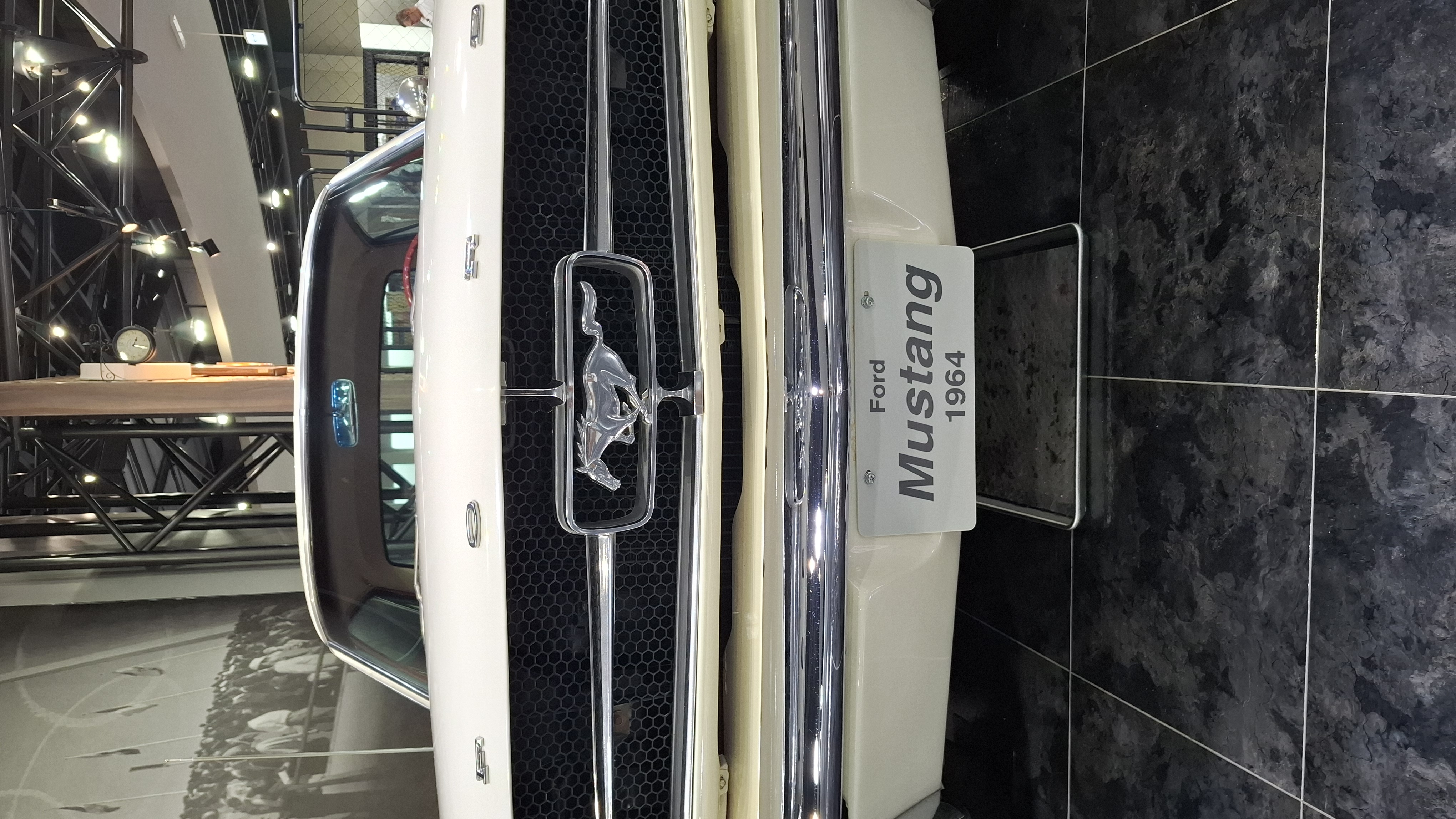
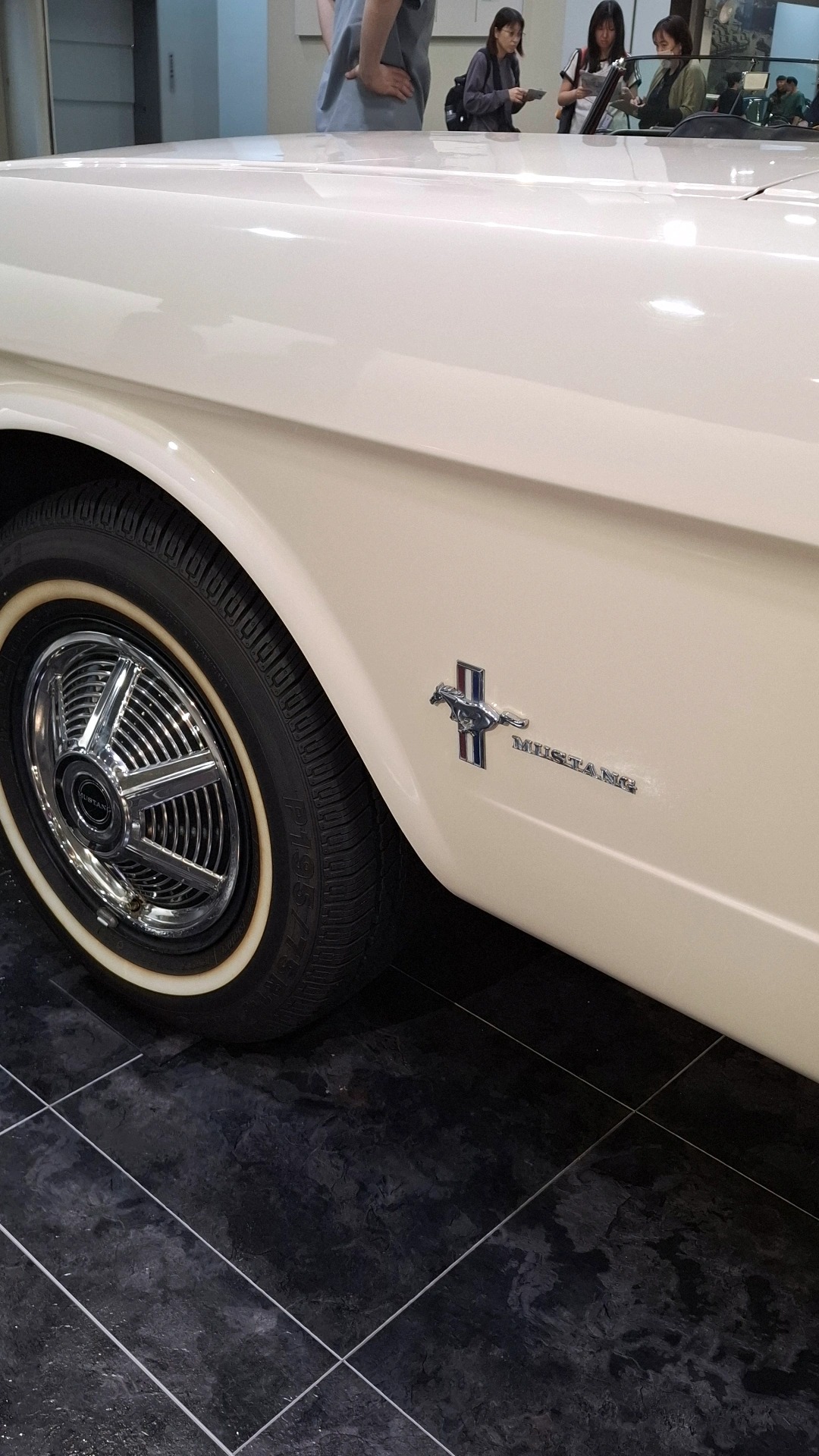
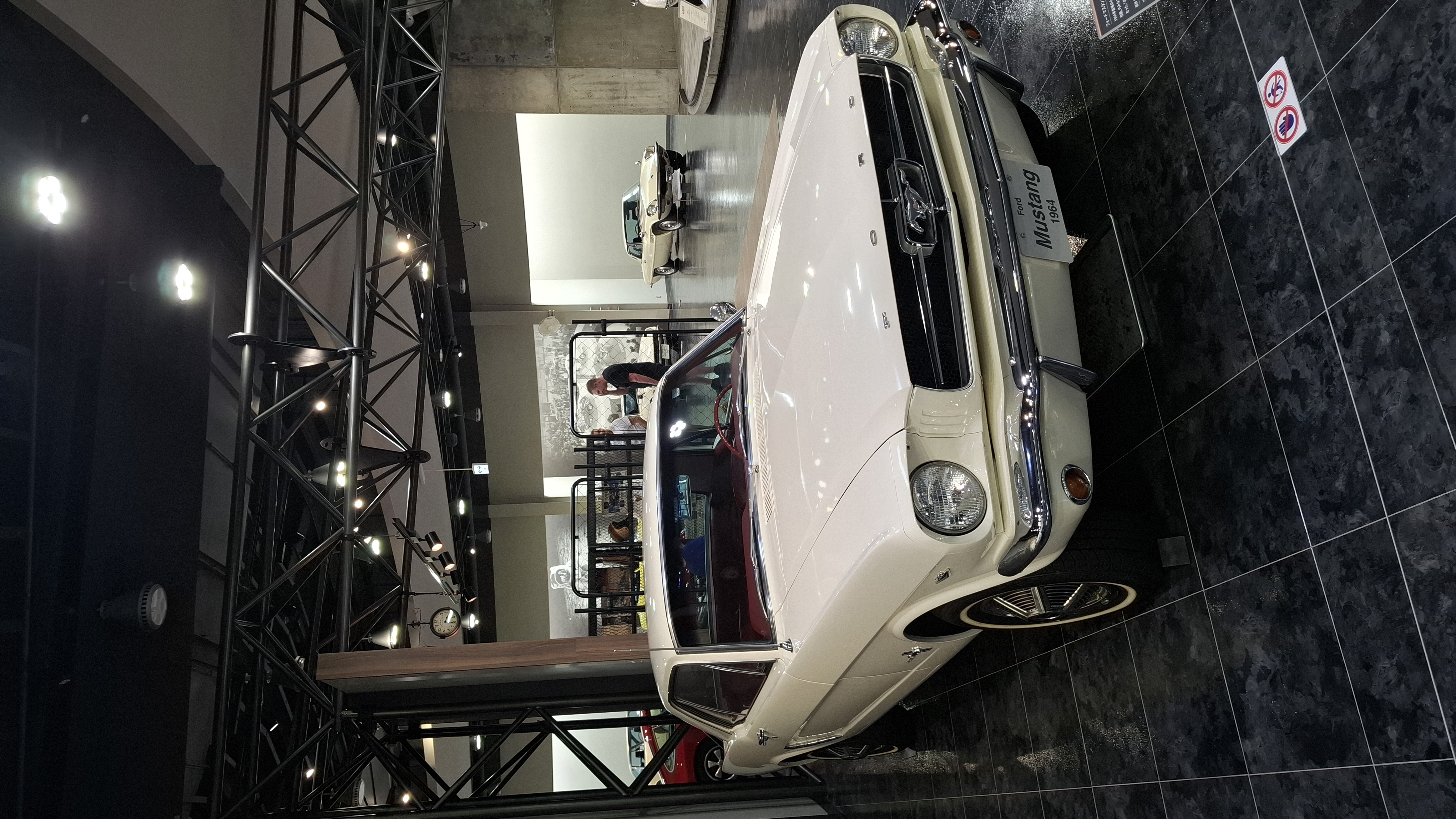
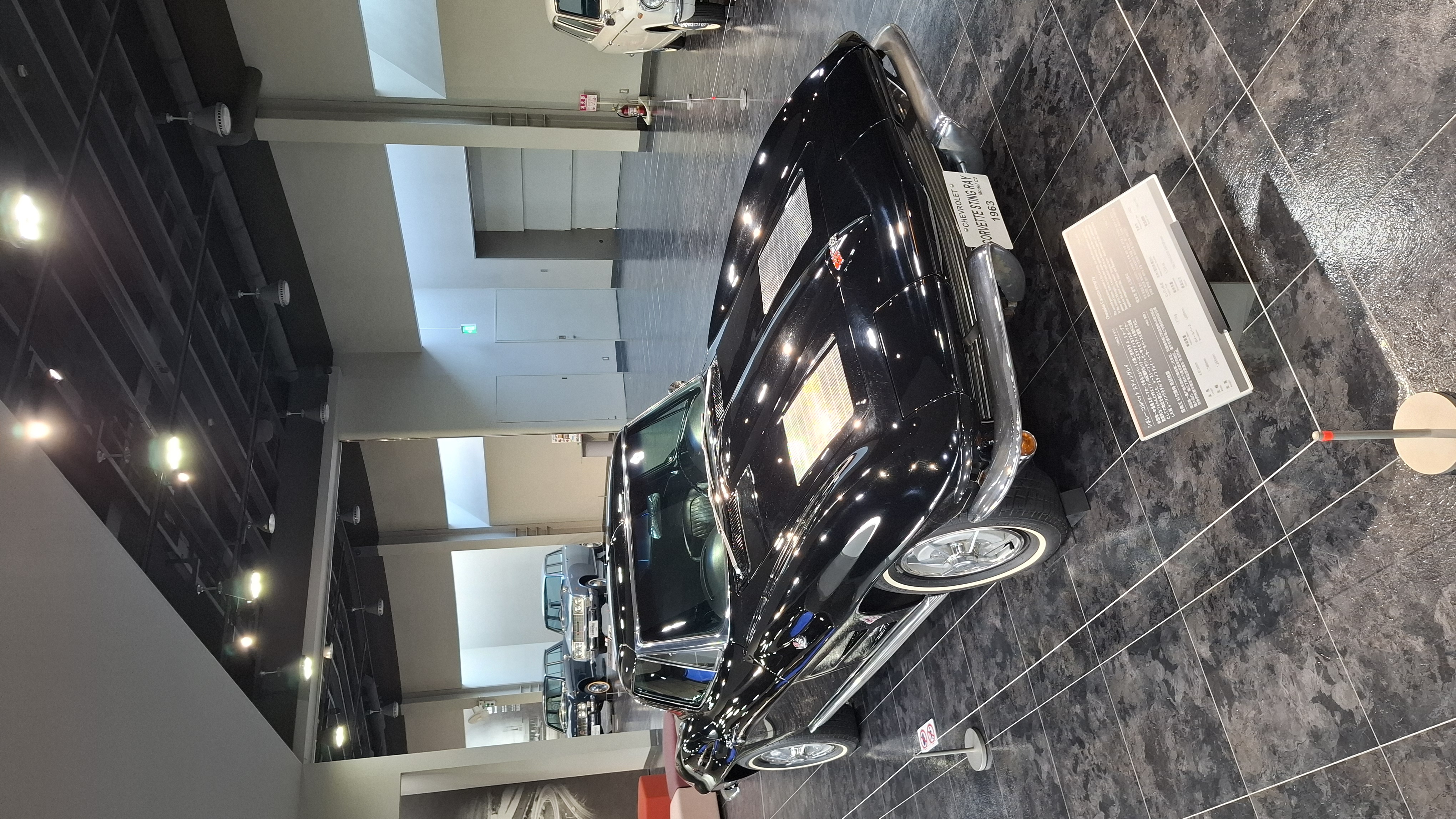
The American section hits hard. A 1959 Cadillac Eldorado in pink, a monument to excess with its enormous fins and chrome grill taking up more visual space than some of the European cars entirely. A 1963 Corvette Sting Ray in black, the split-window coupe, one of the most beautiful cars ever designed by anyone, anywhere. The split rear window was only produced for a single model year, making every surviving one a collector's grail. And a 1964 Ford Mustang in white with whitewall tires and the galloping horse on the fender, the car that created the pony car category overnight.
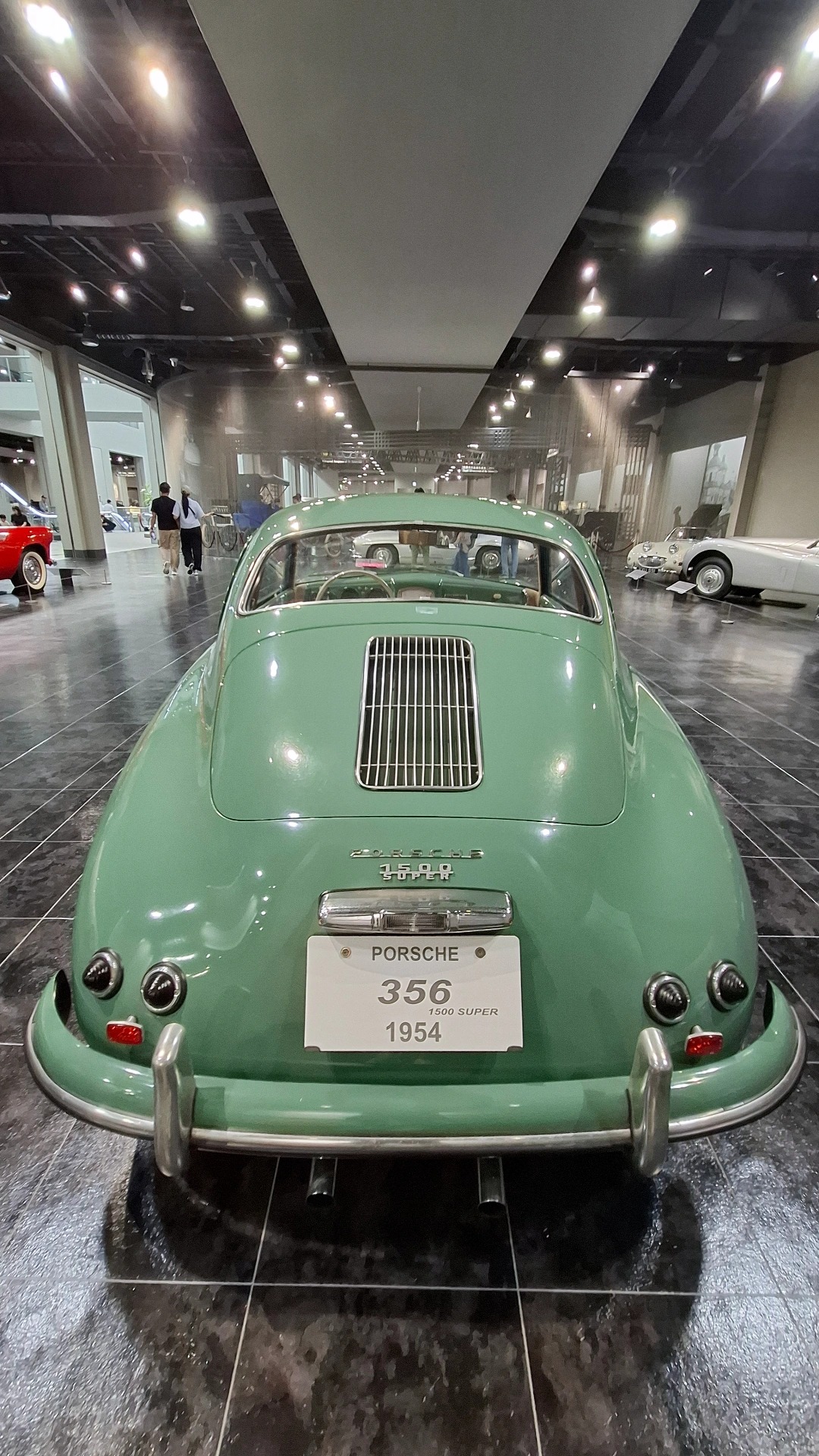
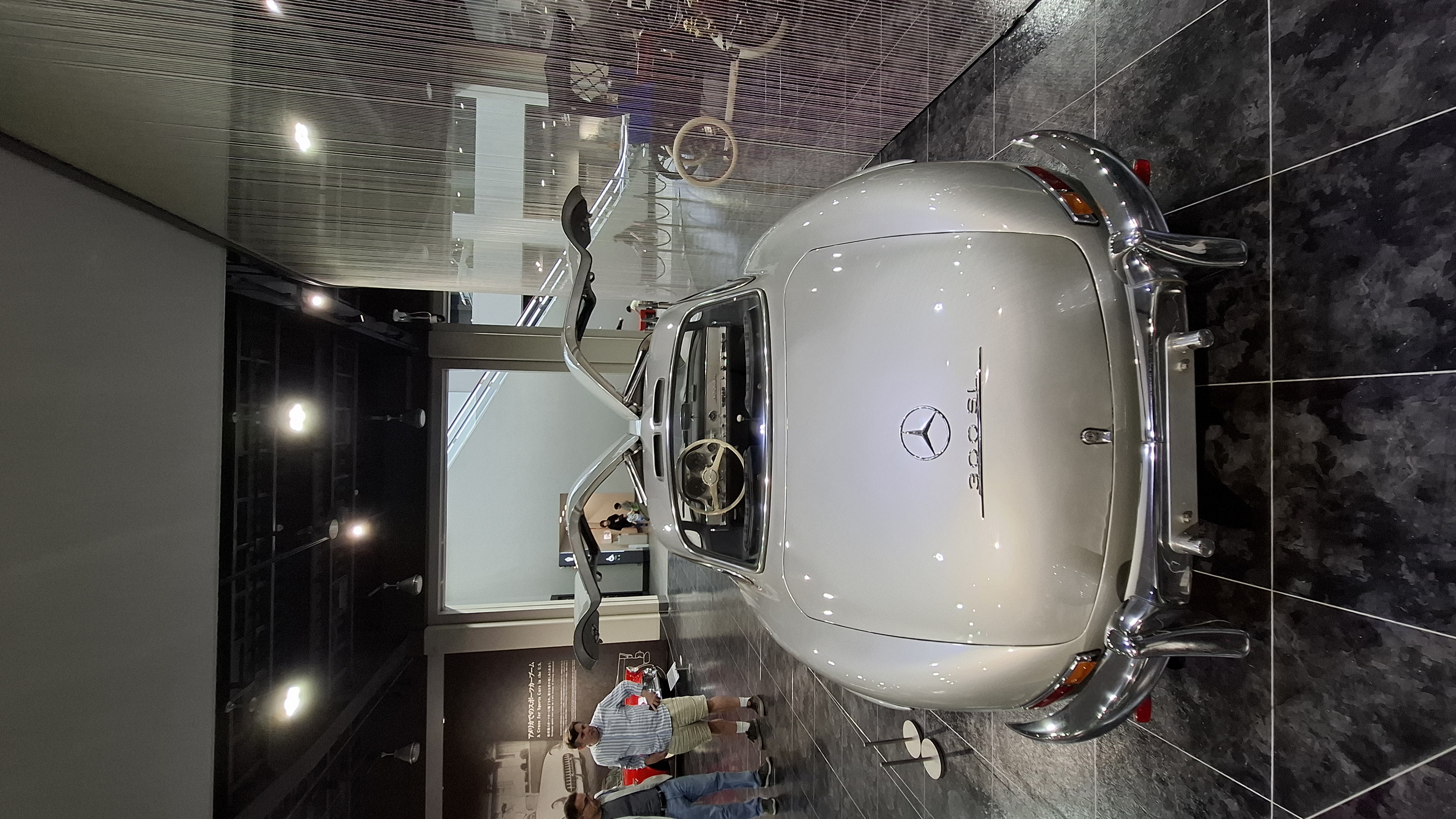
But the European section holds its own. The Porsche 356 from 1954 in mint green, seen from the rear, is so perfect in its proportions that modern car design looks overwrought by comparison. The Mercedes-Benz 300SL Gullwing, silver, sits in its own space like the automotive royalty it is. And then the Bugatti, visible only as a grille and badge, because when you're Bugatti, the badge alone tells the story.
JDM Legends
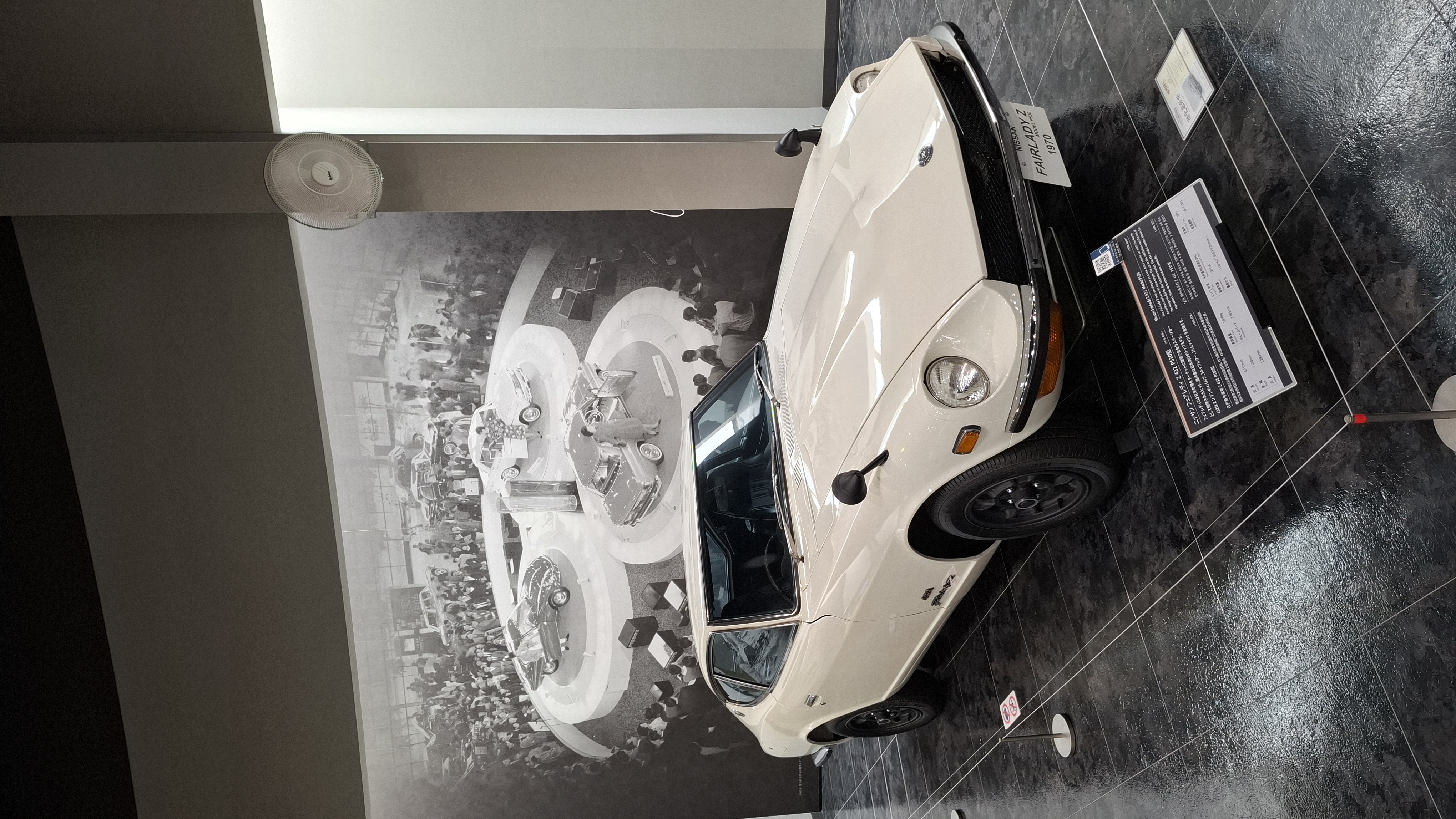
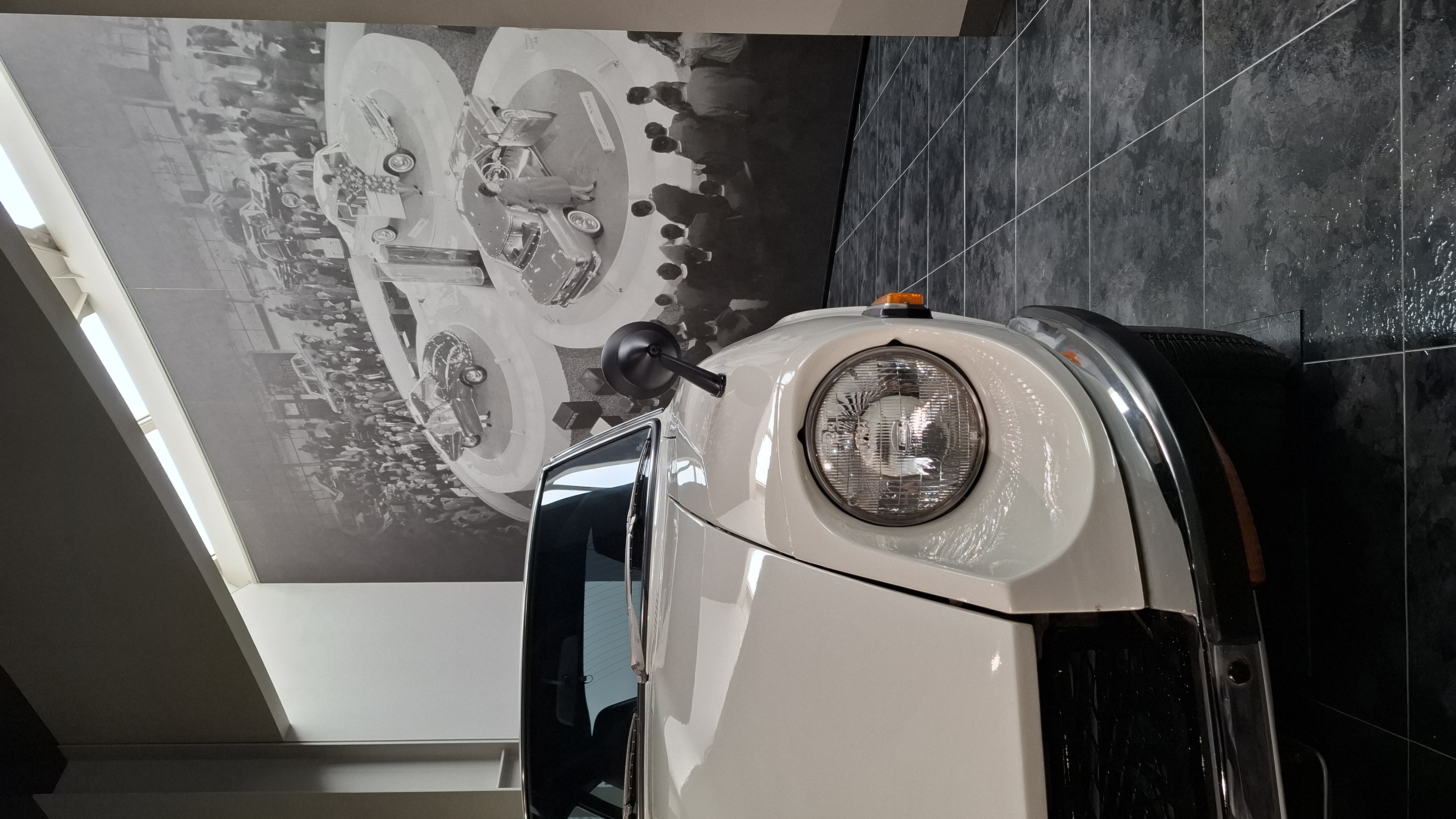
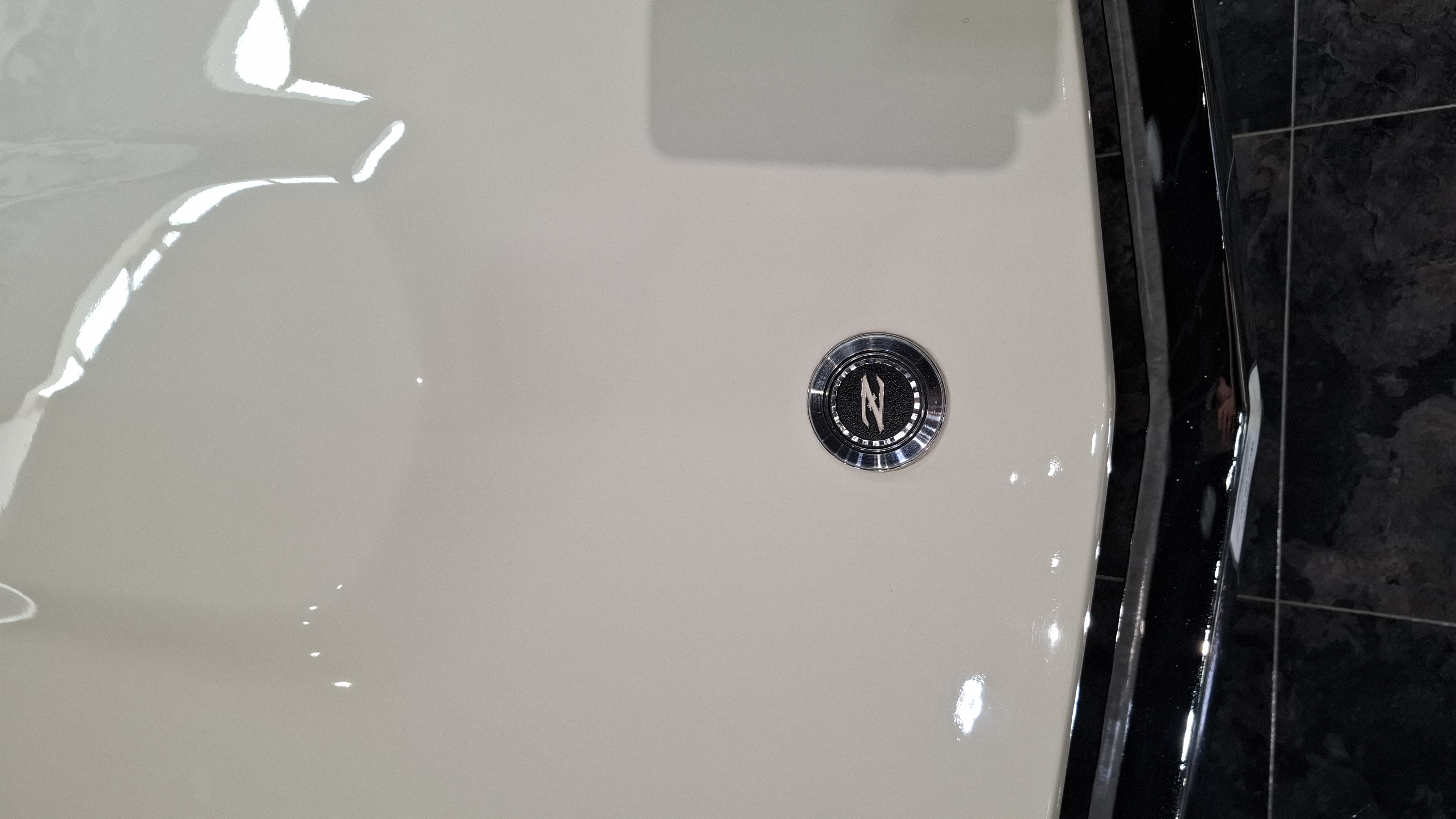
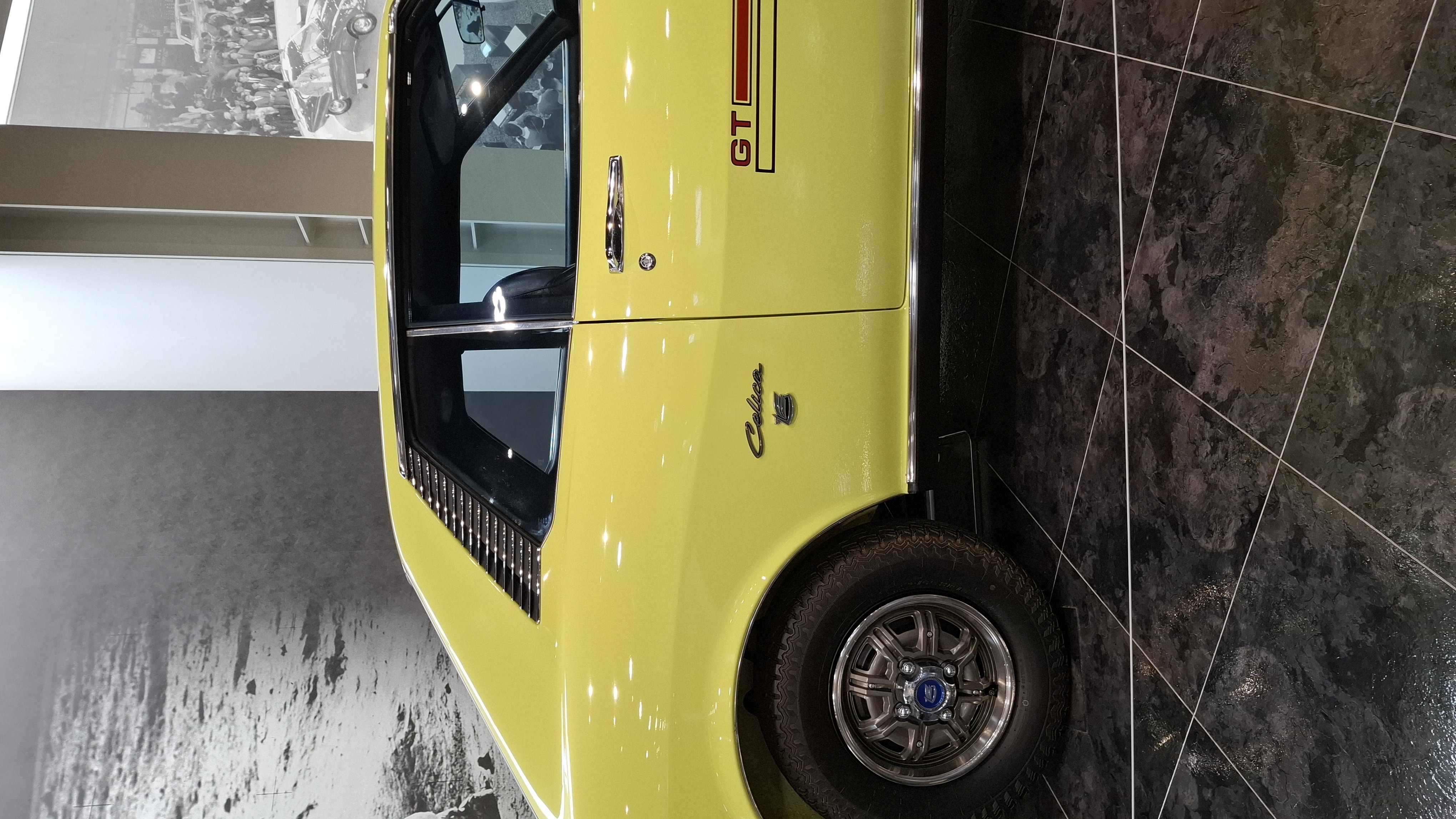
This is where the museum really earns its place in a car enthusiast's itinerary. The Japanese section features cars that you simply cannot see anywhere else in this condition. A white Nissan Fairlady Z S30, the car that brought Japanese sports cars to the world stage. It sits in front of a black-and-white photograph of a Tokyo Motor Show from its era, and the contrast between the photograph and the physical car is striking. The photo is history. The car is still here.
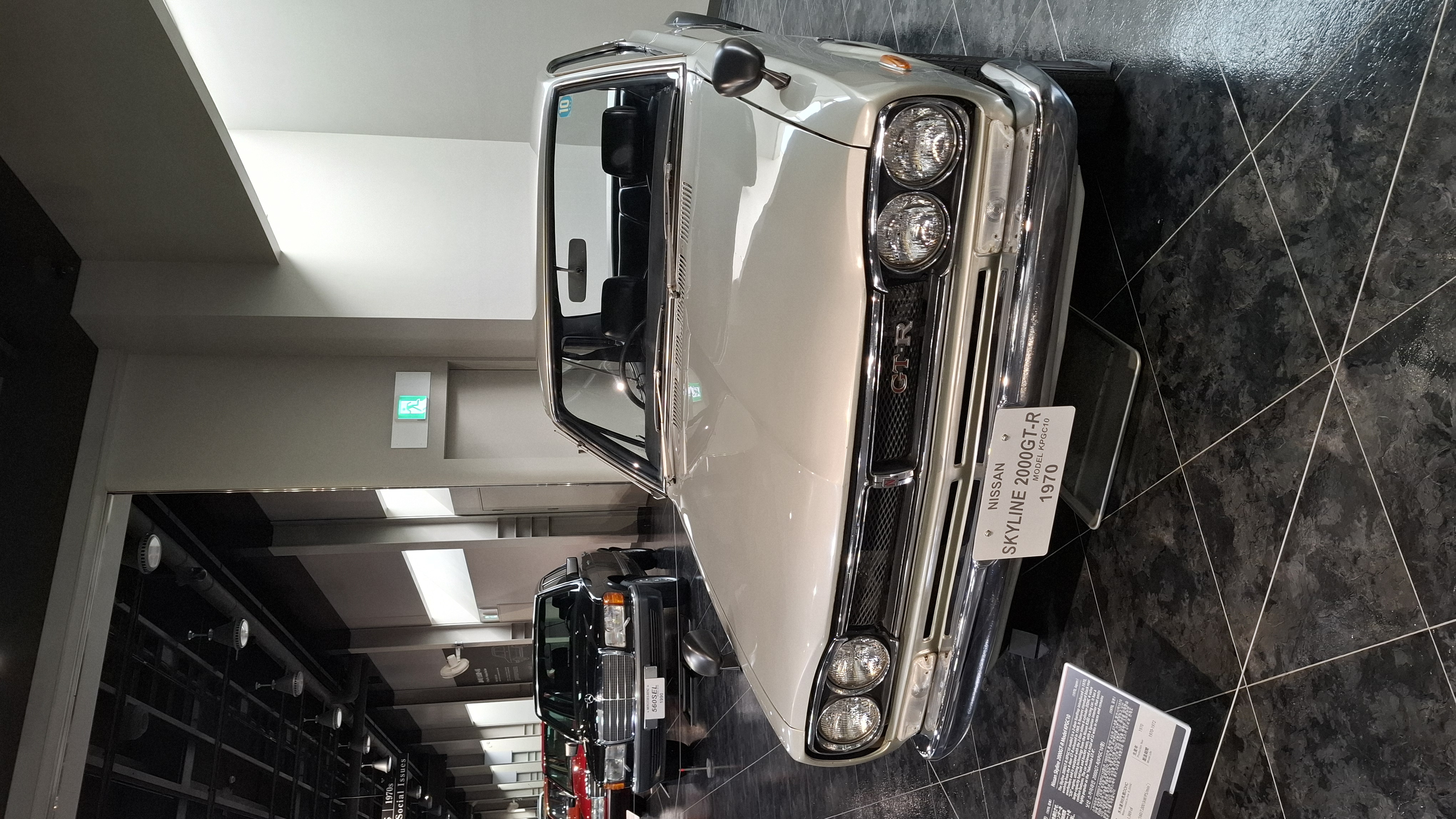
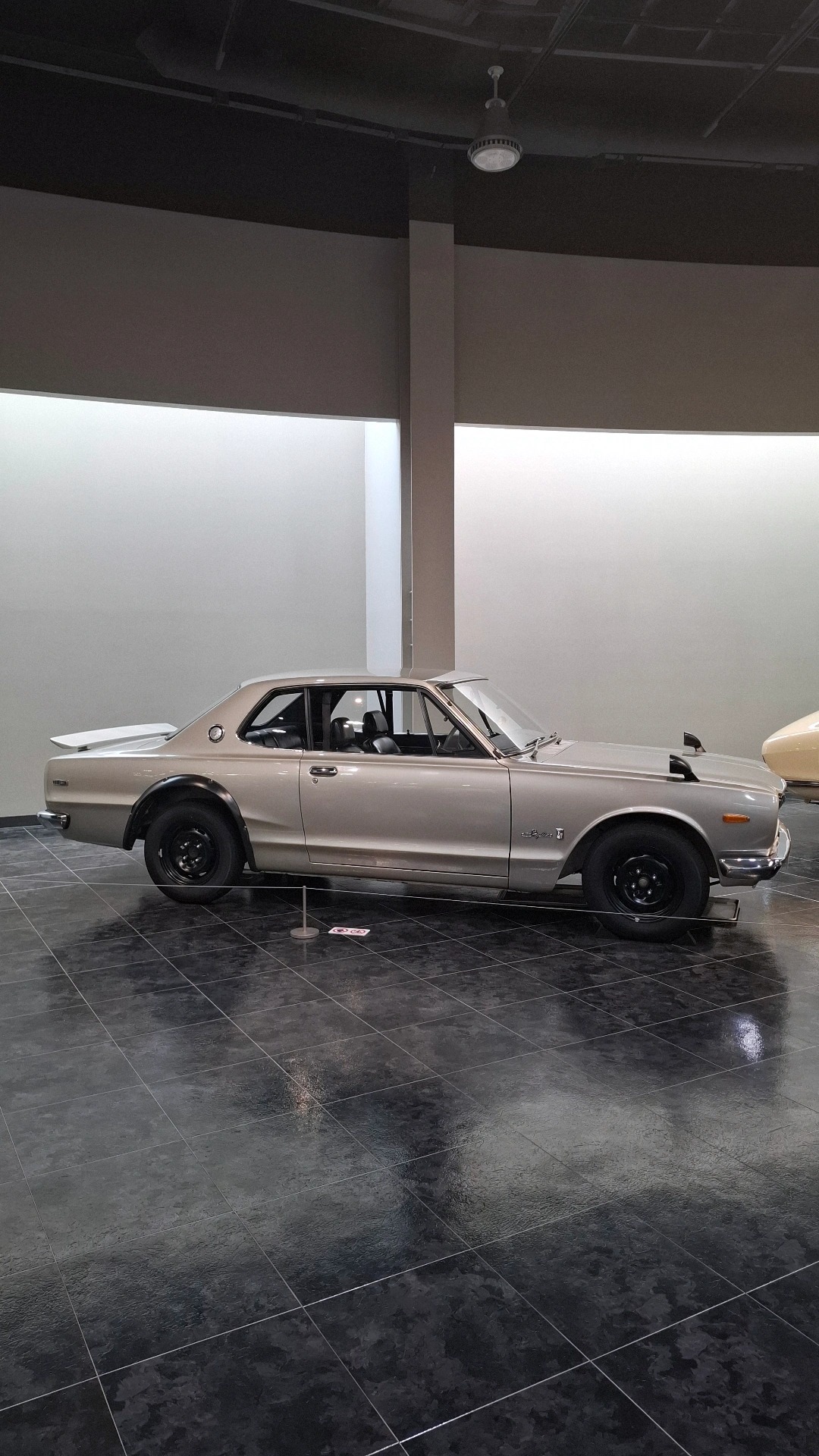
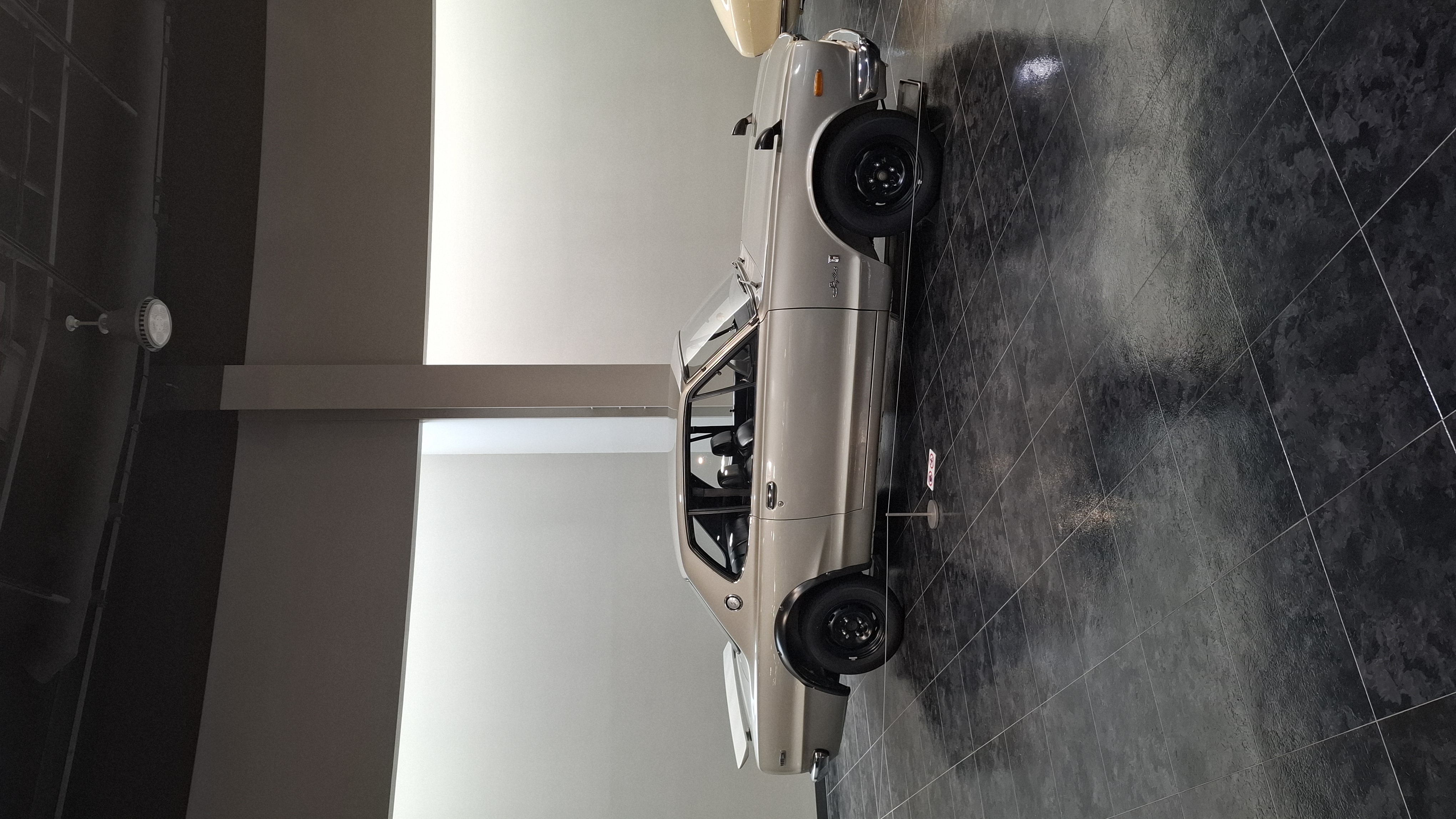
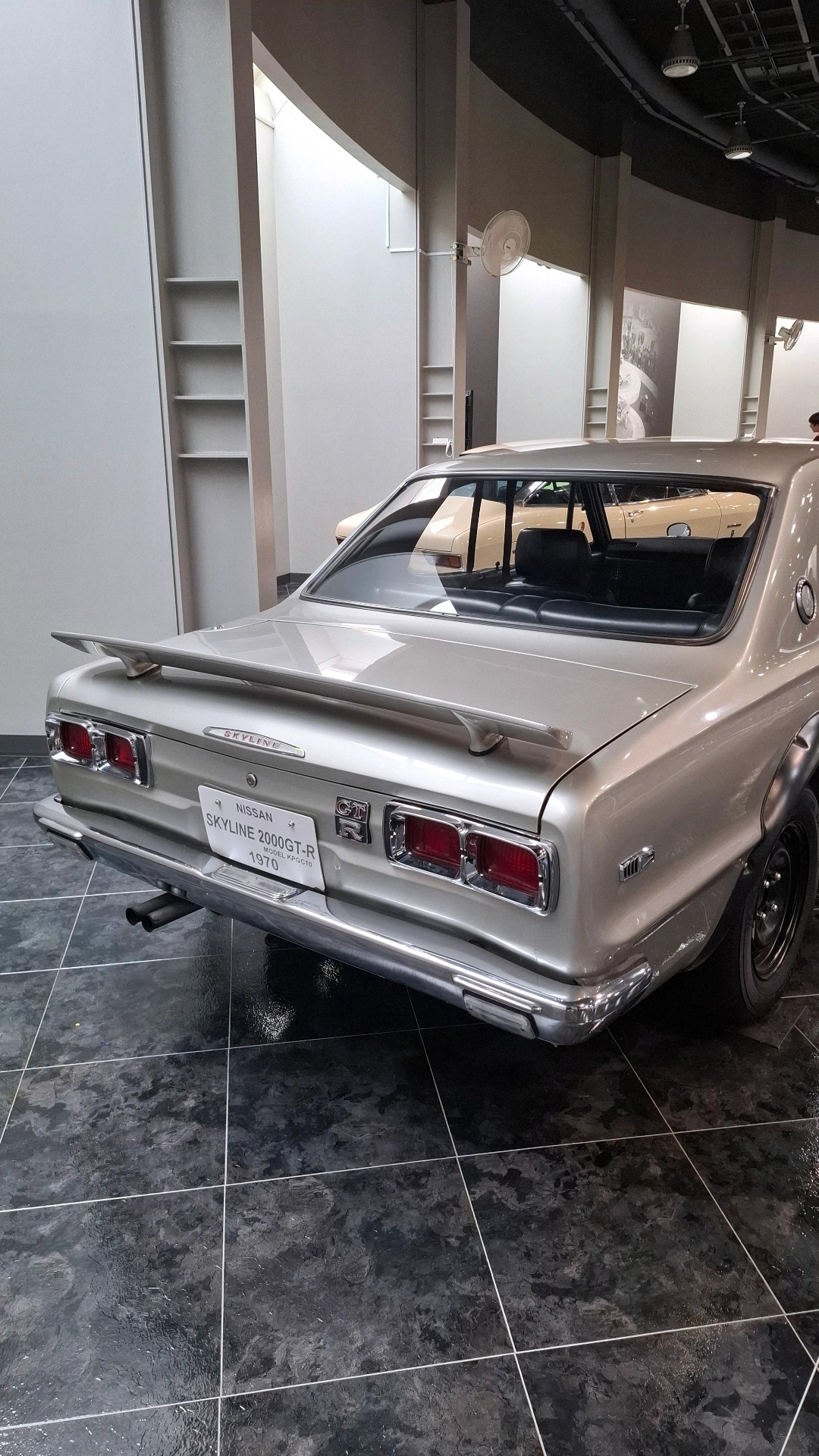
And then the Hakosuka. The 1970 Nissan Skyline 2000GT-R, the KPGC10, in silver. The car that started the GT-R legend. If you grew up watching Initial D, if you've ever played Gran Turismo, if you've ever stood at Daikoku PA watching tuned Nissan Skylines roll in, this is where it all began. The museum has it from both angles: front three-quarter and rear view, so you can see the quad round taillights and the GT-R badge. Silver paint, black wheels, no modifications. The factory original. Standing next to it felt like visiting a shrine.
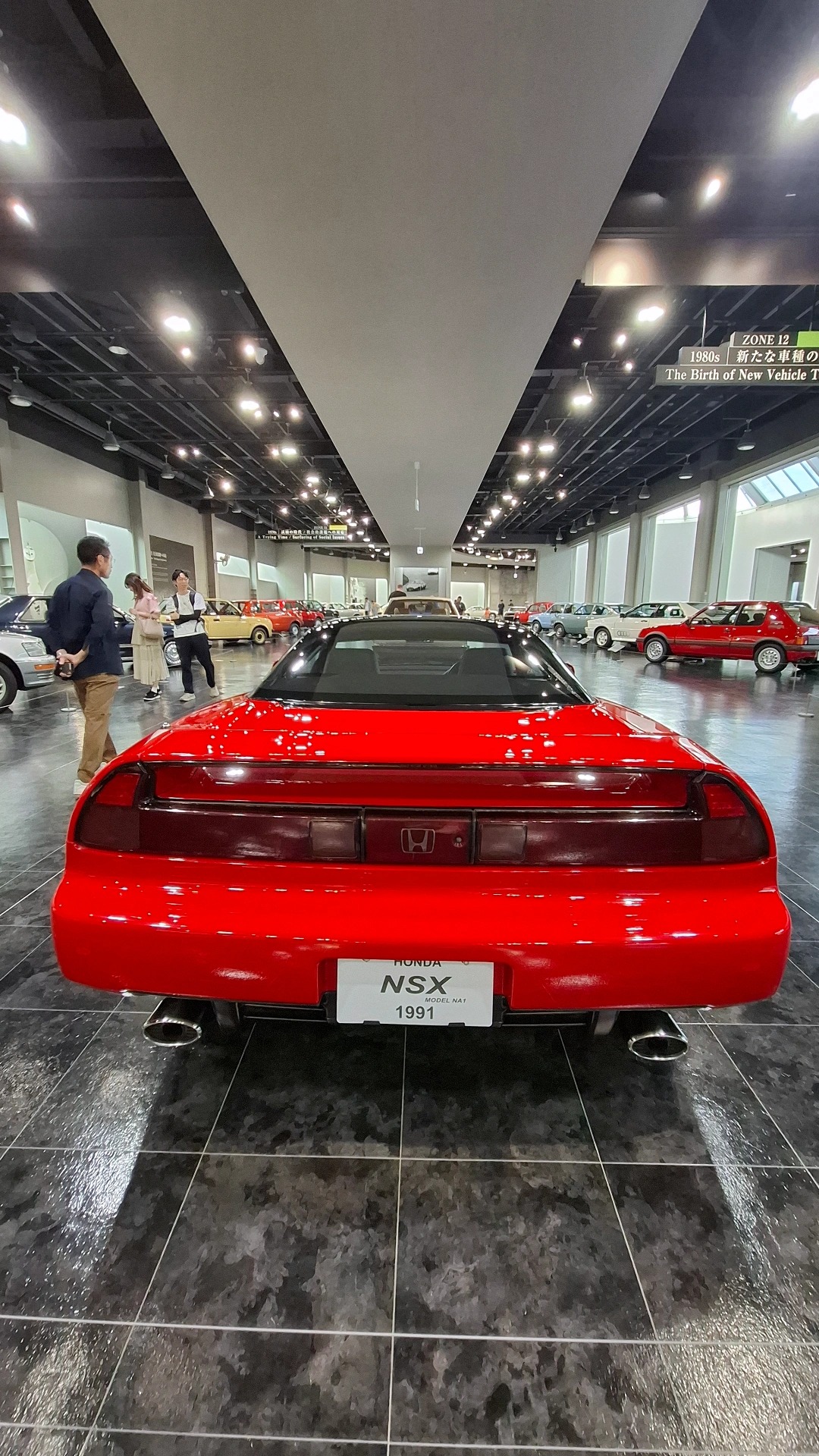
The Honda NSX from 1991, in red, represented the other side of the JDM era. Where the Skyline was brute force and turbo power, the NSX was precision, a mid-engined sports car that terrified Ferrari. Seeing it here in a Toyota museum is a mark of respect: this isn't about brand loyalty, it's about documenting the cars that mattered.
The Space Itself
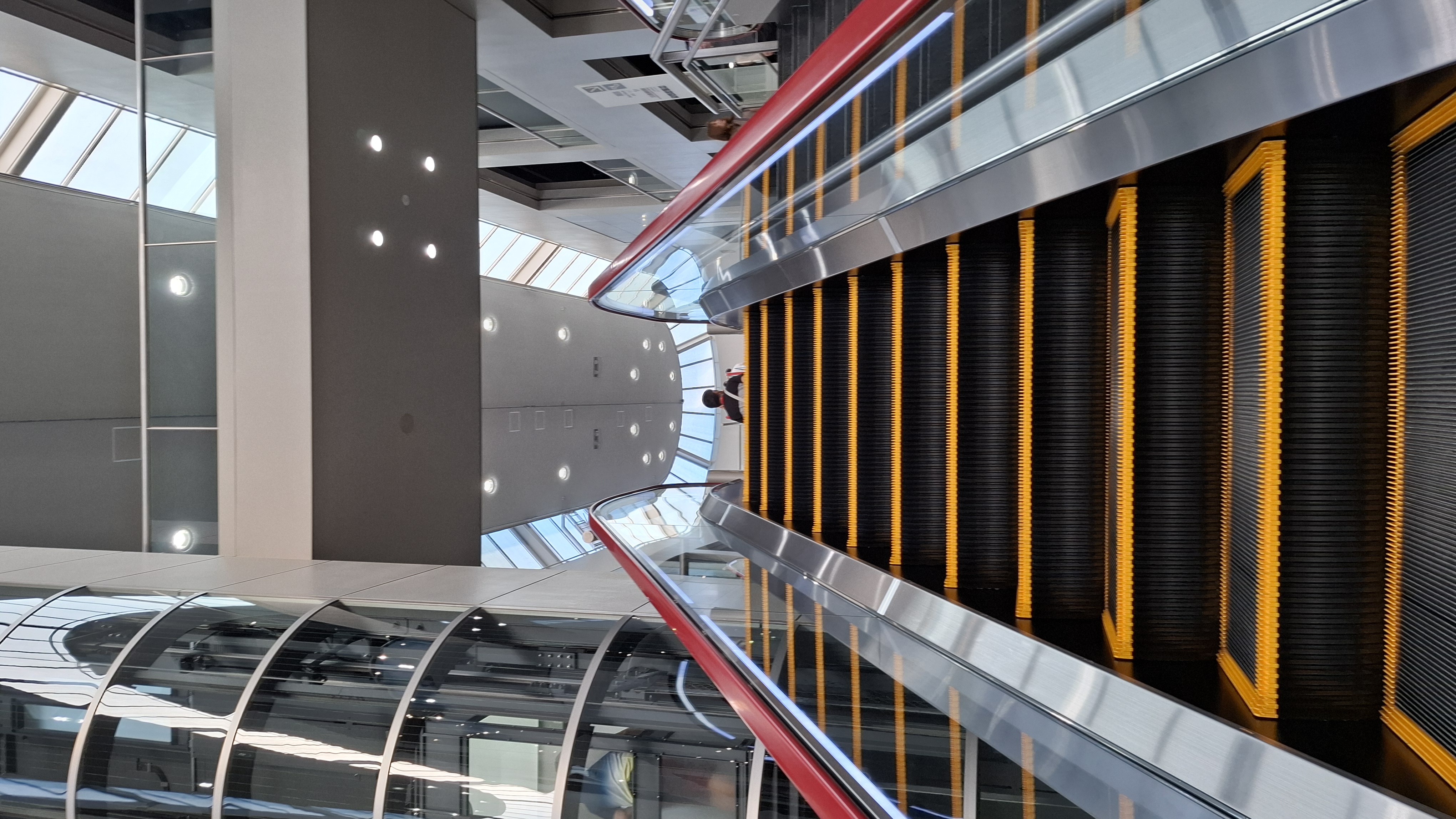
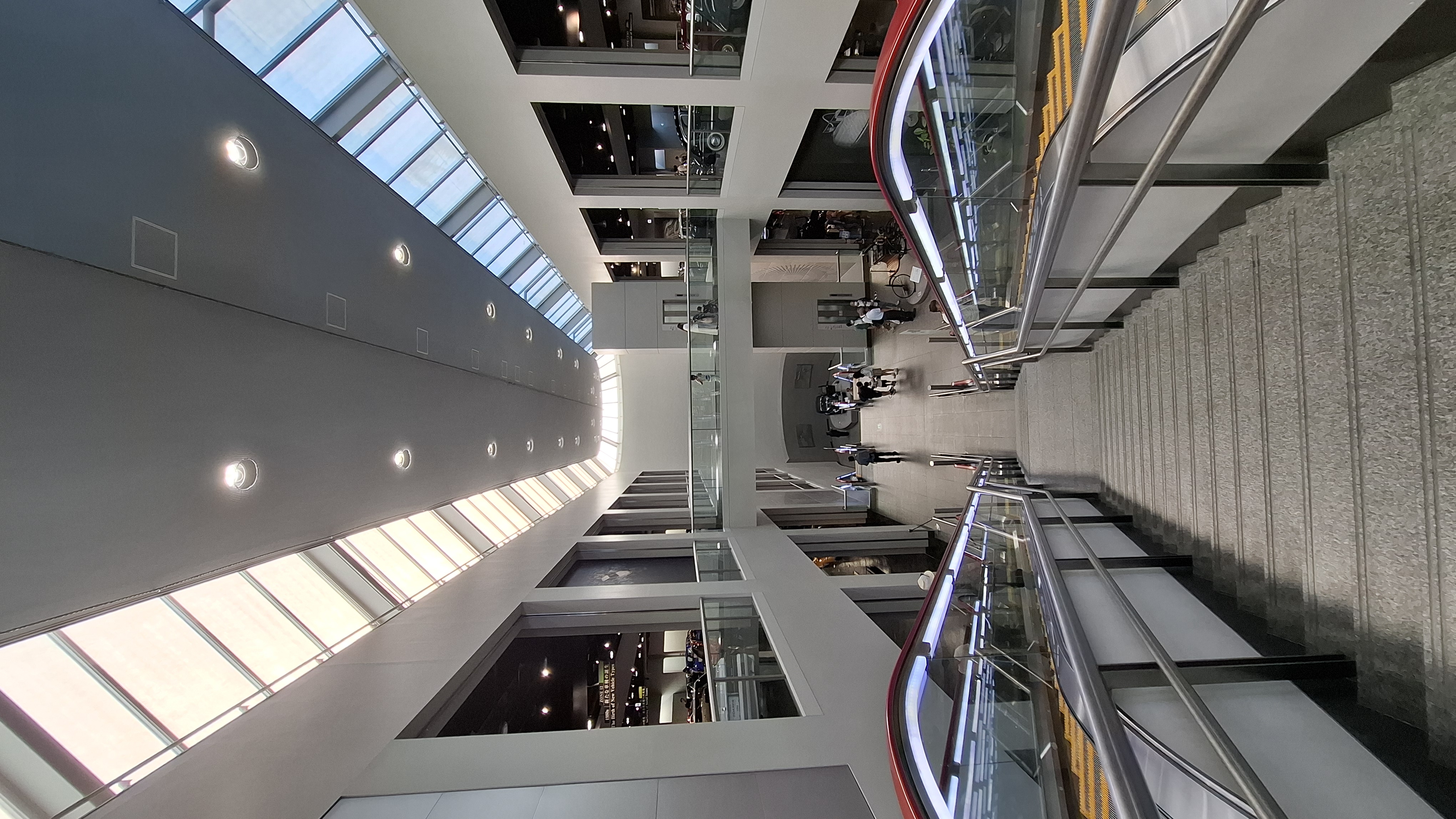
The museum is spread across multiple floors connected by escalators, with dark polished floors that reflect the cars like standing water. The lighting is excellent, professional but not clinical. Each car has room to breathe, and the flow of the exhibition follows a roughly chronological path from the dawn of the automobile to the modern era. You walk through the 1920s, the 1930s, the postwar boom, the muscle car era, the Japanese economic miracle, and into the 90s and beyond.
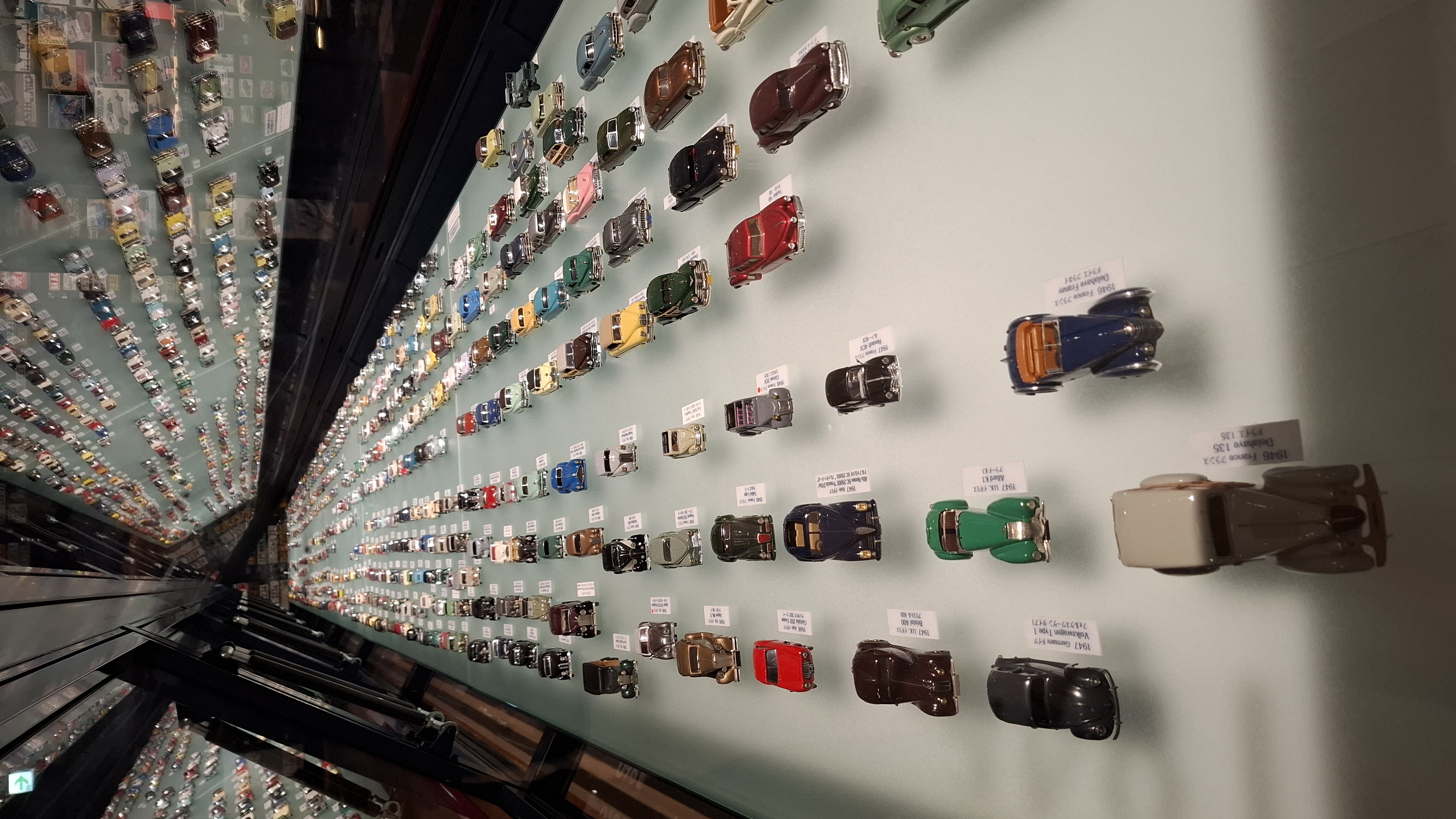
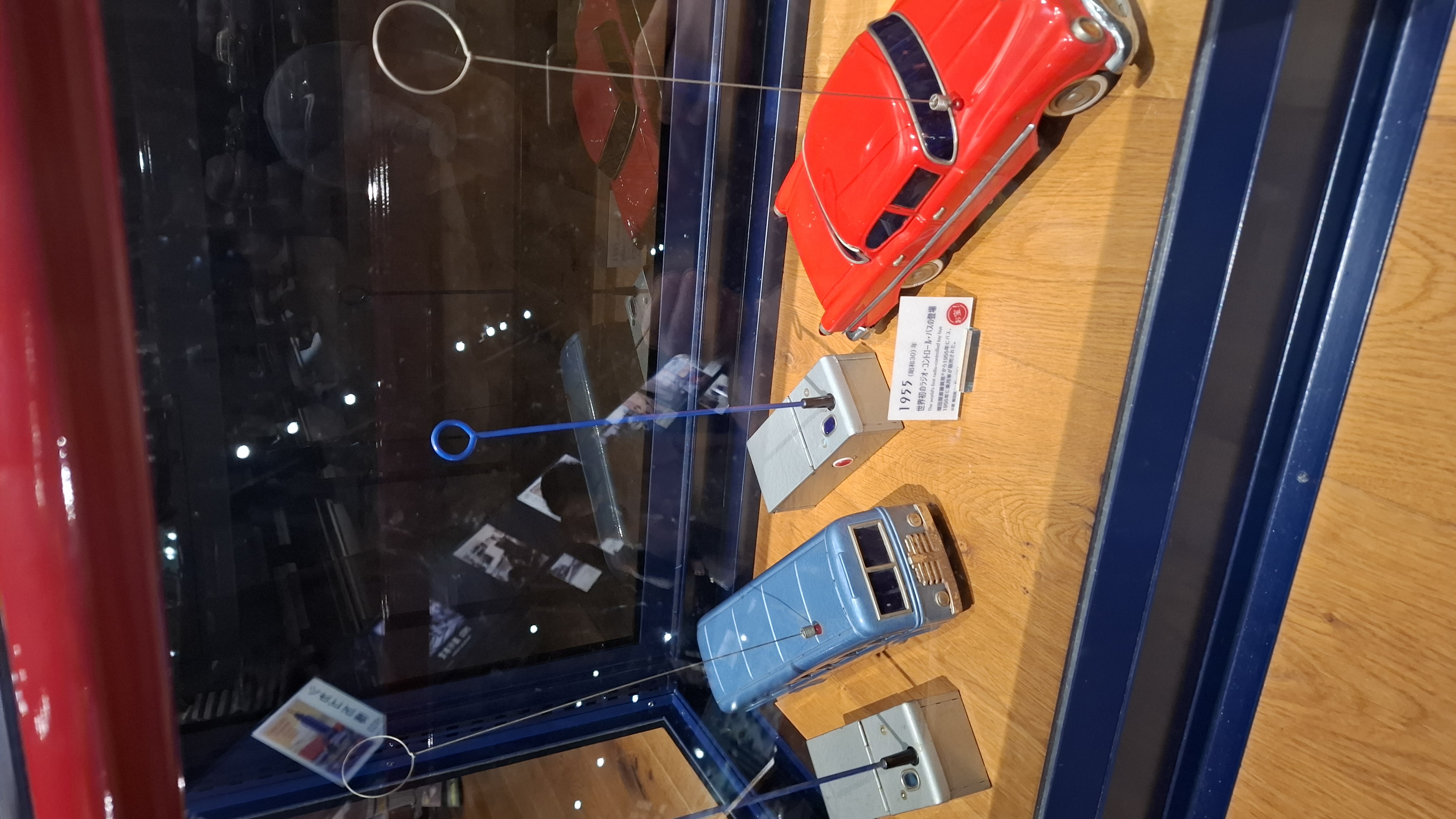
There's also an entire room dedicated to model cars and toy cars - not just a display case, a full room. Hundreds of miniatures arranged in rows, plus glass cabinets with detailed scale models from every era. It's the kind of room you walk into expecting to spend two minutes and end up staying fifteen. Kids love it, but so does anyone who grew up building model kits or collecting Tomica cars. A museum within the museum.
Unlike the Honda Collection Hall, which felt nearly empty when I visited, the Toyota Museum had a steady stream of visitors. Families, couples, groups of young car enthusiasts with their phones out. But the space is large enough that it never felt crowded. You could still stand in front of the Corvette Sting Ray for five minutes and nobody would bump into you.
Practical Info
Location: Toyota Automobile Museum, 41-100 Yokomichi, Nagakute City, Aichi Prefecture. View on Google Maps
Website: toyota-automobile-museum.jp
What: 140 vehicles spanning the entire history of the automobile, from the 1890s to the present. International collection, not limited to Toyota.
Admission: 1,200 yen for adults (as of 2025)
Access: Linimo maglev train from Fujigaoka Station (which connects to Nagoya via the Higashiyama Subway Line). Get off at Geidai-dori Station, 5-minute walk. Also accessible by car with on-site parking.
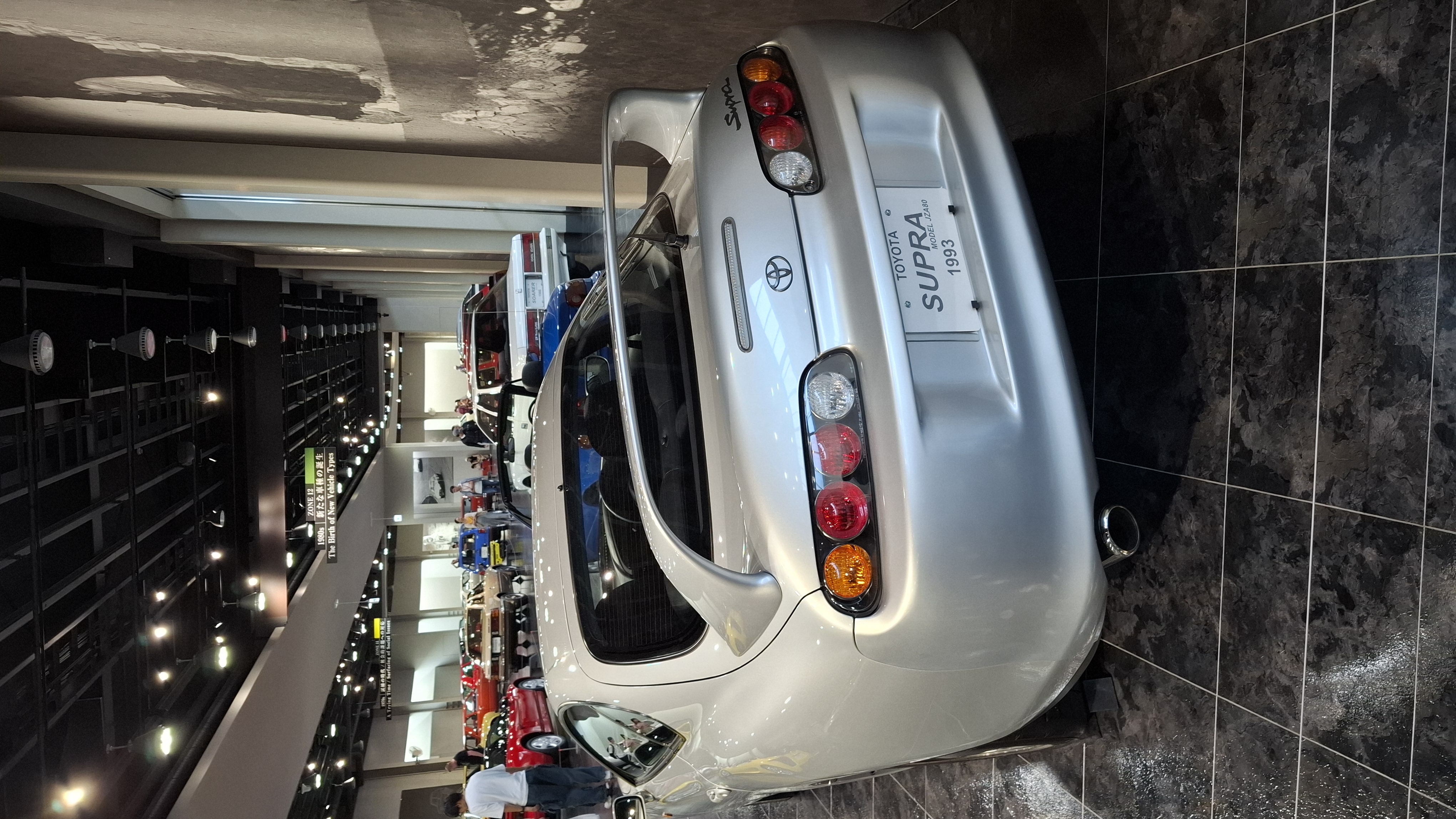
Highlights: Nissan Skyline 2000GT-R Hakosuka, Corvette Sting Ray 1963 split-window, Mercedes 300SL Gullwing, BMW 2002 Turbo, Ford Mustang, Cadillac Eldorado, US Presidential limousine, Honda NSX, Fairlady Z S30, Porsche 356, Bugatti
Time needed: 2 to 3 hours. The cultural wing with miniature cars and posters adds another hour if you're into it.
Tip: Combine this with the Toyota Commemorative Museum of Industry and Technology in central Nagoya. That museum is housed in Sakichi Toyoda's original 1911 red-brick textile factory and traces how Toyota evolved from looms to cars. It's a completely different experience - industrial heritage rather than car collection - and the two together give you the full story. Both are easily doable in a single day, especially in summer when you'll welcome the air conditioning between stops. A separate blog post on that one is coming.