I've been to Shirakawa-go at least three or four times now, and I keep going back. The first time was on my own, before I started bringing people along on my Japan trips. Since then I've seen it in summer rain, in deep winter snow, and on quiet weekday mornings when the tour buses hadn't arrived yet. It's touristy, no question. But the architecture and the landscape are so strong that the crowds don't diminish the place. They can't. The Gassho-zukuri houses are too ancient, the valley too wide, the mountains too present.
The Houses
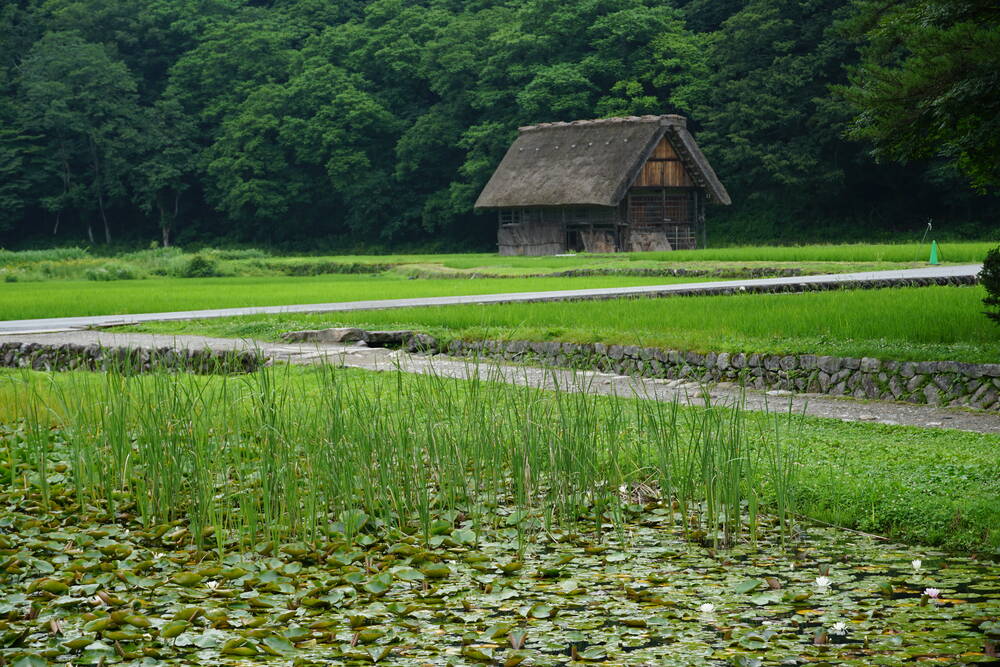
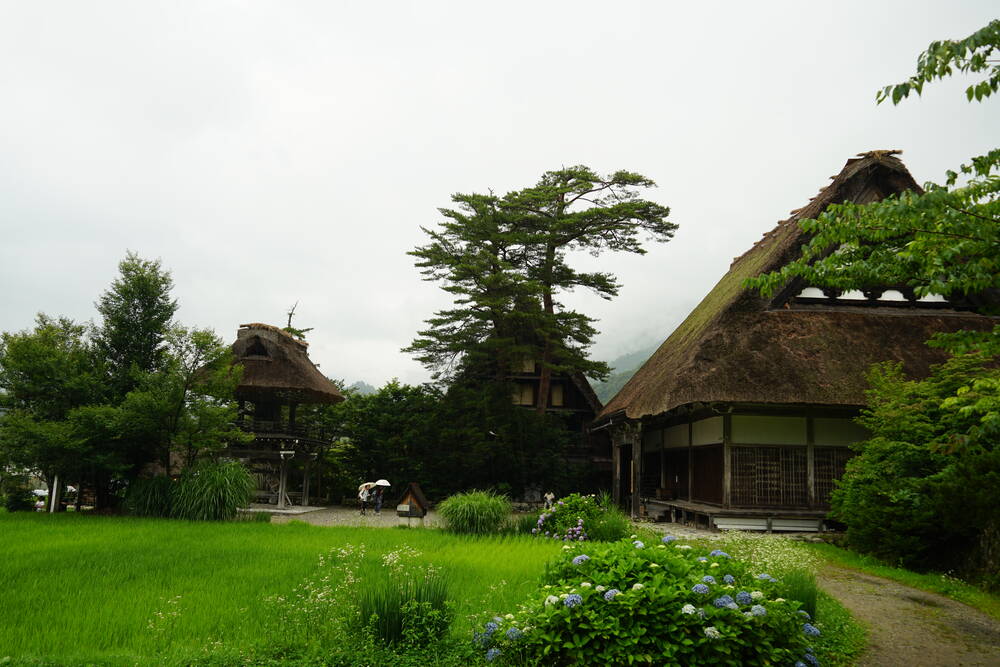
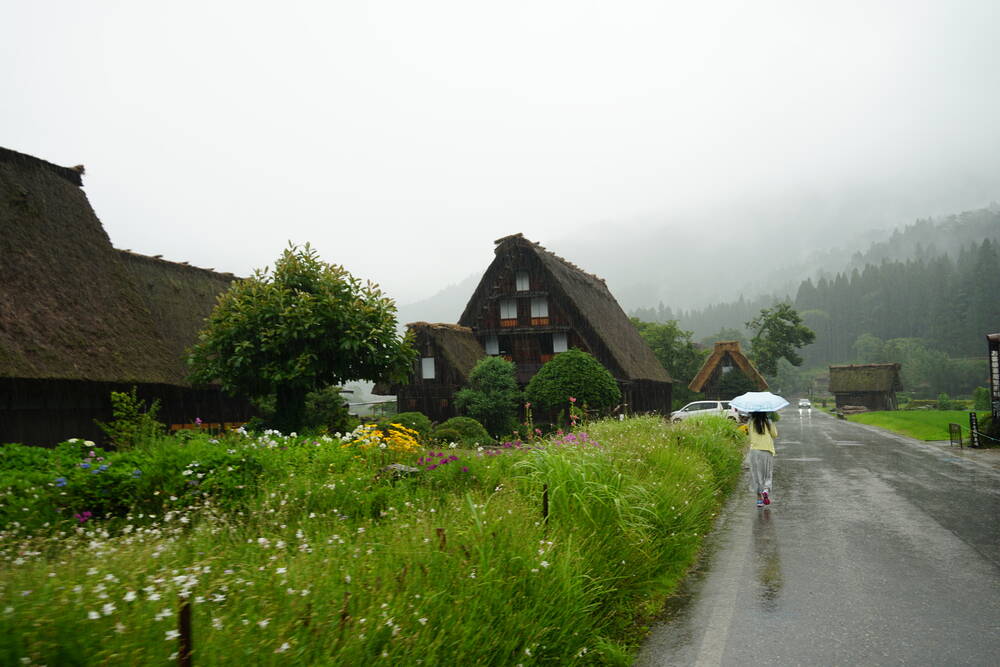
The name Gassho-zukuri means "constructed like hands in prayer" - a reference to the steep angle of the thatched roofs that shed the heavy Gifu mountain snow. These houses have been standing here for centuries, some of them over 250 years old, and they're still in use. People live in them. Some have been converted into small restaurants, ryokan inns, or gift shops, but many are simply homes. Walk through the village early enough and you'll see residents tending their gardens, hanging laundry, going about their morning routines in houses that look like they belong in a museum but function as perfectly normal dwellings.
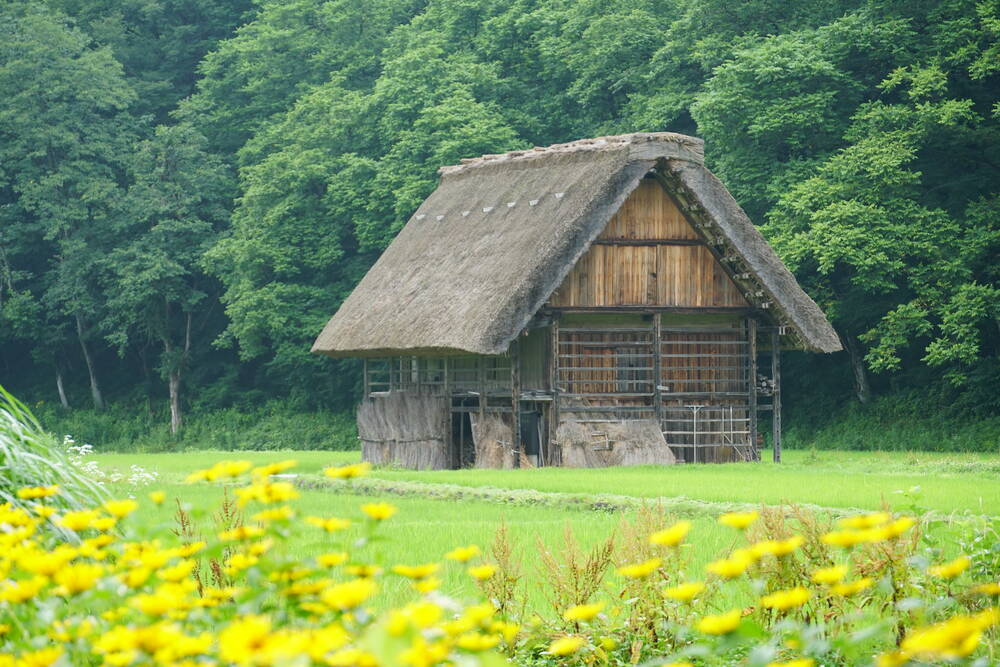
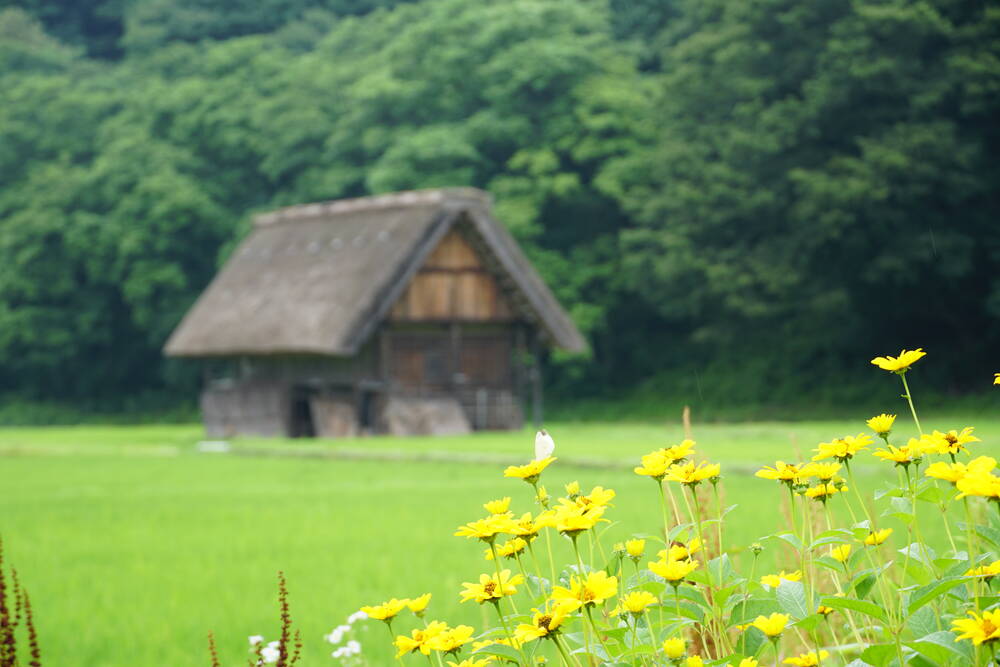
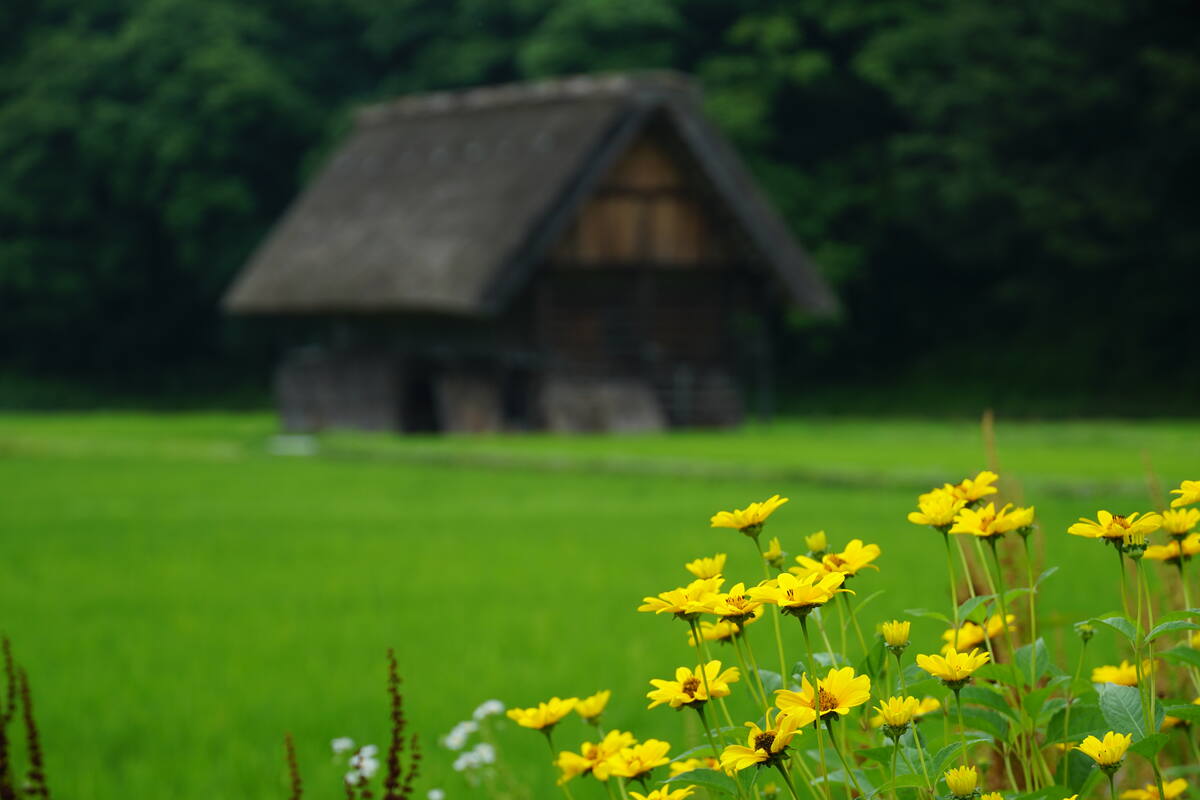
What makes them photogenic is the combination of the steep triangular roofs, the dark aged wood, and the setting. Bright green rice paddies in summer, yellow and red foliage in autumn, meters of snow in winter. The houses look right in any season because they were built to exist in all of them.
Summer Rain
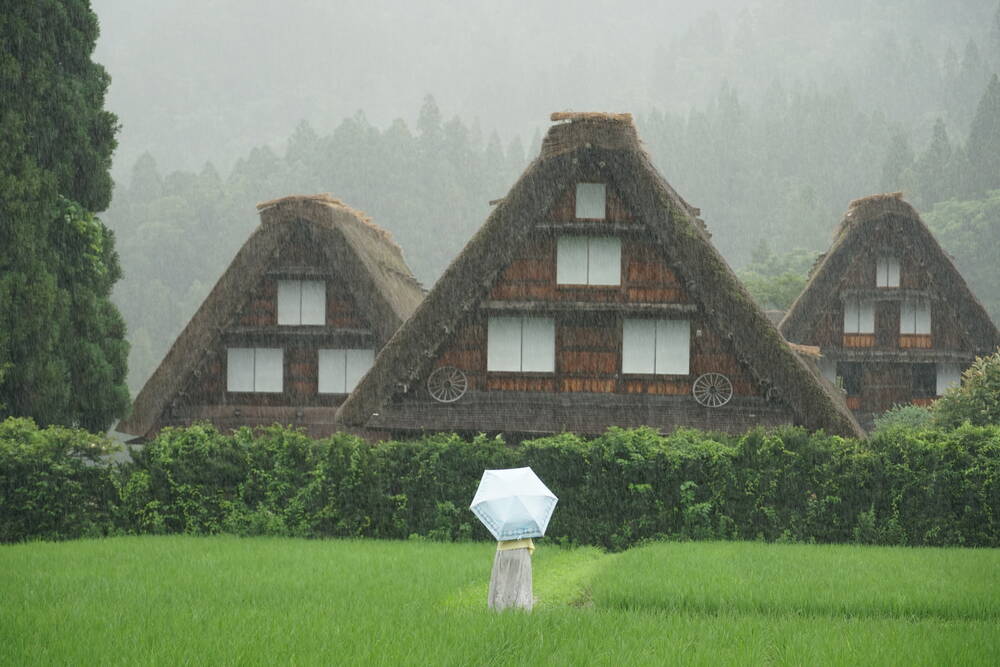
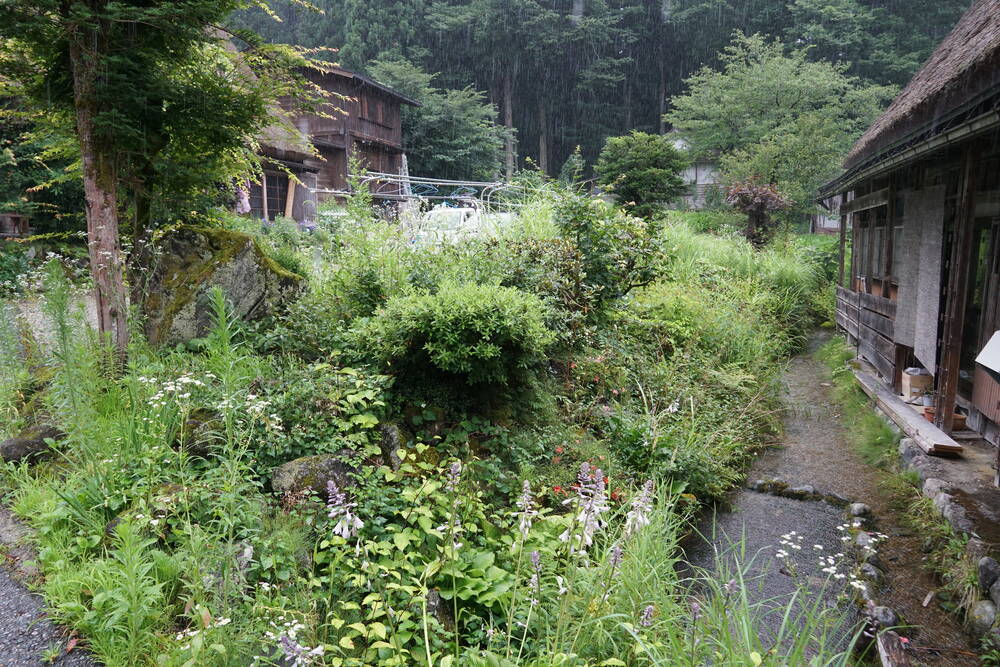
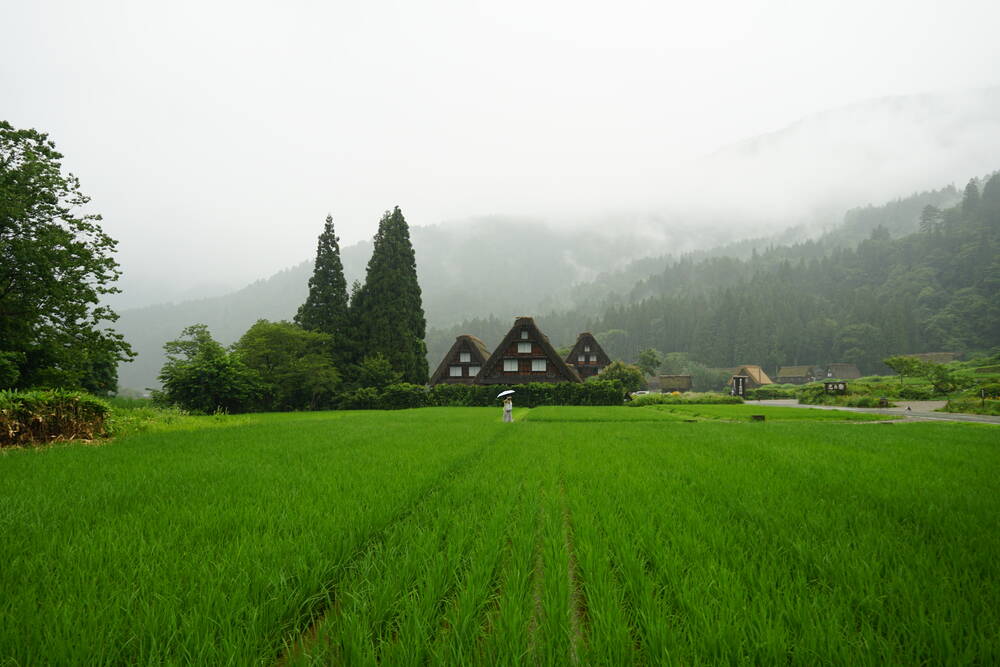
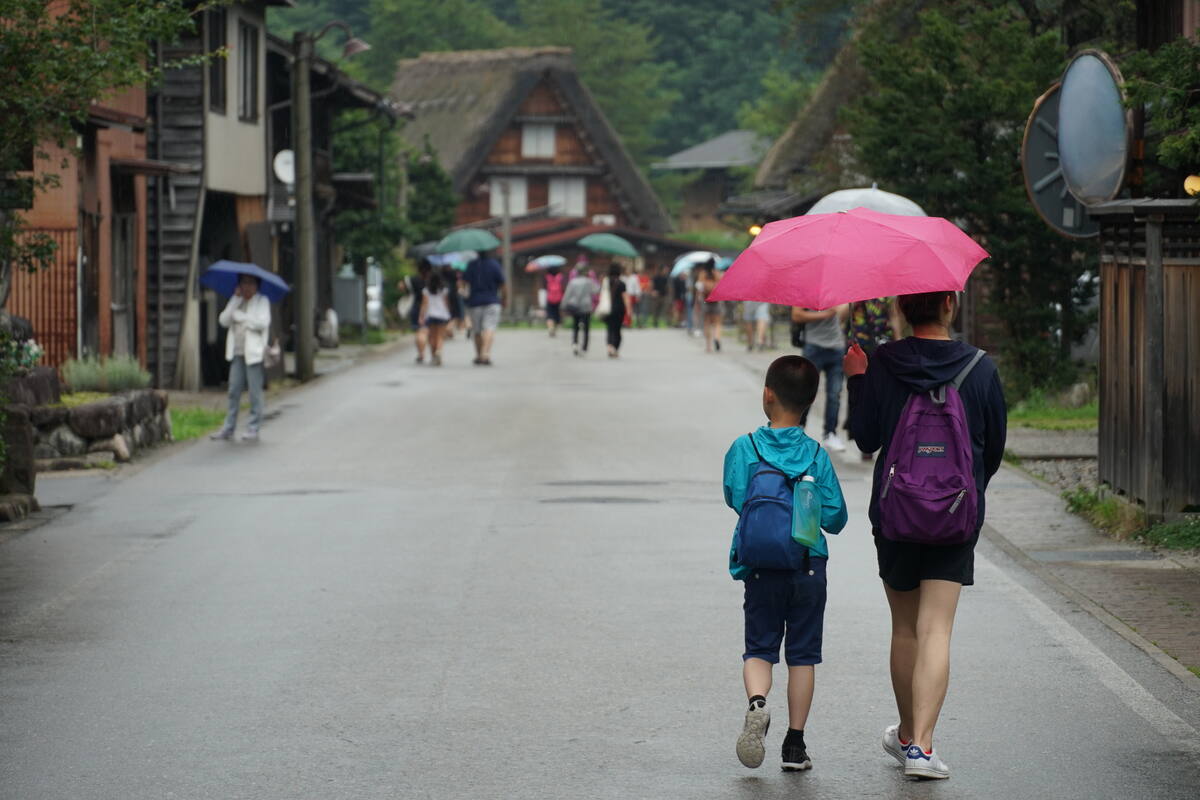
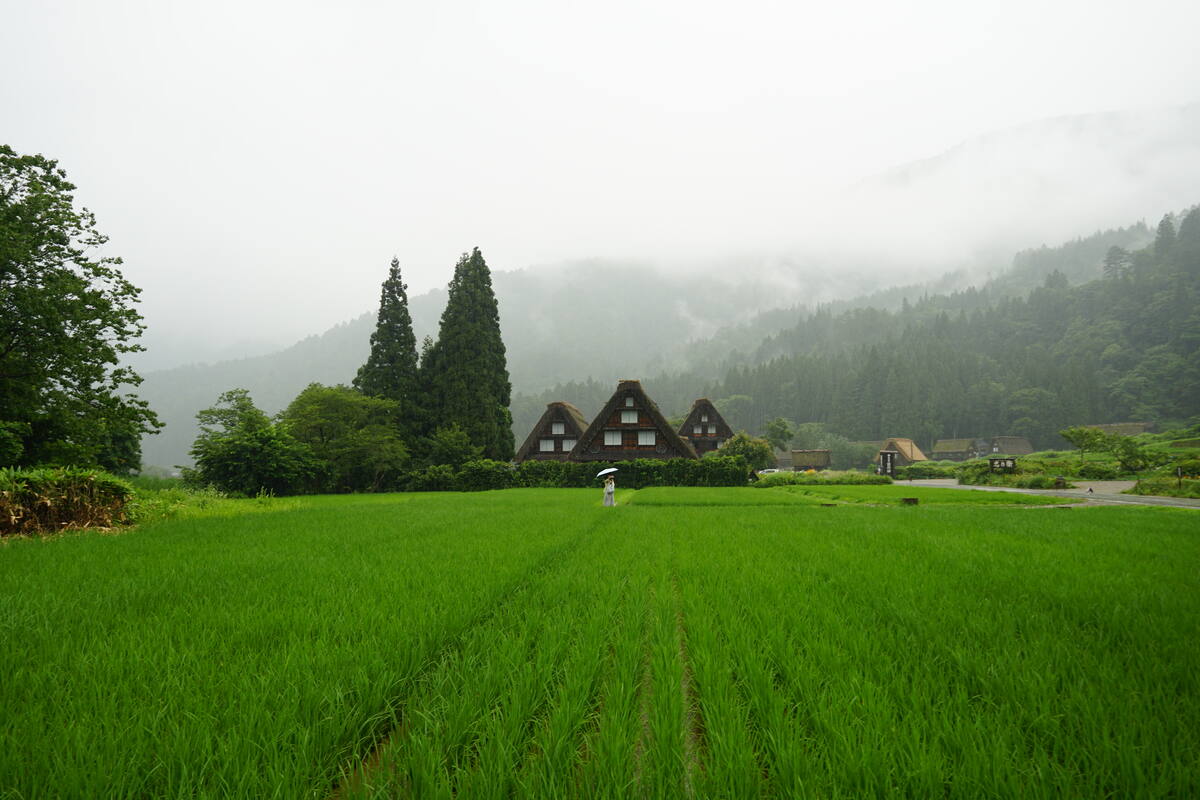
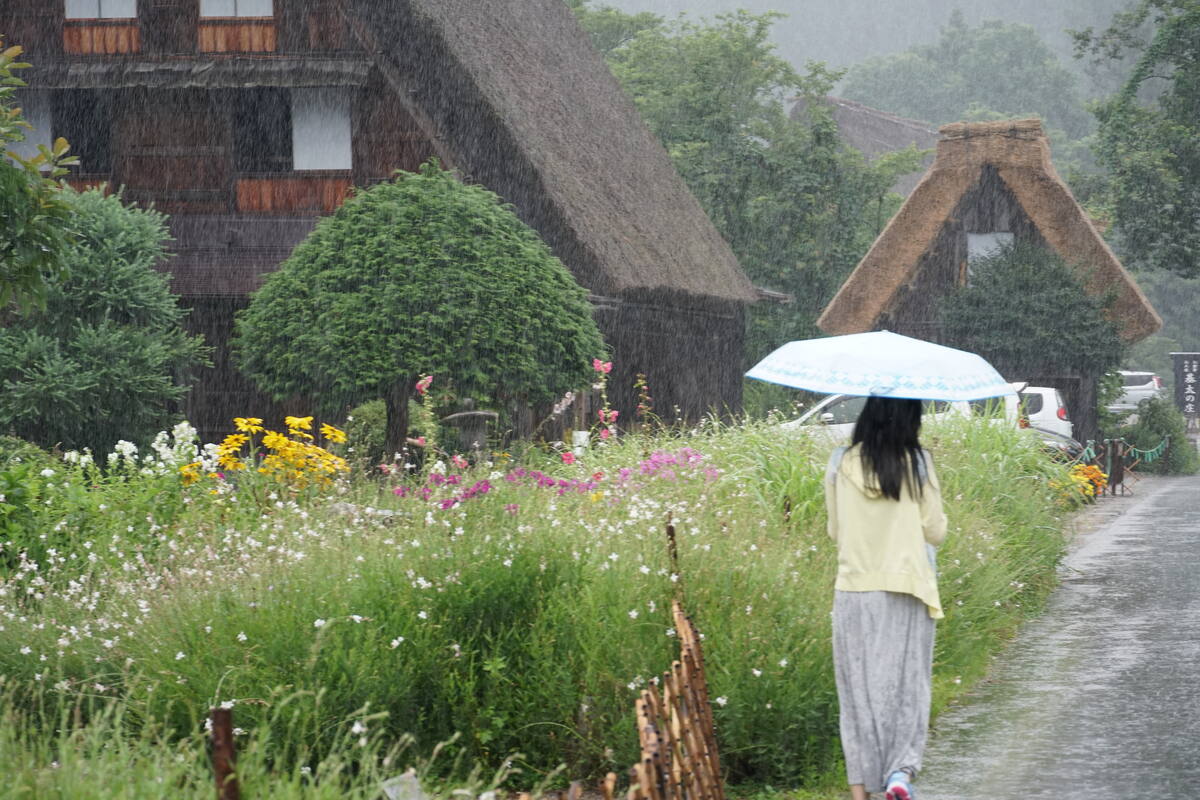
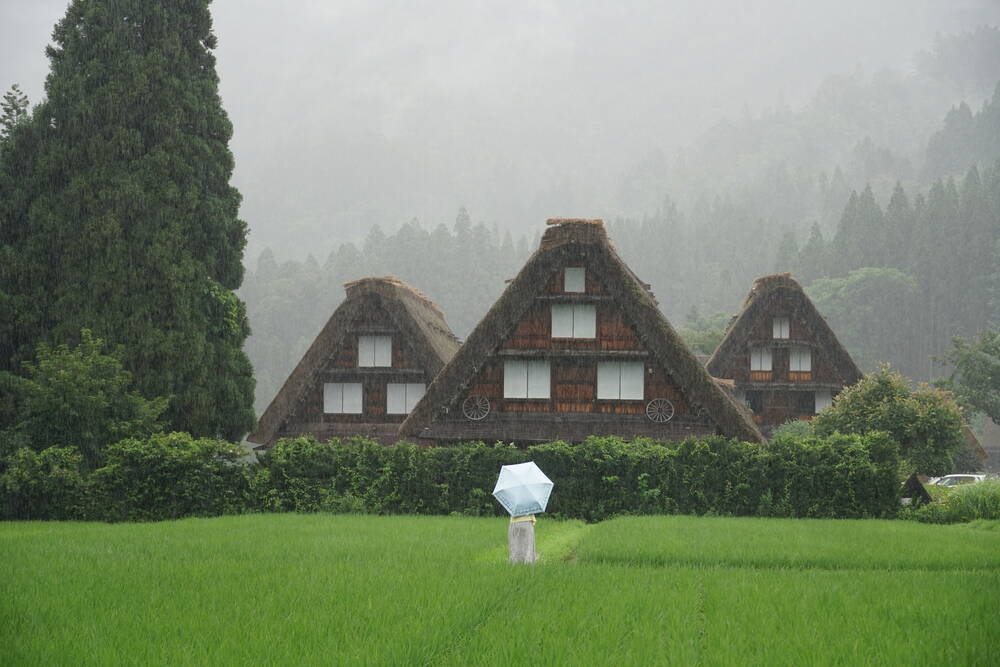
One of my favorite visits was on a rainy summer day. Most tourists run for cover when it rains, but Shirakawa-go in the rain is something special. The thatched roofs darken and glisten, mist hangs in the mountains behind the village, and the green of the rice paddies becomes almost electric. On that particular day, a woman walked out into one of the fields with a white umbrella, and I got a shot that I've never been able to replicate: three Gassho houses in a row, rain coming down in sheets, and this lone figure with her umbrella standing in the green. It's the kind of photo most people don't have because most people put their cameras away when the weather turns. But in Japan, rain is often when the best photos happen.
Winter Wonderland
If summer rain makes Shirakawa-go beautiful, winter snow makes it magical. The amount of snow that falls here is hard to comprehend if you've only ever seen a German winter. We're talking meters, not centimeters. The roofs disappear under thick white blankets, the village paths become narrow corridors between walls of snow, and the whole valley transforms into something that looks like a Christmas postcard from another dimension.
I spent a winter night at a Michi-no-Eki near the village, and the experience of waking up to Shirakawa-go buried in fresh snow was worth the cold. In winter you can see local workers up on the Gassho roofs, clearing the accumulated snow with long wooden tools. It's hard physical work, and watching an elderly man balanced on one of those steep rooftops, systematically shoveling snow that's taller than he is, gives you a profound respect for both the architecture and the people who maintain it. These roofs need this regular clearing - the snow is heavy and wet, and without maintenance even these centuries-old structures would eventually give way.
At night, from the viewpoint above the village, the snow-covered houses with their warm window lights look like a scene from a fairy tale. It's the kind of view that makes you stand still and forget to take a photo for a few seconds, which is the highest compliment any landscape can receive.
The Viewpoint
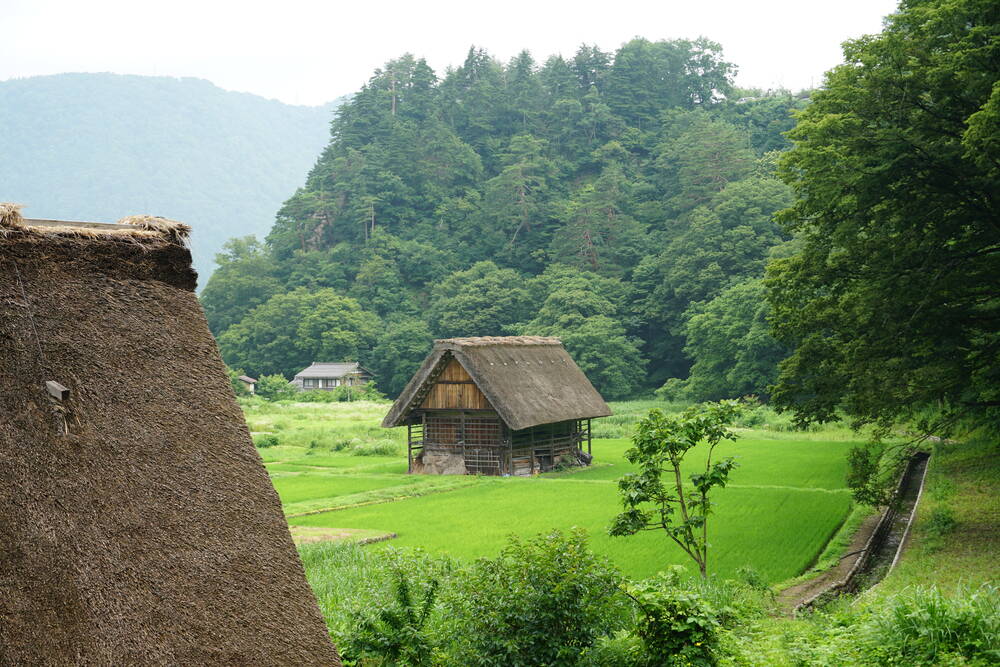
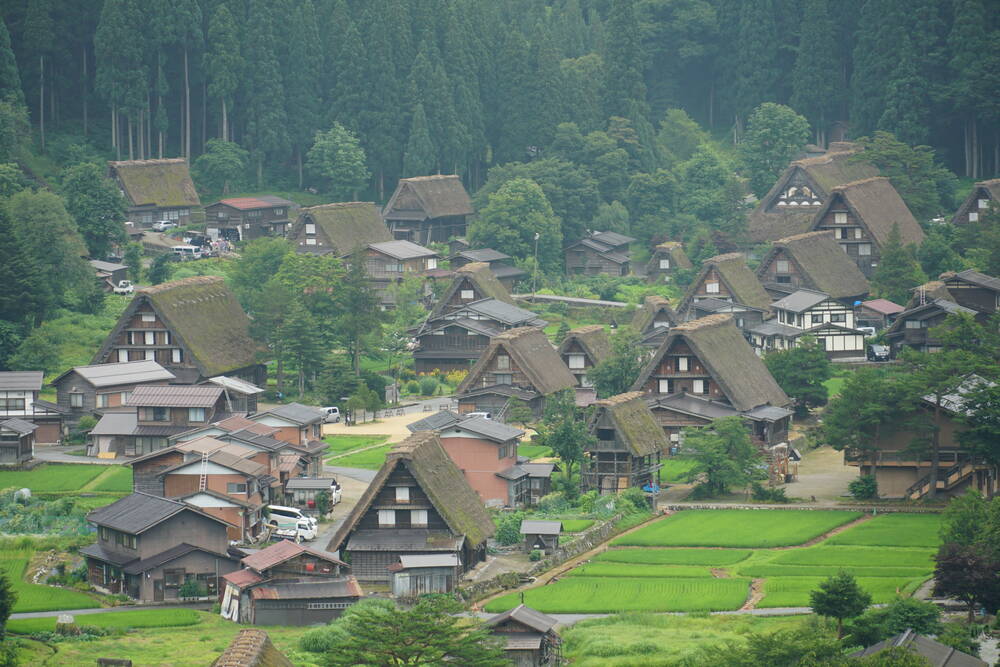
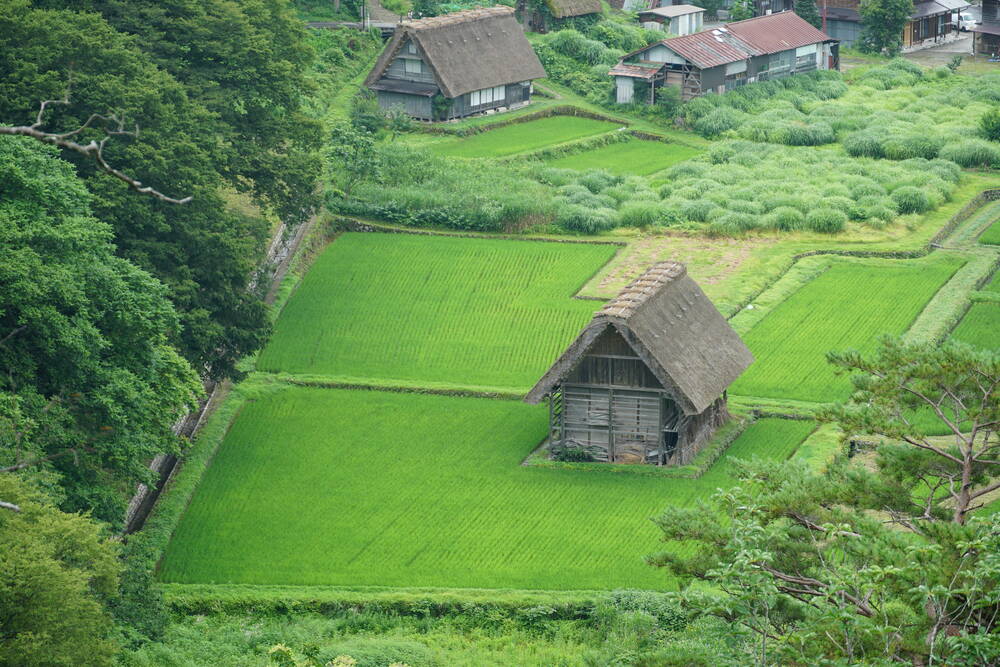
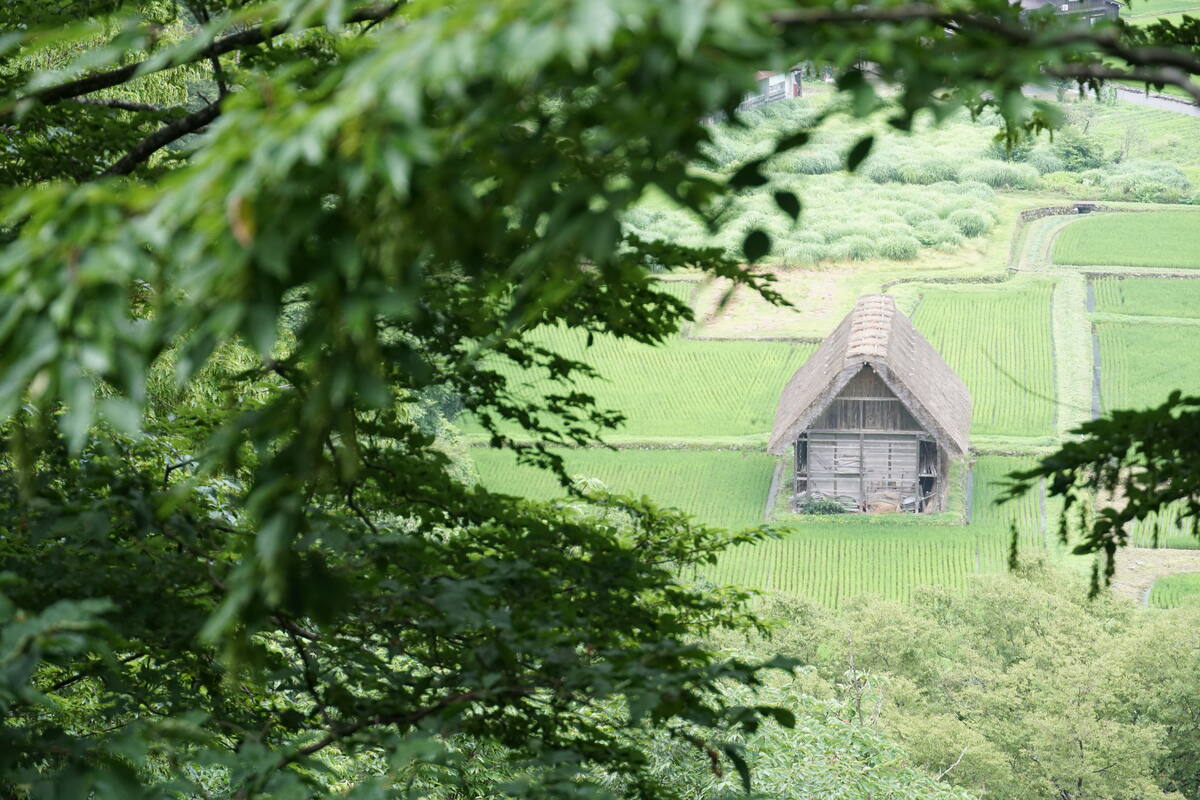
Above the village there's a parking area with a viewpoint that I always make time for. You can drive up there or walk from the village, and the effort is worth it regardless of the season. From up there you see the full spread of the valley: the Gassho houses scattered across the landscape, the rice paddies forming a green (or white, or golden) patchwork between them, the river curving through, and the forested mountains enclosing everything. There are walking paths along the ridge that give you different angles and compositions, and it's a good spot to chat with other travelers. Everyone up there is there for the same reason, and it creates an easy, shared appreciation for what's below.
The parking lot up top is usually busy but manageable, and with a campervan you can park comfortably. Being up there at sunset or sunrise, before the day-trippers arrive, turns a UNESCO World Heritage site into something that feels like a private discovery.
Why I Keep Coming Back
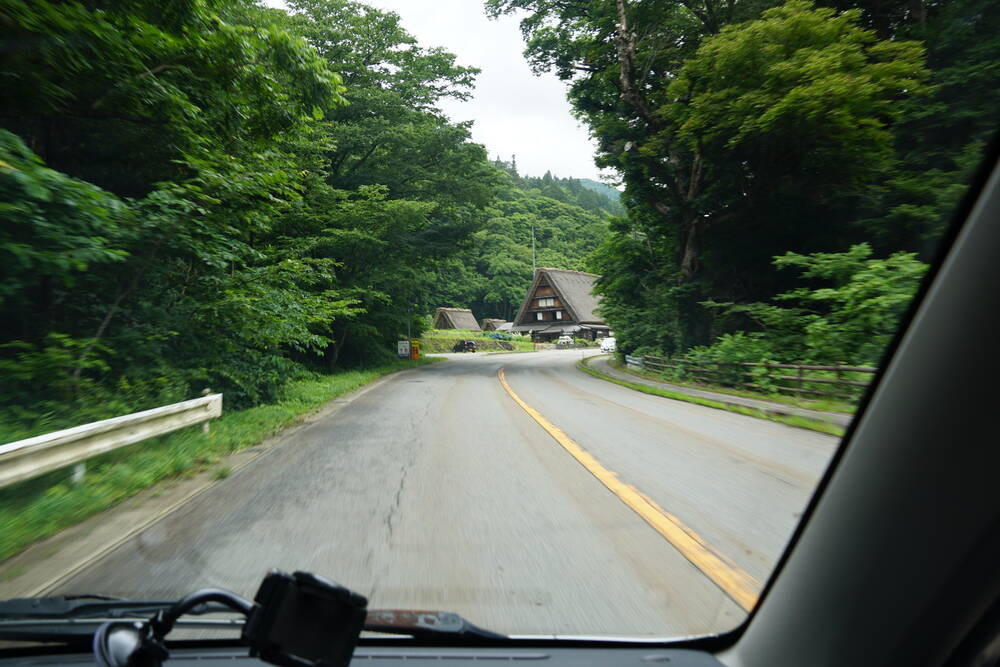
Shirakawa-go sits in a central location that makes it hard to skip. If you're driving through Chubu, it's right there, and the pull of the place is strong enough that I've never once thought "I'll skip it this time." Every visit shows me something different. The light changes, the season changes, the gardens have grown, a house has been re-thatched. It's a living village, and living things change.
Yes, it's popular. Yes, the tour buses from Kyoto and Takayama will be there. But Shirakawa-go has survived centuries of heavy snow, the modernization of Japan, and the pressure of mass tourism, and it's still standing there with its hands folded in prayer, looking exactly like it always has.
Practical Info
Location: Gifu Prefecture, Chubu region. Central and well-connected.
Access: By car: via Route 156 from Takayama or Kanazawa. By bus: regular services from Takayama (50 min), Kanazawa (75 min), and Nagoya.
Viewpoint: Drive or walk up to the Shiroyama viewpoint above the village. Parking available. Best at sunrise, sunset, or during illumination events.
Campervan tip: The viewpoint parking works well for overnight stays. Alternatively, the nearby Michi-no-Eki is a solid option, especially in winter. The village parking lot below charges a fee.
Best season: Every season has its charm. Summer is lush and green. Autumn brings foliage. Winter is the most dramatic (heavy snow, illumination events in January/February - book months ahead). Rain makes it more photogenic, not less.
Tip: Come on a weekday if you can. Early morning or late afternoon to avoid peak tour bus hours. And don't skip it just because it's famous - the reality lives up to the reputation.