I've been to Nara three times now. July 2018, alone on my first long Japan trip. Summer 2019 with Isi, when I played tour guide and took her through all the highlights I'd found the year before. And August 2023, a brutally hot day where I skipped the main attractions entirely and searched for zen gardens instead. Three visits, three completely different experiences. The deer were there every time, doing their thing, running the place.
Nara is Golden Route Japan. Every guidebook lists it, every day-tripper from Kyoto or Osaka comes here, and on a summer afternoon the approach to Todai-ji feels like rush hour. But here's the thing: it deserves every bit of that traffic. Some places are famous because they're marketed well. Nara is famous because it's genuinely extraordinary. You just have to know where to look once the first wave of wonder has passed.
The Deer
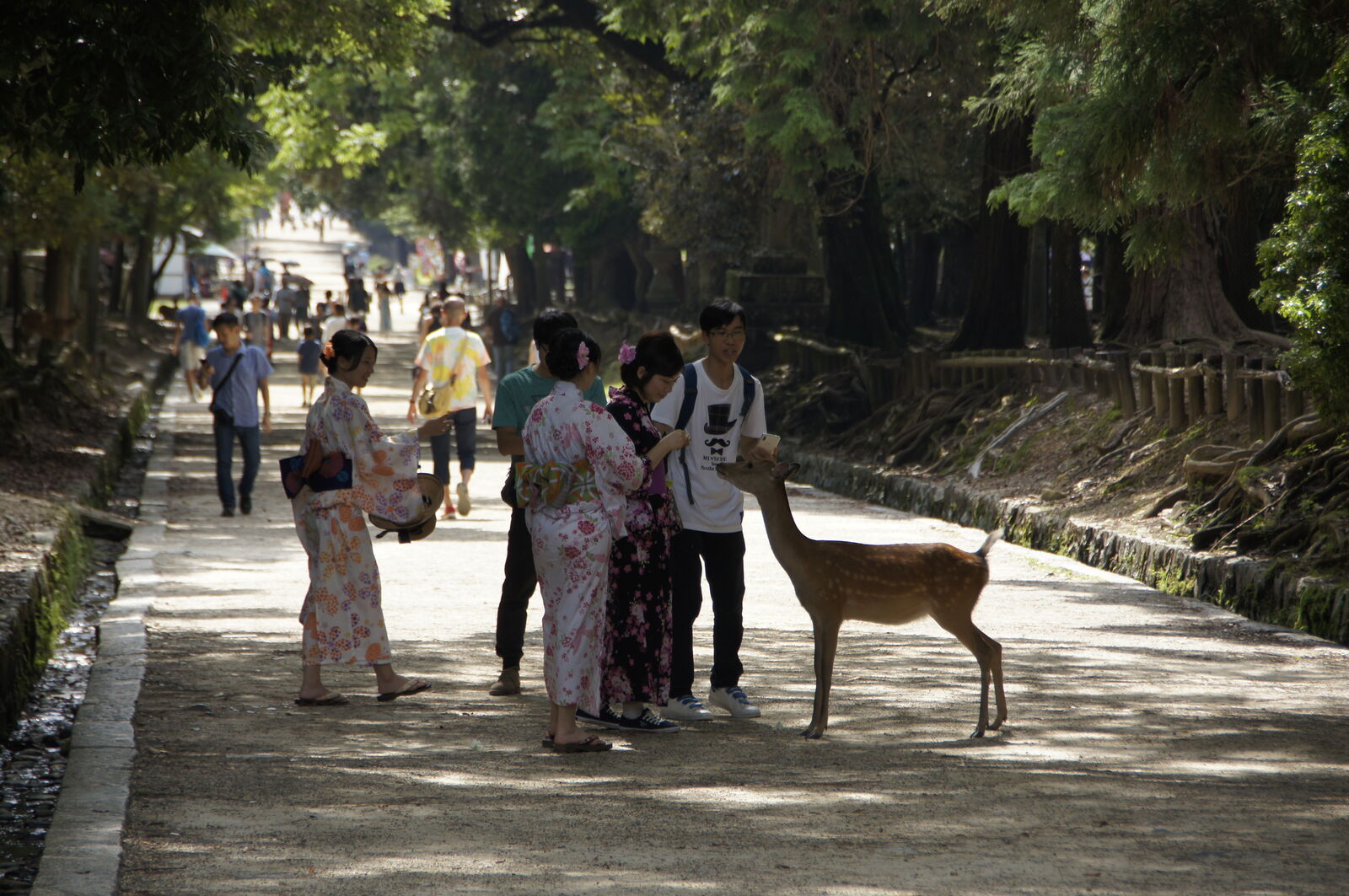
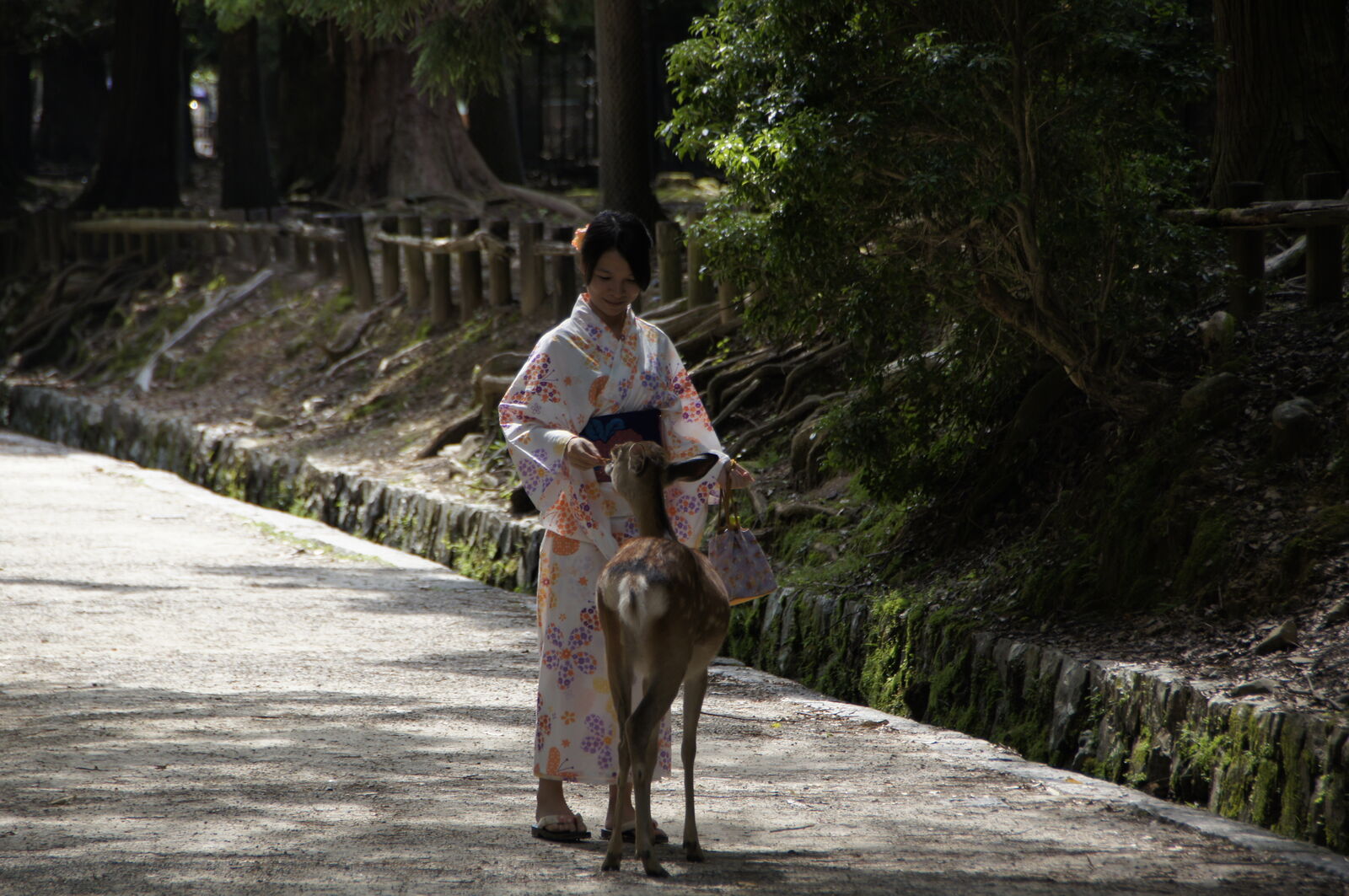
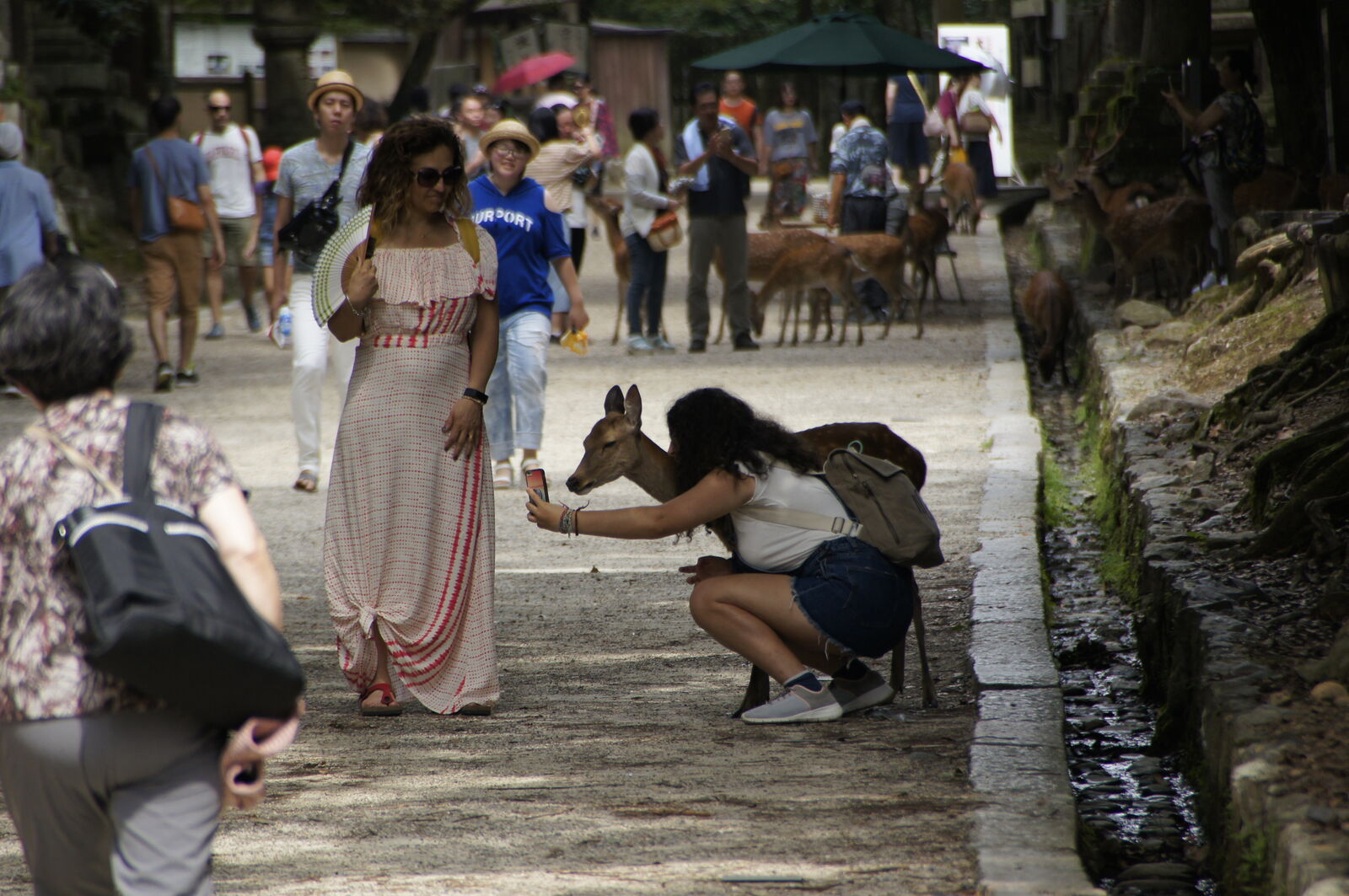
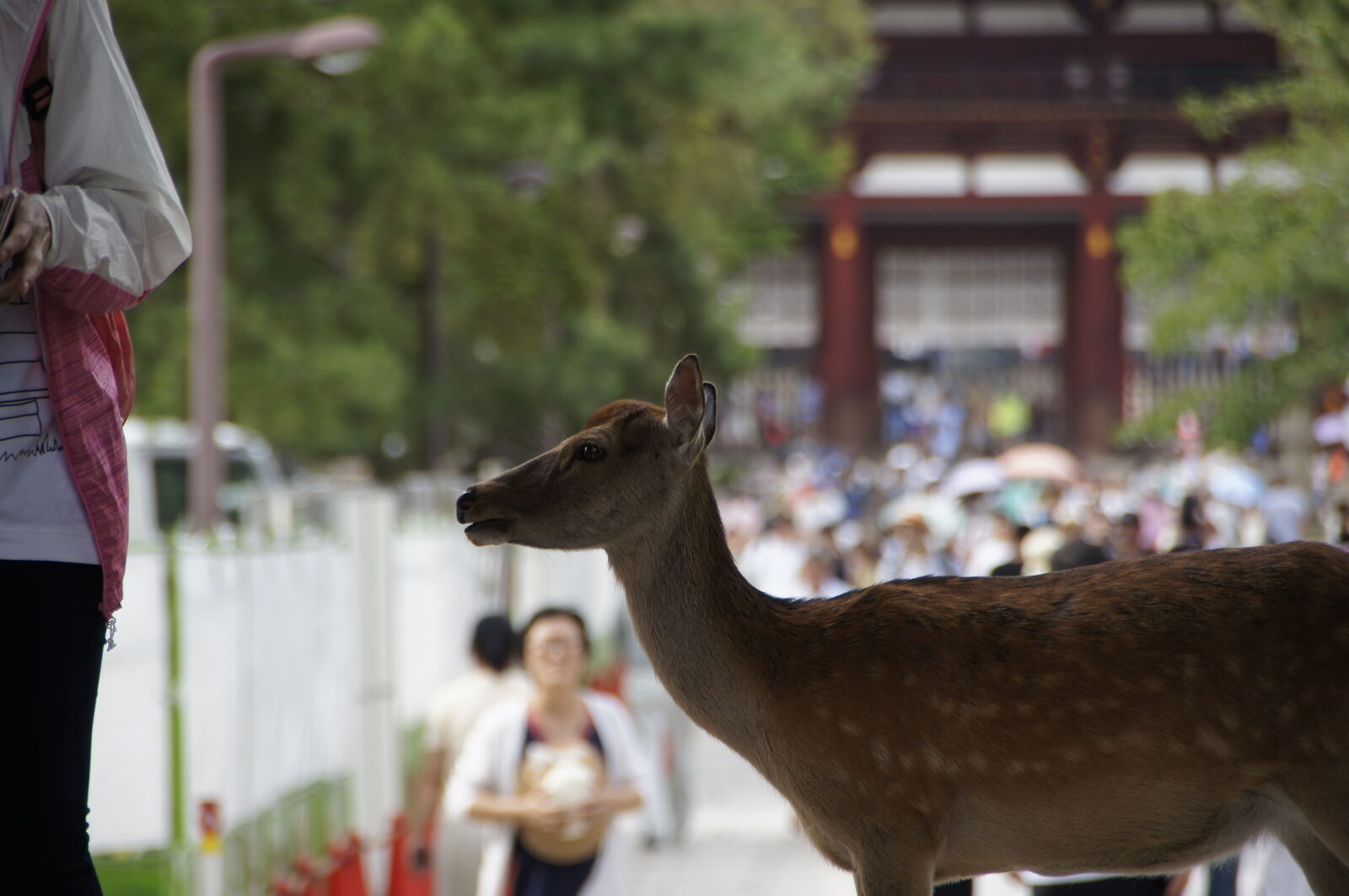
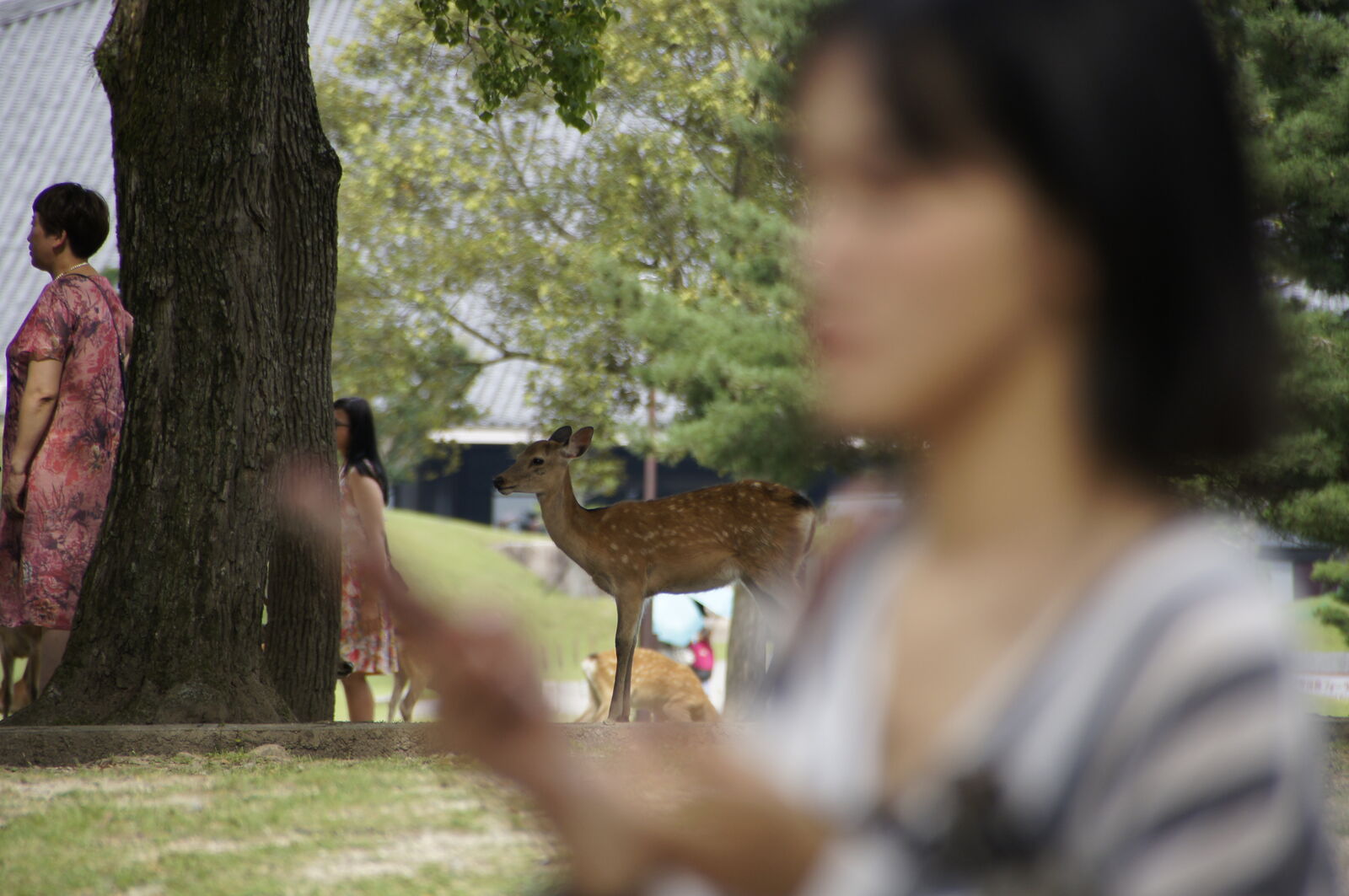
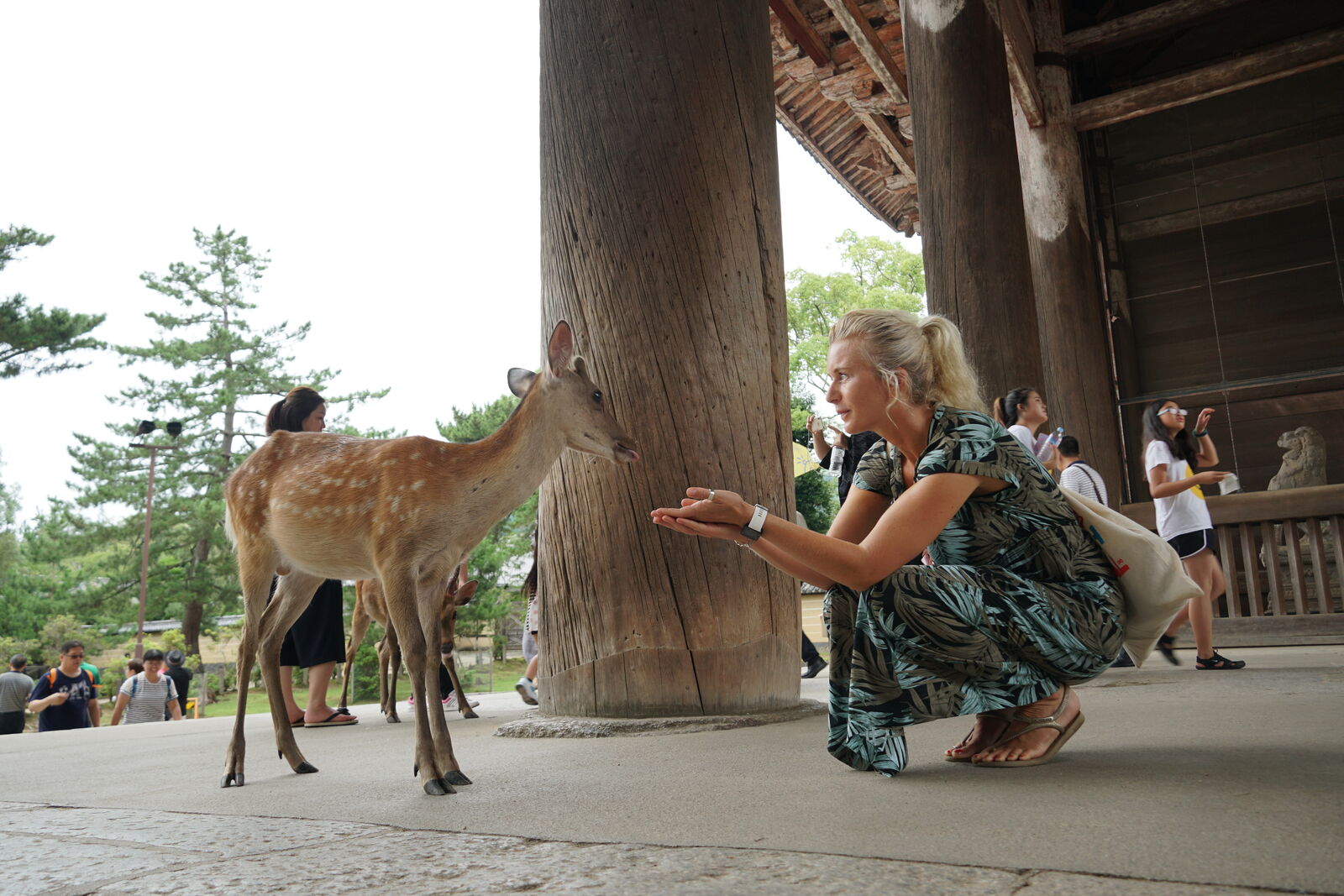
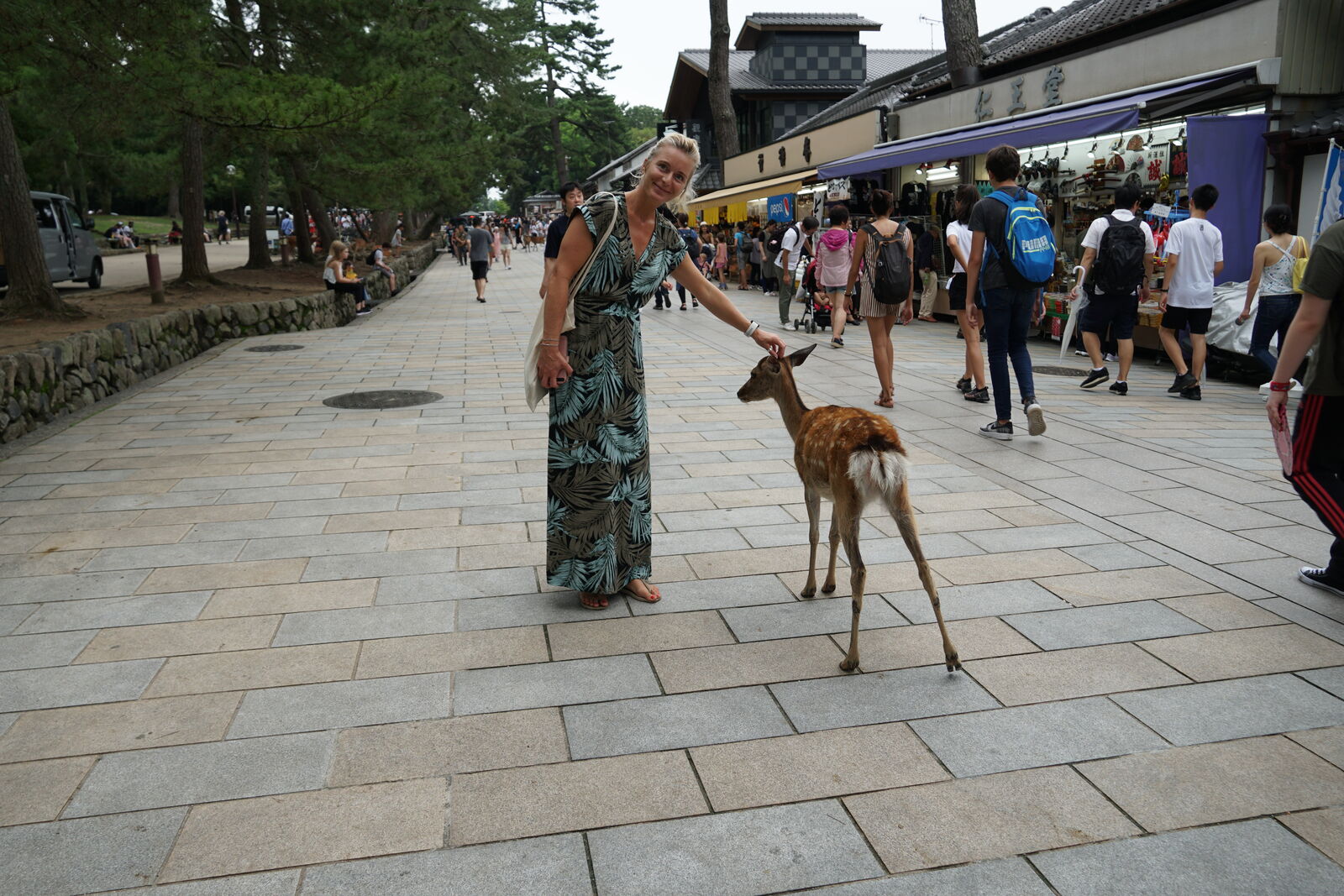
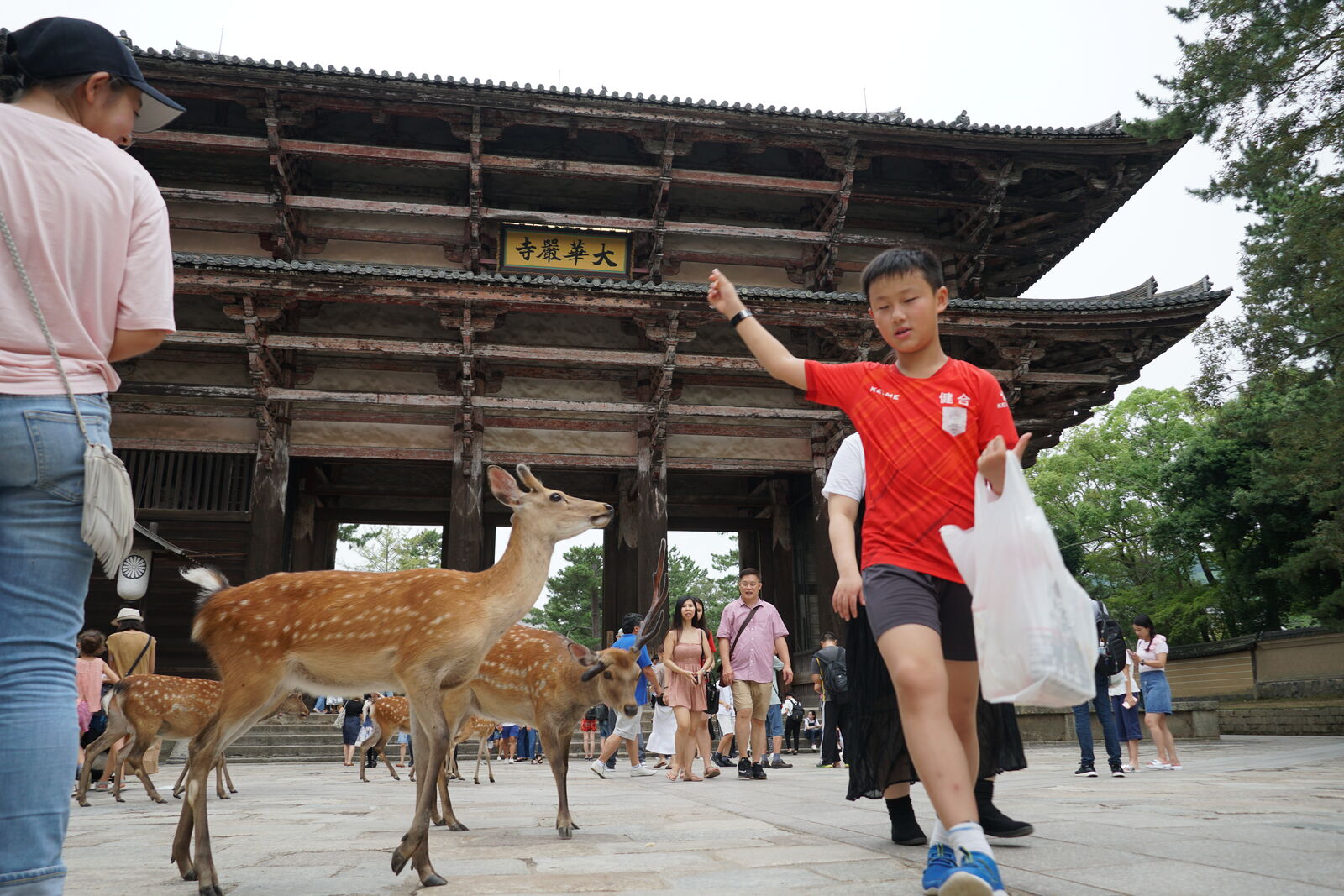
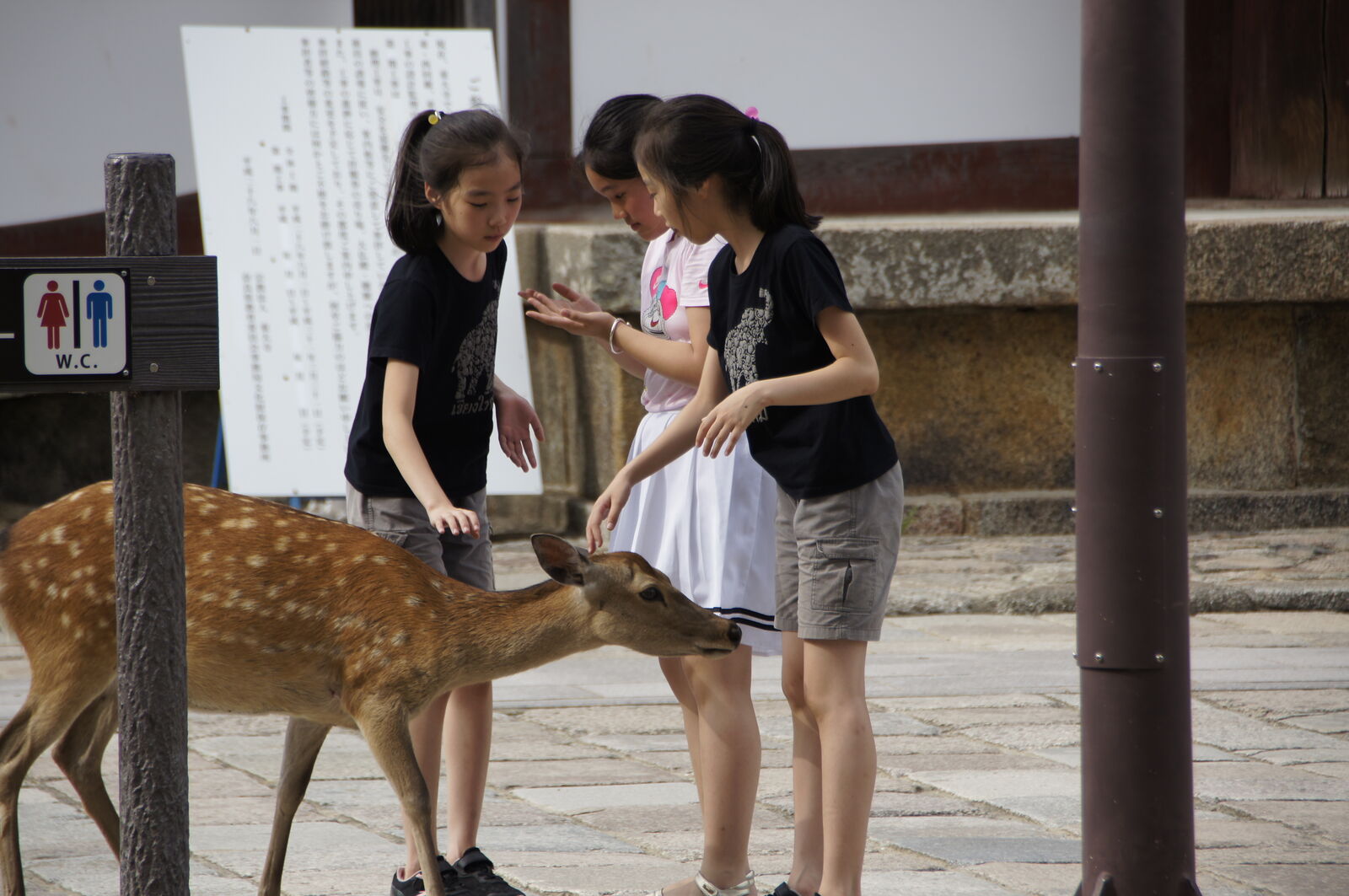
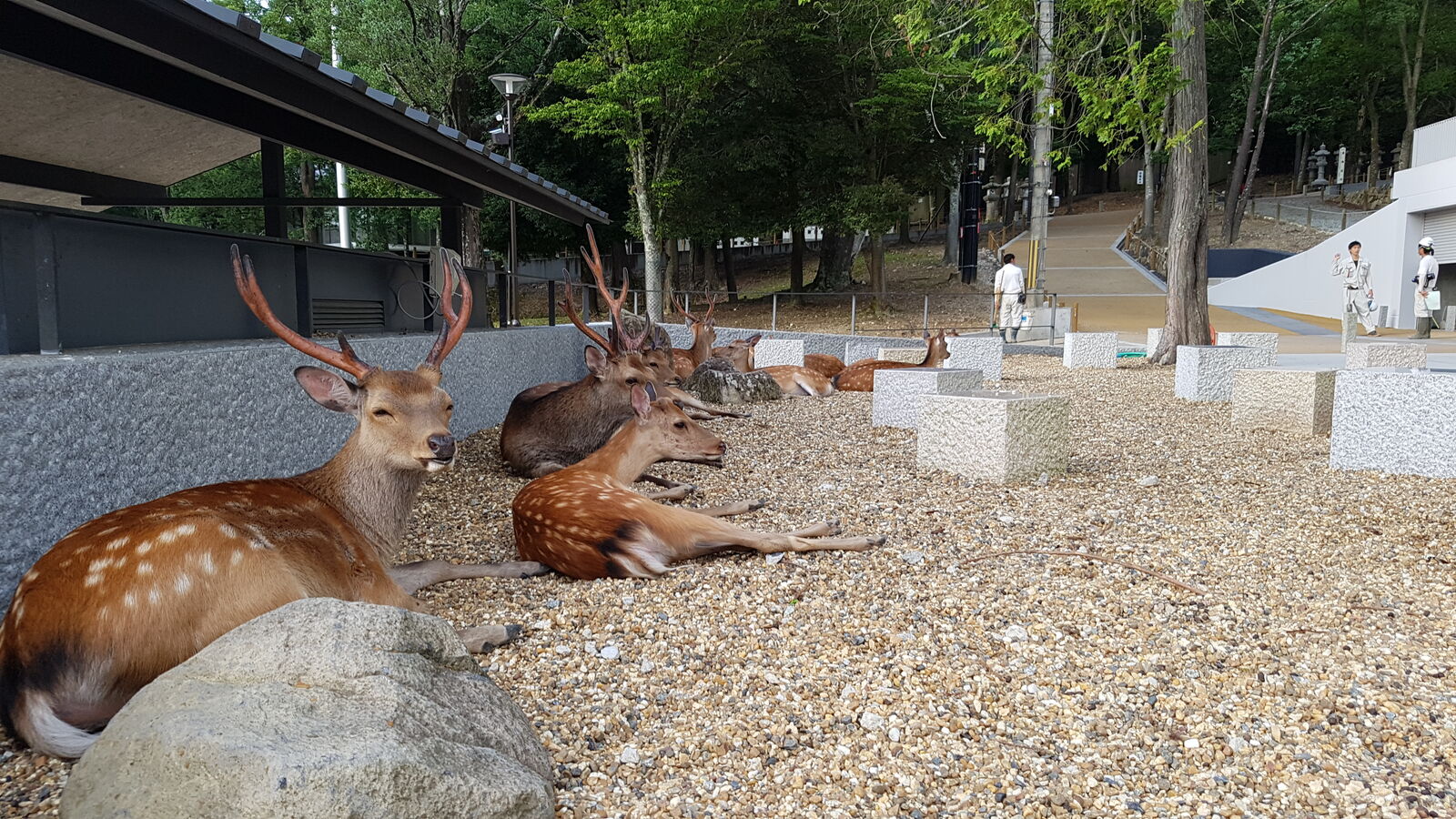
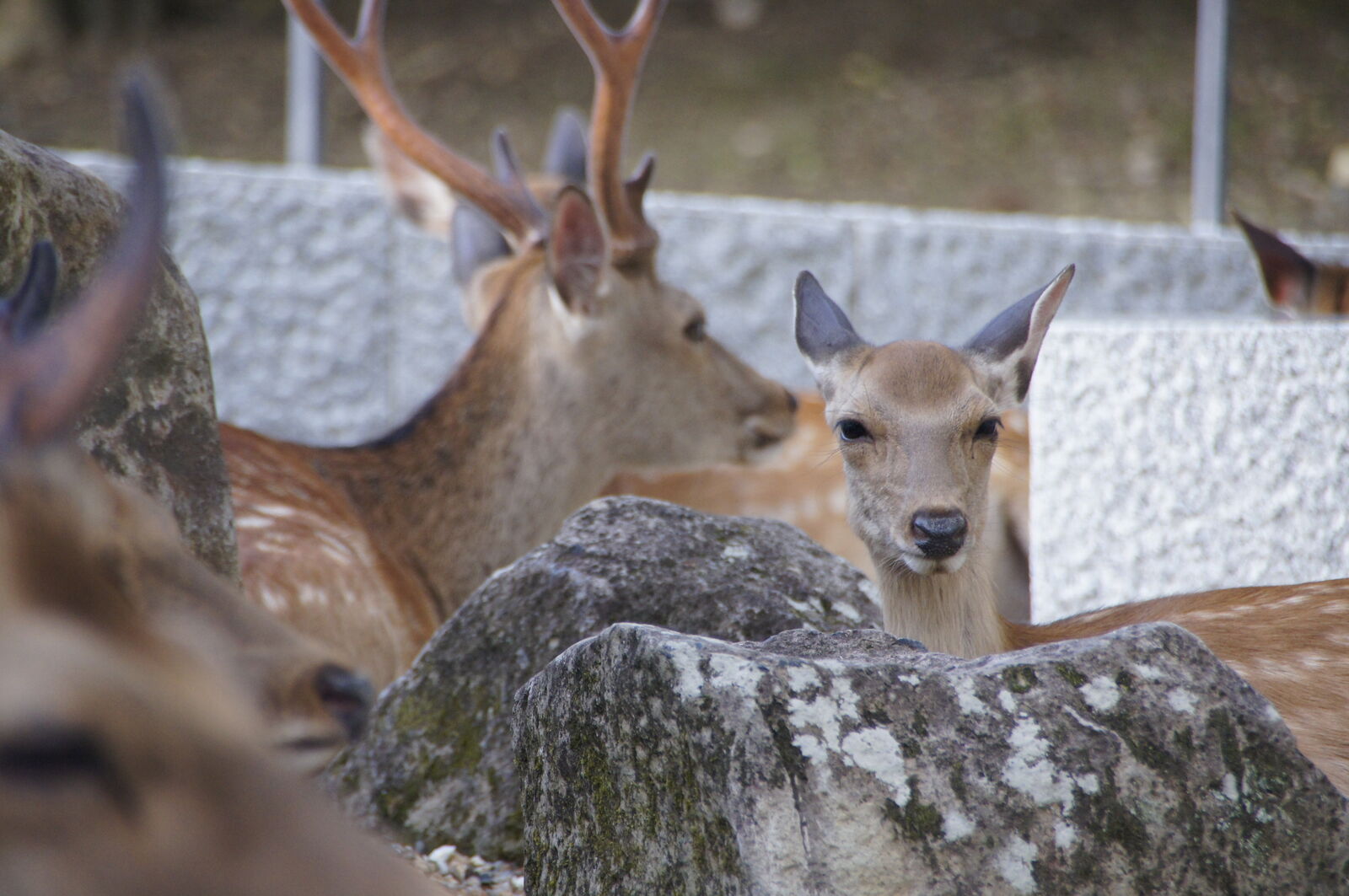
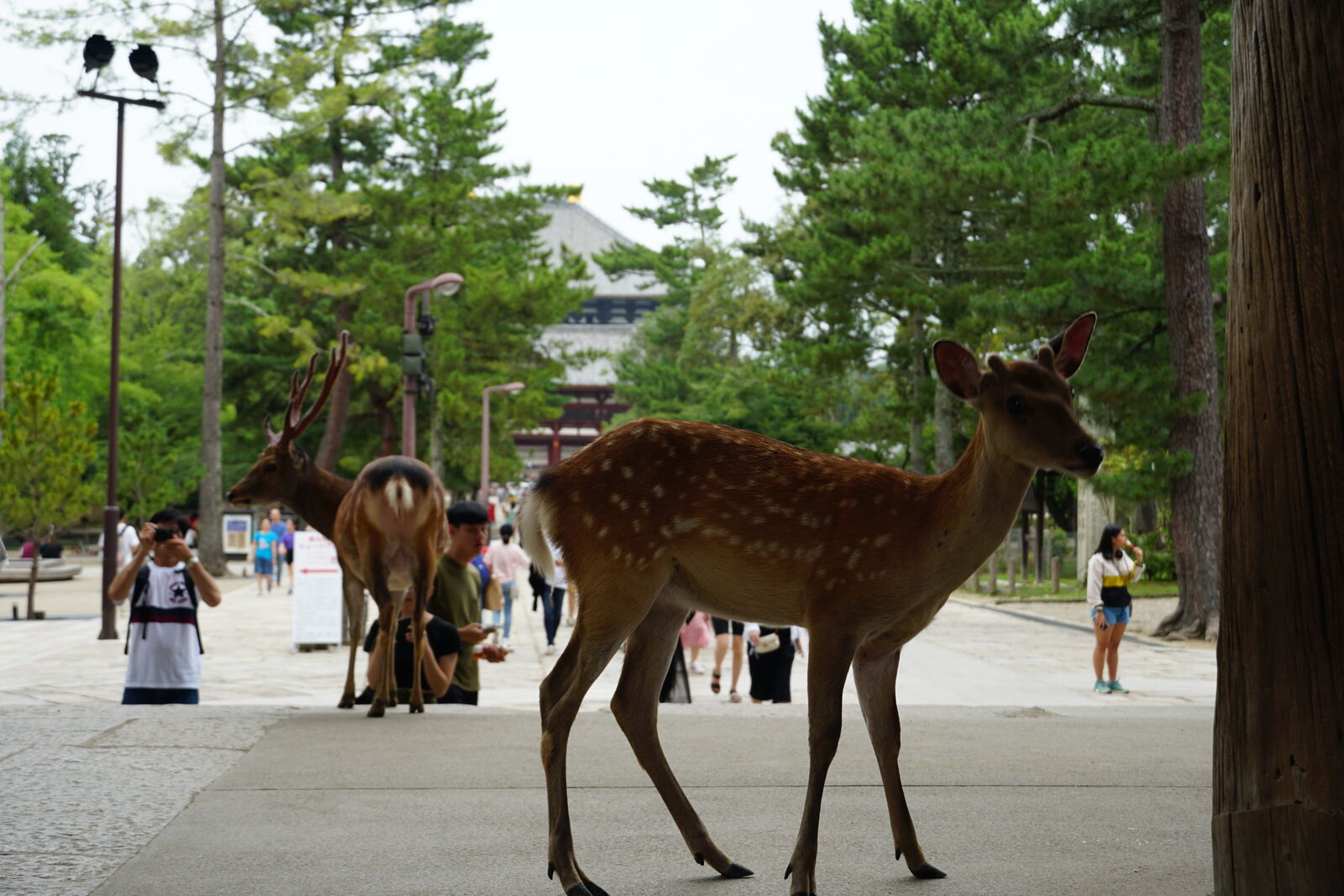
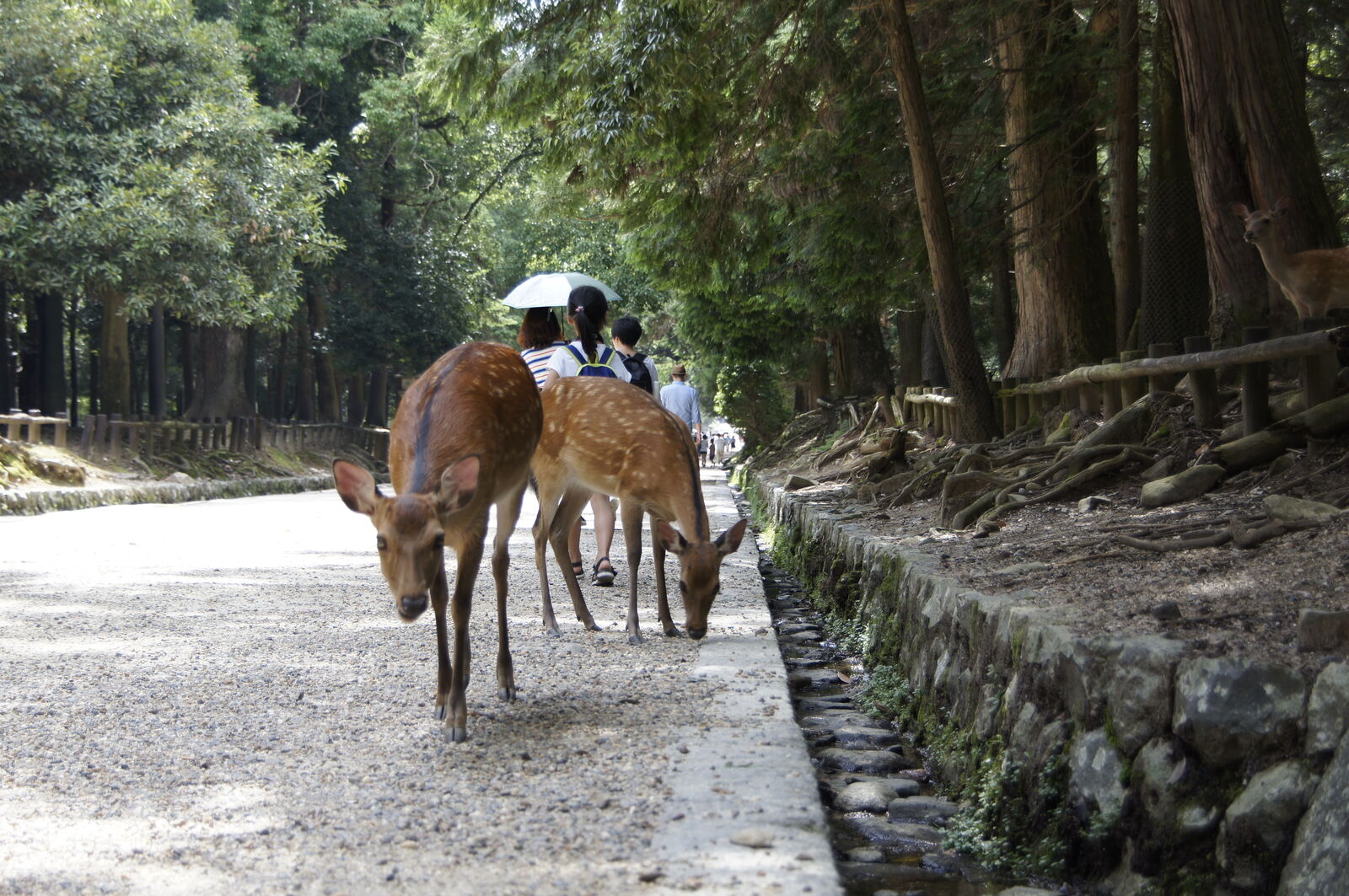
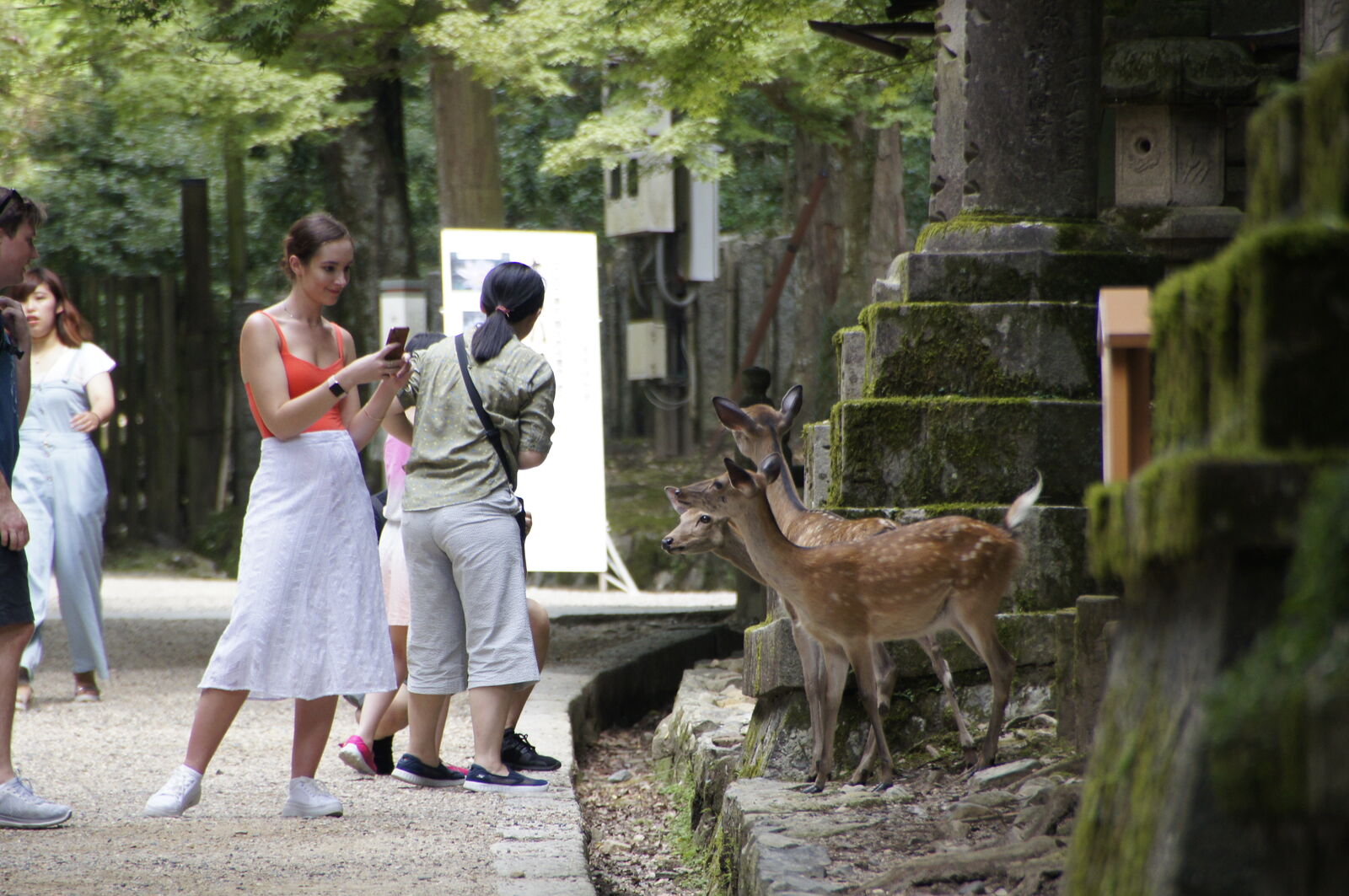
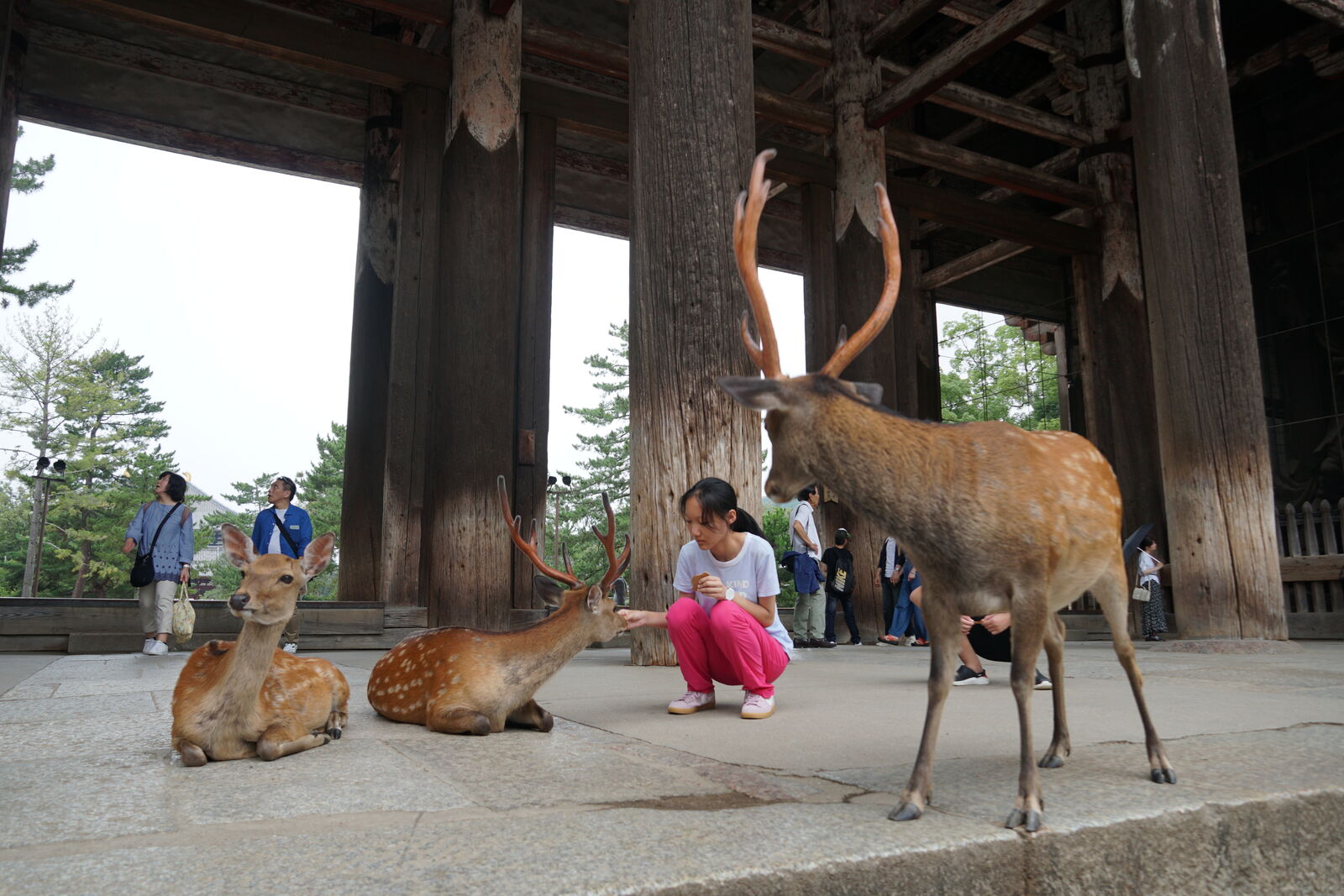
There are roughly 1,200 sika deer in Nara Park, and they are not shy. They'll approach you before you've taken ten steps past the train station. They'll bow if you bow first, which is cute until you realize they've been conditioned to do this because bowing means food. They'll nibble your shirt, headbutt your bag, and pursue you with the single-minded determination of a dog that's seen you open a packet of treats. They've bitten me twice. It doesn't really hurt.
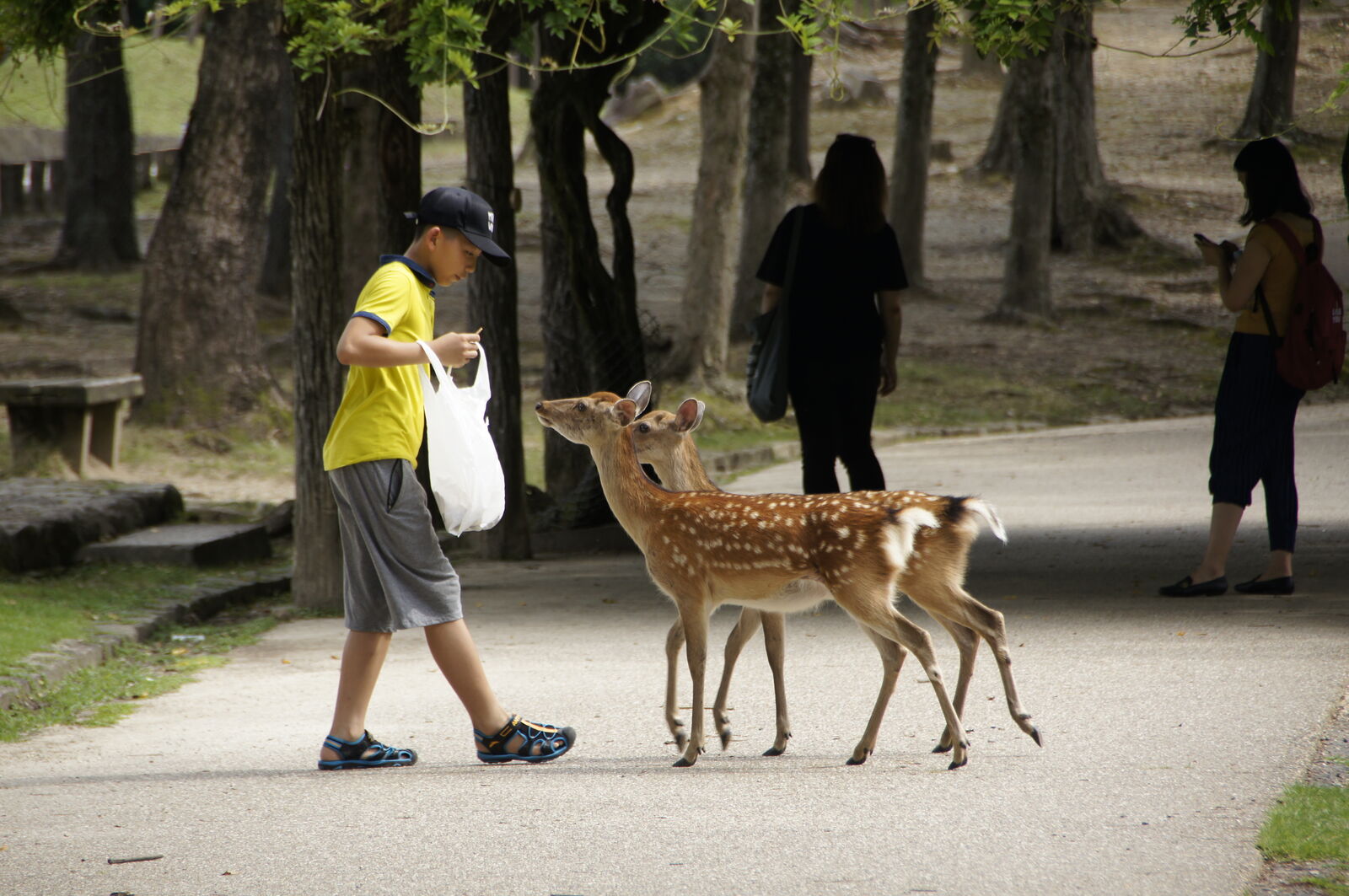
They're considered divine messengers of the Kasuga shrine, and they've been protected here for over a thousand years. You can buy packs of shika-senbei, deer crackers, from vendors all over the park, and the moment you hold one up, every deer within eyeshot will come at you. What happens next is pure comedy. The deer know exactly what's going on, and they have strategies. They'll corner you against a wall, gang up in groups, and the bolder ones will grab at your clothes or the bag if they think there's food inside. Kids scream, tourists laugh nervously, and the deer don't care. They've been doing this for centuries.
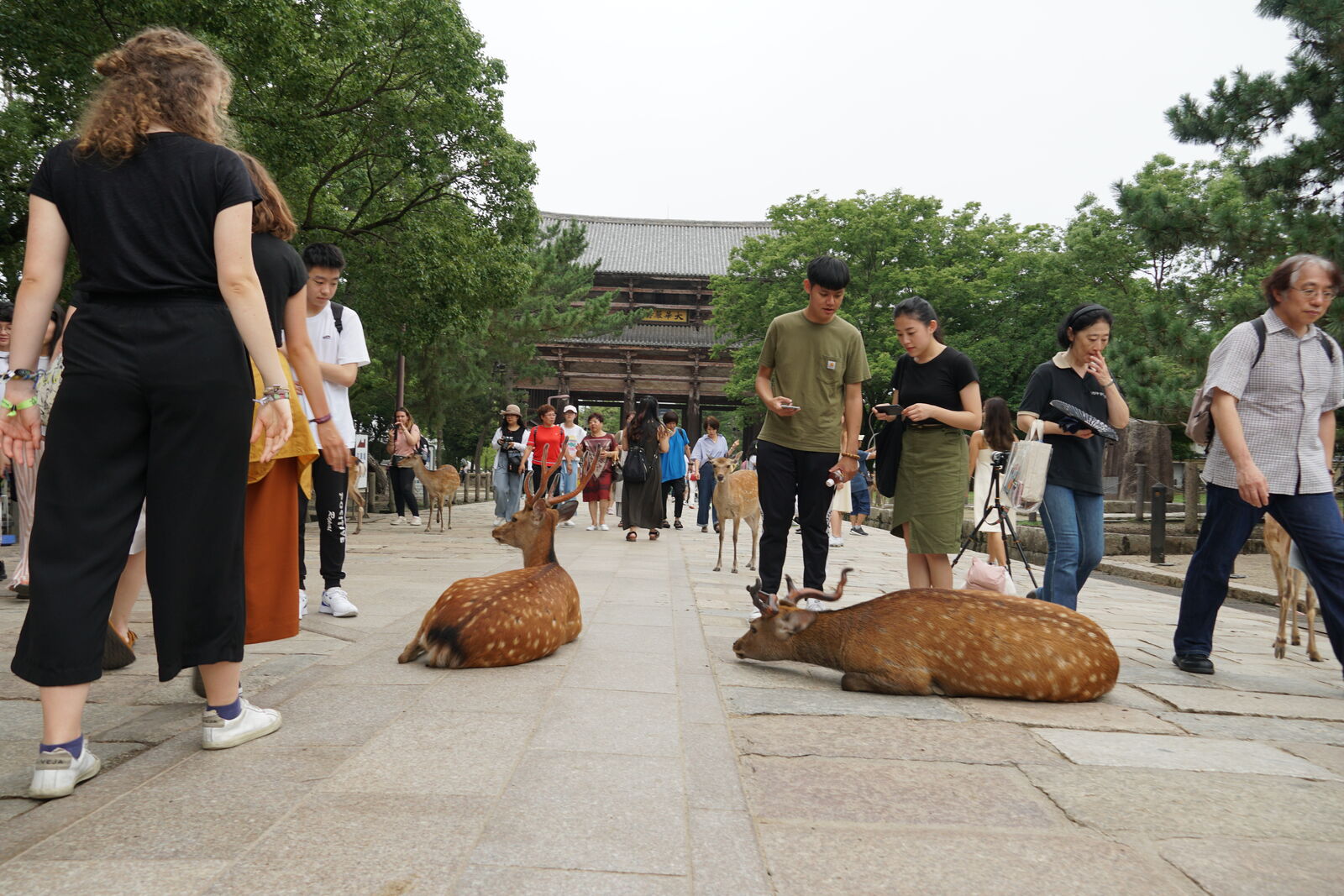
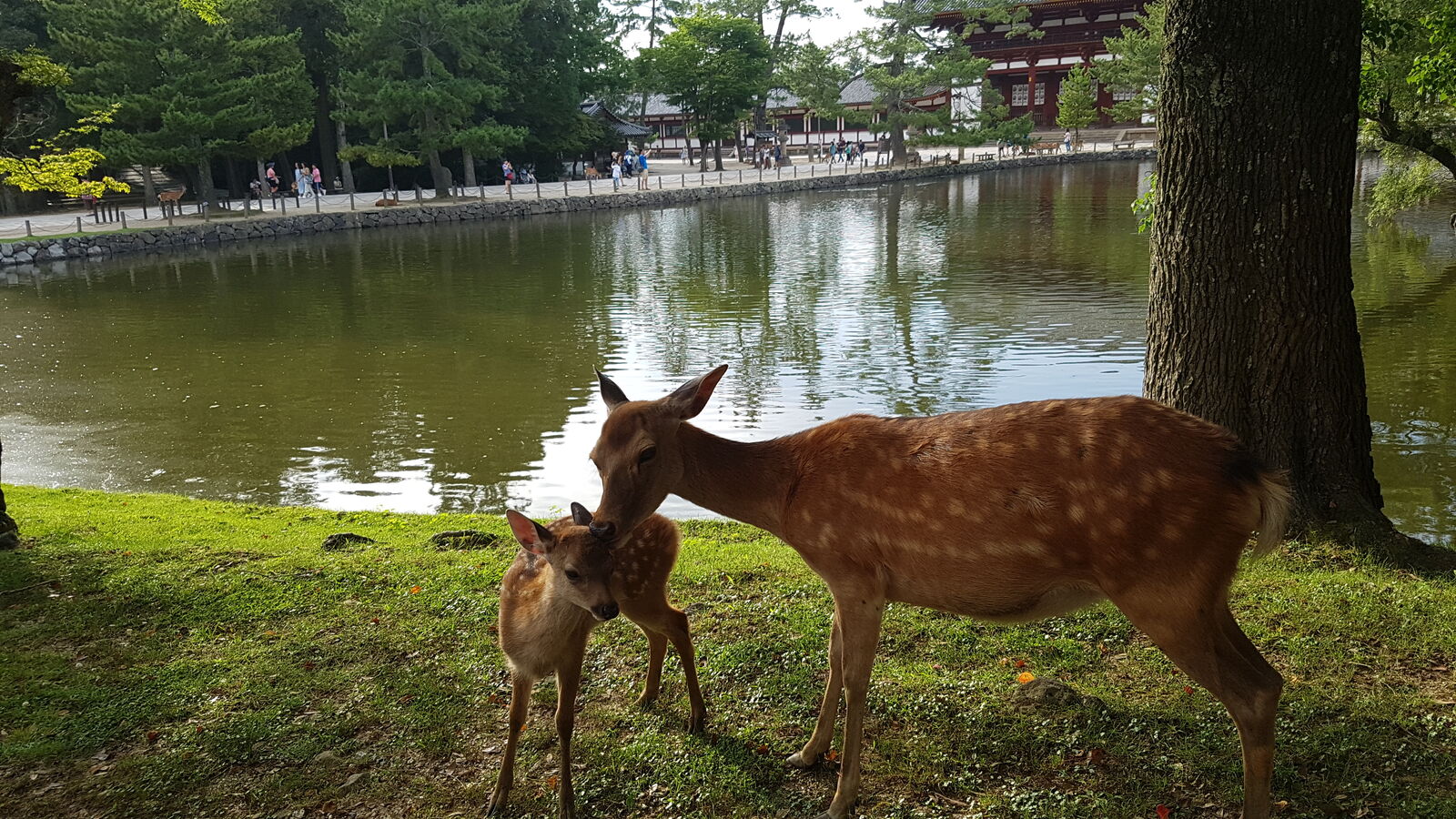
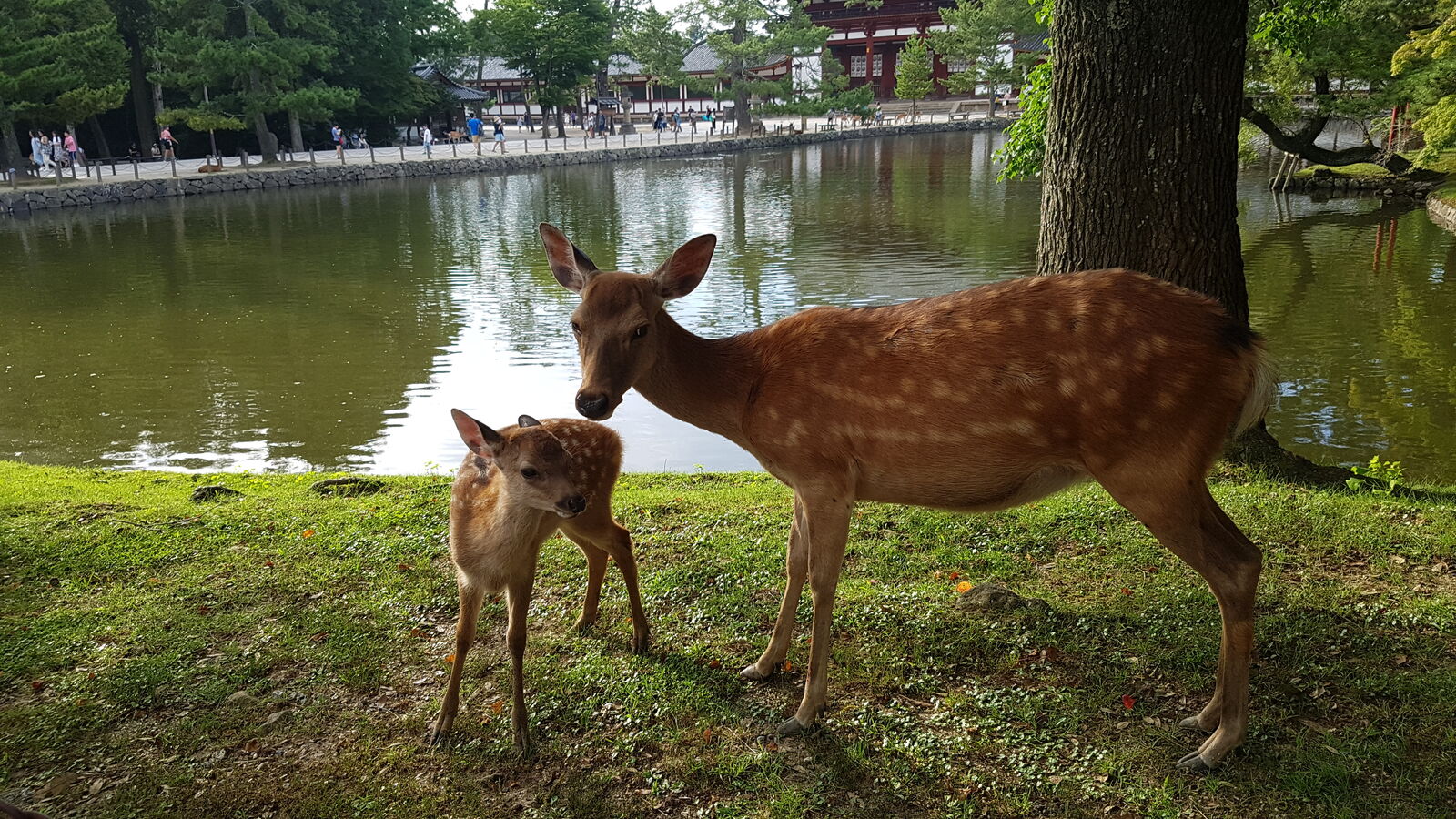
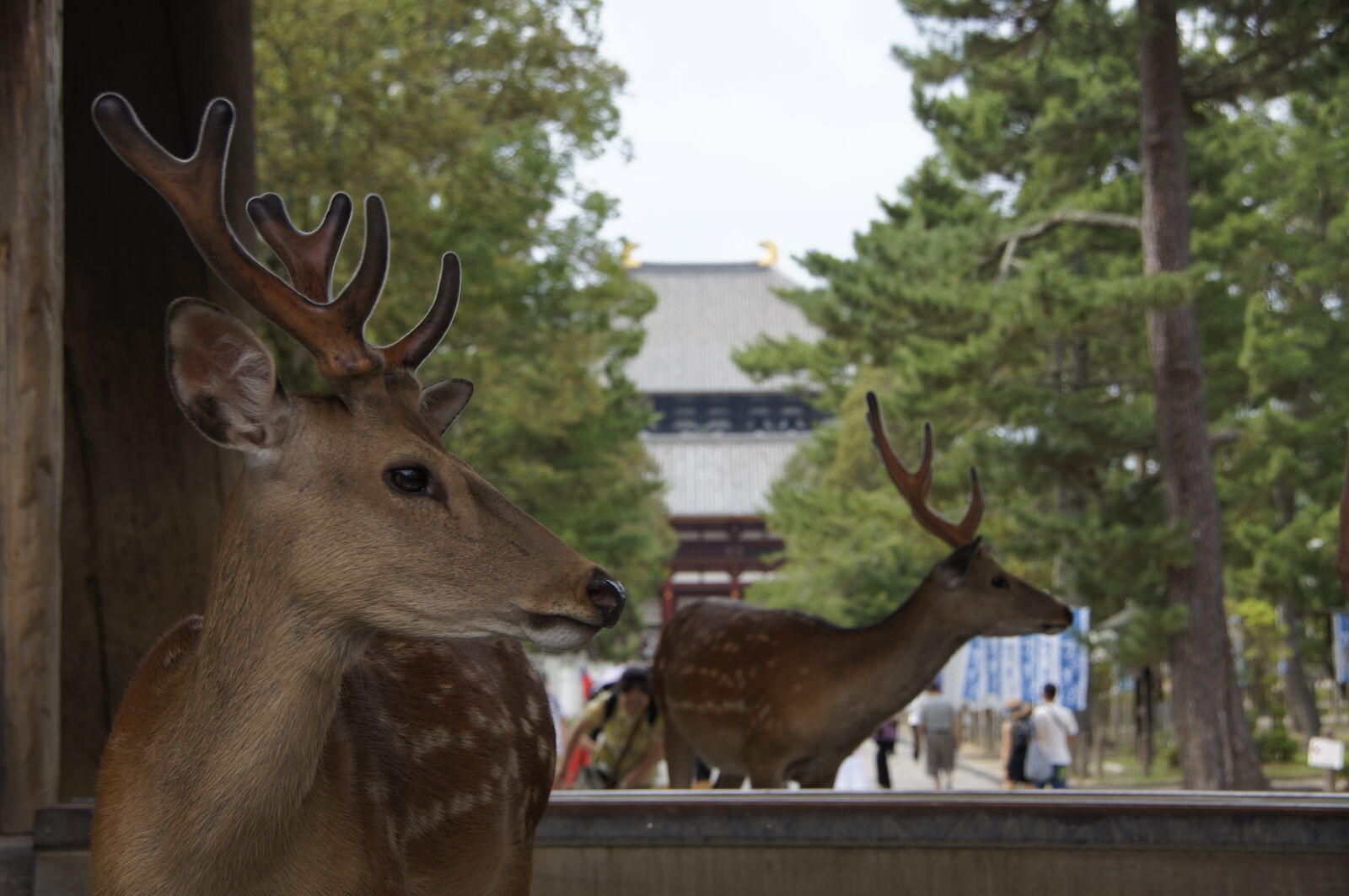
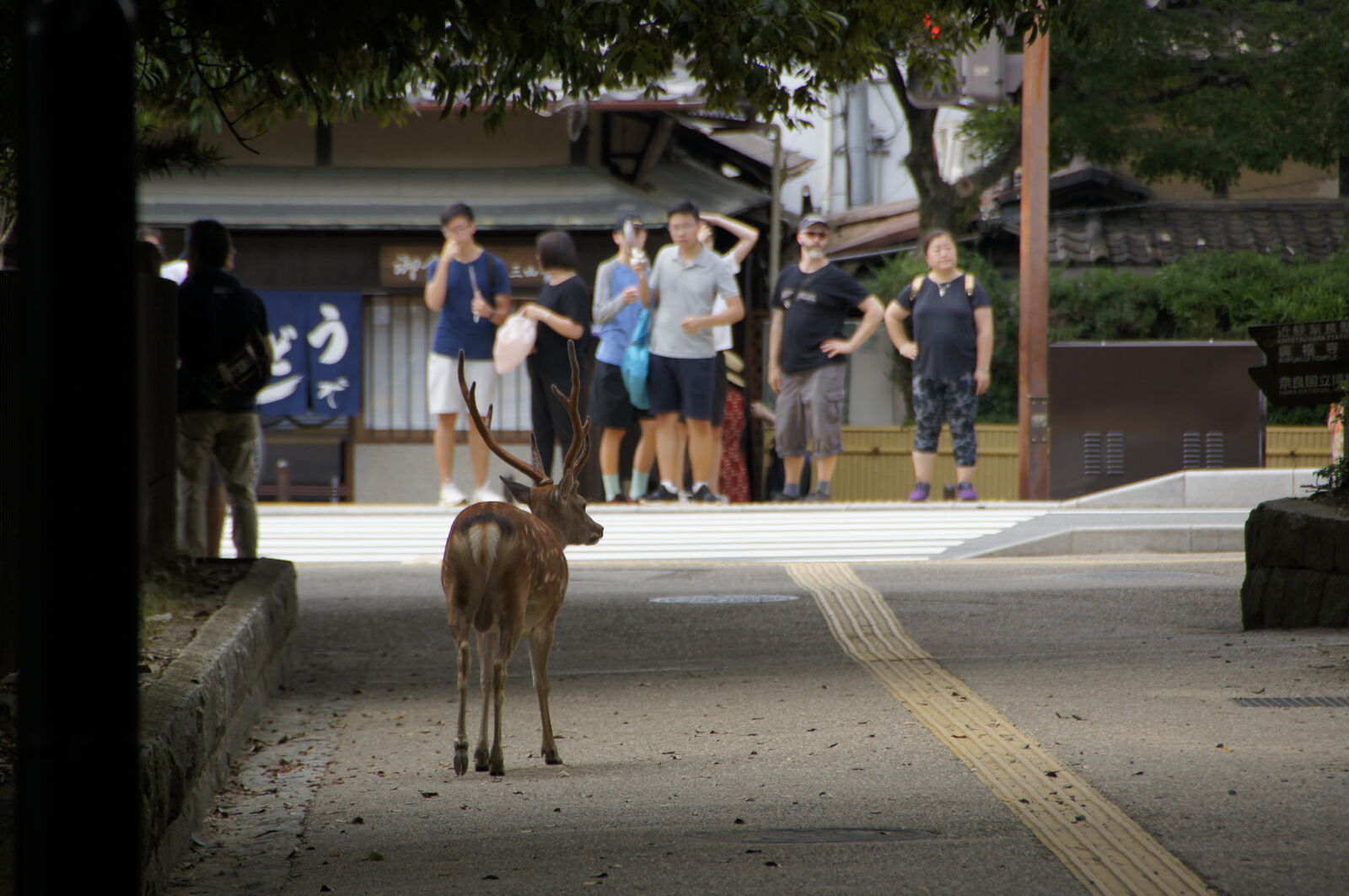
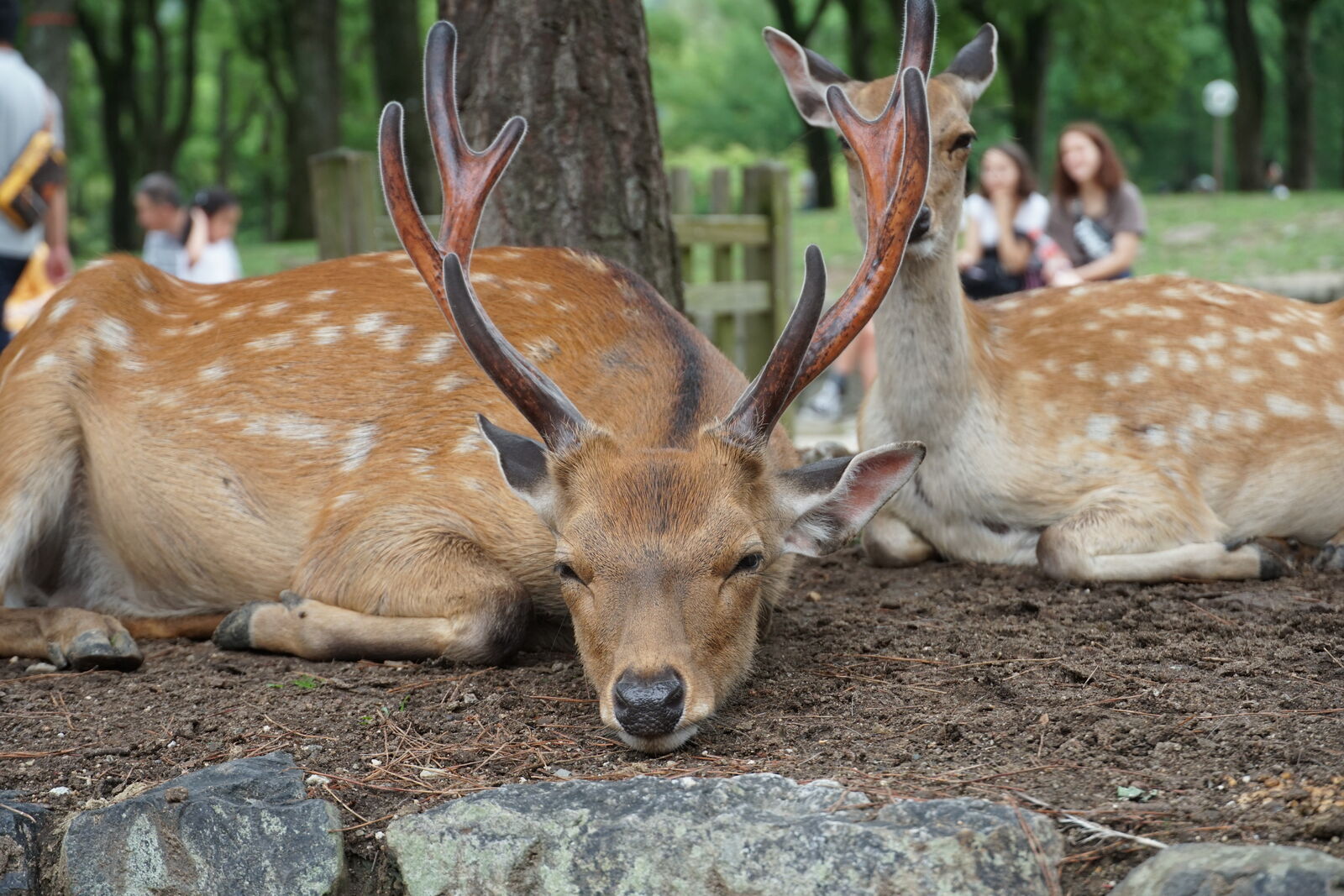
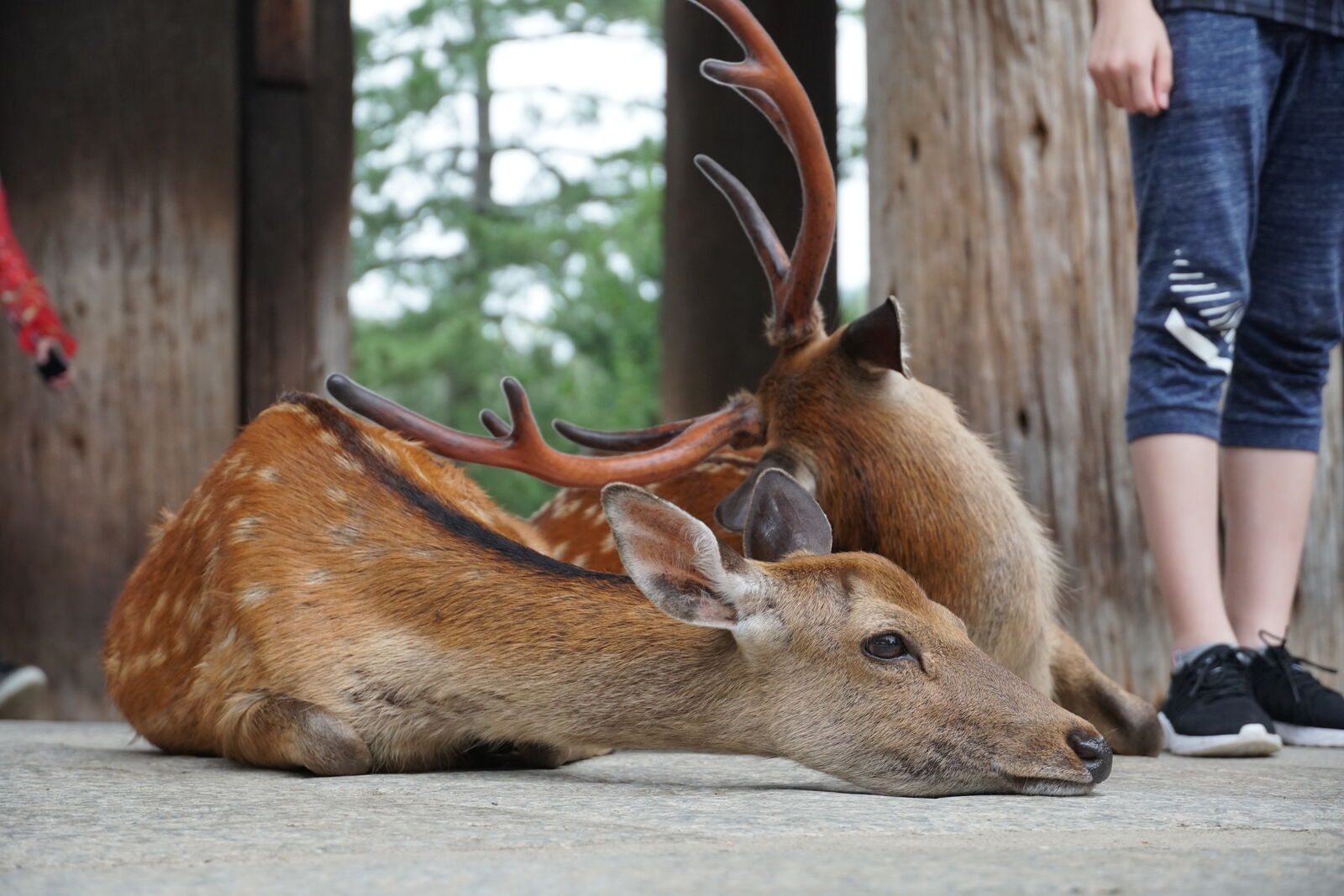
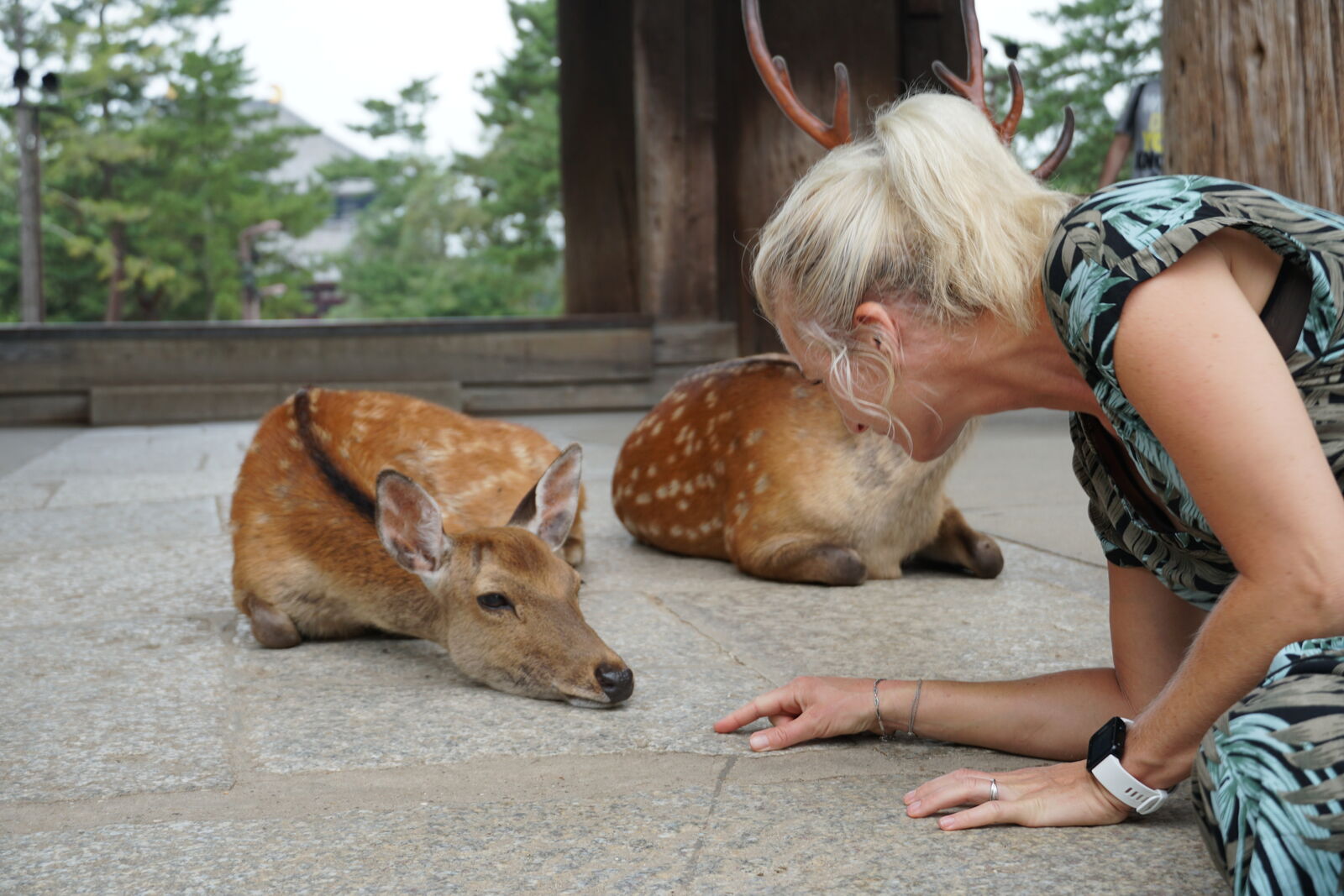
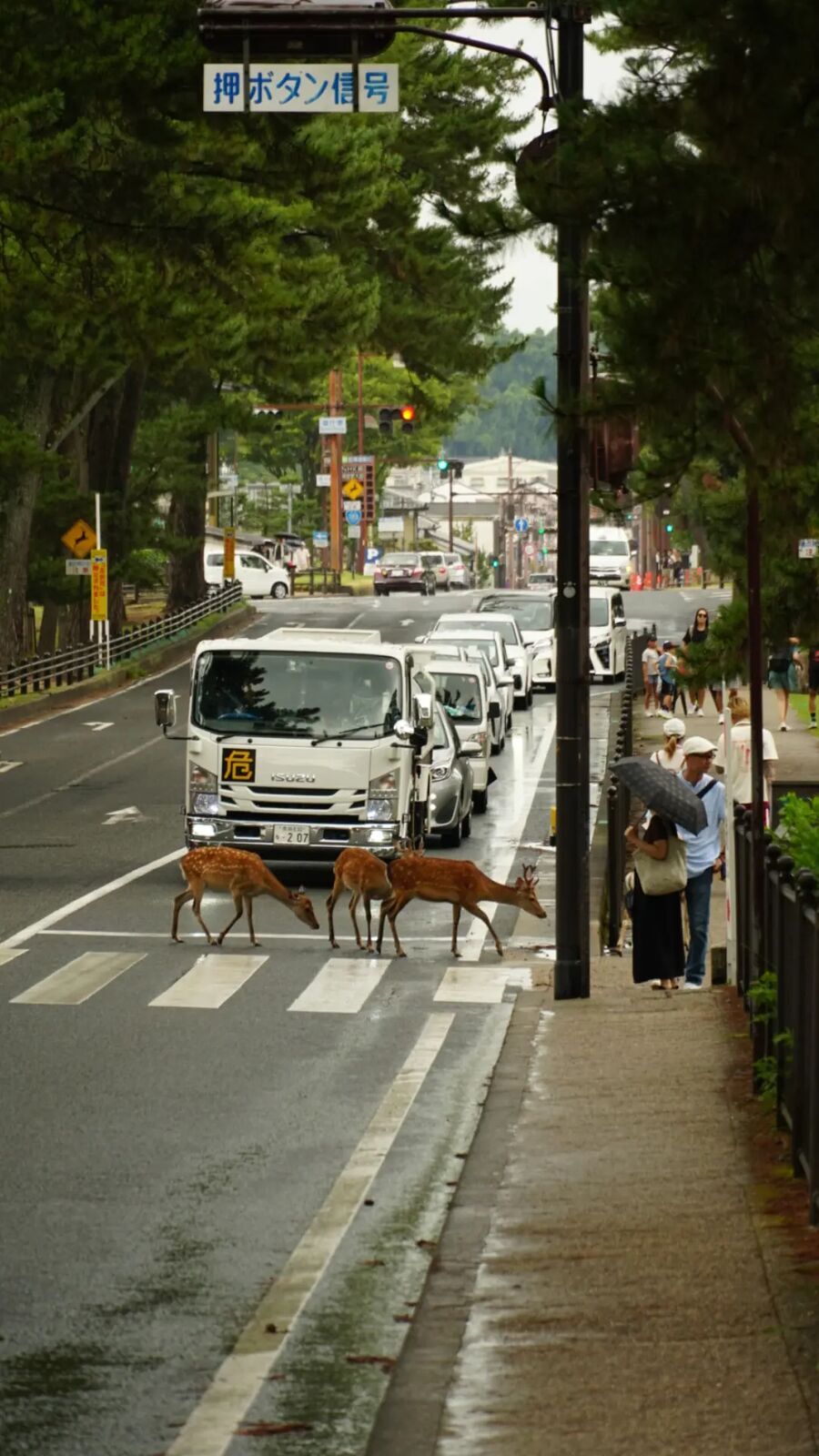
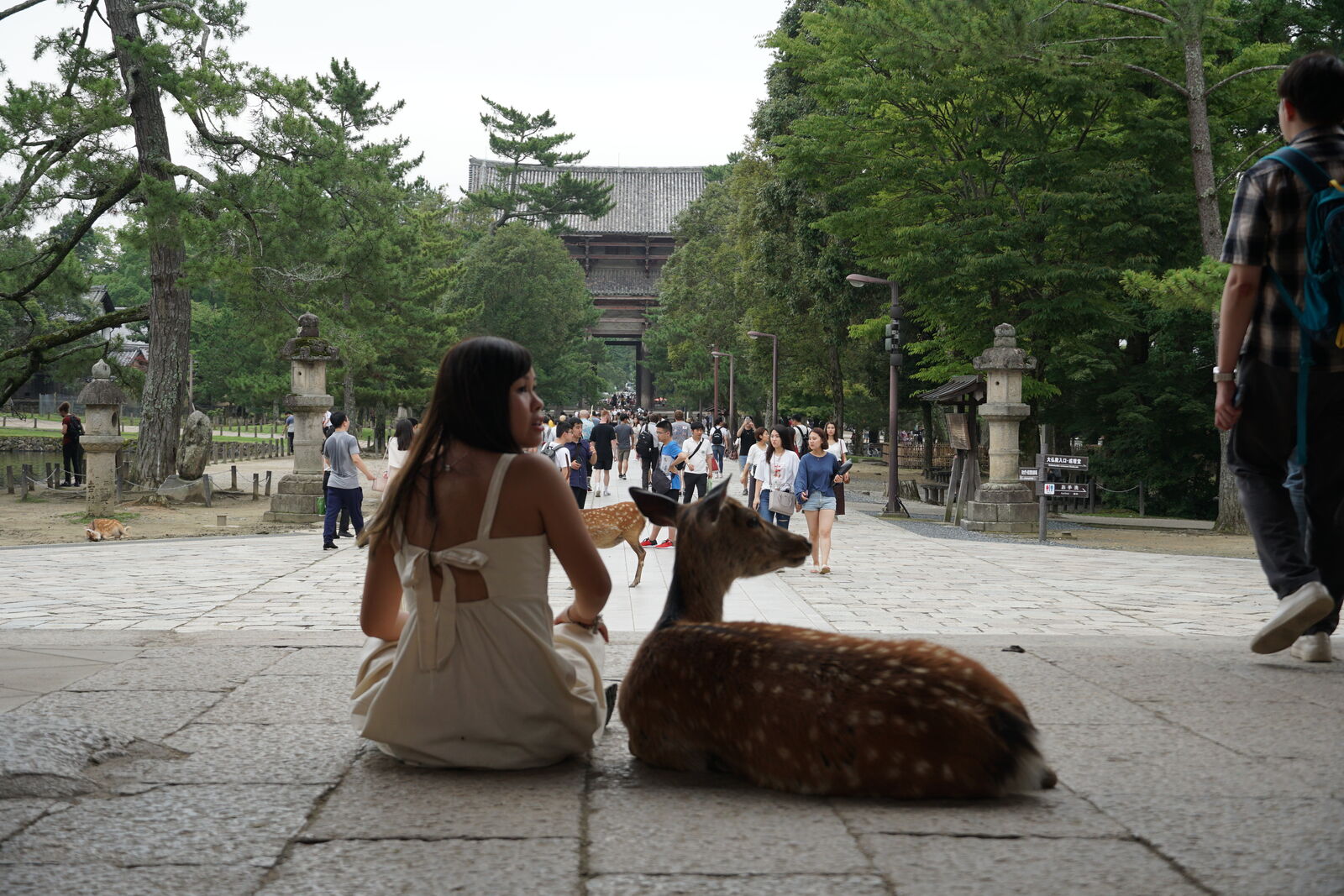
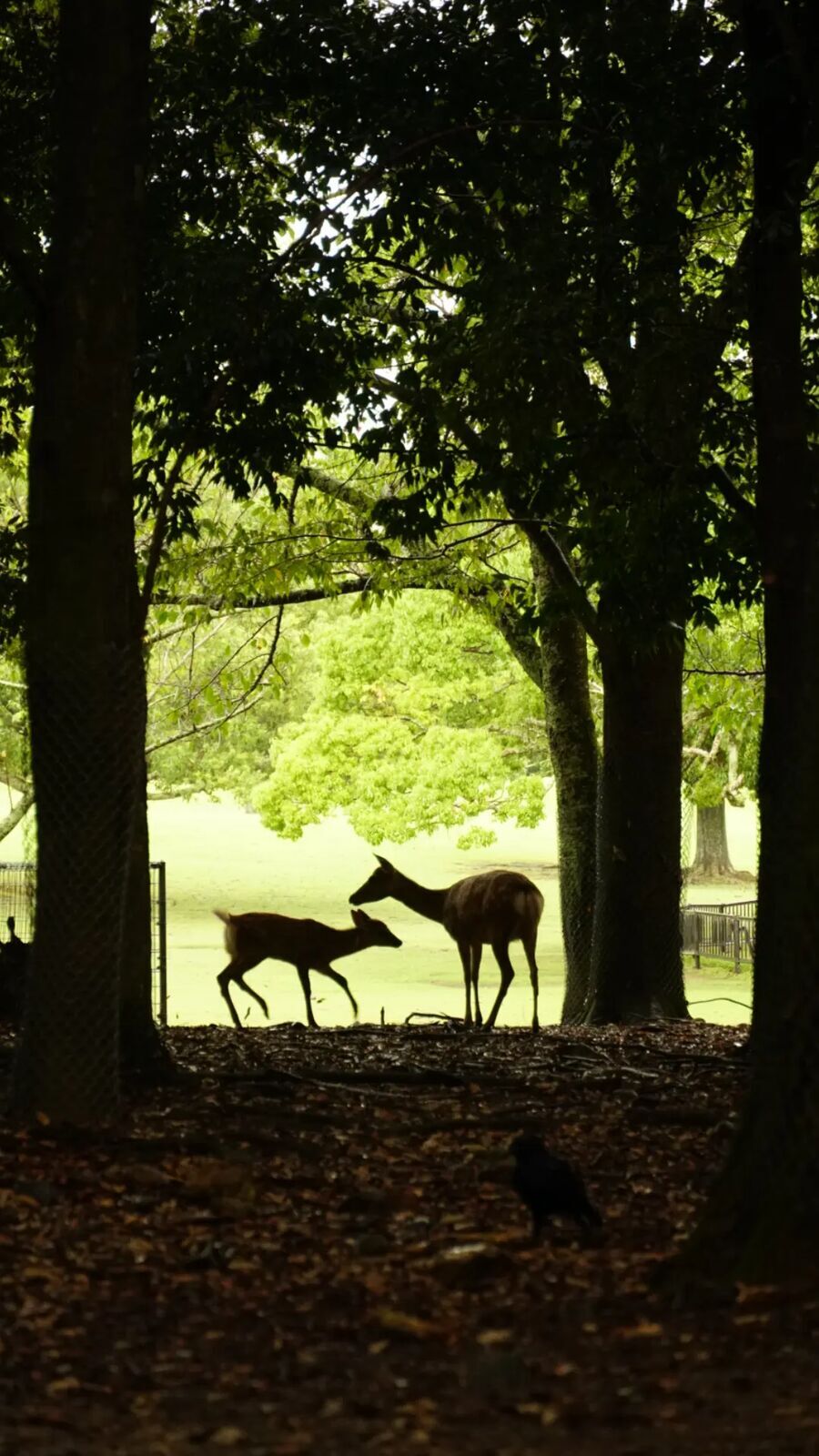
But it's the quieter moments that I keep coming back for. A mother deer and her fawn grazing beside a temple pond in the late afternoon light. A buck with a full rack of antlers lying in the shade of a gate that's been standing since the eighth century, completely unbothered by the stream of visitors stepping around him. Two deer crossing a road in the middle of traffic, cars waiting patiently, because here, the deer have right of way. Watching them in Nara, you understand something about coexistence that most cities have forgotten. These animals aren't attractions. They're residents. The temples were built around them.
The Cologne Cathedral of Japan
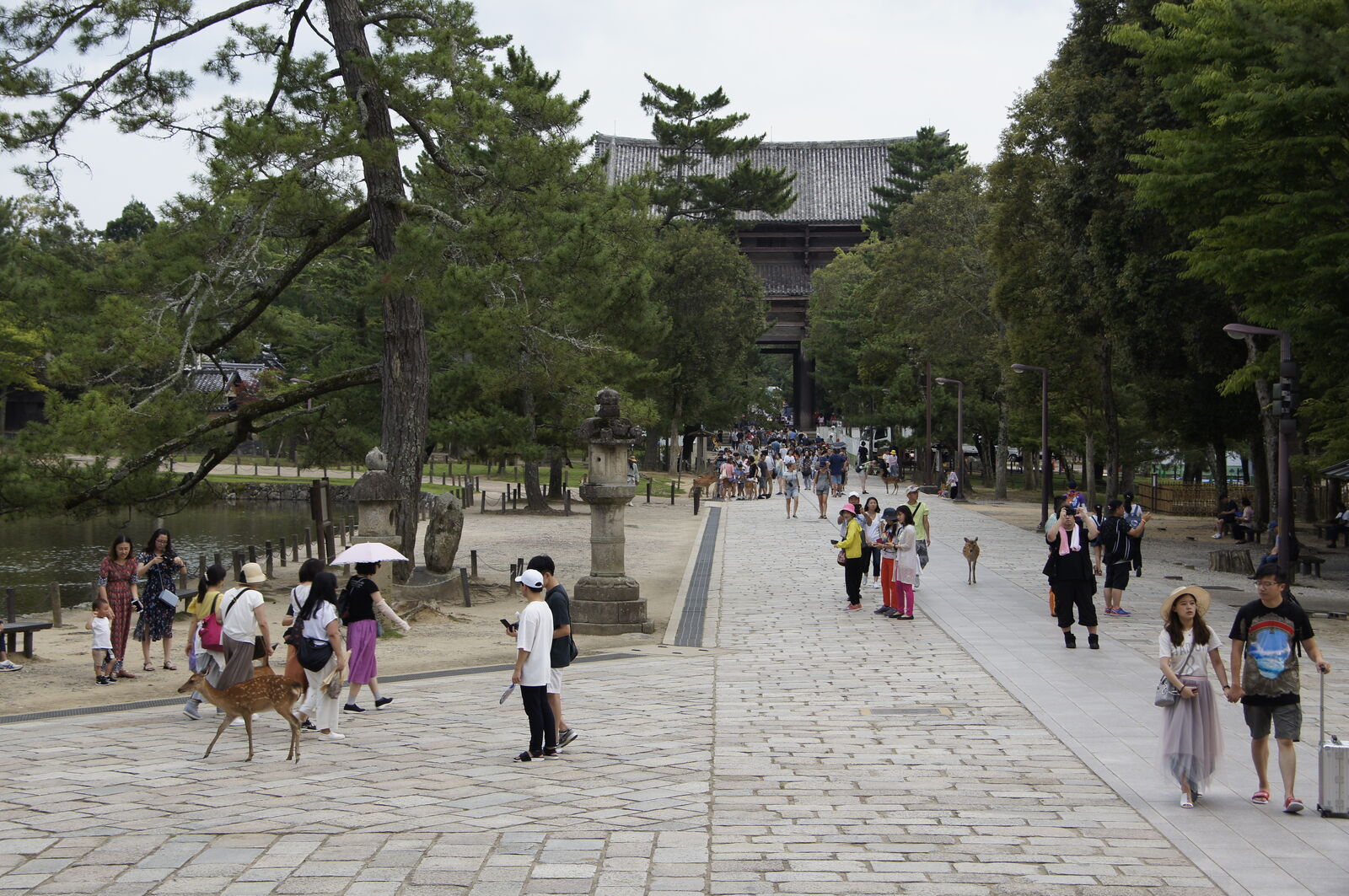
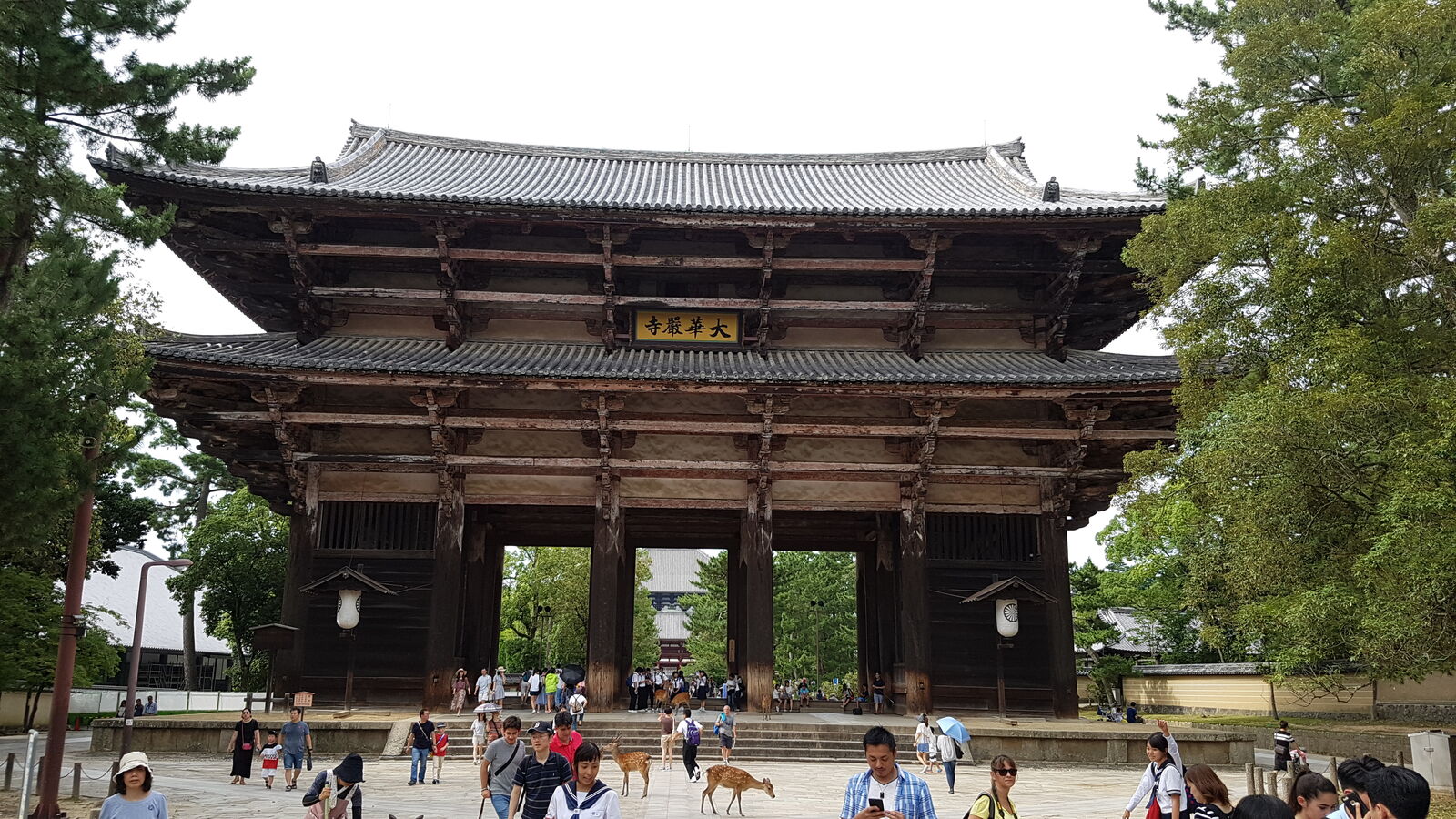
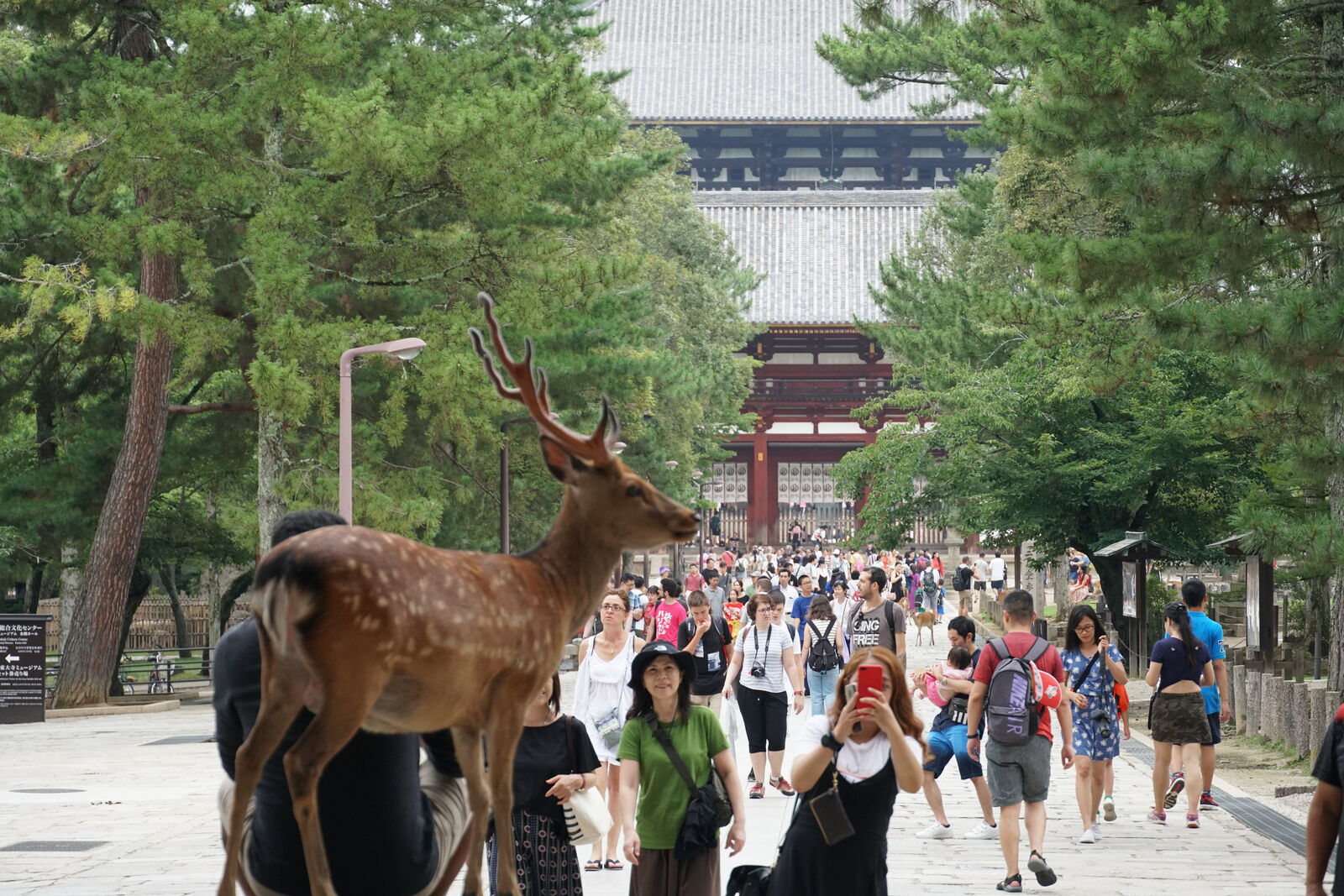
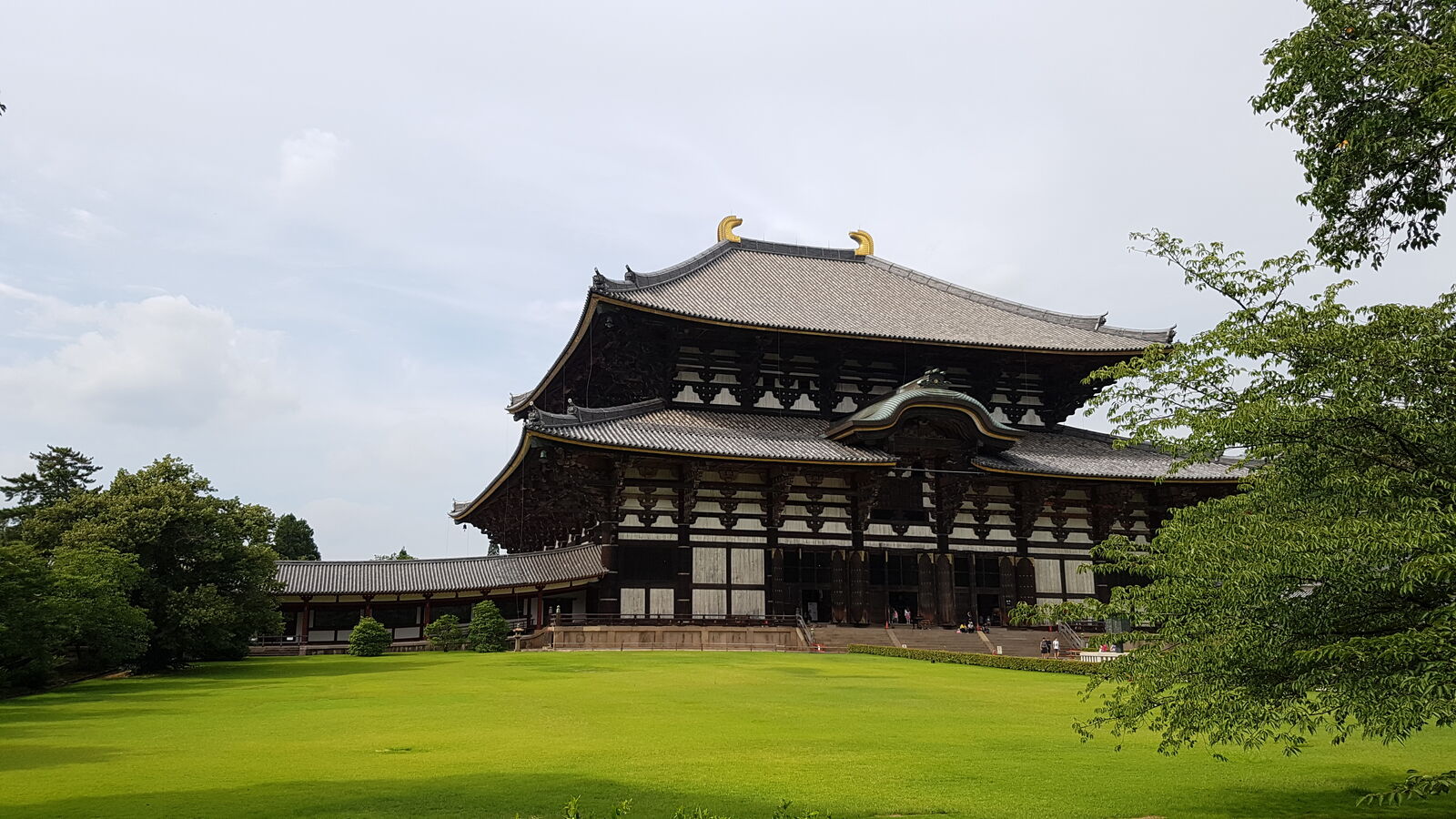
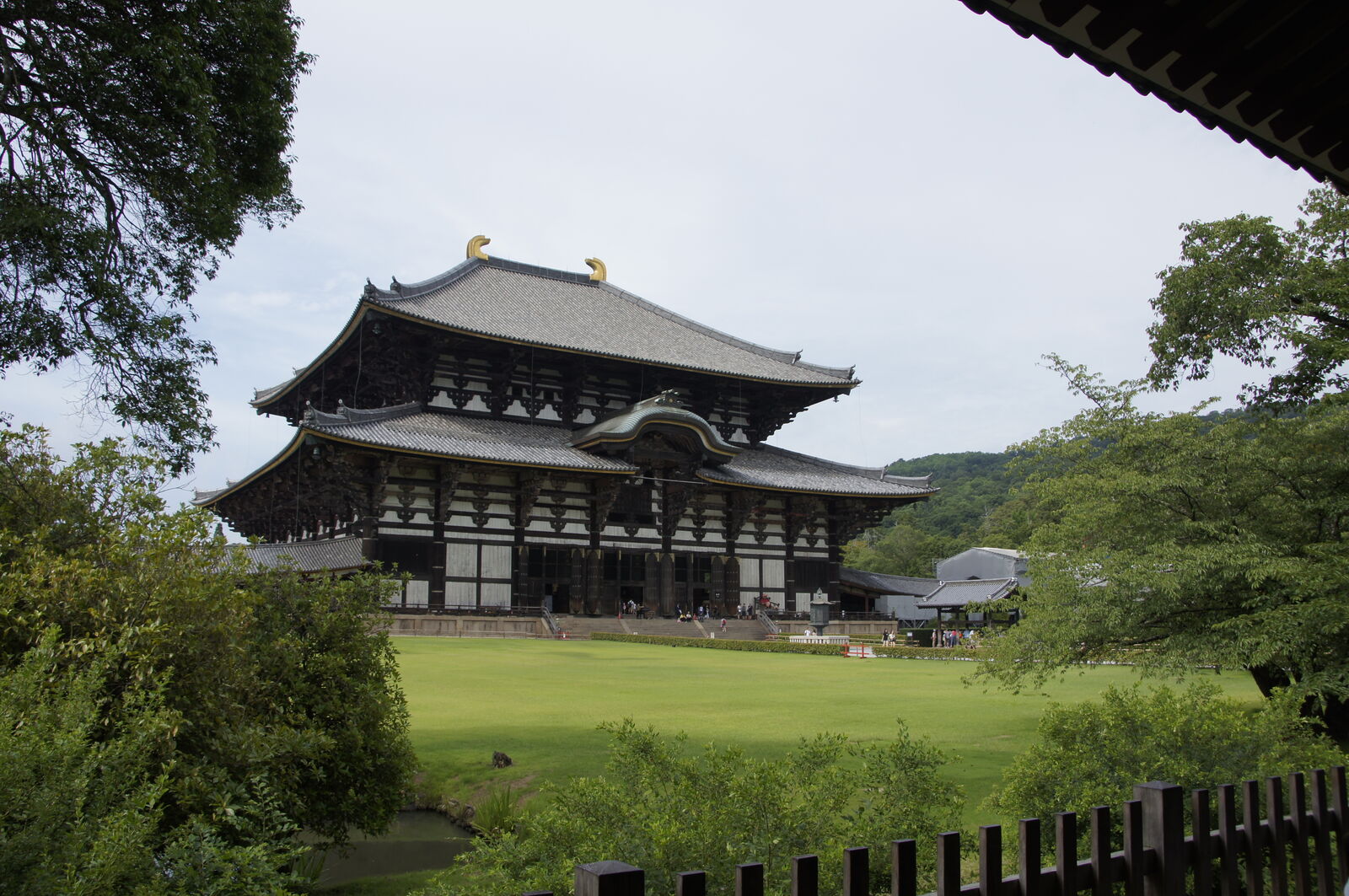
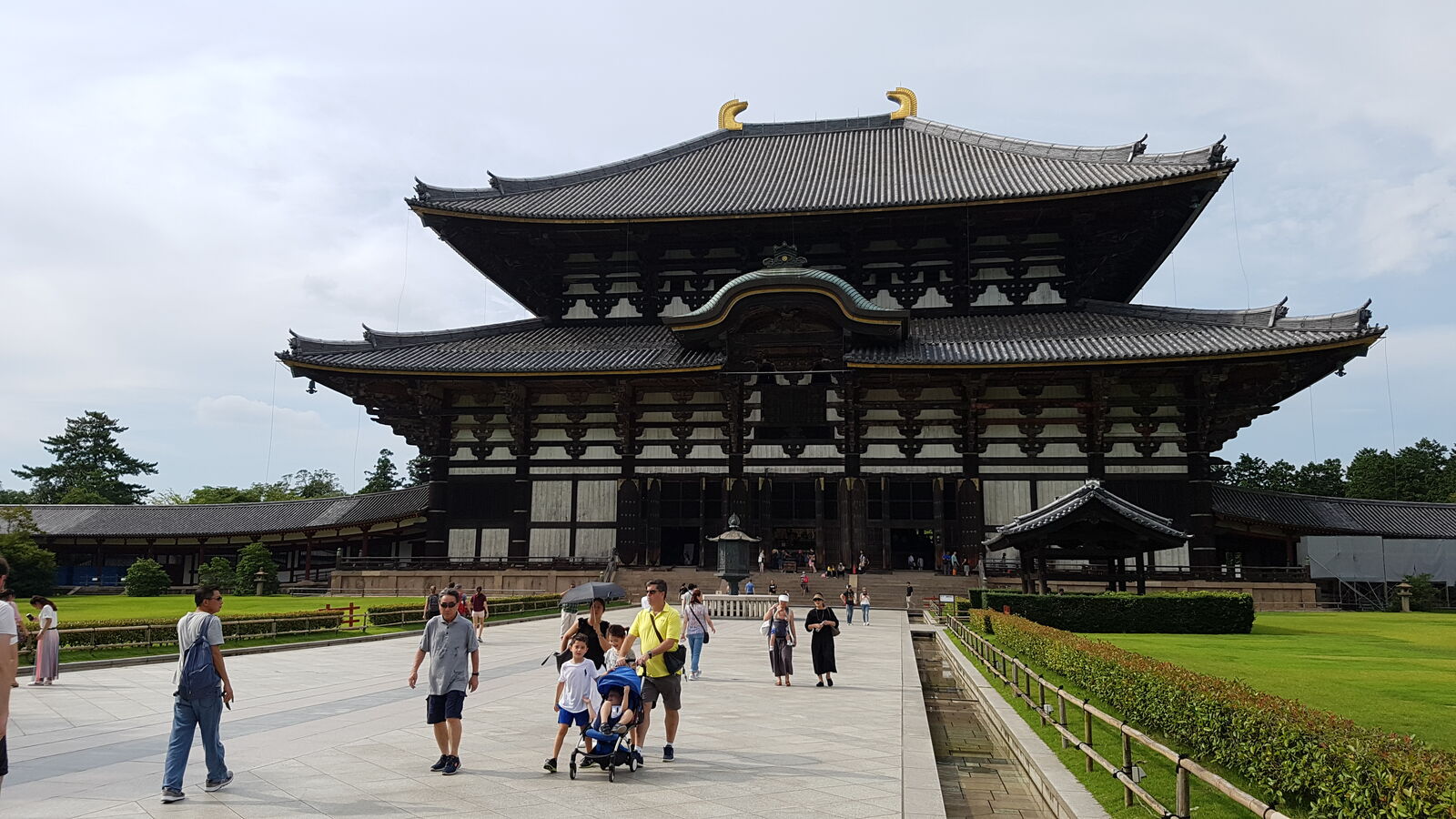
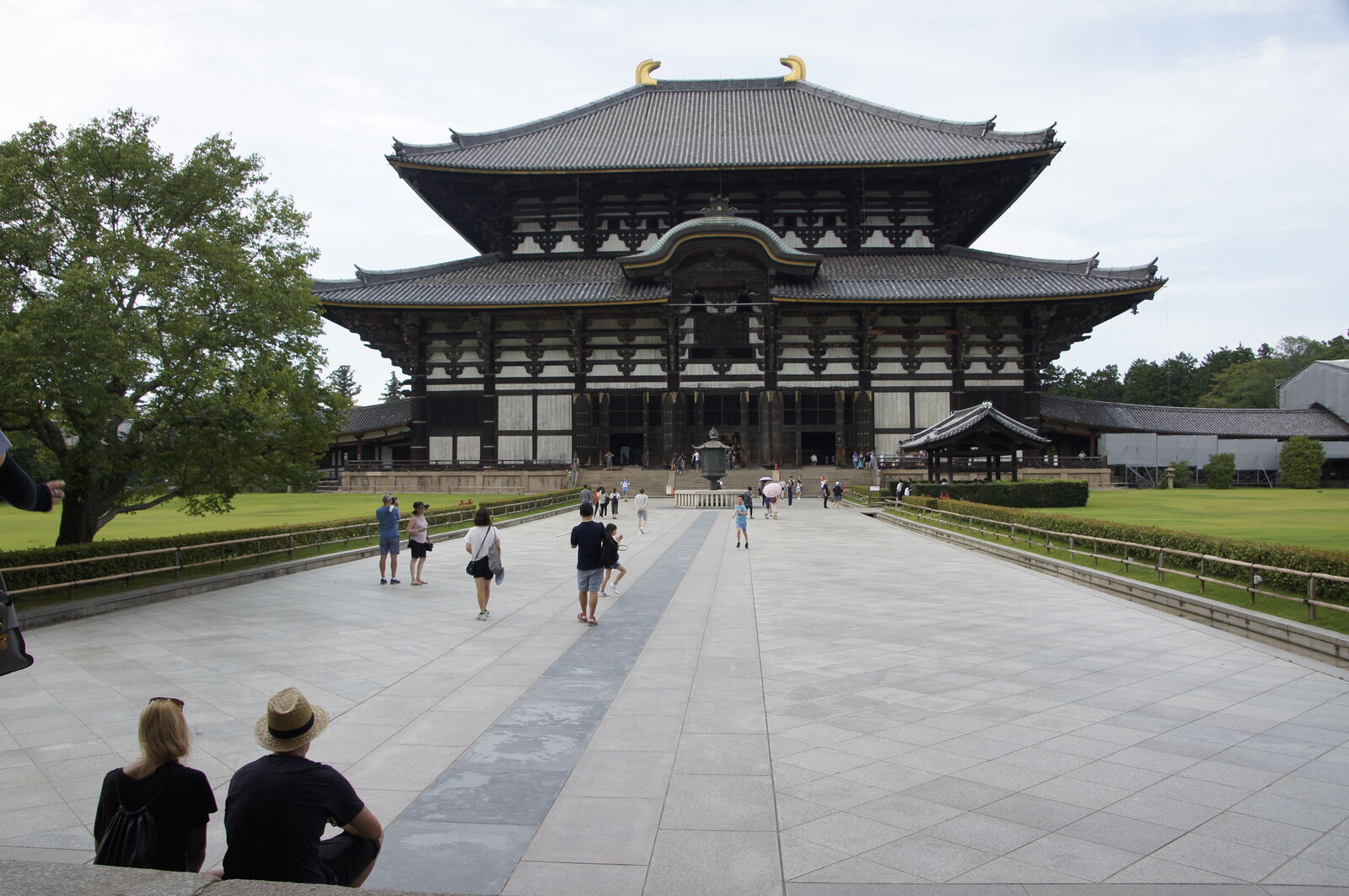
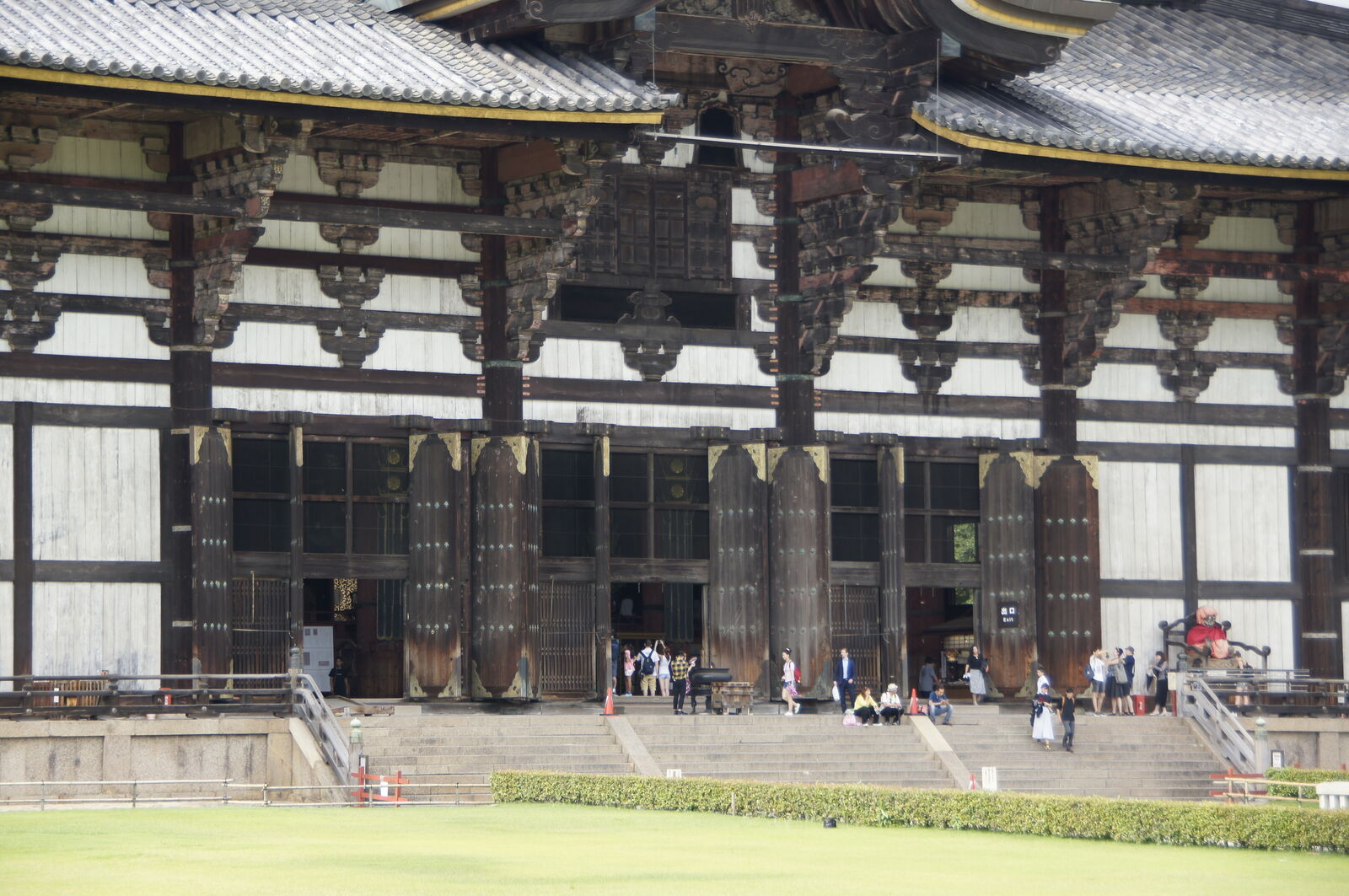
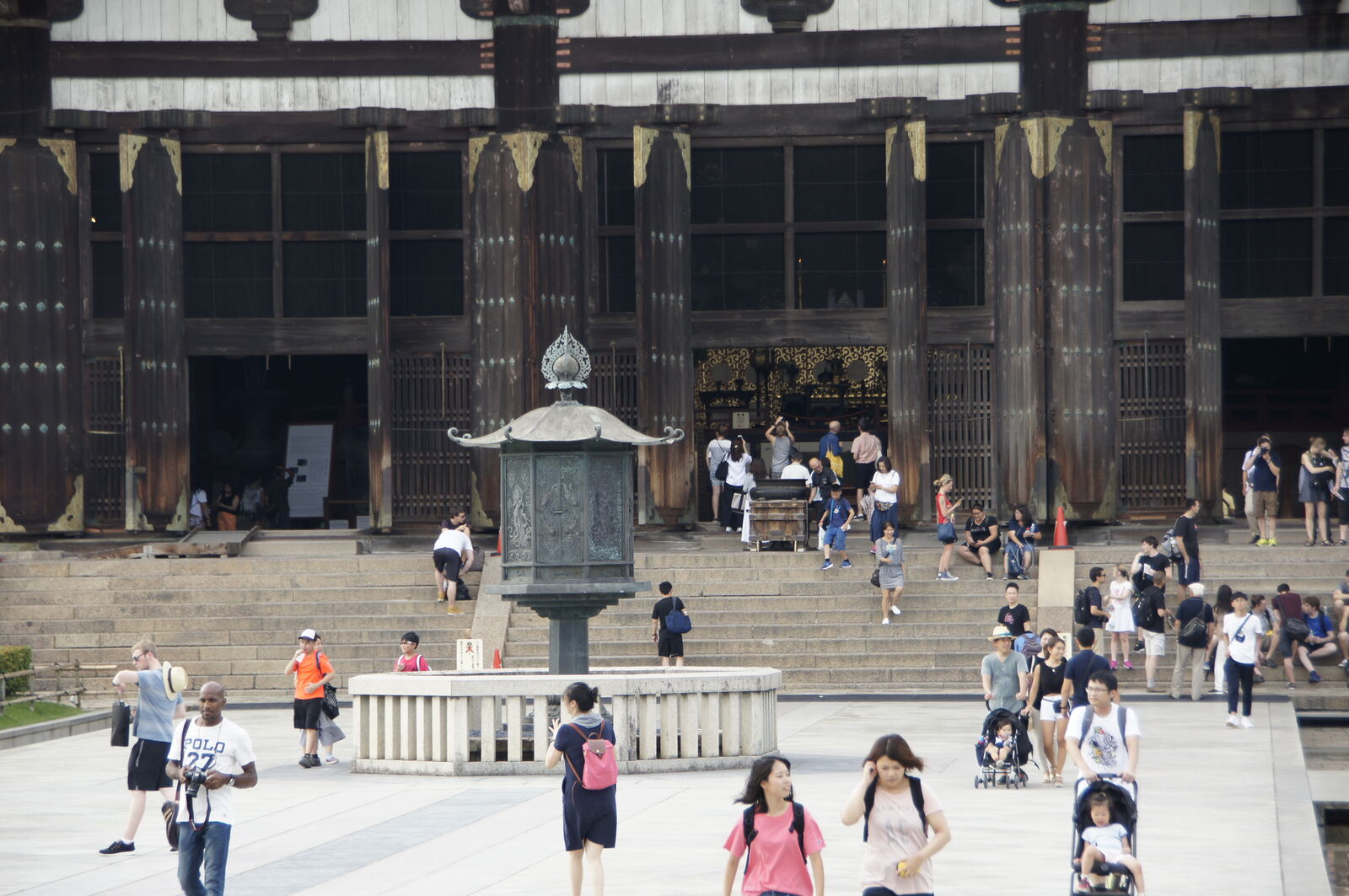
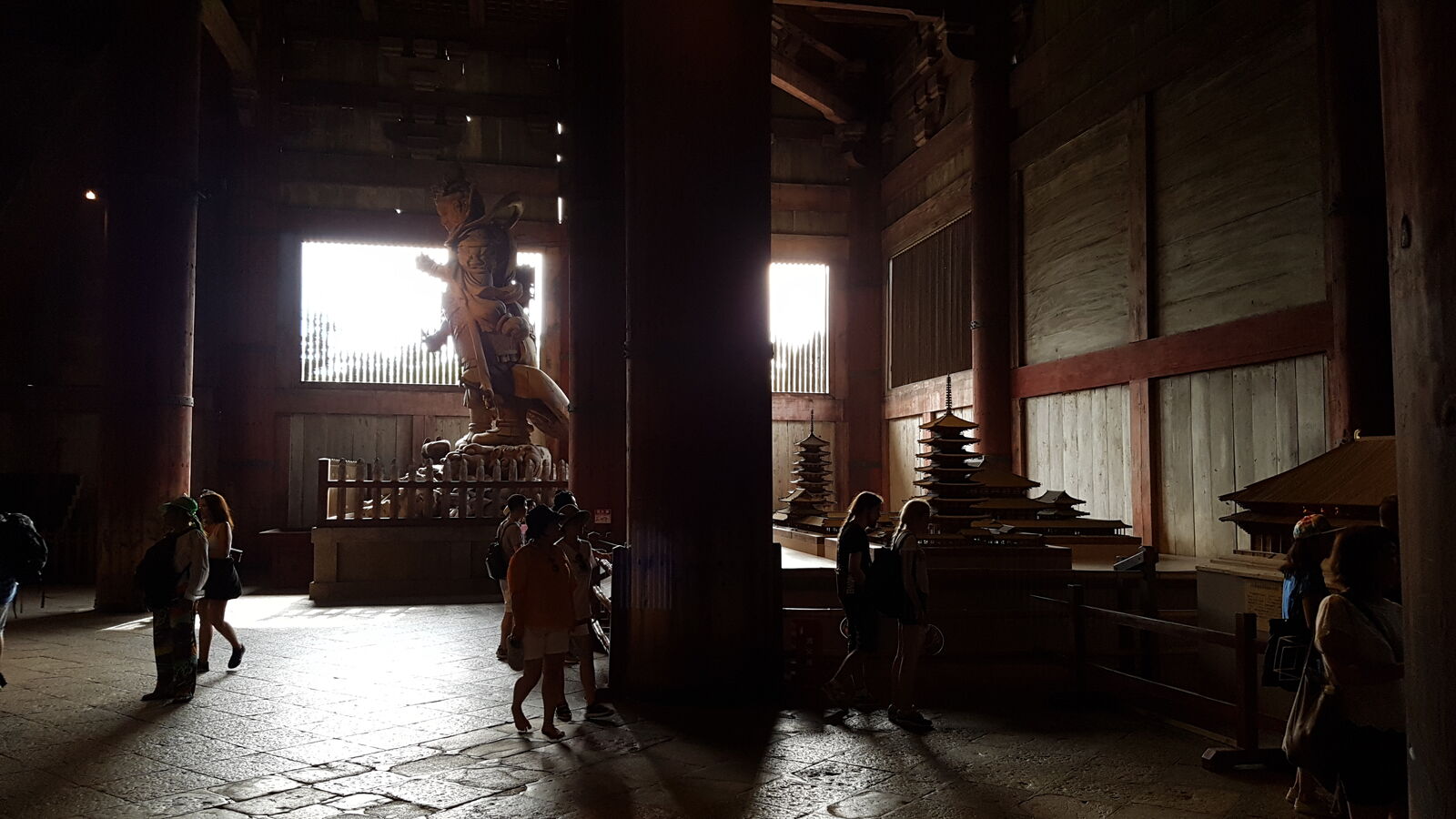
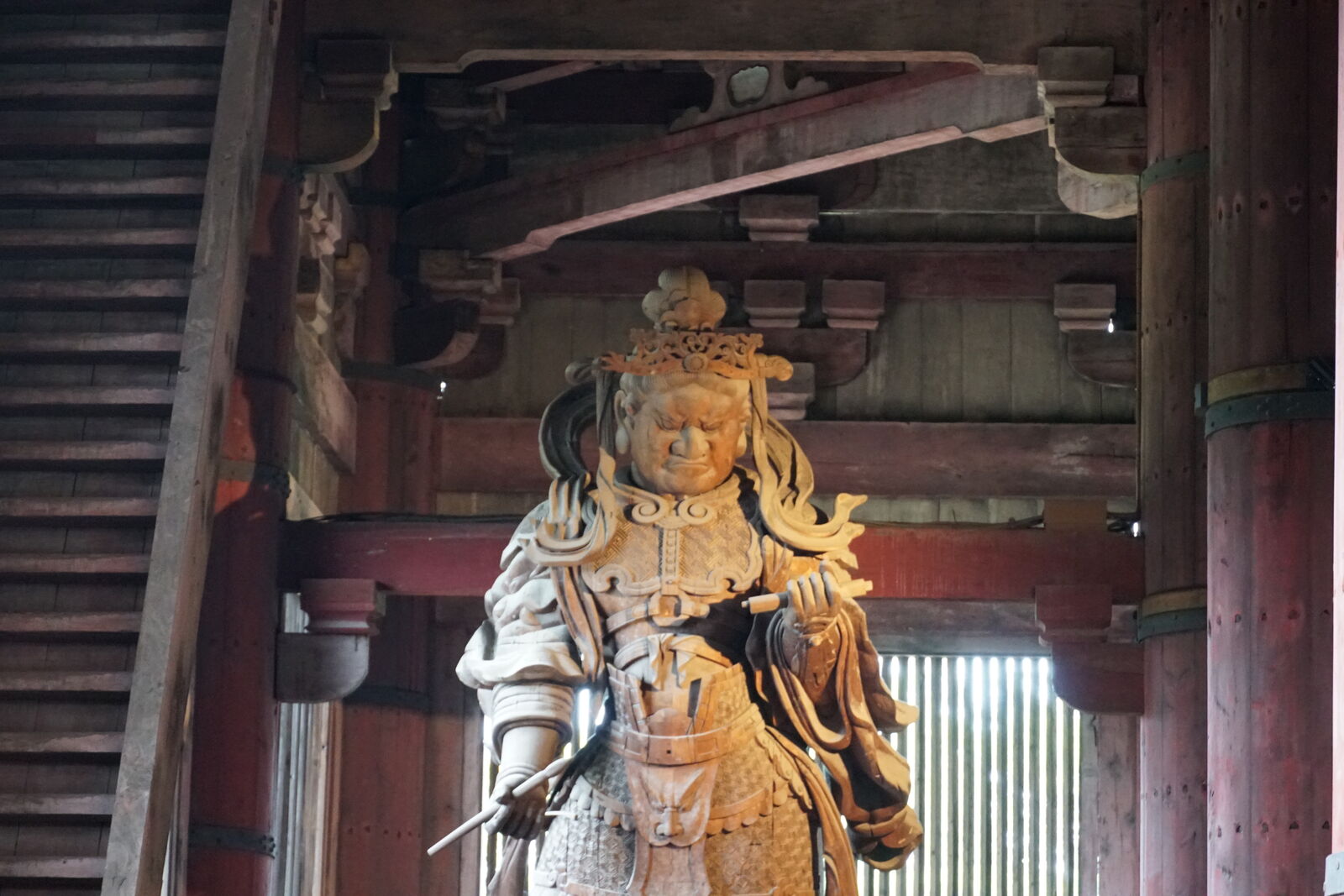
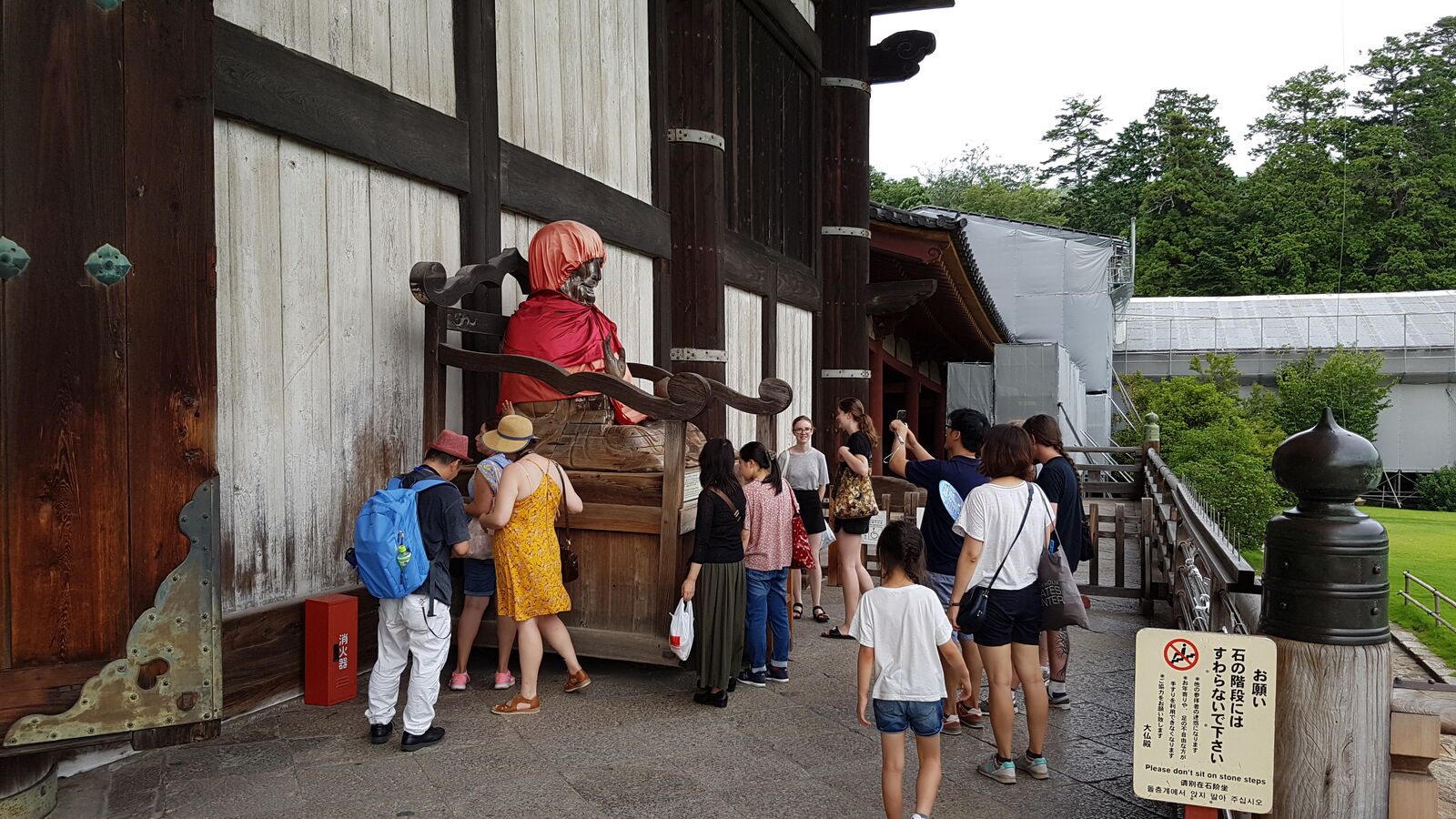
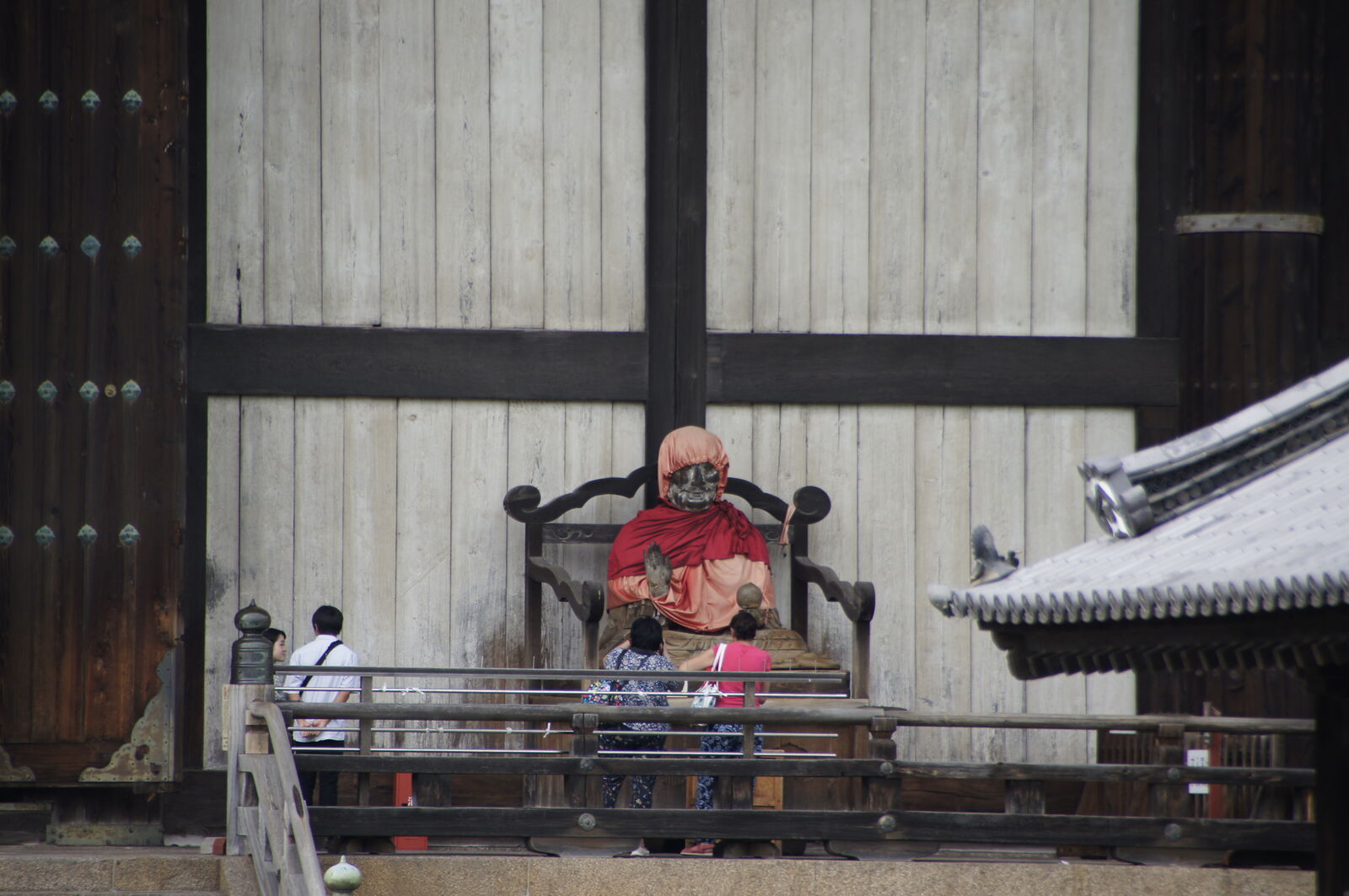
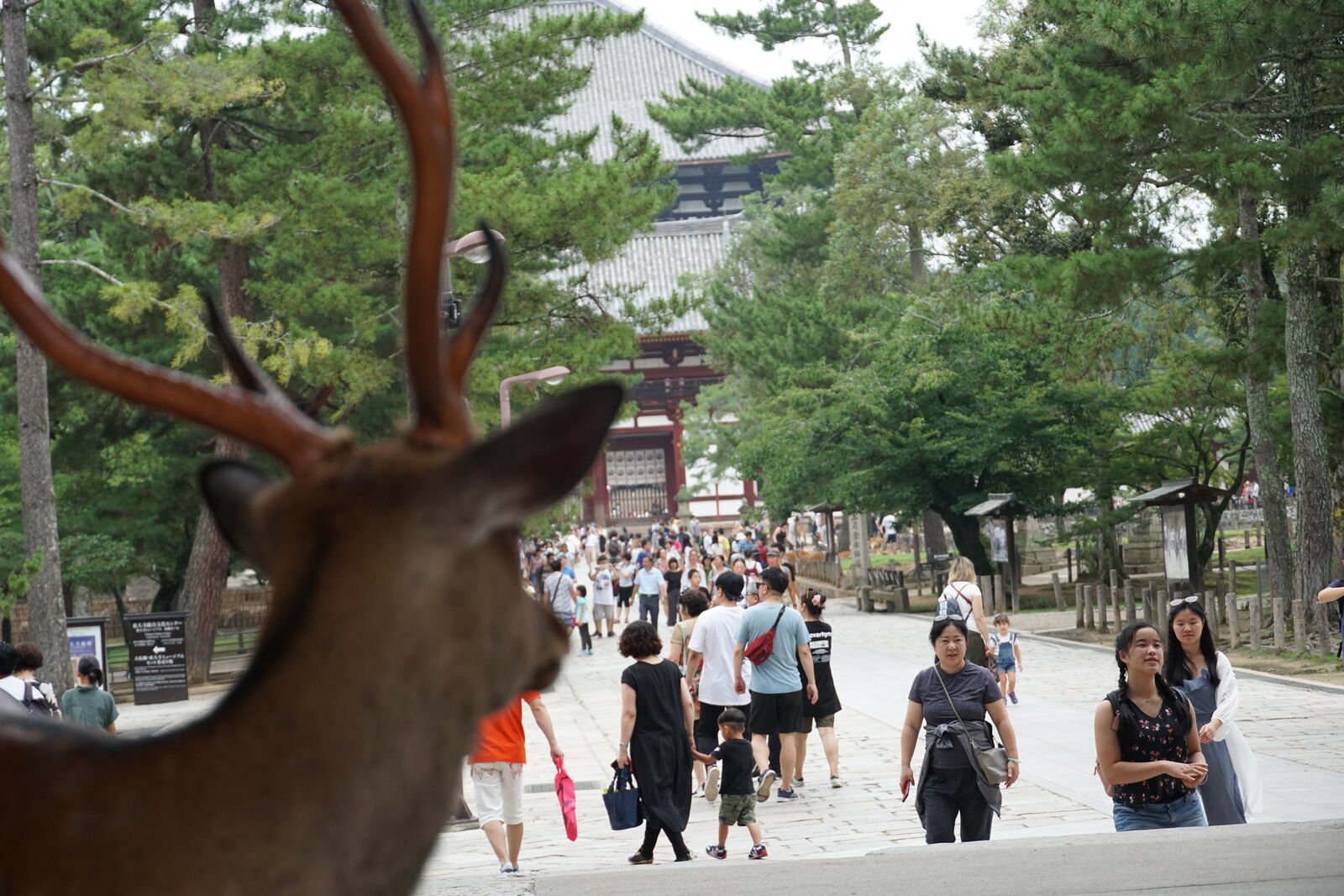
Todai-ji is the largest wooden building in the world, and it's smaller now than when it was originally built. That fact alone should tell you something about the scale of what the builders were attempting in the eighth century. You enter through the Nandaimon, the Great South Gate, with its towering guardian statues on either side, and walk up a broad approach path with deer grazing on the lawns and visitors streaming past in both directions. Then the building appears above the treeline, and your sense of proportion quietly collapses.
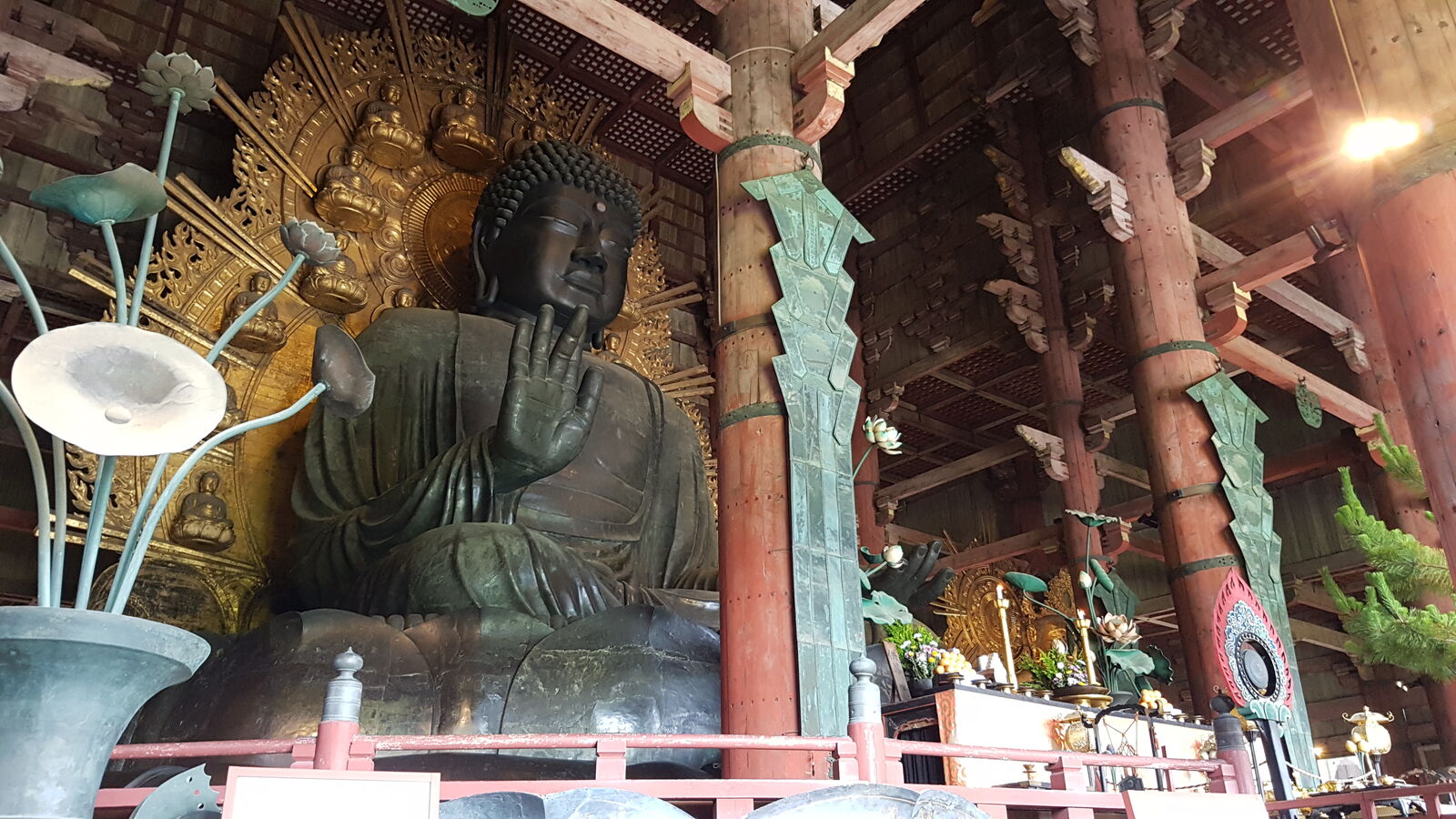
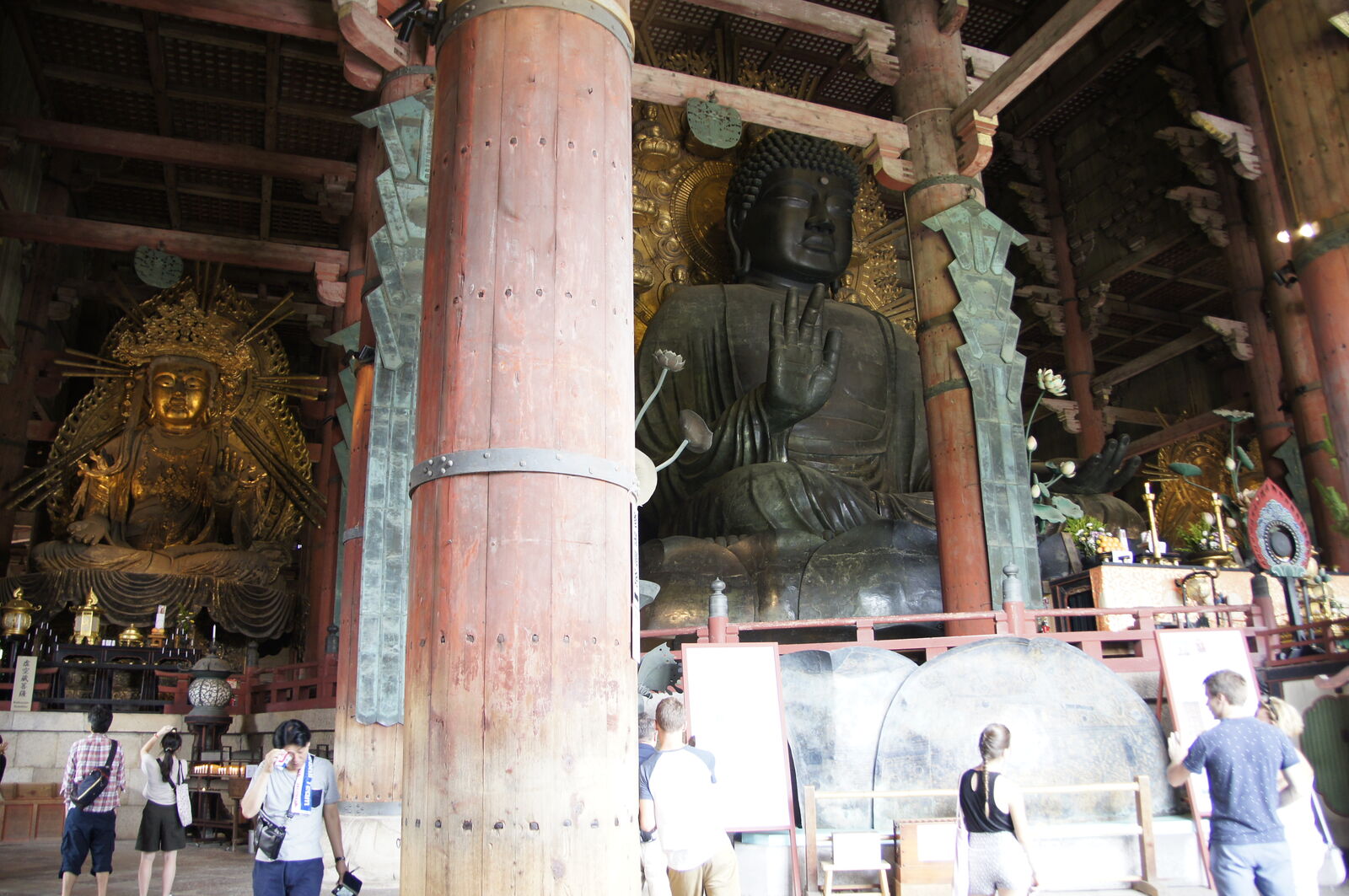
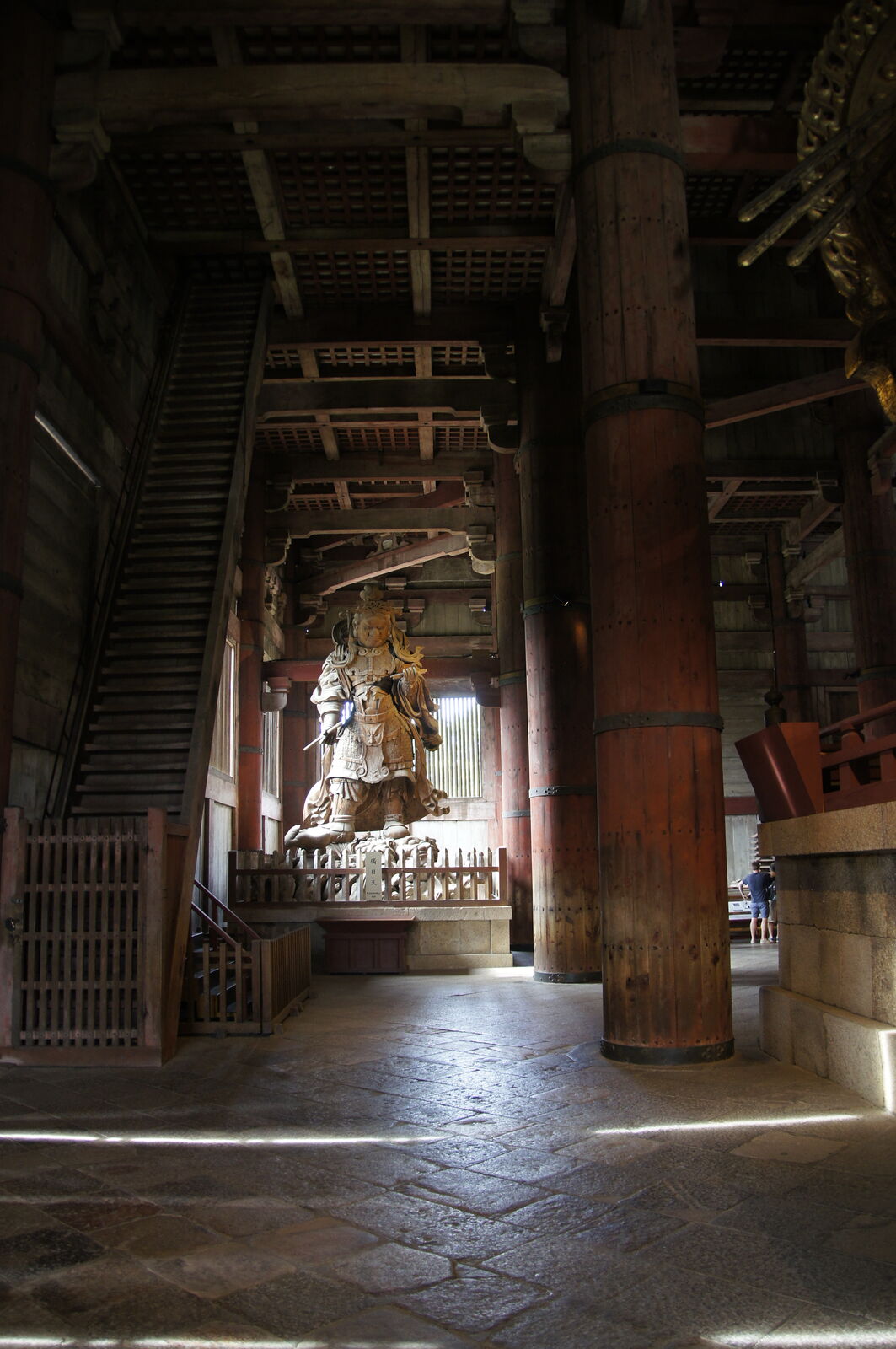
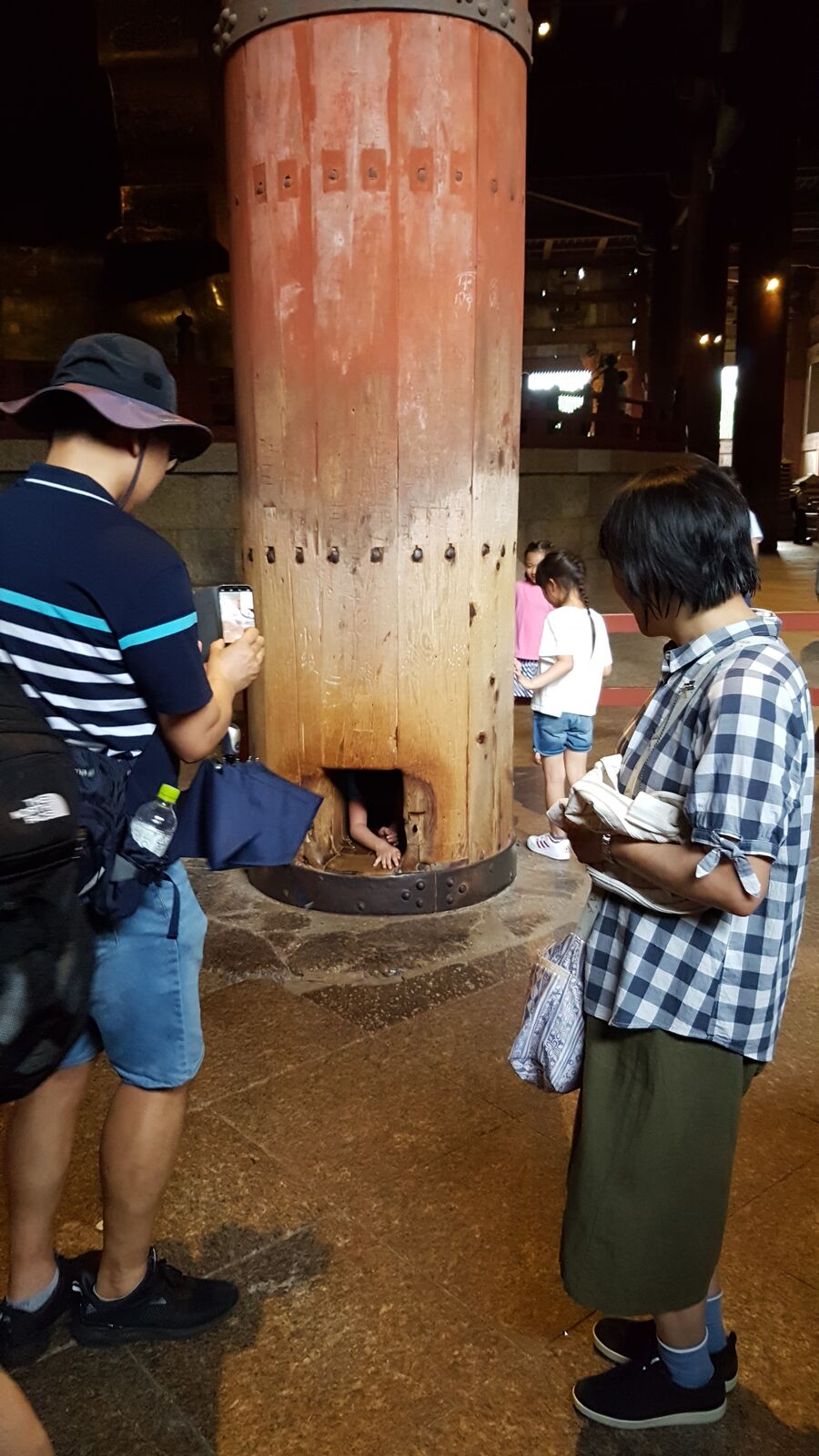
Inside, the Great Buddha sits in bronze and gold, fifteen meters tall, his right hand raised in a gesture that means "do not fear." The statue was cast in 752 AD. He's flanked by golden Kannon figures, and the wooden hall around him reaches up into a ceiling so high and so dark that you lose it in the shadows. There's a pillar with a hole at its base, the same diameter as the Buddha's nostril, and the tradition is that anyone who can squeeze through it will be granted enlightenment in the next life. There's always a queue. Mostly kids, but sometimes adults try it too, and the crowd cheers when they make it.
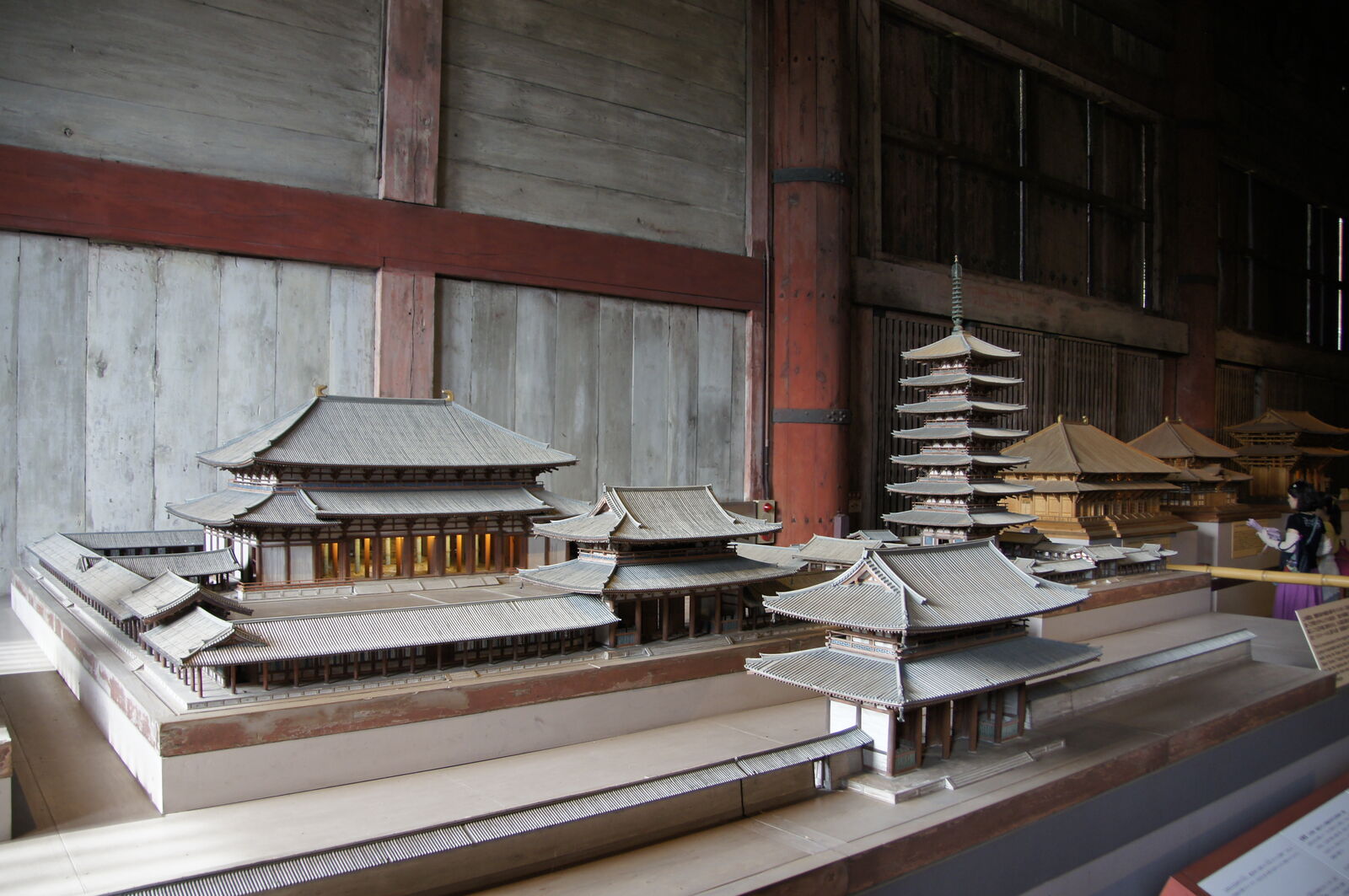
In a corner of the hall stands a detailed miniature model of the entire complex. Western visitors walk past it, maybe take a photo, assume it's decorative. It's not. It's a three-dimensional blueprint. Japanese temple architecture works on a cycle: these buildings are dismantled and rebuilt every few decades, sometimes every thirty years, sometimes eighty. The model exists so that future generations can study exactly how every beam, bracket, and joint fits together, without relying on written instructions alone. The building you're standing in looks ancient, and it is, but not in the way a European cathedral is ancient. It's been rebuilt multiple times across the centuries, each time faithful to the original, each time using the model as a reference. The wood is replaced, the structure endures. It's a completely different philosophy of preservation, and once you understand it, these halls feel even more impressive. Not because they survived time, but because they were designed to be handed down through it.
I always think of it as the Cologne Cathedral of Japan. Not in the architectural sense, but in the way it makes you feel small. The way it forces you to look up and keep looking up. The builders weren't just constructing a place of worship. They were constructing an experience of awe, and it still works perfectly, twelve centuries later.
Quiet Corners
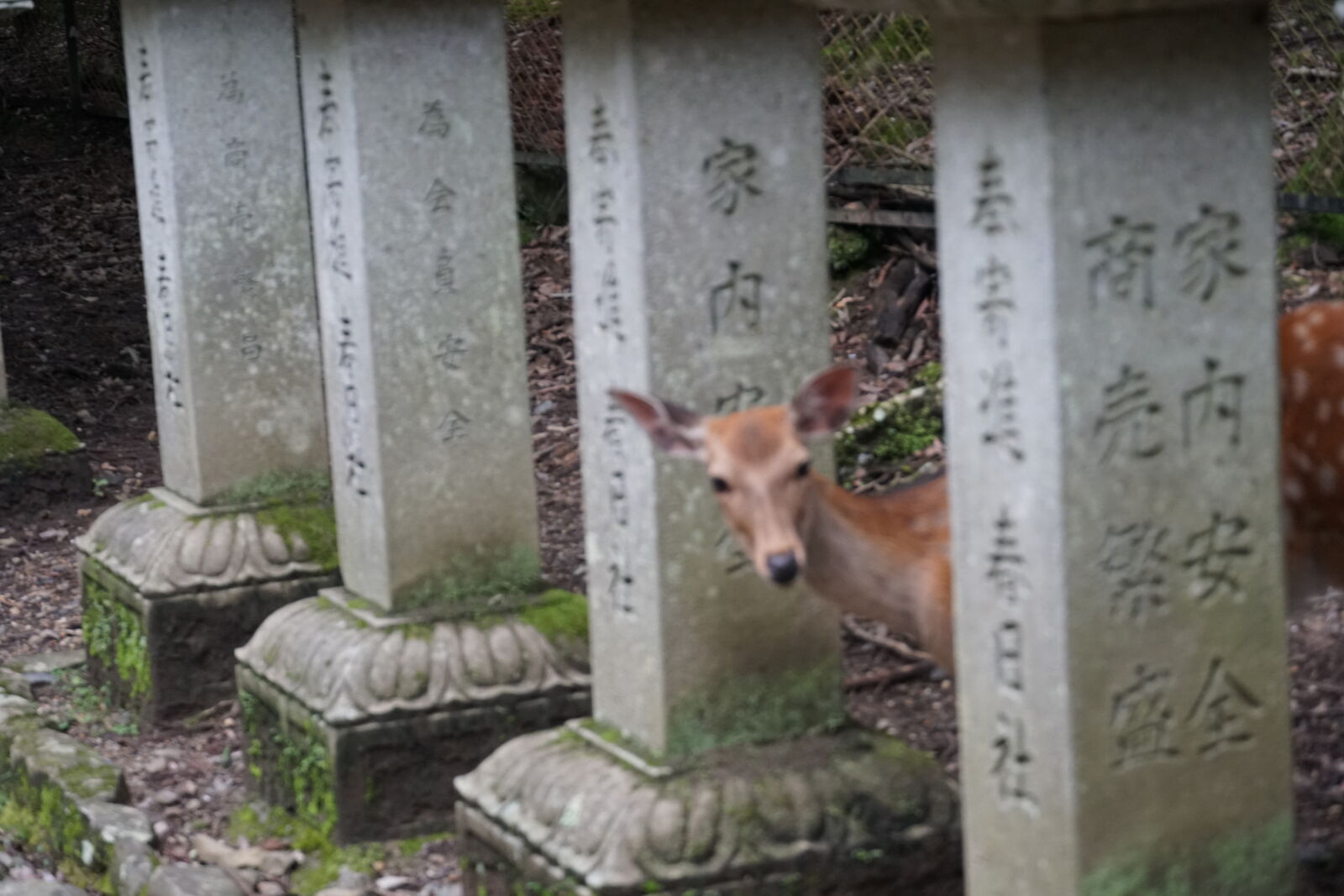
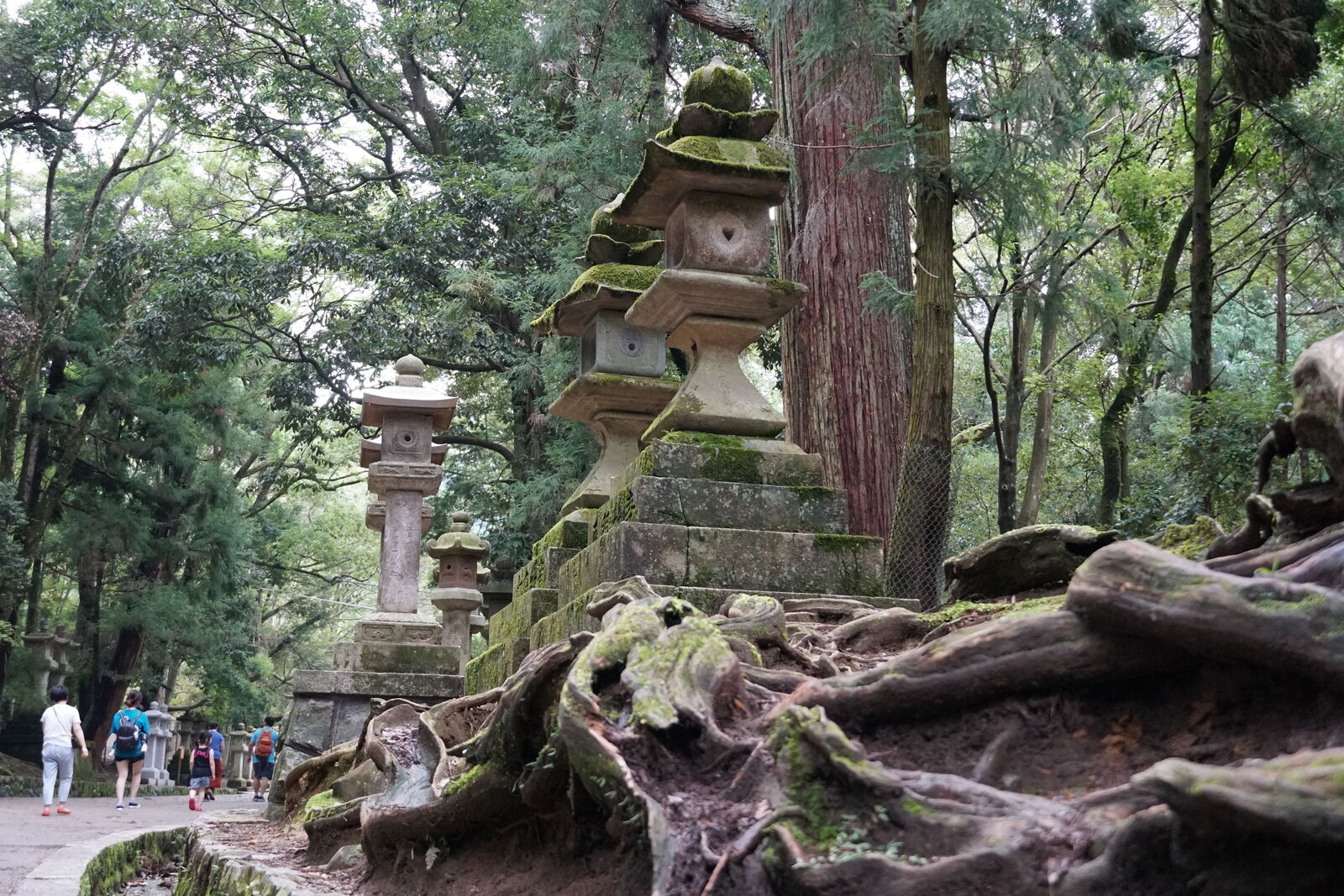
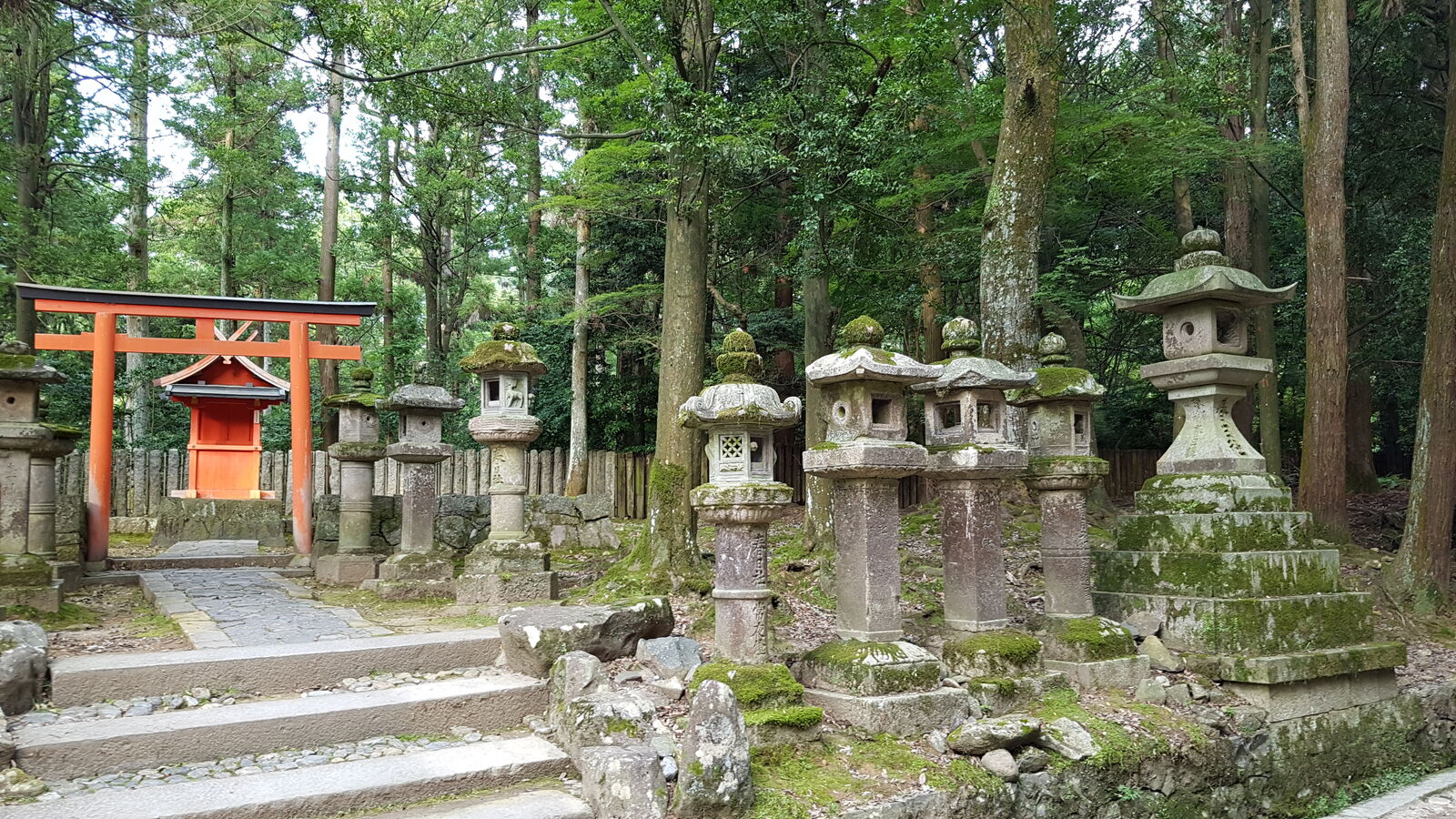
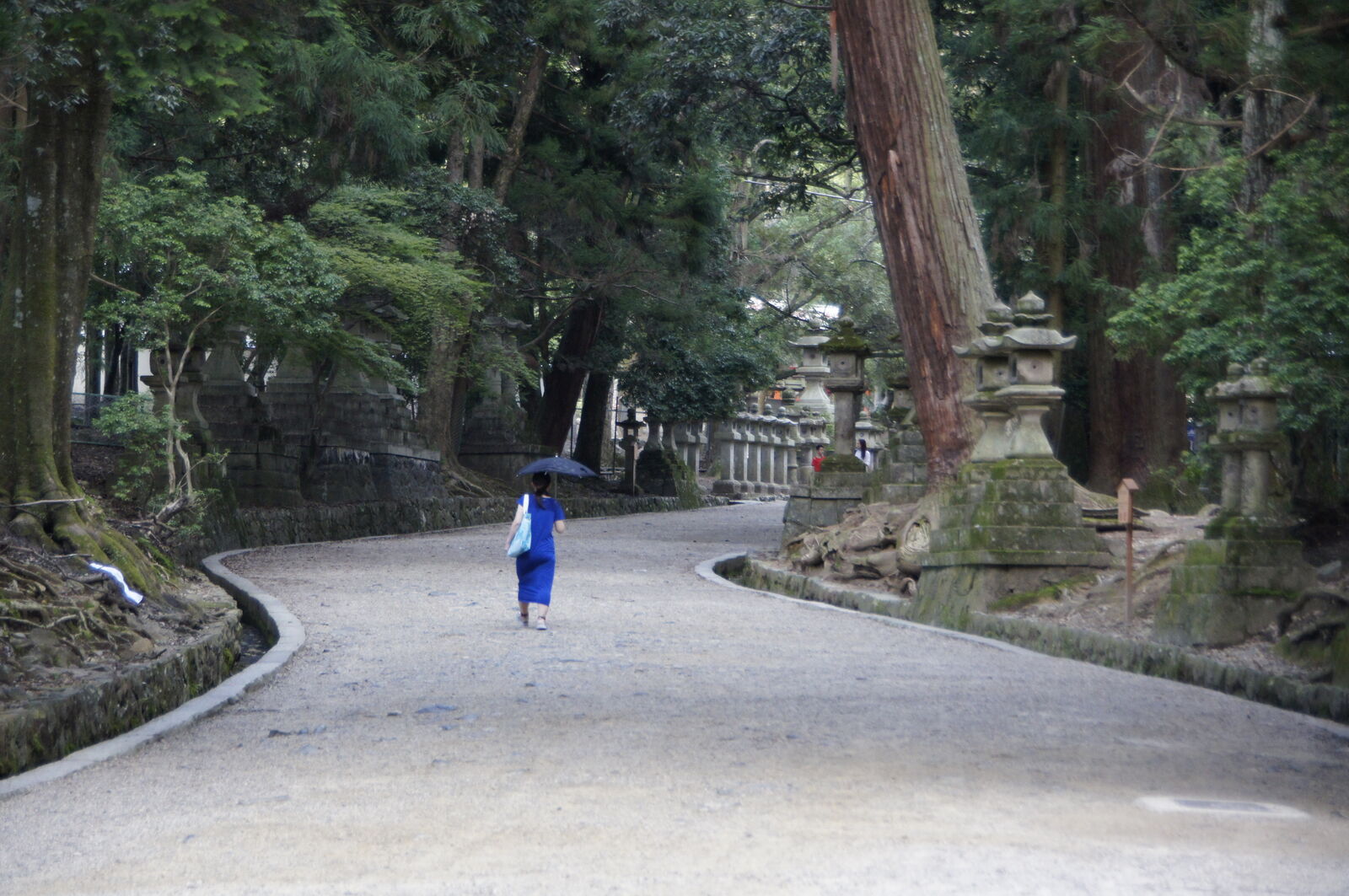
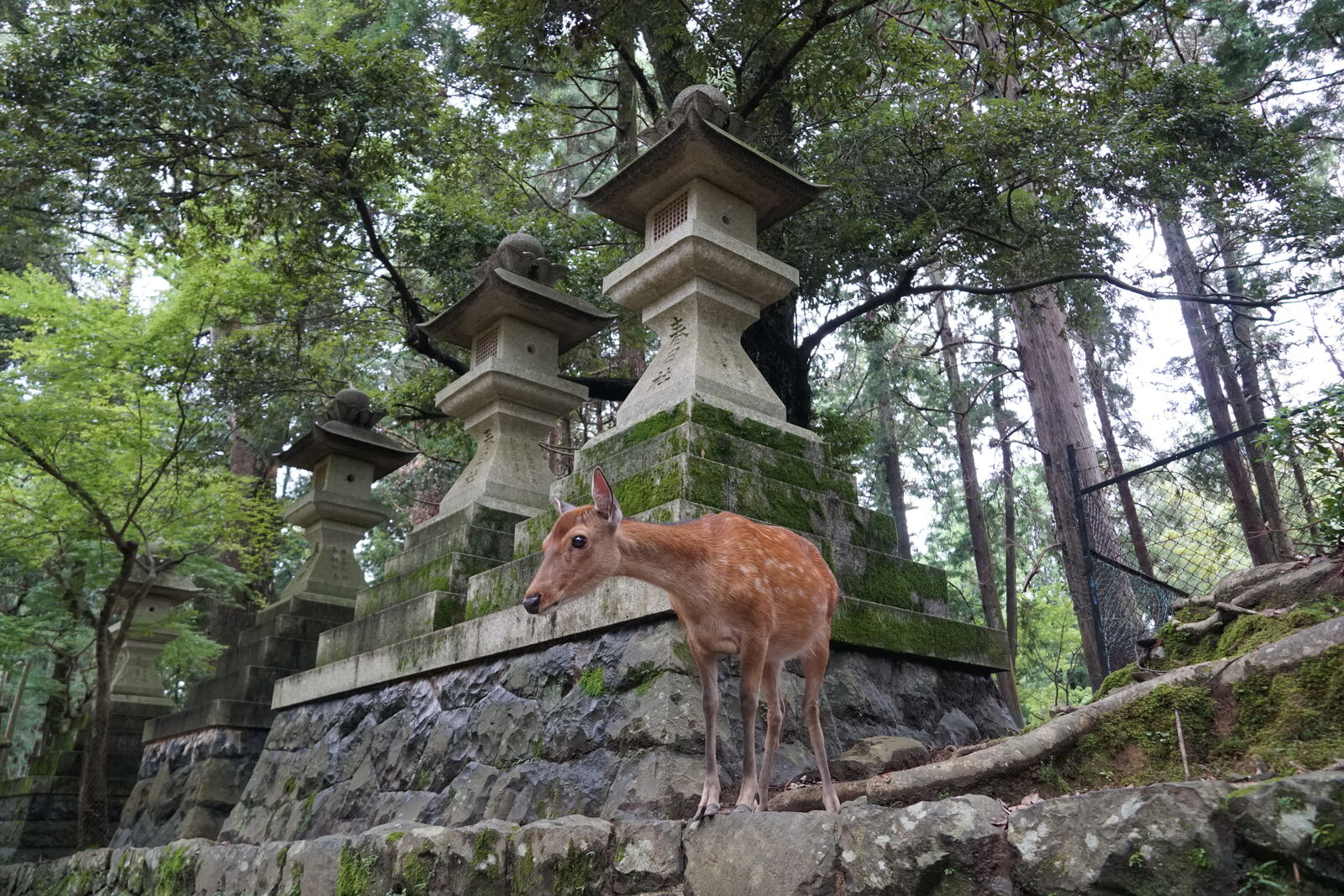
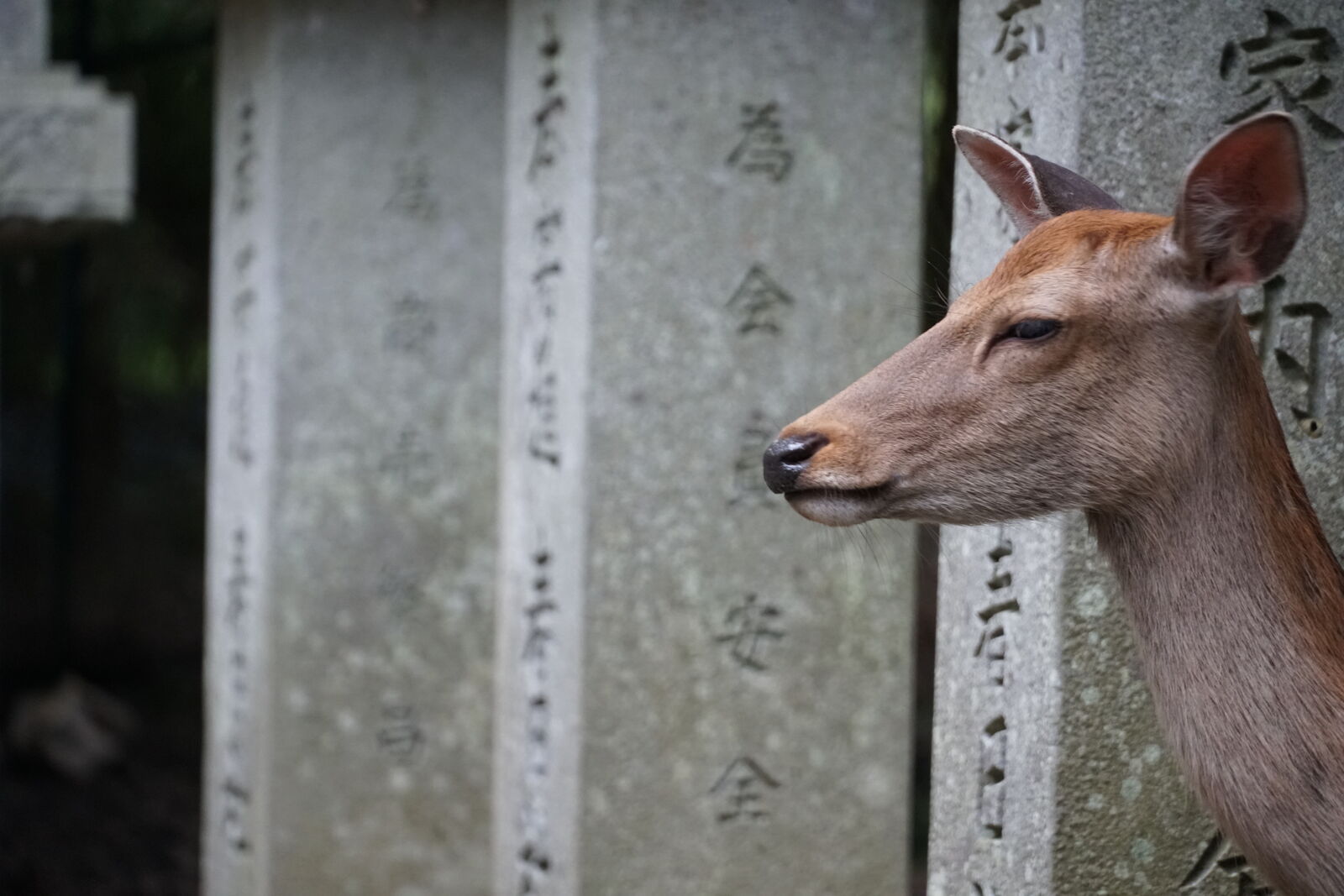
Behind the main temple district, away from the crowds and the deer crackers, Nara opens up into something completely different. The paths toward Kasuga Taisha run through forests of ancient cedars, lined with hundreds of stone lanterns covered in moss and lichen. Some of them are leaning, some half-swallowed by tree roots, all of them donated over centuries by worshippers. A deer stands between the stone pillars inscribed with prayers, looking at you with the calm expression of something that was here before you and will be here after you leave.
On my third visit in 2023, I didn't even go inside Todai-ji. It was one of those August days where the heat sits on you like a blanket, the air doesn't move, and the thought of joining a crowd inside a wooden building feels unbearable. Instead, I googled zen gardens nearby and found one of the traditional gardens tucked between the temple district and the old town. Stepping stone paths through raked gravel, a moss garden under old maples, a wooden veranda where I sat and watched koi move through a pond so green it looked painted. A view through a dark doorway to a stone lantern in a garden, a paper lamp glowing above. Nobody there. Just the sound of water and cicadas.
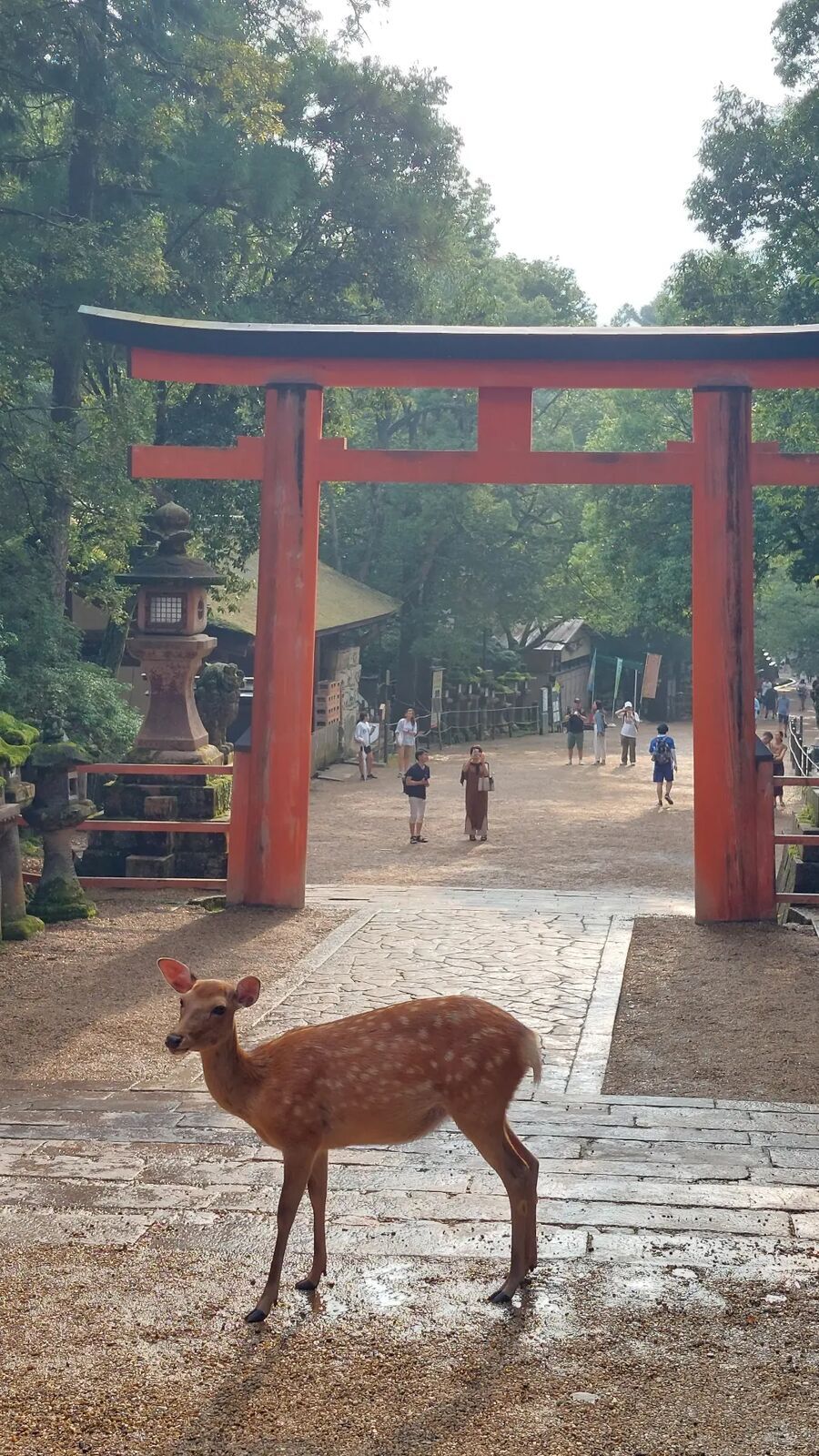
That's the thing about Nara. It's so big, so spread out across its park and forest, that the crowds thin out quickly once you step off the main path. The deer follow you into the quiet places, of course, because the deer go everywhere. But the tourists mostly don't. You walk five minutes past the last souvenir shop and suddenly you're alone with a thousand-year-old torii gate and a fawn standing in front of it like a postcard that composed itself.
Keep Coming Back
Nara belongs on the golden route. There's no version of a Japan trip where skipping it makes sense, not even if you've been before. Especially if you've been before. The first time, you go for the big Buddha and the deer photos. The second time, you go because you know there's more. The third time, you skip the Buddha entirely and sit in a garden drinking cold tea while a deer walks past outside.
I'll go again. Probably in July, when I'm back for the next trip. Maybe I'll find Kasuga Taisha's inner shrine this time, or the primeval forest behind it, or one of the summer festivals where the lanterns are lit at night. The deer will be there, doing their bows and their hustles and their lying-around-in-the-shade thing. They always are.
Practical Info
Location: Nara (奈良), Nara Prefecture. View on Google Maps
Access: Easy day trip from Kyoto (45 min by Kintetsu or JR), Osaka (50 min by Kintetsu from Namba), or by car. Parking available near the park, though the lots fill up fast on weekends. Nara is one of those rare Golden Route stops that's equally easy to reach by train or by van.
Time needed: Half a day minimum for Todai-ji and the deer. A full day if you want the quieter spots like Kasuga Taisha, the gardens, and Naramachi. I've done both and the full day is always worth it.
Deer: They're friendly but persistent. The occasional nibble or nudge is part of the deal, nothing aggressive, just enthusiastic. Don't tease them with crackers though. Buy the senbei, feed them, and show empty hands when you're done. They understand empty hands.
Heat: Summer in Nara is serious. Bring water, bring a towel, and plan for cafe breaks. The shaded paths toward Kasuga Taisha are significantly cooler than the open areas around Todai-ji.
Crowds: Peak hours at Todai-ji are 10am to 2pm. Early morning or late afternoon is better. The areas beyond the main temple complex are quiet at any time.