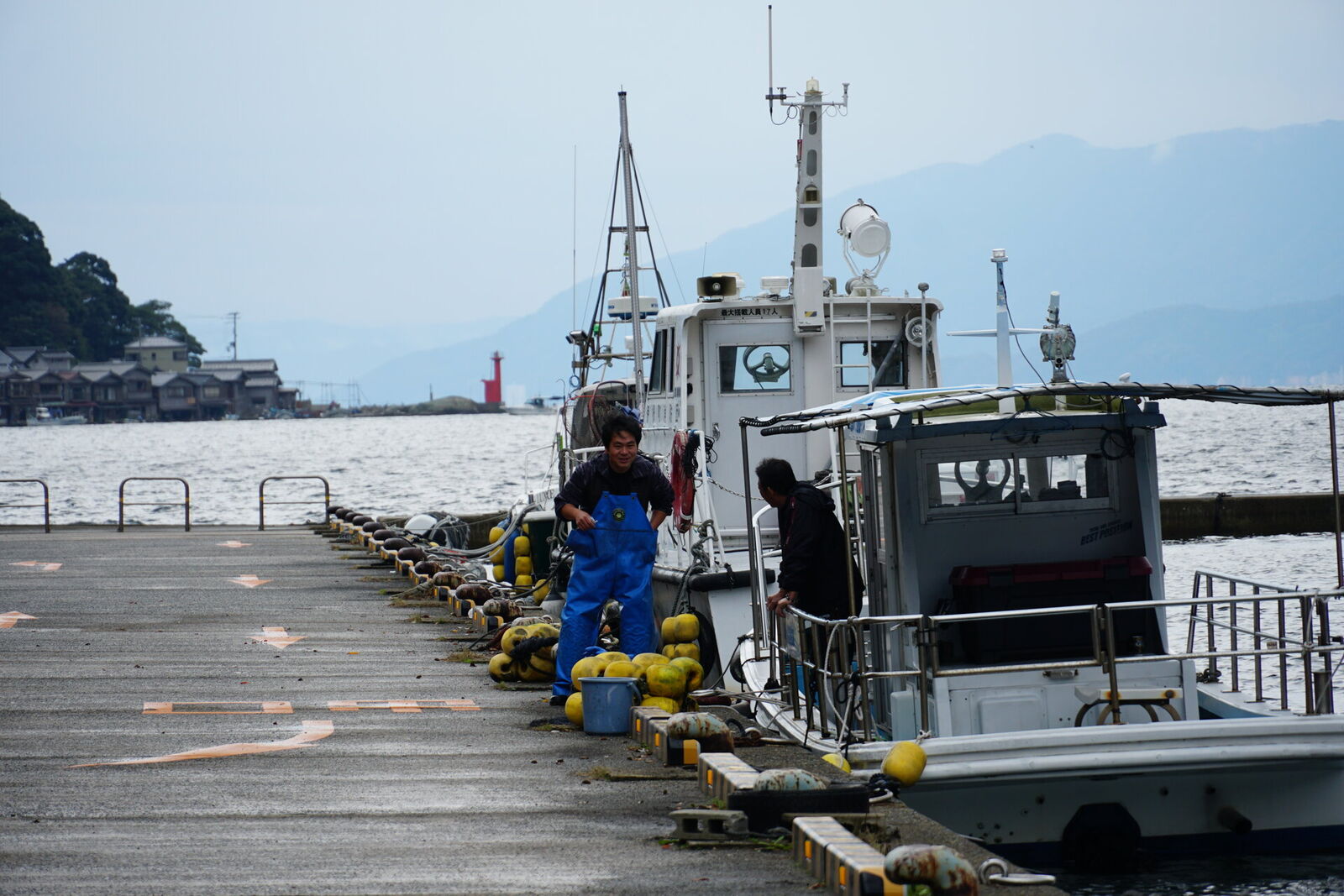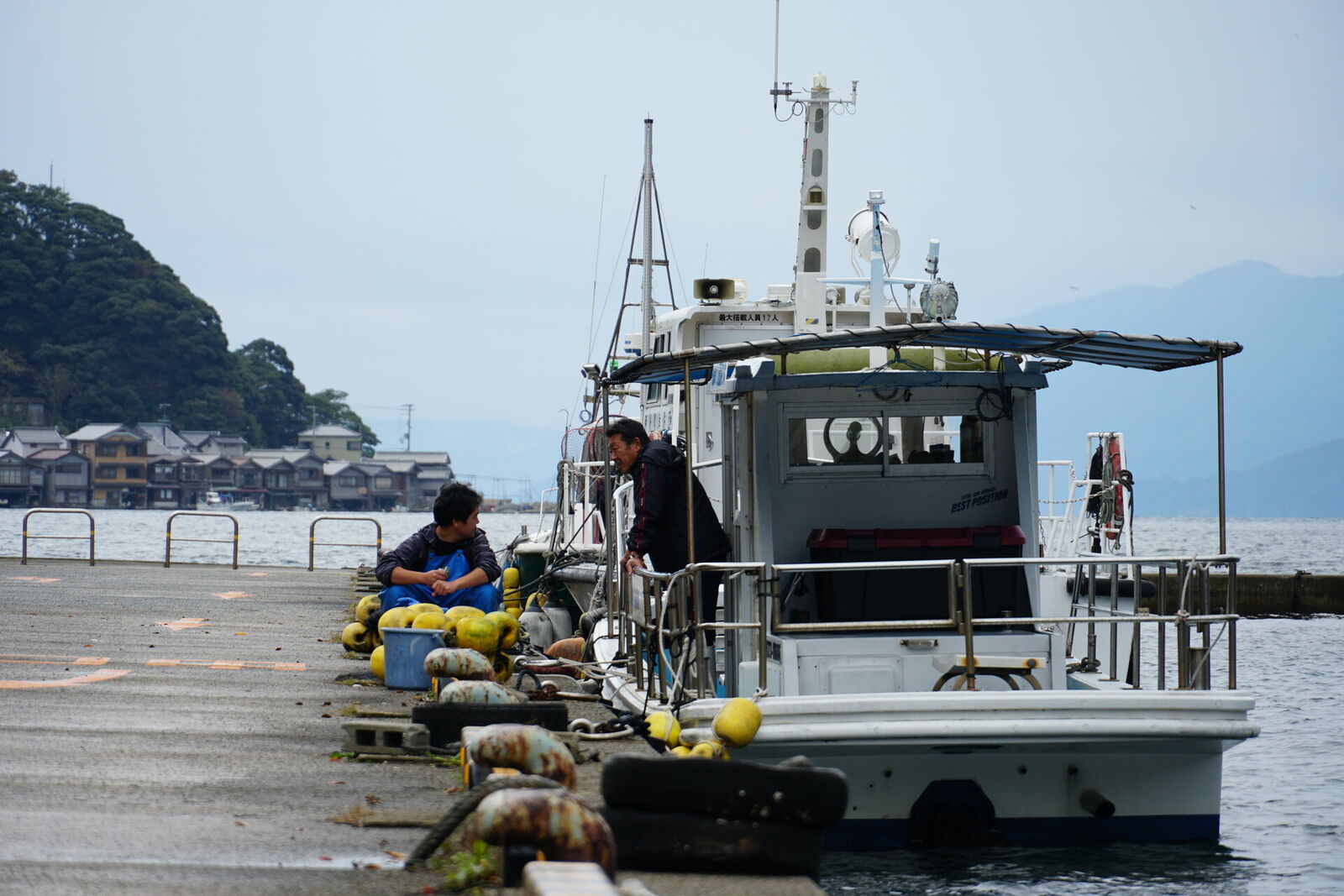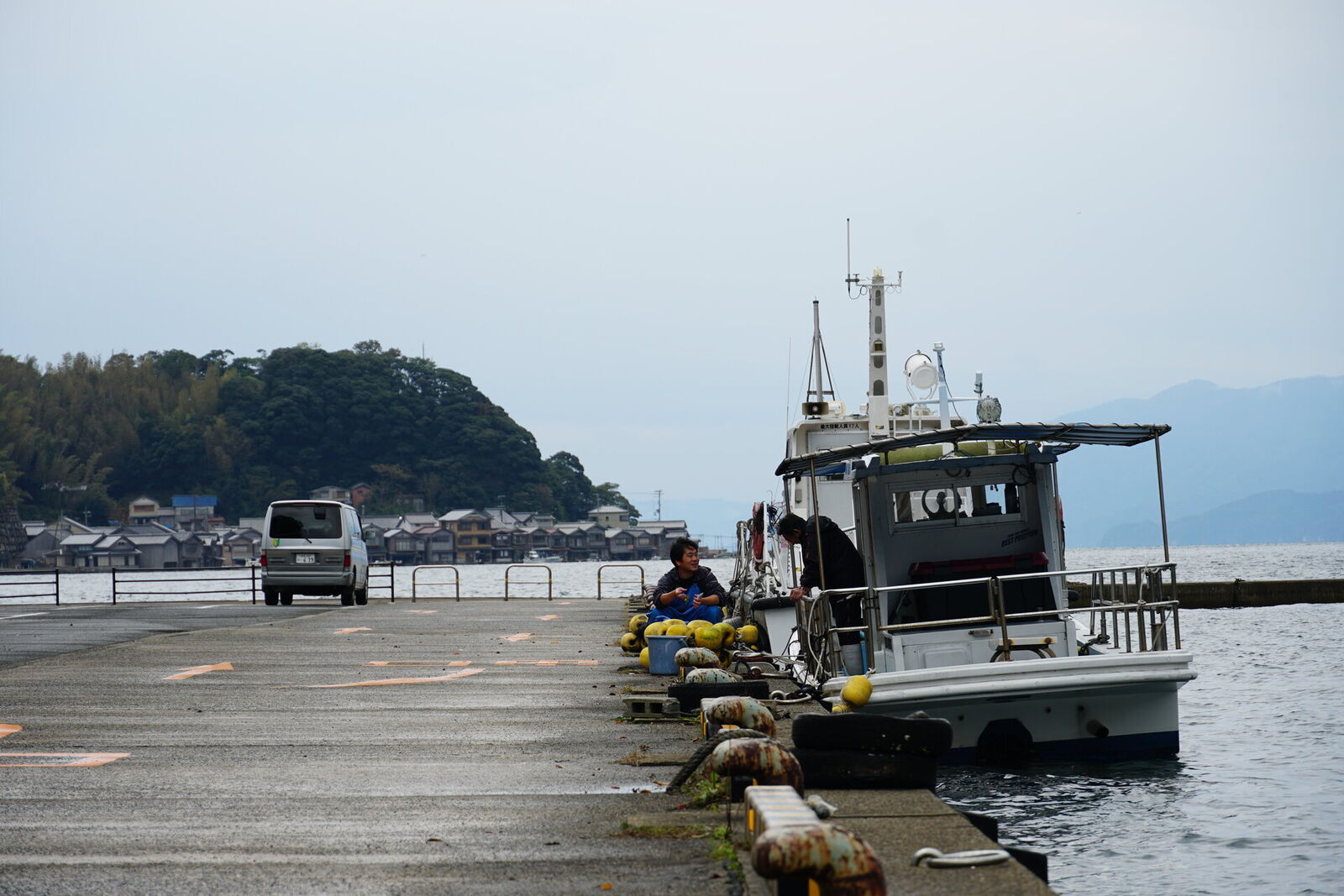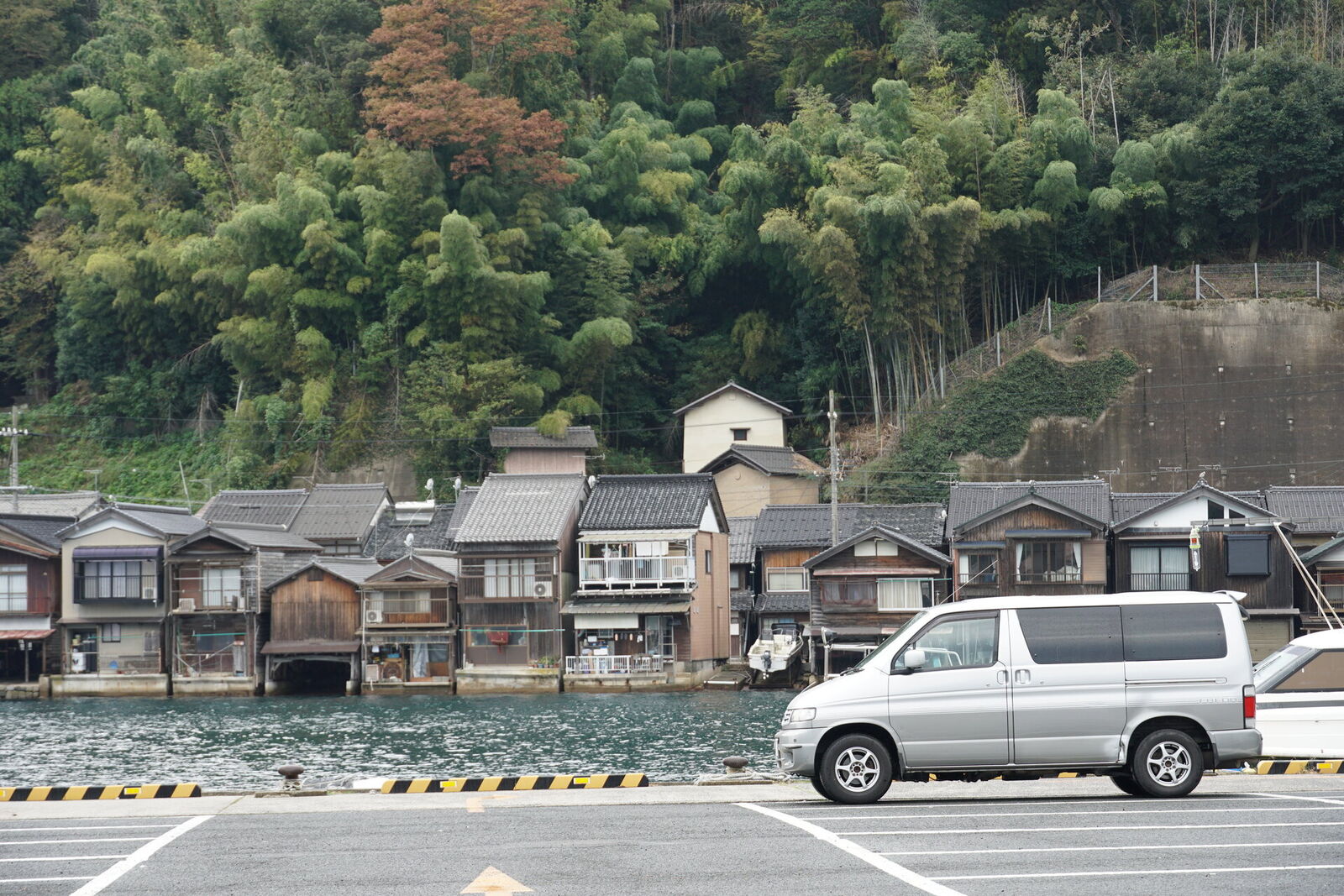
Some places in Japan you visit once and move on. Ine is not one of those places. This small fishing village on the northern coast of Kyoto Prefecture, tucked into a sheltered bay on the Sea of Japan, is somewhere I've returned to three times now, and I'm already planning the next visit. It's only about fifteen kilometers from Amanohashidate, one of Japan's officially designated Three Scenic Views, and in recent years the village has been discovered by a much wider audience. Videos of the wooden boathouses glowing at sunset have gone viral on Instagram and TikTok, and nearly half a million visitors came in 2024 alone. But here's the thing: Ine still works. Despite the numbers, the village hasn't lost what makes it special.
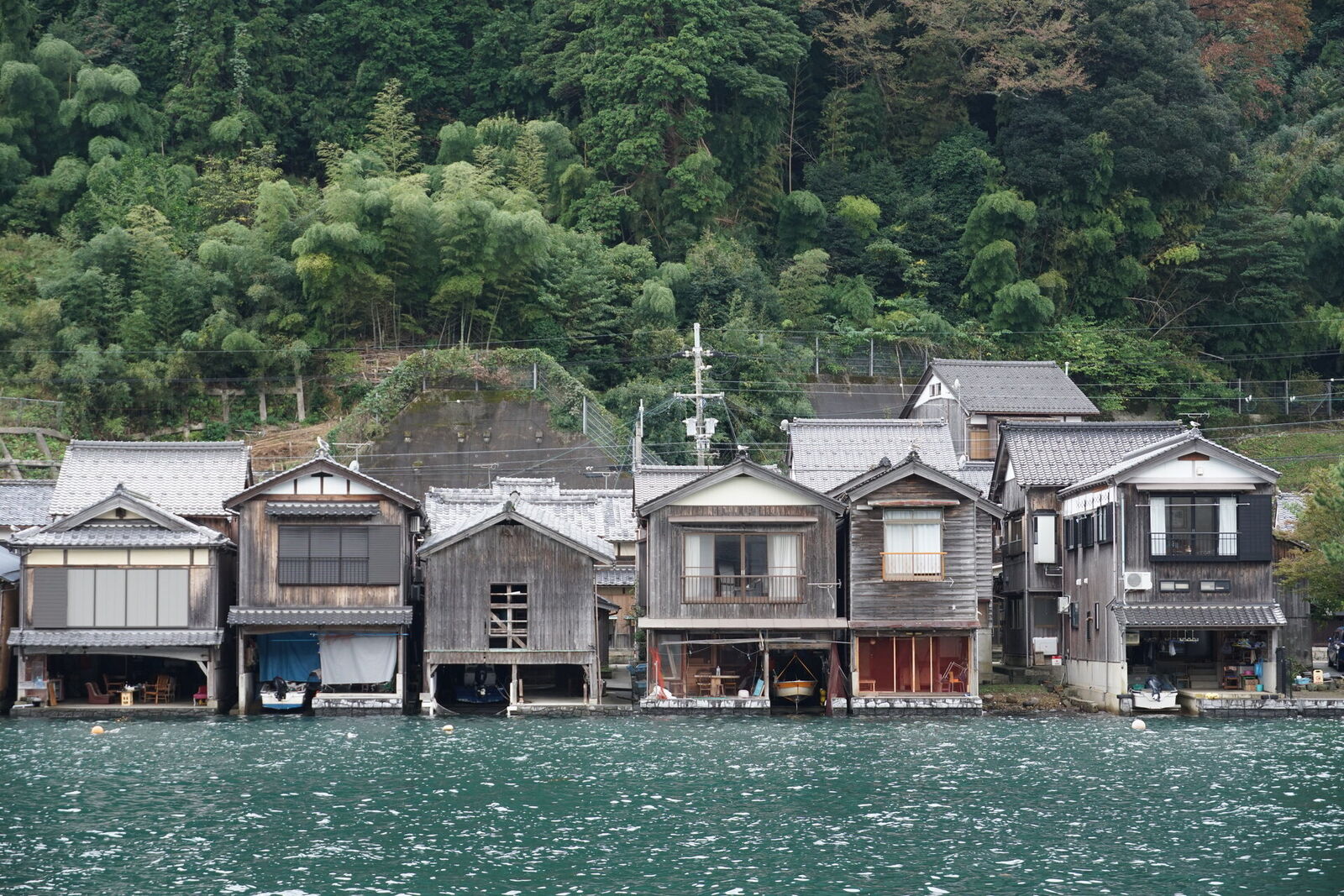
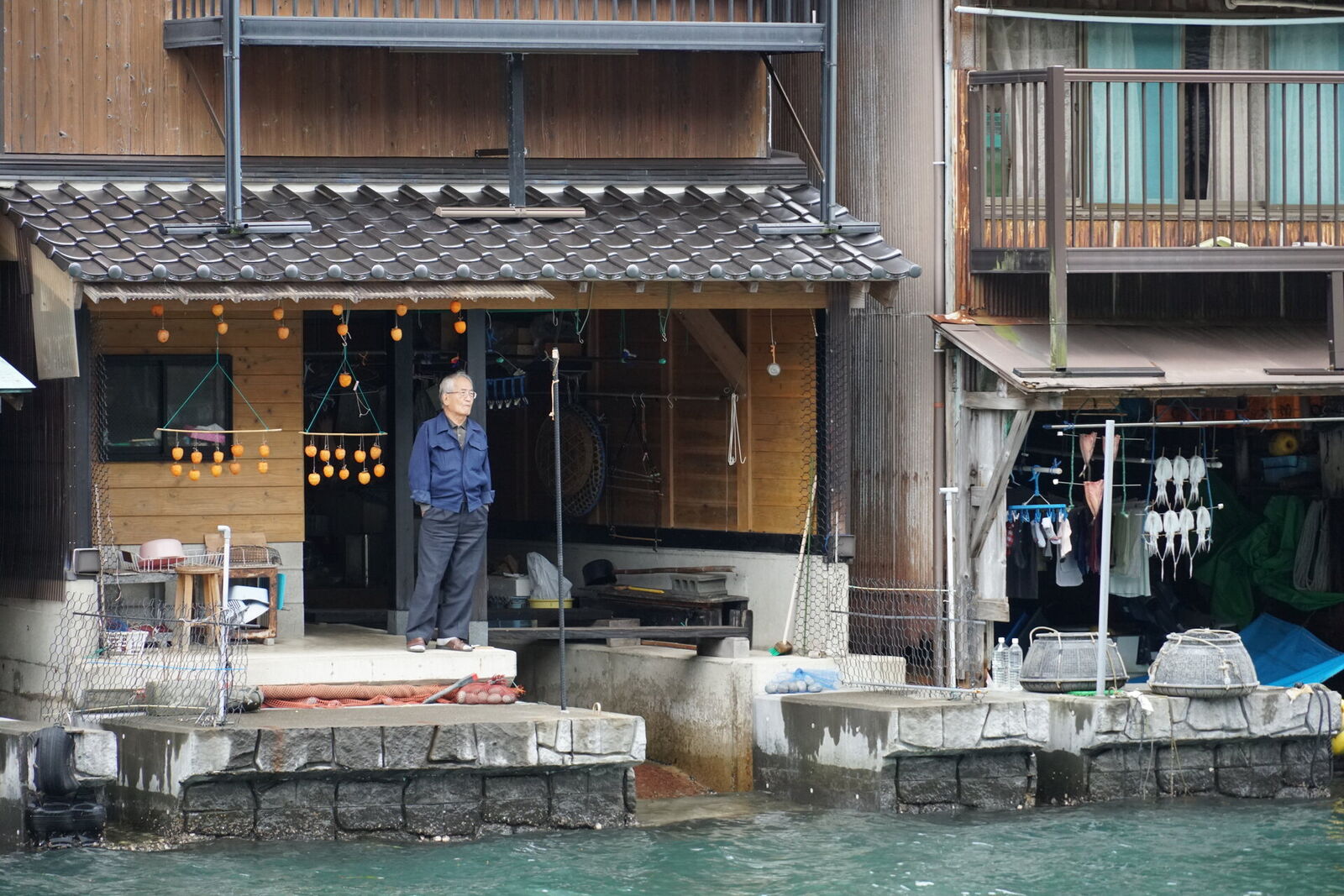
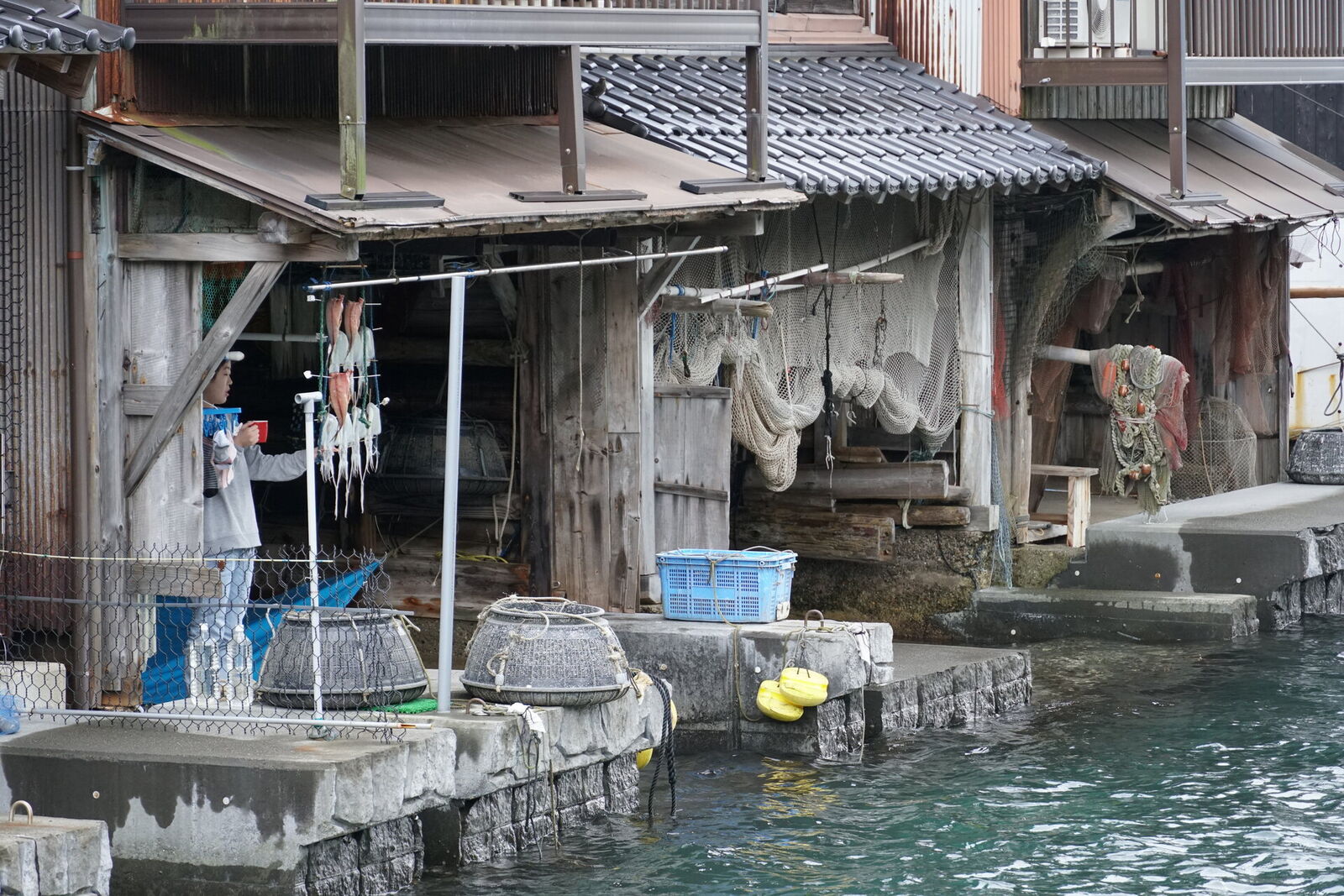
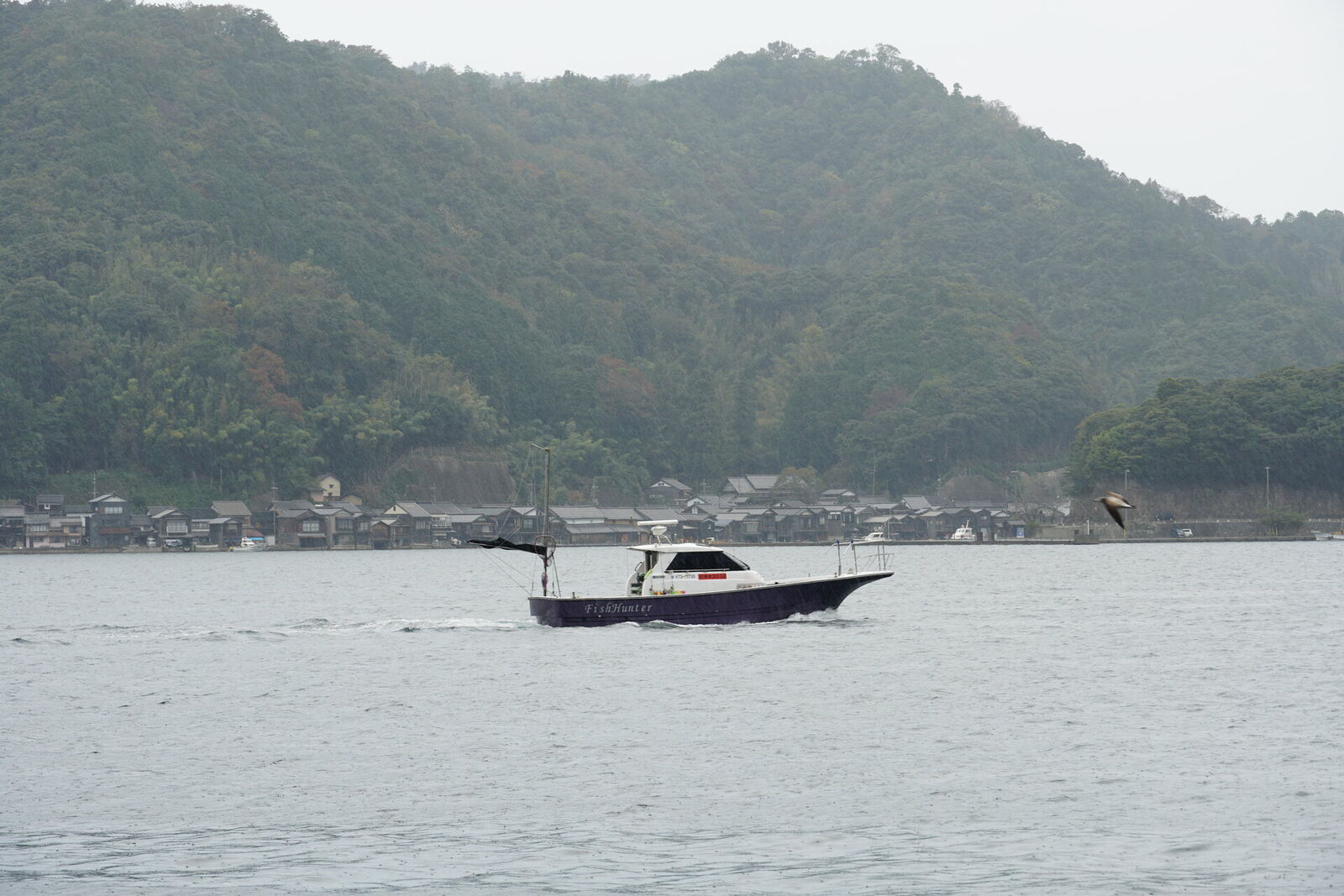
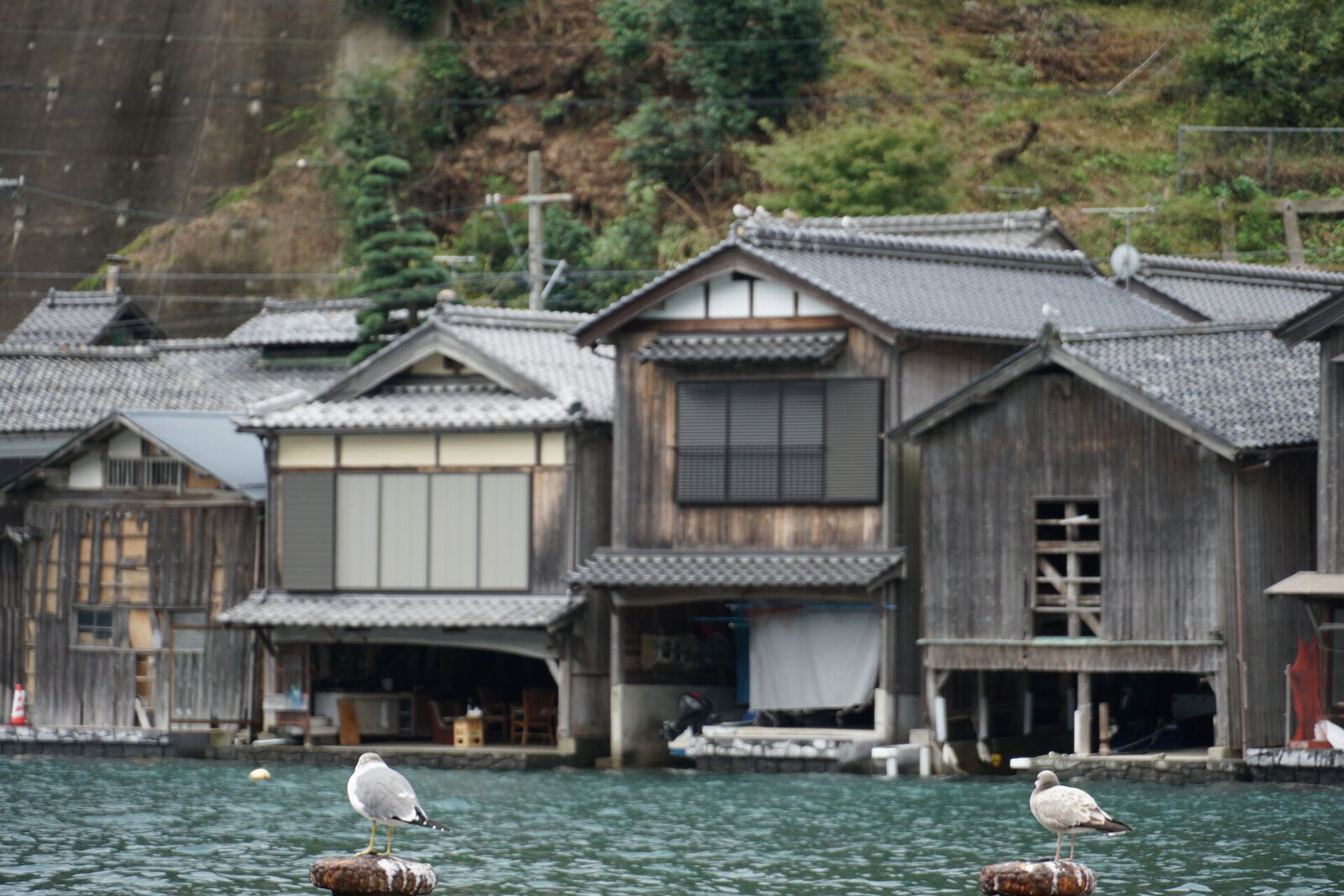
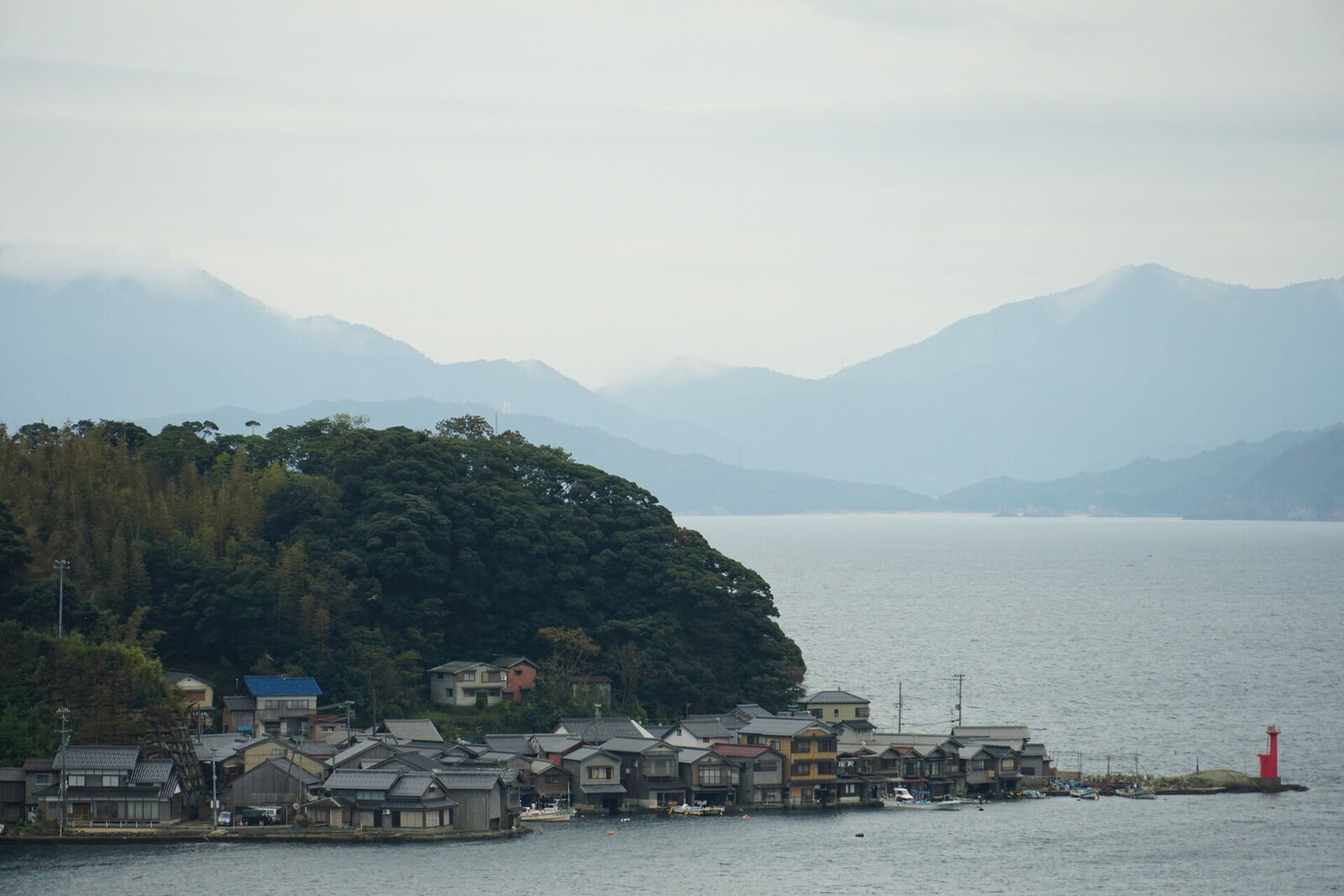
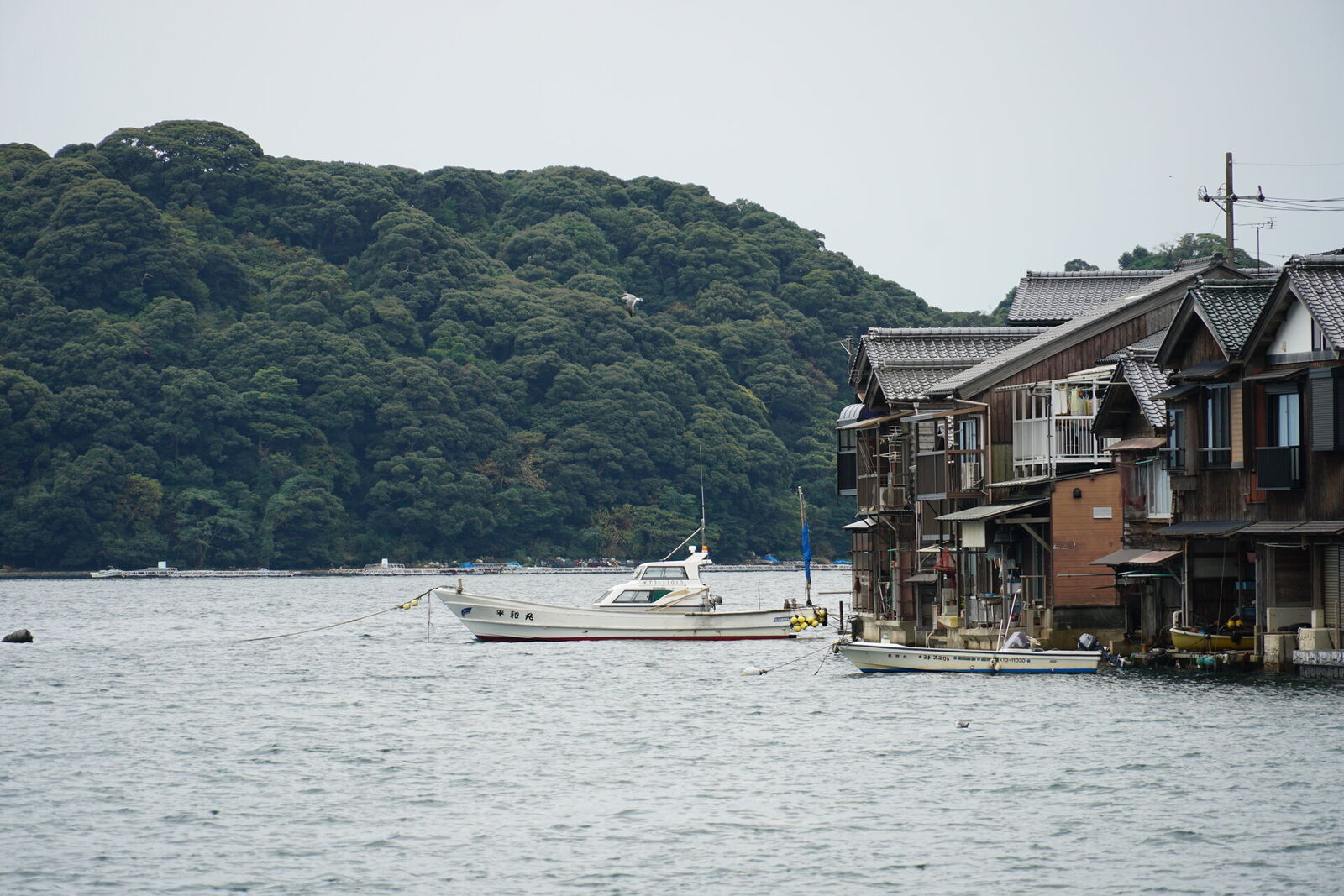
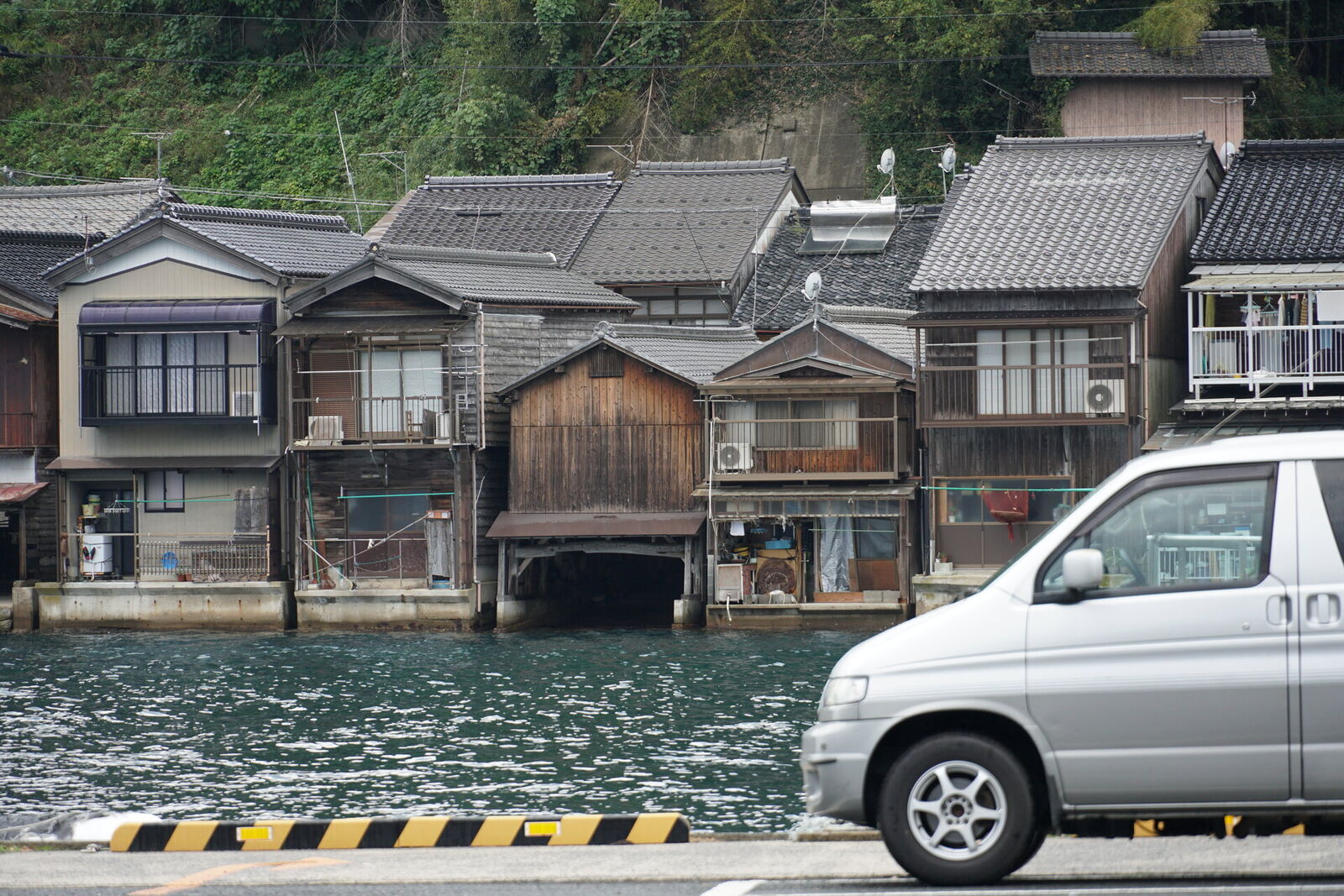
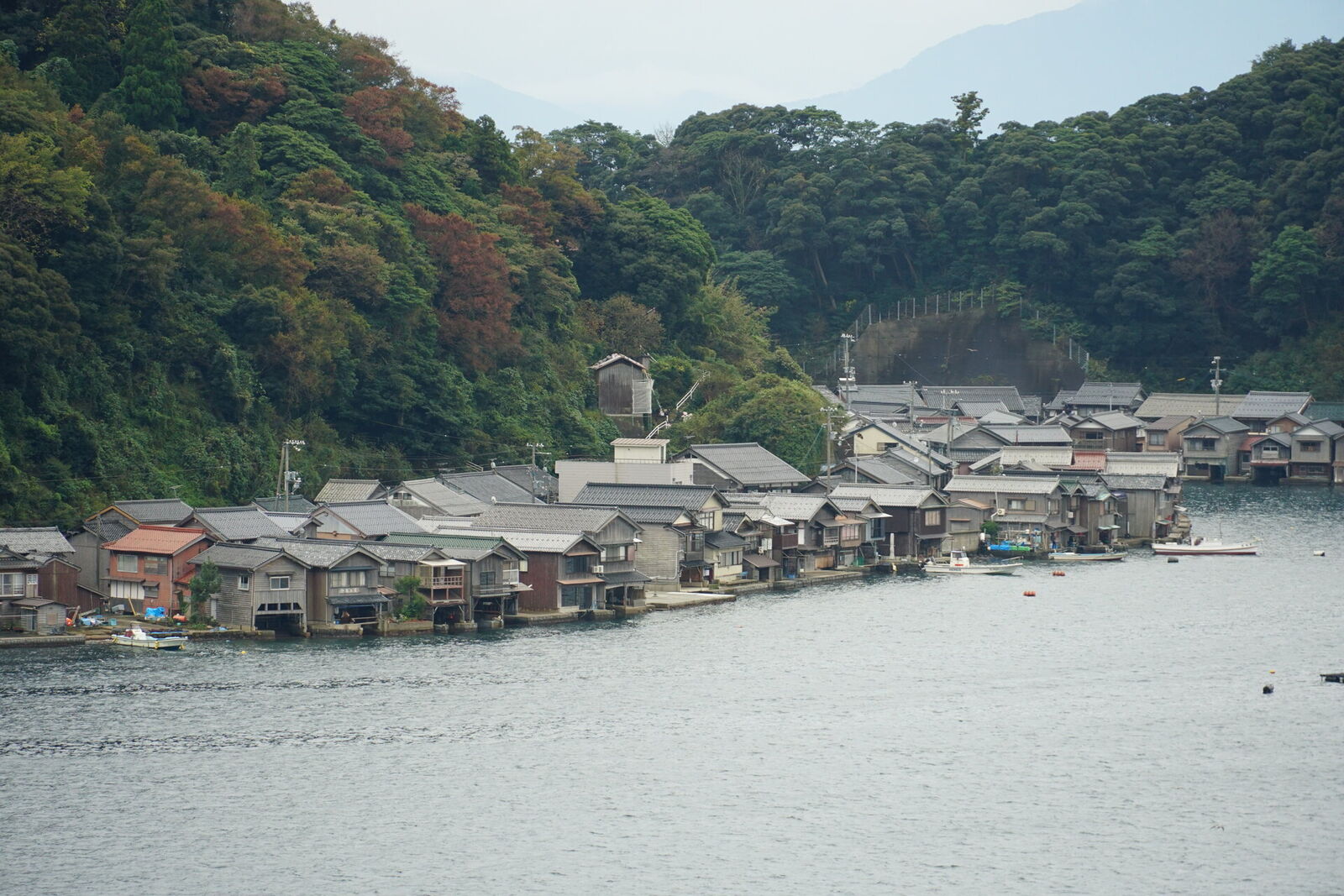
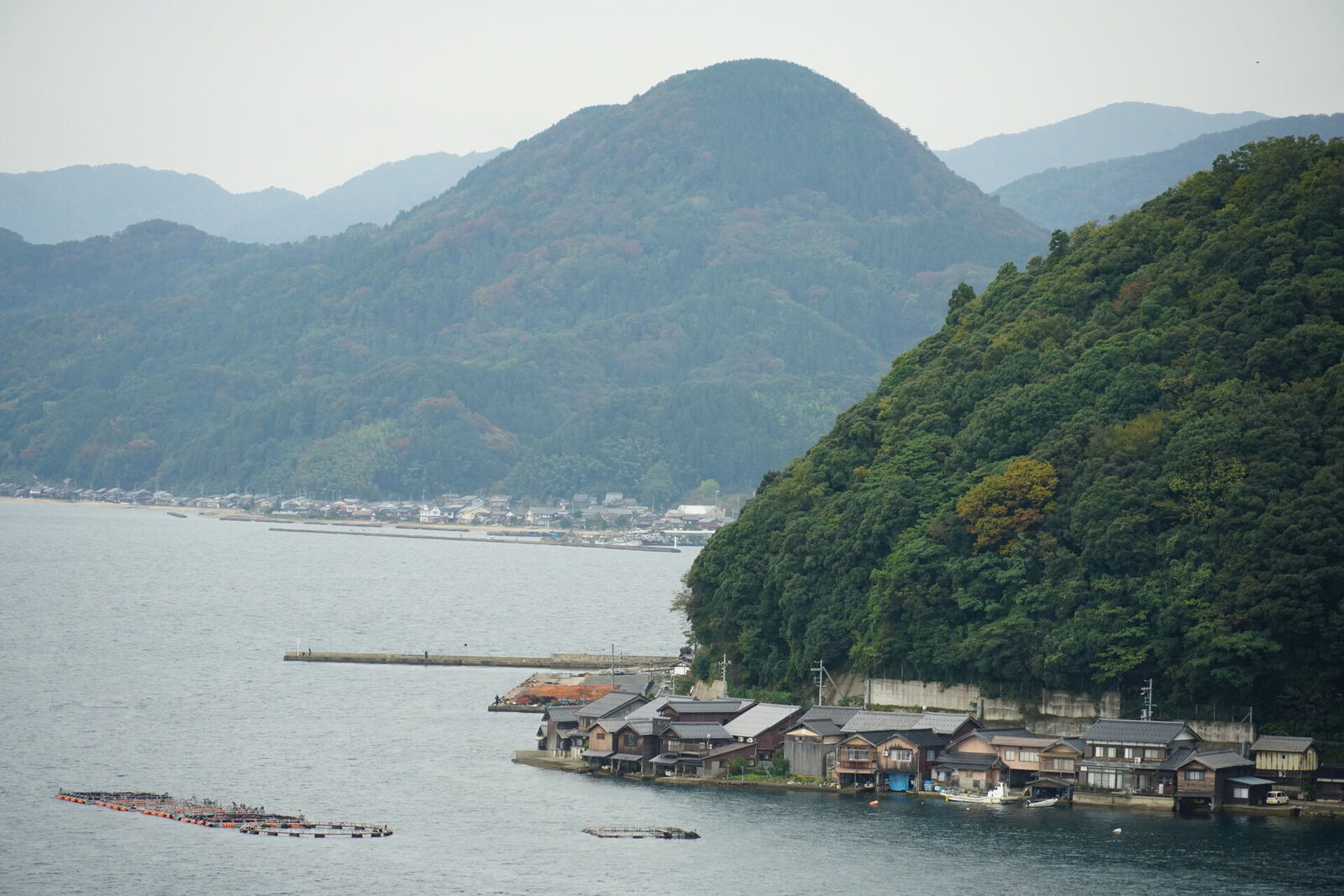
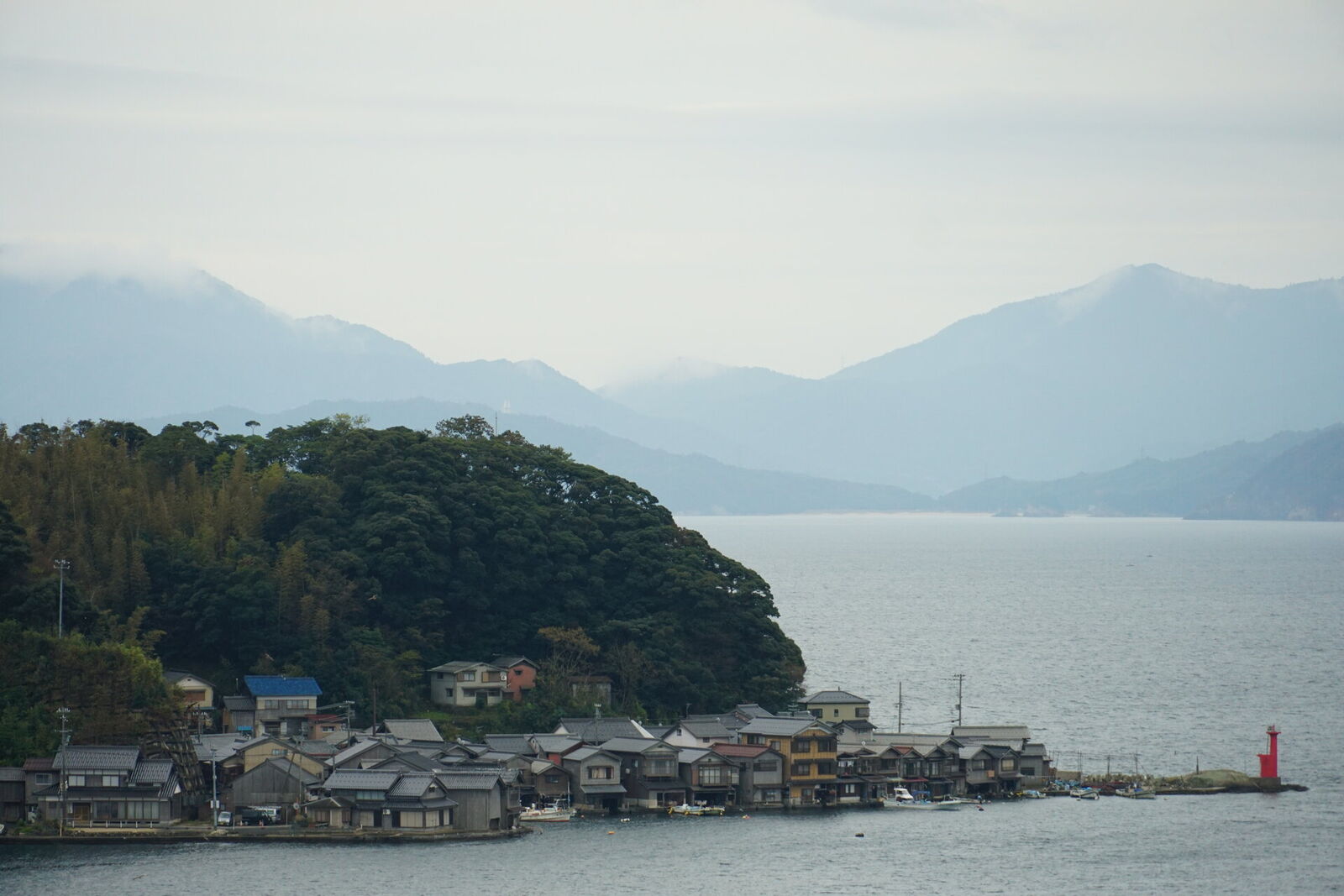
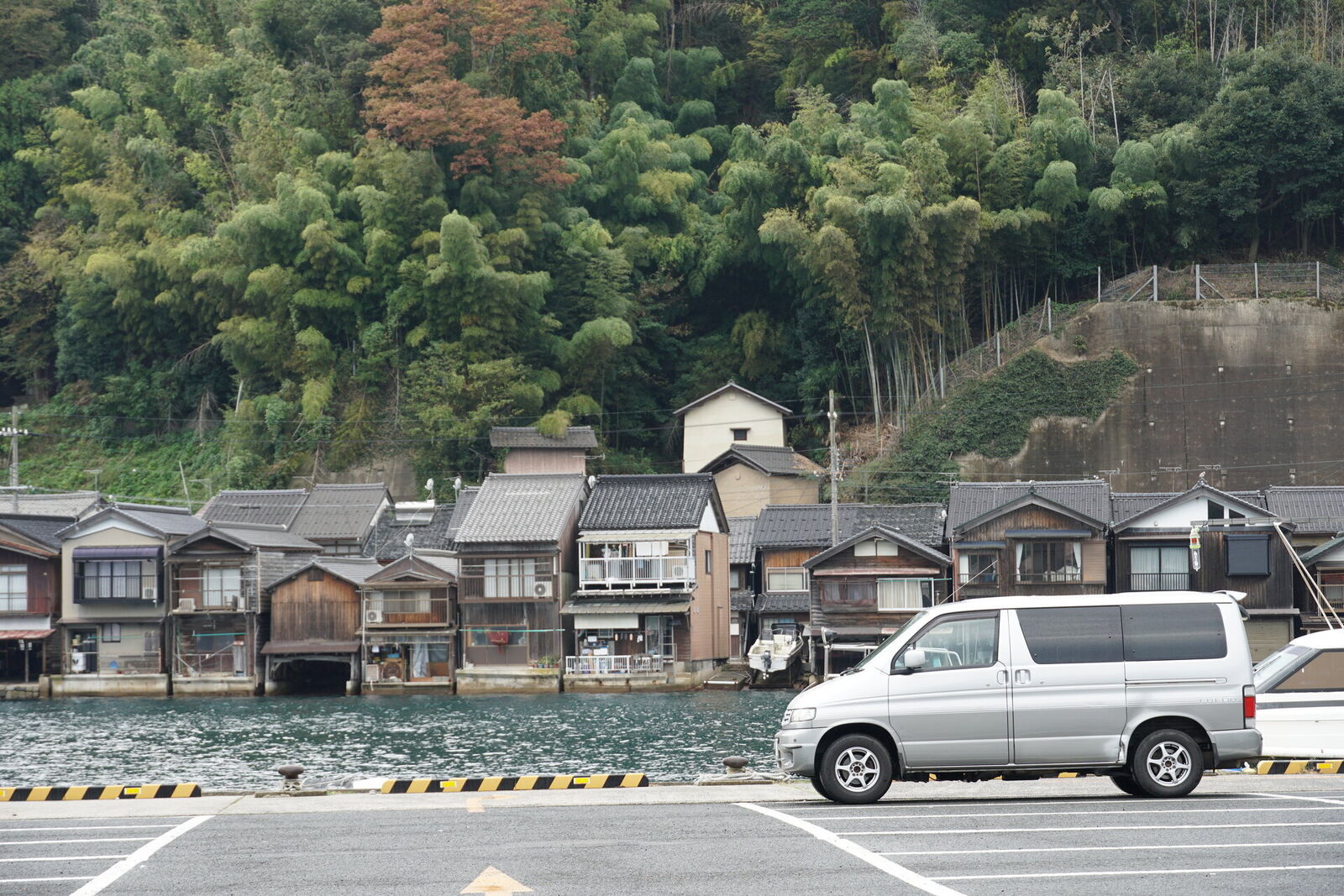
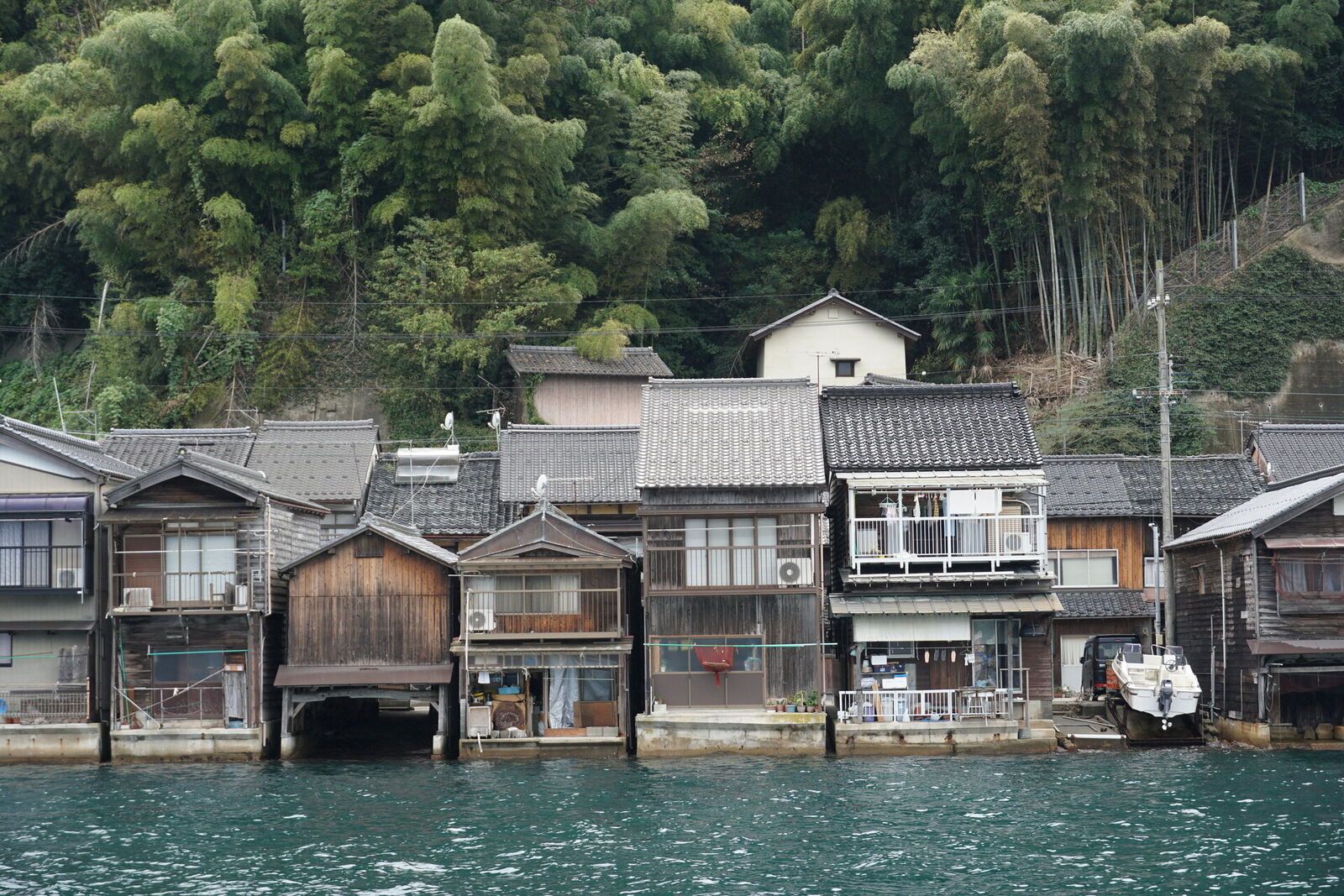
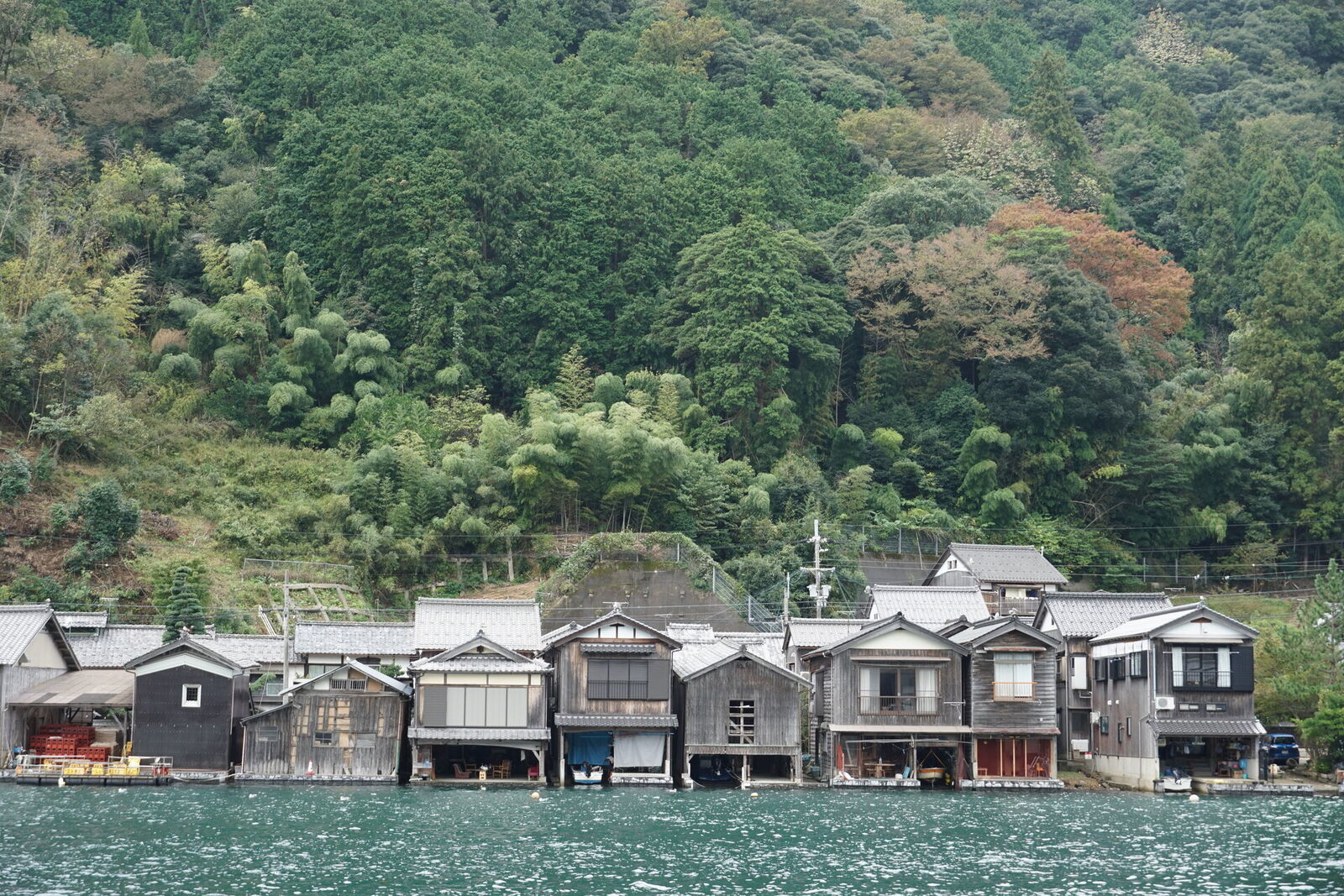
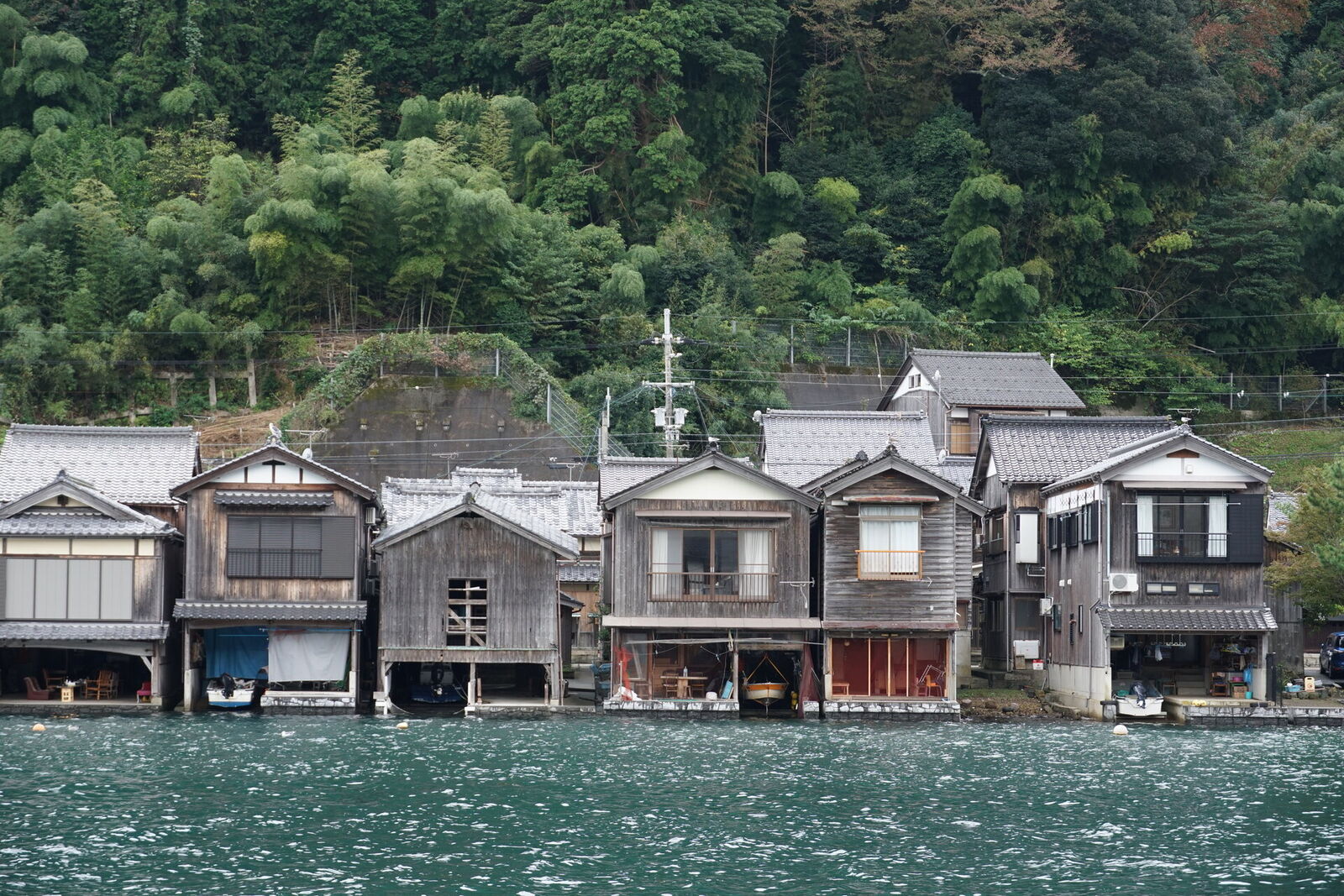
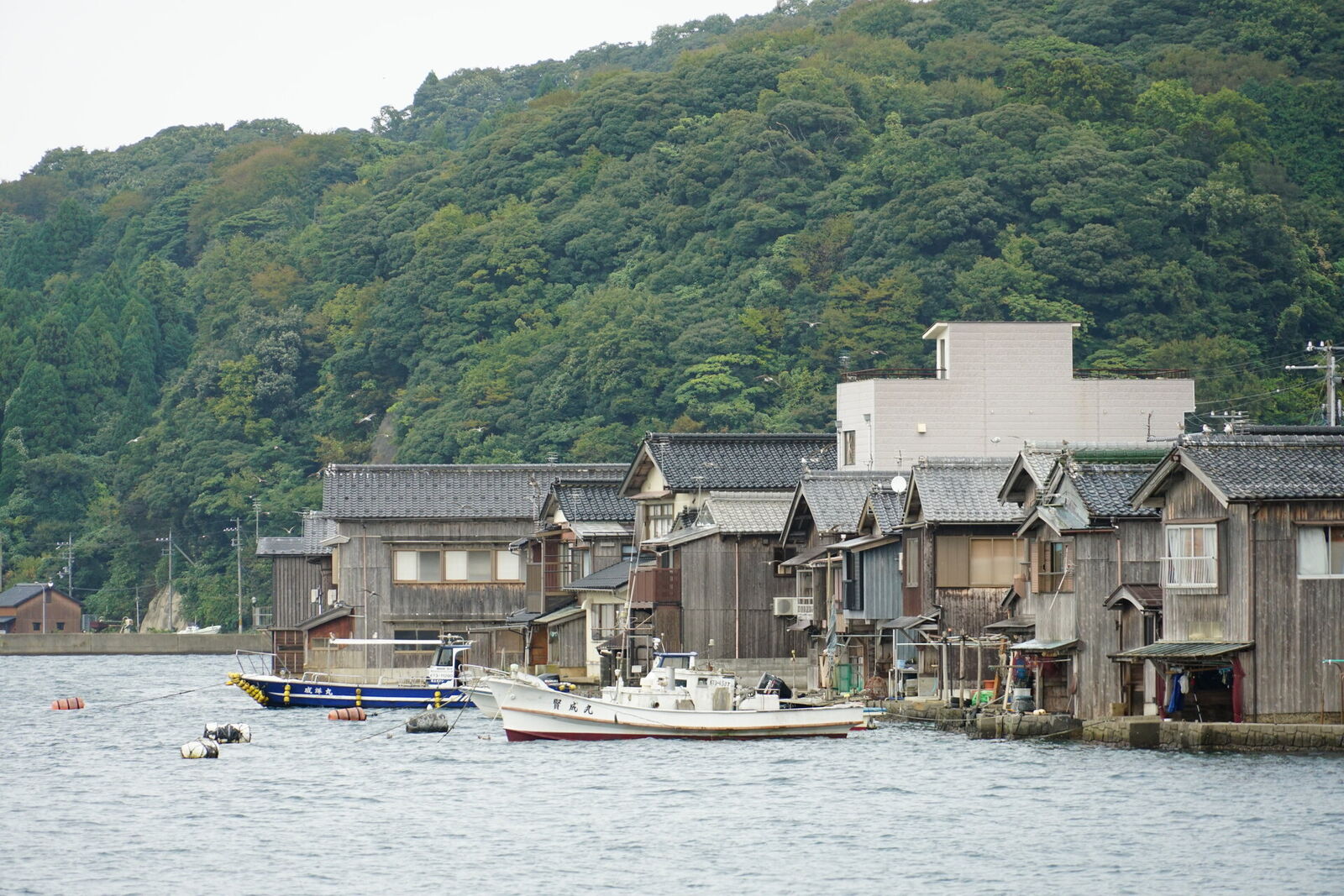
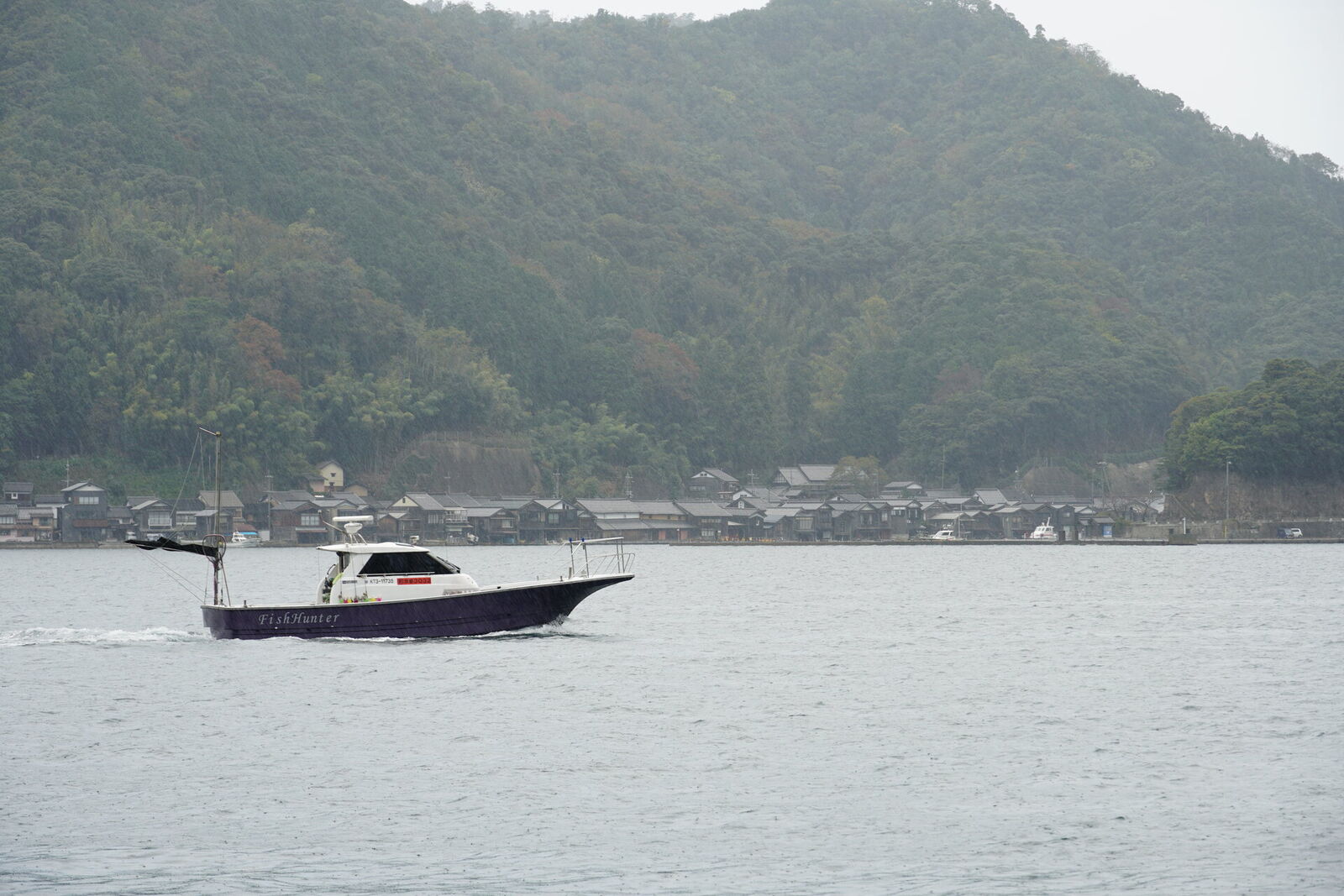
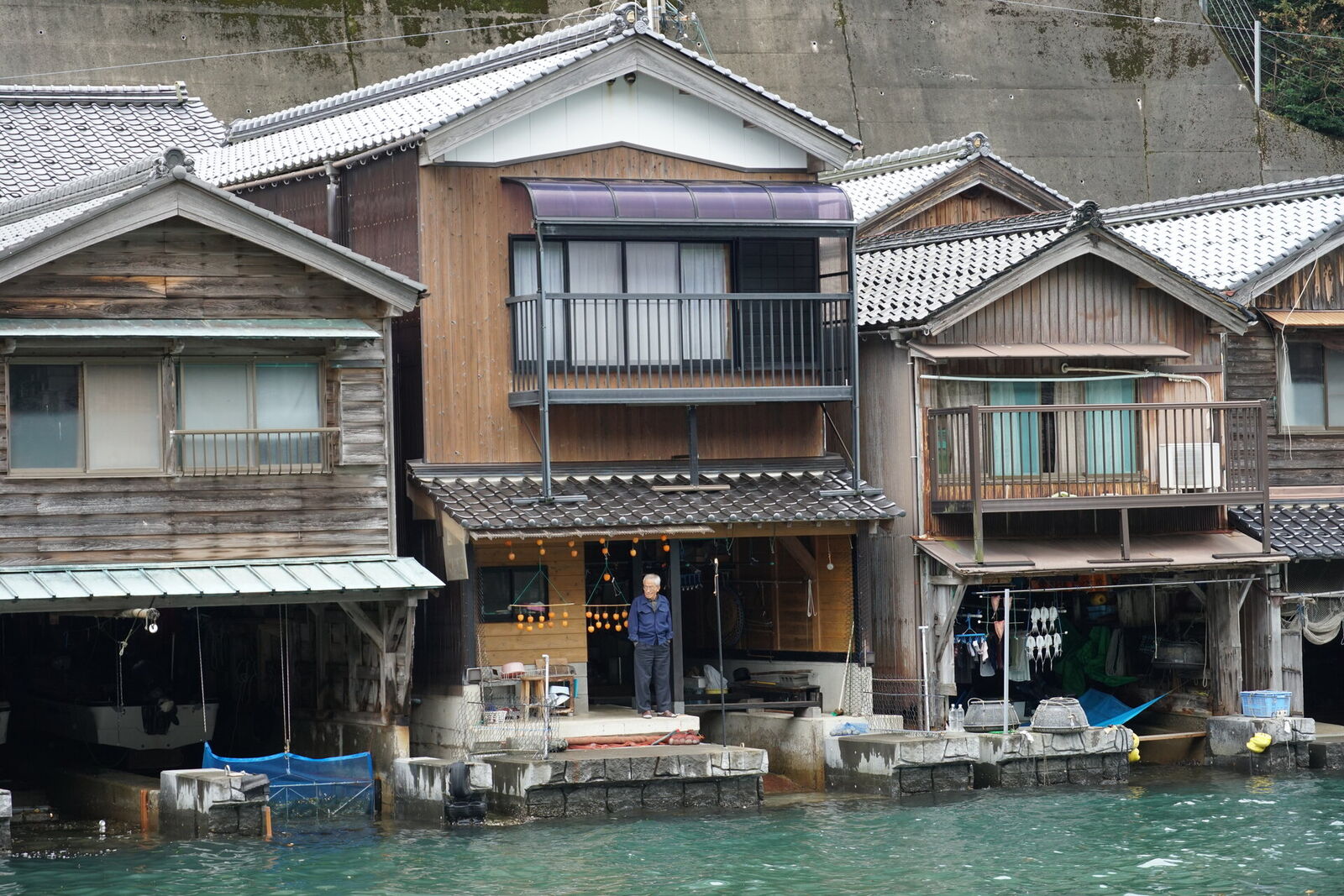
Ine is built around a single defining feature: the funaya. These are boathouses that line the waterfront, around 230 of them, their lower floors open to the water so fishing boats can be pulled directly inside. The living quarters sit above, with windows facing the bay. From the water, the village looks like it's floating. The buildings rise directly from the sea, weathered wood and dark tile roofs backed by steep green hillsides, the whole scene reflected in the calm water of the bay. It looks like something from a different century, and in many ways it is.
The Hilltop View
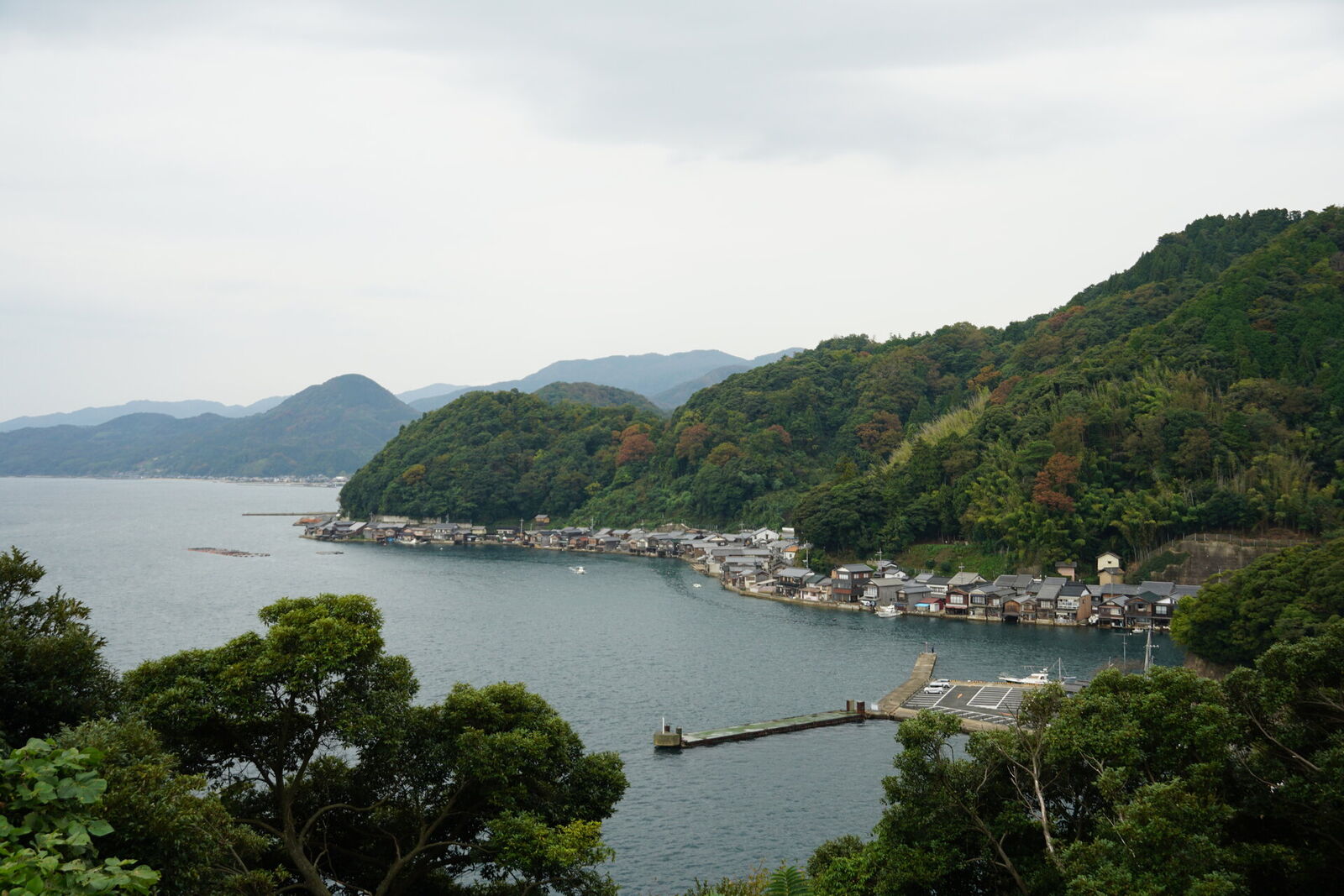
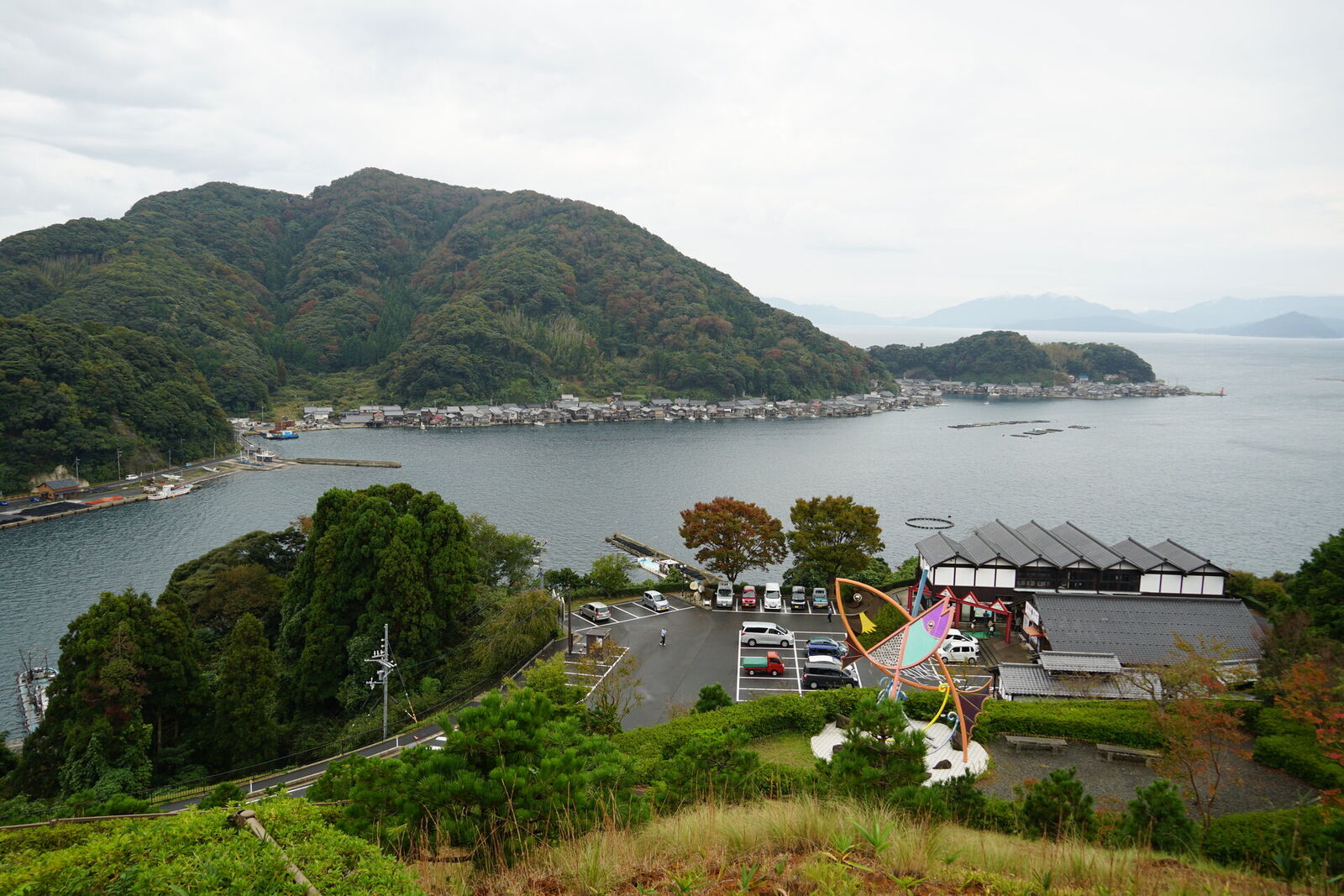
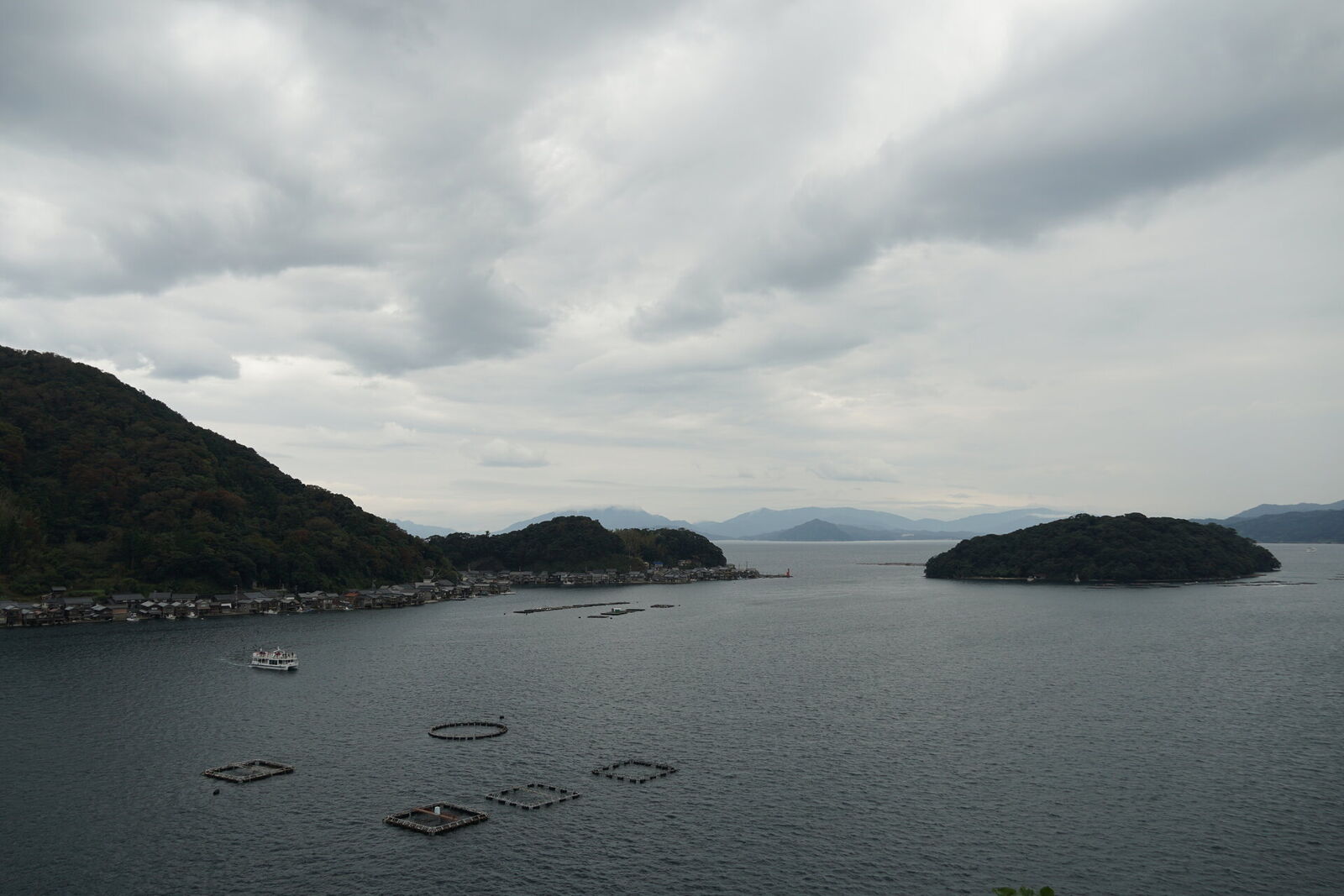
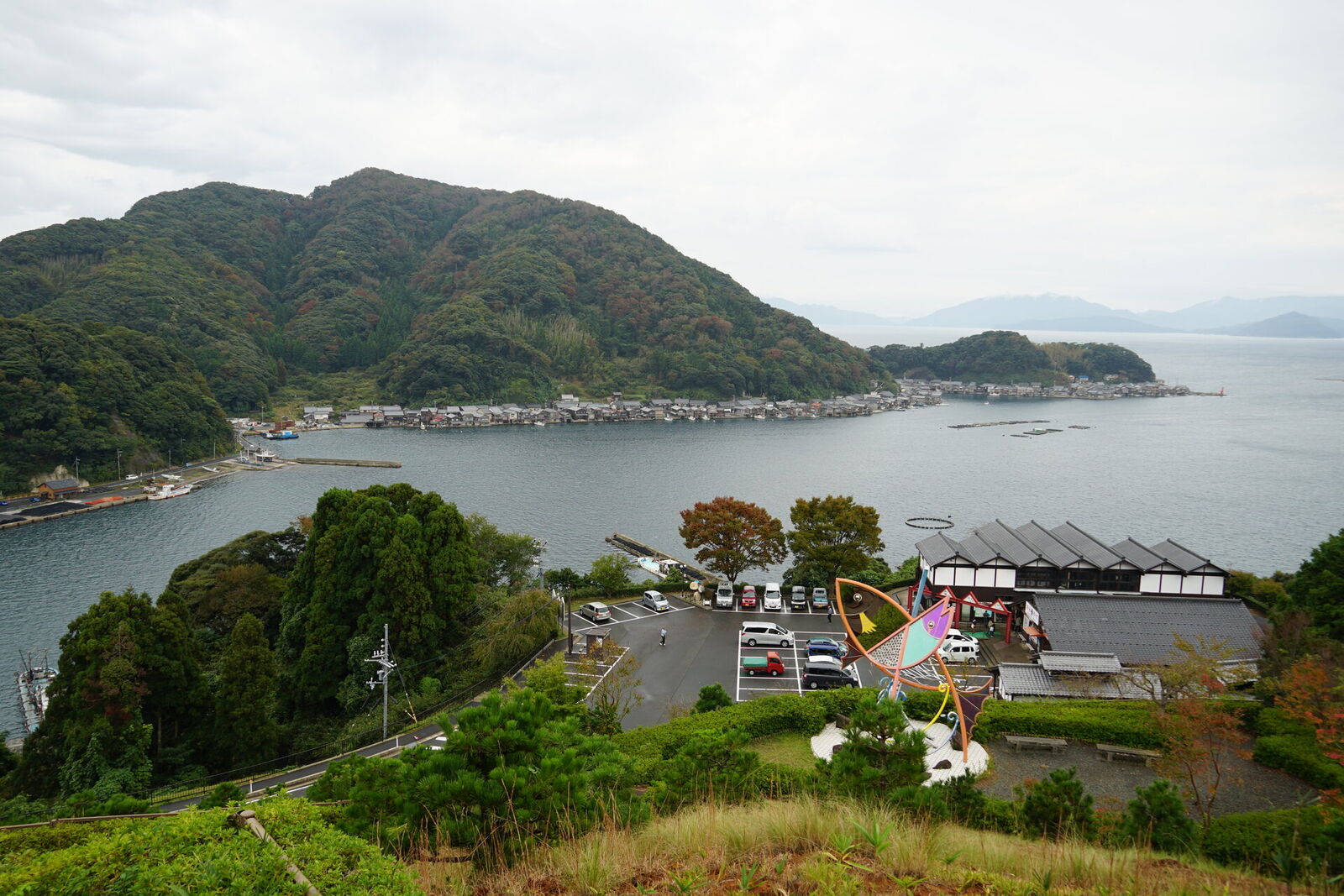
When you arrive in Ine by road, the first thing you should do is drive up to the Michi no Eki on the hilltop above town. The parking lot sits at the highest point, and the view from there is the kind that makes you turn off the engine and just sit for a while. The entire bay opens up below you: the curved shoreline lined with funaya, the green islands at the mouth of the bay, fishing boats scattered across the water, and the mountains of the Tango Peninsula fading into the distance.
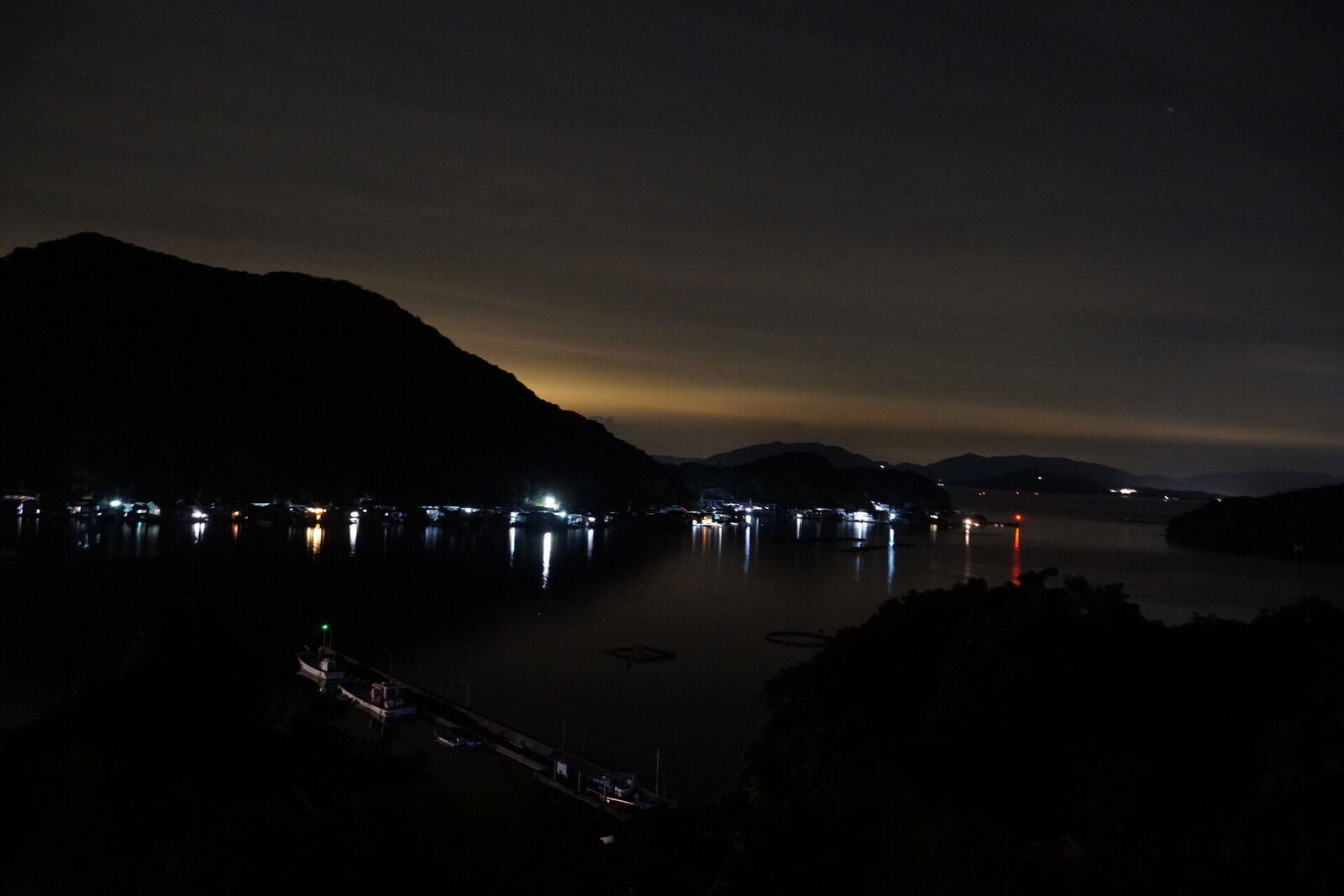
For vanlife, this spot is close to perfect. You're above the village, away from the narrow waterfront streets, with a panoramic view that changes with the light throughout the day. In the morning, mist hangs over the water. In the evening, the funaya lights come on one by one, their reflections stretching across the bay like a painting. I've parked here more than once and watched the whole cycle.
Walking the Coast
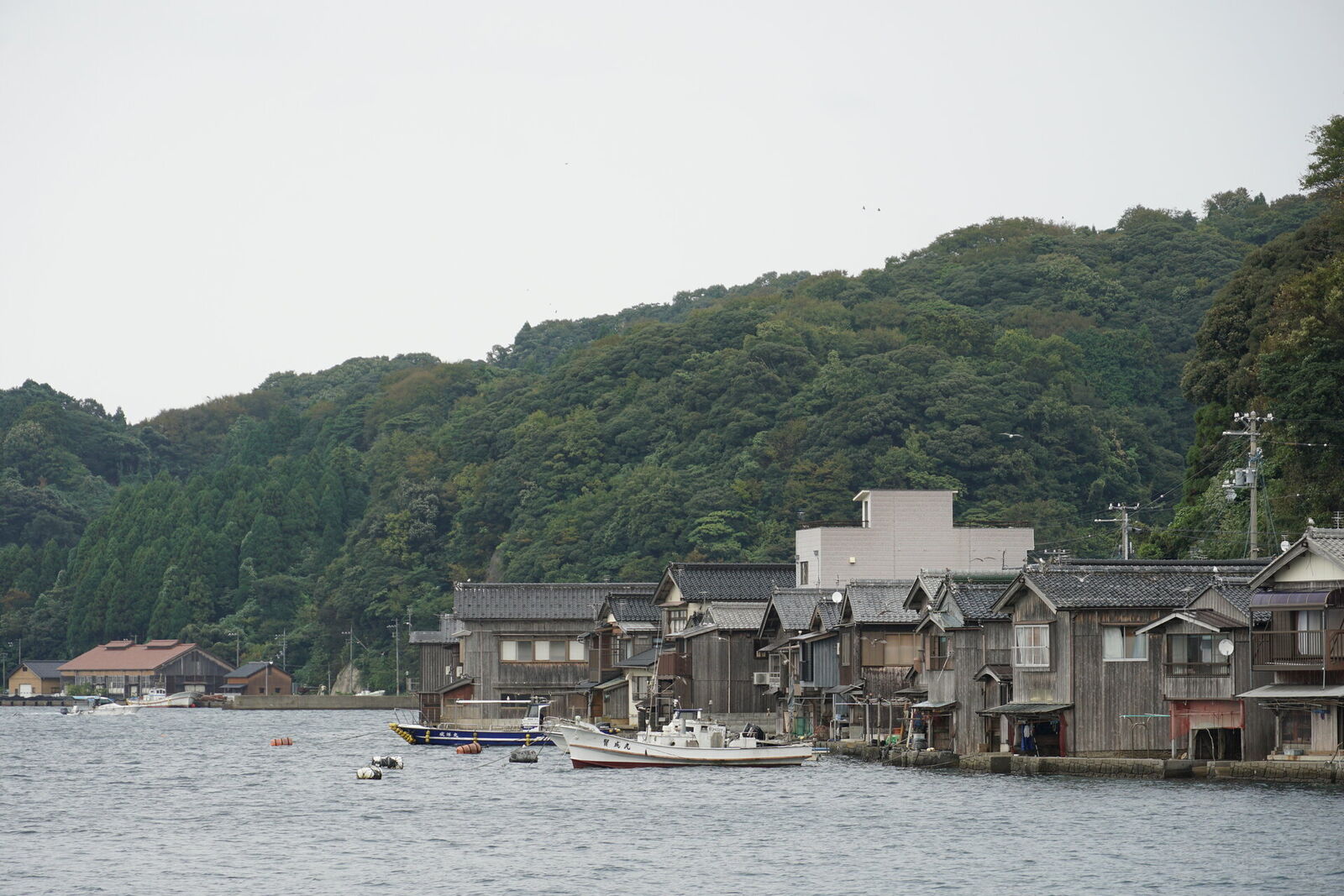
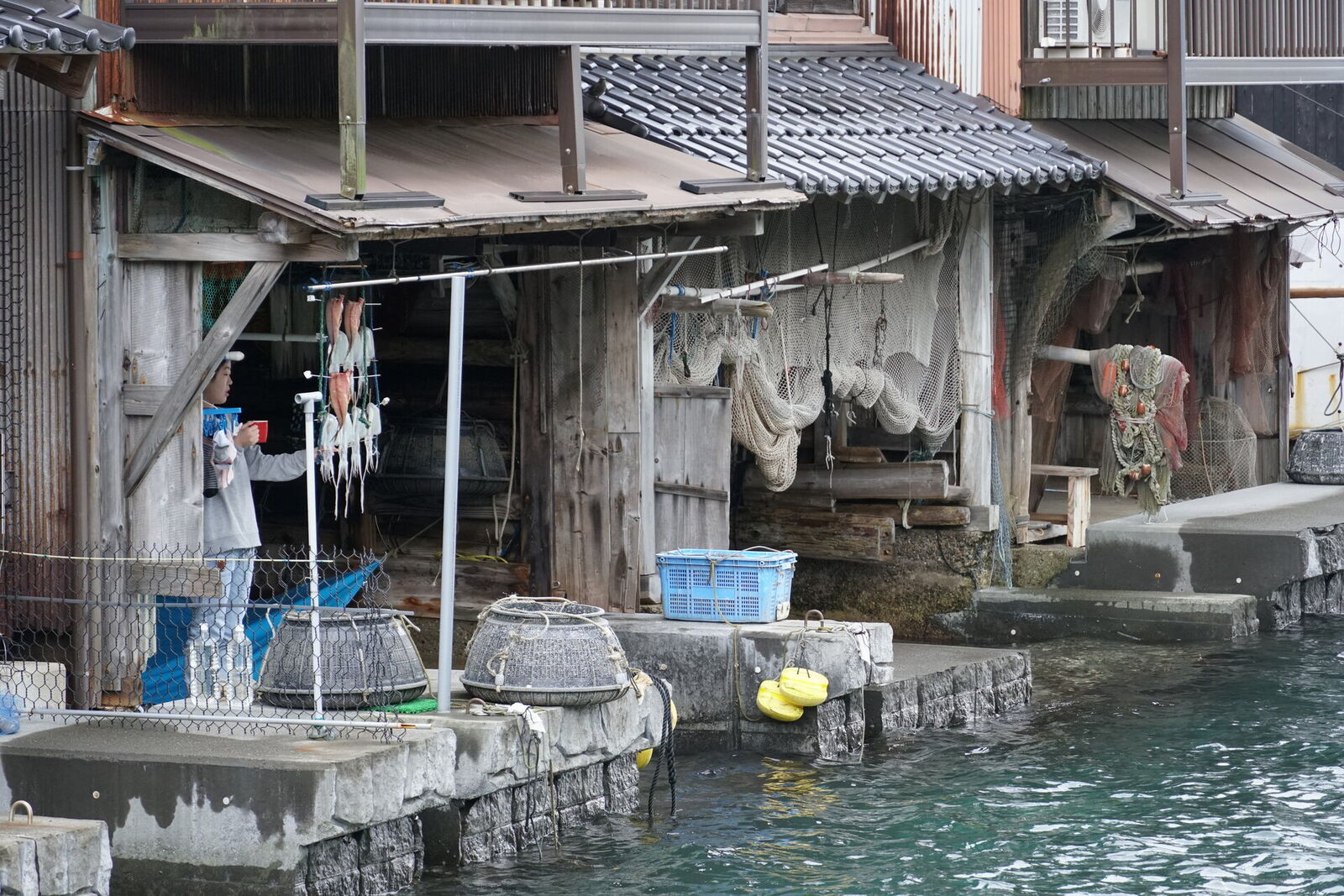
Ine is a walking village. The main road follows the coastline for about eleven kilometers, hugging the edge of the bay between the funaya on one side and the hillside on the other. There's free bike sharing available if you want to cover more ground, but I've always done it on foot. Walking is the only way to catch the details: the fishing nets drying on hooks outside doorways, the cats lounging on stone walls, the narrow alleys between boathouses that open suddenly onto the water.
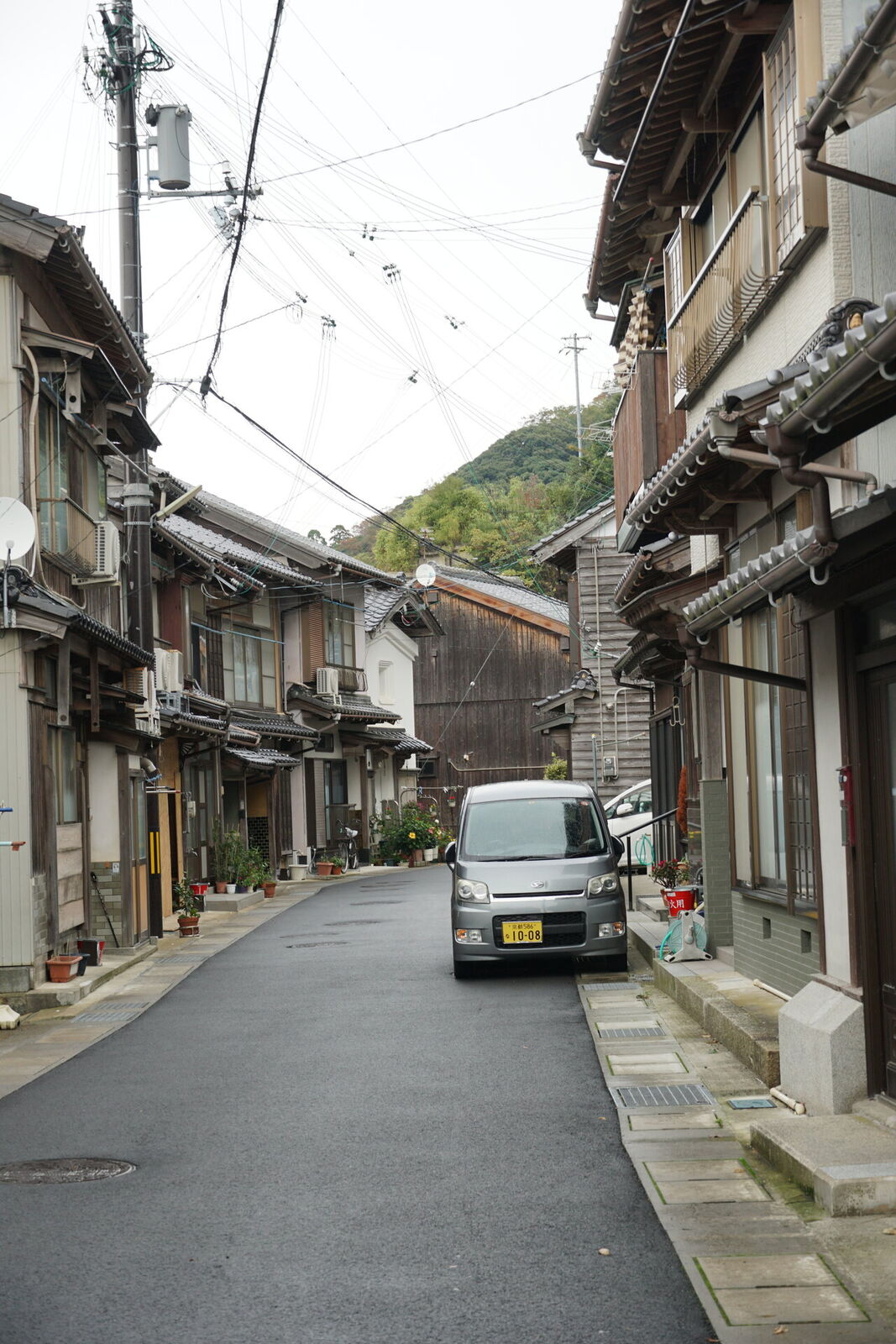
The road is narrow enough that cars have to slow down and squeeze past, which keeps the pace of the whole village at a human speed. There's no rush here. People are fishing, mending nets, hanging laundry above the water. You walk past their front doors, and sometimes someone looks up and nods, but mostly life just continues. It's the kind of place where you feel less like a tourist and more like someone who happened to wander into a scene that was already in progress.
The Hidden Shrine
On one of my walks through the village, I followed a set of stone steps that climbed up the hillside behind the funaya. There was no sign, no indication of what was up there. The steps were steep and overgrown, cutting through bamboo and undergrowth, and after a few minutes of climbing I came out at a small shrine clearing. Nobody else was there. Through gaps in the trees, I could see the bay below, the rooftops of the village, fishing boats moving slowly across the water.
Standing there, I felt something I didn't expect: a deep sense of safety. Ine sits on the Sea of Japan coast, exposed to the forces of the ocean. The bay's narrow mouth and the islands at its entrance offer natural protection, but the sea can still show its terrible face. All along Japan's coastline, shrines sit on hilltops and elevated ground for a reason. They were places of refuge when tsunamis came. For centuries, these were the spots where people ran when the water rose. The shrines survived because they were built where the water couldn't reach, and the communities survived because they knew to climb.
That knowledge changes how the place feels. This wasn't just a scenic viewpoint. It was a place of shelter, built by people who understood what the sea could do and chose to put something sacred above the waterline. The small wooden structure, the stone lanterns, the sound of wind through bamboo: all of it radiates a quiet sense of protection. I sat there for a long time, looking down at the funaya below, and thought about what it means to build your life at the edge of the water and your sanctuary on the hill above.
Evening at the Waterfront
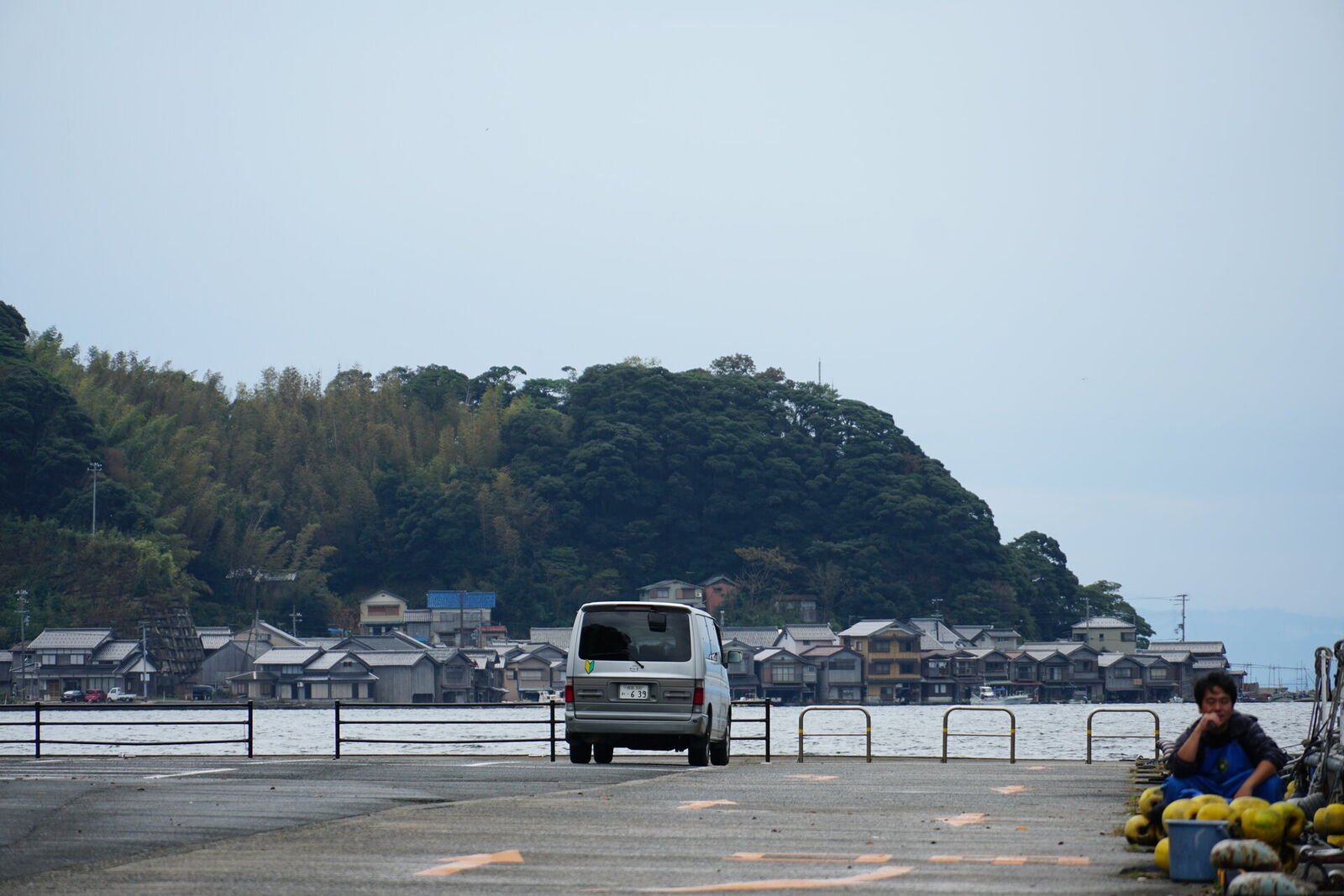
The best time in Ine is the evening. During the day, there are tour boats and a handful of visitors, but by late afternoon most people have left, and the village settles into its own rhythm. Down by the waterfront near the school, the light turns golden and then fades to blue. The water goes still. Fishing boats sit motionless at their moorings. The funaya, which looked weathered and gray in the midday overcast, suddenly glow warm in the last light.
This is when Ine becomes something else entirely. The sounds change: seagulls, the occasional splash of a fish, someone calling from inside a boathouse. The bay turns into a mirror. If you've ever wanted to photograph a place where the water is so calm that you can't tell which way is up in the reflection, this is it.
Sleeping in a Funaya
On my most recent visit, I stayed in a funaya that's been converted into an Airbnb. The lower floor, where the boat would have been, was the living area. Upstairs was the bedroom with a panorama window looking straight out over the bay. The place had its own private onsen bath, and sitting in hot water at eye level with the sea while the village lights flickered across the water is one of those experiences that's hard to put into words and impossible to forget.
Staying overnight in Ine changes your relationship with the village completely. You stop being a visitor and start being, temporarily, a resident. You hear the fishing boats leave before dawn. You see the bay in the first light of morning, when the water is perfectly still and the mountains across the bay are just shapes in the mist. You walk to a small cafe for coffee, and the owner recognizes you from last night. It's intimate in a way that day trips never are.
Why I Keep Coming Back
Ine is at a crossroads. The funaya are a protected cultural landscape, and the village takes that seriously. There are no big hotels, no souvenir strips. A few tour boats circle the bay. A handful of cafes serve local seafood. Some funaya have been converted into guesthouses. But half a million visitors a year in a village of fewer than two thousand people is a lot, and the pressure is real. Locals have spoken openly about the challenges: trespassing, noise, tourists eating on residents' doorsteps. The village is working to manage it, and so far the balance holds. The fishing village is still, fundamentally, a fishing village. But it won't stay that way on autopilot.
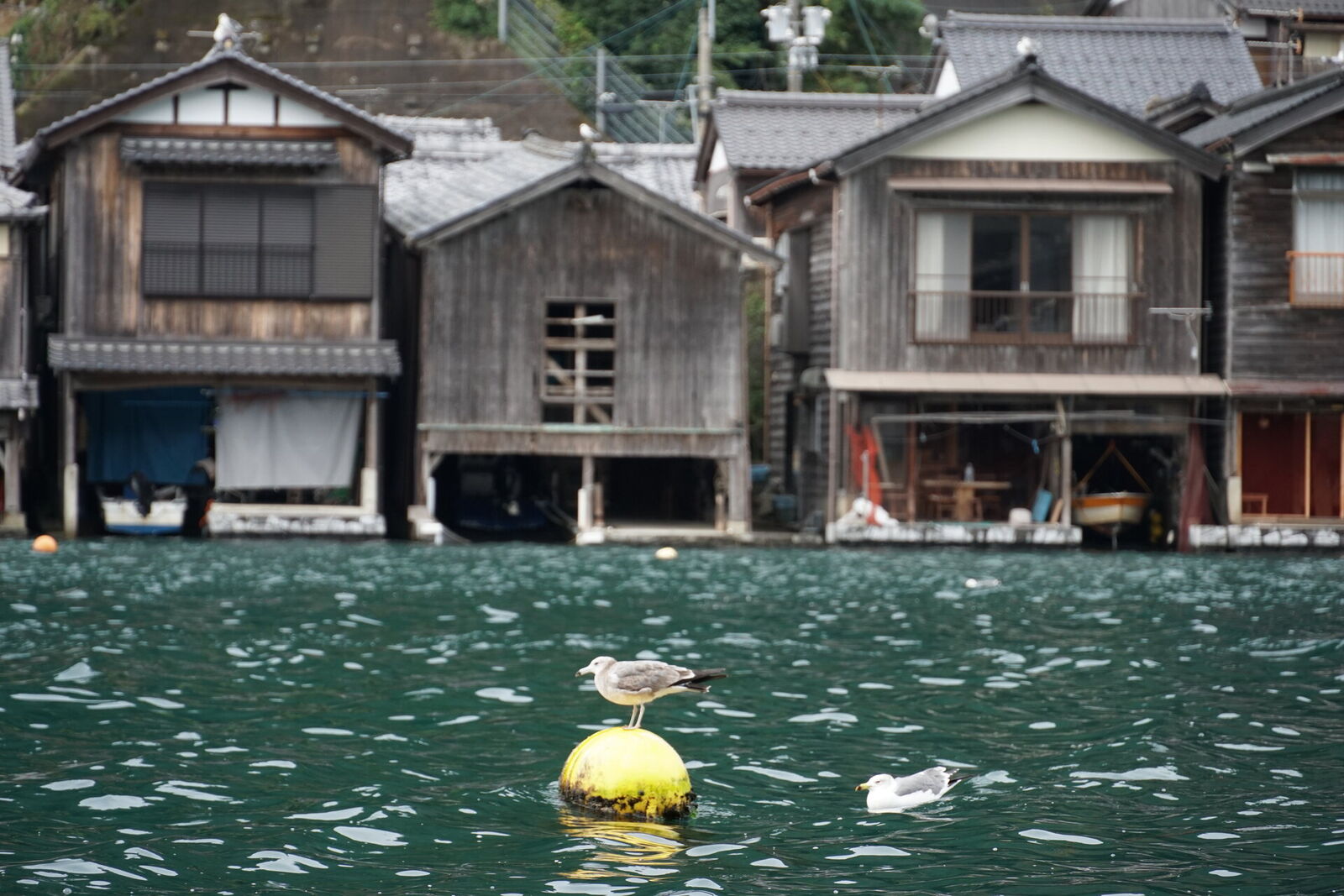
That tension is part of why I keep coming back. I want to see Ine continue to work. Every time I return, the fisherman is still standing in his doorway with orange floats hanging behind him. The seagulls are still perching on the yellow buoys. The bay is still impossibly beautiful at dusk. But I'm also aware that these aren't guaranteed. Some places you visit for the novelty. Ine is a place you visit because you care about it lasting.
Practical Info
Location: Ine, Yosa District, Kyoto Prefecture (northern coast, Sea of Japan side). View on Google Maps
Access: Bus from Amanohashidate Station (about 1 hour). By car, roughly 2 hours from Kyoto city.
Getting around: Walk the 11km coastal road or use the free bike sharing system
Tour boats: Ine Bay sightseeing boats depart from the harbor, circling past the funaya (about 25 minutes)
Stay: Several funaya have been converted to guesthouses and Airbnbs. Book ahead, options are limited.
Food: Local seafood is excellent. A few small cafes and restaurants in the village center.
Best season: Summer is my favorite, when the bay is warm and the green is at its deepest. Autumn has beautiful light. Winter is quiet and atmospheric but cold.
Campervan tip: Park at the Michi no Eki on the hilltop above town. Best panoramic view of the bay, and you're out of the narrow village streets.
Note: Ine is a member of "The Most Beautiful Villages in Japan" association. It's a living village, not a museum. Respect the residents' privacy and keep noise down, especially in the evenings.