I first heard about Chiba's surf beaches from other JapanCampers customers. The rental company is based near Narita, and several people had mentioned that there's a whole chain of surf beaches running down the Pacific coast, barely thirty minutes from the pickup point. You can rent a full set of gear for around 3,000 to 4,000 yen, some of these beaches hosted the Olympic surfing events, and the whole coast has this laid-back beach culture that most people never associate with Japan. So after picking up the van for the first time, instead of heading straight to wherever I'd planned to go, I drove east toward the ocean. It's become a tradition since.
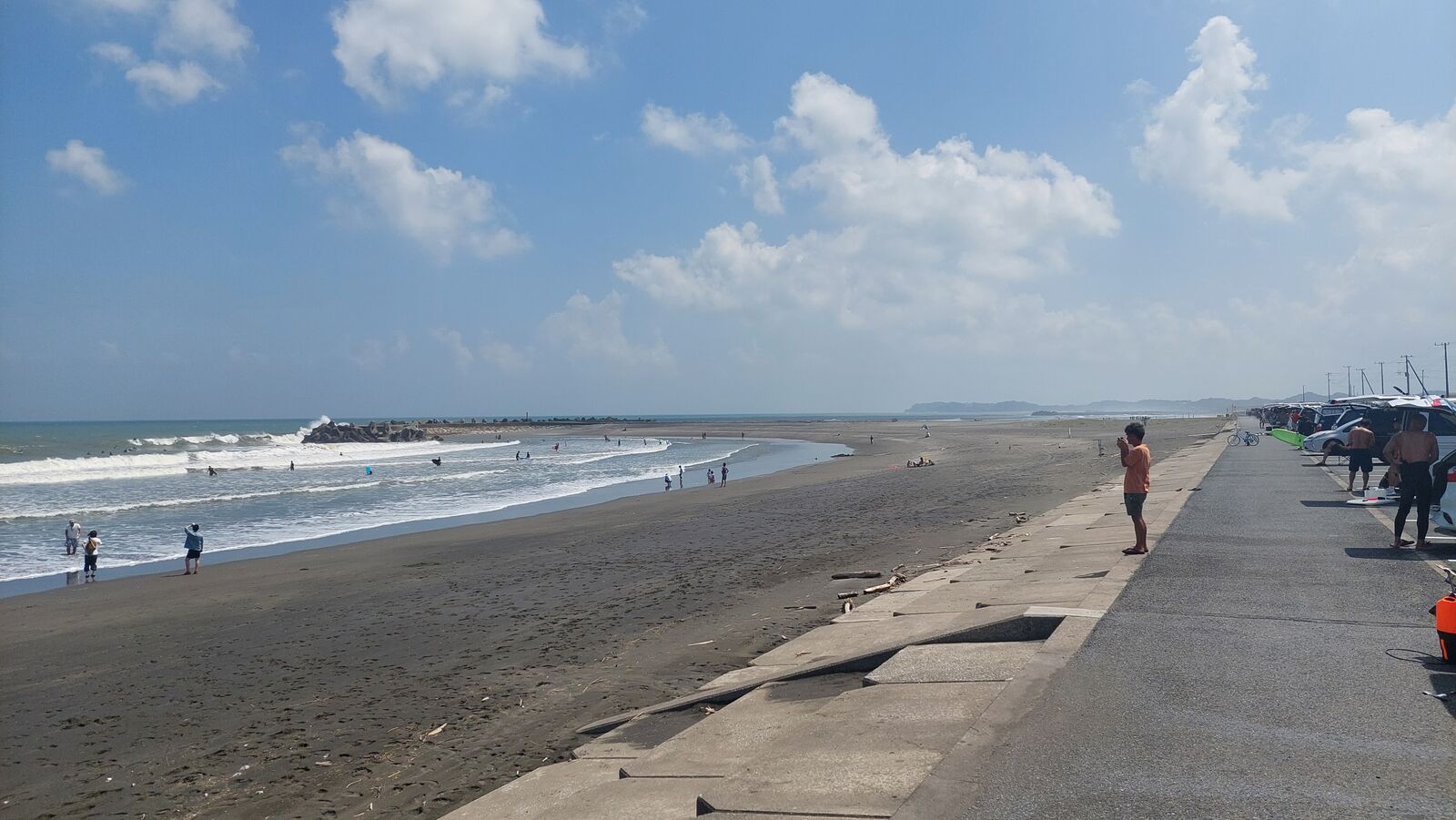
The beaches stretch for about 60 kilometers along Chiba's Pacific coast, from Ichinomiya in the south up to Kujukuri in the north. It's a whole chain of spots, each with its own character, but all sharing the same essential setup: a long sandy beach, a concrete seawall with parking right at the water, outdoor showers, and surfers everywhere. What I didn't expect was how genuinely nice the whole area is. Not just the beaches themselves, but the towns behind them. Surf shops, small cafes, restaurants, and this relaxed coastal vibe that feels more like a Southern California beach town than anything I'd imagined finding in Chiba Prefecture.
The First Stop
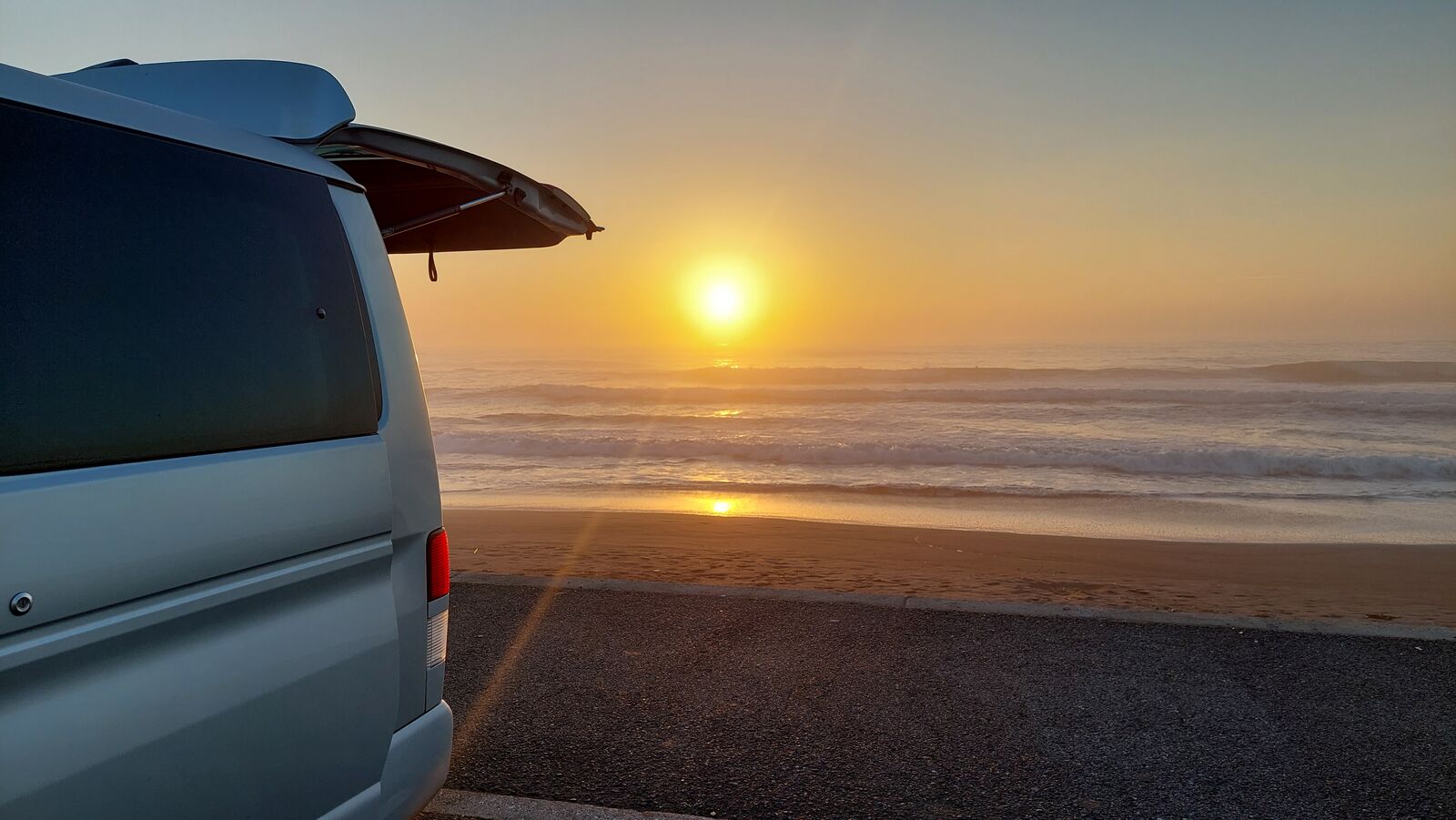
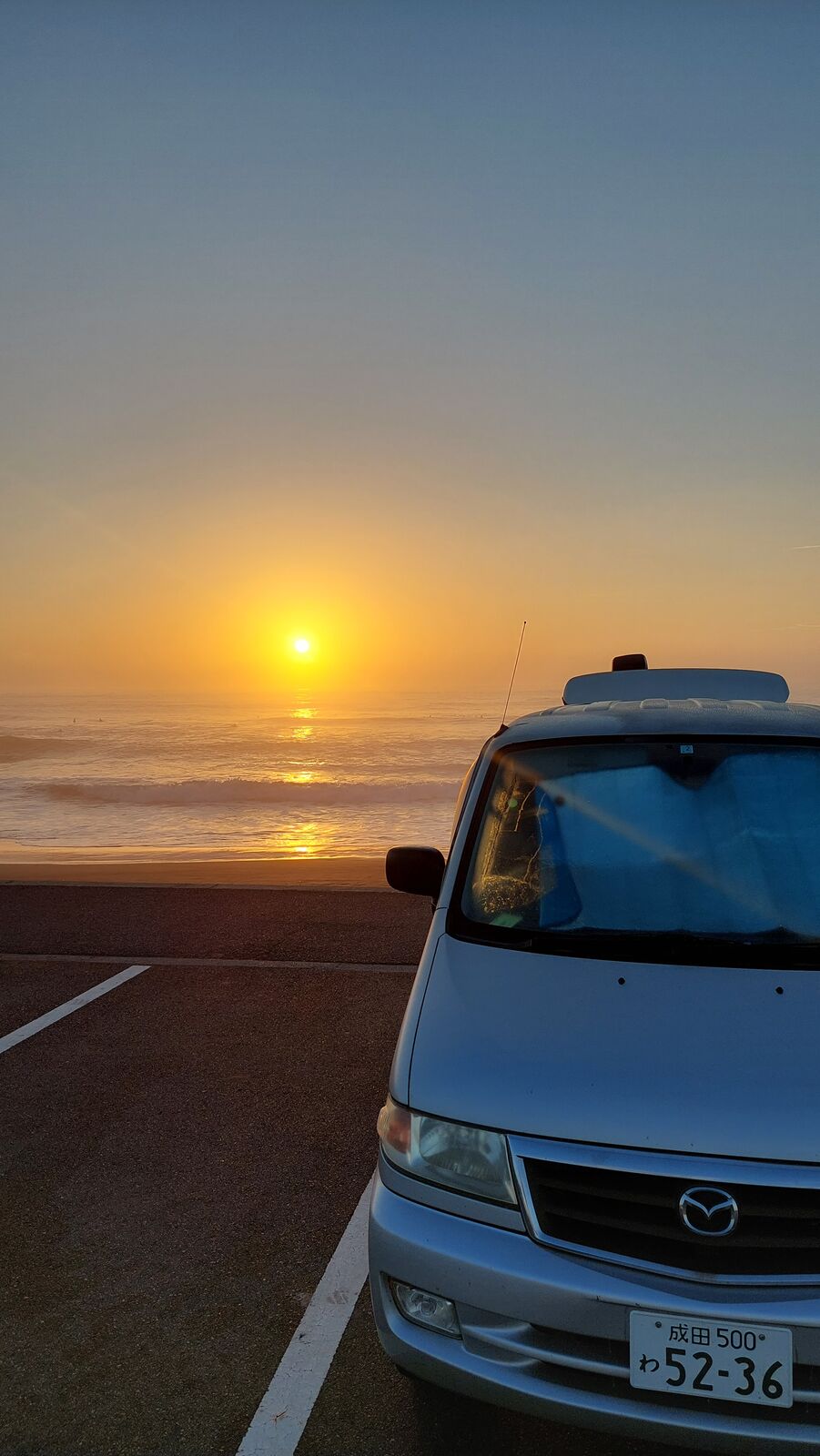
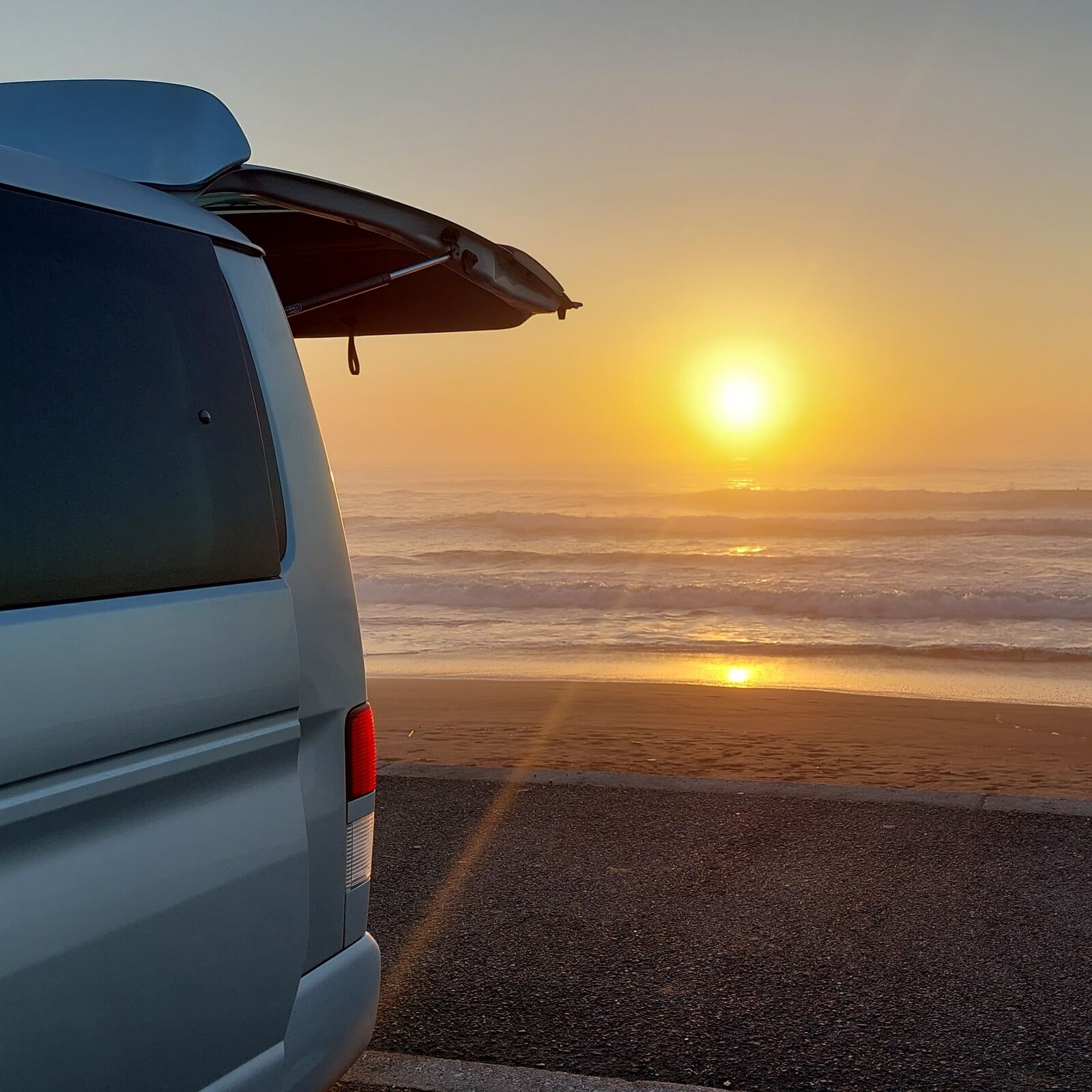
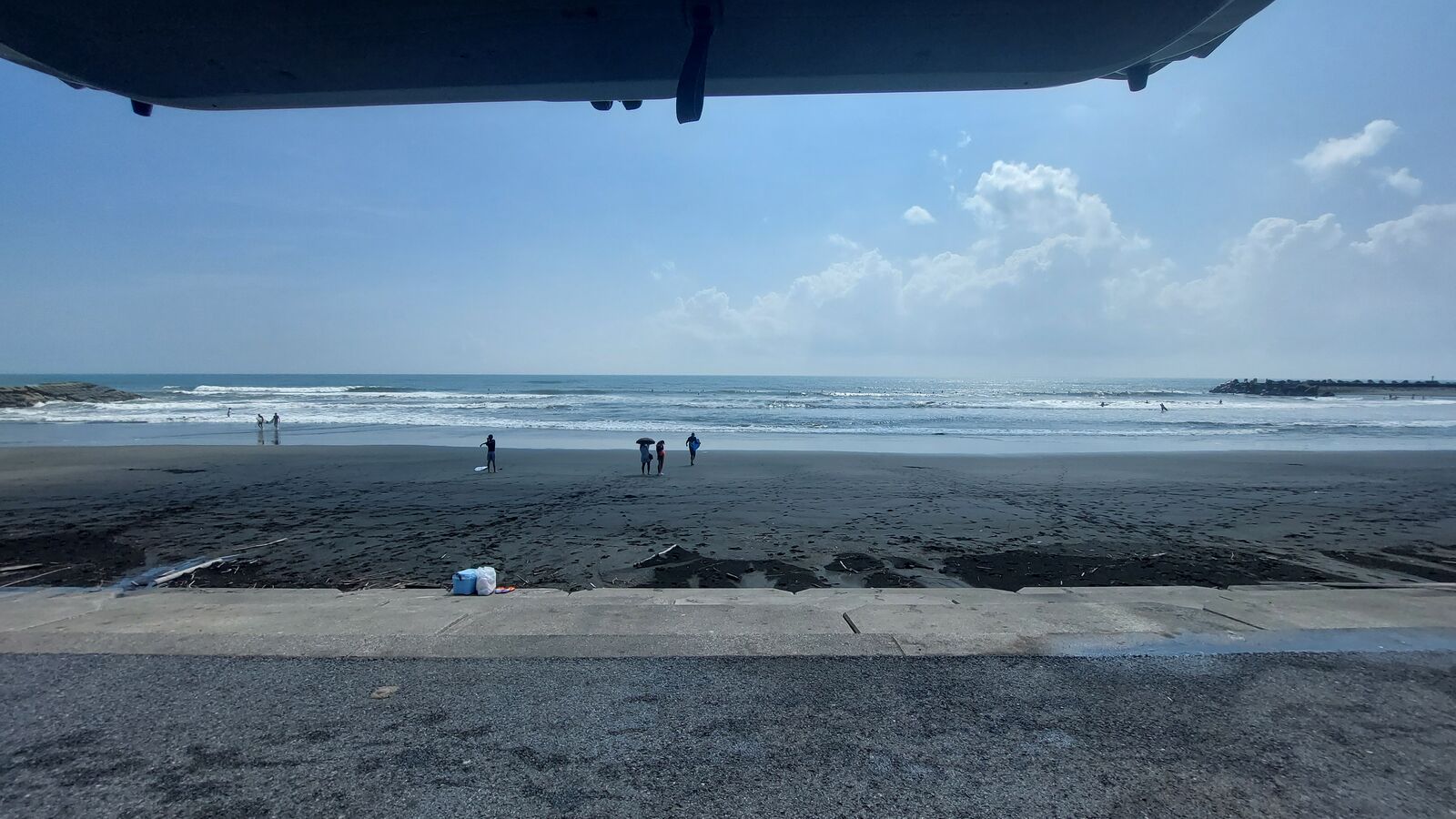
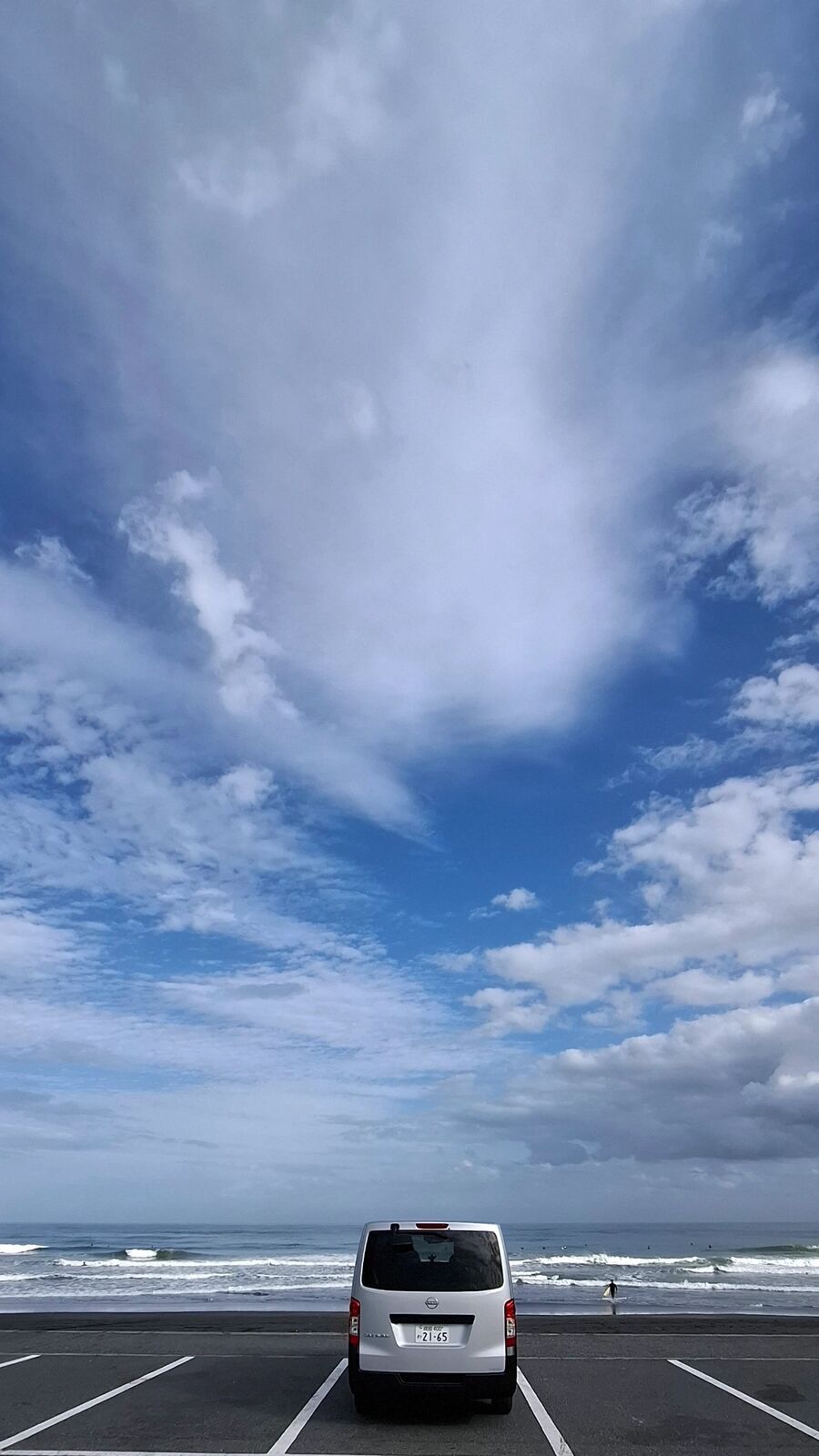
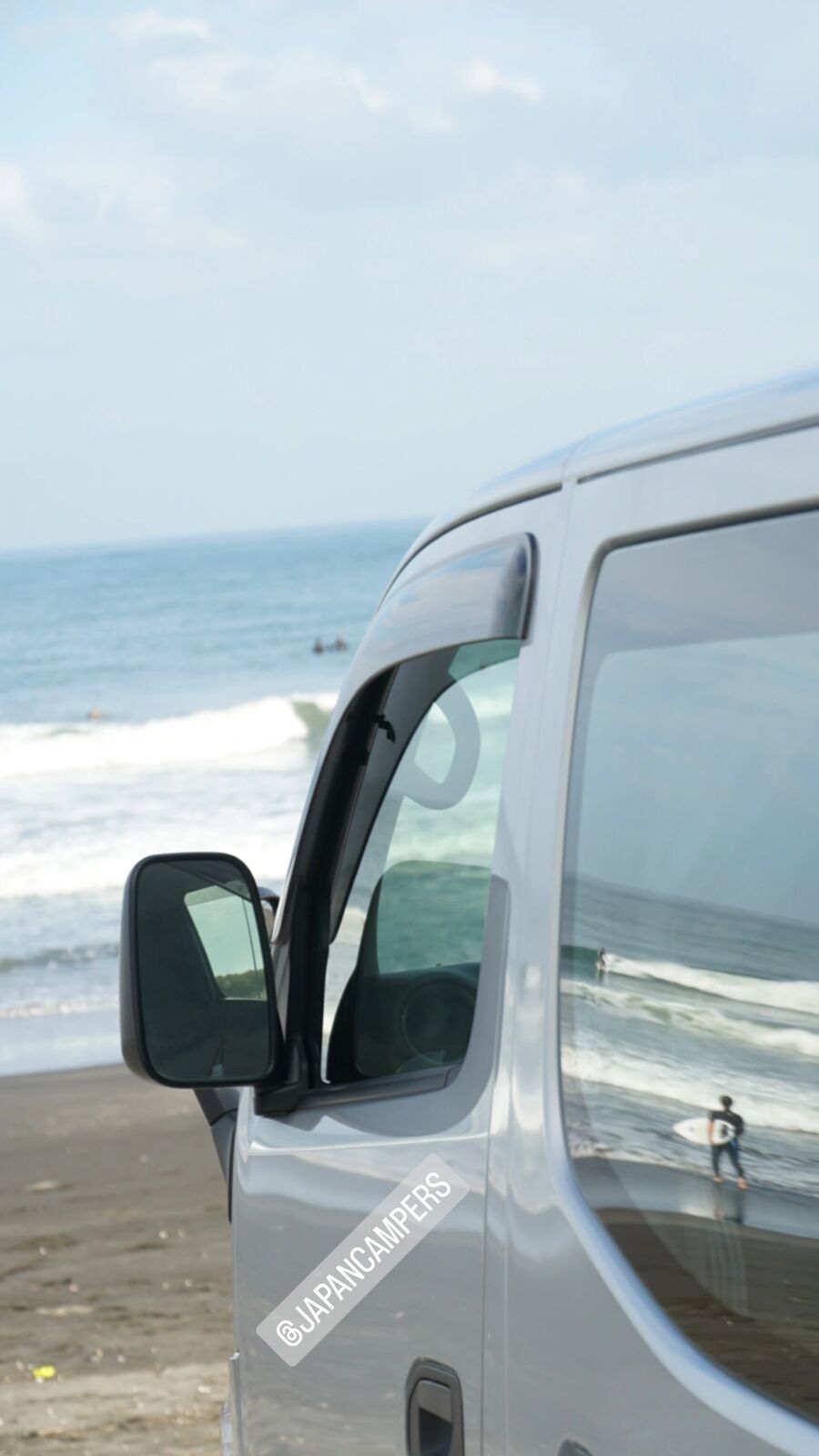
These days, Chiba's beaches are almost always my first stop on a longer trip. You pick up the van from JapanCampers, you're jetlagged, you've been traveling for twelve hours or more, and the last thing you want is to fight your way through Tokyo traffic. The beaches are close, they're easy to reach, and they're the perfect place to just breathe. Park the van facing the water, open the back, sit on the edge, and let the sound of the Pacific do its thing. After a long flight, there's something about that first hour at the beach that resets everything.
It also works strategically. If you're heading north toward Ibaraki or Tohoku, the coast is right on the way. And if you're heading west, you can spend a day at the beach first and then take the Tokyo Bay Aqua-Line tunnel across the bay, which gets you to the other side without having to drive through central Tokyo and Yokohama. Much more relaxed than fighting the expressways.
5am
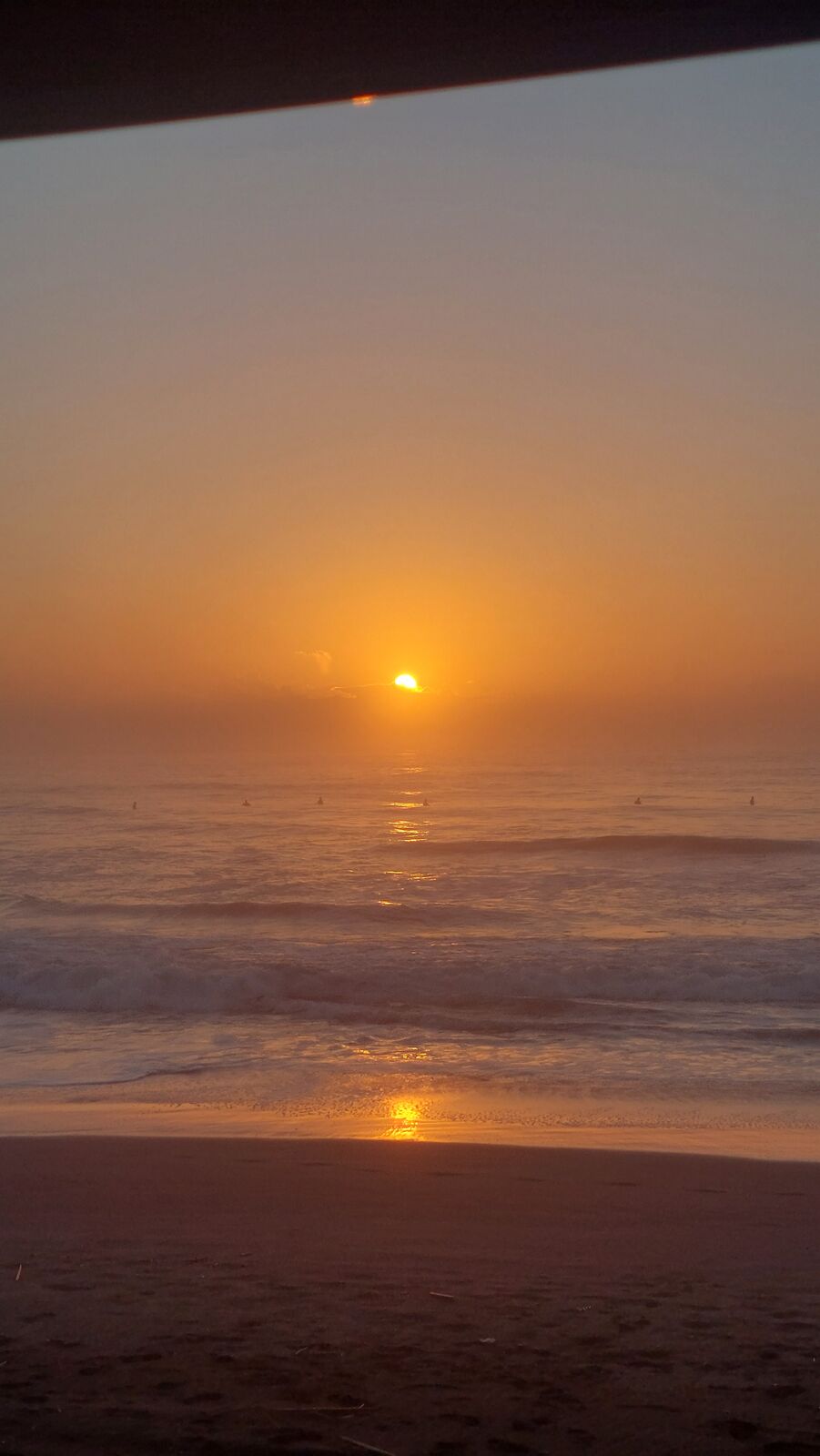
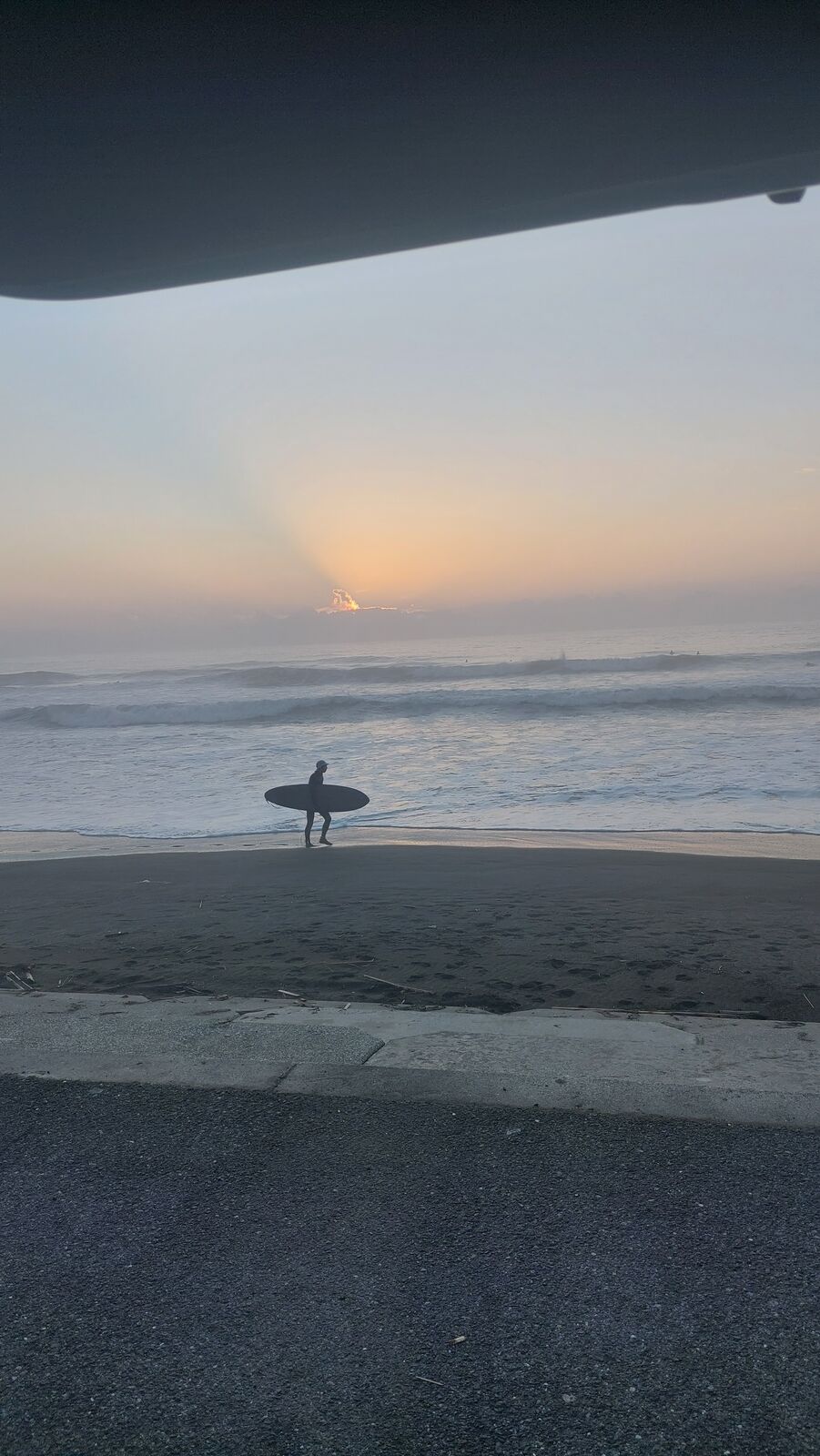
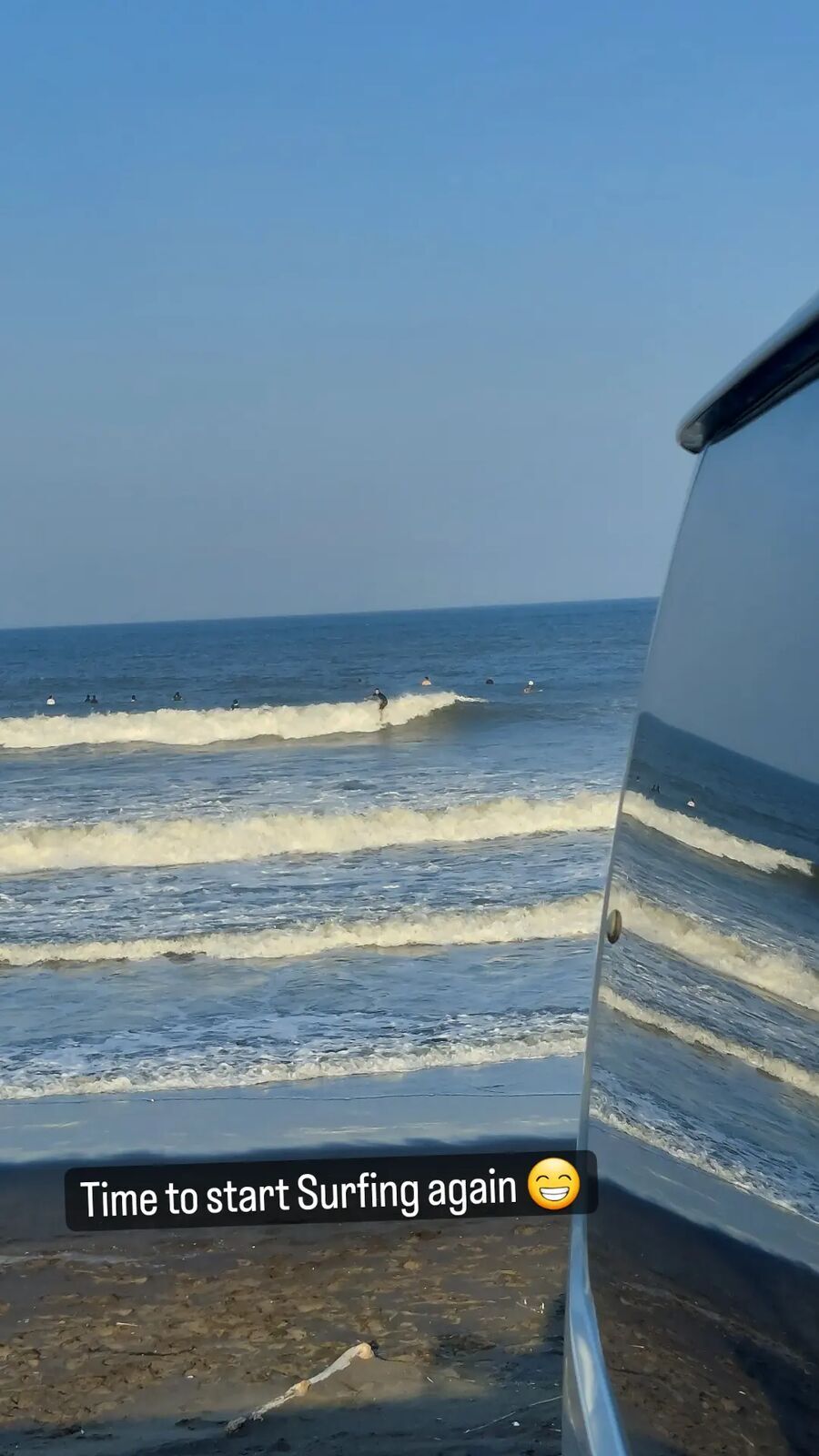
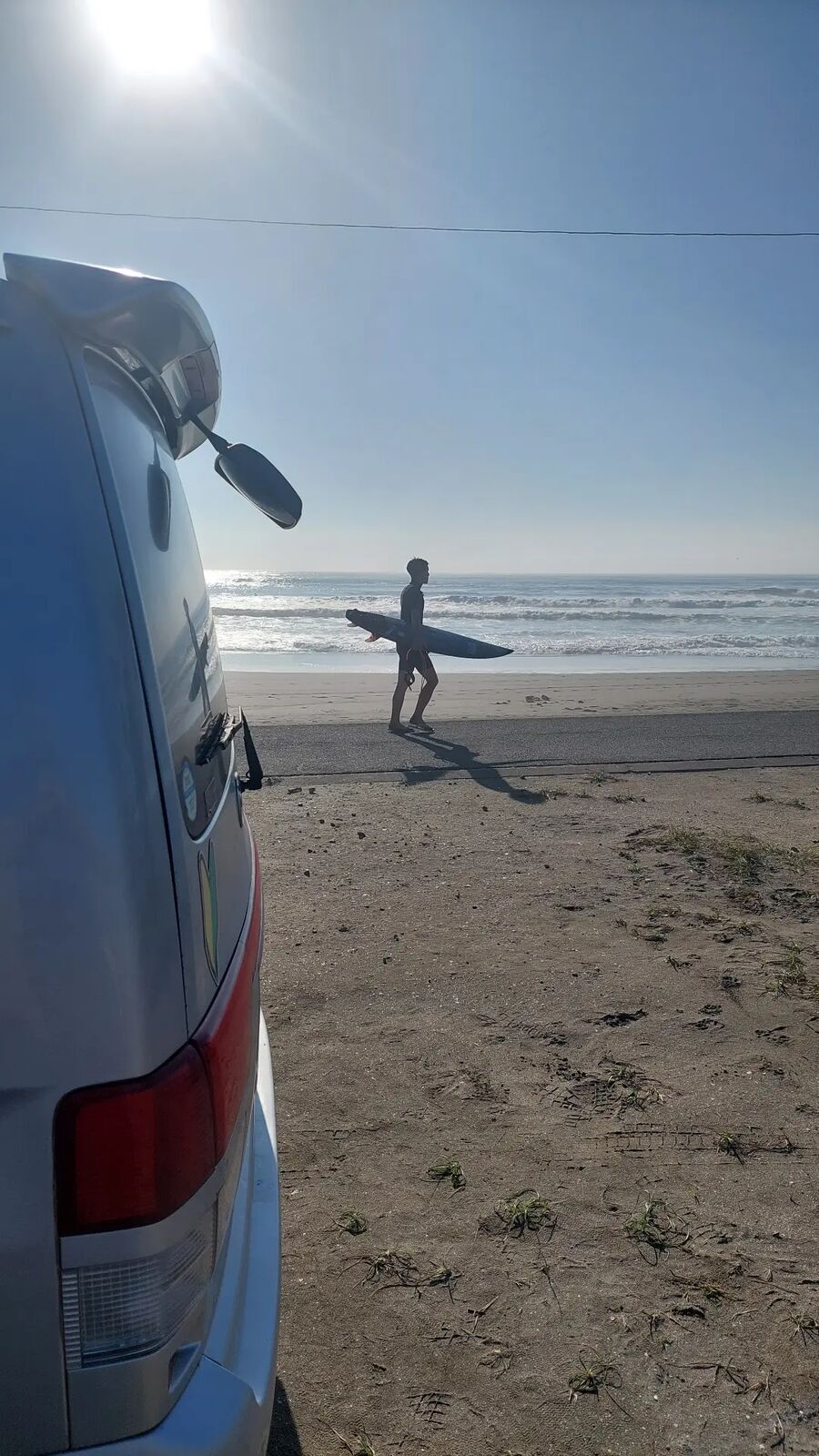
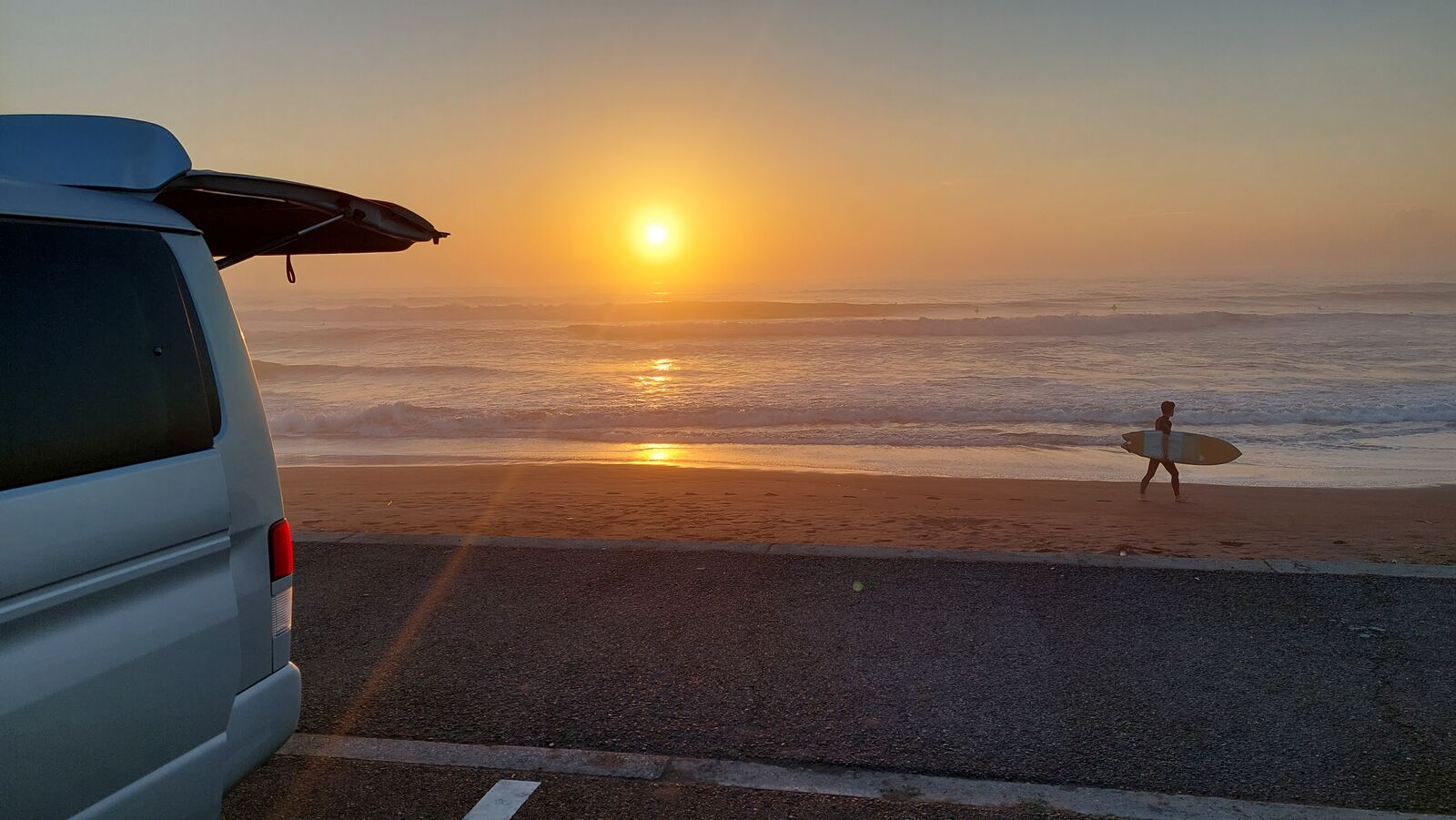
The alarm goes off before 5, but you don't need it. The parking lot is already stirring. Car doors opening quietly, wetsuits being pulled on in the grey light, surfboards sliding off roof racks. The surfers arrive in the dark and they know exactly what they're doing. By the time the first orange glow appears on the horizon, there are already figures in the water, black silhouettes bobbing beyond the break.
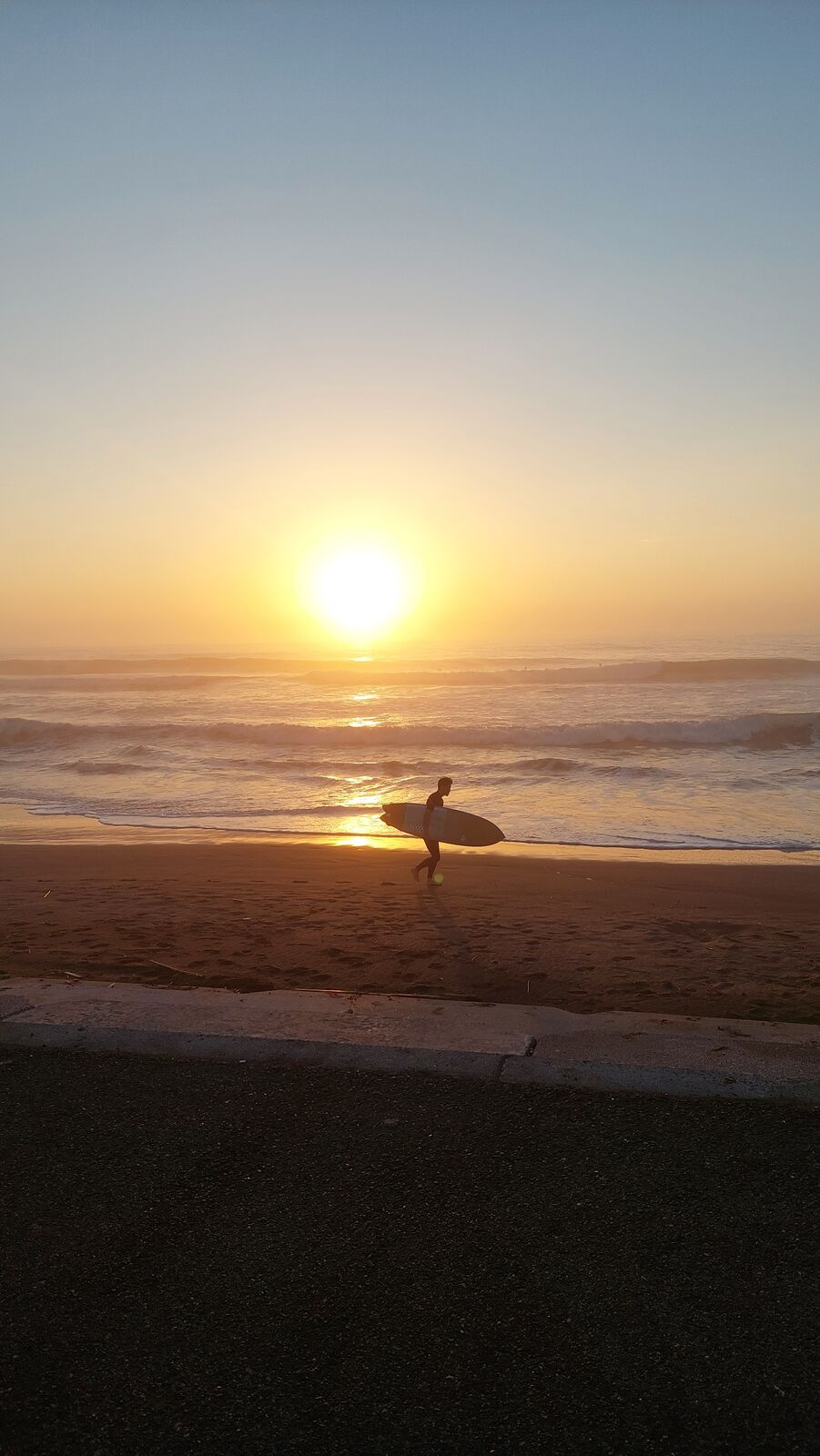
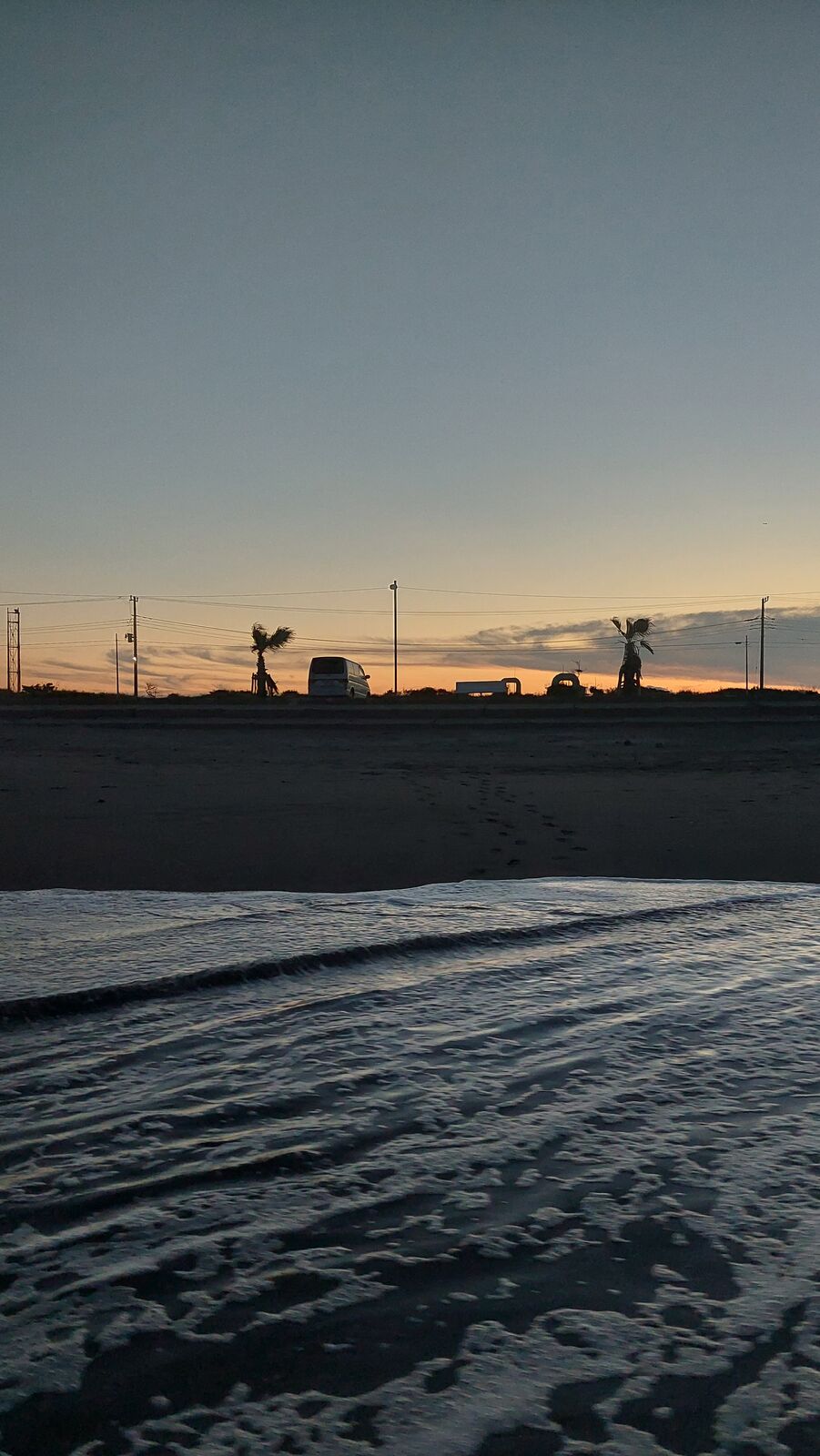
From the back of the van, coffee in hand, I watch the light change. First the grey, then a band of orange, then the sun breaks through the haze and suddenly everything turns gold. The wet sand mirrors it. The waves catch it. The surfers become silhouettes against liquid fire. It lasts maybe twenty minutes before the sun climbs high enough to flatten everything back to normal daylight, and in those twenty minutes, this parking lot becomes one of the most beautiful places I know.
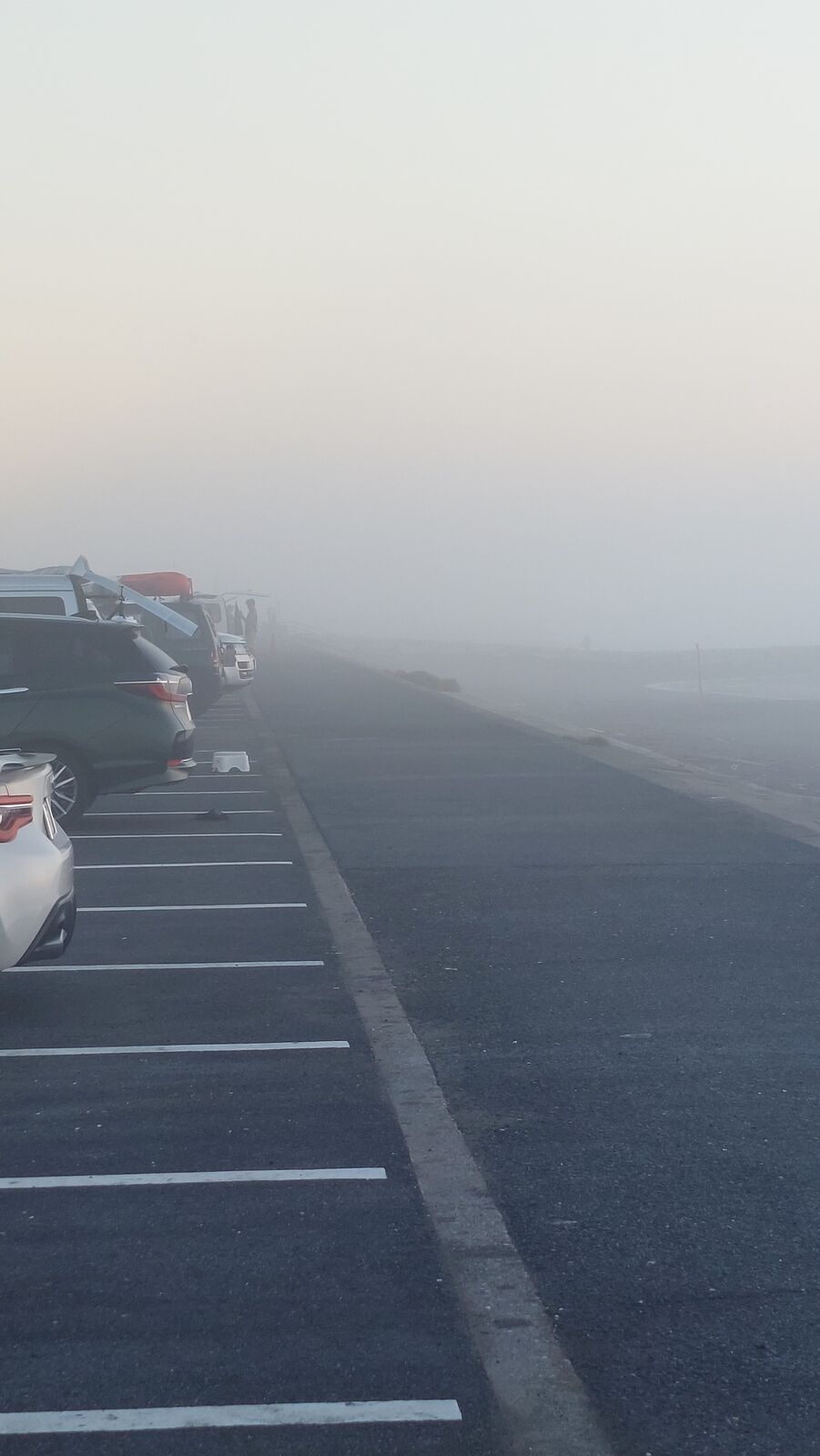
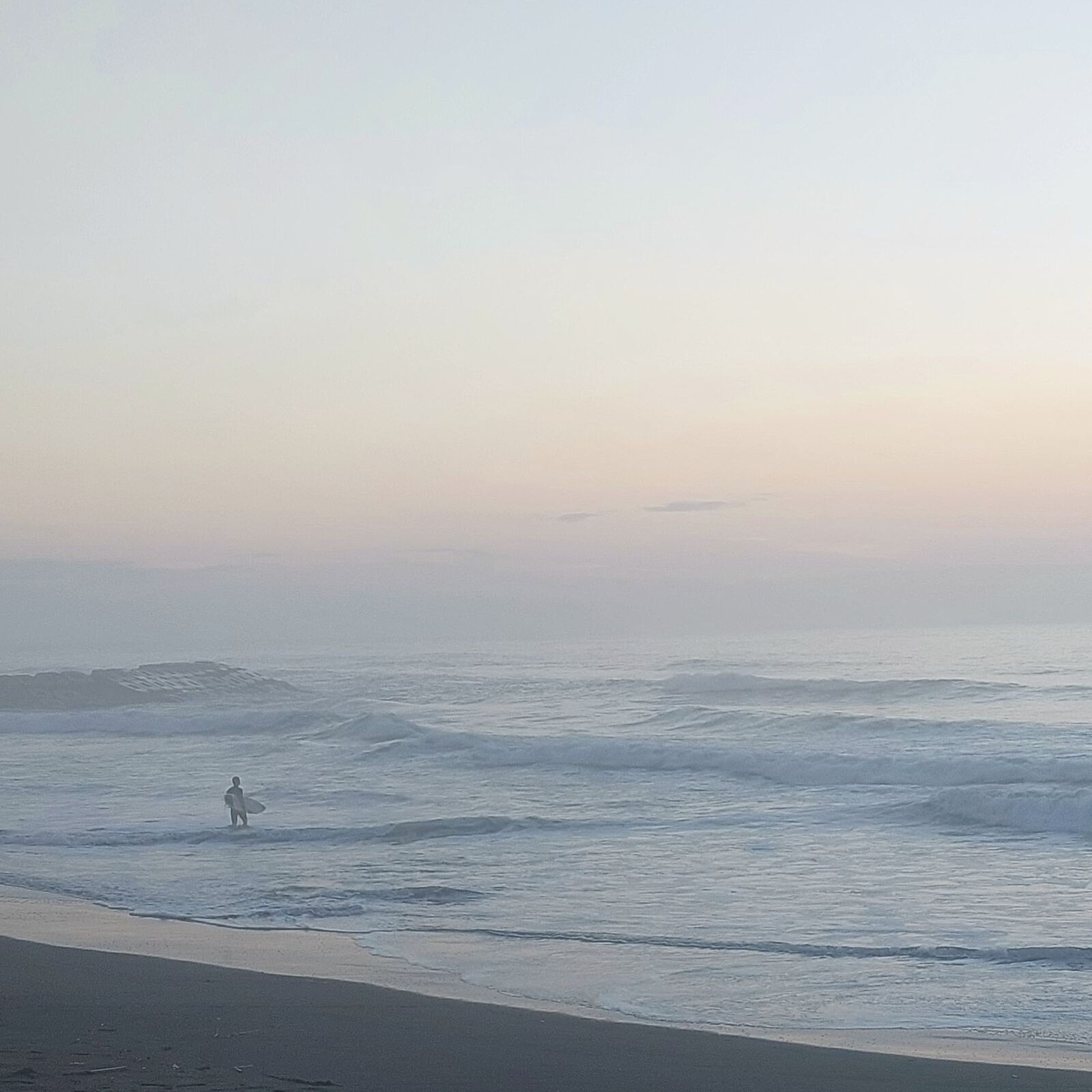
Some mornings the coast is wrapped in a thick marine fog that doesn't burn off until mid-morning. You can hear the waves but barely see them. Cars appear as shapes in the mist. A surfer walks past carrying a board, disappears into the white, and you hear a splash a minute later.
The Surfers' Coast
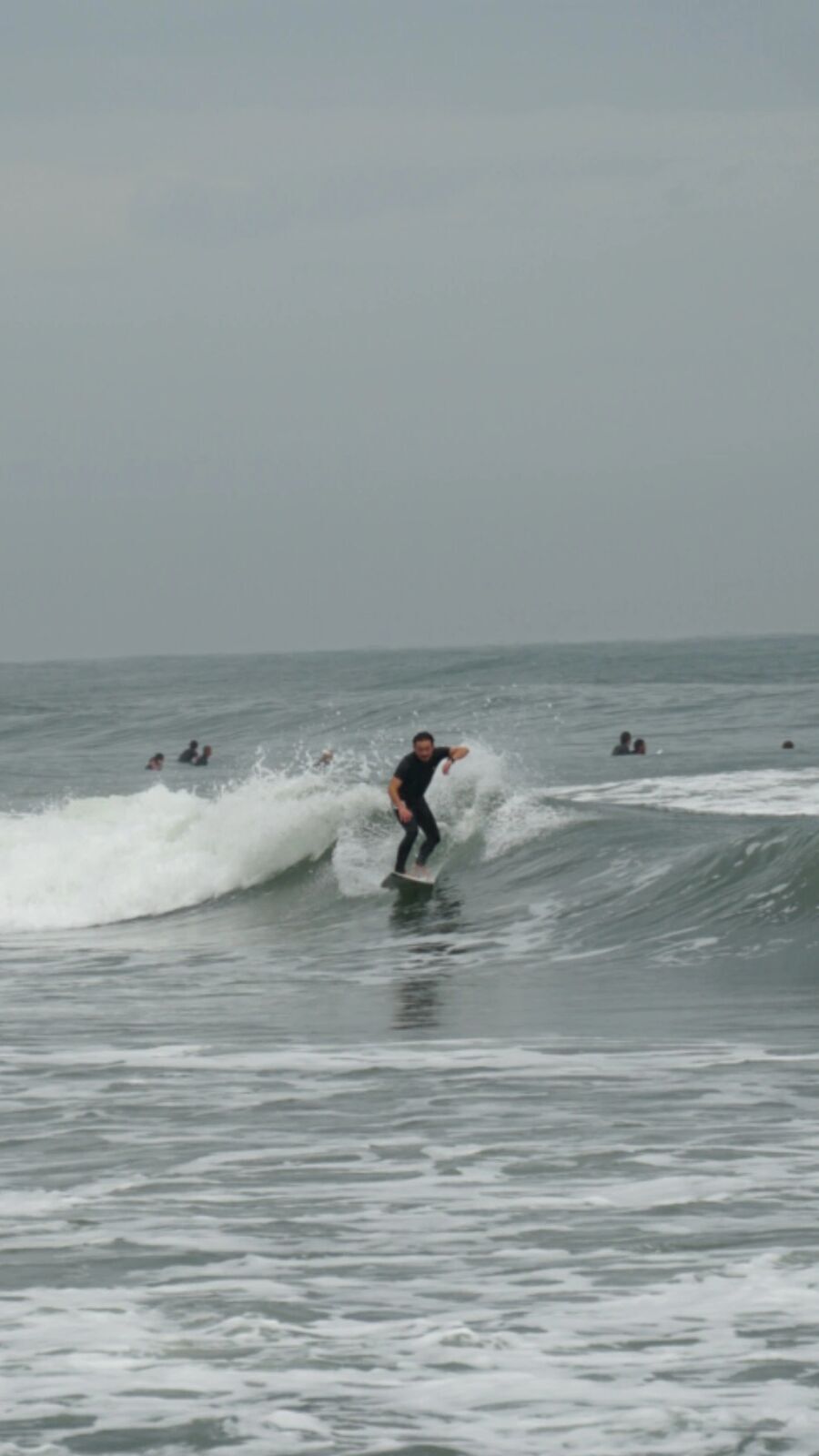
Chiba is Tokyo's surf coast. Ichinomiya, further south along the chain, hosted the surfing events at the 2020 Olympics. The waves aren't Hawaii, but they're consistent, and the culture runs deep. Surf shops line the coastal roads. Vans with board racks fill every parking lot. There are expats who've settled here specifically for the surf, and you get into conversations easily. The whole atmosphere along the coast has this beach-culture feel, with cafes that wouldn't look out of place in Byron Bay or Hossegor.
What strikes me every time is how early and how committed the local surfers are. Five in the morning, mid-week, and the lot is already half full. They drive out from Tokyo before dawn, surf for two hours, shower at the beach facilities, and drive back in time for work. The dedication is something else. And then there's the evening side of things: walking a few kilometers along the beach at sunset, jogging the coastal trails when the heat has faded, watching the last light from the toll road that runs along the shore. These beaches work at every hour.
November
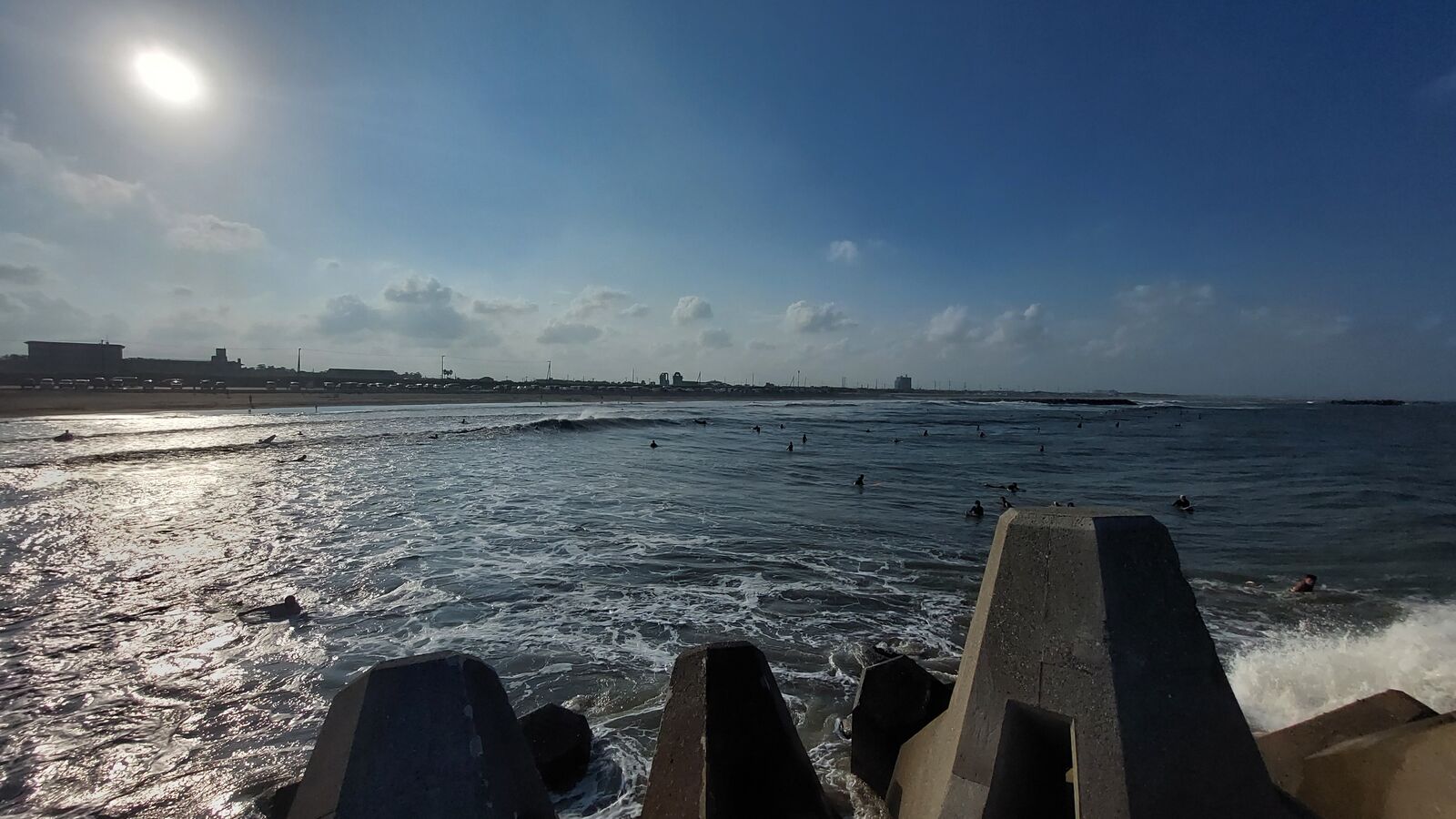
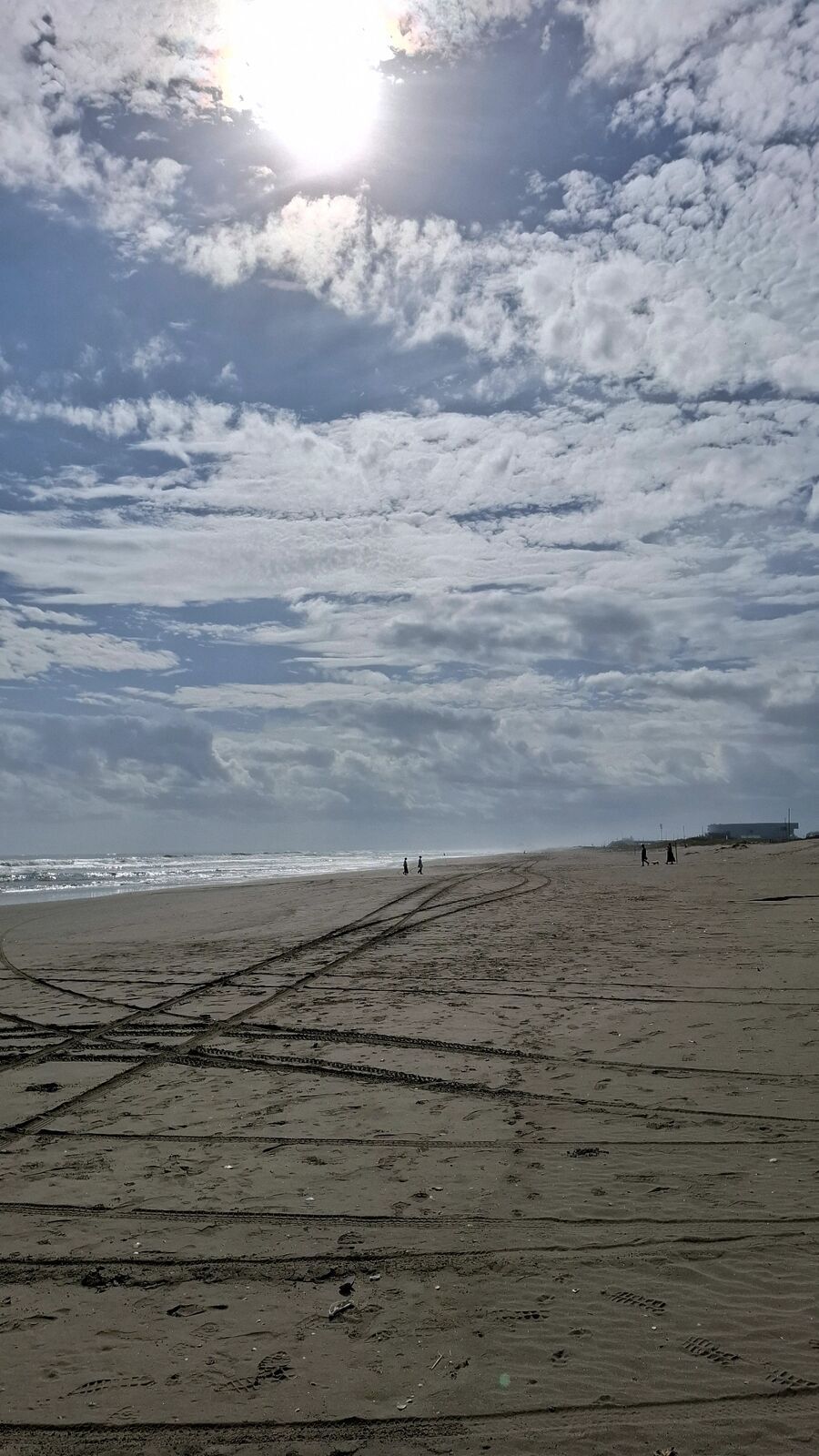
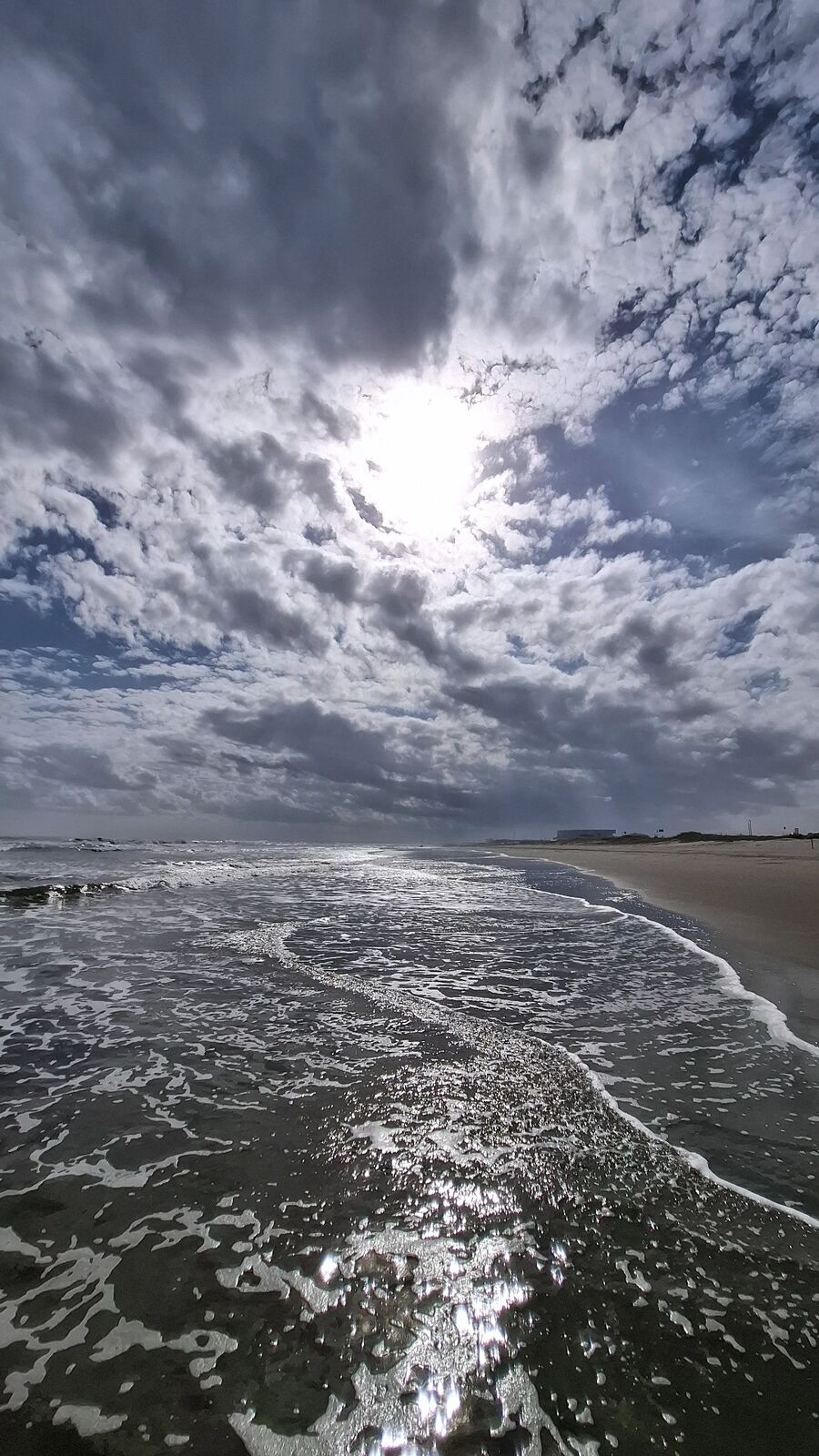
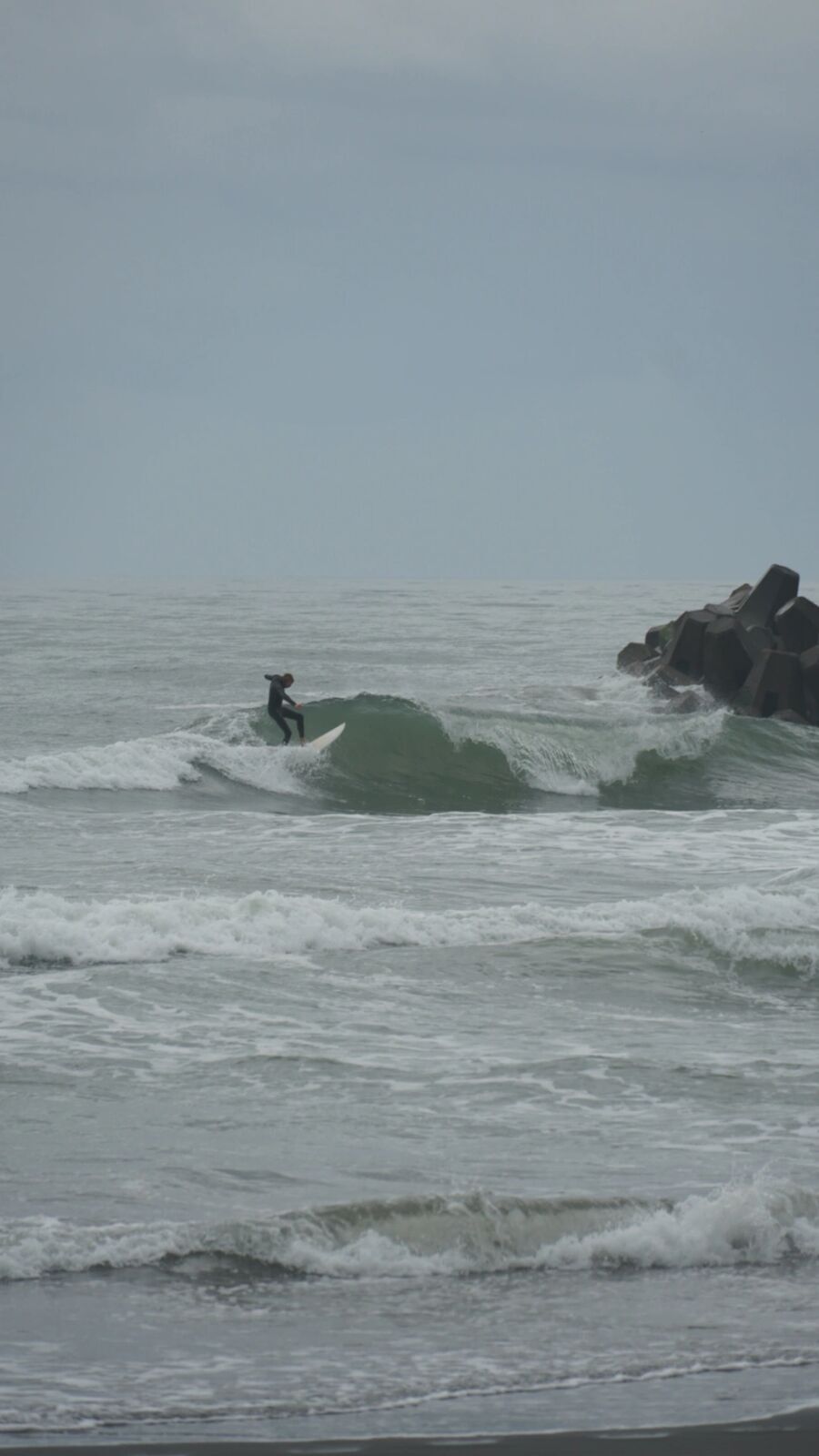
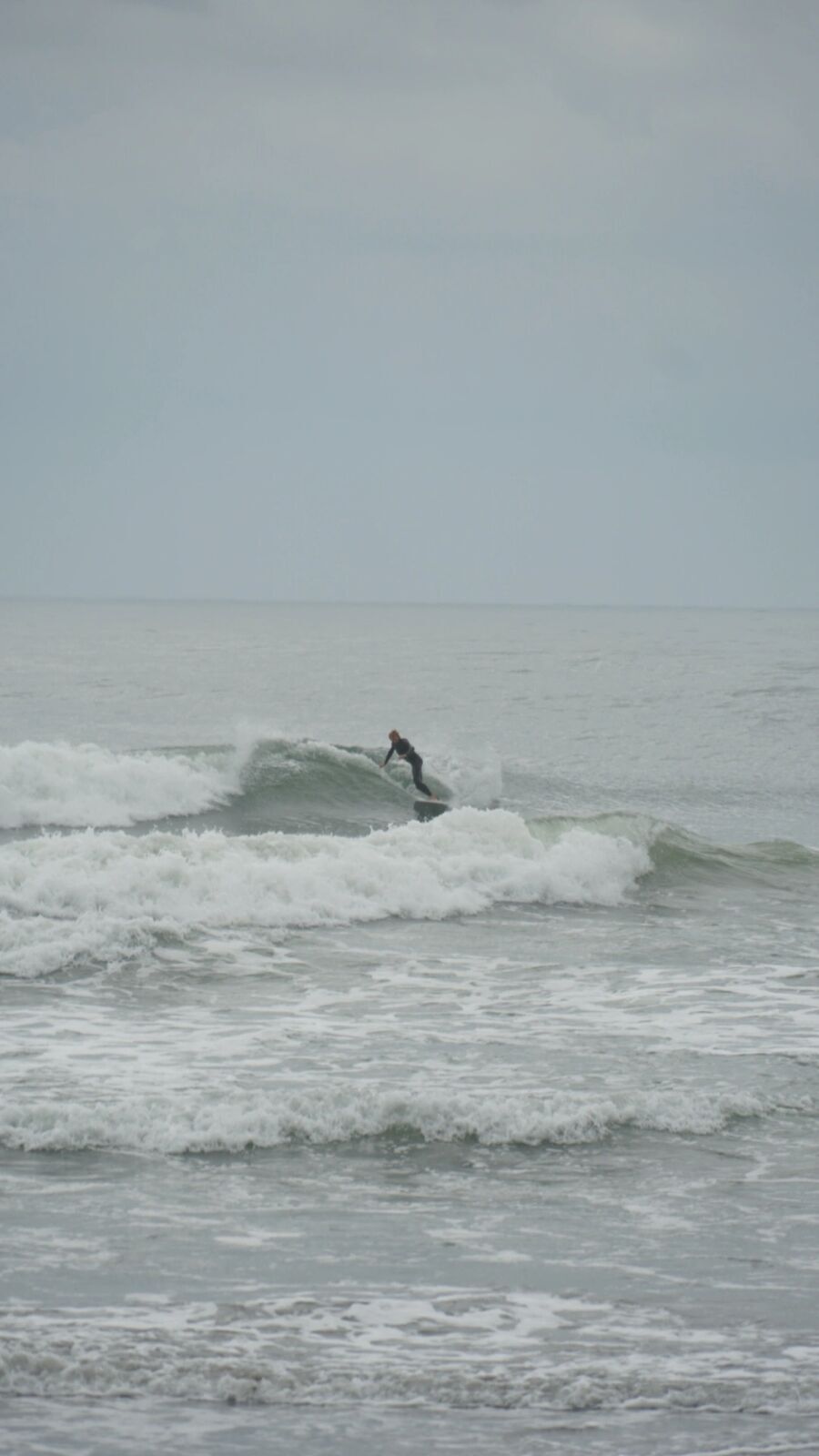
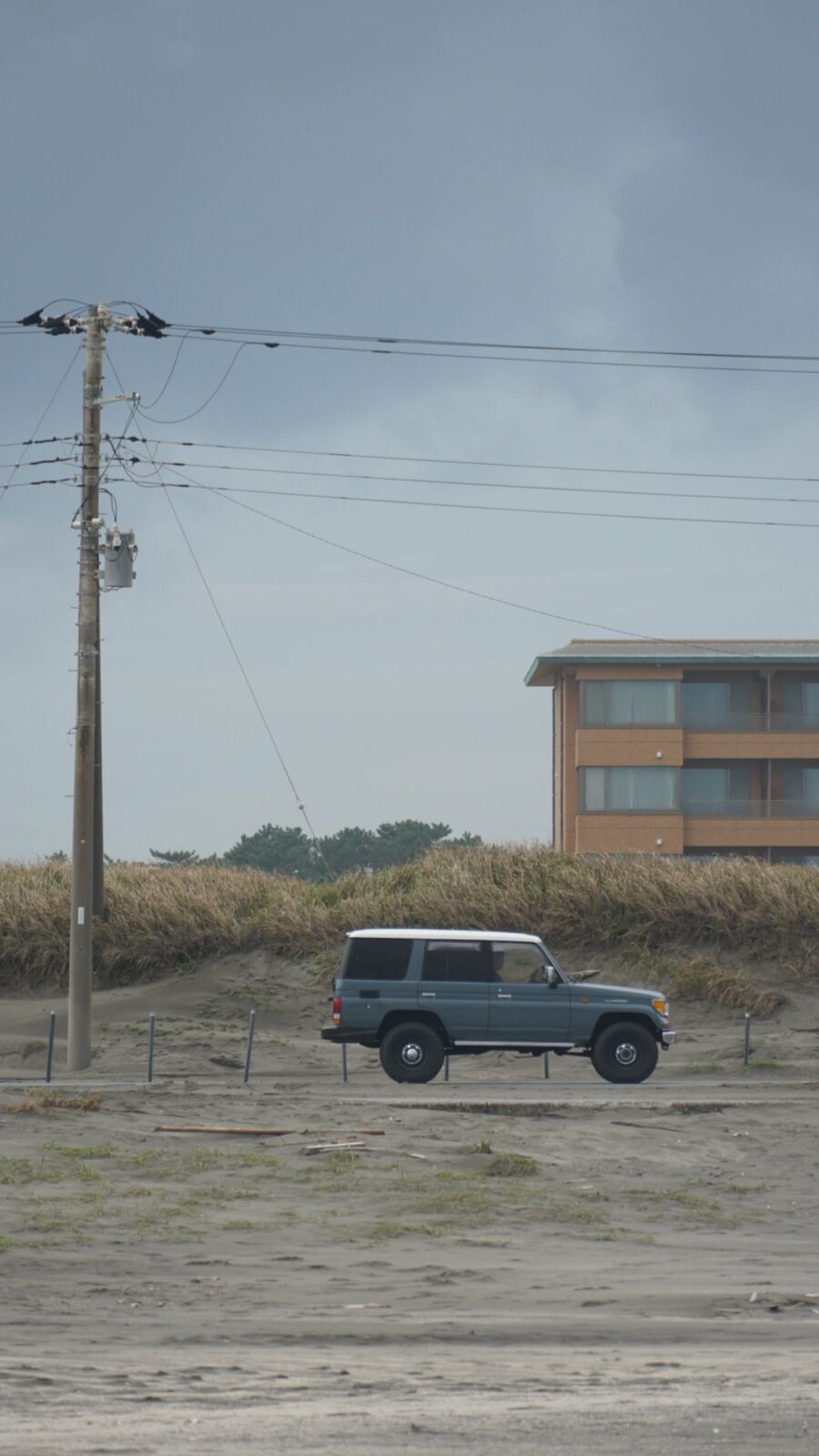
I came back in November 2024, and even in autumn it was still warm enough to walk barefoot into the water and just stand there. Same beaches, same seawall, same spot, but the light had changed completely. Where summer mornings were golden and hazy, the autumn Pacific was all drama. Massive cloud formations rolling in from the east, shafts of sunlight breaking through, the water a steely grey-green with real power behind the waves. The surfers were still out, fewer now, in thicker wetsuits, riding bigger swells near the breakwater.
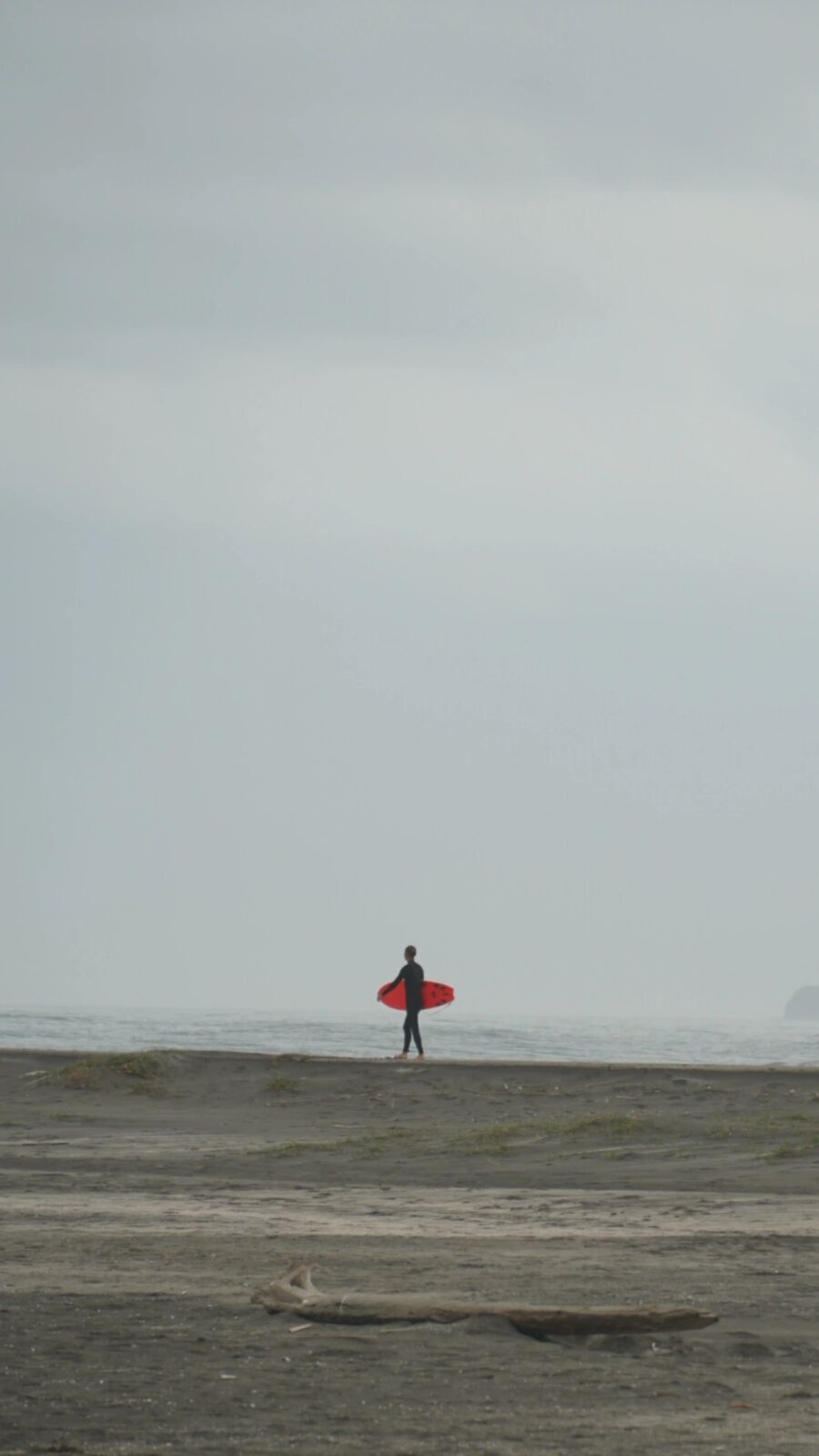
One image from that day stays with me: a surfer standing alone on the dark sand, holding a bright red board, the entire sky behind him a wall of grey. It's a good place to let your mind go quiet for a while, no matter the season.
Practical Info
Location: Kujukuri Beach (九十九里浜) and the surrounding chain of surf beaches along Chiba's Pacific coast. About 30 minutes from Narita, 90 minutes from central Tokyo. View on Google Maps
Access: Multiple free parking lots along the seawall. Most have toilets and outdoor showers. No camping fees, but you're technically parking, not camping.
Surfing: You can rent a full set of equipment (board, wetsuit) for around 3,000 to 4,000 yen at shops along the coast. No experience needed for the rental, but lessons are available too.
Best for vanlife: Perfect first or last stop when renting from JapanCampers near Narita. Arrive in the afternoon, decompress from the flight, wake up to sunrise over the Pacific. If heading west afterward, take the Tokyo Bay Aqua-Line to avoid driving through Tokyo.
Season: Year-round surfing. Summer has the golden sunrises, warm water, and full beach culture. Autumn is quieter but still warm enough for bare feet in the water, with bigger waves and dramatic skies.
Nearby: Kashima Jingu shrine is a short drive north in Ibaraki. Ichinomiya's Olympic surf beach is south along the coast. The toll road along the shore is worth the drive for the views alone.
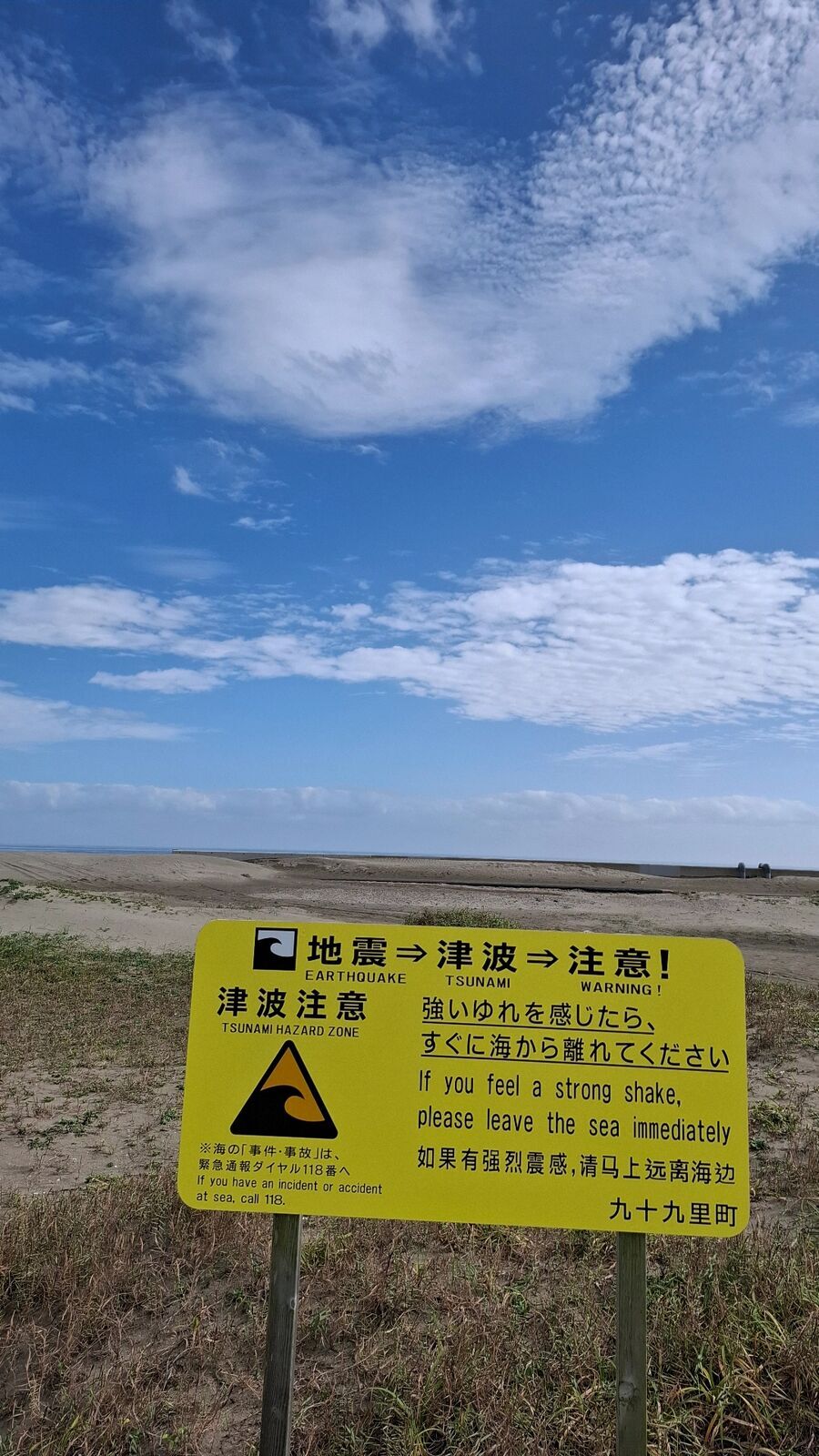
Note: Tsunami warning signs are everywhere along the coast. This is open Pacific, and the signs are there for a reason. Be aware of evacuation routes, especially if you're sleeping in the van overnight.